
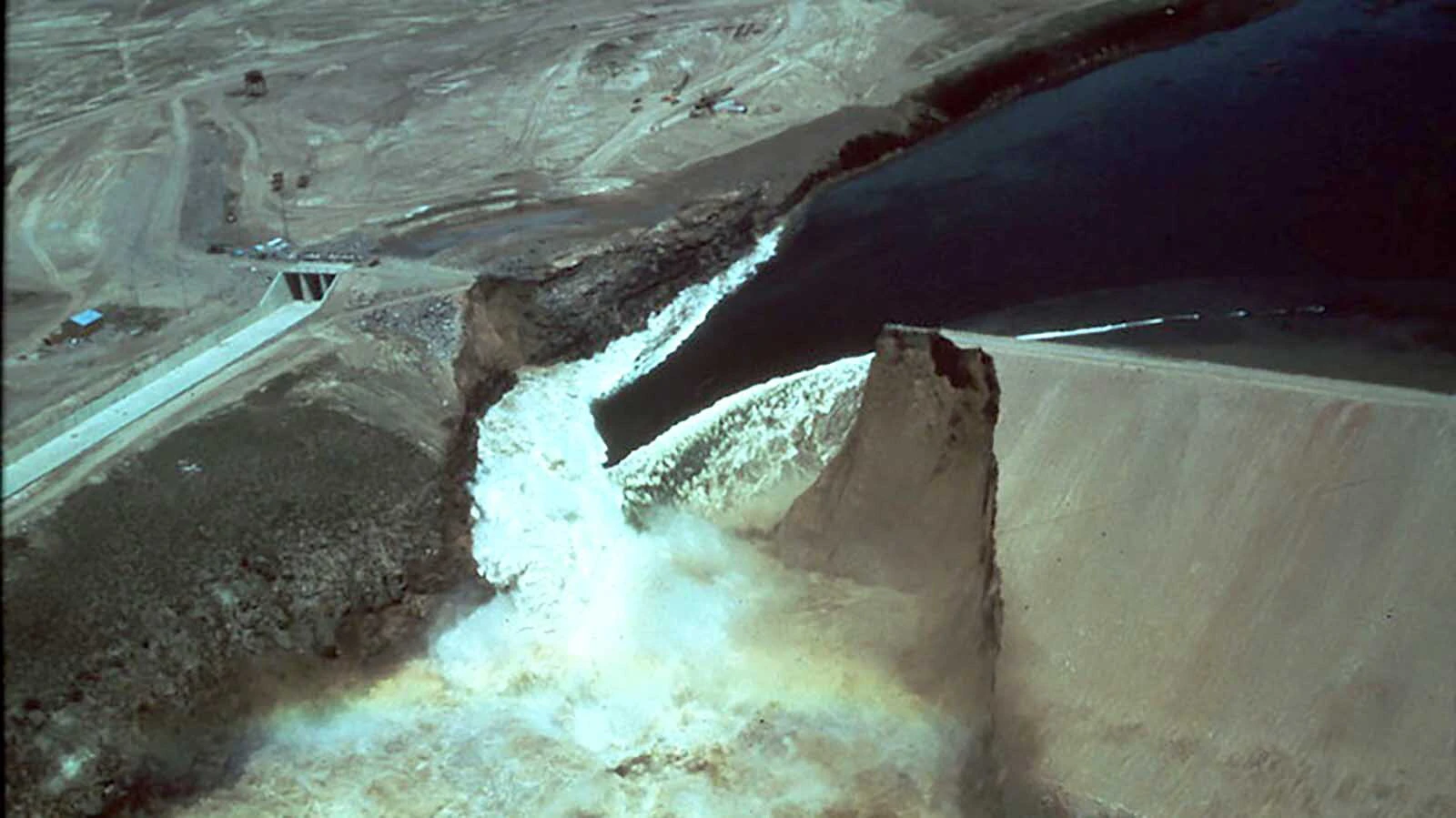
The snowmelt from a long, strong winter 50 years ago seemed to mean a new eastern Idaho dam and reservoir on the Teton River to supply private canals and enhance the region’s agricultural base would be filled more quickly than anticipated.
By June 3, 1976, the U.S. Bureau of Reclamation’s Teton Dam project was considered completed, but contractors still needed to apply an anti-corrosion coating to its “water conveyance features in the outlet tunnel,” said Erika Lopez, a Bureau of Reclamation spokesperson.
The reservoir contained 234,259 acre-feet of water when the dam failed, sending a deluge downriver.
Those who lived through that flood a half-century ago still remember it as “one of the scariest days” of their lives.
It Broke Fast
A 1996 Bureau of Reclamation report on the project 20 years after the historic flood caused by that failure states that on June 3, 1976, two small springs were discovered below the 305-foot-high dam.
One was 600 feet and the other 900 feet away. They were considered “normal” for an embankment dam, an engineer reported.
Two days later, a construction worker inspecting the dam around 7:30 a.m. found muddy water flowing out of the dam’s right abutment, 15 feet above the stream bed.
The flow increased, and then another leak was discovered.
A whirlpool developed in the reservoir indicating water quickly escaping through the dam, the report states.
Warnings were issued downstream telling people to evacuate.
Heroic efforts by bulldozer operators on top of the dam failed to plug the leak and by 11:57 a.m., the potential disaster became a real one.
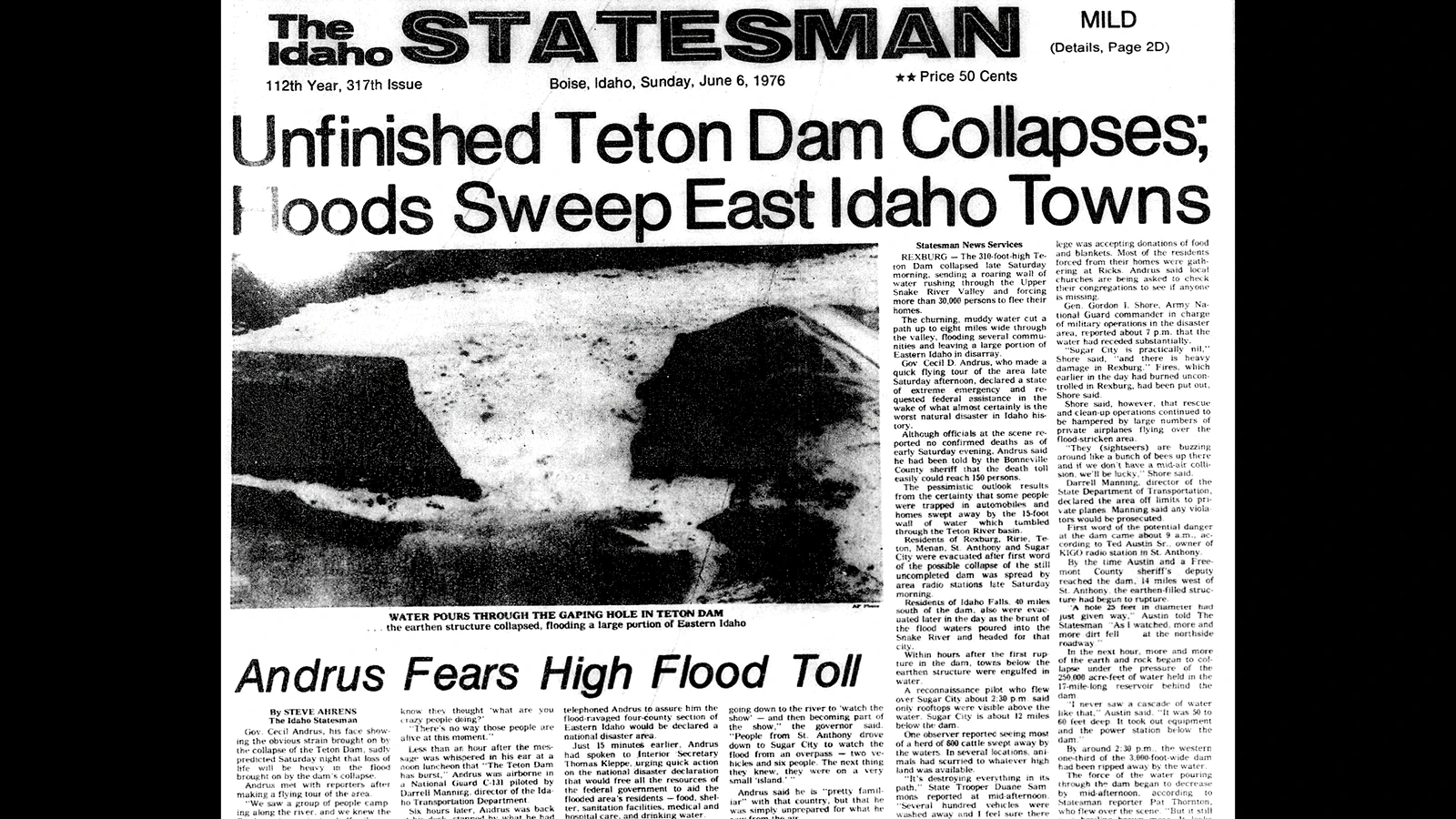
“Unfinished Teton Dam Collapses,” The Idaho Statesman reported on June 6, 1976. “Floods Sweep East Idaho Towns.”
The surging water hit Wilford, Sugar City, and Rexburg.
Before the day was over, 11 people were dead, 112,000 acres of farmland under water, 20,000 livestock lost, 32 miles of railroad track destroyed, 4,000 homes flooded, 250 businesses impacted, 3,500 farm and ranch buildings damaged, and 65 canal systems for irrigation disrupted.
Those who were in the water’s path that day remember it well.
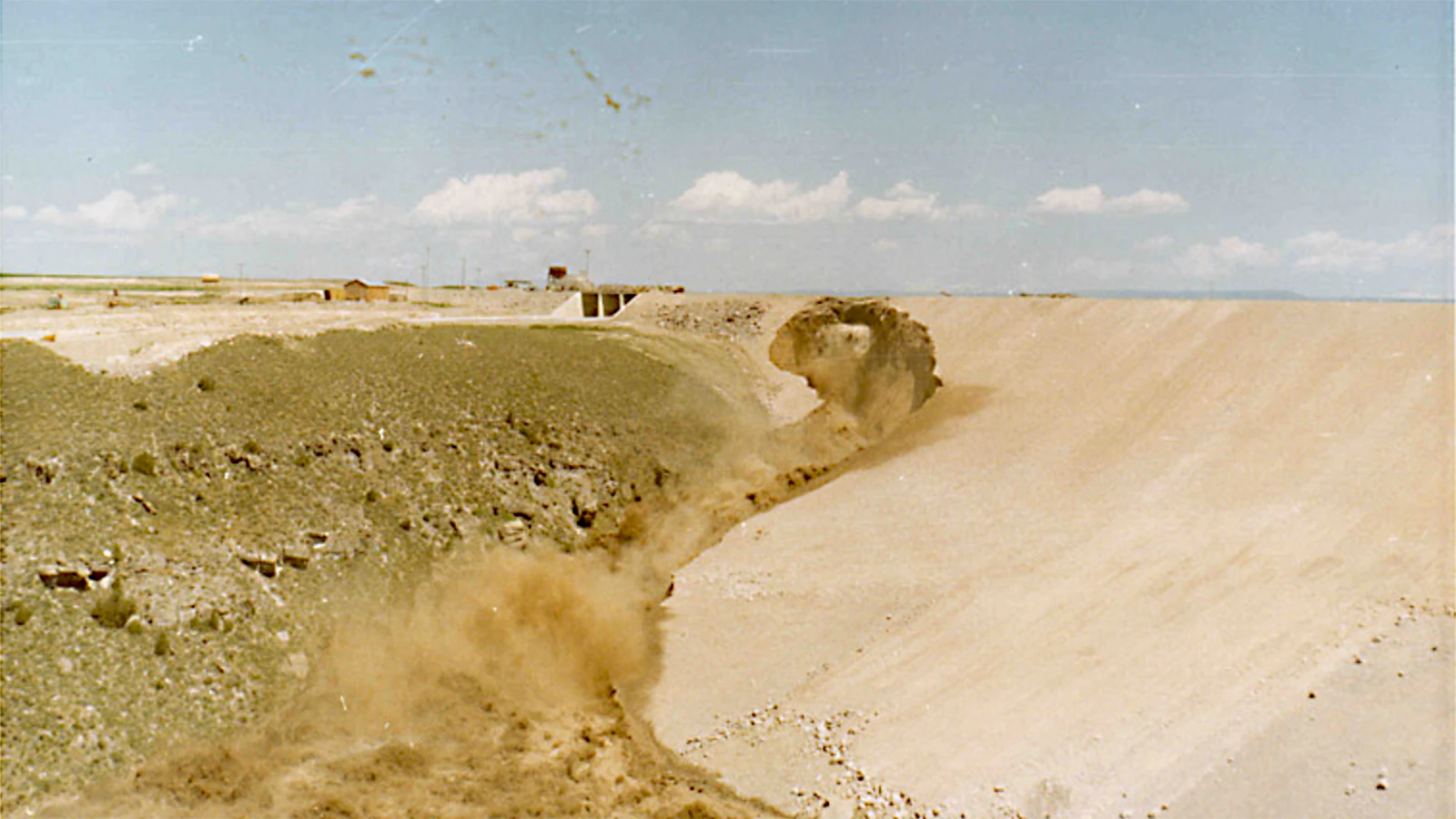
Photos taken at the time of the Teton Dam disaster show how water started leaking and then waters surging through the dam site. (Courtesy U.S. Bureau of Reclamation) 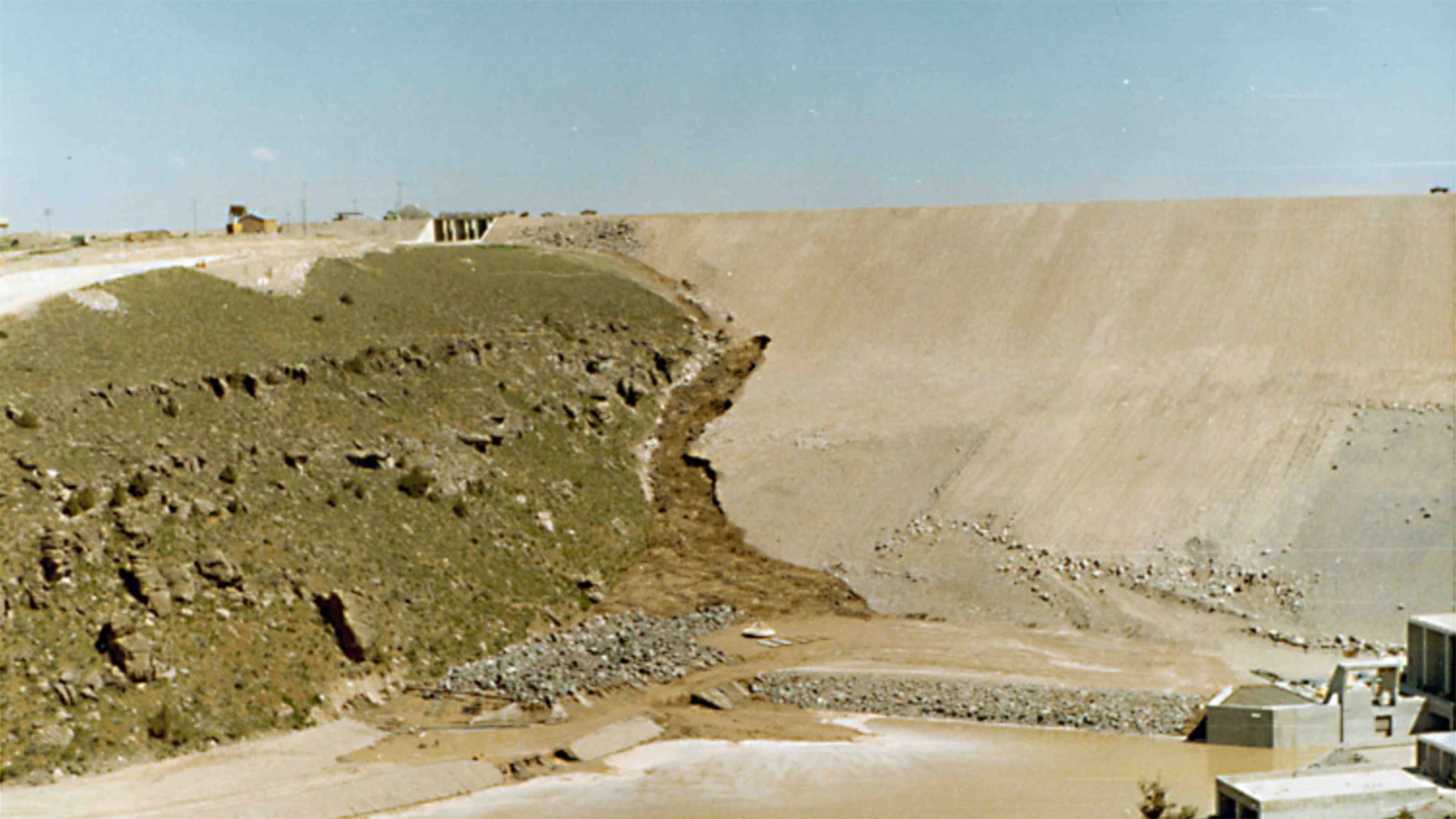
Photos taken at the time of the Teton Dam disaster show how water started leaking and then waters surging through the dam site. (Courtesy U.S. Bureau of Reclamation) 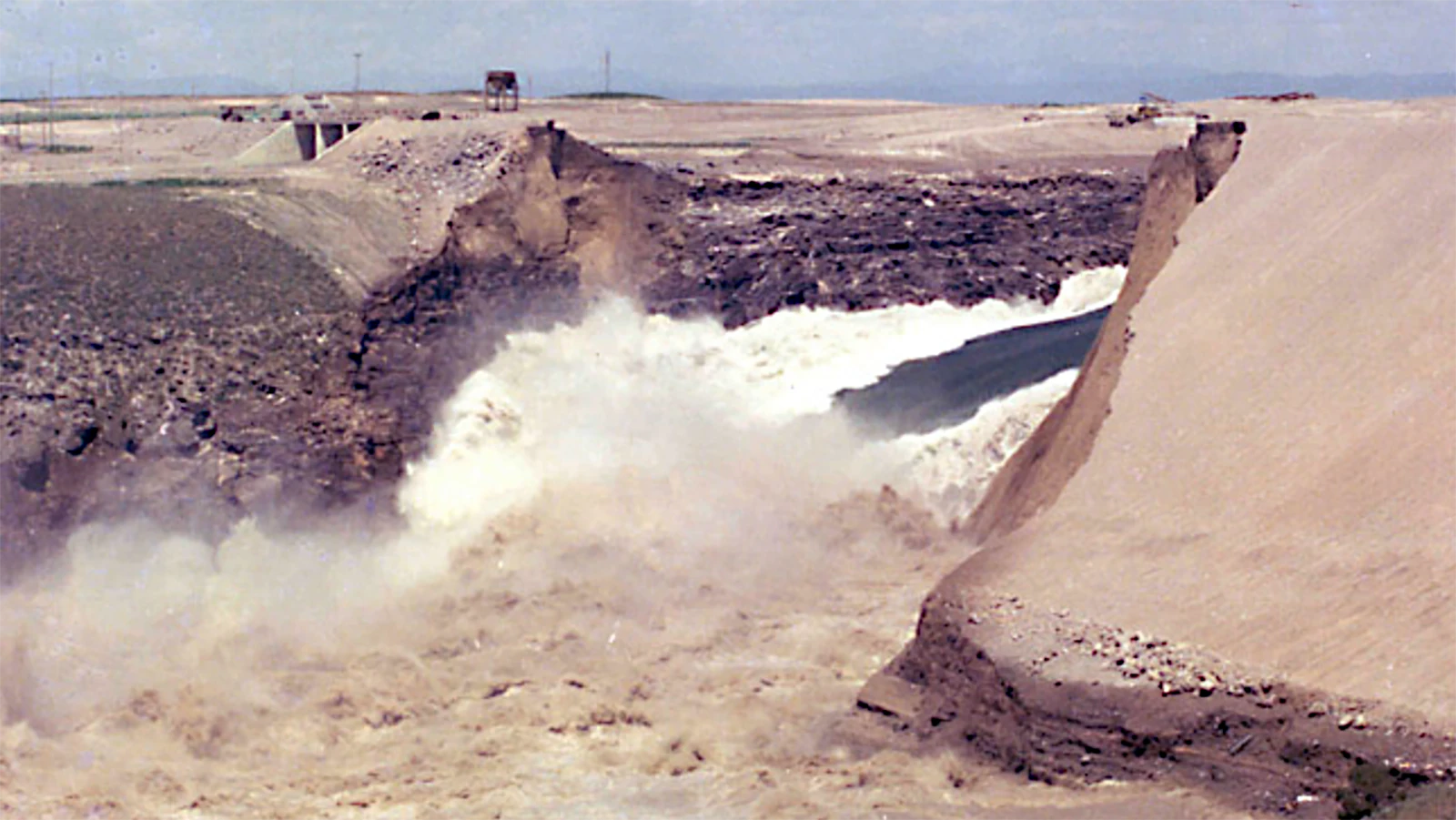
Photos taken at the time of the Teton Dam disaster show how water started leaking and then waters surging through the dam site. (Courtesy U.S. Bureau of Reclamation)
Scary Day
Barbara Smith, 70, of Archer, Idaho, was a 19-year-old newlywed of three weeks and living in Rexburg.
She had gone to a construction site to pick up her husband at noon. The day before, he had enlisted in the U.S. Army.
“It was one of scariest days of my entire life,” she said. “Certainly the people who lived through it, it is the turning point of their life.
"Even my little sisters, who thought it was such an adventure, have stated that they did not know that their lives would change irreversibly that day.”
Smith said when she picked up her husband, he told her about the dam collapse and the evacuation orders.
The couple then drove to her parents home in Rexburg.
They also had heard the news, but while her mother advocated for moving their vehicles to the top of a hill and taking stuff out of the basement, her dad thought there would only be a few inches of water.
He also shrugged off the various orders coming from law enforcement about evacuation.
“When we’d say, ‘Dad, dad are we going to leave?’ He’d say, ‘They cannot make us evacuate, but they can keep us from coming back — and we’re not leaving,’” she said. “He had a business on his property with a lot of machinery and equipment.”
Within two hours, Smith and the others watched the waters coming down the street where her parents lived, covering the gutters and then taking down a fence that surrounded the property.
By the time it reached into their home they had witnessed logs, cows, machinery and tires floating past the house.
Smith said her parents’ home stood on a stone foundation while waters rose to be about 2.5 feet deep inside and about 5 feet deep on the outside, she said.
They lost their vehicles. Her dad lost some of the equipment he rented as part of his business.
The Idaho Statesman on June 6, 1976, reported on the dam disaster. (Courtesy Newspapers.com) 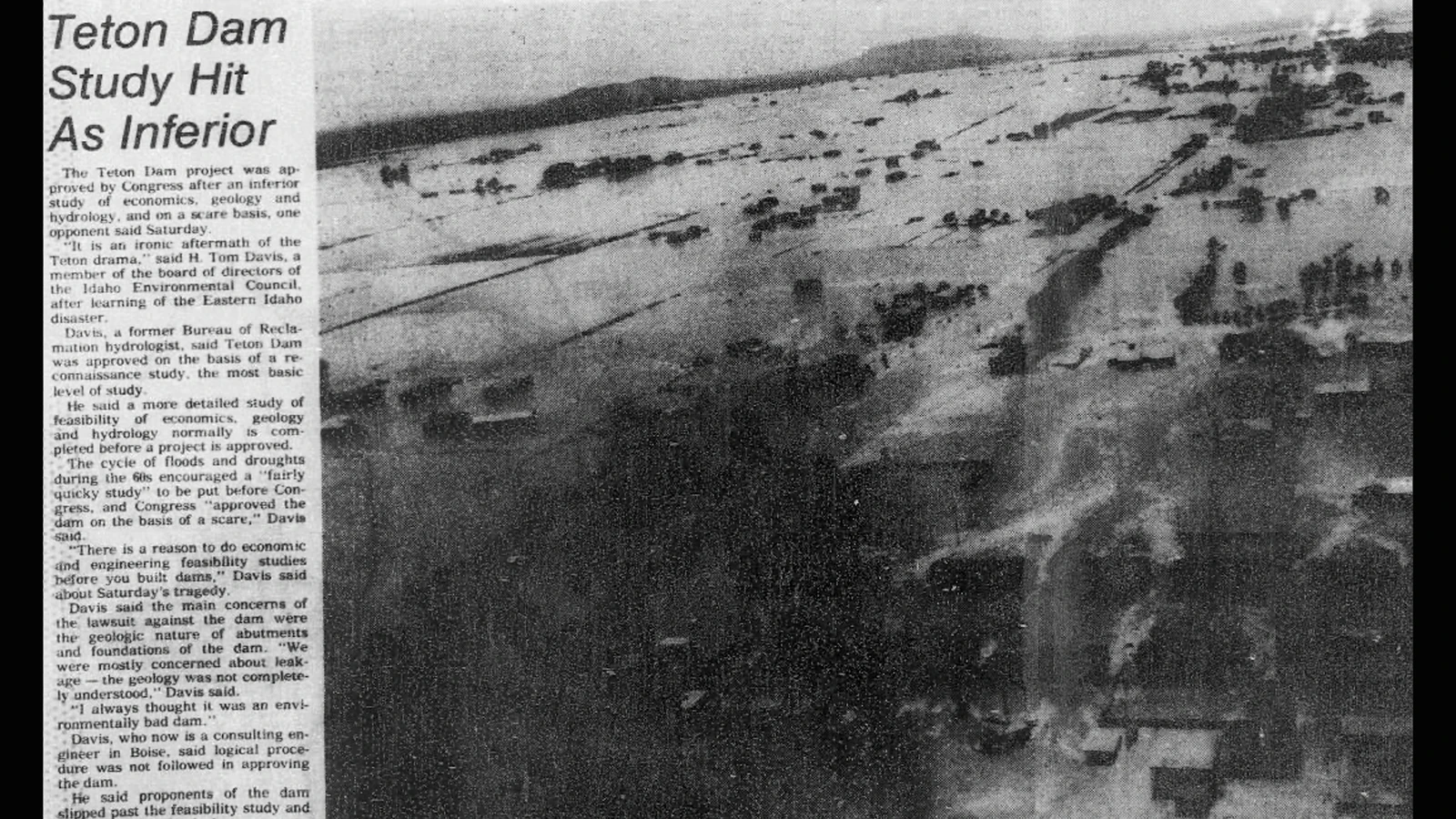
The Idaho Statesman on June 6, 1976, reported on the dam disaster. (Courtesy Newspapers.com)
Canoe Ride
Smith and her husband later that day took a canoe ride to the basement apartment in town where they were living.
The water reached to the shelf in their closet a couple of feet from the ceiling. Everything had to be washed and cleaned repeatedly as they tried to salvage what they could.
“Here it is 50 years later and I have a bookcase that still has flood mud on the back of it even though it has been washed and scrubbed,” she said. “It was really fine and silty and it is just a reminder.”
Smith said the empty lots created after the flood washed away homes are fewer now in Rexburg, but some remain.
Jacob Haeberle, dean of General and Transfer Education at the College of Eastern Idaho in Idaho Falls, said he was a 4-year-old with his family trying to get back to their home in Rexburg when they were stopped by state police at a roadblock.
“We were coming back from a wedding in California, and we’d heard some stuff on the radio as we were coming into Idaho but nothing concrete,” he said. “We got stopped in Idaho Falls by the state police at a roadblock and the officer asked us where we were going and we told him we were going to Rexburg.
"And he said, ‘It’s not there anymore.’”
Haeberle said the officer was mistaken, but they learned two other towns were destroyed. Rexburg was hit hard, but because some of the town was up on a hill it “wasn’t fully wiped off the map,” he said.
Haeberle said when his family got into town, they found their home that stood on a little hill was untouched, though floodwaters claimed their garage. A car the family owned and had at a repair facility in town also became a casualty.
“It was found two days later underneath two pickups,” he said.
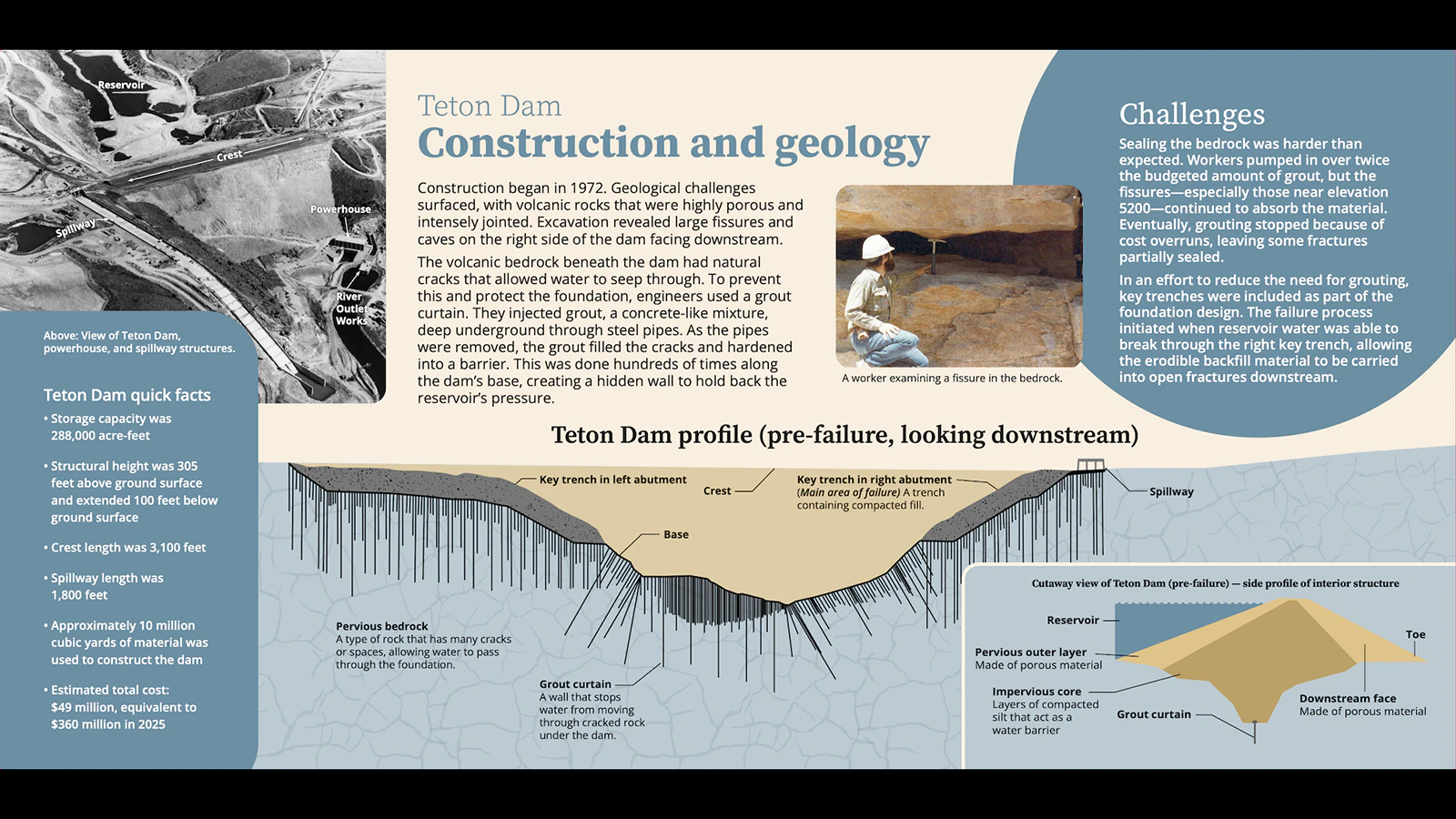
Dam panels erected by the U.S. Bureau of Reclamation explain the history of the dam and disaster. (Courtesy U.S. Bureau of Reclamation) 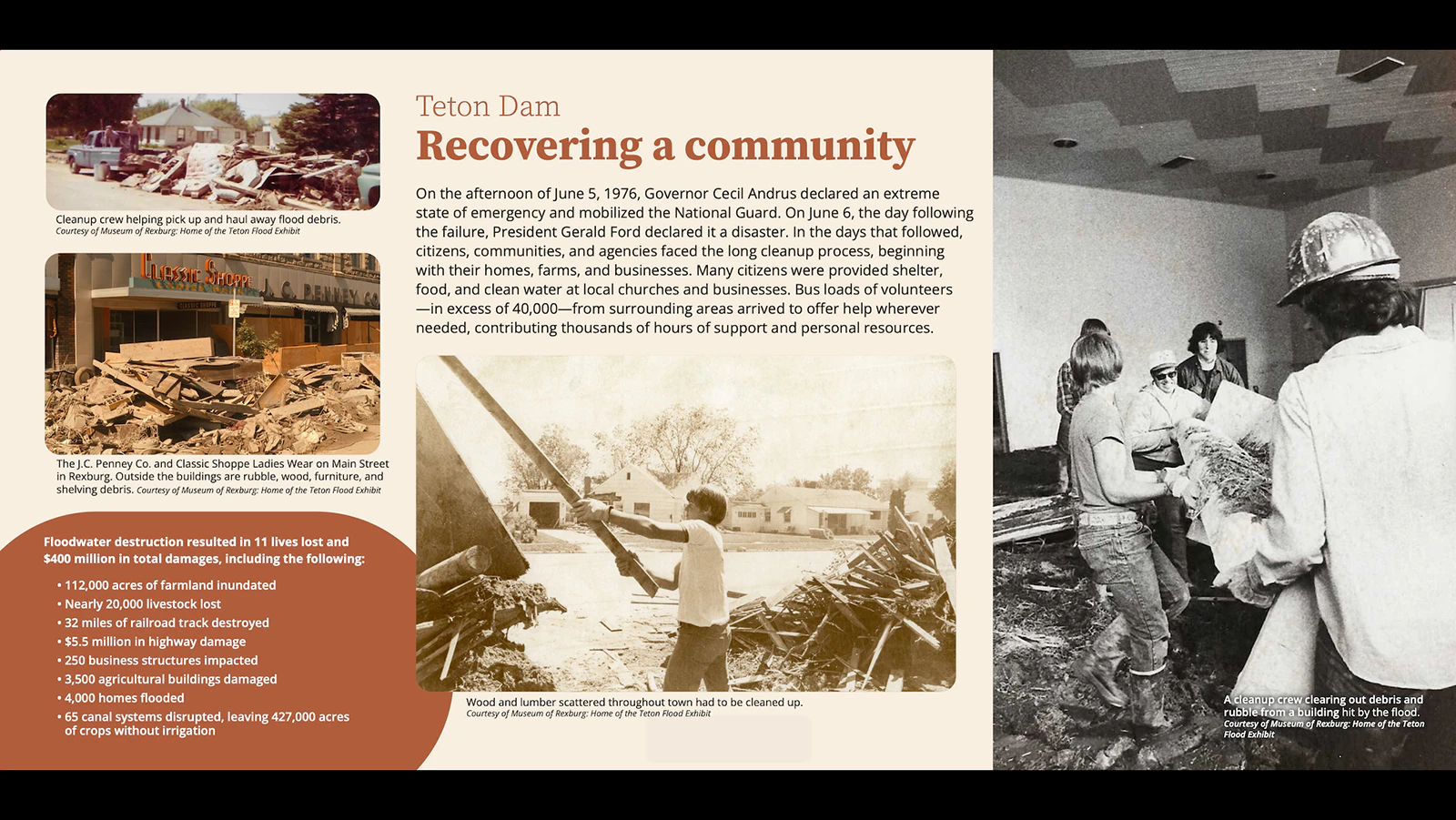
Dam panels erected by the U.S. Bureau of Reclamation explain the history of the dam and disaster. (Courtesy U.S. Bureau of Reclamation) 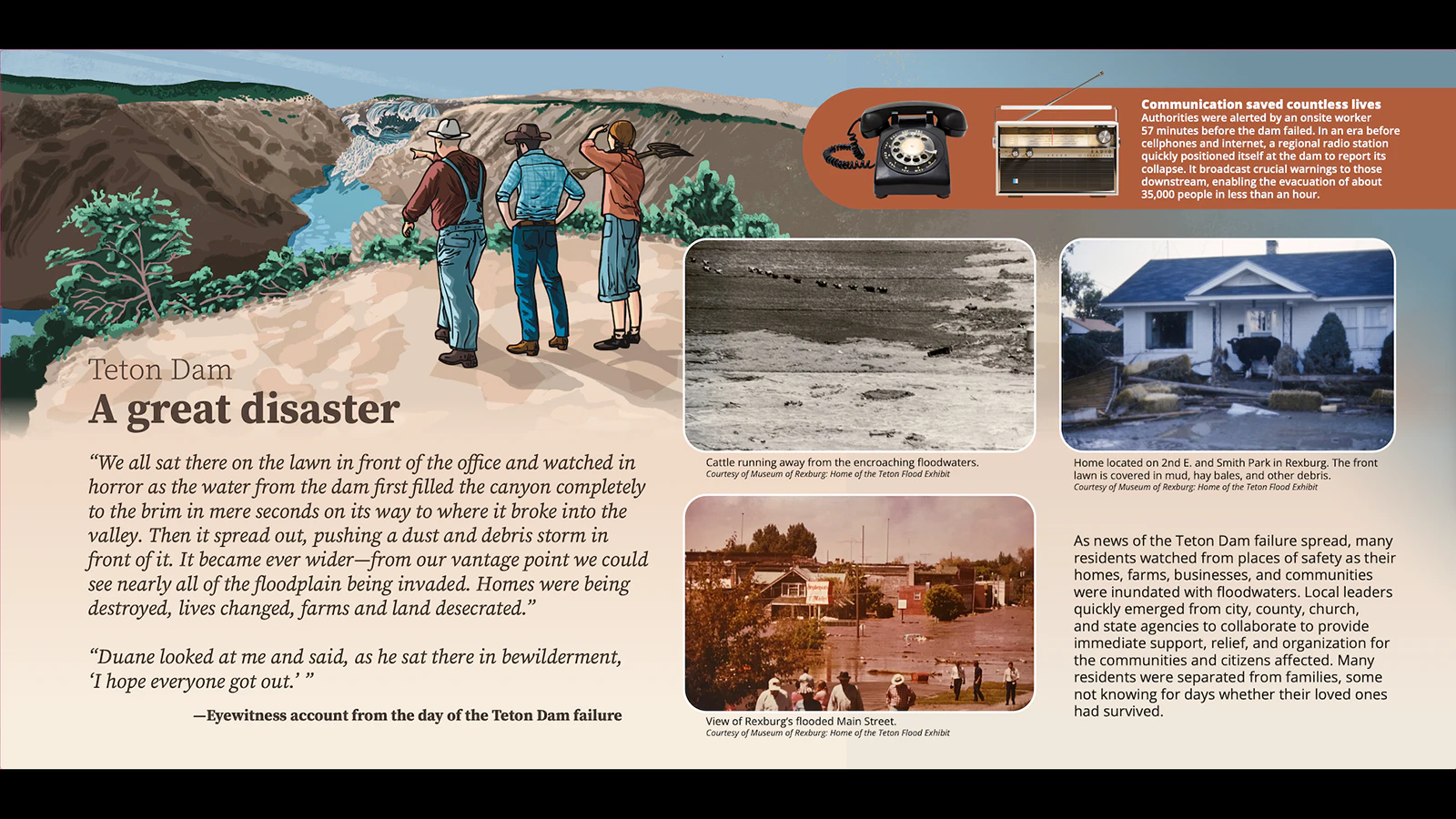
Dam panels erected by the U.S. Bureau of Reclamation explain the history of the dam and disaster. (Courtesy U.S. Bureau of Reclamation)
Commemoration
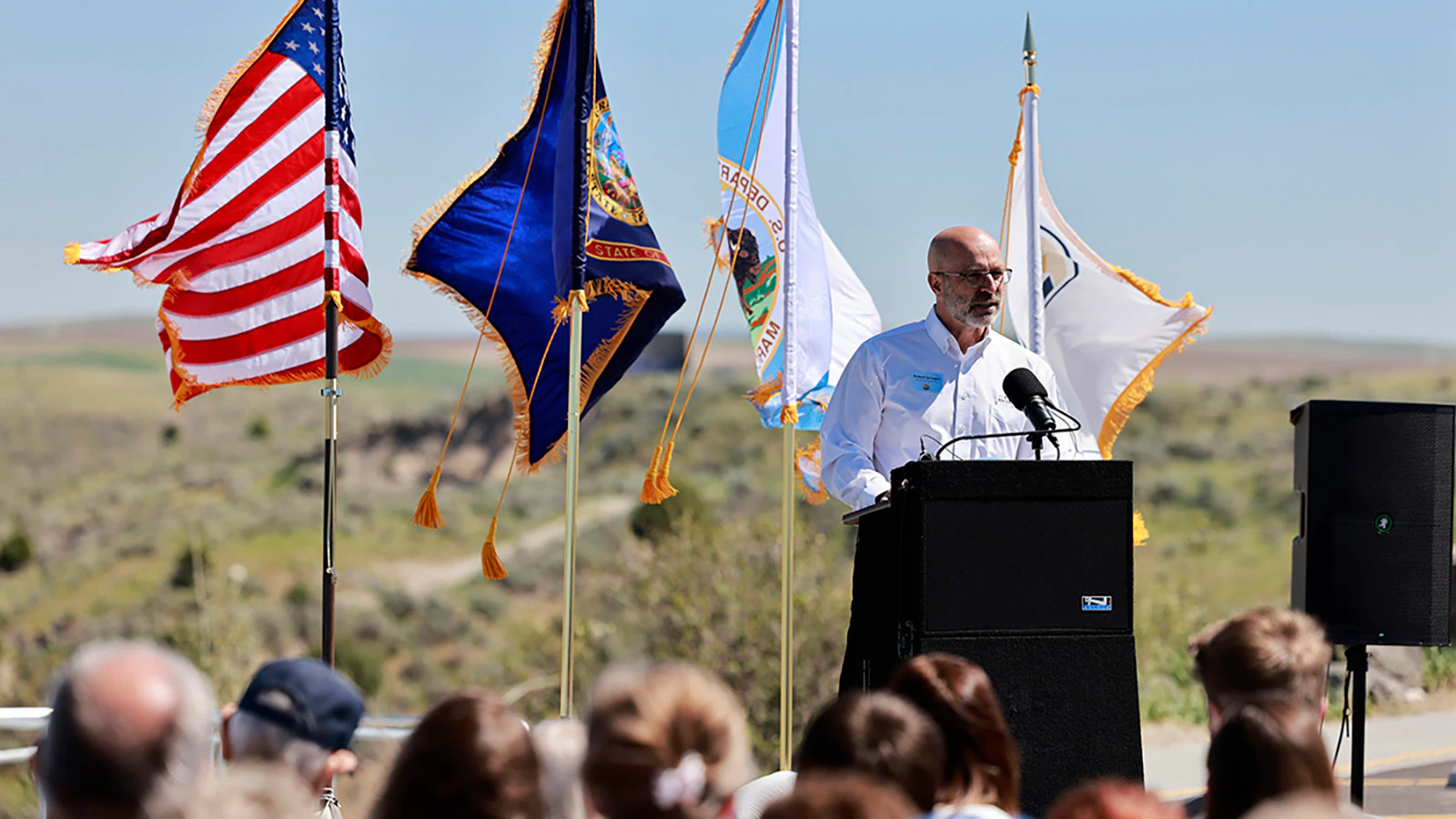
Lopez said for the 50th anniversary of the flood, the Bureau of Reclamation’s Columbia-Pacific Northwest Region Snake Field Office on June 5 sponsored a commemoration ceremony in collaboration with Teton Recreation Coalition partners.
“The overlook site got a brand new look,” she said. “It’s really beautiful.”
Interpretive panels placed by the Bureau of Reclamation now tell the story of the dam collapse and the cost to the communities below.
The site also includes a new vault toilet, picnic area, and designated vehicle turnaround.
Fifty years after the disaster, Haeberle agrees that the impact and stories of the flood remain alive in the local region.
“The closer you are to Fremont County and Madison County in Idaho the bigger a deal it is,” he said. “But even in Idaho Falls there will be ‘before the flood’ and ‘after the flood’ dates in a person's life.”
Haeberle said the flood gets referenced often, and “every once in a while” there is talk about rebuilding the dam, but that “gets shouted down pretty quickly from people who remember what it was like.”
In some of older buildings and homes in Rexburg, the smell of the flood still remains and it “takes you right back to that time,” he said.
Smith said that while growing up, her parents often would mention “when they move back to Wyoming” because they had roots in Casper and had come to Idaho “by a turn of events.”
The flood for them became the trigger to make the move, and her father sold his business and other properties. With her mom and younger sisters, they bought a ranch in the Cody area.
“My mom said that my dad never worked a day in his life after that because farming and ranching was such a joy,” she said. “He was a happy man and it was all because of the flood.”
Another Dam
Smith agrees that any talk about rebuilding a dam in that area remains a sensitive topic, though it has come up occasionally over the years.
She said the volcanic rock that contributed to the dam failure in the Teton River gorge is still there and that any new ideas for a dam site are not going to work in any second attempt.
Lopez said the dam collapse led to the Bureau of Reclamation pushing for “The Safety of Dams Act” that became law on Nov. 2, 1978.
The law authorized the Secretary of the Interior to “construct, restore, operate and maintain new or modified features” at federal dams to “protect lives and property and to ensure the physical integrity of Reclamation dams.”
She said any “future consideration of rebuilding Teton Dam” would require technical and environmental studies as well as “congressional involvement.”
The bureau’s 1996 report on the dam and its collapse stated that federal lawyers in 1976 concluded the government was not liable for damages.
However, President Gerald Ford believed the government had a “moral responsibility” to pay restitution and asked Congress for money.
In the end, the government paid $322 million for the 7,563 claims it ruled valid.
California’s Rep. Leo Ryan, who would be assassinated in Guyana two years later, led a congressional investigation during the summer of 1976 into the dam’s collapse and was widely quoted in the nation’s newspapers — including the Turlock, California, Daily Journal — about its failure.
“The exact cause of the dam’s collapse is (still) not known, but it certainly was not an act of God,” he said in a UPI article published in the Journal’s Sept. 28, 1976 edition. “It was a man-made disaster that should be prevented from ever happening again at any other place in the future.”
Dale Killingbeck can be reached at dale@cowboystatedaily.com.


