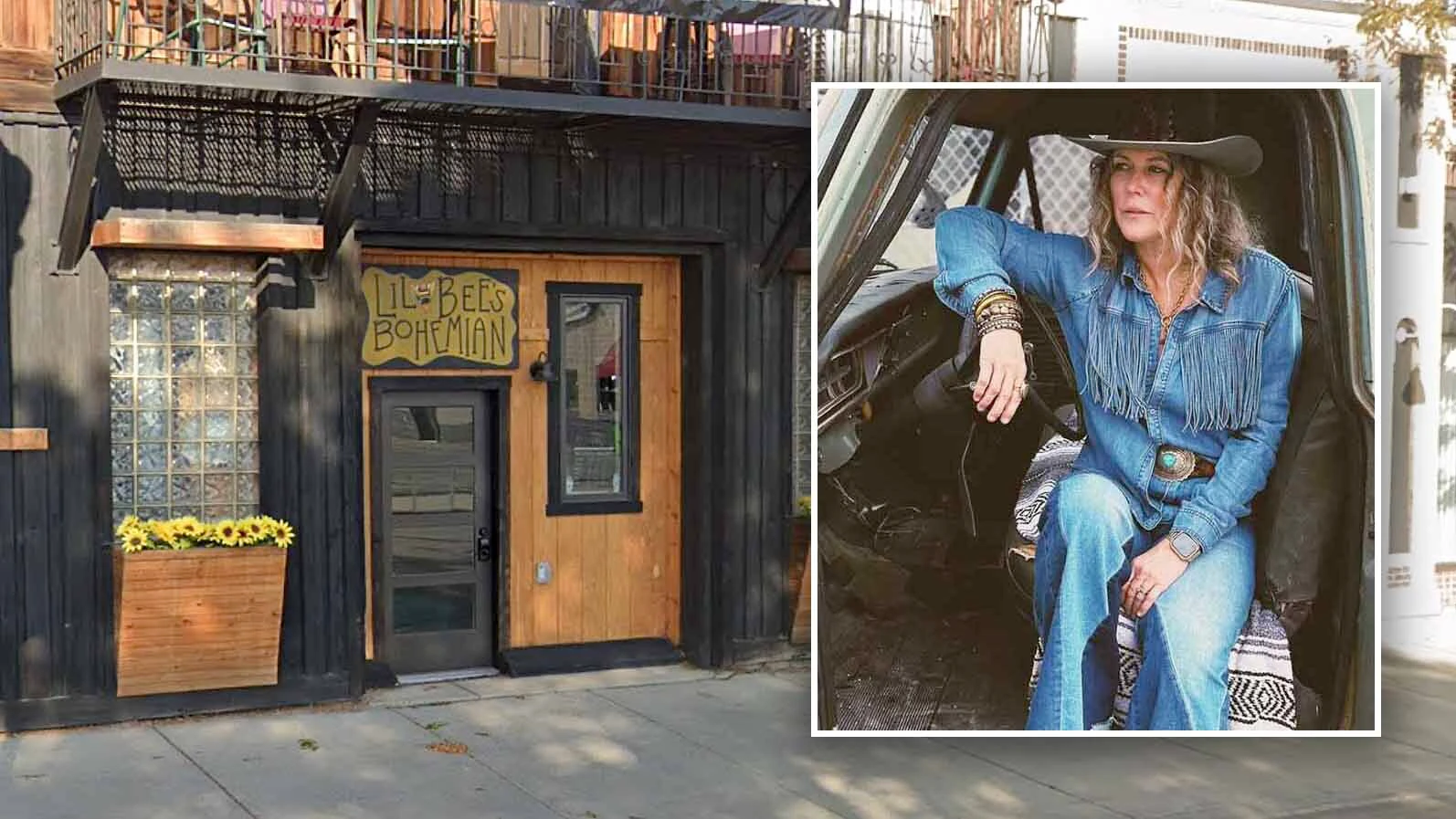
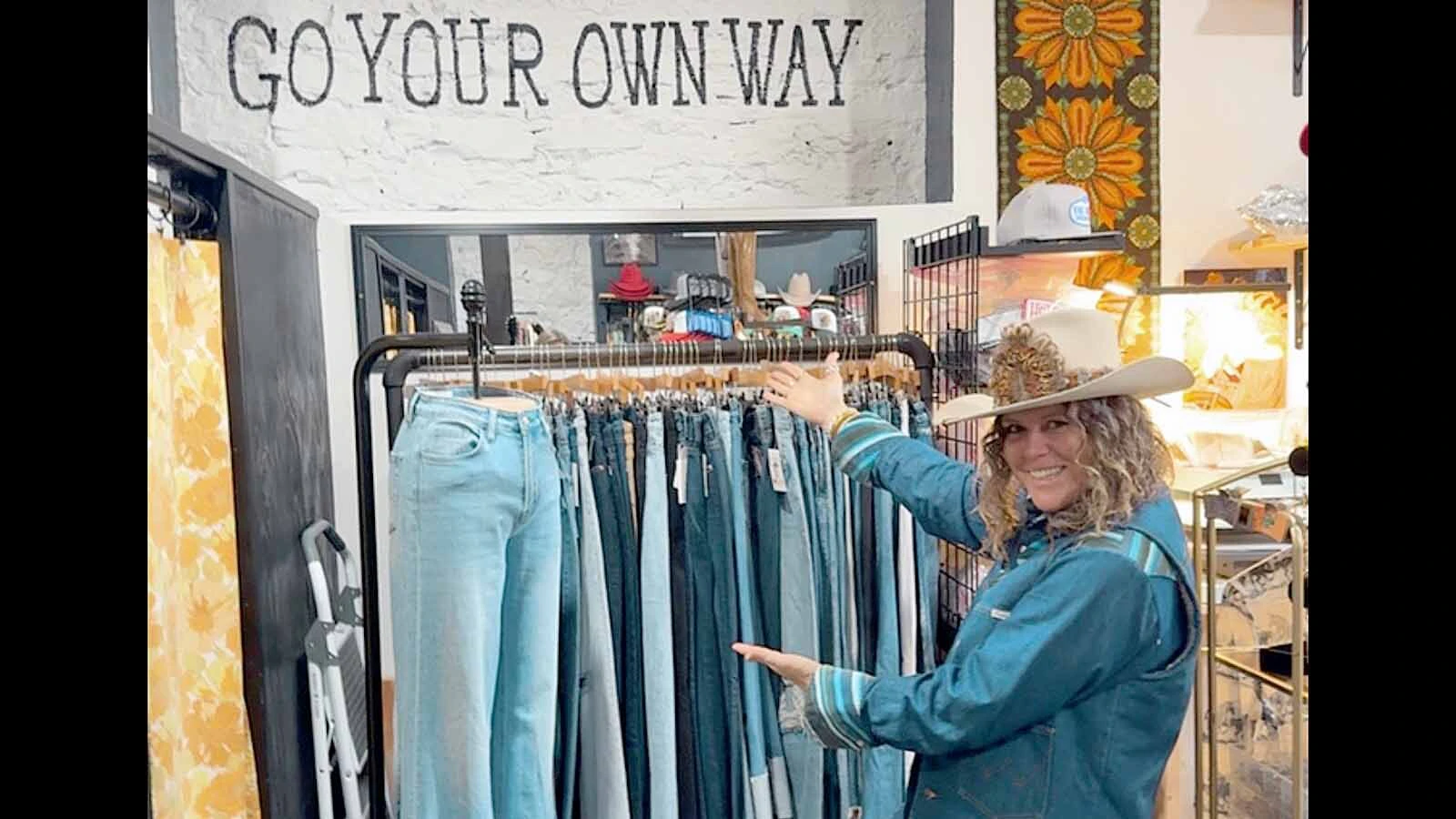
Kelli Tracy feels like she’s “living in a Hallmark movie.” She and her husband just closed on their own brick-and-mortar store in downtown Sheridan, and she’s now celebrating her 10th year in business.
These days, her Lil Bee’s Bohemian clothing line ships all over the world, and the business brings in a comfortable $600,000 to $700,000 a year in sales.
But, like any Hallmark movie, getting to “happily ever after” wasn’t an easy task.
The journey started when she was unexpectedly laid off from a big corporate job in Florida as a quality assurance compliance manager. It was scary.
“I had just moved in with my now husband but, at the time, my boyfriend,” Tracy recalled. “And he was like, ‘Well you need to get a job. You need to maybe go back to bartending or go back to doing something so you have money coming in.’”
Tracy had done plenty of bartending in college and had no intention of going back to it. She had a completely different idea, one people told her was crazy at the time.
“The next day I started my own boutique with clothing out of my closet,” she told Cowboy State Daily. “That’s when Instagram first started. Like it was just coming out and the algorithms were great. Everything was great.”
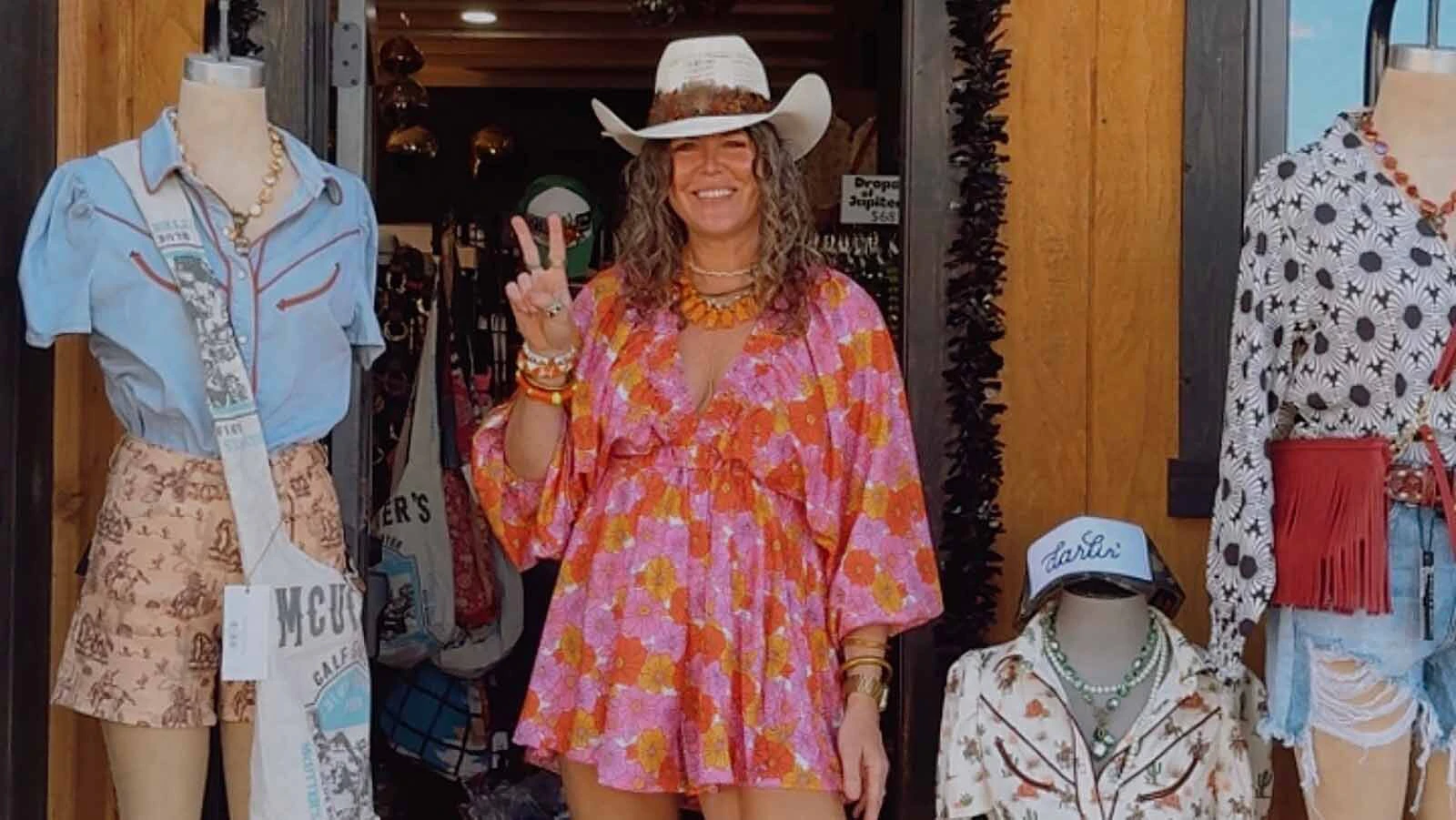
She propped a mannequin she bought from California — a model she named Lola — in front of her phone, dressed it in her own clothes, and opened a Shopify account.
Lil Bee’s Bohemian was born.
Cracking The Inventory Code
Starting out, her biggest problem wasn’t finding customers. She had plenty of people clamoring for the outfits she was styling.
Her trouble was finding inventory priced low enough that she could resell it with a healthy profit margin.
“I didn’t know there were places like Fashion Go or like Marketplaces and all the things,” she said. “You can go to Dallas Market and like find all your vendors.”
Initially, to get inventory, she’d go to places like Ross and Marshalls to buy items for the outfits she was promoting on Instagram. It was rare, but if the outfits didn’t sell, she’d just return them.
That strategy wasn’t going to work long-term, she realized. She had to figure out something else.
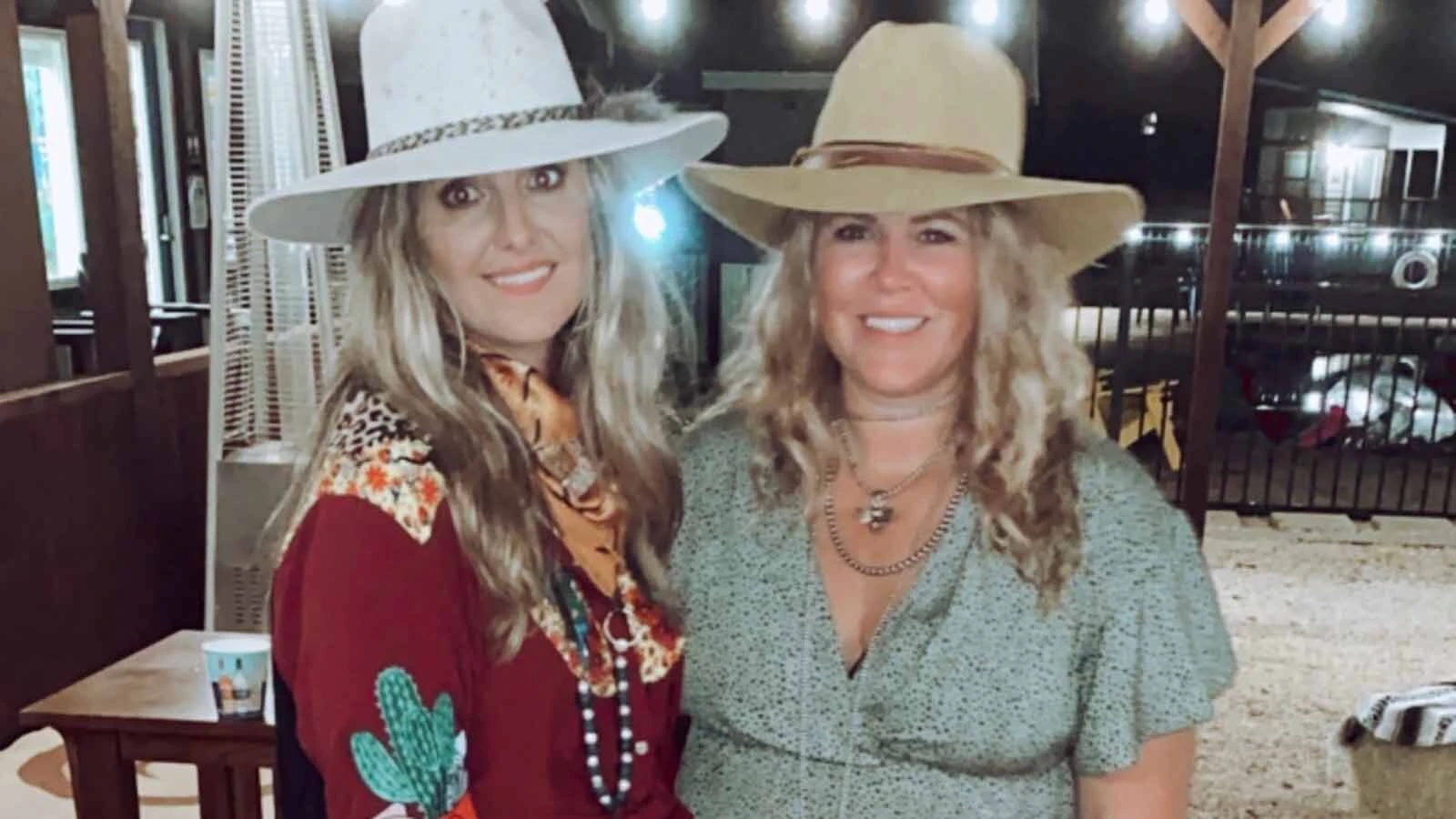
“Then I met a lady named Holly who owns Baja Ranch and she’s the one who helped me,” Tracy said. “I was buying a bunch of her stuff off eBay, because it was really cheap, to resell. And so she asked me like, ‘What are you buying all this stuff for?’”
When Tracy explained she was starting a boutique and needed inventory, Holly explained where she could go to find wholesale items to resell.
“I mean, you can buy from me,” she said. “But you can get all of this stuff here.”
And the prices would be much less expensive. Wholesale pricing, Holly explained, would let Tracy keep her margins, without relying on returns.
Tracy, meanwhile, helped Holly figure out how to start Instagram and Shopify accounts so she could improve her business model.
A $12,000 Surprise
Once she had reliable wholesale sources, sales were booming. But there was a big problem. Somehow, despite making many, many sales, the money wasn’t adding up.
“I was like, ‘Man, where is all the money?’ Like I know I didn’t spend all this money,” she said.
Eventually she figured out that many of the purchases were landing in her business’ PayPal account. She thought that money would transfer to her bank account automatically, but it was sitting there, quietly waiting for her to go in and authorize its transfer.
“I was almost to the point of bagging it,” Tracy said. “I was like, ‘I don’t think I can do this. I can’t really afford more stuff.’ And then I wound up with all this extra money.”
The business was saved, and Tracy realized she had to get more organized. The scare pushed her to tighten up her books and treat Lil Bee’s less like an experiment and more like the real business it was becoming.
One Closet Wasn’t Enough
As the business grew, so did its footprint inside the couple’s home.
It was no longer just her own closet. It was every closet in the house. She put racks in the spare bedroom, the living room, and even one hallway.
“It was just taking over the house,” Tracy said. “It was bad. I remember looking over at my husband and his two kids and the dog and they all looked at me like I was crazy.”
Finally, one day her husband said, “Hey, if you go get a place like a studio or like an office, this whole entire closet here could be your personal closet.”
Tracy heard what he was really saying. It was time for Lil Bee’s to grow wings and fly.
“I had the keys to a showroom the next day,” she said. “Within 24 hours.”
The business doubled in size and quickly outgrew the showroom. She moved it next to a big warehouse, and just kept upgrading from there.
“At one point, I think I had two, maybe three warehouses,” she said. “It just kept getting bigger and bigger.”
The growth looked impressive on paper. At peak, Lil Bee’s was doing more than $1.4 million a year in sales.
But the pace was grueling, the overhead relentless, and she was working all the time.
Right-Sizing Her Business
By year eight, she made some decisions that shape the business as it is today.
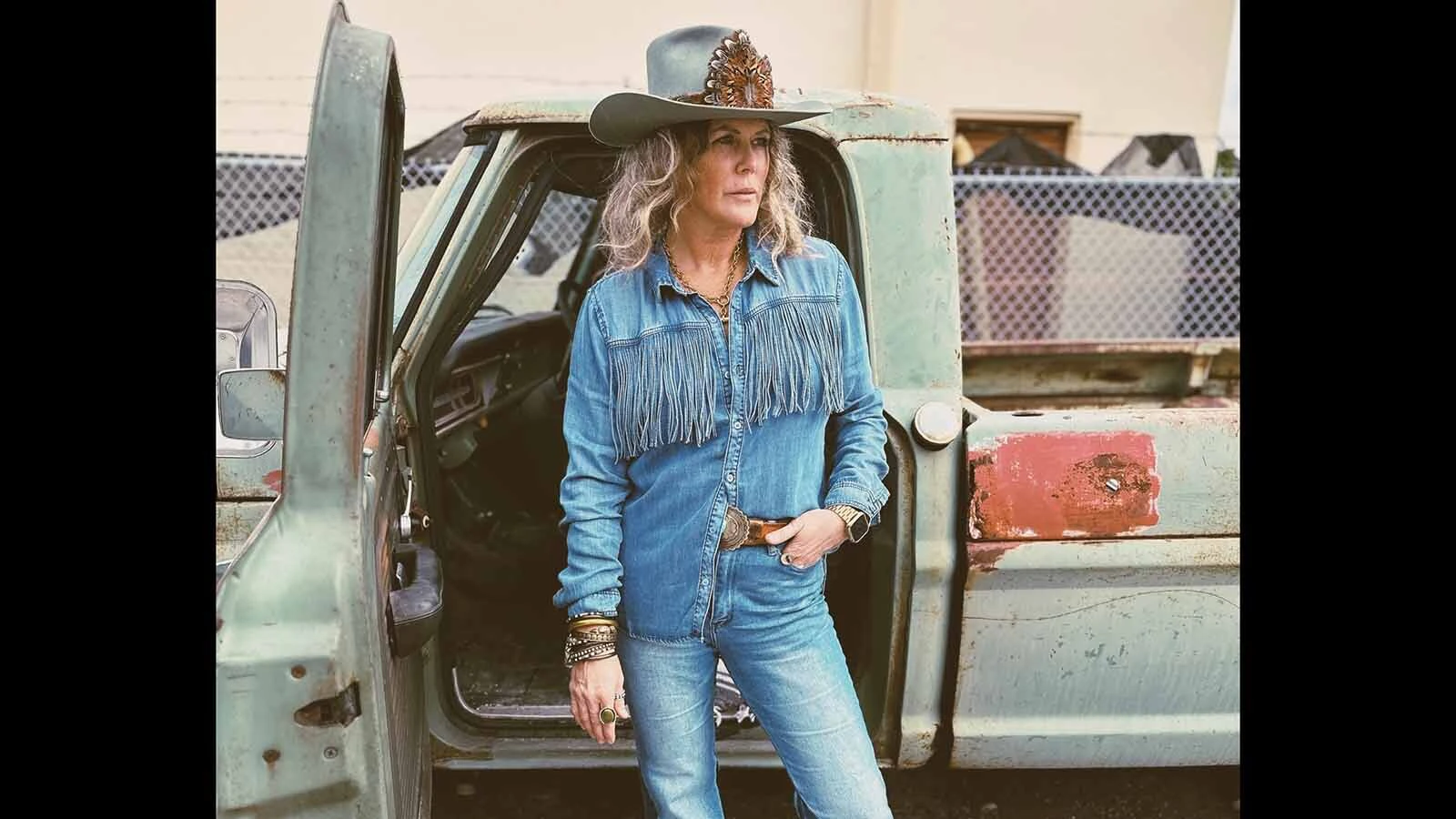
First, she decided to start making her own clothing designs instead of just buying and reselling other people’s ideas.
That would also allow her to boost the quality. No more thin, disposable stuff. She wanted pieces that people could keep and love forever.
She also decided just how big she wanted Lil Bee’s to be.
“It just got to bee too much,” Tracy said. “It was just more, more, more.”
She realized that if she downsized her business, she’d still remain profitable and she would have more time to focus on her own designs.
Balling On A Budget With Lainey Wilson
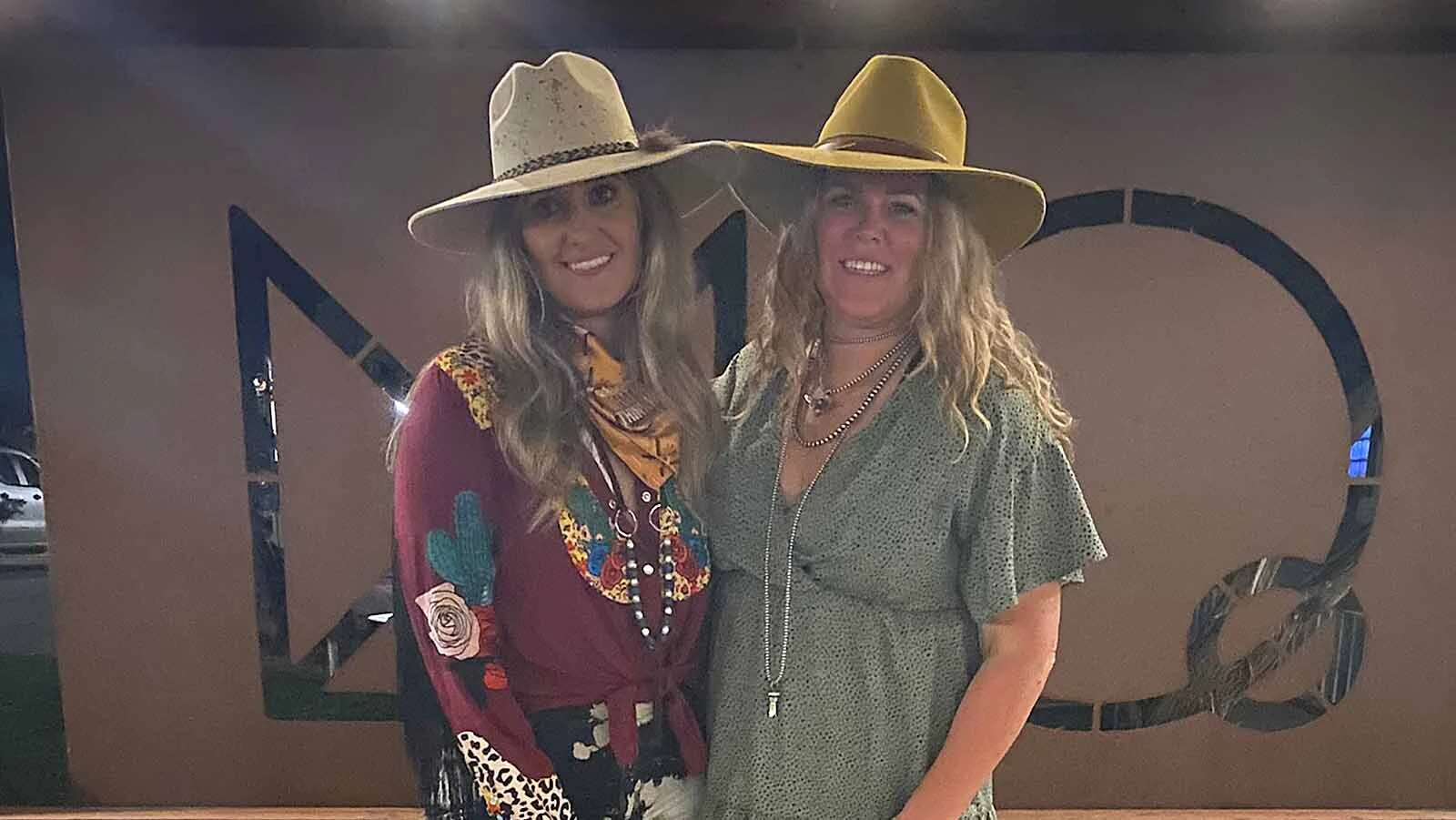
That turned out to be a fortuitous move. Her ‘70s-inspired clothes caught the eye of a rising country star — Lainey Wilson.
Wilson, then an artist in Nashville, was a regular customer.
“She bought bell bottoms from me and she called it ‘Balling on a budget,’” Tracy said with a chuckle. “She even spoke about Lil Bee’s on the Bobby Bones podcast.”
Eventually, Wilson and Tracy teamed up on a collaborative clothing line built around flared jeans and boho blouses.
“We created four items together,” Tracy said. “It was a really cool, button-down top, a pair of jeans, like acid-washed black jeans, a bandana, and striped bell bottoms.”
As Wilson’s career took off, however, the partnership became more complicated. New managers stepped in, and access to the star tightened.
“I couldn’t just call her up anymore,” Tracy said. “I didn’t take it personally though. She’s a wonderful person, and she’s the same way in person as she is on stage.”
Hallmark Ending In Sheridan
The Lainey Wilson chapter was a fun, unexpected part of her business journey, but it’s not the one Tracy likes best.
That's the one she’s in right now, designing her own clothes and selling wholesale to 146 stores across America as well as stores in Canada. She also ships orders direct around the world and has a loyal following in Australia.
The boutique shop she just closed on in Sheridan exactly 10 years after starting her business is a full-circle moment.
The store is just 800 square feet. But it feels just right for now.
“It’s packed so full of just amazing beautiful stuff,” she said. “I’ve got my entire line in there — all my blouses, and jewelry.”
There are sweaters, jackets, dresses, tallow makeup, bags and a hat bar, too.
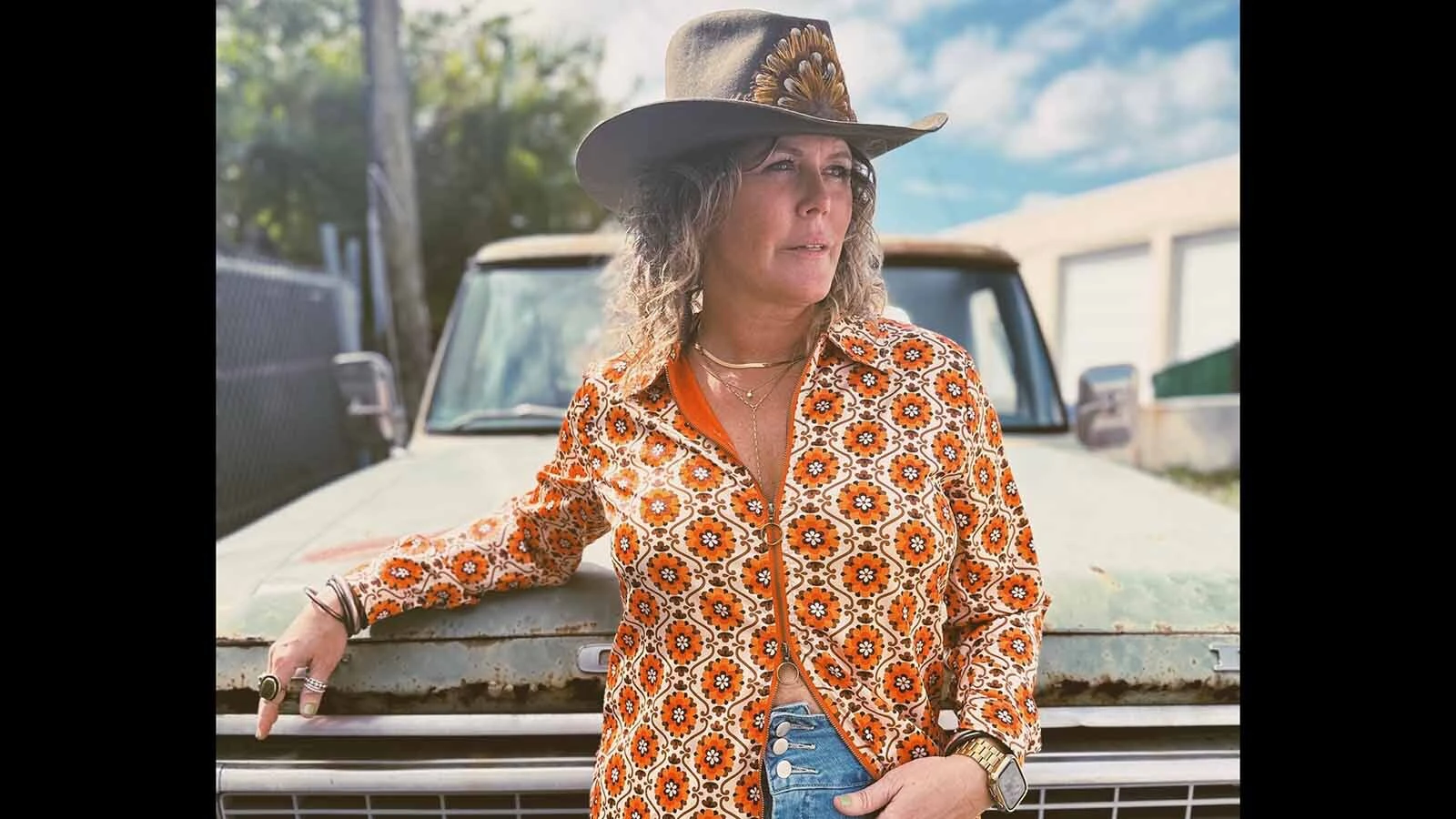
“When you get in there, it’s like a time capsule back into the '70s,” she said. “It’s groovy, and there’s not one thing that’s plain. It’s like a maximalist dream.”
It’s a dream that’s also planted in the one place in the world she’s decided she likes the best of every place she’s ever roamed — Sheridan. She got to know the town after visiting some friends, and just decided it’s where she’s always belonged.
“It’s just marvelous,” she said. “This last Christmas we had the Holiday Stroll and it snowed. I mean, it snowed so much that night, it was just marvelous. Everyone was out there with hot chocolate and their scarves and I was like this is nuts. Like I’m living in a Hallmark movie.”
Renée Jean can be reached at renee@cowboystatedaily.com.