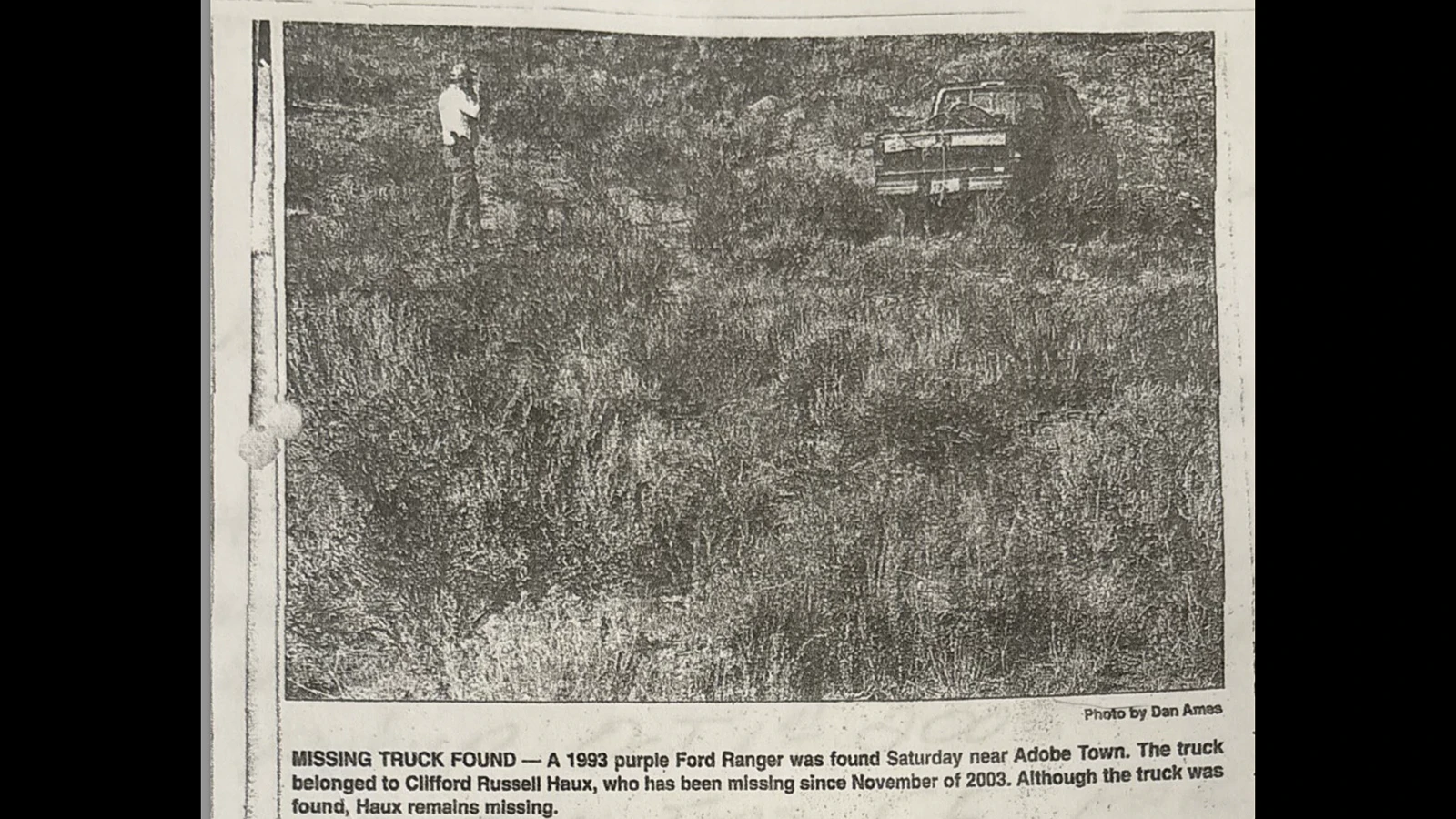
For the Haux sisters, the enduring mystery of their father’s fate still crystallizes around one stark image: His truck, abandoned in the Red Desert, an image taken from a newspaper article.
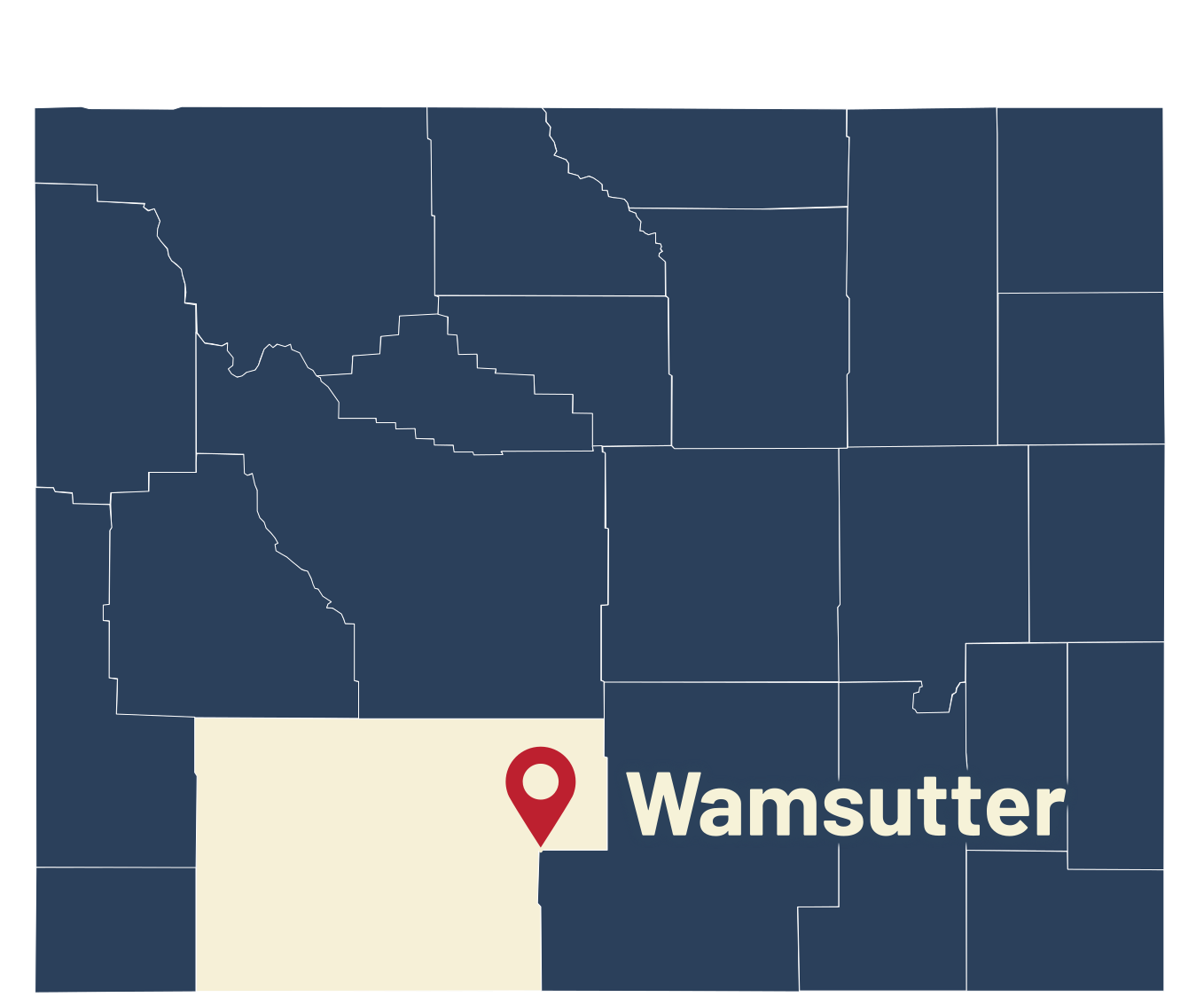
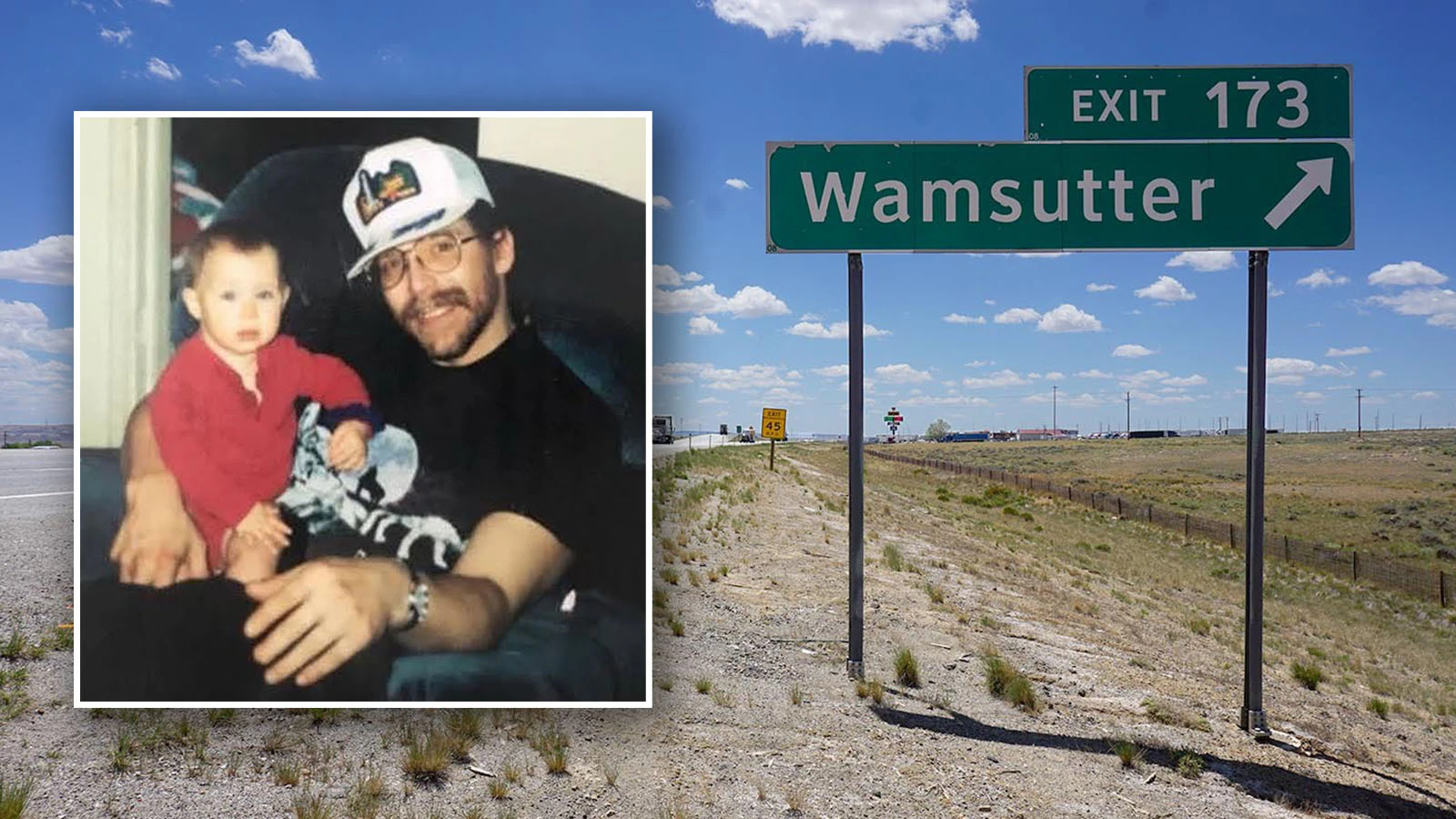
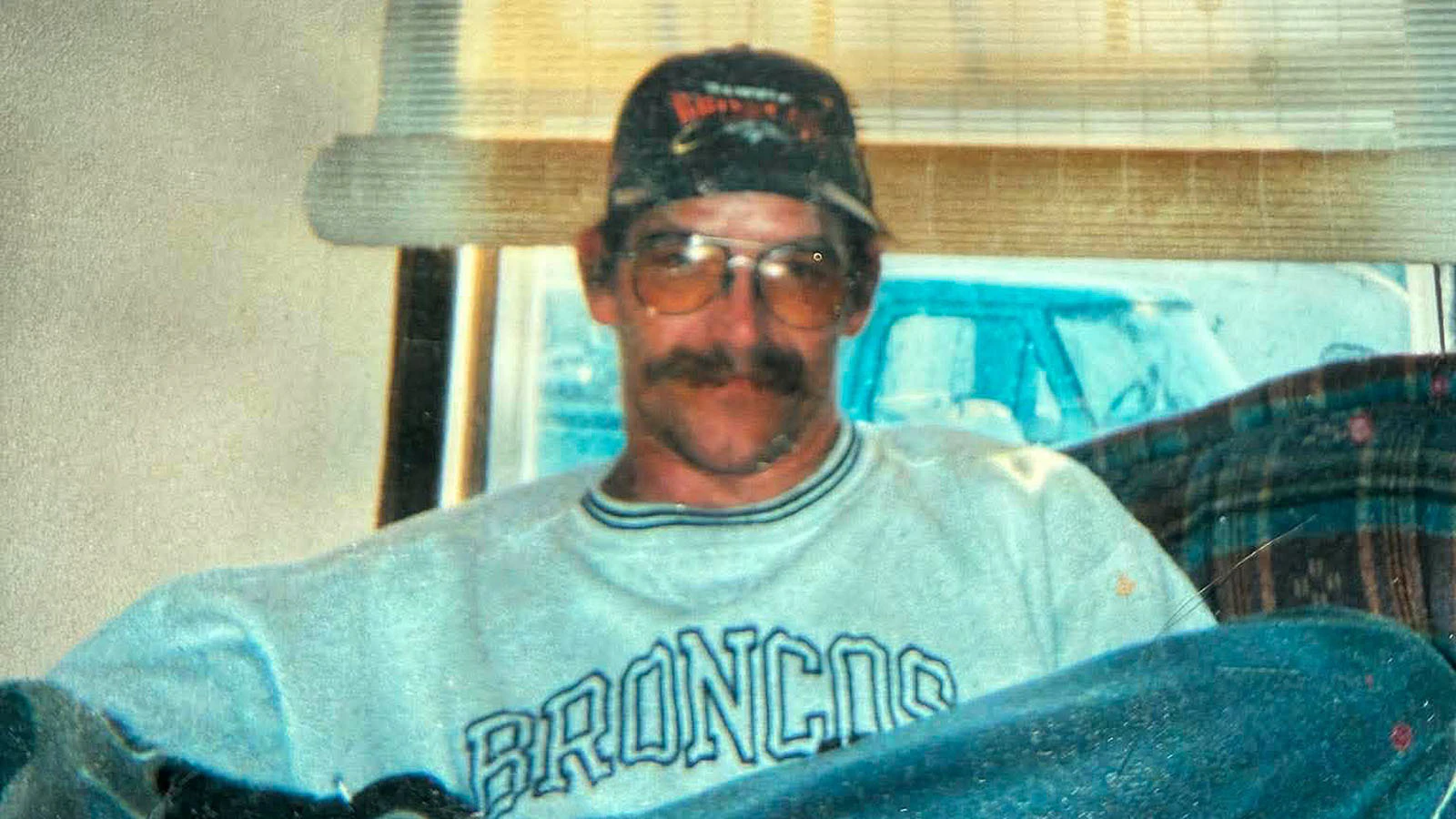
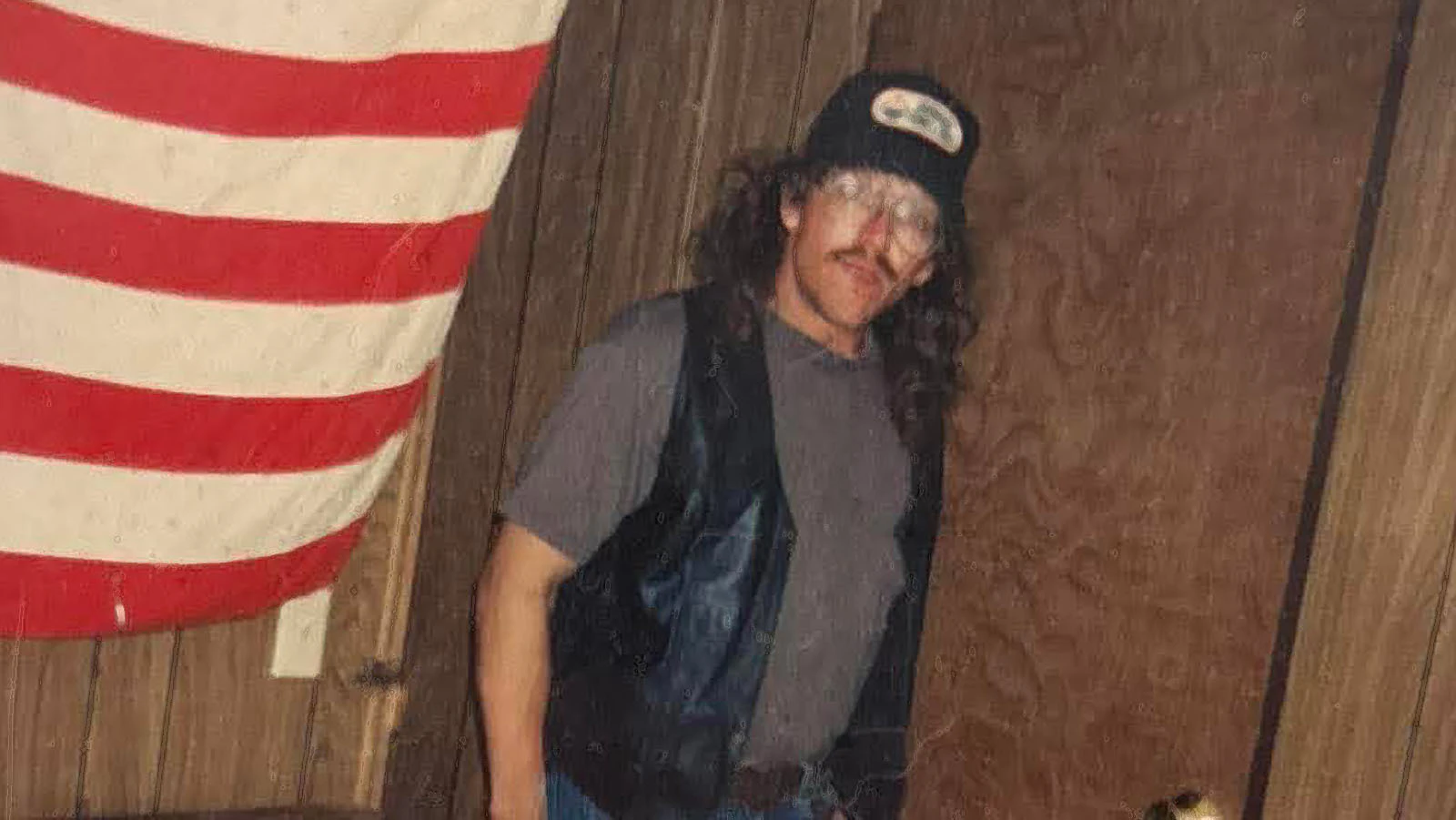
Clifford “Russ” Haux of Mills vanished on Nov. 26, 2003, near Wamsutter in south-central Wyoming where he worked as an oil-rig driller. The 42-year-old husband and father of three had gone out with a co-worker to free a stuck vehicle and never returned.
The last image of him is his fading headlights as he drove off into a winter night trying to find a place to cross a ditch.
One minute he was there, the next, he was gone — last seen driving his pickup into a ditch, looking for a place to cross.
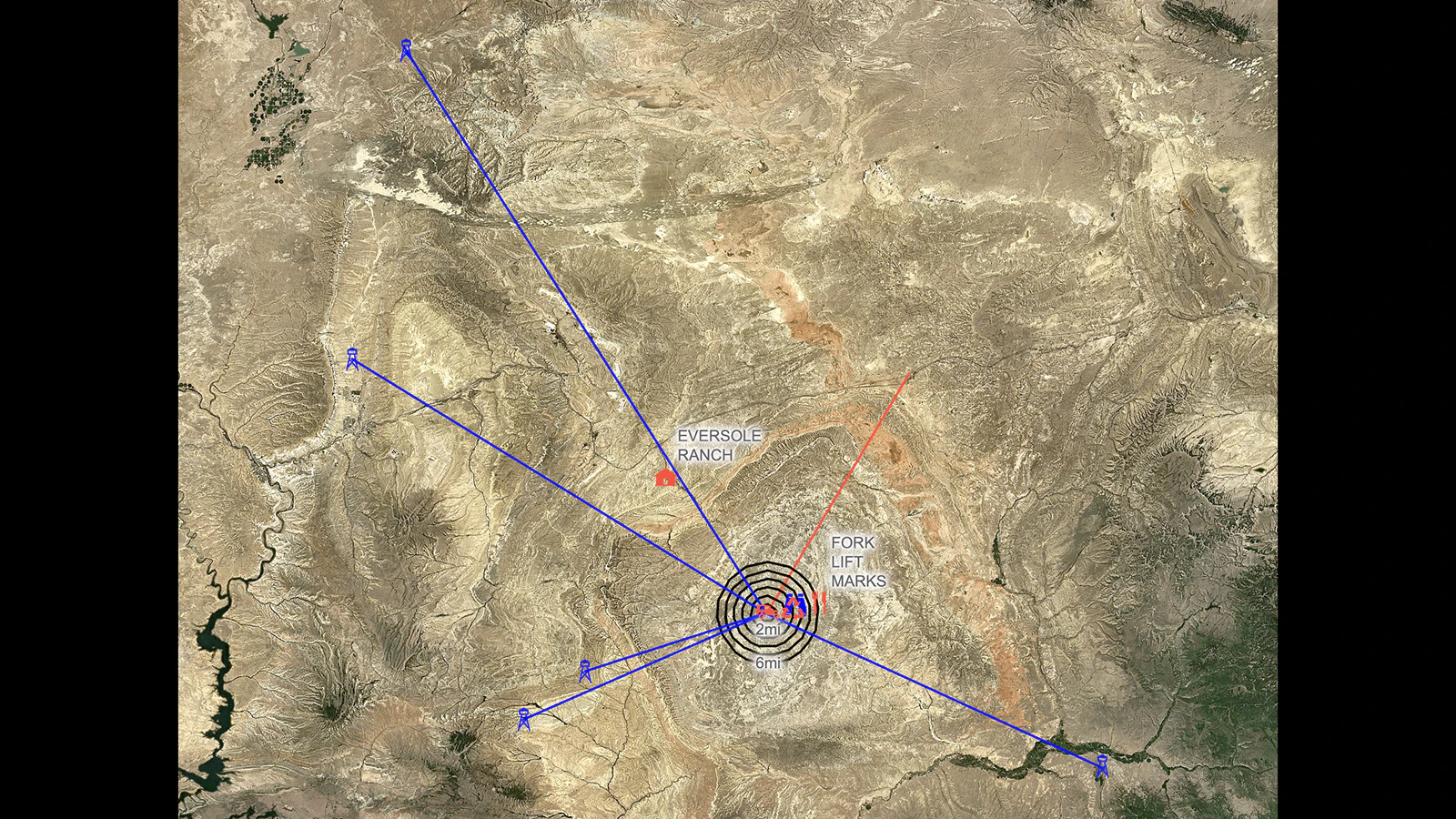
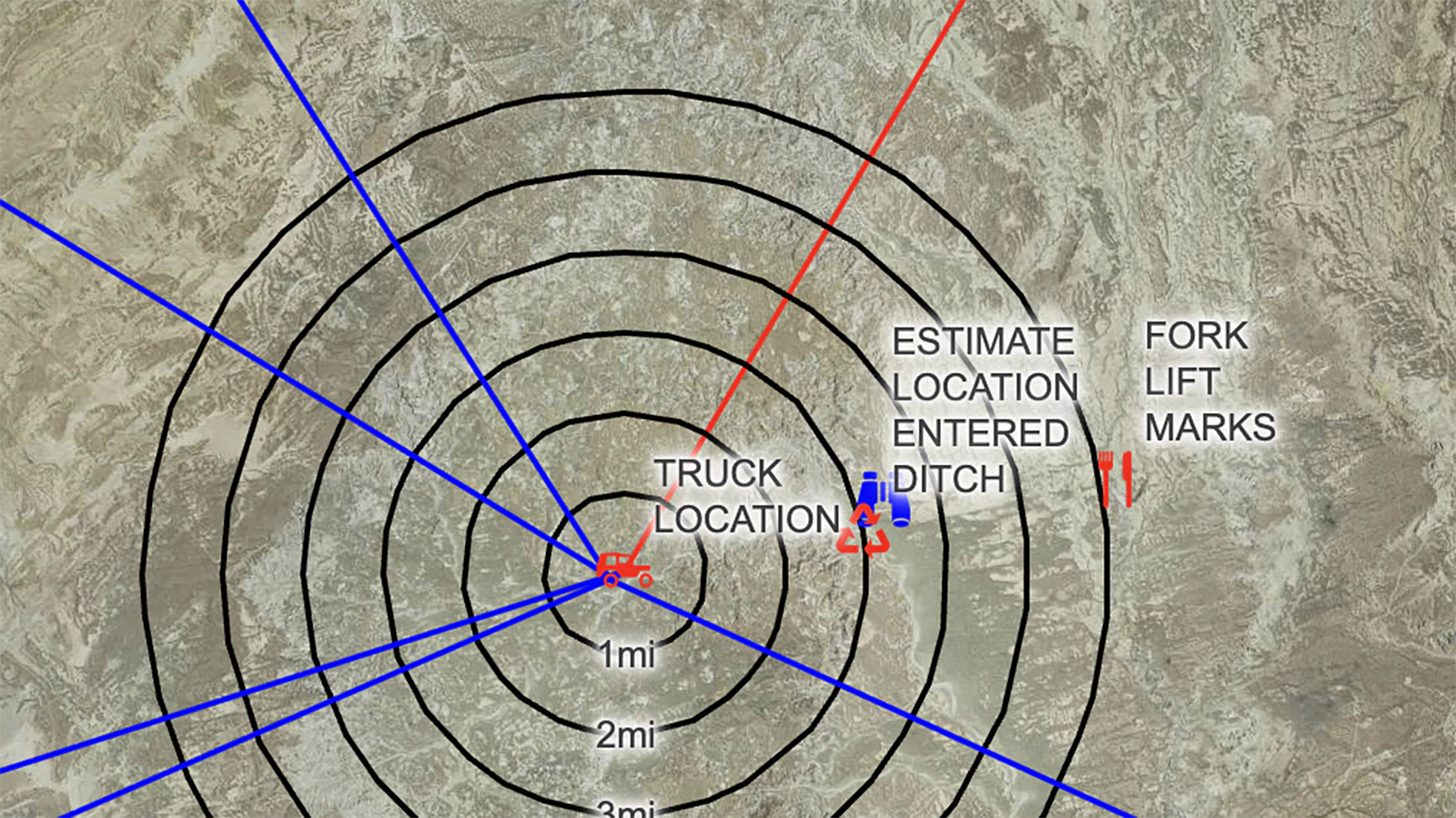
For two years, extensive searches turned up nothing. Then a hunter found his purple Ford Ranger less than six miles from where he was last seen. Its front tires were stuck in a washed-out riverbed, with evidence suggesting he’d tried to free them.
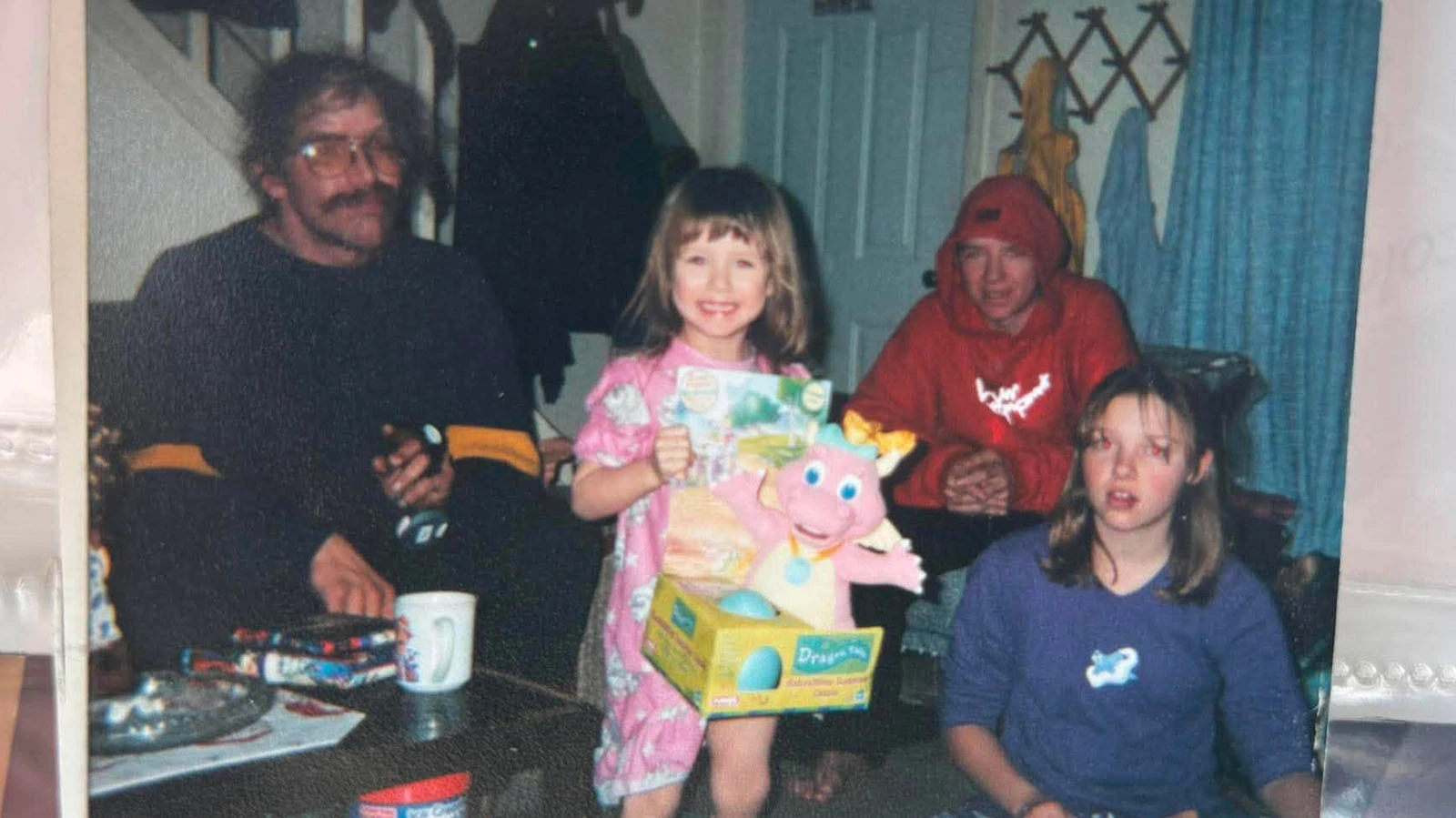
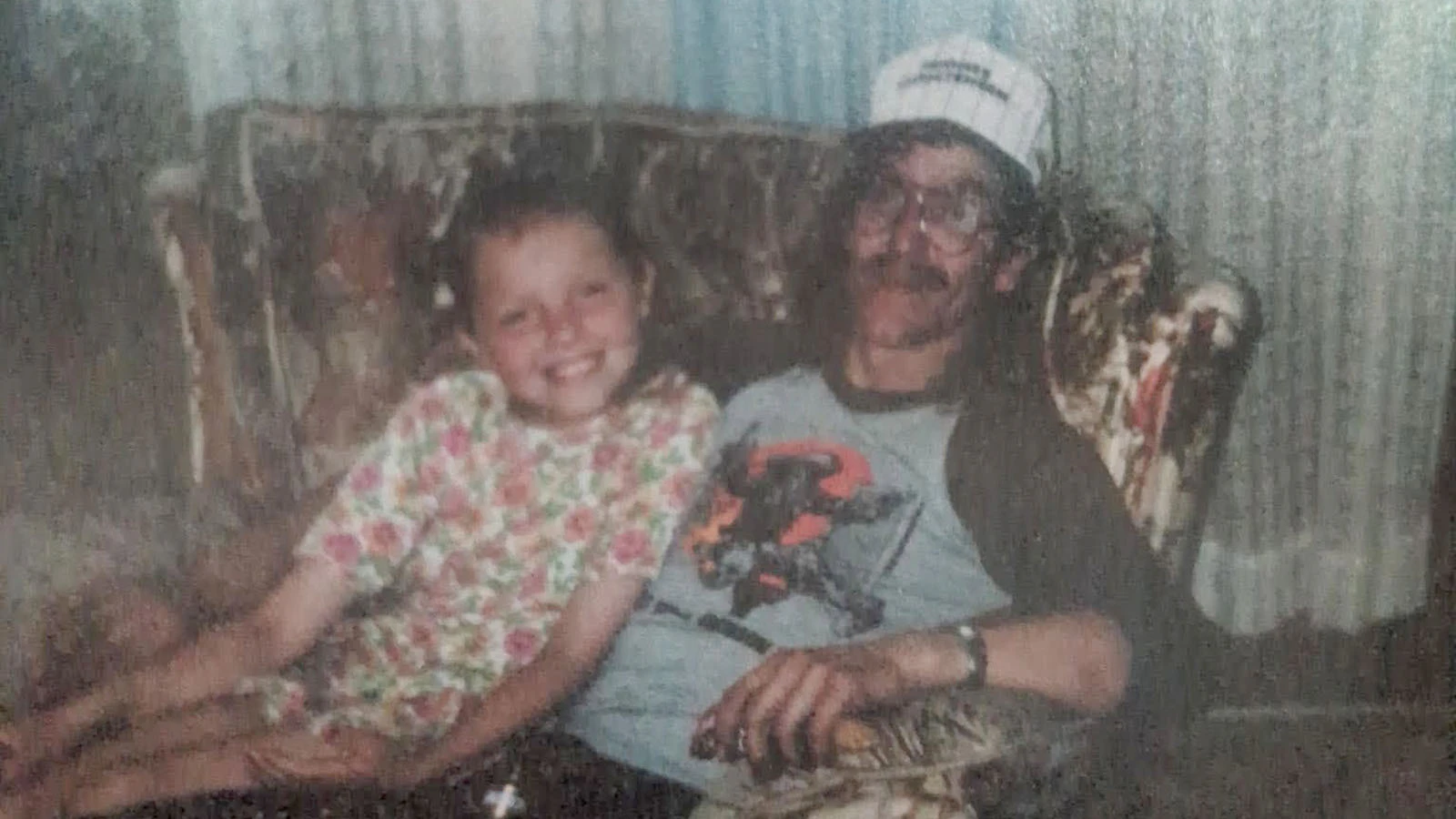
His children – Lois, Justy and Chancy – grew up on memories and secondhand stories, left to wonder what had happened to their father.
The story doesn’t add up based on their recollections of their dad: A guy they describe as a “driller through and through” and seasoned “mountain man” who was also a skilled outdoorsman.
“I don’t know what happened out there or the trauma he had to go through,” Justy told Cowboy State Daily. “Anything could have happened.”
The Sweetwater County Sheriff’s Office likewise can’t speculate about what might have happened to Haux after he left the vehicle. But there’s no evidence to date to suggest Haux was a victim, said Jason Mower, public information officer with the department.
“Based on the evidence available, including what was found when Haux’s vehicle was later located, the disappearance has been considered accidental rather than the result of foul play,” Mower wrote in an email to Cowboy State Daily.
More than two decades later, Mower said the case remains active and unresolved with no new leads they can publicly release at this time.
Disappearing Headlights
His daughters have many questions about what transpired the night their father disappeared and how his vehicle went overlooked for two years, given the extensive search efforts described in the documentation shared by the sheriff’s office.
All they know is that Haux and his friend and co-worker left the oil rig the night of Nov. 26 to retrieve his Suburban that they’d gotten stuck in a mud bog on Nov. 18.
In the early morning hours of Nov. 19, Haux’s rig mates returned to camp, Mower said. Haux apparently stayed with the vehicle and was rescued on Nov. 20. The sheriff’s office did not specify how Haux was recovered, though his daughters were told it was by a search plane.
It was this vehicle that Haux and his rig mate were going to retrieve the night he disappeared.
The man named in the report was driving the forklift they’d borrowed from the rig to dig out the vehicle. Cowboy State Daily is not identifying him, as law enforcement has not labeled him a person of interest in Haux’s disappearance.
It’s not clear if they were successfully able to free the vehicle, but when Haux tried to cross a ditch in his pickup, he was unable to do so. The co-worker tried “to knock down the bank of the ditch” that was blocking Haux from crossing but couldn’t, according to the sheriff’s report.
Instead, Haux headed south along the ditch, looking for a passable route.
The co-worker watched Haux’s headlights fade into the night. That was the last time anyone saw him alive.
When nobody could locate him, Haux was officially reported missing two days later to the Sweetwater County Sheriff’s Office, which launched a 10-day search effort complete with four-wheelers and vehicles, said the report.
Frantic Search
Lois, then 5 and the daughter of Haux’s second wife, Laquana, remembers how frantic her mother was when they got the call that Haux was missing.
Justy, who was 15, learned about it when she tried to call her father to wish him a happy Thanksgiving. She and her brother, Chancy, then 18, lived with their mother in Worland.
The sisters recall the family wanted to help look for him but were told by rescuers to stay put for their safety, given the dangerous terrain.
Meanwhile, the sisters said, Haux’s brother hired a pilot and attempted to search by airplane.
The temperature the night Haux disappeared plunged from a high of 27 down to 10 degrees with no precipitation, according to historical weather data for Rock Springs from the National Weather Service.
Their dad was a tough man, Lois said, and an avid outdoorsman who they believe would have known how to handle himself safely in the elements. He was also a big guy at over 6 feet tall and just under 200 pounds.
“Our dad was outdoor smart,” she said. “He knew how to start a fire to keep warm and knew not to leave your shelter in a snowstorm or 20-degree weather or colder.”
Remaining Questions
This is just one of the details that doesn’t make sense to the sisters as they continue questioning the narrative, including whether the co-worker was thoroughly questioned after Haux’s disappearance.
Lois said her mother was told the co-worker had been acting like a “chicken with its head cut off” and was acting strangely when questioned.
They have never met the man nor had the chance to ask what he remembered, Justy clarified, nor are they blaming him. But they do wonder if he provided a full accounting of the night in question.
Mower said that the record indicates any interview with him “was fairly cursory.”
“I do not see documentation indicating that he was considered a person of interest in Haux’s disappearance,” he stated in an email.
The siblings also questioned the thoroughness of the search, especially since their father’s truck was found 6 miles from his last known location— two years after he vanished.
Mower affirmed that extensive ground and air searches were conducted across more than 1,000 miles of remote and isolated terrain, efforts formally suspended on December 7, 2003.
When Haux’s pickup was discovered with its front wheels mired in a collapsed riverbank in Adobe Town, they found a broken shovel and pieces of wood jammed beneath the tires — signs he had attempted to free the vehicle.
A red suitcase with Haux’s clothes was also found inside the unlocked cab.
Though additional searches took place after the truck was located in 2005, Mower stated there have been no further operations in the 20 years since.
He added that nothing at the scene indicated violence or criminal encounter. Nor was there evidence of meth labs or other hazards Haux might have stumbled into while seeking help.
“Given the remoteness and terrain, that scenario does not appear probable based on what we know,” Mower said.
Looked Everyday
Ryan Hasbrouck’s sympathy for the Haux children runs deep. His father, Kenneth, was the tool pusher on the rig where Haux went missing, and he took the disappearance to heart.
Hasbrouck says he felt it, too — he’d known Haux, worked for and alongside him over the years. He described him as a great worker and a smart guy who was incredibly well-liked.
He wasn’t on the crew when Haux disappeared though; he’d left a couple months earlier to train as a directional driller.
Still, he remembers clearly how it weighed on his dad, who felt responsible. Hasbrouck recalls daily phone calls in which his father listed all the places he was still searching, weeks and months after Haux vanished.
“He looked every day, every night, even on his days off,” Hasbrouck said. “It ate at him.”
Hasbrouck was so worried about his own father going missing that he asked him to check in every day.
‘Roughneck mentality’
Hasbrouck also said it was common for oil-rig workers to cut across the desert — off the oilfield roads, across open country, no matter the risk.
The official roads built for semi-trucks hauling oil and water were passable — mostly unpaved or gravel two tracks. But they were long. Ninety minutes from town to a rig was not unusual, he said. This, coupled with 12-hour-plus workdays, had a way of making the open desert look like an option.
So they cut across it.
“It’s the roughneck mentality,” he said. “If they think they can save 30 or 40 minutes and they get to go home, they’re gonna do stupid shit.”
It’s easy to get lost and turned around out in the desert, especially at night, he added.
This was back before smartphones. Just flip phones with patchy service, no maps, no extras — nothing to help if you got turned around out there.
The country doesn’t forgive that kind of thinking, though. Hasbrouck put his own odds at about 50/50
“I’ve ended up stuck a few times, thinking, ‘Oh, I can go this way. It’ll save me 20 minutes,’” he said.
The math didn’t always work out. One shortcut meant to save 30 minutes once cost him 6 hours after he drove into a snowdrift. Still, he’d try it again.
Hasbrouck guessed that Haux would have chosen to not stay with the vehicle because he wouldn’t want to trouble anyone to come rescue him again. Instead, Hasbrouck believes he would have tried to make it back to the rig but got lost or succumbed to the elements.
He doesn’t suspect foul play, he said. He knew both Haux and the last man to see him and doesn’t believe he would have tried to harm him.
“Definitely not,” he said. “Those two were buddies.

‘Tough Country’
As to how Haux’s vehicle was missed during the initial search efforts, Mike Lujan can lend some insight.
As president of the Carbon County Search and Rescue West division, with 35 years of service behind him, he’s done many such searches on similar terrain.
He was not part of the search efforts for Haux, even though the area straddled his county, where Haux’s vehicle was ultimately found. Given the location of where he was last seen, jurisdiction fell to Sweetwater County.
But he knows that country well — it’s one of his favorite places to hunt elk.
“It’s tough country,” he said. “Desert. Draws. Washouts.”
It also can be dangerous. Dusty and muddy with thick sagebrush that can be as high as 4 or 5 feet high. An elk can disappear in it from 200 yards out.
A person could get lost and never be found.
“Outlaws used to go there to hide,” Lujan said. “There’s a lot of ground out there that will never be covered.”
Techniques, Equipment Better Today
While he was not directly involved in the search for Haux, Lujan said that standard search and rescue protocol would have led teams to trace the trajectory of the headlights along the ditch, as the last witness described.
The original rescuers did just that, according to the report, asking him to sit in the vehicle and point in the direction that he last remembered seeing the lights.
It would have been the natural route for rescuers to follow, Lujan said.
“You would kind of get a visual of where he drove the vehicle down that wash and try to recreate his travel,” he said.
In his experience, typically people are found within a mile of their vehicle before succumbing to the weather or getting turned around, he said.
He can’t speak to why the purple pickup would have been overlooked for two years by land and air but said both people and objects are easily hidden in the scrub.
Technology is also much better now, including equipment and training and the use of cadaver dogs and search K9s, he said.
Finding Needle in Haystack
Still, sometimes, it’s like finding a needle in a haystack in that wild country.
Lujan described one such search for an elderly man who wandered off into the rolling, windswept hills outside Hanna after getting into an argument with a family member.
Despite dozens of people searching on horses, side-by-sides, two helicopters, an airplane and drones, nobody could locate him the first day. It was until the following day that he was found alive, laying in a barrow ditch along a highway outside of town.
It was an area that had been searched, including a helicopter with thermal and heat signatures. Many vehicles had also driven past without spotting him.
It was his dog, Meshach, that ultimately led him to the man within minutes of the search that second day.
“In many cases, it’s a matter or luck or prayer,” he said.
Recovered Skulls Offer Fleeting Hope
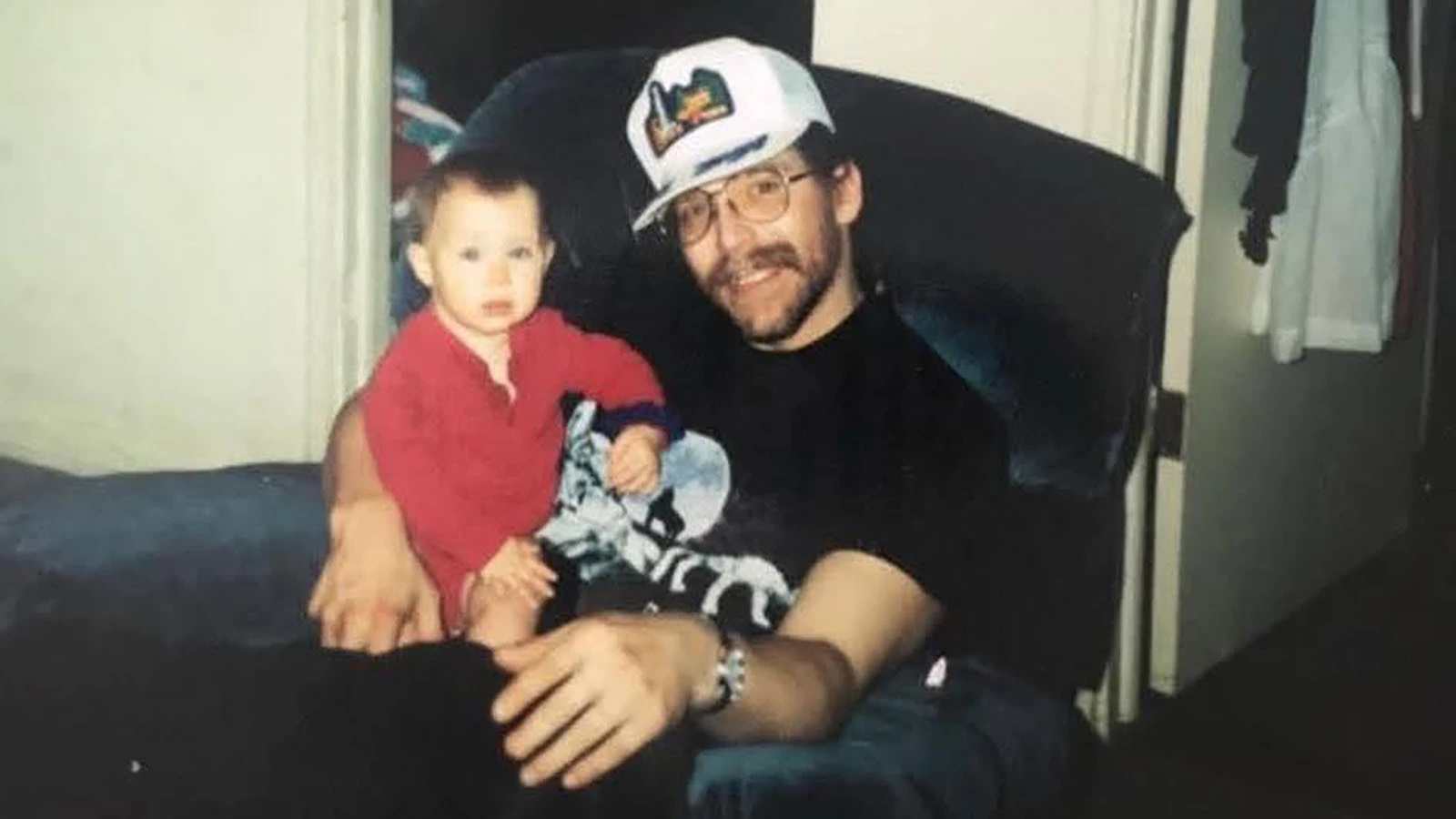
Thus far, there have been no sightings or other activity to suggest Haux is still alive, but his family said there’s no way he would have just left them.
His DNA and fingerprints are on file in CODIS, the FBI’s national Combined DNA Index System.
Both Justy and Chancy provided their DNA samples along with Haux’s two siblings.
This means if remains are ever recovered that match his profile, law enforcement will automatically be notified.
That hasn’t happened yet — though two skulls have already turned up in the Red Desert area.
The first was found by a hunter in 2023, which gave the family a fleeting sense of hope as they waited a year to hear the results.
“I fully believed that was our father,” Lois said, describing the long year of agony waiting for the tests results to come back.
The Sweetwater Sheriff’s Office confirmed it was not a match, Lois said.
Then came the discovery of another skull in October 2025 found by a rock hunter in a cave near Needle Peak in southern Carbon County, more than 100 miles southeast of the Red Desert area.
Chances are the skull is too old to belong to Haux, according to Carbon County Sheriff Alex Bakken, who said it’s likely 40 to 50 years old or older.
Efforts to determine the age of the remains are ongoing, said Carbon County Coroner Brittany Nyman. That will determine whether it falls under the jurisdiction of the state archaeologist’s office or the sheriff’s office.
“We're working with appropriate partners for the proper handling and disposition of those recovered remains,” Nyman said.

Sisters Determined
Now adults, Lois and Justy Haux have begun looking into their father’s disappearance themselves.
“We have so many questions compared to the answers we’ve been given over the years,” Justy said.
The newspaper photo taken after the discovery of Haux’s truck has never stopped haunting his daughters. They still struggle to talk about the desolate landscape where it was found, and what their father might have endured.
They are not pointing fingers or suggesting foul play.
They simply have questions that have gone unanswered for years, and they want to recover him — and, at the very least, find one answer in a case that has given them nothing but grief.
“Our father deserves that,” Lois said. “He deserves to know how much we love him and that we haven’t forgotten him.”
Anyone with information about Haux’s disappearance is asked to contact the Sweetwater County’s Sheriff’s Office at 307-922-5300 or the Wyoming Division of Criminal Investigation at 307-777-7181. Tips can also be submitted anonymously on DCI’s website.
Jen Kocher can be reached at jen@cowboystatedaily.com.