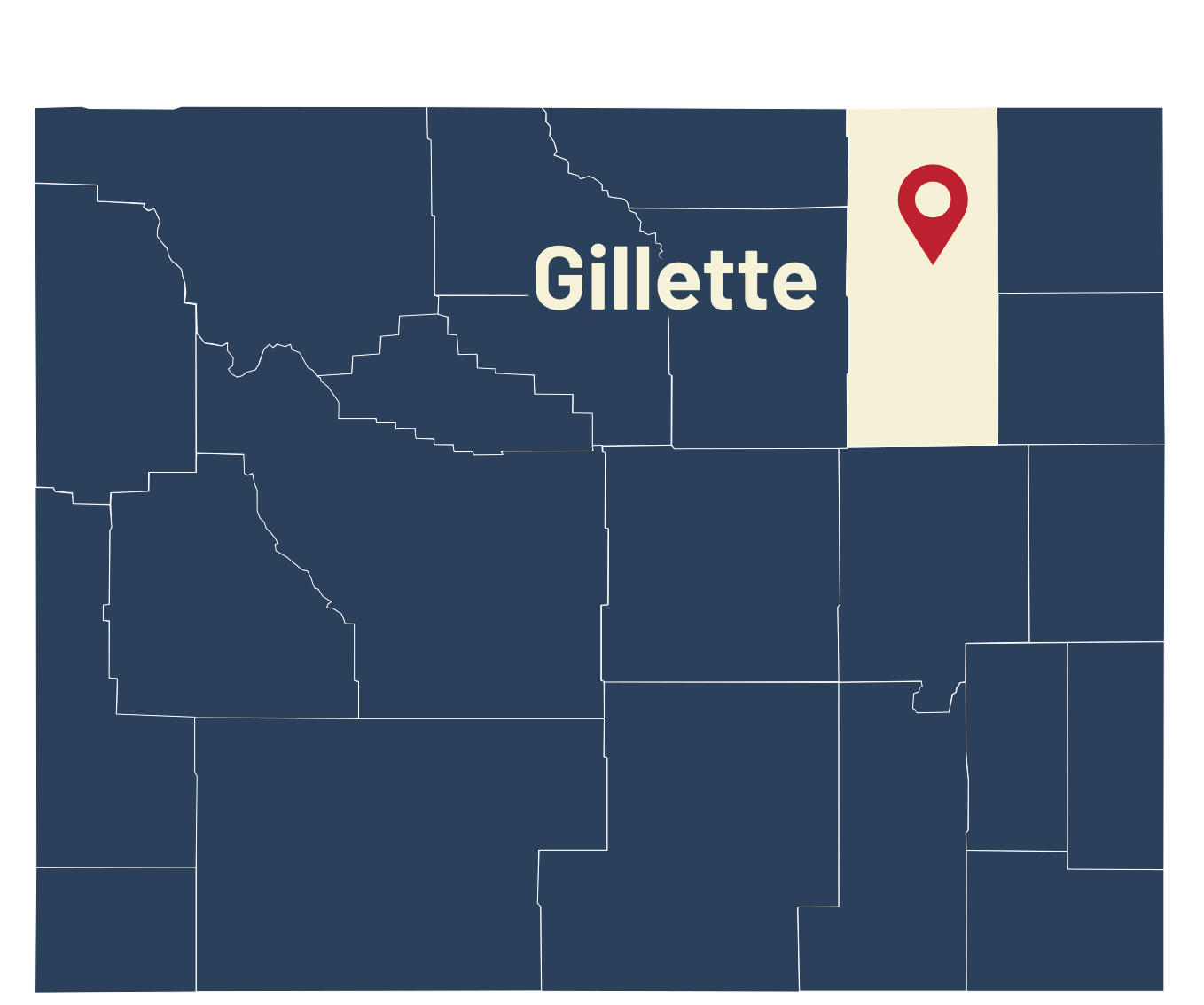

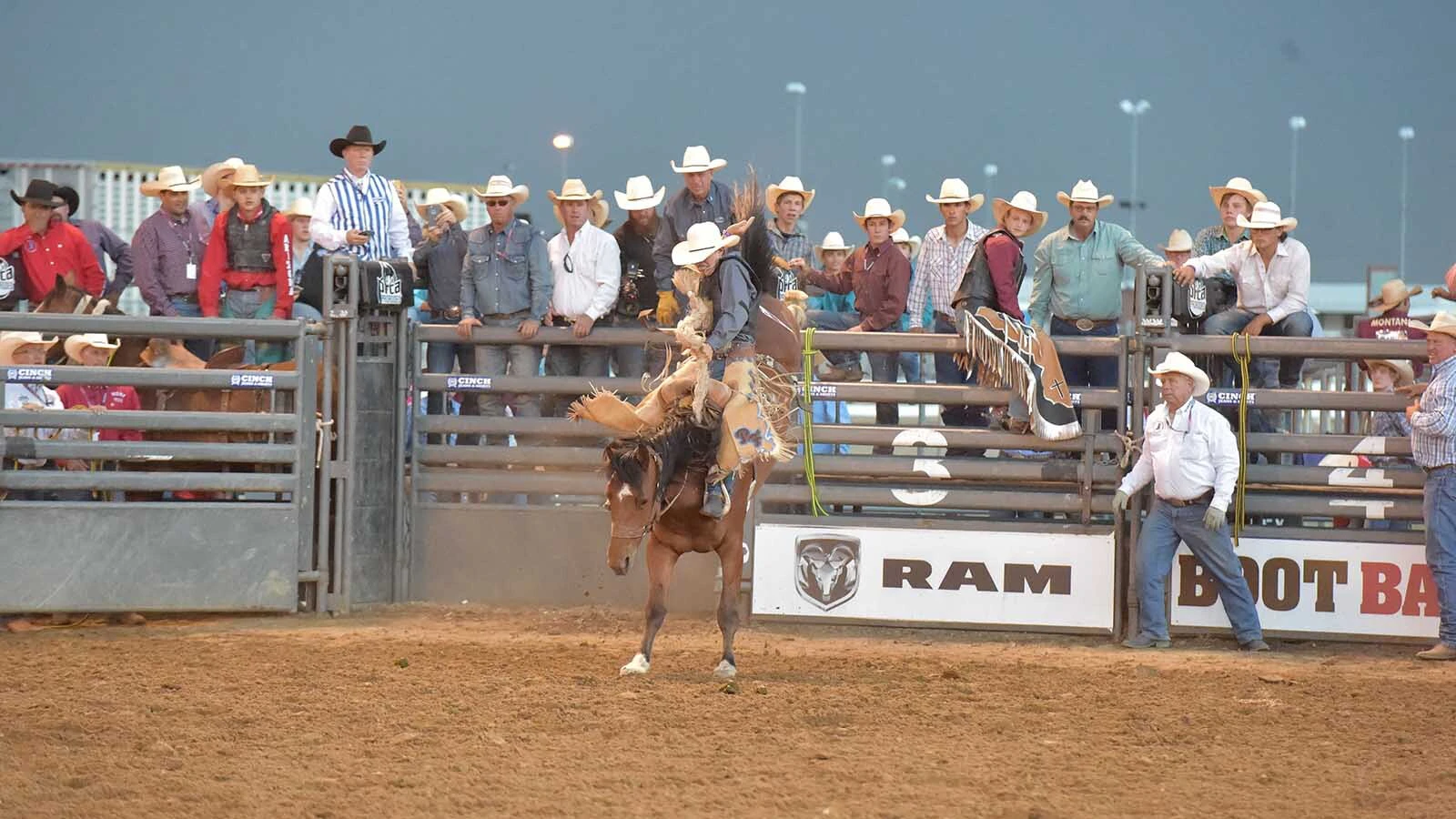
GILLETTE — The fortunes of a small, northeast Wyoming town nobody outside the Cowboy State had heard off changed when local officials punched well above their weight to get the National High School Finals Rodeo to be held there for the first time in 1993.
That touched off more than 30 years of economic development and notoriety for Gillette, which became the favorite location for the largest rodeo event in the world.
By the end of this decade, the city will have hosted the NHSFR 15 times, more than any other location, while Rock Springs has been the event’s home eight times.
Now Wyoming, which will have been home to the NHSFR 23 times in 37 years by 2030, is on a path to never host it again after Gillette’s already-contracted two-year stint in 2028-2029.
Each year, the National High School Finals Rodeo brings more than 12,000 people who generate an estimated $25 million in revenues across the state, and pays huge dividends for those host cities.
The nearly 2,000 contestants plus sponsors, vendors and contractors loved Gillette so much that the National High School Rodeo Association's (NHSRA) board of 50 directors (one from each state) also brought the event to Rock Springs eight times since 2012.
They next wanted to bring the NHSFR to Gillette for 10 years in a row, but announced this spring that after 2029, the organization has no plans to ever return to the Cowboy State.
That’s because the rodeo facilities in Gillette and Rock Springs don’t have a covered arena, something the NHSRA has decided is a deal-breaker after the better part of four decades of Gillette being its clear favorite venue.
Unruly Political Climate
Things changed for Wyoming when NHSRA directors decided after seven decades outdoors that variable weather conditions are unfair for NHSFR contestants.
Hoping to entice a venue to invest in a climate-controlled indoor facility that could house dual arenas, the NHSRA dangled a new 10-year contract at a few favorite sites, including Gillette. The catch was that the city, at its own expense, would have to build an indoor arena.
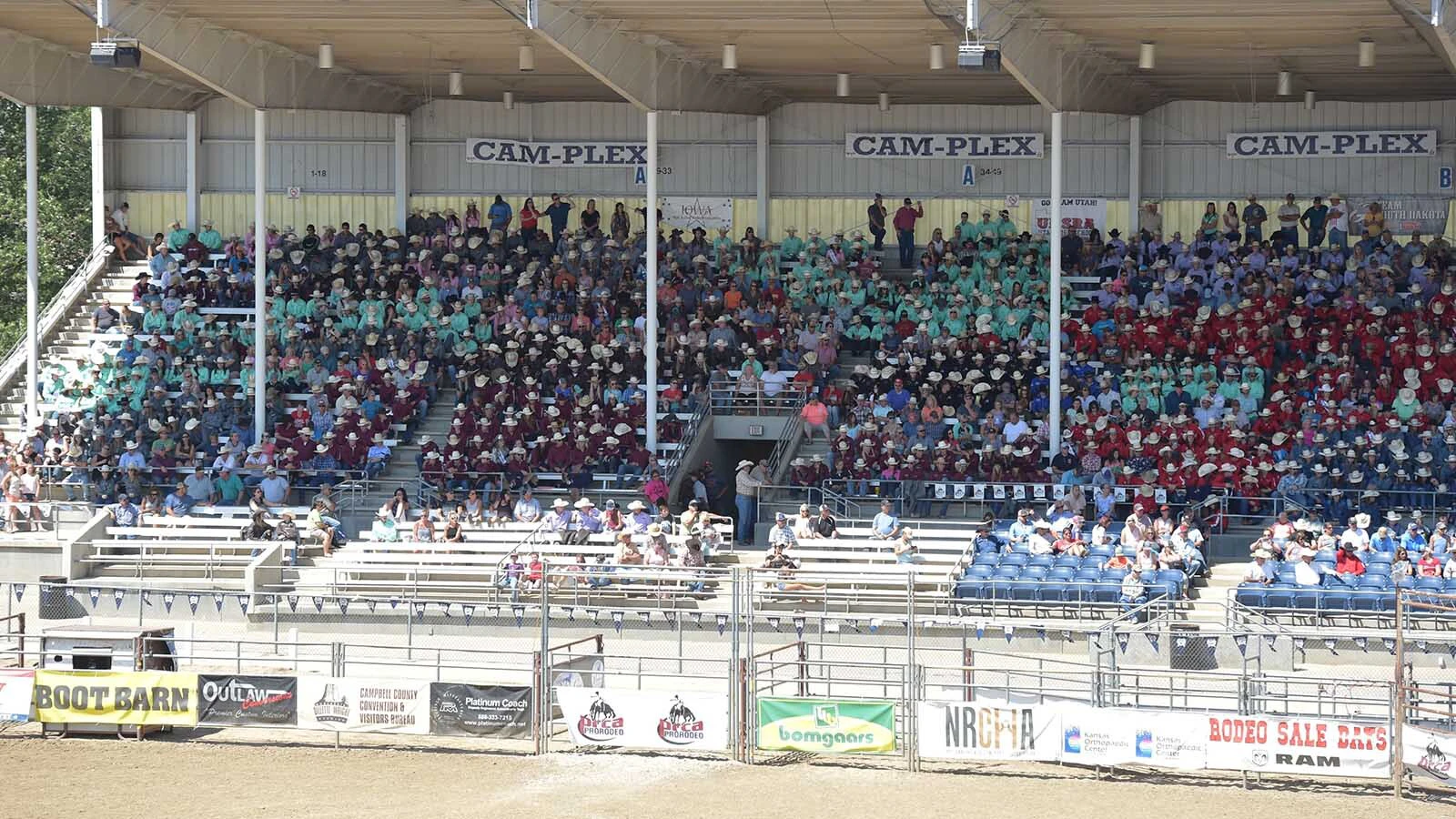
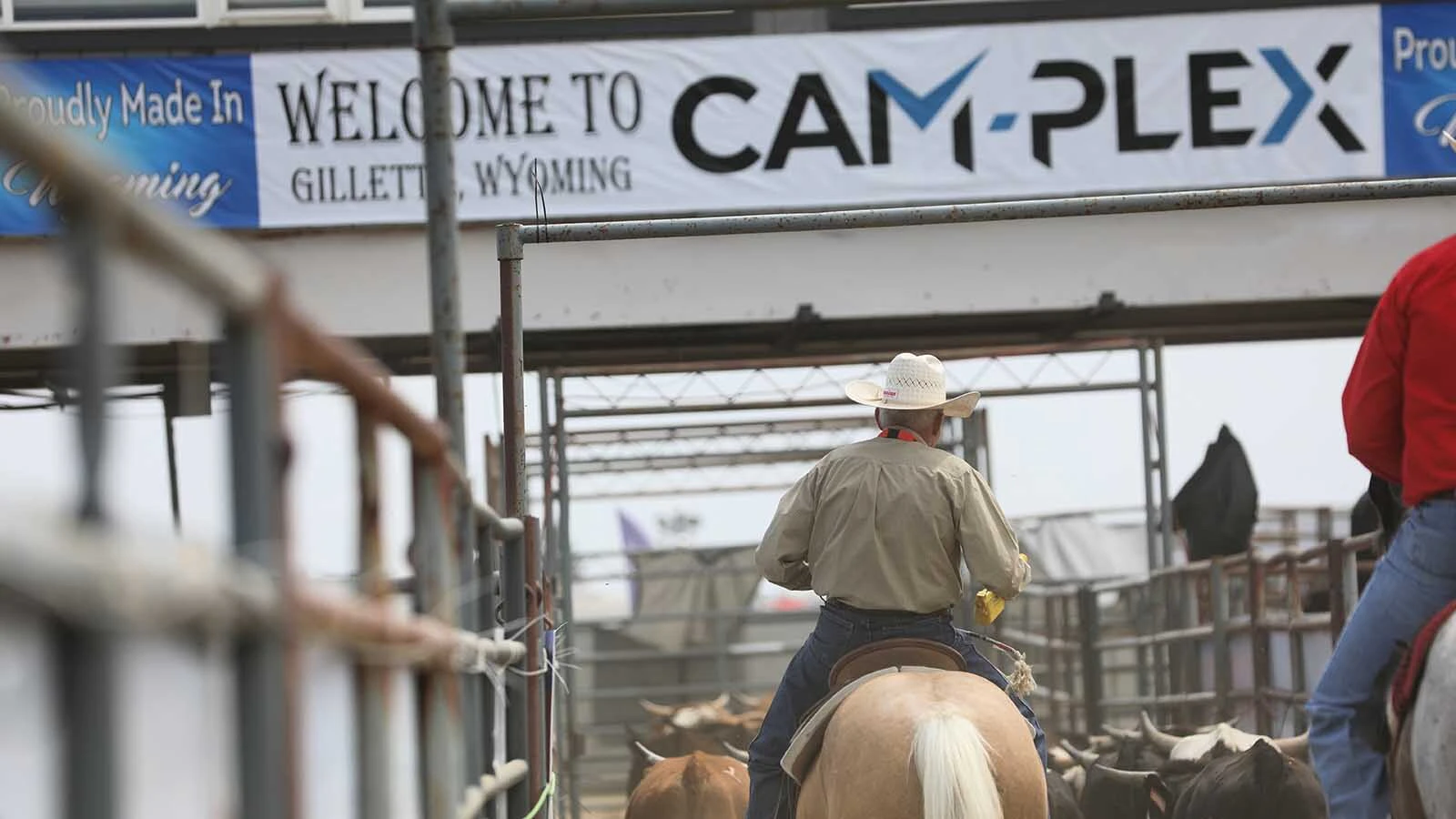
Gillette’s Cam-plex — built in 1985 as Wyoming’s crown jewel of outdoor facilities — was already in dire need of maintenance.
That’s because the massive campus is a political football, multiple officials have told Cowboy State Daily.
Cam-plex was designed to be subsidized, and is governed by a joint-powers land board appointed by the Gillette City Council and Campbell County Commission, which have to agree on each dollar directed to the facility.
If Cam-plex generates revenue above what it receives in funding, then next time it gets less public money. Growth is challenging.
“There have been philosophical breakdowns between the elected city and county leaders who don’t see eye-to-eye on what Cam-plex should be or even whether they should fund it,” said Rusty Bell, CEO for Energy Capital Economic Development and a former Campbell County commissioner.
Meanwhile, during the process of creating a 2022 tourism master plan, Jessica Seders — who runs the Campbell County Convention and Visitors Bureau — told the Gillette News Record that residents and elected officials don’t take tourism’s economic effects seriously.
The land board hired a consultant to spend 18 months on a master plan of renovations and upgrades.
The goal was to keep Cam-plex competitive at a national level, but also expand the grounds in ways that supported the NHSFR.
According to the plan, huge events would come to Cam-plex and generate $57.3 million in annual economic impact, including almost $41 million in direct spending and $1.5 million every year in state taxes.
Over the course of 30 years, that equates to about $2 billion, according to the consultant’s estimates.
“Based on the economic analysis of the additional events Wyoming could bring in, plus having that guaranteed 10-year contract (from the NHSFR), it just looked like a win,” said former County Commissioner Marilyn Mackey.
A rushed process
But a resulting ballot initiative for a 1% tax to raise $208 million for Cam-plex failed, and so did any chance of upgrading the facility to keep the rodeo.
Instead, the NHSFR’s $250 million in guaranteed economic impact will go to Oklahoma. The Lazy E Arena, built in 1984, enjoyed what its general manager called “a statewide coalition of partners” who invested in additional infrastructure to land the deal.
The facility is a 20-minute drive from hotels and restaurants, with one congested road in and out.
“I will say, the towns of Guthrie and Edmond and the state of Oklahoma had a lot of influence with the commitments they made to us,” said longtime NHSRA Executive Director James Higginbotham. “At the minimum, our next facility just needs to have a top on it, even if it’s not totally enclosed and climate-controlled.
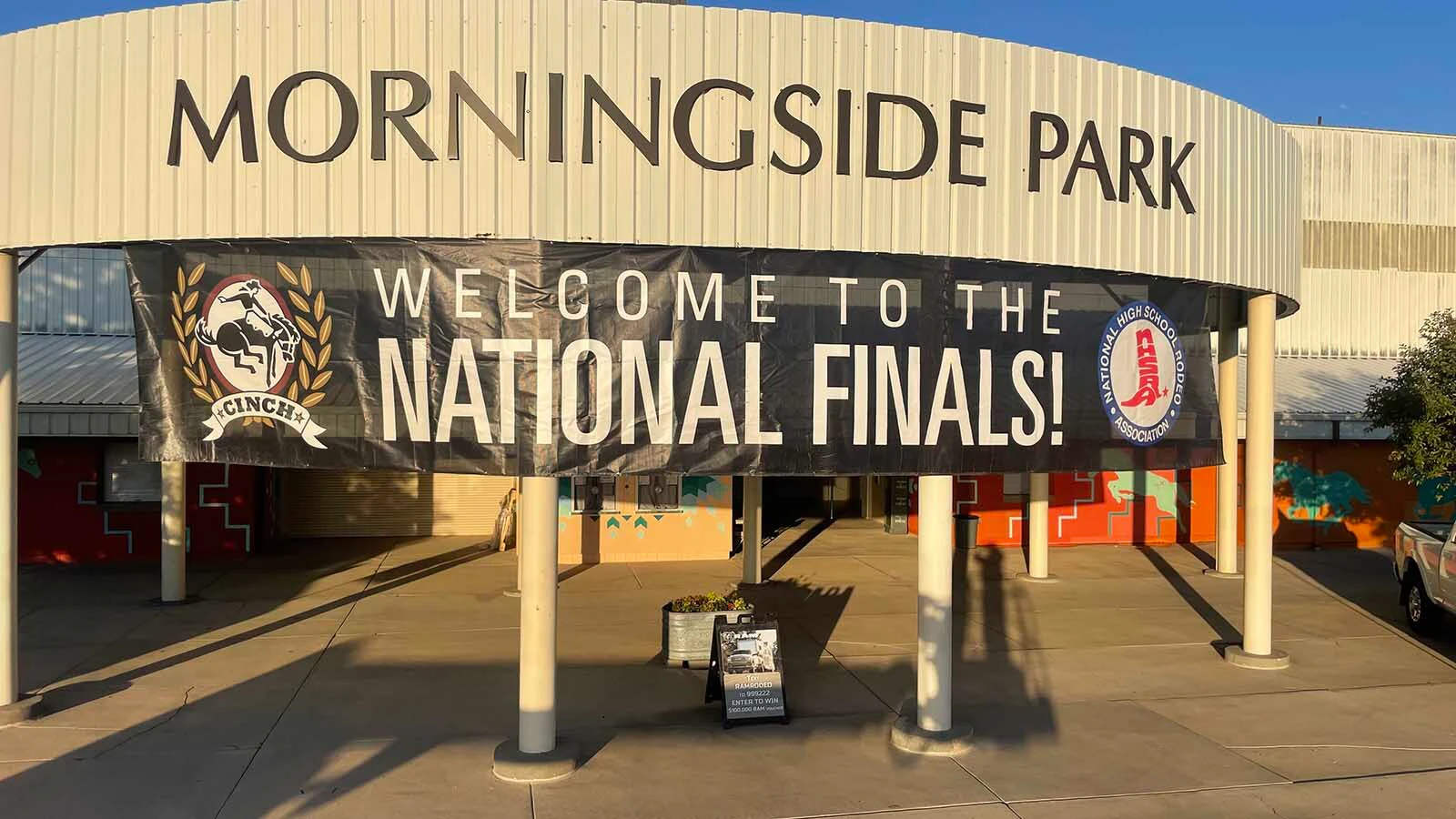
"We even made that offer to Gillette — can you just put a cover on Morningside Park?”
But Aaron Lyles, who has been the director at Cam-plex since 2022, said that option was never talked about until after the local ballot initiative failed. Communication at the local level was just as flawed.
The long wait for the master plan meant a tight timeline to provide an answer to the NHSRA.
Plus, voters never completely understood what was on the line, he said. Media coverage made it sound like the $208 million was just for one building.
In fact, that number included not only construction of stock pens and other multi-use buildings, but also money that would catch up funding for long-overdue maintenance at Cam-plex, plus cover maintenance in the future.
“Deferred maintenance funding has always been a problem at Cam-plex,” said Lyles, who has a staff of only about three for maintenance of the complex's more than 1,000 acres.
That includes the grandstand and racetrack, two multi-use pavilions, a performing arts theater, convention center and 123,000-square-foot multi-use building.
“The money for maintenance made the number look high,” he said. "The very problem they were seeking to solve also contributed to the plan’s failure."
'Club No'
Members of the Campbell County Commission were against the plan from the get-go, and at least two of them actively campaigned against it on social media and at gatherings in the community
It became an example of the kind of opposition that Gov. Mark Gordon refers to as "Club No,” representing a lack of political support that can confuse voters and lead to a lack of community support.
“I think if everyone could row in the same direction, Cam-plex would be extremely successful and would host the NHSFR every year,” said Bell. “And it should. We do it better than any other site.
"I’ve talked to everyone across the country, and Gillette is the best host. We just don’t have the political ambition to do it. I don’t think it has anything to do with money, if you look at the reserves in this county.”
Mackey, who was part of a PAC formed by local residents to promote the initiative, was surprised that restaurants and hotels didn’t stump for it.
She thinks the event has rotated into Gillette so many times that people have lost sight of its economic impact.
“It will take a while for them to feel that pain,” she said. “You can’t replace these big national events that bring 15,000 people to town. And the loss isn’t just local, it’s to the state and even the region because many of these thousands of families also visit Yellowstone or Devils Tower or Cody on their way here or home.”
Complicating matters was the bad taste in the mouths of county taxpayers who had in 2005 approved a quarter-cent sales tax to raise $22 million to build Cam-plex’s Wyoming Center. It ended up instead costing $42 million and houses an ice rink for a large part of each year.
“In that process, the community felt they got something different than what was supposed to be built,” pointed out Lyles. “Without that, they’d have had more trust in new construction at Cam-plex.”
Turnover Trouble
Add in the current culture at short-staffed Cam-plex, which remains one of general unrest and meager revenue.
Since Operations Manager Jimmy Williams retired after more than two decades, the facility has struggled to attract events. Lyles is the fifth executive director of Cam-plex in 11 years.
“Turnover means you lose that sense of vision at the staff level and a vacuum gets created that’s hard to fill with political direction,” said Lyles, who in effect answers to three government boards.
Meanwhile, Cam-plex’s marketing department has evolved into “community engagement.” The position of supervisor of the Agricultural Events Department is vacant, according to the Cam-plex website at the time this story was published.
After this story was first published, Lyles clarified that Cam-plex does not have a position with that title, nor is it seeking to fill a related position.
“The only position that the author could be speaking about is called the Event Technician Supervisor,” he said in an email. “That position is not vacant, nor has it been for some time now.”
Live horse racing is down to just two weekends in May.
Former renters of the arena were sent a letter in April — which was reviewed by Cowboy State Daily — stating the facility’s two indoor arenas will be unavailable to rent by the hour during summer, which is standard practice at the facility, and that the one outdoors may not get maintained.
Two members of the land board quit last July after a failed attempt to oust Lyles.
As for Lyles, unable to find a balance between raising revenue and keeping rates competitive, he plans for Cam-plex to start producing and promoting its own concerts.
“We’re so blessed in northeast Wyoming to have had the resources that built one of the nation’s finest facilities,” said Lyles. “My greatest regret in my career is not being able to find a way to capitalize on the opportunity to have an annual national anchor.
"At Cam-plex, the NHSFR is in our DNA. I’m not sure exactly where to go when we have that kind of hole now.”

‘We’re Heartbroken'
He’s not the only one who feels that way.
“We’re heartbroken the NHSFR will be away from Gillette,” said Billie Bray, chief marketing officer for Texas-based Equibrand, which annually hosts one of the largest booths at the giant NHSFR trade show.
“The camping was beautiful and it’s the only town that stays open after the rodeo for dining. Everyone in town knows we’re there,” Bray said.
She also favors Cam-plex, a stone’s throw from Interstate 90, because so many shoppers travel there from South Dakota, Montana and within Wyoming, which makes for excellent vending.
She’s glad the event returns a final time to Gillette in 2028 and 2029, during which time Cam-plex should gross at least $1.7 million each year.
During the vote on the tax, Lyles — a Montana native who cut his teeth in the music industry — was said by some to have had his job threatened if he actively supported it.
“I’m considered a government official, so I wasn’t able to advocate for Cam-plex to retain the NHSFR,” he said.
Cam-plex staff and managers could, in fact, advocate for the upgrades to the facilities, but because of the ballot initiative could not spend any public money in doing so.
Contrast that with the early 1990s, when Cam-plex Marketing Director Diane Shober pulled out all the stops to bring the massive event to Wyoming.
That era’s land board — at the time emerging from the late-1980s energy bust — wanted Cam-plex on the map.
She helped city and county leaders focus on the NHSFR’s forecasted $15 million per year in revenue, and they agreed to spend $1.8 million for Cam-plex improvements to lure the NHSFR away from Pueblo, Colorado.
She created a logo depicting a handsome Gillette cowboy, distributed logo socks to directors with the message “we’re going to knock your socks off,” and bought each director a quarter-foot of Wyoming at Independence Rock.
Gov. Mike Sullivan went to the NHSRA’s Denver headquarters to present Gillette’s proposal.
“When people come together and get behind an idea for the greater good, you can really move mountains,” said Shober, who used that same long-range vision and tenacity to stoke Wyoming’s economy during 22 years as executive director of the Wyoming Office of Tourism.
Campbell County was long the envy of the state, said Bell. It had enough pride and gumption to get things done despite naysayers.
Now it’s the place that could’ve become the permanent home of the NHSFR, but instead lost it forever.
Editor's note: This story has been updated to clarify some information about Cam-plex staff ability to advocate for renovations, summer standard practices involving arena availability, and an open position listed on the facility's website.