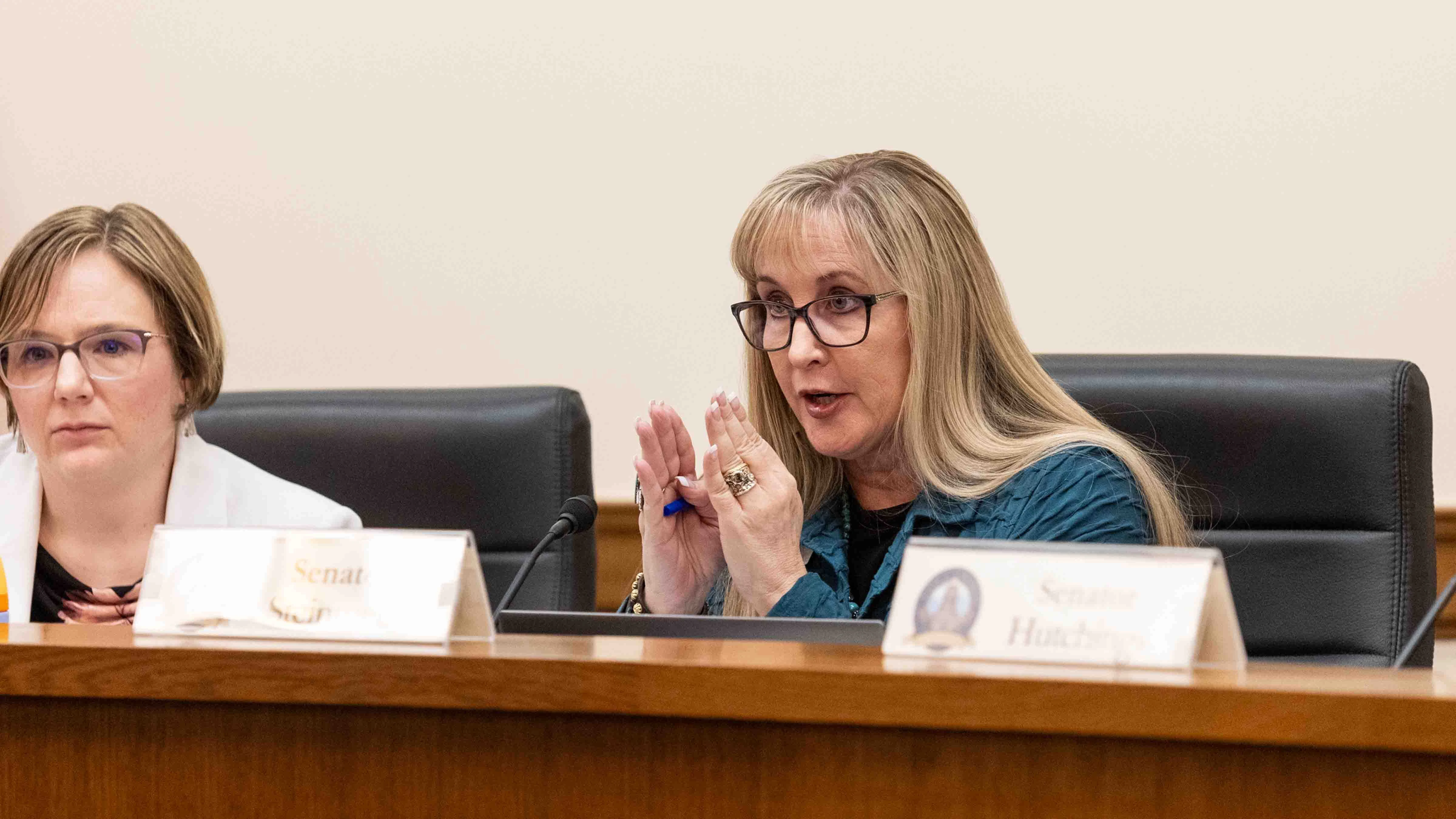
Torrington-based state Sen. Cheri Steinmetz asked the entire Wyoming Legislature on Thursday for a poll of who wants to enter a special session to address data center issues and controversies.
Steinmetz sent the request in an email to state House Speaker Chip Neiman, R-Hulett, Senate President Bo Biteman, R-Ranchester, all legislators, and Legislative Service Office Director Matt Obrecht.
“I am requesting a poll of members of the House and Senate regarding support for a special session focused solely on data centers, large industrial electrical loads, water resources, electric grid impacts, and associated infrastructure concerns,” wrote Steinmetz.
She told Cowboy State Daily in a Thursday phone interview that the request reacts to Gov. Mark Gordon’s Wednesday executive order calling for executive-branch state agencies to heed “responsible” and transparent constraints on data center development.
The order also highlighted Wyoming’s attributes that make it comparably fit for the projects, such as its significant energy production and business-friendly climate.
Steinmetz said she sees Gordon's order as fast-tracking the industry projects, and that it raises policy questions the Legislature should answer on the people’s behalf.
"My biggest concern is water," said Steinmetz, adding that Wyoming has a need to see specific metrics on how much water the proposed facilities will use.
"We need to vet this thoroughly and substantially; make sure we are really doing things to the benefit of Wyoming, not the benefit of developers," said Steinmetz.
Neiman did not immediately return a voicemail request for comment.
Biteman countered Steinmetz's concerns, calling a special session premature. He emphasized that he saw nothing in Gordon's order that usurps the Legislature's role, and various legislative committees are conducting research into this controversy right now.
"Good policy is made with facts, not fear," said Biteman. "The concerns being raised about water use, ratepayer impacts, wildlife, and permitting are already within the authority of our executive agencies."
The Wyoming Department of Environmental Quality and state Engineer's Office regulate water, the Public Service Commission protects energy ratepayers, and the Wyoming Game and Fish Department manages wildlife impacts, the Senate president added.
"The Governor's executive order directs those agencies to do the jobs the Legislature has already assigned to them," Biteman said.
If in the meantime, the agencies find gaps in state law, Biteman said he encourages them to research those problems and produce vetted, thoughtful legislative proposals to the regularly-scheduled 2027 lawmaking session.
"To reiterate," said Biteman, "the executive order didn't take authority away from the Legislature - it put Wyoming's existing regulatory agencies to work doing exactly what the Legislature created them to do."
How A Special Session Could Happen
Outside of settling disputes about presidential electors, the Wyoming Constitution provides two mechanisms for calling special sessions, or off-schedule sessions for making laws.
A simple majority of all legislators can write to their chambers' presiding officer to call the special session.
The governor also can convene a special session by proclamation, but only “in times of war or grave emergency.”
Gordon doesn’t support calling a special session at this time because lawmakers are already working on this topic, his spokeswoman Amy Edmonds said in a Thursday email to Cowboy State Daily.
“The Governor believes calling a Special Session at this time would be highly disruptive and premature,” said Edmonds.
Multiple interim legislative committees are slated to address data center development questions ahead of the 2027 lawmaking session that begins next January, she said.
Given the work those are undertaking “throughout the summer and fall to find answers and develop a path forward around data center development, (a) special session would be putting the cart before the horse,” she added.
Edmonds pointed to the “Wyoming Way framework” listed in Gordon’s Wednesday order.
“Governor Gordon believes it would be more beneficial, given the openness and thoroughness of these processes, to wait for any special session until after this work is completed,” Edmonds said.
Wyoming last held a special session in 2021, from Oct. 26 to Nov. 3 of that year to deal with federal COVID-19 issues. Wyomingites faced both federal and state mandates at that time.
That cost the public a little over $200,000, according to data from LSO.
Now with a higher per diem for legislators, the cost of a special session would cost about $40,000 a day.
The state held a special session the year prior as well, in 2020, to address an influx of federal money related to COVID-19.
Before that, the most recent special session had been in 2004, to address civil litigation laws.
The Safety Net
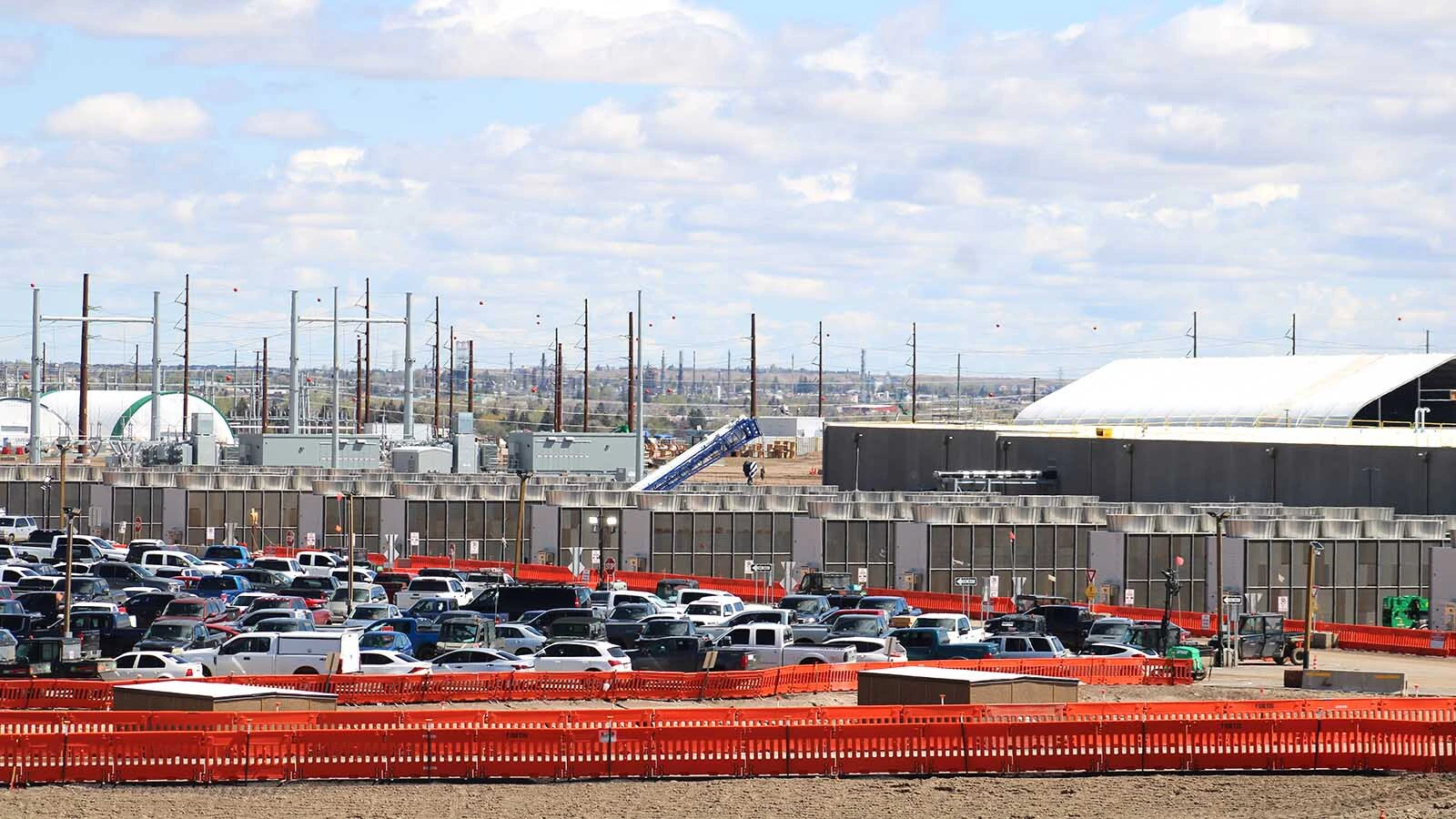
Many local Wyoming communities have erupted over data center concerns, with concerns ranging from water usage to noise to new worker “man camps” and view corruption.
Conversely, Microsoft Senior Director of Infrastructure Government Affairs Jonathan Noble told the Legislature’s Select Water Committee last month that “everything you have with a screen” relies on data centers. “This is something that is just growing every day.”
It’s growing across many sectors of society, too, he added, from individuals up to the nation’s military complex.
“This is critical infrastructure to how we operate, how we communicate, how we go to action, how we serve our communities, how we protect our communities,” he said. “Data centers are the backbone of the modern economy, much like railroads, highways, power grids in earlier generations.”
But the company also recognizes that infrastructure should be built the right way, including limits on water use, Noble said.
He added that the facilities operating in Wyoming take advantage of the state’s cooler climate, which reduces the need for water-based colling.
The technology is also shifting toward closed-loop cooling, which recycles water, he said.
A Few Local Approaches
The Cheyenne City Council rejected a proposed moratorium on data center development last week after four hours of emotional, sometimes angry, testimony by residents on both sides of the issue.
In Evanston, the Uinta County Planning and Zoning Commission faced less vocal pushback — despite a packed room — during a similar approval meeting last week.
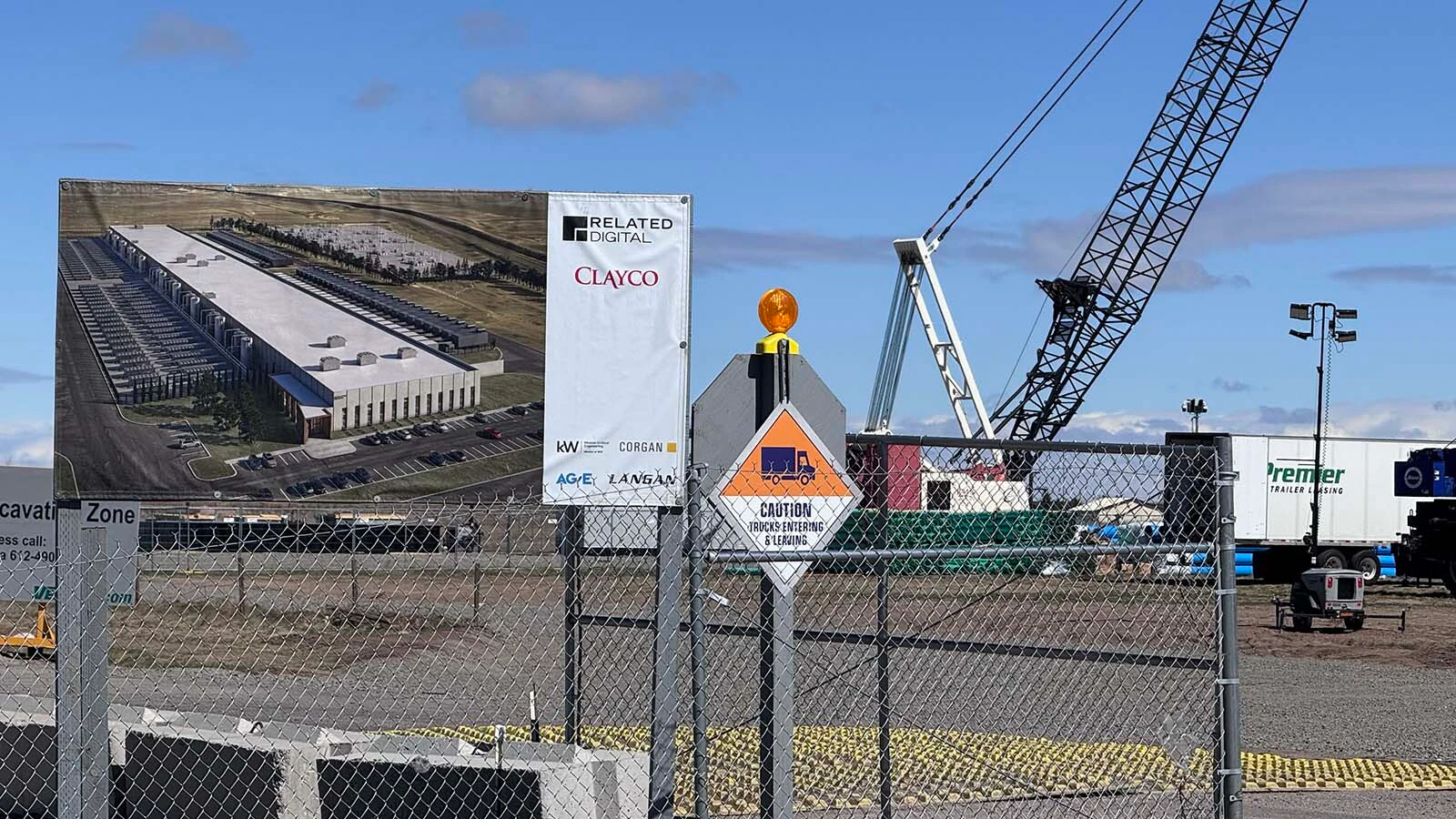
The planners voted unanimously to recommend permit approvals for a 1.25 gigawatt data center.
Many tribal members of the Wind River Indian Reservation are still indignant over an April announcement that the Wyoming Business Council has awarded a $50,000 grant to the Northern Arapaho Tribe’s government to study the prospect of a large data center on the reservation.
That reservation headquarters a second tribe, the Eastern Shoshone Tribe.
“Hell no,” said Wade LeBeau of the development.
LeBeau heads one of the two factions currently vying in court for executive-branch control of the Shoshone Tribe.
The Converse County Commission tried and failed earlier this year to create a special industrial park to fast-track a data center on private land.
The Wyoming attorney general told the commission to walk that vote back — and the commission did, reportedly because the county doesn’t already have a zoning system in place to allow such a targeted land designation.
More About …
Data centers are large warehouses full of servers that power parts of the internet and, increasingly, artificial intelligence.
They may use a closed-loop cooling system, which proponents tout as a water-conservative way of keeping the equipment from overheating.
In a closed-loop system, water still should be flushed periodically because its quality can degrade and cooling chemicals can break down over time, USA Today reported.
Wyomingites have voiced fears of water pollution and consumption, noise, vista degradation and a shift from the state’s agricultural environment with the influx of data centers.
Proponents of the builds, however, have pointed to their capacity to generate immense revenues and create jobs.
Datacentermap.com says 31 data centers exist currently in Wyoming.
Clair McFarland can be reached at clair@cowboystatedaily.com.