

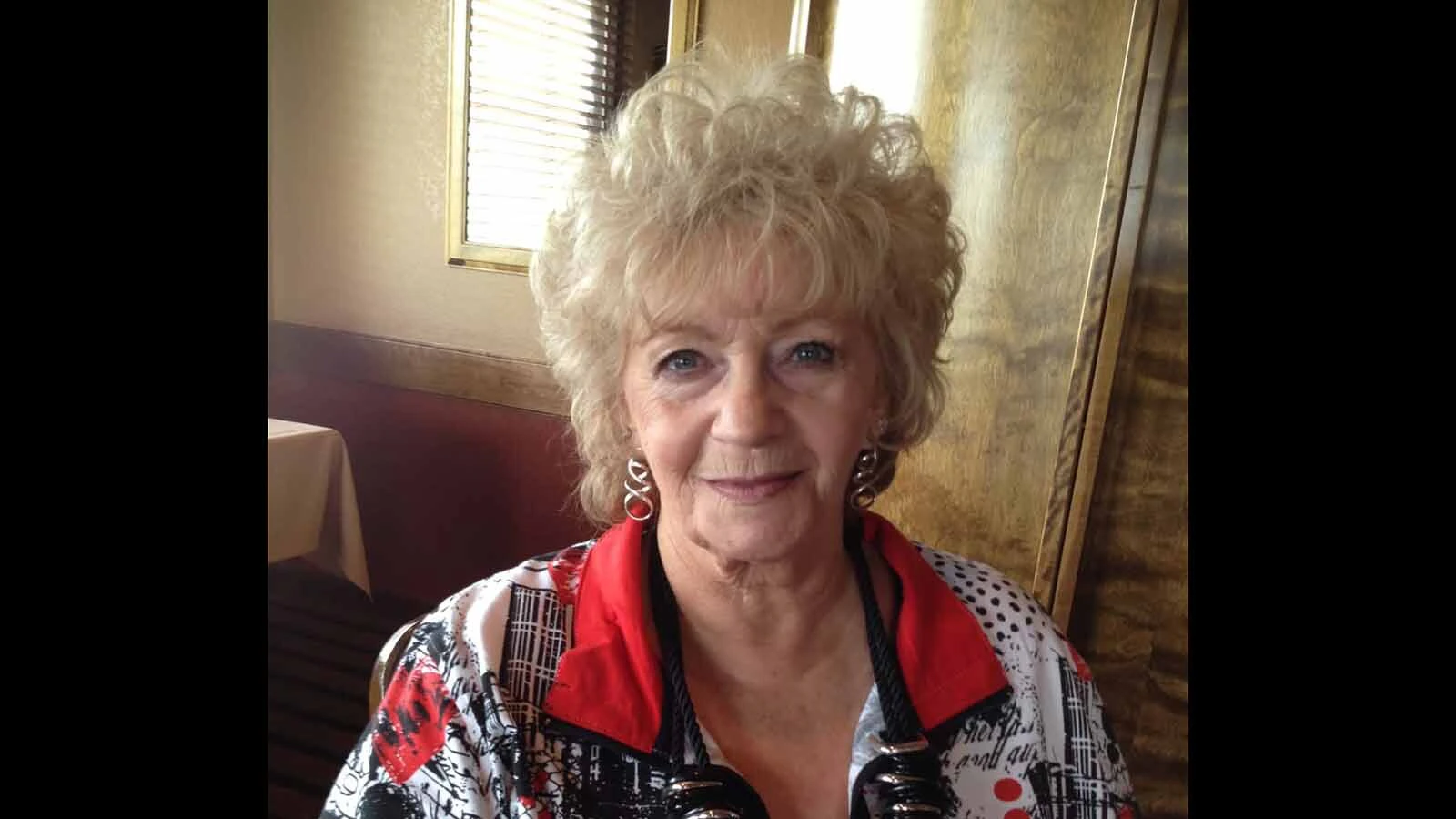
CASPER — More than a year after Gloria Fuller’s death, her daughters have begun dismantling a world she spent nearly 80 years building.
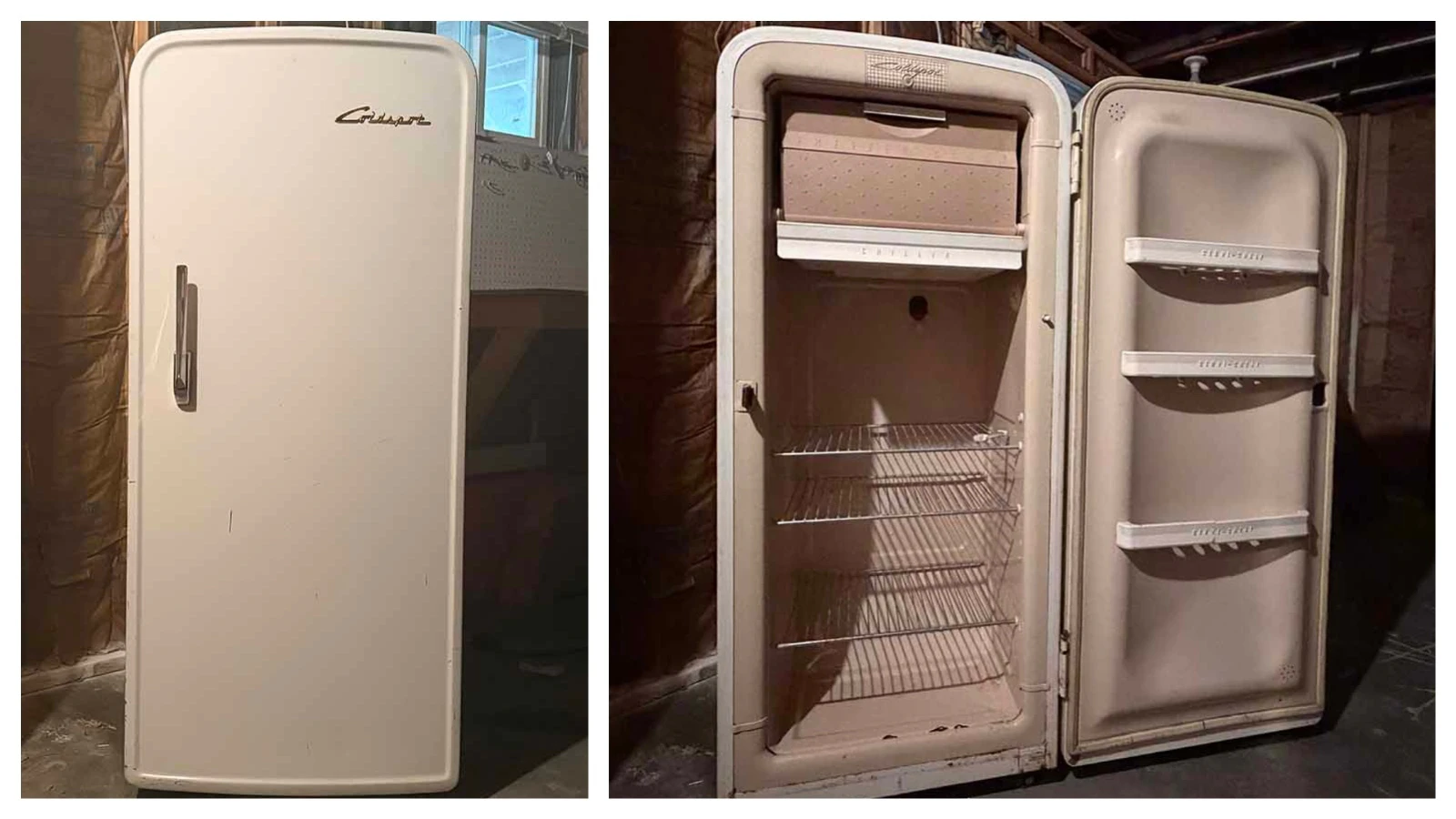
Down in their mother's basement, beneath exposed studs, cobwebs and insulation, they found a vintage 1950s Coldspot refrigerator still humming with life.
Glowing softly in the dim light like a mirage of mid-century America, the old appliance not only was still running, still held 30-year-old cans of Schlitz — cold to the touch.
In another life, the refrigerator held grenadine, soda bottles and trays of hors d’oeuvres for the cocktail gatherings Fuller hosted downstairs.
Angie Hoven, one of Fuller’s daughters, remembers her mother as a meticulous hostess.
“She was well-known,” Hoven said with a chuckle, tears welling in her eyes.
If refrigerators could talk, this one would recall laughter rising through smoke, the crack of ice trays and somebody asking Gloria for “just one more” drink before heading home, Hoven said.
Now it sits in a basement frozen between eras, still doing the job it was built to do nearly 75 years ago.
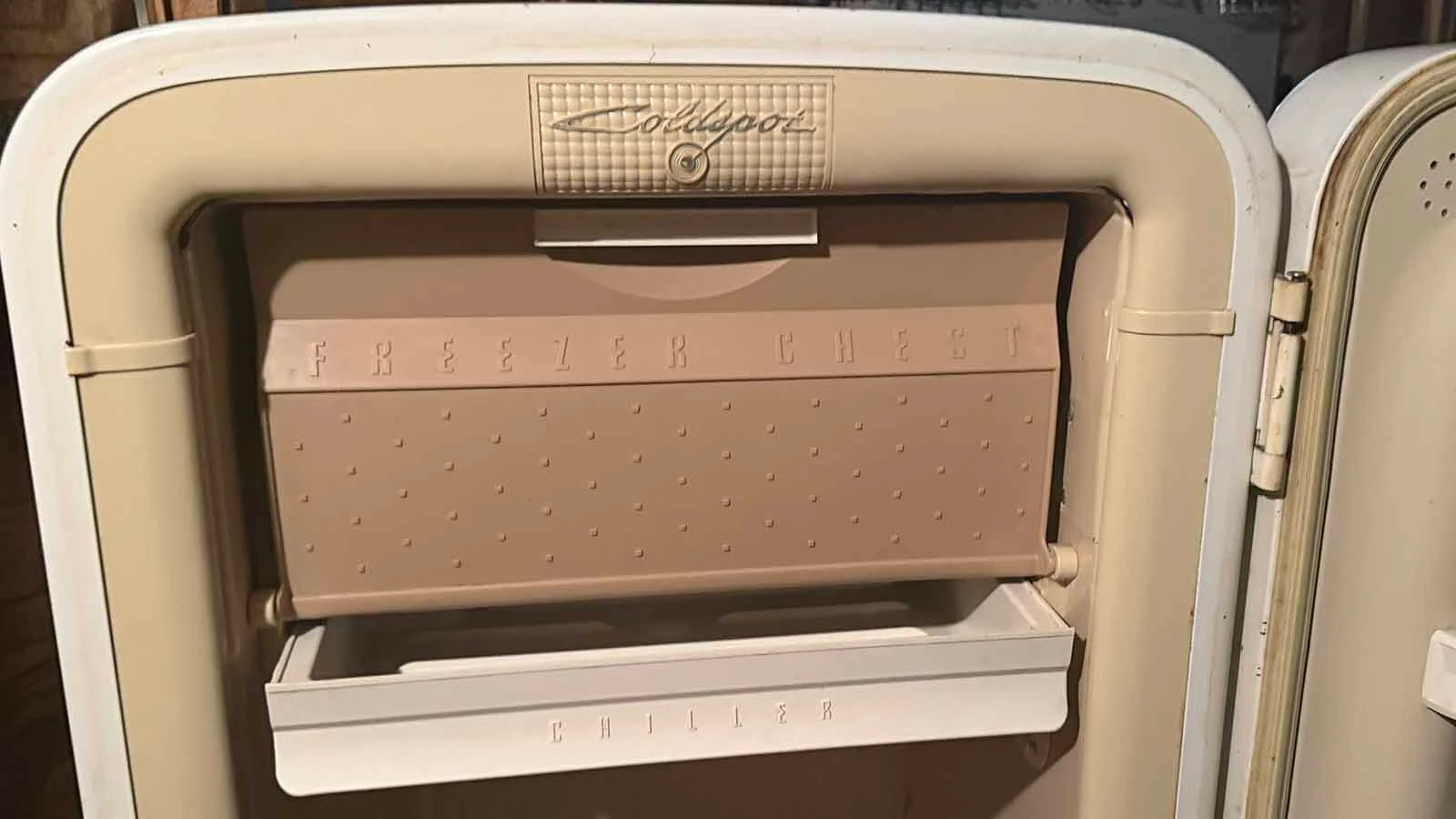
A 75-year-old Coldspot refrigerator from the 1950s still works, and is still keeping 30-year-old cans of Schlitz beer cold. More than a year after a Casper woman died, her daughters found the fridge still running in her basement. (Kolby Fedore, Cowboy State Daily) 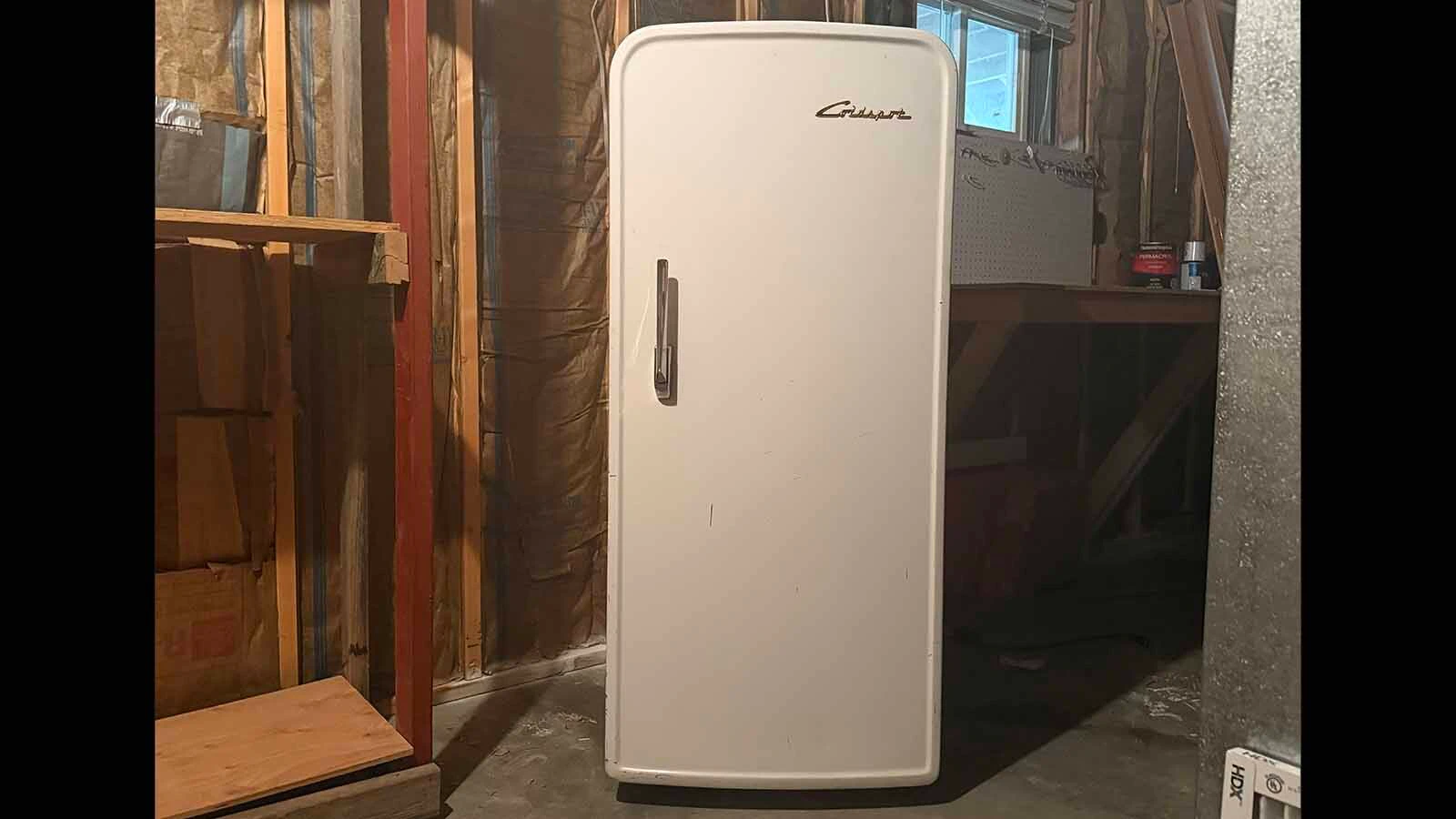
A 75-year-old Coldspot refrigerator from the 1950s still works, and is still keeping 30-year-old cans of Schlitz beer cold. More than a year after a Casper woman died, her daughters found the fridge still running in her basement. (Kolby Fedore, Cowboy State Daily) 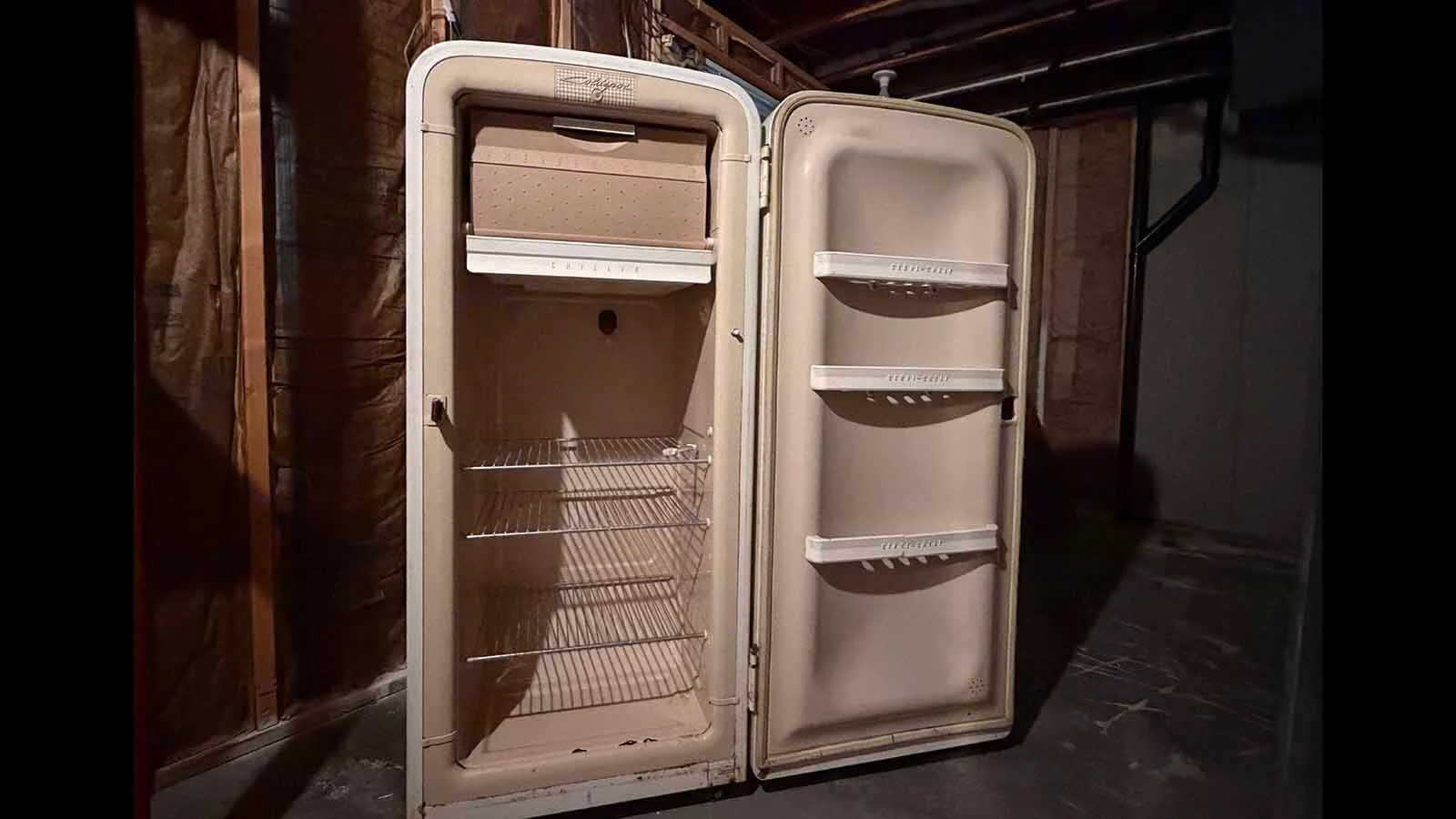
A 75-year-old Coldspot refrigerator from the 1950s still works, and is still keeping 30-year-old cans of Schlitz beer cold. More than a year after a Casper woman died, her daughters found the fridge still running in her basement. (Kolby Fedore, Cowboy State Daily) 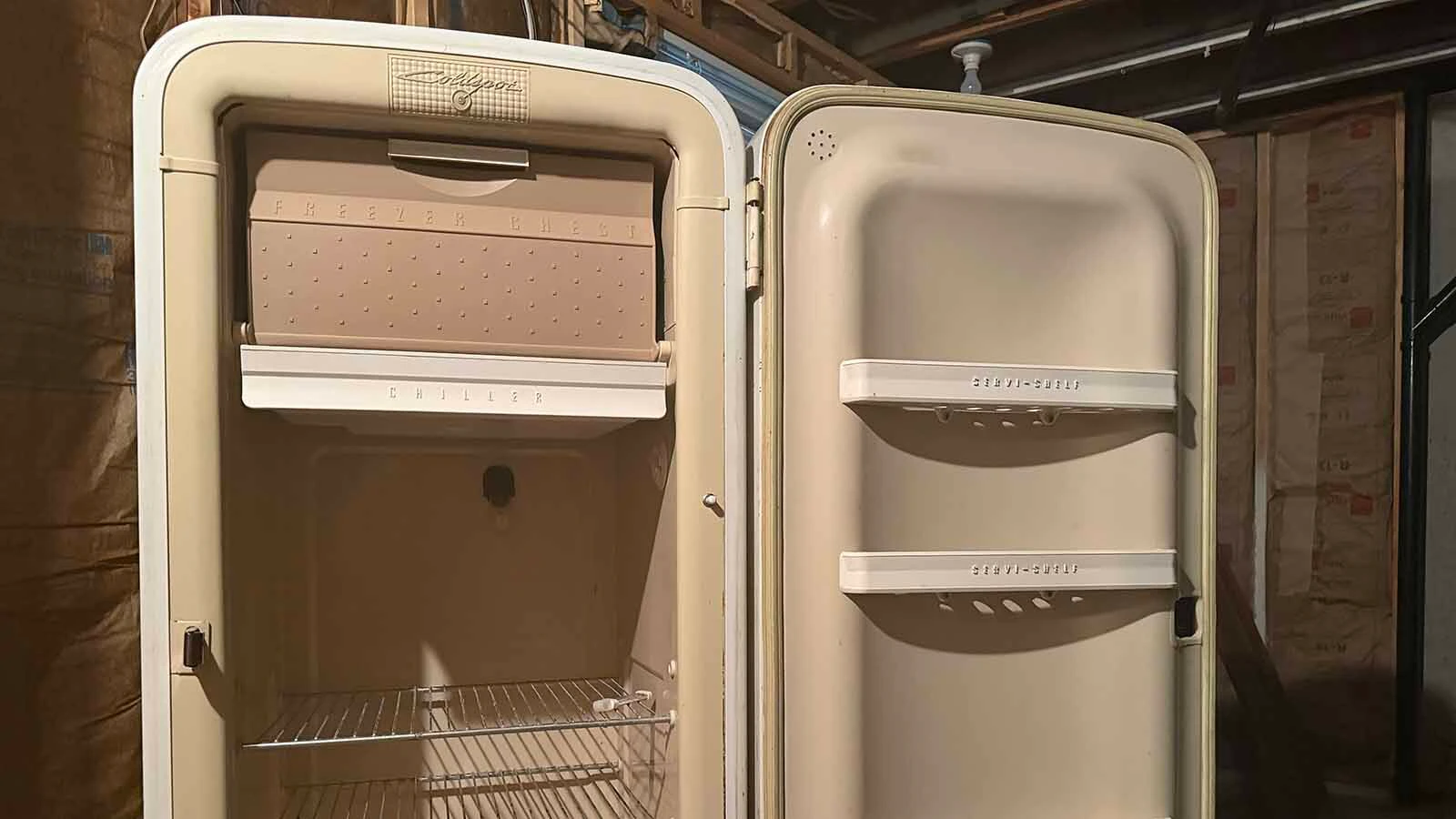
A 75-year-old Coldspot refrigerator from the 1950s still works, and is still keeping 30-year-old cans of Schlitz beer cold. More than a year after a Casper woman died, her daughters found the fridge still running in her basement. (Kolby Fedore, Cowboy State Daily) A 75-year-old Coldspot refrigerator from the 1950s still works, and is still keeping 30-year-old cans of Schlitz beer cold. More than a year after a Casper woman died, her daughters found the fridge still running in her basement. (Kolby Fedore, Cowboy State Daily) 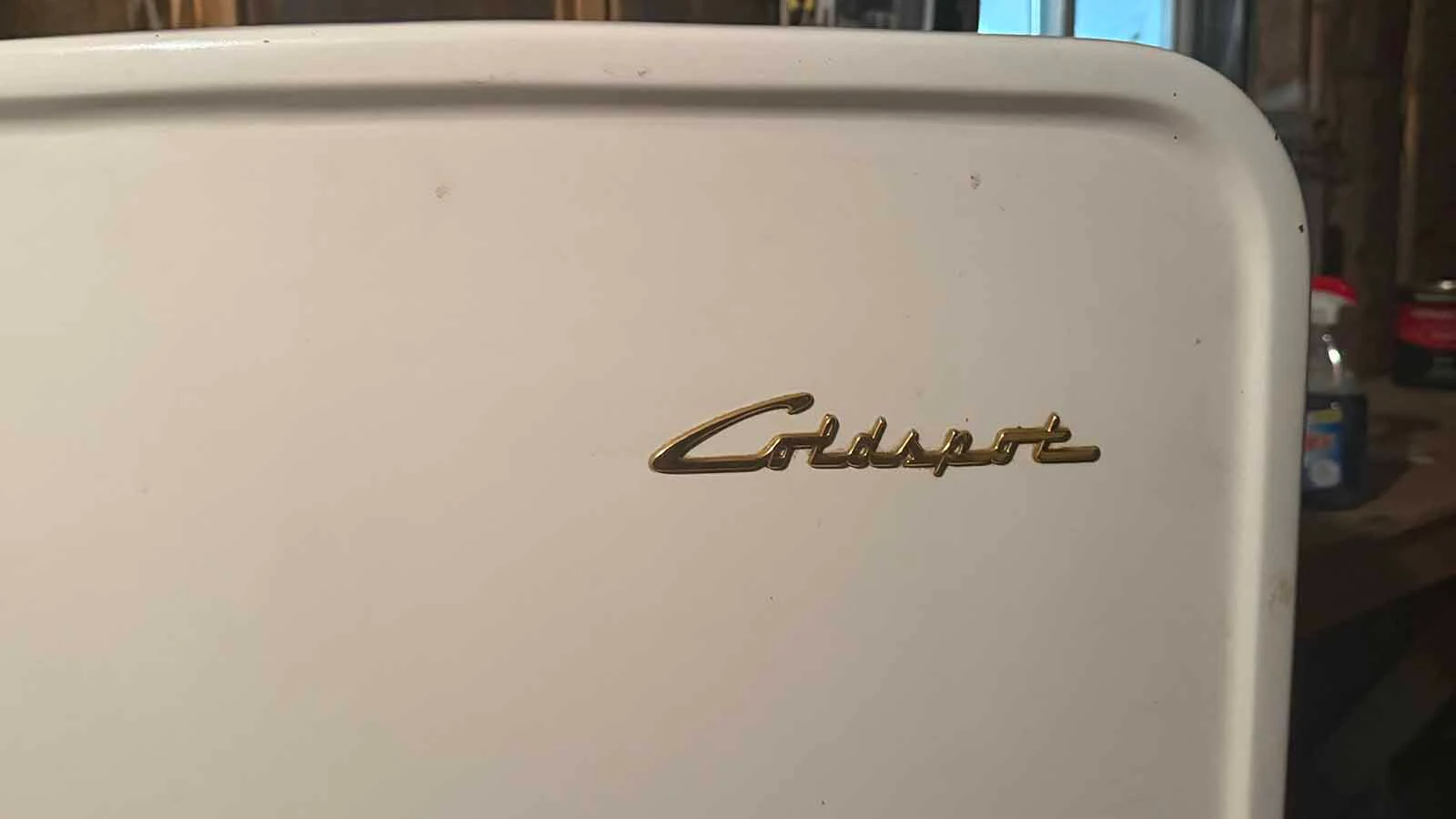
A 75-year-old Coldspot refrigerator from the 1950s still works, and is still keeping 30-year-old cans of Schlitz beer cold. More than a year after a Casper woman died, her daughters found the fridge still running in her basement. (Kolby Fedore, Cowboy State Daily)
The Machine That Wouldn’t Die
The Coldspot itself belongs to another chapter of American manufacturing entirely.
Built by Sears before Kenmore overtook the brand, the refrigerator represents the thick steel, rounded-edge philosophy of postwar appliances — heavy, mechanical and intentionally durable.
No touch screens. No computer boards. Just compressors, fans and stubborn engineering that doesn’t quit.
At 88 years old, Thermopolis appliance repairman Martin Andreen — aka “Mr. Fix-It”—still speaks about old refrigerators the way ranchers talk about reliable pickups.
“They were good machines,” he said. “Simple.”
Andreen said the old Coldspots were built simply enough that most problems can still be repaired decades later.
The biggest headache, he said, is when the freezer fan goes out, though even that usually isn't difficult to fix.
His brother owned a Coronado refrigerator that ran for more than 60 years before eventually being moved into a family member’s shop in Douglas.
“For all I know, it’s probably still running,” Martin said.
Hoven recently listed her mother’s Coldspot on Facebook classifieds for $1,000 — a figure she admits is ambitious.
Before the listing went public, she said somebody once offered nearly double that for it, though the deal eventually fell apart.
The Coldspot's longevity is impressive, but Andreen laughed at the idea of paying $1,000 for “that old thing.”
Even $200, he admitted, feels high to him, though he acknowledged vintage refrigerators have become collectible for people chasing retro aesthetics and mid-century Americana.
“I’d probably try to get the price down,” he said with a laugh.
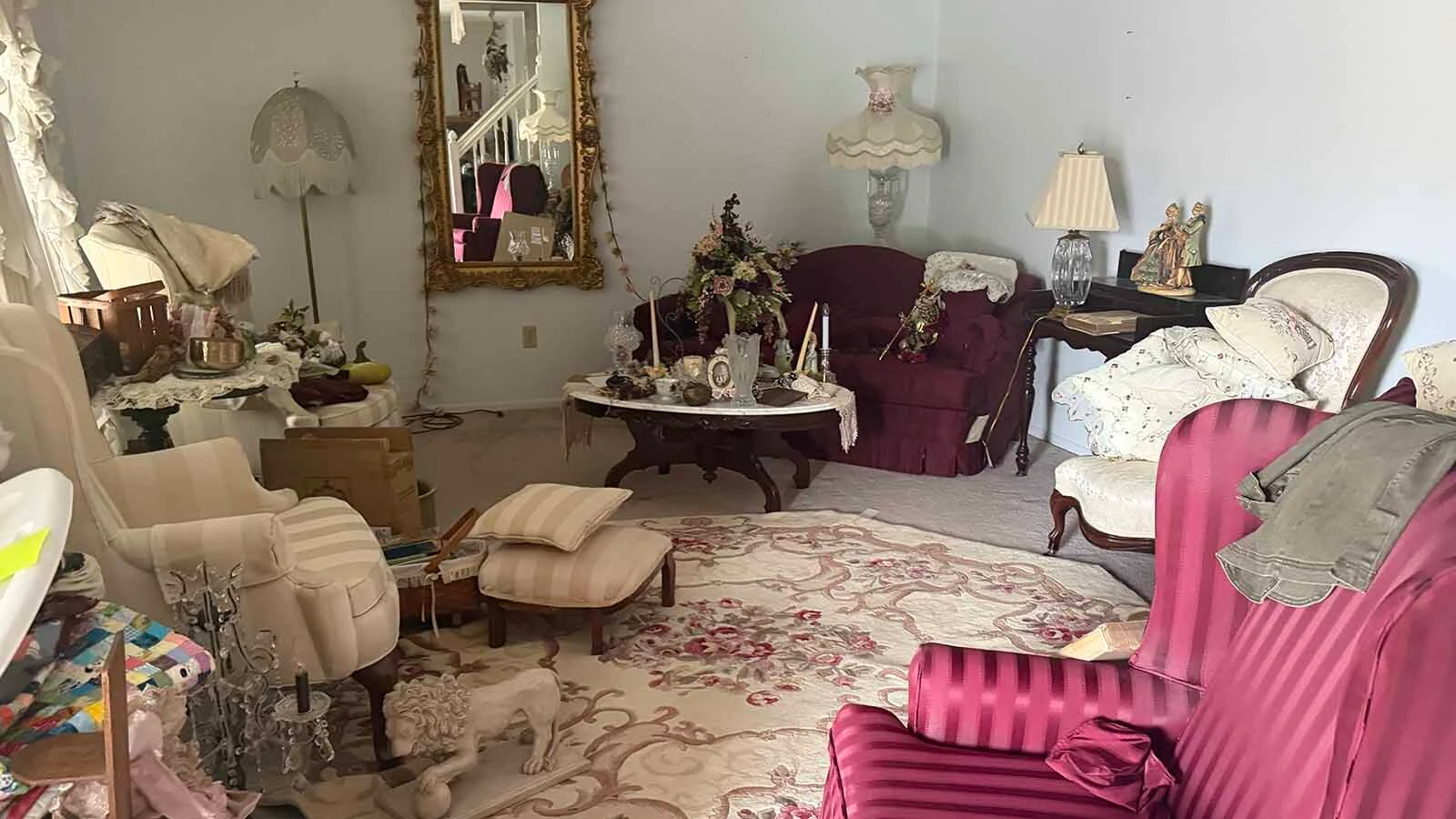
When her daughters began going through Gloria Fuller's Casper home after her death, they found a still-working 75-year-old refrigerator and a lifetime of precious possessions. (Courtesy Photo) 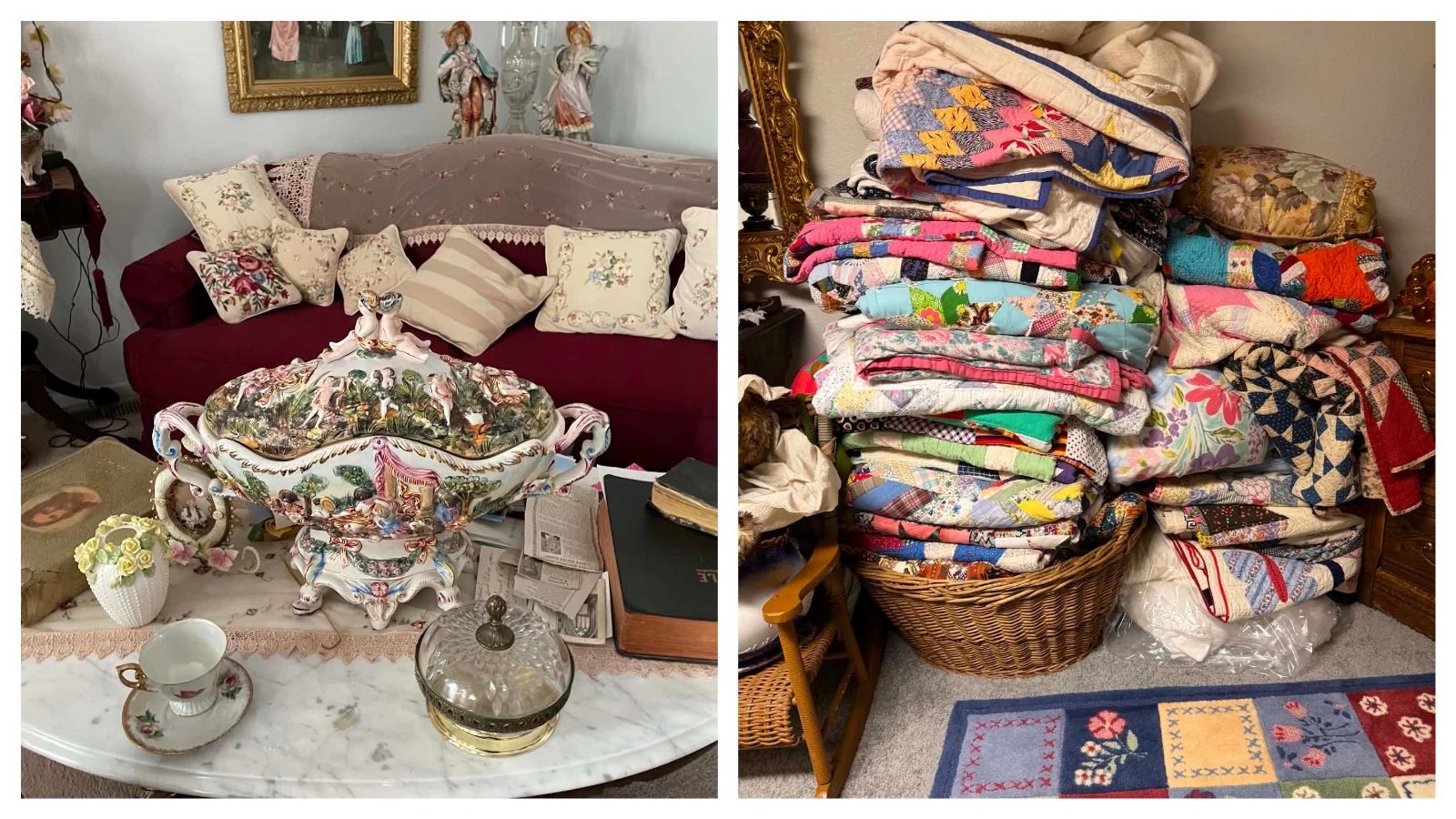
When her daughters began going through Gloria Fuller's Casper home after her death, they found a still-working 75-year-old refrigerator and a lifetime of precious possessions. (Courtesy Photo) 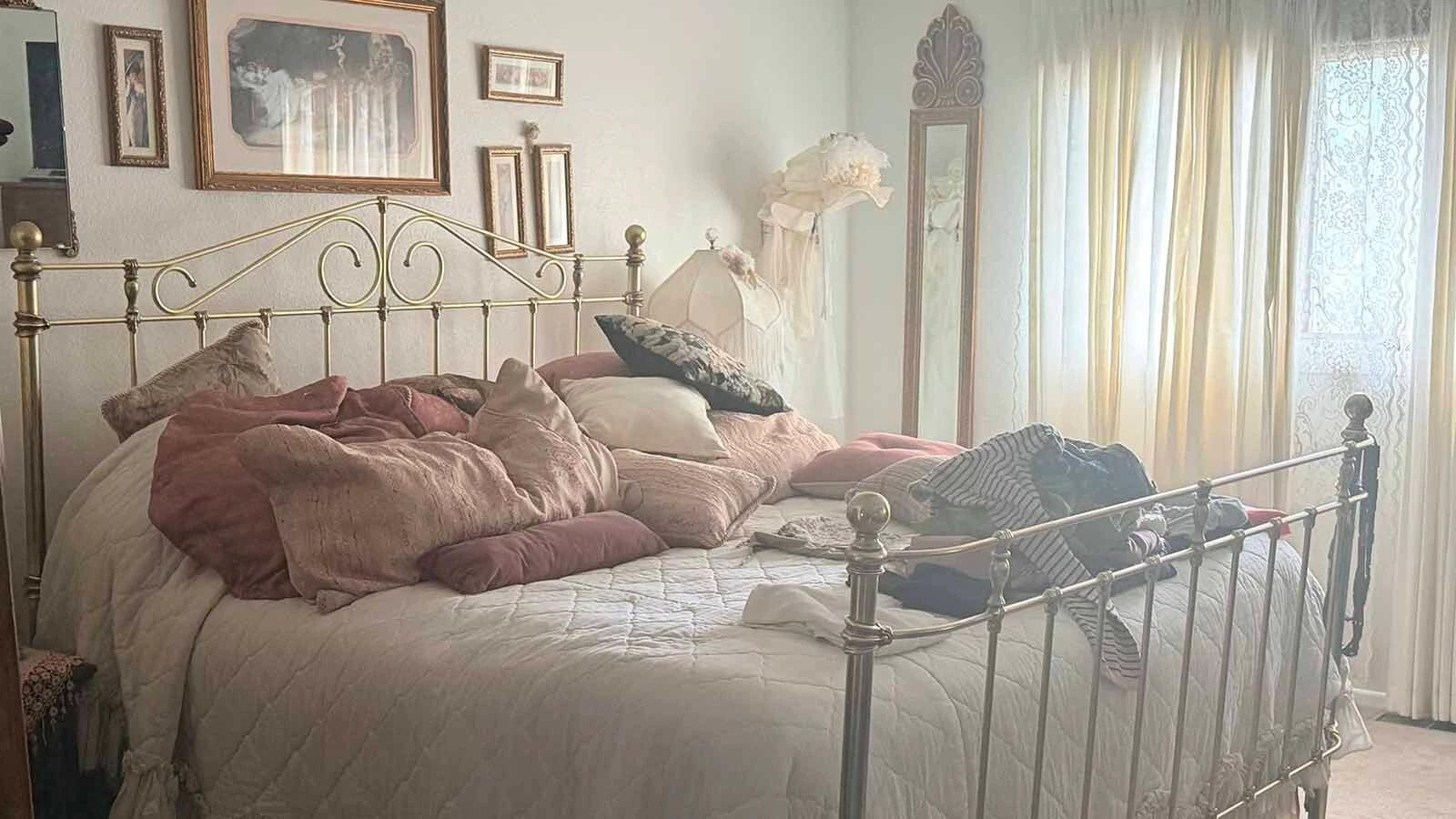
When her daughters began going through Gloria Fuller's Casper home after her death, they found a still-working 75-year-old refrigerator and a lifetime of precious possessions. (Courtesy Photo) 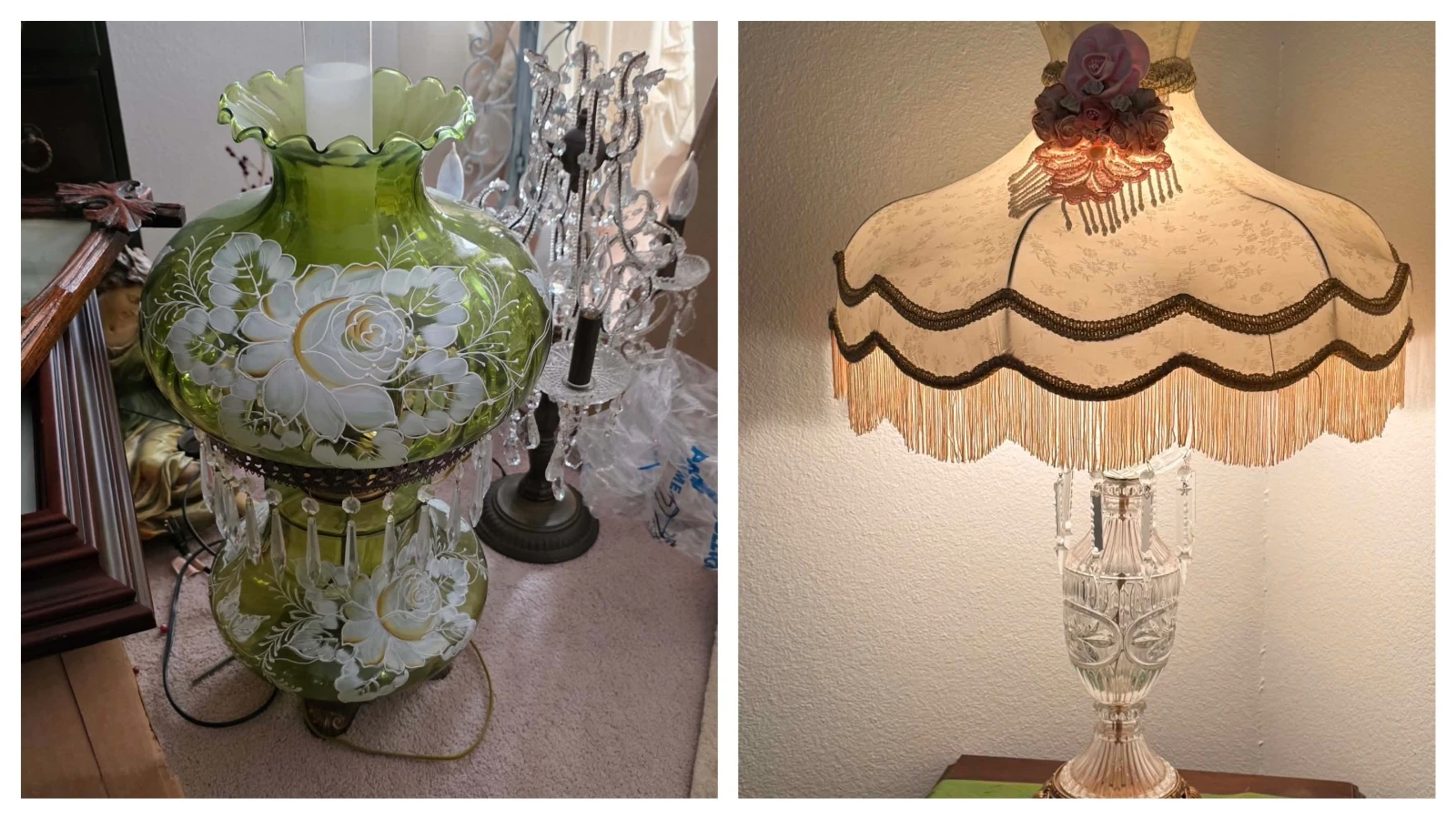
When her daughters began going through Gloria Fuller's Casper home after her death, they found a still-working 75-year-old refrigerator and a lifetime of precious possessions. (Courtesy Photo) 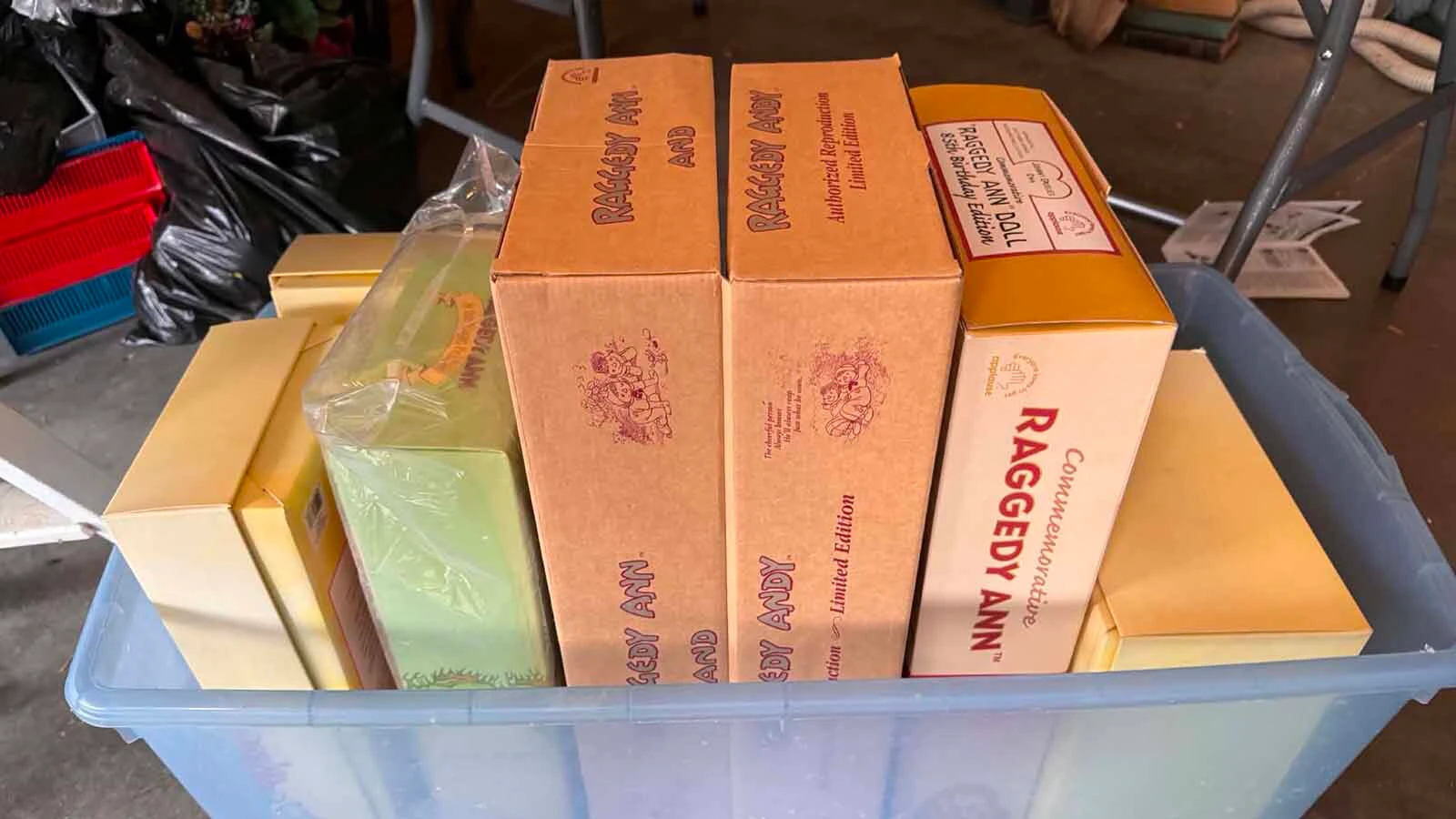
When her daughters began going through Gloria Fuller's Casper home after her death, they found a still-working 75-year-old refrigerator and a lifetime of precious possessions. (Courtesy Photo) 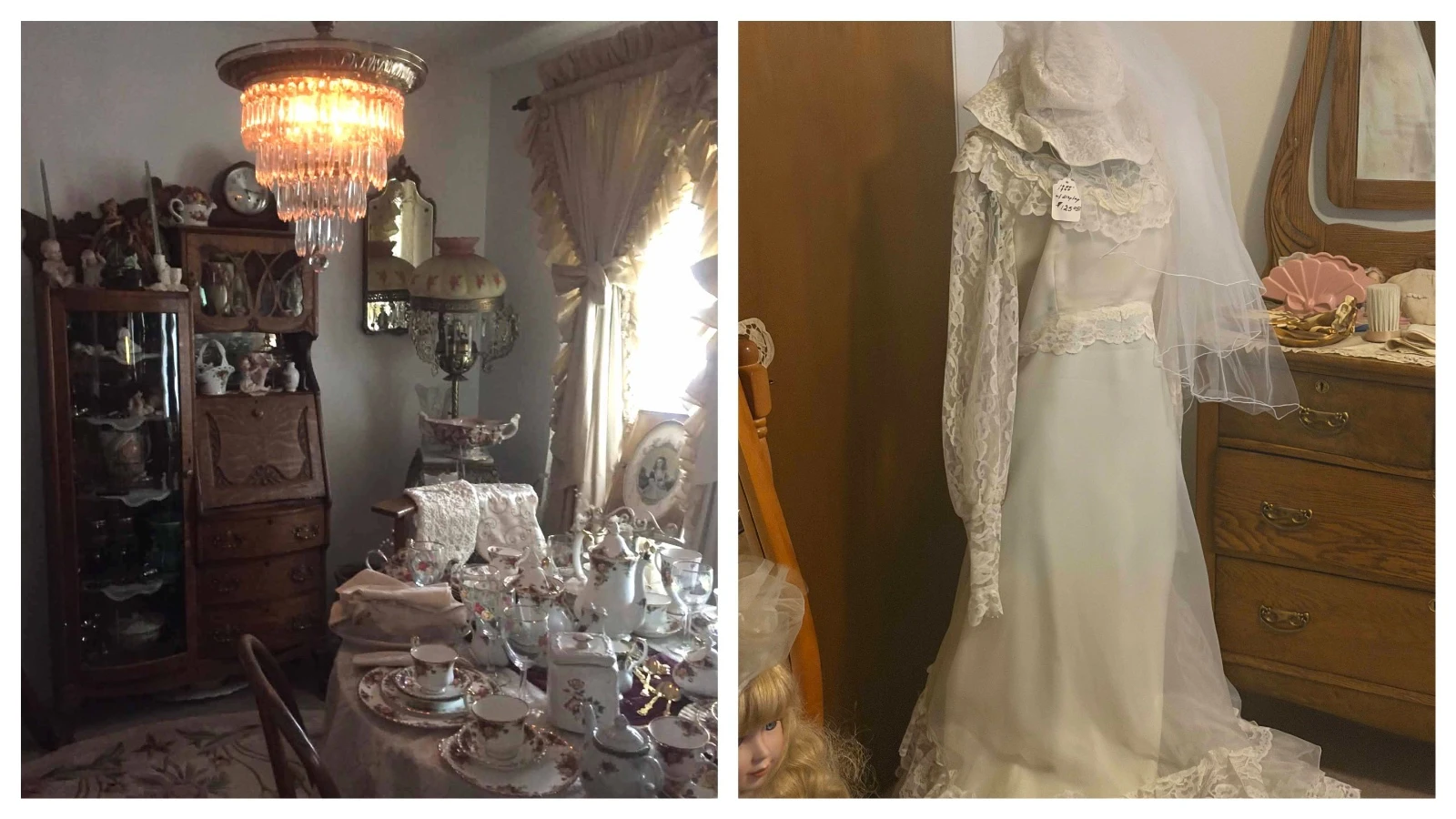
When her daughters began going through Gloria Fuller's Casper home after her death, they found a still-working 75-year-old refrigerator and a lifetime of precious possessions. (Courtesy Photo)
An Empire Of Trinkets
The old refrigerator isn’t the only monument to another era.
Inside the Fuller home, antiques spill from shelves and tabletops like the lacy buttercream frosting of a 1980s wedding cake.
Cream and burgundy wingback chairs face each other beneath crystal chandeliers, doubled in the reflection of gold-framed mirrors. Dappled sunlight filters through gathered lace curtains and bounces off old vases bursting with artificial roses.
The dining room table remains crowded with shimmering glass pitchers, crystal bowls, ornate candlesticks and floral centerpieces arranged as though guests might still arrive at any moment.
“She was a perfectionist,” Hoven said of her mother. “And a collector.”
The deeper you move into the house, the denser it becomes.
Lampshades wear fringe and lace collars.
Decorative stained-glass flowers cast rainbow light across bedrooms crowded with brass bedframes and heaps of blush-colored pillows arranged for the heads of sleeping dolls in gauzy dresses that drift toward the carpet like fog.
“Mother would’ve turned over in her grave if she could see what we’ve done to the place,” Hoven said, turning to the cleaning supplies and boxes stacked in every corner, explaining her mother always kept an immaculate home.
“It has been extremely hard,” Hoven said. “Our mom was our world. At first it was hard to part with anything.”
Hoven now moves through the home attached to an oxygen tank, frequently stopping to rest while battling the same COPD that ultimately killed her mother.
Still, she continues sorting through thousands of objects piece by piece.
The Weight Of Inheritance
Across America, adult children increasingly find themselves inheriting homes like this — houses dense with objects tied to another era of domestic life.
China cabinets. Crystal bowls. Crochet tablecloths. Figurines. Curio shelves. Heavy wooden furniture built well enough to outlive multiple generations.
The problem is that while the emotional value remains enormous, the market value often does not.
Estate sale organizer Robyn Cutter has spent so many weekends clearing out people’s homes she has earned an unofficial Ph.D. in the business of “stuff”: what Americans save, what strangers covet and what nobody can seem to give away.
China cabinets, she said, are notoriously difficult to move. Crochet tablecloths can be hit-or-miss. Dolls fluctuate wildly depending on the buyer.
Cast iron cookware almost always disappears quickly.
Looking at a photo of Fuller’s Coldspot, Cutter estimated it would probably bring somewhere between $100 and $200 locally.
Still, she understands why people become attached to objects like that refrigerator.
“It’s too gut-wrenching,” Cutter said of families watching strangers buy pieces of their loved one’s lives.
One Last Goodbye
An auctioneer from Buffalo is expected to sort through the Fuller house’s remaining heaps.
The family also sells items through Facebook Marketplace and eBay, including the refrigerator.
They haul boxes to antique expos at the Ford Wyoming Center, arranging and rearranging fragments of their mother’s collection beneath fluorescent lights while strangers wander past.
By the end of most estate sales, Cutter said, families usually stop focusing on individual objects and start feeling something closer to relief.
The stress lifts. The house empties. Life begins moving again.
“They just breathe,” she said. “They’re like, ‘Wow, this is great.’”
That sense of closure is still a ways away for Hoven and her sister inside their late mother's home, where mountains of clothes, cups, quilts and figurines still wait to be sorted.
And downstairs, the refrigerator keeps running keeping the Schlitz cold.
Kolby Fedore can be reached at kolby@cowboystatedaily.com.


