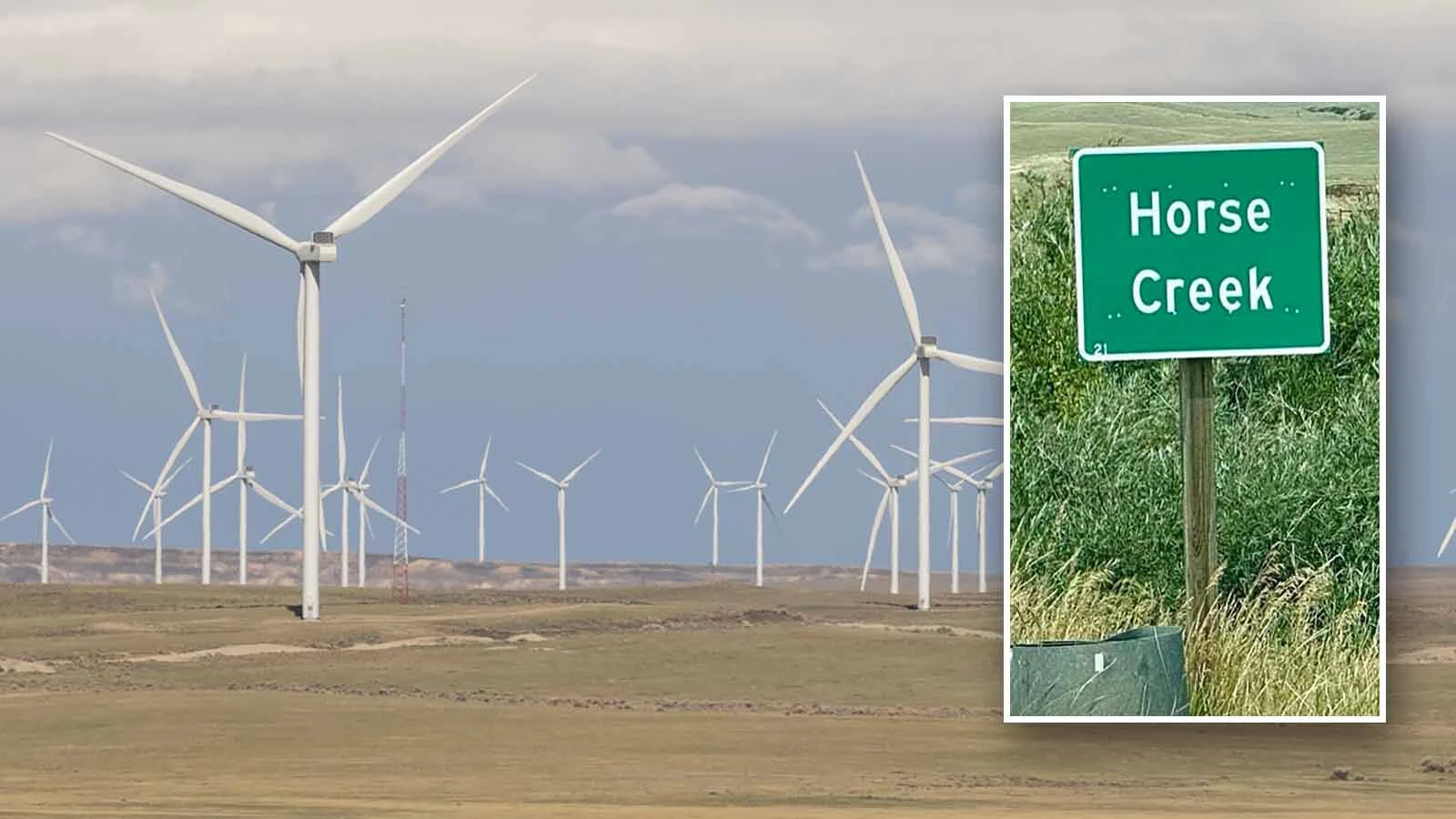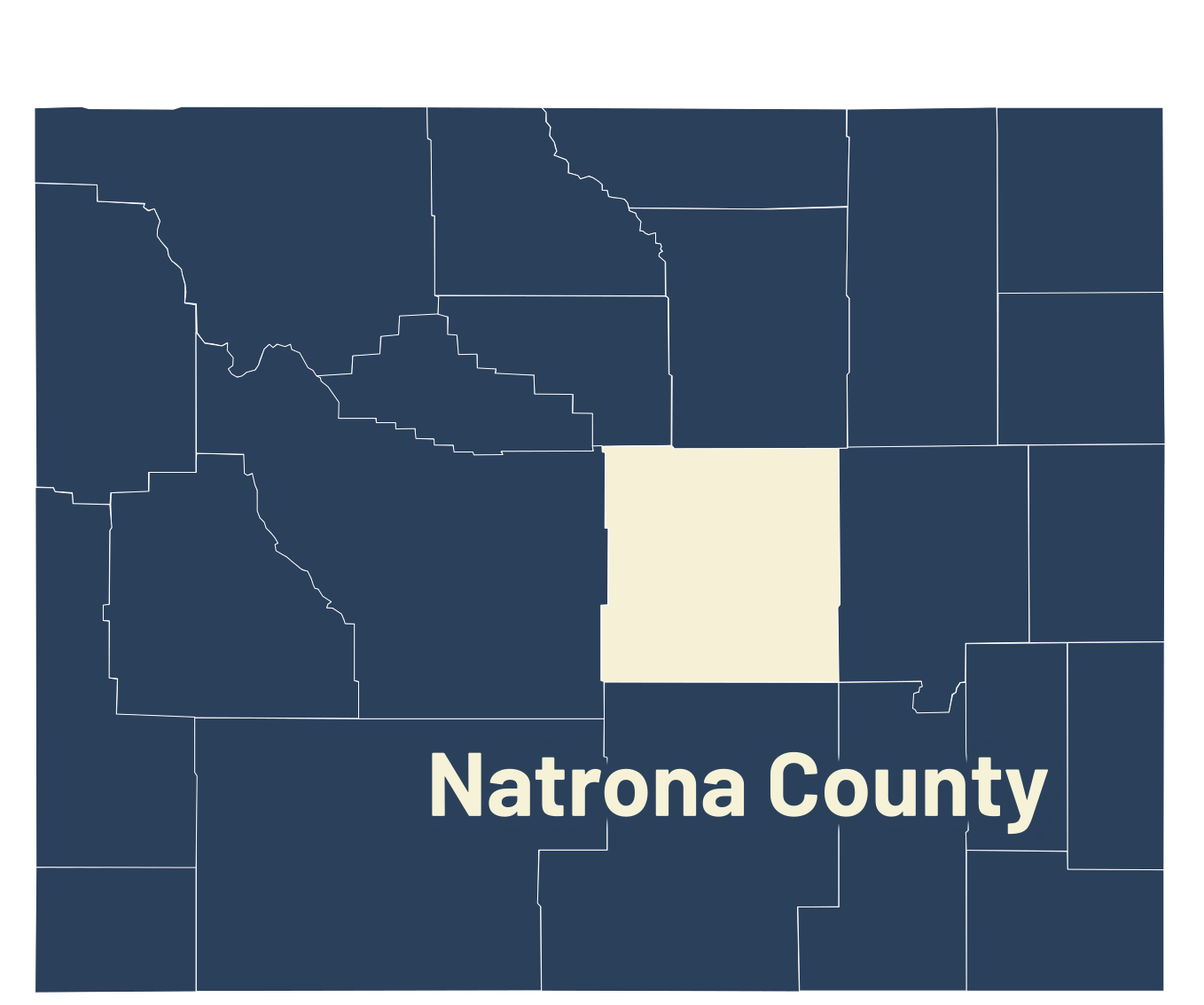
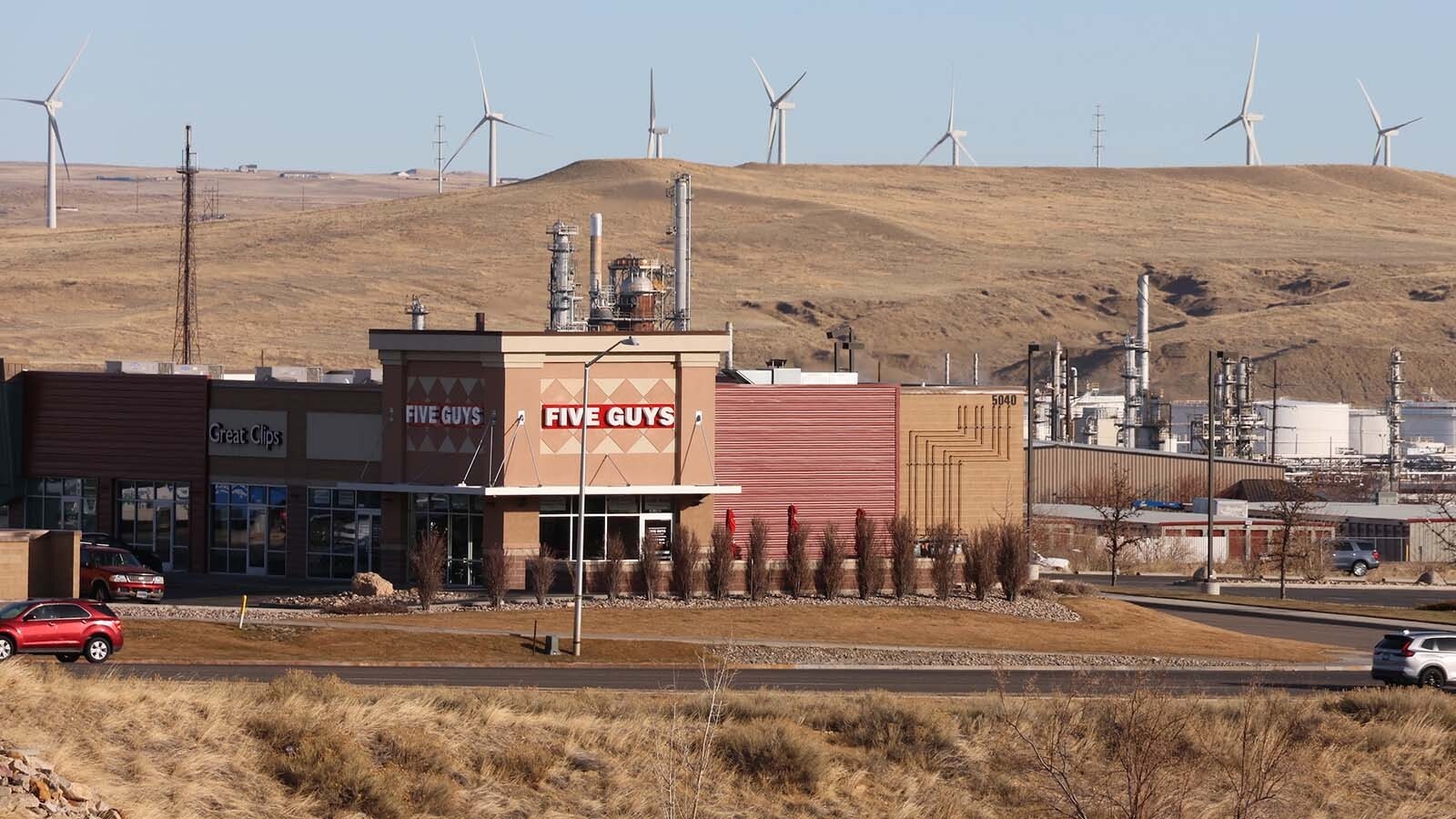
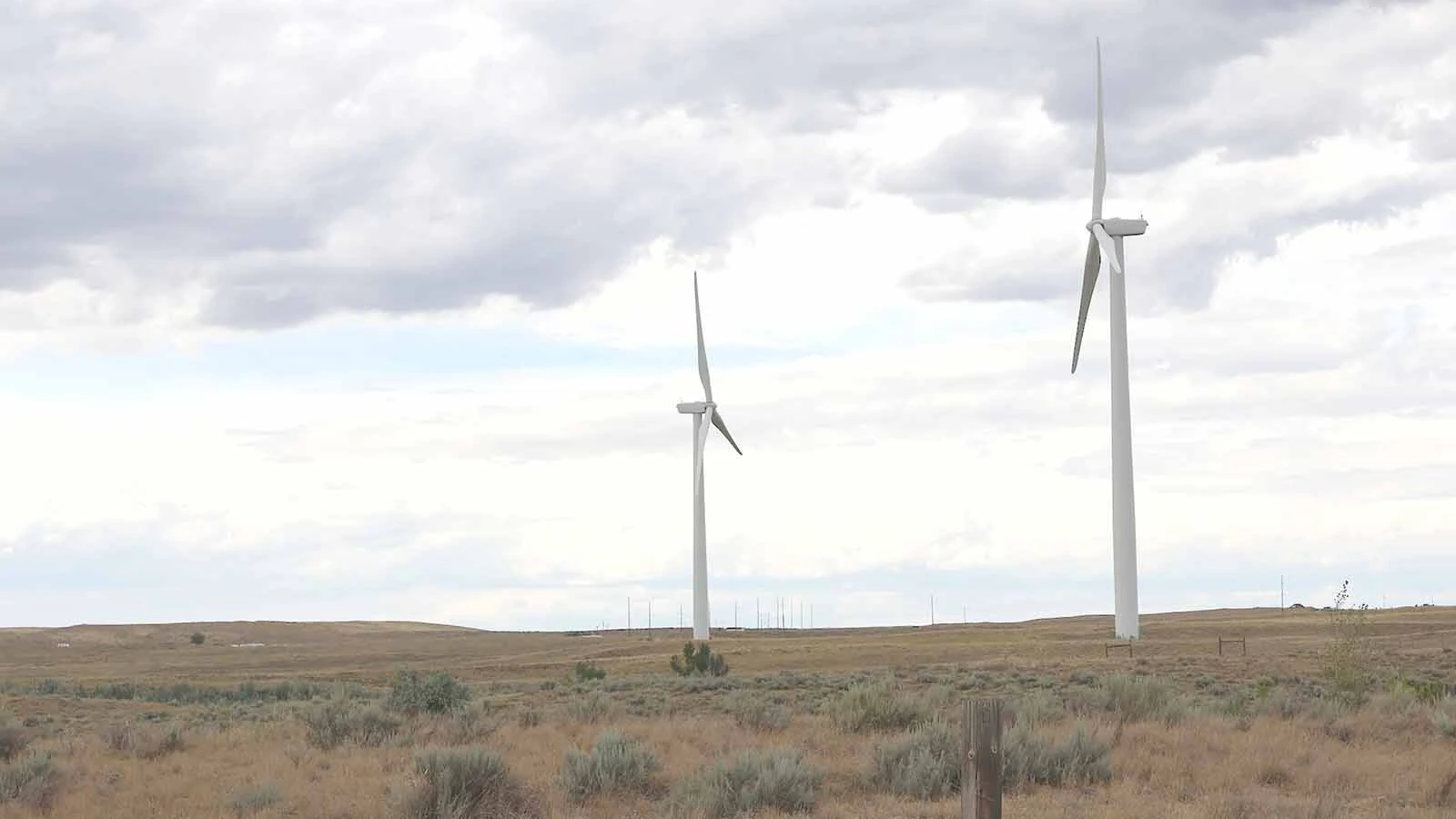
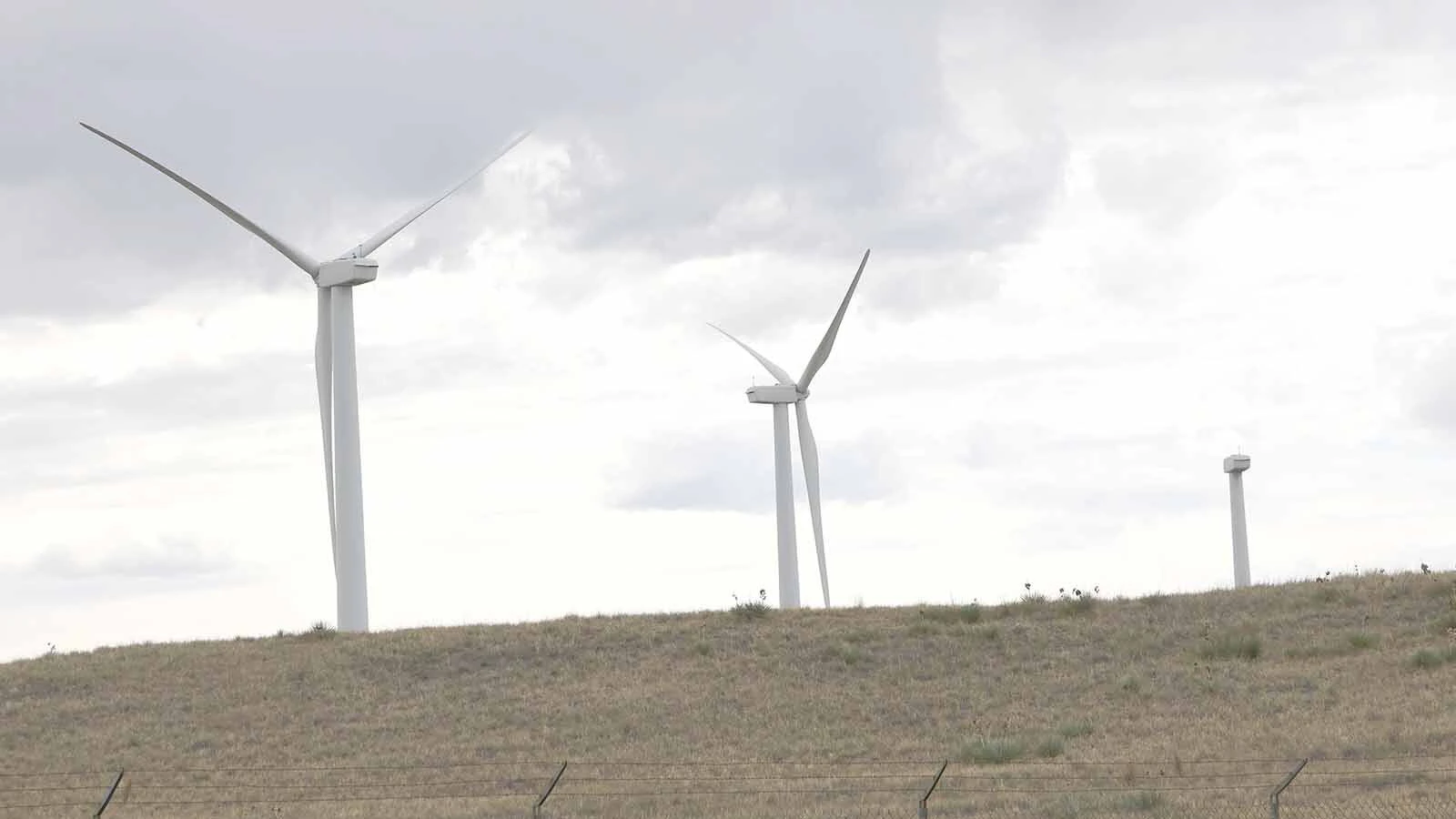
After years of mostly inactivity the 11-turbine Casper Wind Farm is coming down, though a little later than initially advertised.
Chevron Power and Energy Management Co. spokesperson Christine Dobbyn told Cowboy State Daily the Casper Wind Farm decommissioning plan is underway.
“Impacts to schedule and steps can occur due to events such as weather conditions and coordination with third parties,” she said. “We will update county commissioners and the community via our website as the project progresses.”
Natrona County Commissioner Dave North said efforts to remove the machines started a few weeks ago.
“It hasn’t gone as fast as they anticipated,” North said. “We’ve been in contact with them for about four months. It was supposed to have started the first of July and it just kept getting kicked down the road for whatever reason.”
North said his understanding from talking with company representatives is that four of the turbines are sold and are being shipped to a different location. The remainder are to come down by the end of the month, he said.
County Commissioner Peter Nicolaysen said commissioners have received communication from the company that they might get questions from the community as the turbines come down.
“I think that Chevron/Texaco made its decision long ago that this thing should come down and finally they are making good on their prior statements to the commission and the public,” he said.
Dobbyn said efforts at the site will be in accordance with the county-approved decommissioning plan and requirements. The company is focused on conducting the work safely and keeping locals informed, she said.
The estimated timeline to complete the turbines removal and Chevron-operated portion of the electrical substation is by the end of 2026. Additional remediation work might take place through 2029.
Potential Recycling
Dobbyn said the contractor believes “that it may be able to direct many turbine components toward reuse opportunities by other parties, including the potential use as spare parts for other wind energy facilities.”
“Metal materials are expected to be managed through established salvage and recycling channels,” she said. “Components not suitable for reuse may be directed to appropriately permitted disposal or recycling facilities, consistent with applicable requirements.”
Chevron focus remains on the decommissioning and had not made decisions regarding the future of the property. The company will continue to work with “applicable regulatory agencies regarding future planning,” Dobbyn said.
She said Chevron Environmental Management Company will continue to manage environmental remediation at the former Texaco Refinery site.
Dobbyn said efforts to remove the 240-foot high, 450,000-pound turbines are anticipated to last possibly through the end of the year, subject to weather conditions, and contractor coordination.
It’s a different timeline than the one North said he understood.
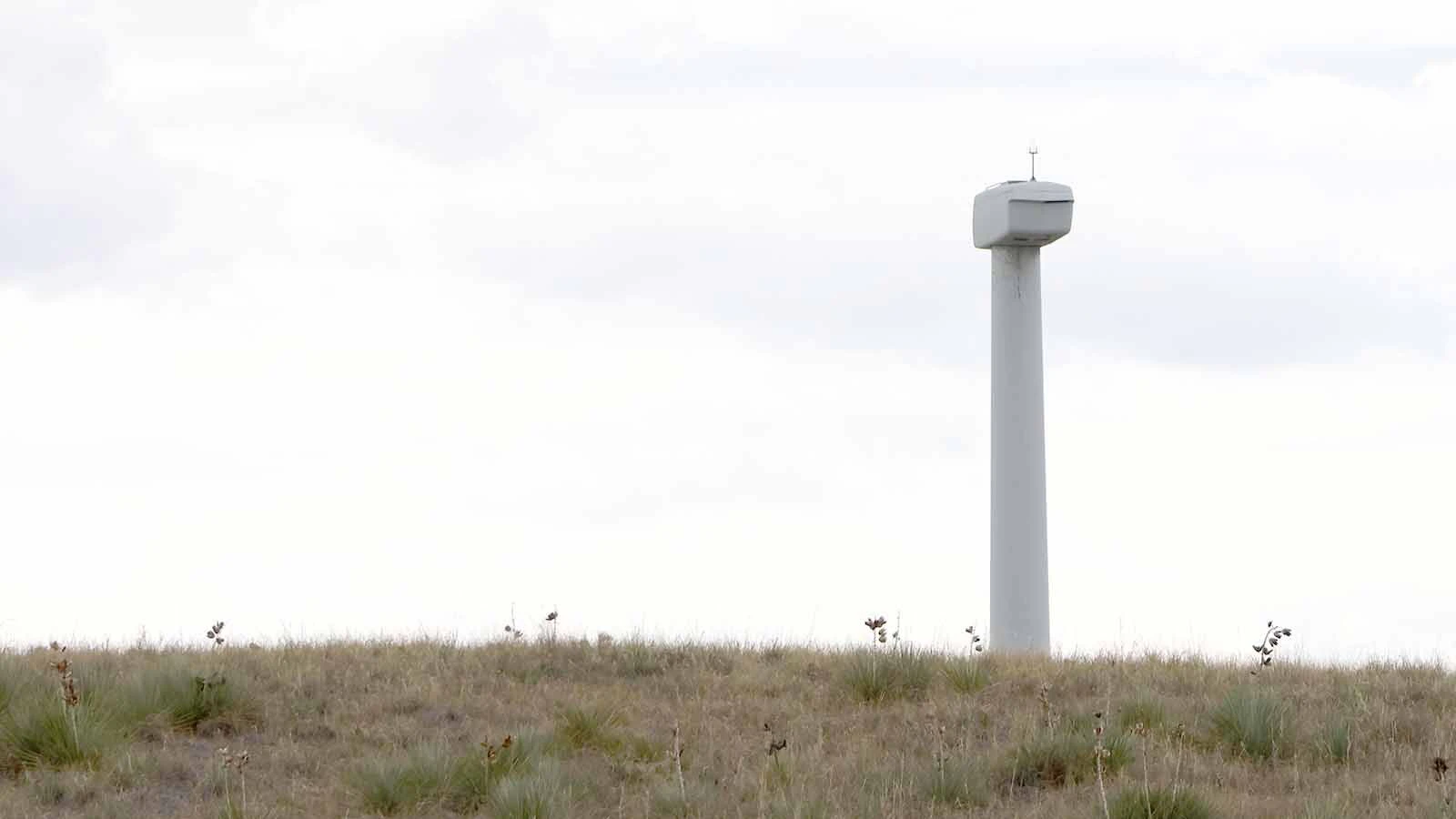
A check of the turbines Tuesday showed one of the towers was missing its blades.
Never Fully Operational
North said the turbines have never been fully operational because they have never had a purchase agreement with Pacific Corp./Rocky Mountain Power. The project has provided “absolutely nothing” to the county, state, and electric consumers across the West, he said.
Chevron turned on the turbines every year just long enough to maintain its permit, North said.
The company initially sent a decommissioning plan to the county commission last June.
After physical decommissioning in 2026, the plan calls for site reclamation in 2027, monitoring as well as agriculture impact mitigation and erosion control in 2029, and completion of the project by the end of 2029.
Information that Chevron is supplying to the community states that “initial work by a third-party contractor is expected to include removal of turbines and associated components over a period of several months.”
The company states that area residents will see increased truck traffic along local routes adjacent to the wind farm, including Stonewood Street and Sunburst Drive.
Water trucks supporting dust management will be in use and cranes will be used to unstack the turbines.
“Periods of controlled blasting may increase noise and vibration associated with this work,” the company stated. “All work is conducted under strict safety standards.”
In addition to the dust control, there will be on-site safety personnel, fire prevention and monitoring protocols, hazardous material handling procedures, and traffic controls when warranted, the company states.
Chevron has provided a hotline for the community to call at 855-285-9595. A website has also been set up at casperwindfarmdecommissioning.com.
The 2009 Pitch
Chevron President Greg Vesey in 2009 called the project “an excellent opportunity and location for the company’s first wholly owned wind facility, but the Casper Wind Farm also brings the former refinery site back into energy production with renewable energy.”
Chevron for many years touted the Casper Wind Farm in promotional materials as an example of its commitment to alternative and renewable energy sources.
Company information still found online states that the “Casper Wind Farm, commissioned in 2009, has turned a former refinery stie near Casper, Wyoming into an 11-turbine, 16.5 megawatt-capacity wind farm, which, a peak capacity, produces enough electricity to power approximately 13,000 U.S. homes for a year.”
Former Natrona County commissioner Terry Wingerter, who was among commissioners who voted for the turbines in 2009, has called the removal a good thing.
He told Cowboy State Daily in October that a big reason for the approval was that commissioners were told the entire area north of the North Platte River where the turbines sit is contaminated from the former Texaco refinery.
“The only thing they could do is put up the wind towers,” he said.
Wingerter said commissioners at the time were told that Chevron had a contract with Rocky Mountain Power and “so we let them put them up.”
Wingerter said he regretted his vote because the turbines have been idle for so long and an “eyesore.” He said for the past couple of years he has lobbied whenever possible to get them removed.
At the EPA’s website, it states that the entire site of the refinery’s footprint needed cleanup. The 880-acre area north of the river had evaporation ponds to treat refinery wastewater that contained polynuclear aromatic hydrocarbons.
They did not require removal but were designated as a “Use Control Area” to restrict the property’s future use.
Dale Killingbeck can be reached at dale@cowboystatedaily.com.