For generations, Americans have dutifully paid into Social Security, the U.S. government's retirement "protection" program. They do so with the fair expectation that the money they pay now will be there for them when they reach retirement.
There's just one problem: The program is going broke. The safety net is tearing at the edges, and it is liable to be completely blown out by the time millions of young people -- and many middle-aged Americans -- reach their golden years.
The 90-year-old program is running dry.
A recent Congressional Budget Office report projects that the Social Security trust fund will become insolvent by 2032, a year earlier than previous estimates. At that point, benefits will be cut across the board by over a quarter. For the average retiring couple, that means their benefits would be cut by $18,400 annually.
Established under Franklin Roosevelt in the wake of the Great Depression, Social Security was one of the Democrats' first large-scale experiments in socialism. Its slow death confirms what conservatives have always known to be true: The so-called promise of socialism is a lie. It's not sustainable.
Social Security's death spiral is hardly a new problem. For years, politicians have kicked the can down the road, offering vague promises "not to touch" Americans' benefits with no real answer for how to pay for them. Now, we're running out of road.
The program's numbered days pose a precarious dilemma. More than four in five working-age adults plan on Social Security to fund at least part of their retirement. Having the rug pulled out from under them could force difficult decisions -- postpone retirement, reenter the workforce, sell a home. None are fair to seniors who have spent their working careers under the assumption that they could count on the safety net.
It's no coincidence that most Americans today expect to remain in the workforce four years longer than they would like, and not because they love their jobs. They can read the writing on the wall. A full 70% of the public expects that Social Security benefits will be cut in the future.
That doesn't sit well with hardworking individuals and families, nor should it. More than 60% of people say Congress broke its promises managing the program, and nearly the same percentage of young workers say they are getting a worse deal than today's retirees. They aren't wrong.
The truth is, Social Security is fundamentally flawed. It taxes Peter to pay Paul, which may have worked, for a while. But as life expectancies increased and the worker-to-beneficiary ratio decreased, costs have outpaced revenue. It's a slow burn that's nearing the end of the fuse.
Sadly, like most of the left's "fixes," Social Security has bred dependence. Ordinary families rely on it to retire comfortably. But as with all socialist solutions, the money eventually runs out.
The problem is not only exacerbated by Washington's wanton spending; it's a direct result. For many years, when Social Security revenue exceeded commitments, lawmakers loaned the surplus to other programs and wrote an IOU. And now that Social Security reserves are tapped out, it's cashing in those notes -- adding to the overall debt.
The tax-and-spend pattern is about to hit a cliff. The interest on the national debt -- which accounted for about 14% of federal spending last year, more than national defense -- and mandatory entitlement programs have sapped our country's cash drawer. There's no room left to shore up programs Americans truly need.
The answer isn't more government intervention; it's good old-fashioned enterprise. A strong economy expands the tax base, creating more revenue to fund essential programs. When ordinary Americans earn more, so does the government. Not to mention, when Americans are working -- and not on the welfare state -- they are better able to save up and plan their retirement.
Achieving the kind of growth necessary to resolve this problem will require discipline. Many politicians forget that businesses create jobs -- not Washington -- and they can't help but try to tax and regulate industry into the ground.
It will also take fiscal accountability and honesty with voters. Reform is needed, not only for Social Security but across all government programs. We have to rein in spending and stop the left's socialist crusade. Because every dollar wasted on programs we don't need is a dollar stolen from the safety net Americans were promised.
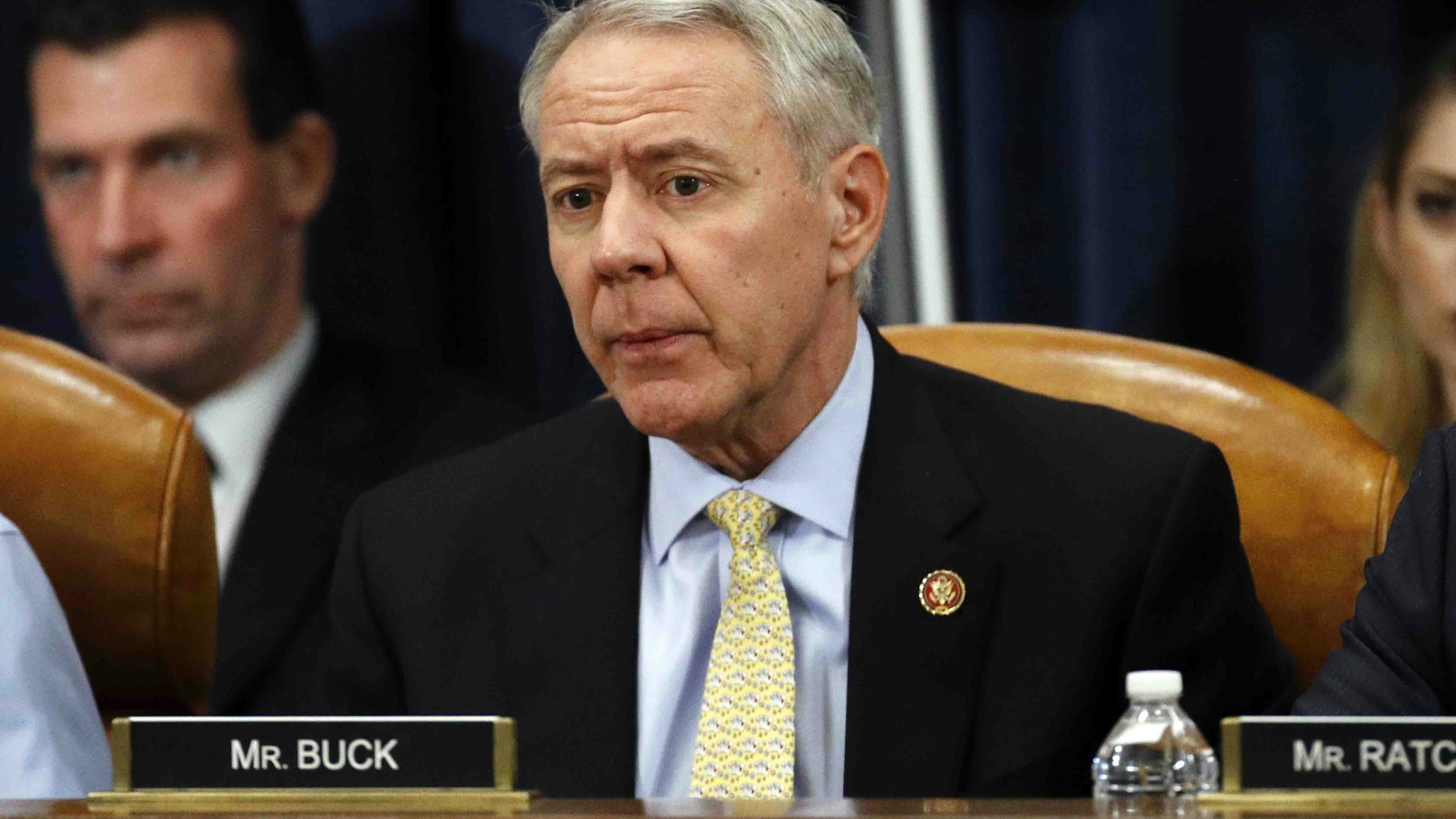
Ken Buck received his law degree from the University of Wyoming and served in the United States House of Representatives from 2015-2024 representing Colorado's 4th congressional district.