
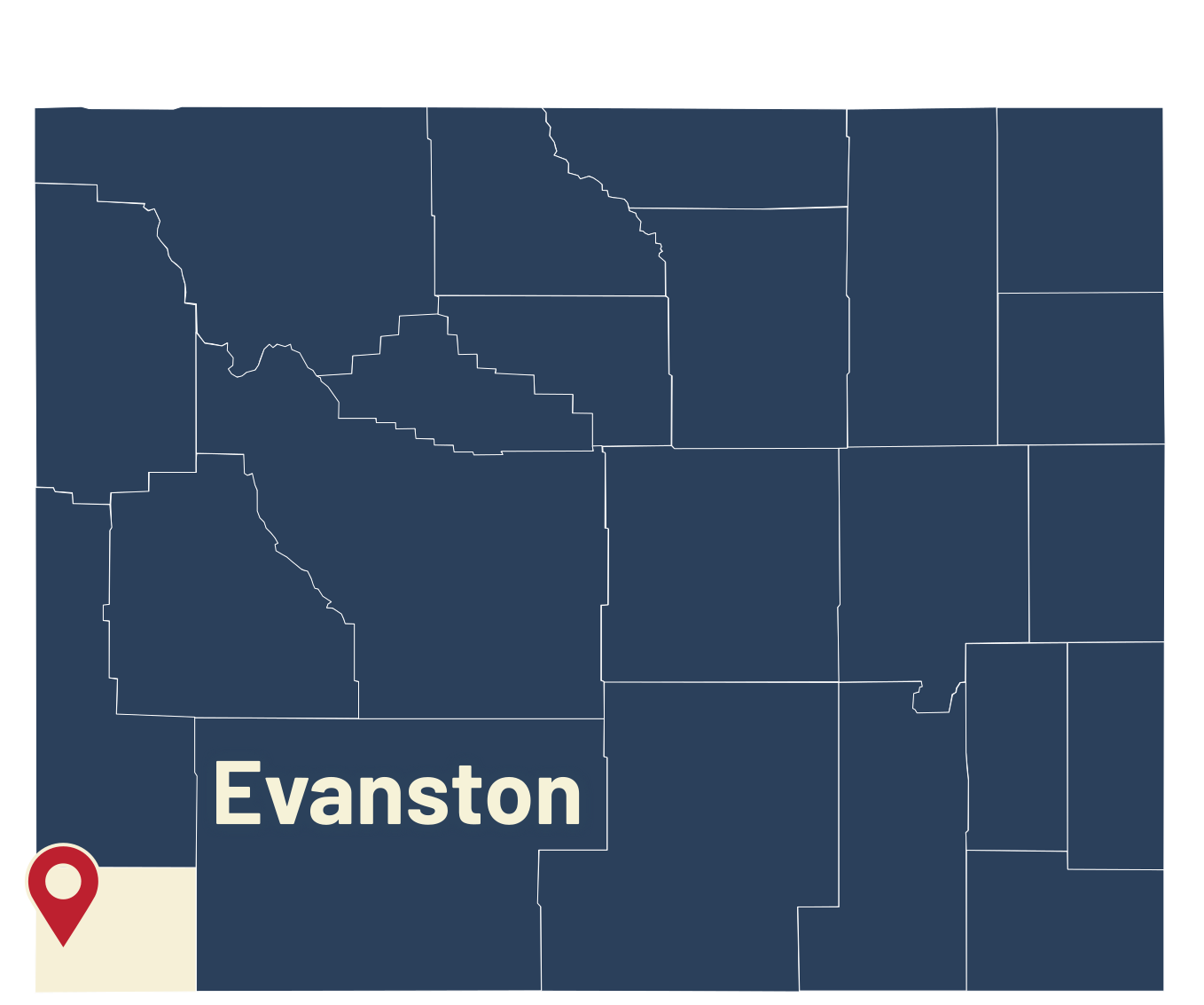
EVANSTON — One of the first times Jim Davis walked into the city’s historic Roundhouse and Railyards decades ago, it was like a scene from a movie.
There was the crumbling railroad roundhouse, with its broken windows and pigeon feathers floating on the air, spinning as his footsteps stirred little puffs of dirt.
The rusted tracks disappeared into darkness. The roof was leaking, and the smell of that decay was everywhere.
But there were rays of sunlight shining down into that darkness, and he had the sudden sense that all was not lost here.
This was something special, something worth saving.
Saving Evanston’s roundhouse has taken $28 million in private money and grants, as well as decades of volunteer time and effort, Davis said.
But that’s given Evanston something few communities in America have — a completely functioning, fully intact roundhouse that he believes could be a tourism powerhouse, if Evanston ever decides to lean into promoting it.
Everyone he has ever taken to see the building, without fail, has the same reaction, Davis told Cowboy State Daily.
“Every single time I open the doors and walk into the roundhouse …. the first words out of their mouth are, ‘Oh my God,’” Davis said. “Their reaction was it was so phenomenal to see that space the way we were able to fix it up.”
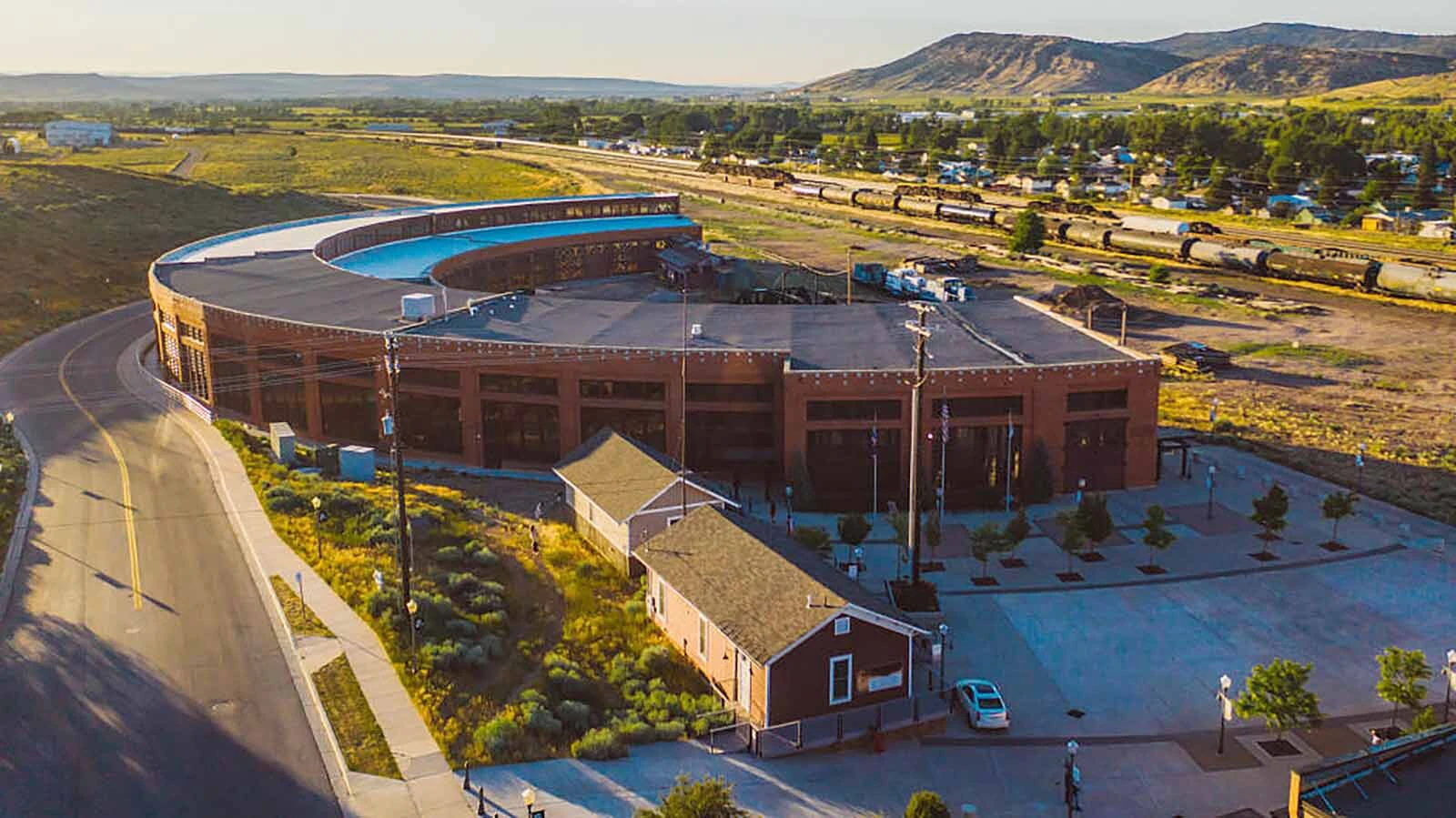
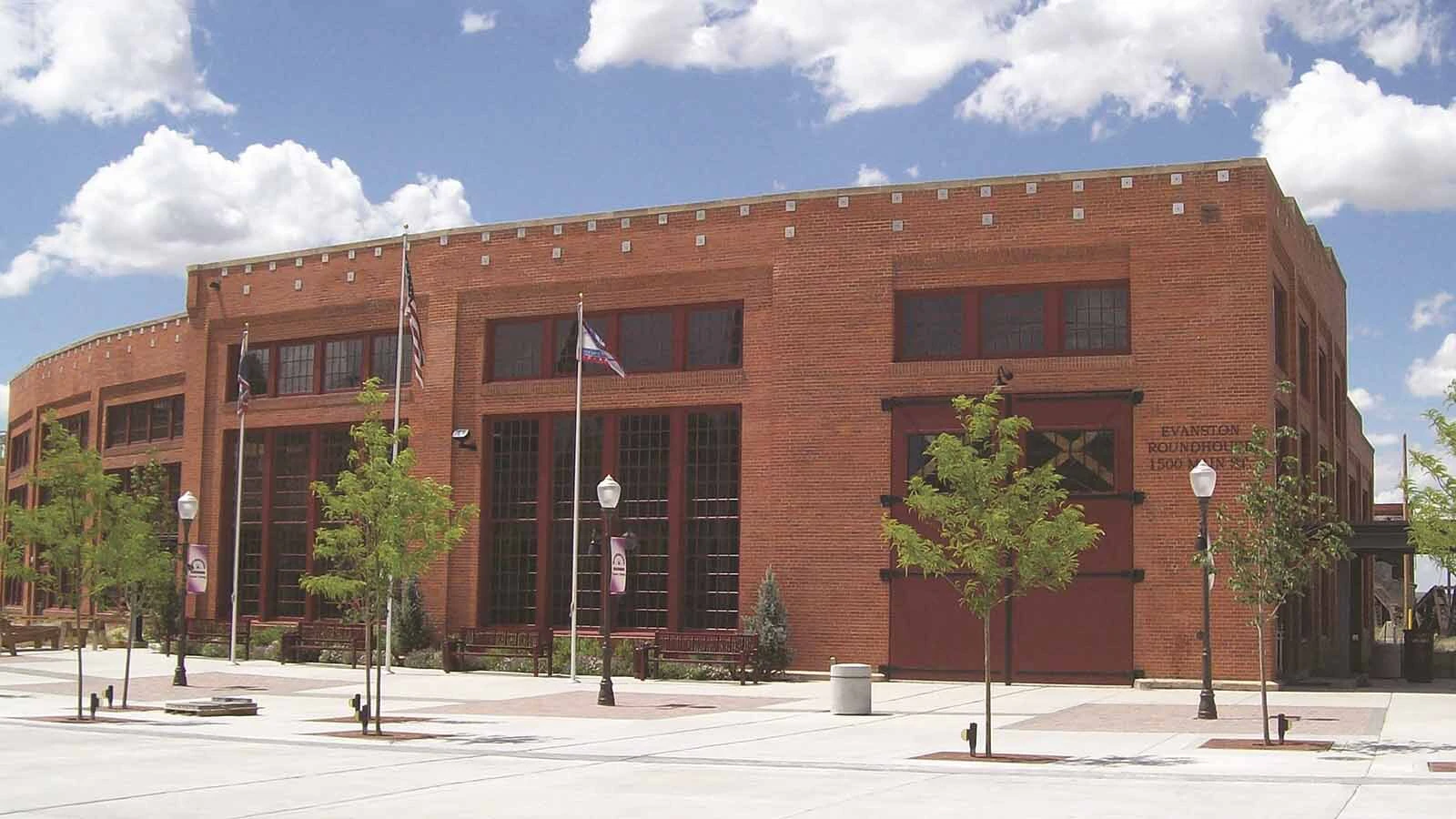
The Roundhouse is a 63,000-square-foot, 96-foot-deep curved brick-and-mortar behemoth built around a post-and-beam interior.
The walls are lined with huge banks of wood-framed windows to provide natural light. It has a two-level terraced roof, and the face of the terrace is covered with windows to provide additional natural light.
Davis likes to go up to the mezzanine level, where there’s a small kitchen area and space for parties.
“It’s just a beautiful space,” he said. “And I really enjoy taking people up there. It’s really well-thought of and the architects were so good to work with.”
Keeping it a roundhouse, Davis believes, is key to its intrigue.
To think that inside that cavernous, multistory space lit by sunlight still that huge train cars were driven inside on tracks and then rotated by the gigantic round wheel inside to one of 28 stalls is awe-inspiring.
All the historical photos, meanwhile, help tell a timeless legend of how America was built.
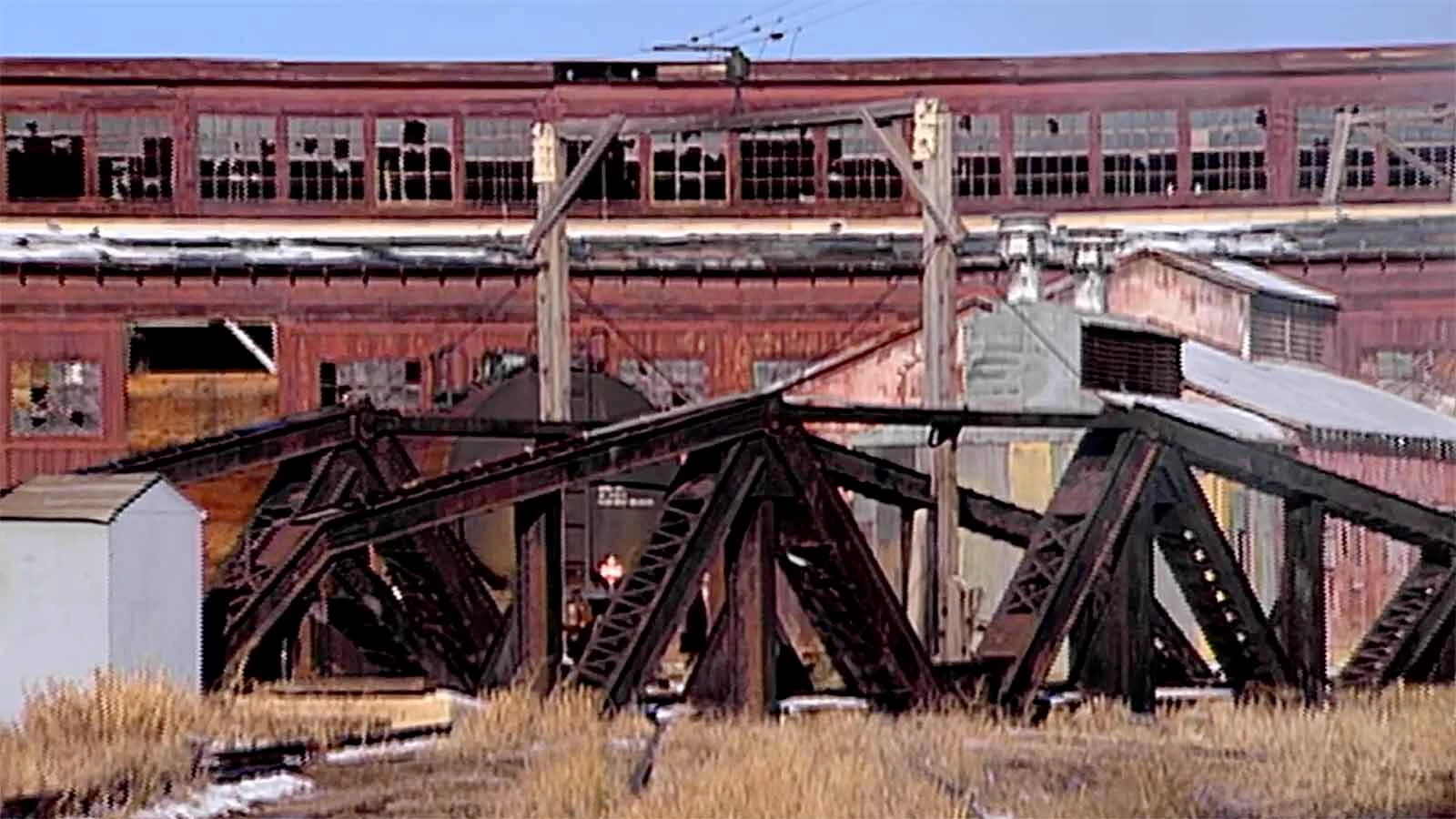
The historic Evanston Roundhouse before a massive yearslong effort to restore and save it. (Main Frame Digital via YouTube) 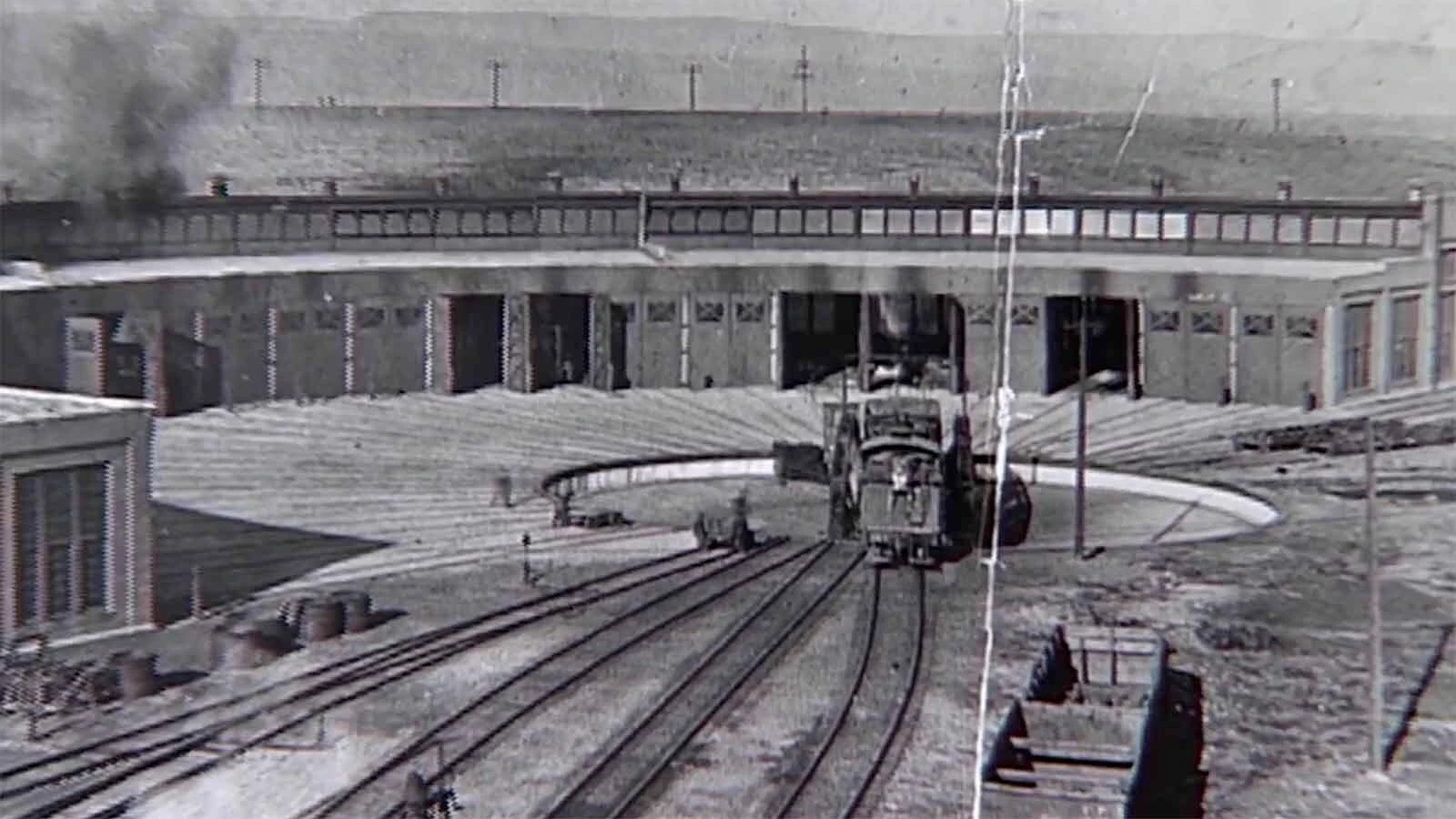
The historic Evanston Roundhouse before a massive yearslong effort to restore and save it. (Main Frame Digital via YouTube) 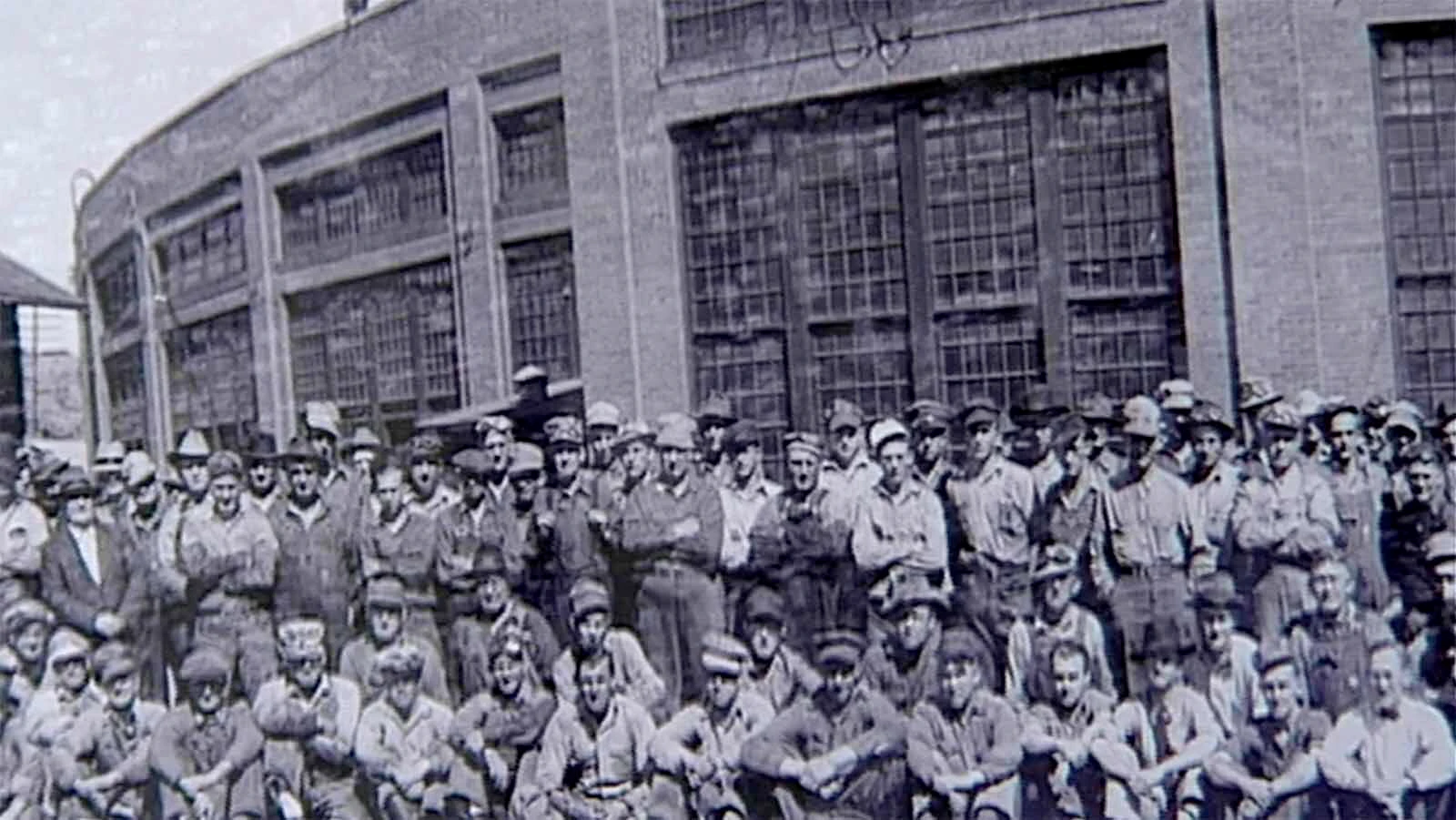
The historic Evanston Roundhouse before a massive yearslong effort to restore and save it. (Main Frame Digital via YouTube) 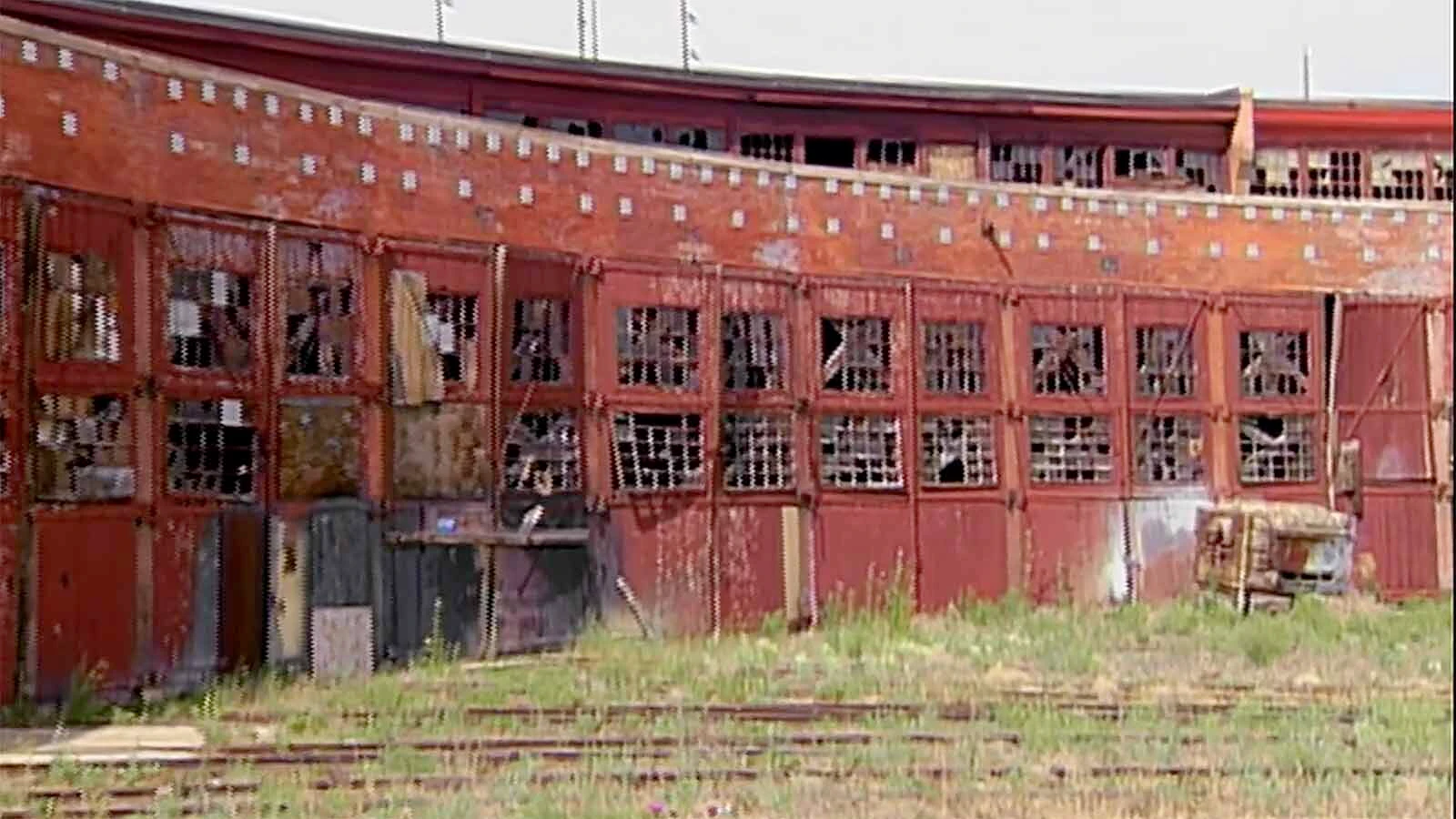
The historic Evanston Roundhouse before a massive yearslong effort to restore and save it. (Main Frame Digital via YouTube) 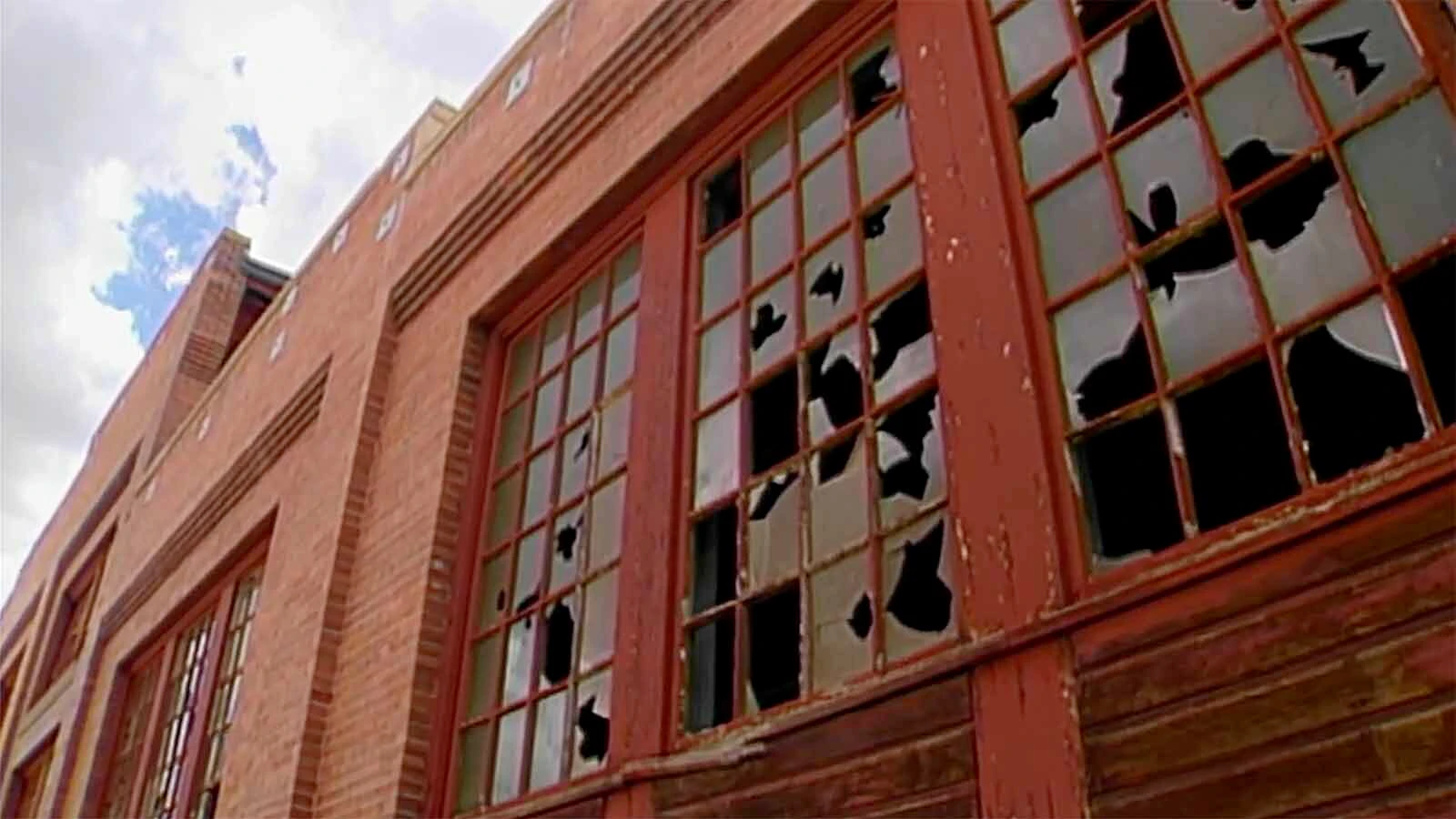
The historic Evanston Roundhouse before a massive yearslong effort to restore and save it. (Main Frame Digital via YouTube) 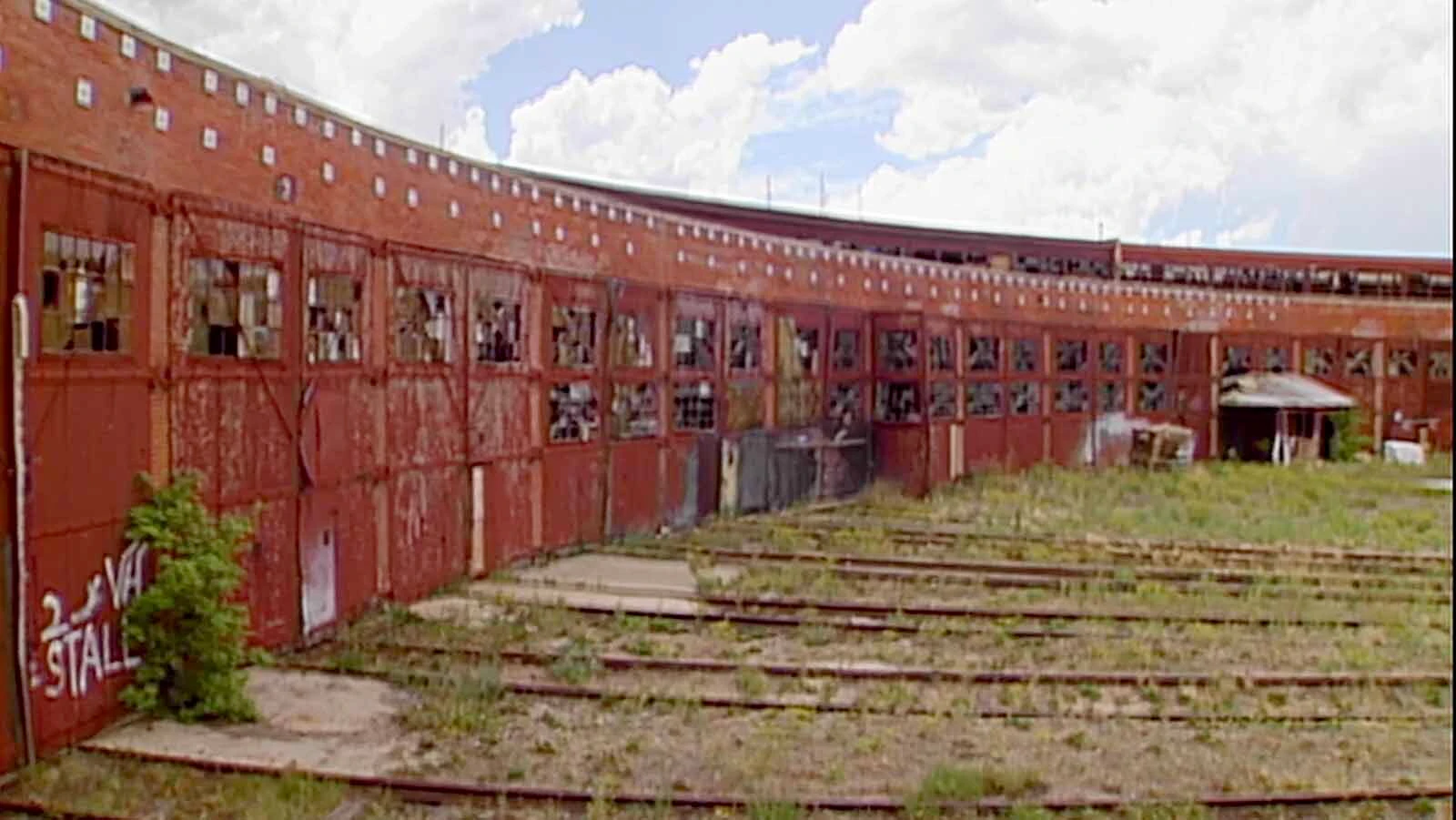
The historic Evanston Roundhouse before a massive yearslong effort to restore and save it. (Main Frame Digital via YouTube) 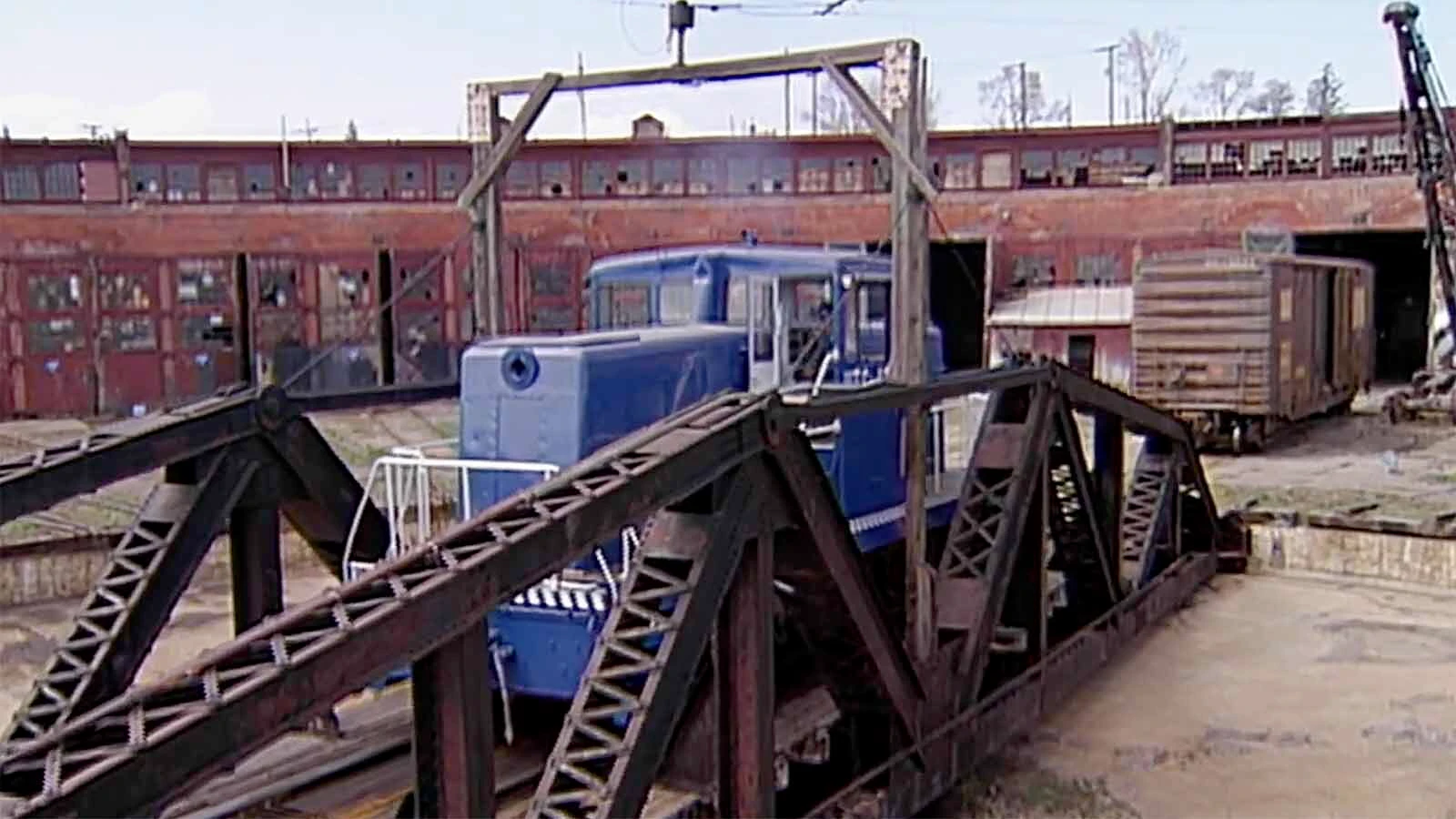
The historic Evanston Roundhouse before a massive yearslong effort to restore and save it. (Main Frame Digital via YouTube) 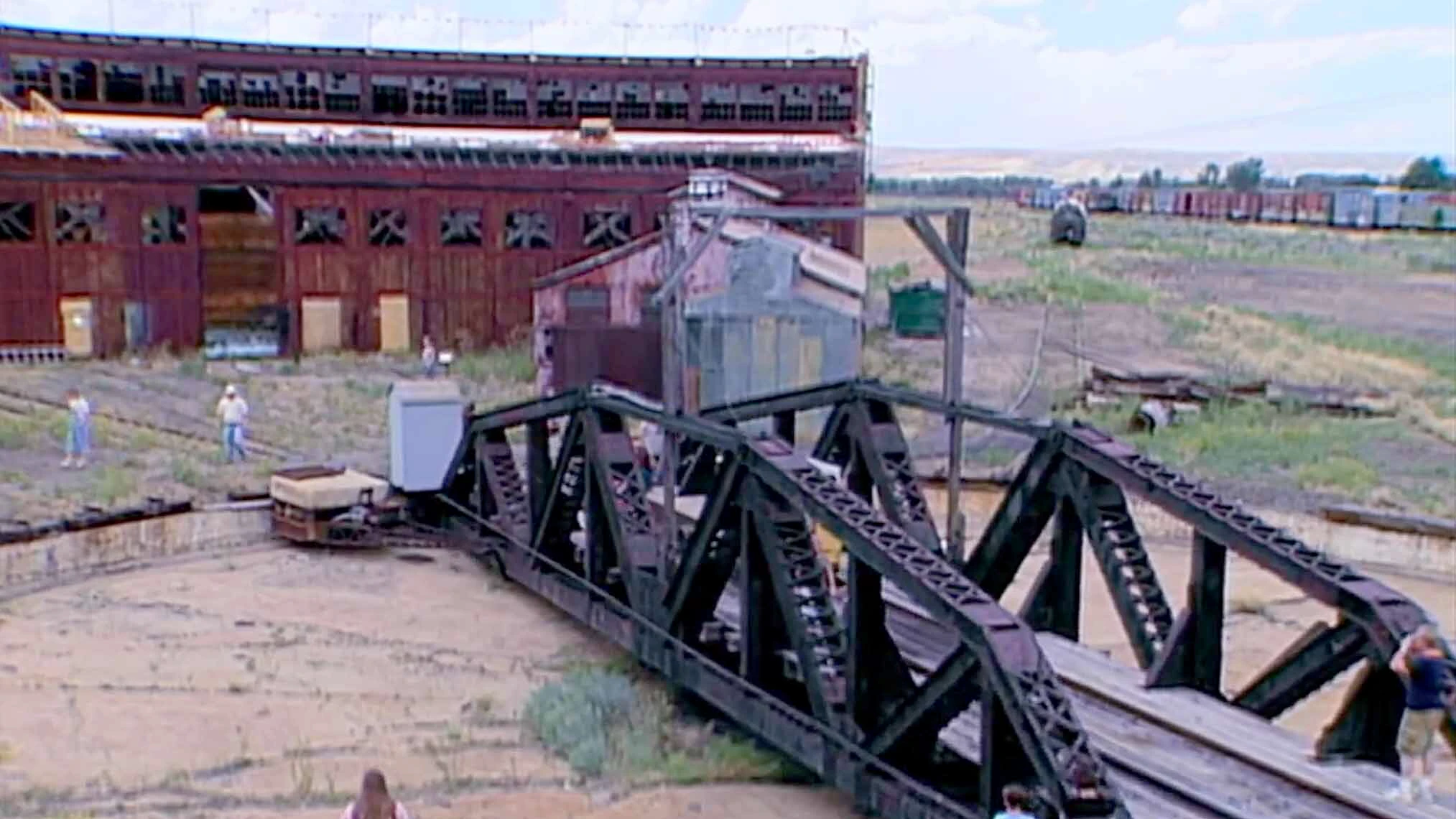
The historic Evanston Roundhouse before a massive yearslong effort to restore and save it. (Main Frame Digital via YouTube) 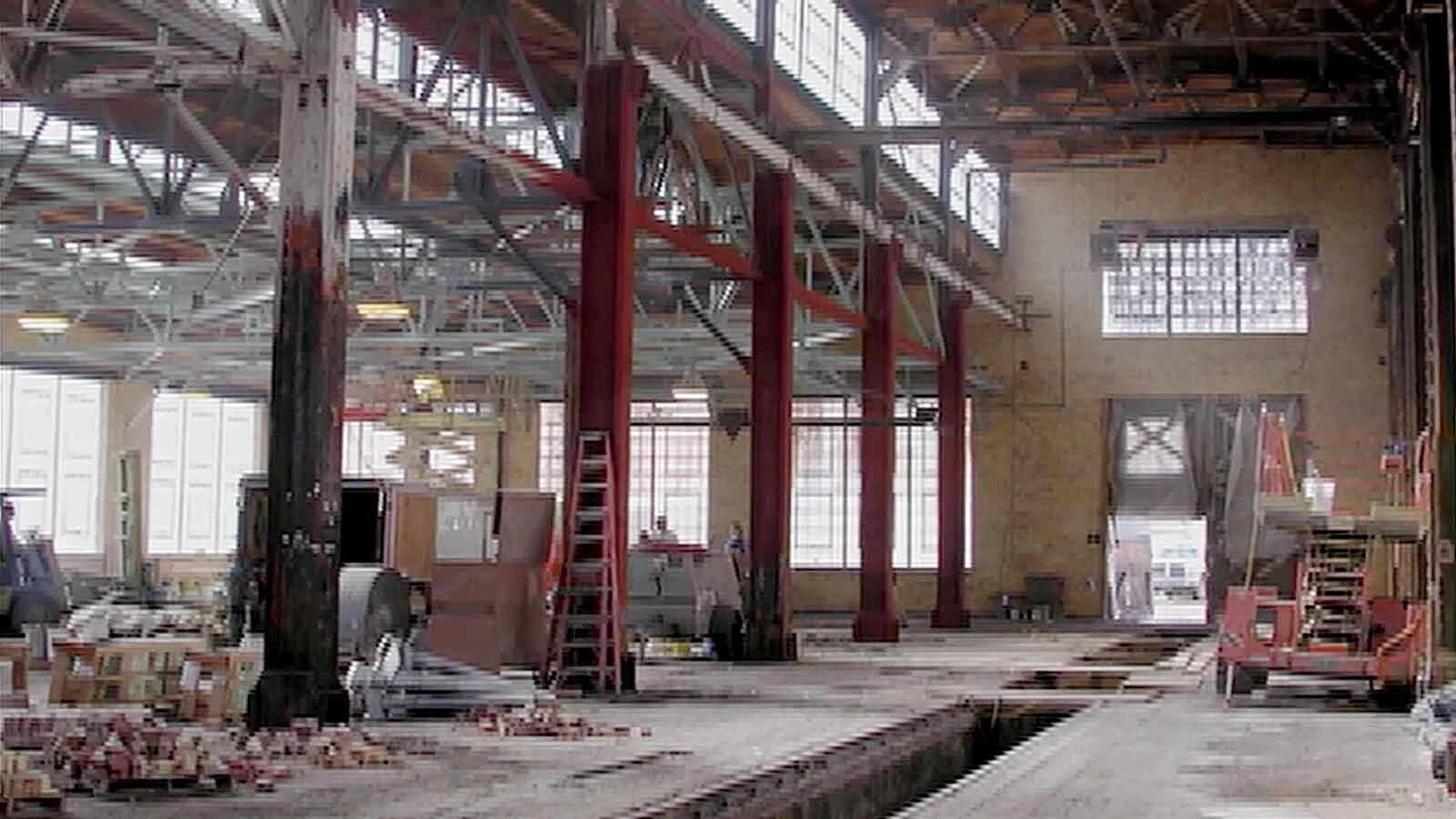
The historic Evanston Roundhouse before a massive yearslong effort to restore and save it. (Main Frame Digital via YouTube)
A Roundhouse Corridor That Built Southern Wyoming
Once upon a time, there were dozens of roundhouses like Evanston’s in towns across Wyoming and the West, Davis said.
They were positioned all along the tracks, about every 100 miles. That’s about how long trains could go in the beginning without having to stop to refuel and repair.
Over time, they became more and more efficient and roundhouses began to close. Evanston’s was slated for closure in 1926, putting at least 100 people out of work.
“We were the first roundhouse in the state to close,” Davis said. “Engines had become more efficient and they could run from Green River to Ogden without stopping in Evanston.”
It seemed unfortunate at the time, but it set off a series of events that would ultimately help save the facility.
“The city leaders thought we need those jobs now,” Davis said. “So they got on a train to Omaha, which is the headquarters, and begged them to keep the buildings open.”
Union Pacific ultimately did listen, and reopened the roundhouse and rail yard the following year as a reclamation plant, which added 200 jobs to the former 100, making for a total of 300.
“That saved those buildings,” Davis said. “They fixed all kinds of equipment for Union Pacific.”
Other roundhouses in Wyoming shut down: Laramie, Rock Springs, Rawlins, and even Cheyenne.
But Evanston’s, as a reclamation facility, kept going until 1971, after which Union Tank leased the facility from Union Pacific, and then Union Pacific quit-claimed the 21-acre property — depot, roundhouse, machine shop, yard, and related buildings — to Evanston in 1973.
For decades after that, almost nothing was done to maintain it.
Windows broke and stayed that way. Boards were put up to block most of the rain, but roofs leaked and kept on leaking.
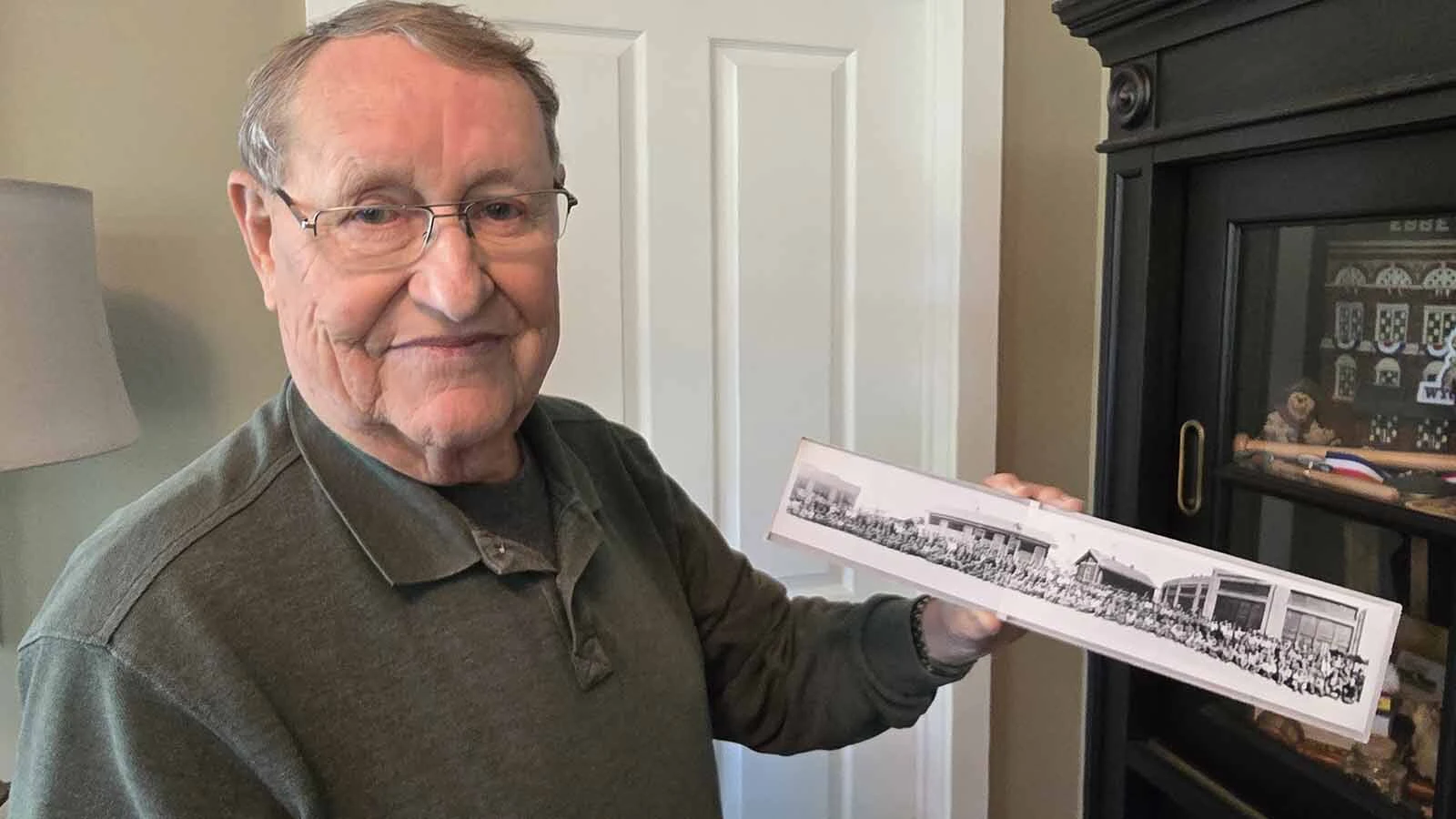
Jim Davis at his home in Evanston talks about Saving the Roundhouse. (Renee Jean, Cowboy State Daily) 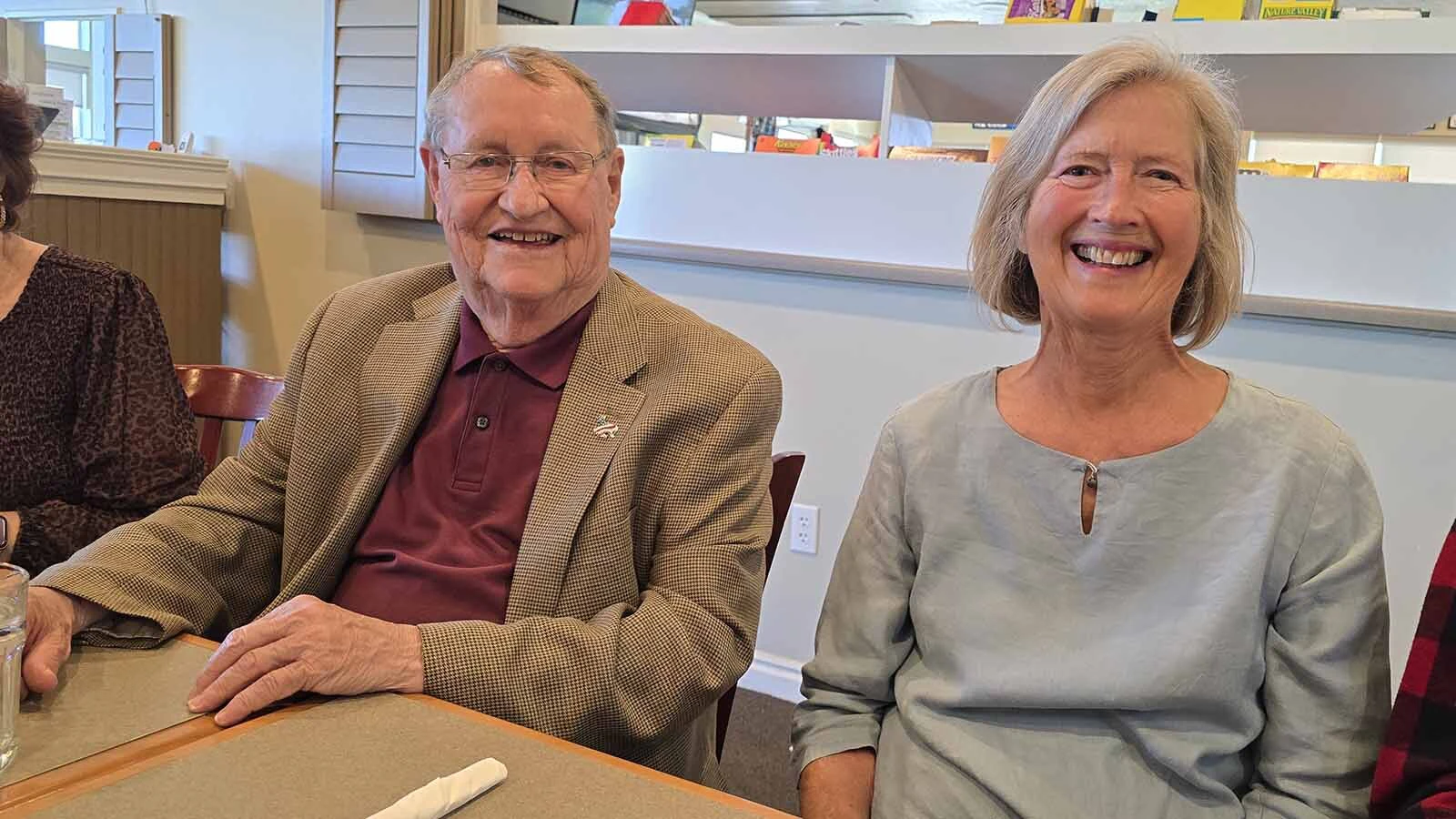
Jim Davis with Mary Humstone. Davis is this year's winner of the Mary Humstone Life Time Achievement from the Alliance for Historic Wyoming. (Renee Jean, Cowboy State Daily) 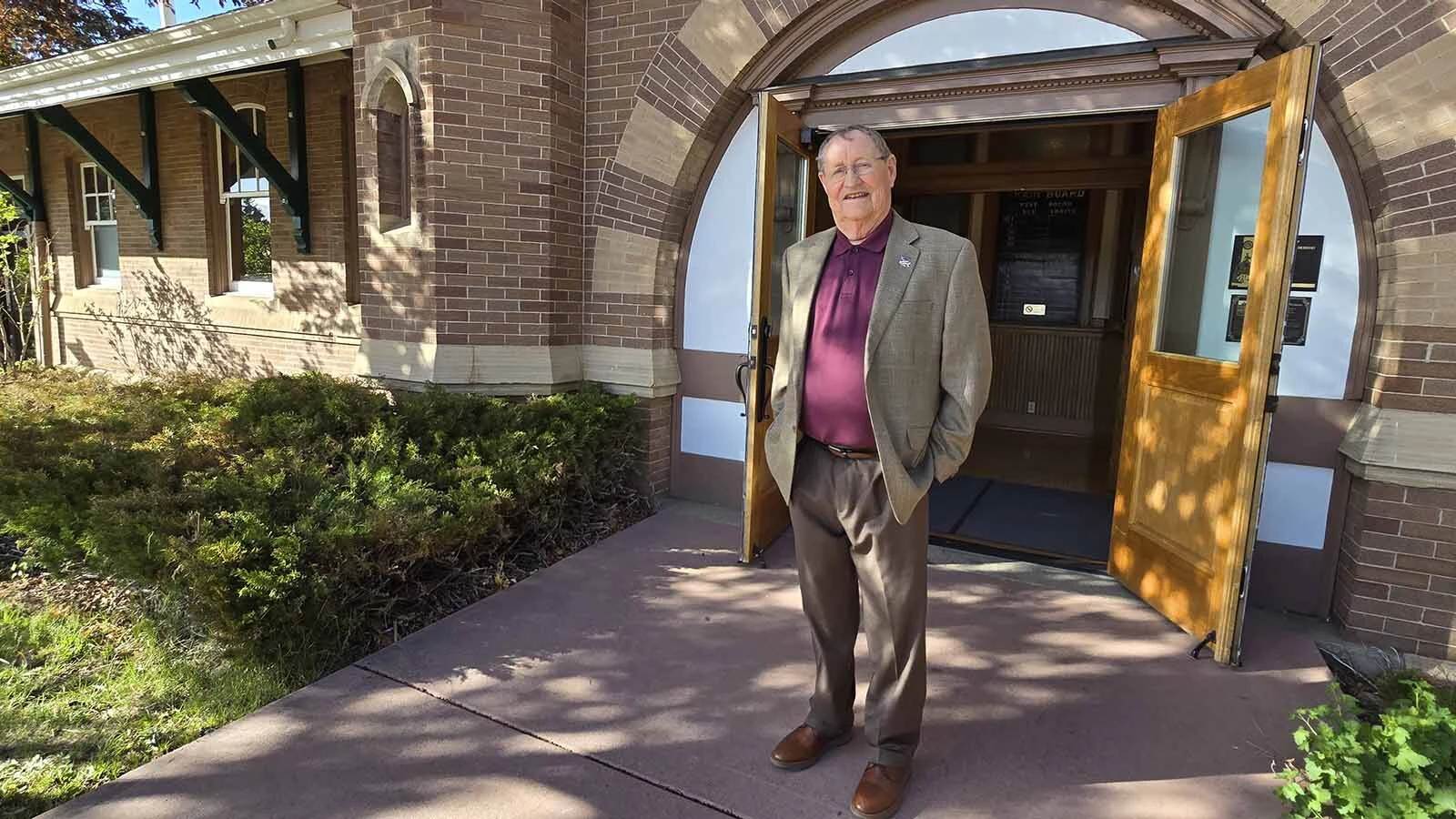
Jim Davis in front of the depot. It was the first building he helped lead the charge on saving and was a springboard to saving the Roundhouse. (Renee Jean, Cowboy State Daily) 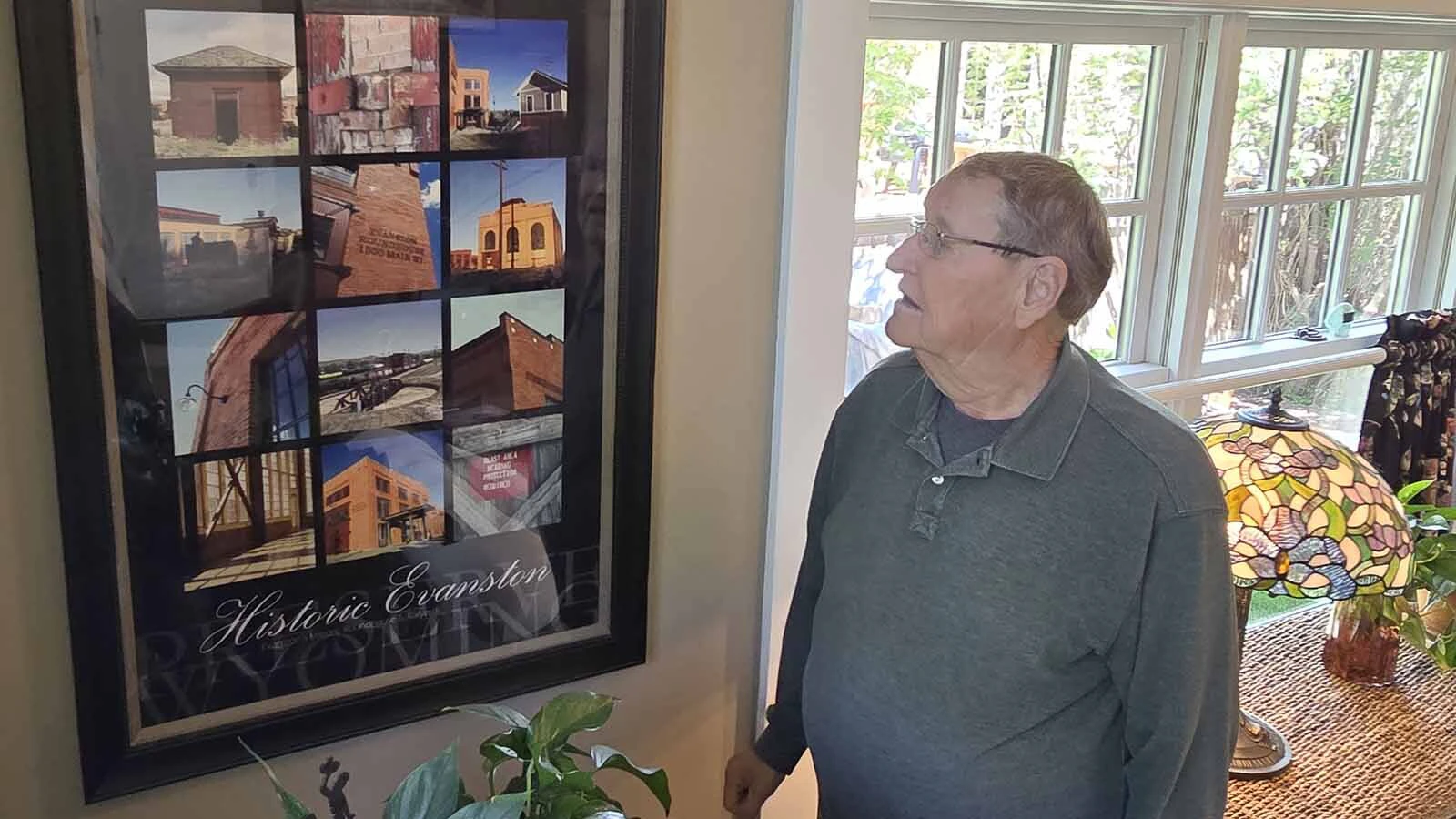
Jim Davis at his home in Evanston talks about Saving the Roundhouse. (Renee Jean, Cowboy State Daily) 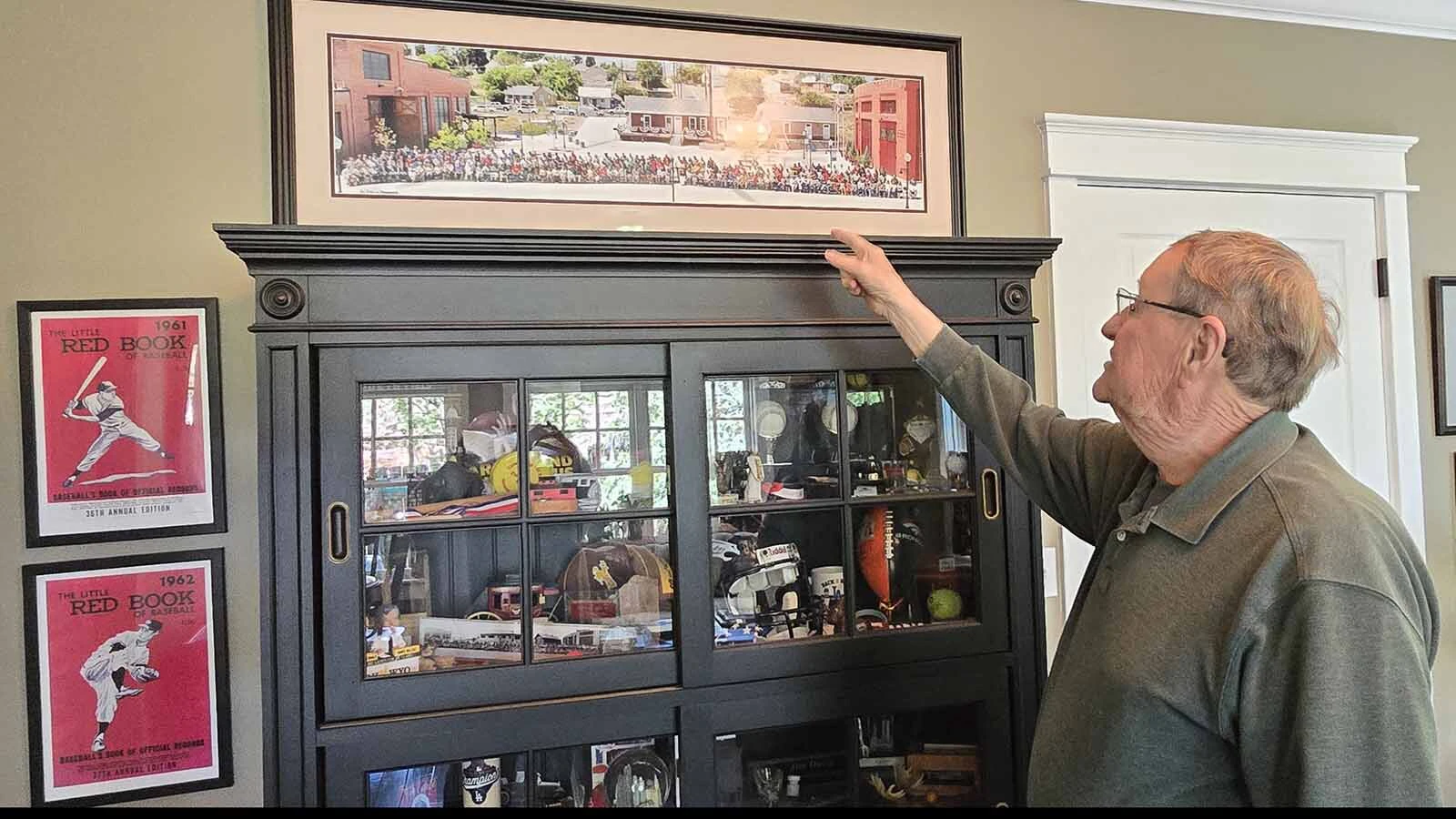
Jim Davis at his home in Evanston talks about Saving the Roundhouse. (Renee Jean, Cowboy State Daily) 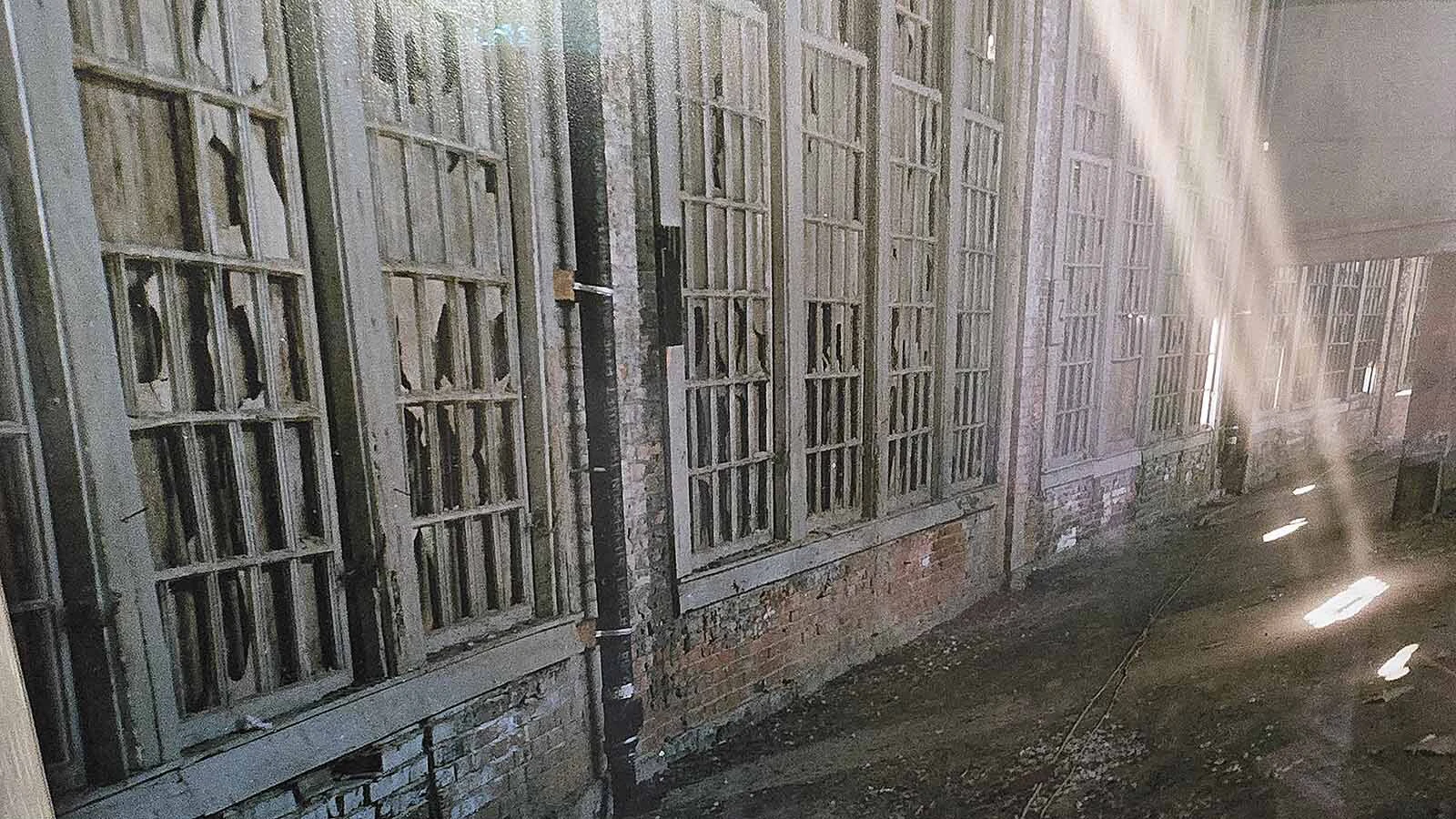
What the roundhouse looked like before efforts began to restore it. (Courtesy Photo) 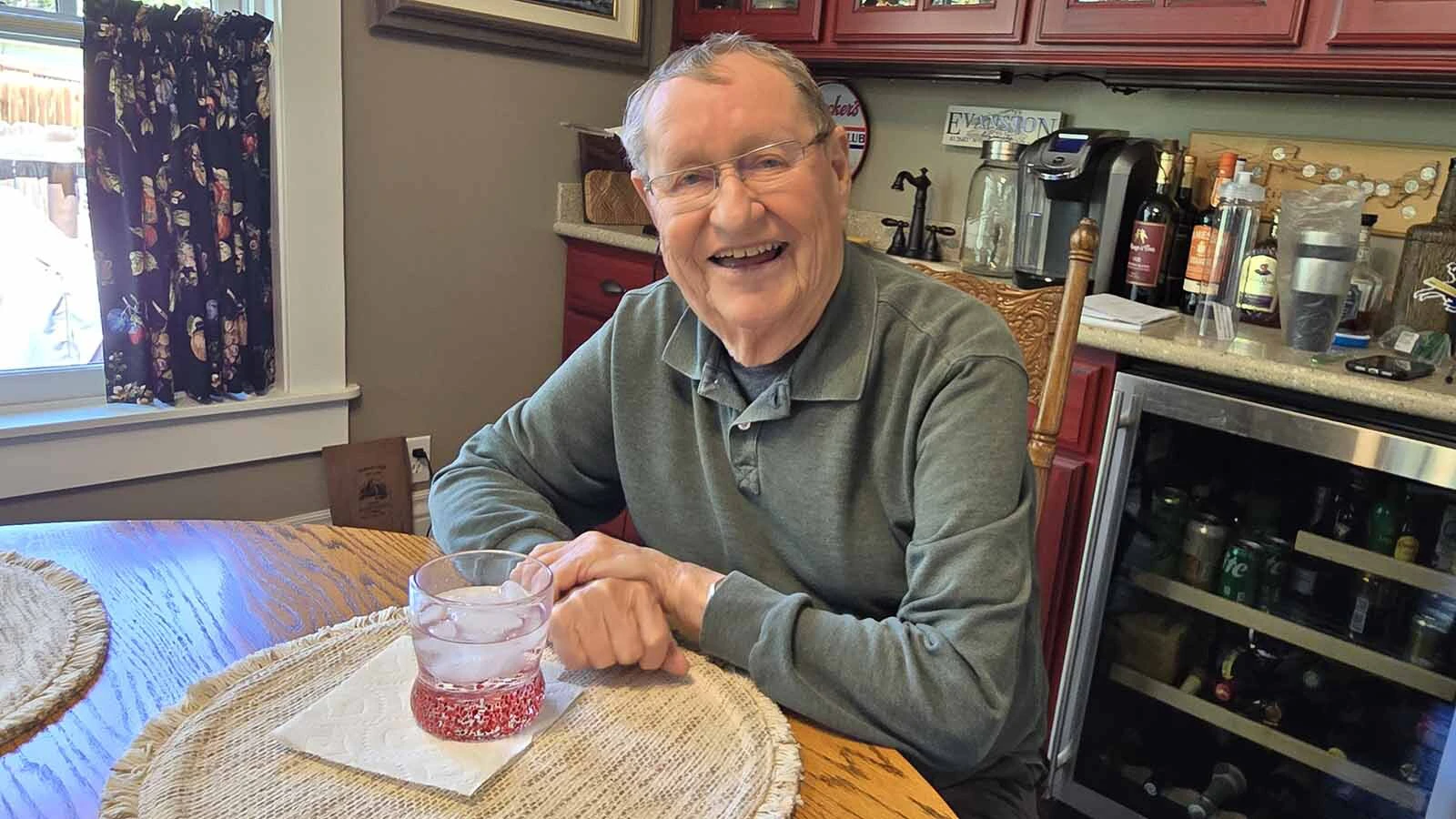
Jim Davis at his home in Evanston talks about Saving the Roundhouse. (Renee Jean, Cowboy State Daily)
First Came The Depot
Saving the roundhouse from decades of neglect wasn’t a straightforward process.
What came first was actually saving an entirely different structure, the depot.
Davis had been hired as executive director of Evanston’s Urban Renewal Agency in 1987, charged with revitalizing the town’s central business district. That included not just Evanston’s great historic downtown, but Depot Square as well.
The space, he found, was structurally sound, even if plaster was falling off the walls and years of neglect were etched upon all of its dust-covered surfaces.
What to do about it, how to preserve it, weren’t part of his expertise.
“I had a business degree in general business administration from Arizona State,” Davis said with a chuckle. “I worked in the corporate world until 1984 when I came back to Evanston.”
A chance encounter helped him with that problem. Soon after joining a national economic development board, he found himself standing in the lunch line beside an architect whose family was from Evanston.
The friendship was instant. Better still, Davis’ new friend knew exactly how to proceed with preserving the depot: assuming Davis could overcome his two biggest hurdles — community buy-in and money.
“There were a lot of naysayers,” Davis said.
Not too far in, though, Evanston was gripped by an oil and gas boom that brought big corporate players to town like Amoco and Chevron.
A planner was hired to help the city, who put together a plan for downtown.
“It wasn’t real specific,” Davis said. “But there was one paragraph, about three sentences long, about how the roundhouse could be a key element in diversifying and revitalizing our downtown.”
There was a vision, Davis realized, that could win people over, starting with the Depot.
From Local Ruin To State Flagship
Fixing the Depot took years, Davis said, but when it was finished, he’d built a core group of people who believed in historic preservation in Evanston.
“That gave us the springboard to do the roundhouse,” Davis said. “When we finished the depot, we said, ‘Let’s look at the historic value of all those buildings.' And a citizen’s group was formed that wanted to save them because they saw the historic value, the uniqueness of them.
"There aren’t many roundhouses left in the country, and, in Wyoming, Evanston had the only one still standing. Cheyenne has one section of a roundhouse, but Evanston has the full semicircle, still standing the way it was built in 1912.”
Megan Stanfill, executive director of the Alliance for Historic Wyoming, confirmed the rarity.
Of roughly 3,000 roundhouses built in America, only 200 survive. Of those, perhaps a dozen are fully intact like the one in Evanston.
That makes Evanston’s roundhouse a significant piece of history on a national scale.
“It’s one of the most intact roundhouses along the Union Pacific railroad,” she told Cowboy State Daily. “This one still has the working mechanisms in it as well, so it’s a very intact, contextual example of a roundhouse in Wyoming.”
Davis and the citizen’s group decided to start by defining the complex not just as a cluster of old buildings, but as the physical heart of a much larger American story.
Davis secured a Brownfields Grant from the Environmental Protection Agency to test for contaminants and ensure the project wasn’t a hopeless Superfund site.
That found asbestos and lead, tough and expensive to remediate, but not impossible.
Around the same time, they landed a grant to re-roof the machine shop.
“That was the first major maintenance that had been done there for years,” Davis said. “That was probably in 1998.”
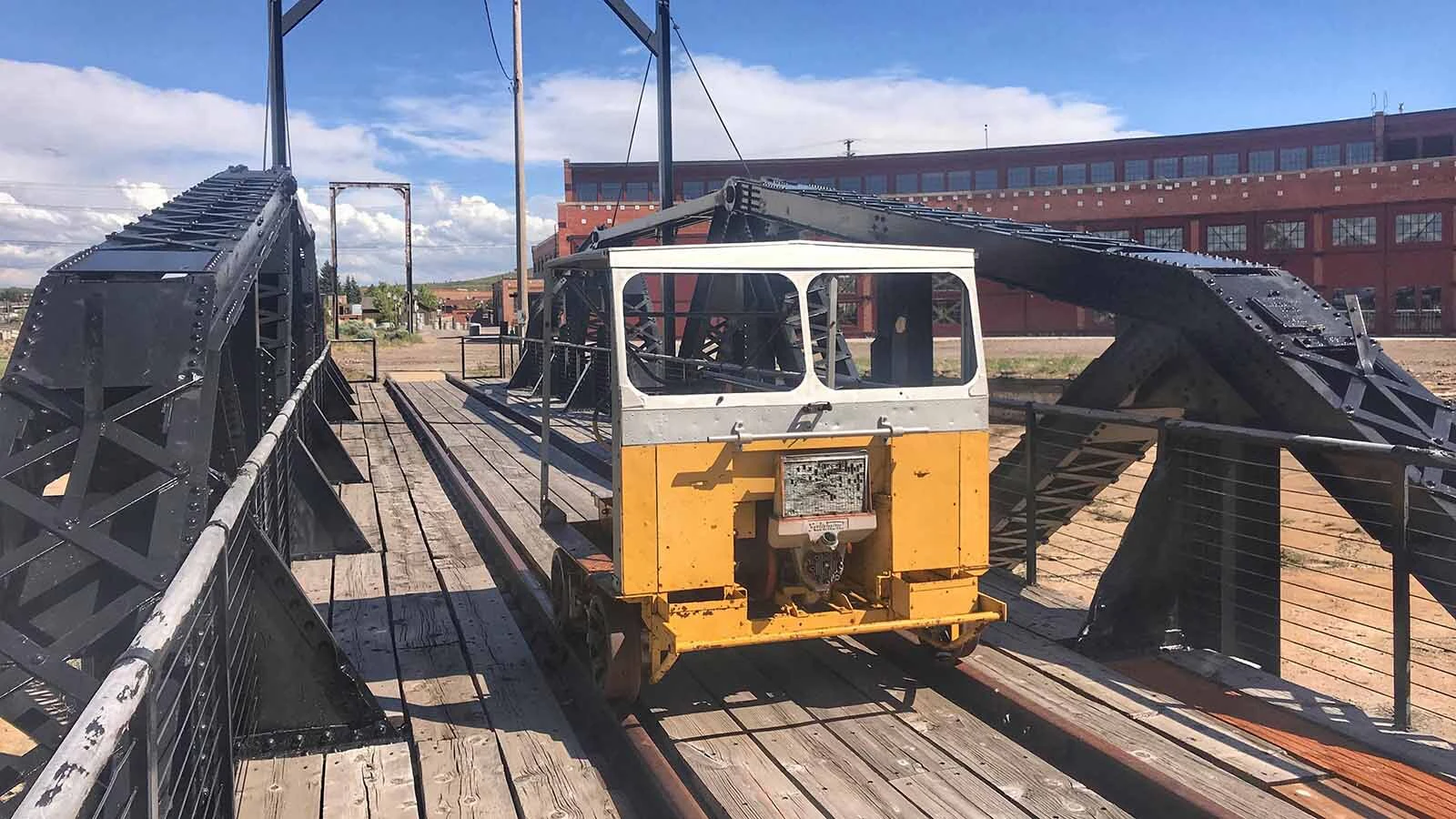
Saving and restoring the historic Evanston Roundhouse has been the most extensive reclamation project in the city's history. (Welsh Designs via Alamy) 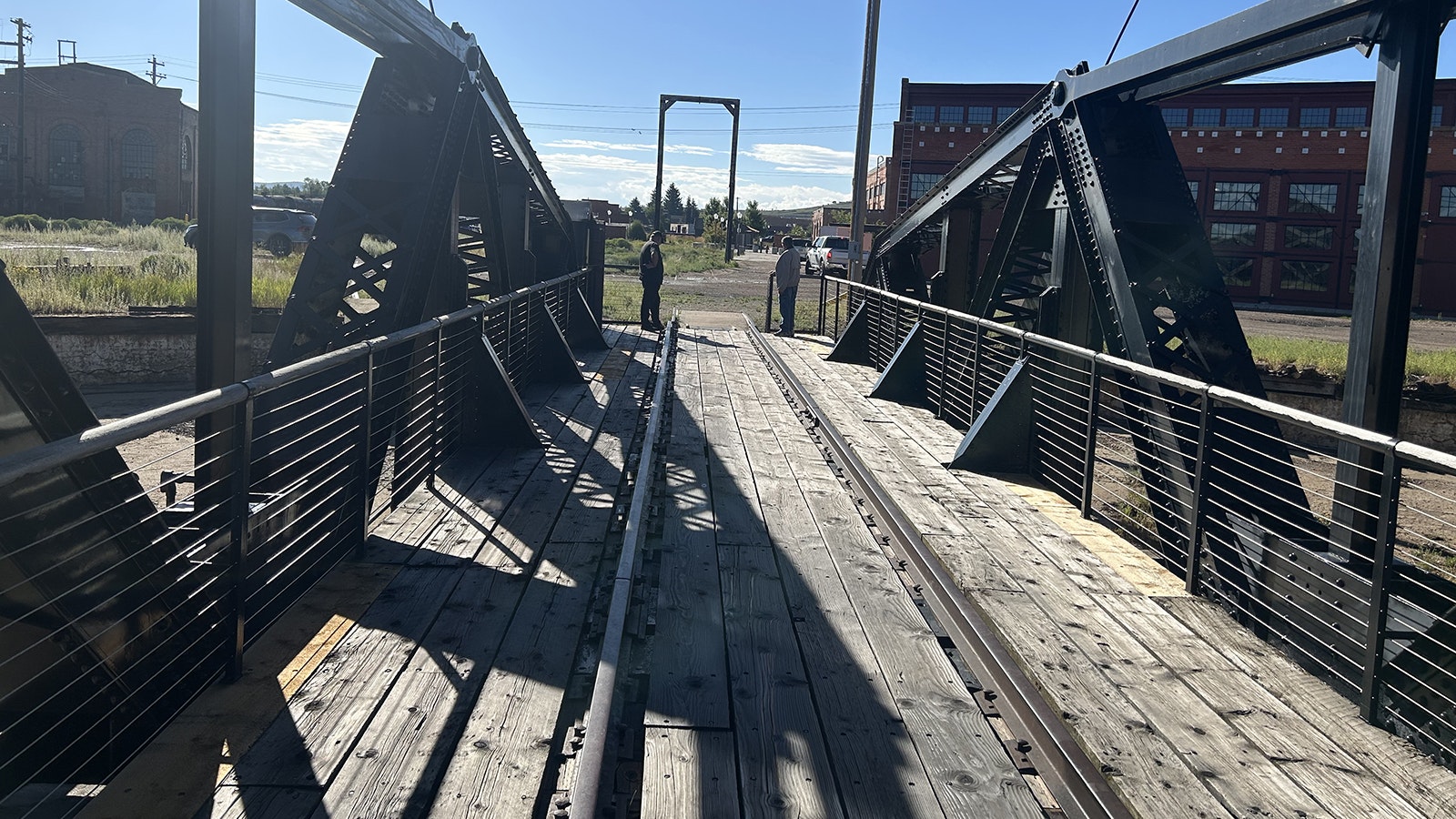
The turntable used to line up steam locomotives and rail cars with the maintenance bays of the Evanston Roundhouse. (John Thompson, Cowboy State Daily) 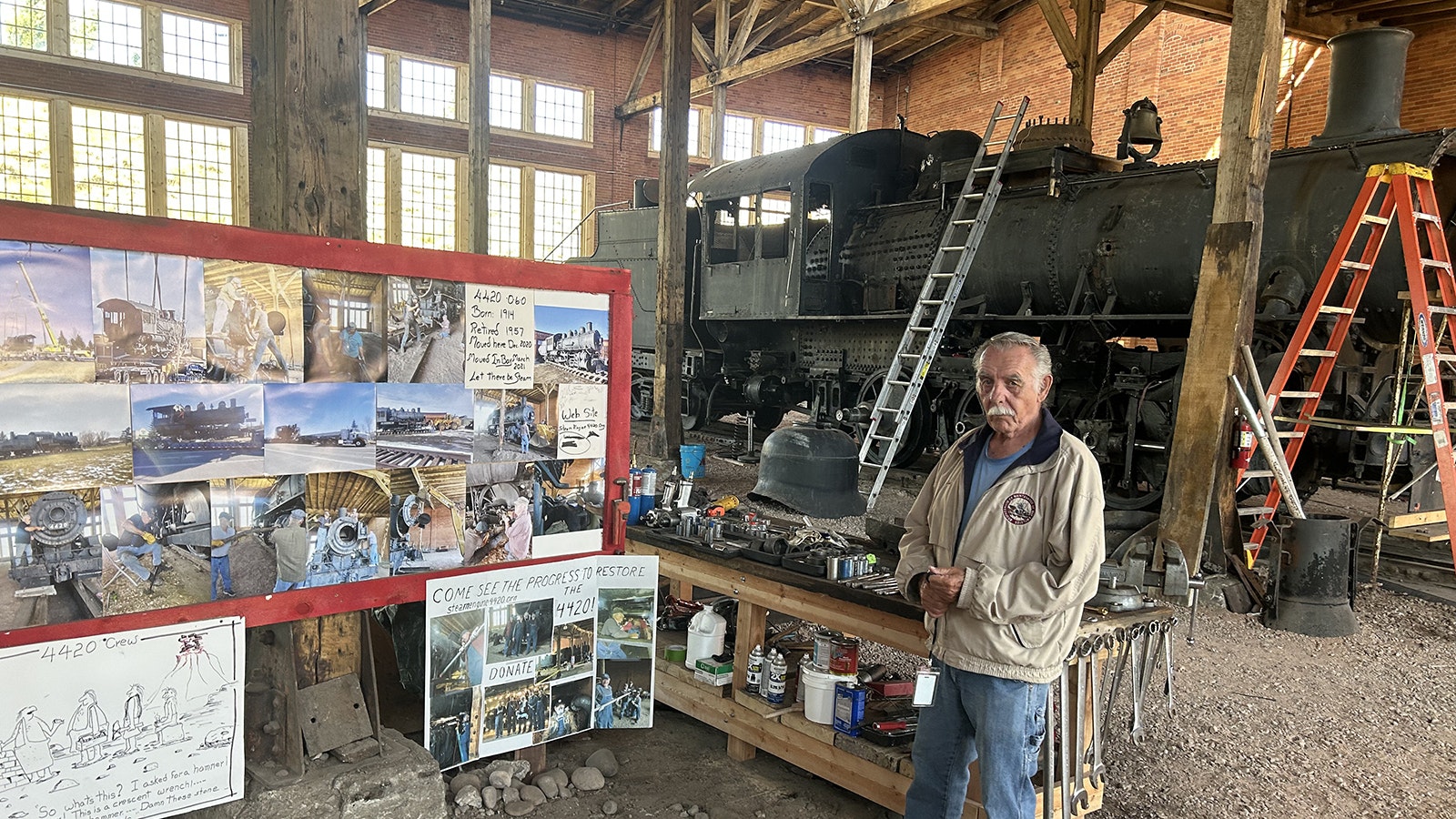
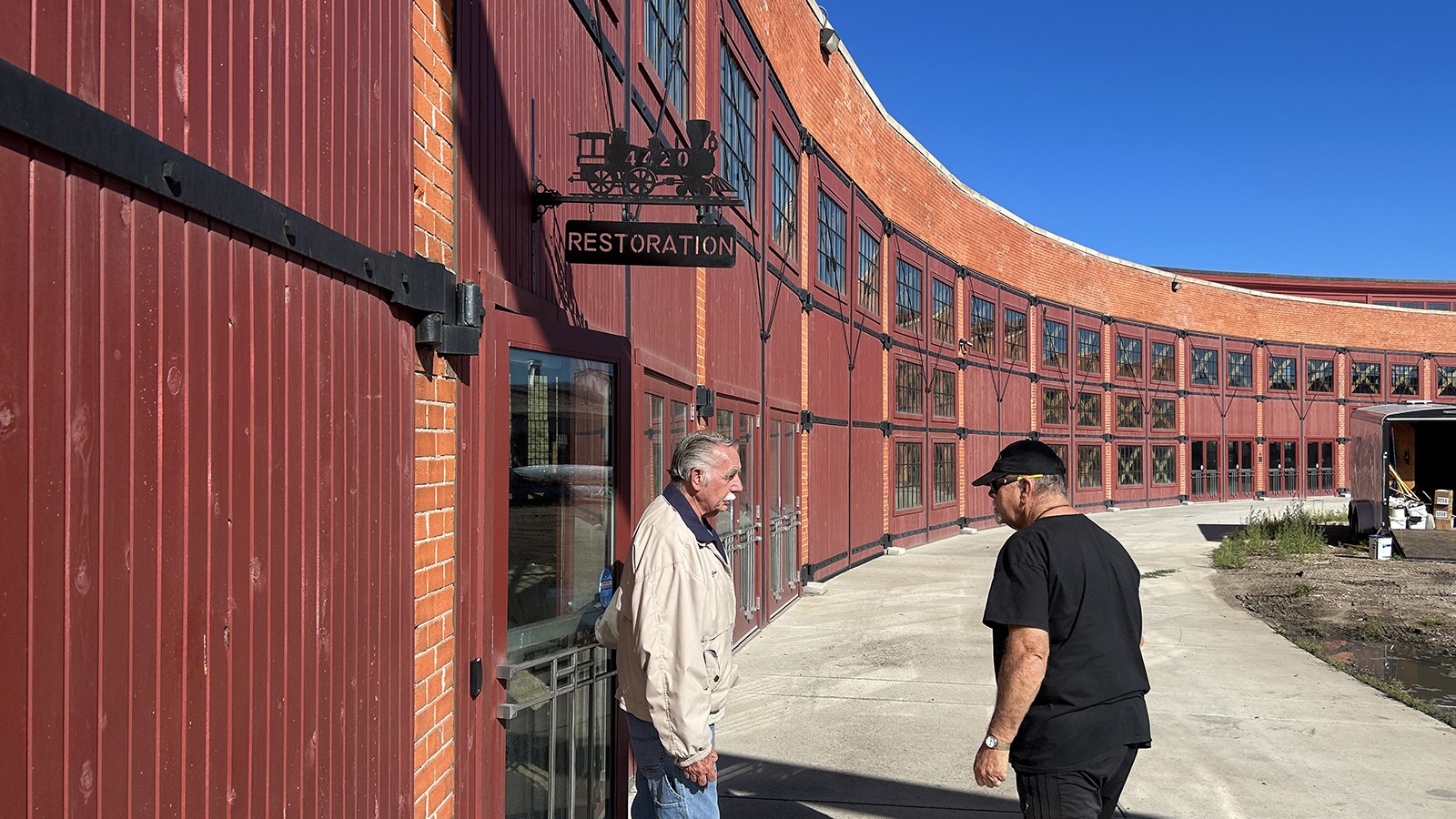
Tour guide Joe Dean shows a story board illustrating the rebuild of 4420 a steam locomotive that's been moved around Evanston for the last 40 years. (John Thompson, Cowboy State Daily) 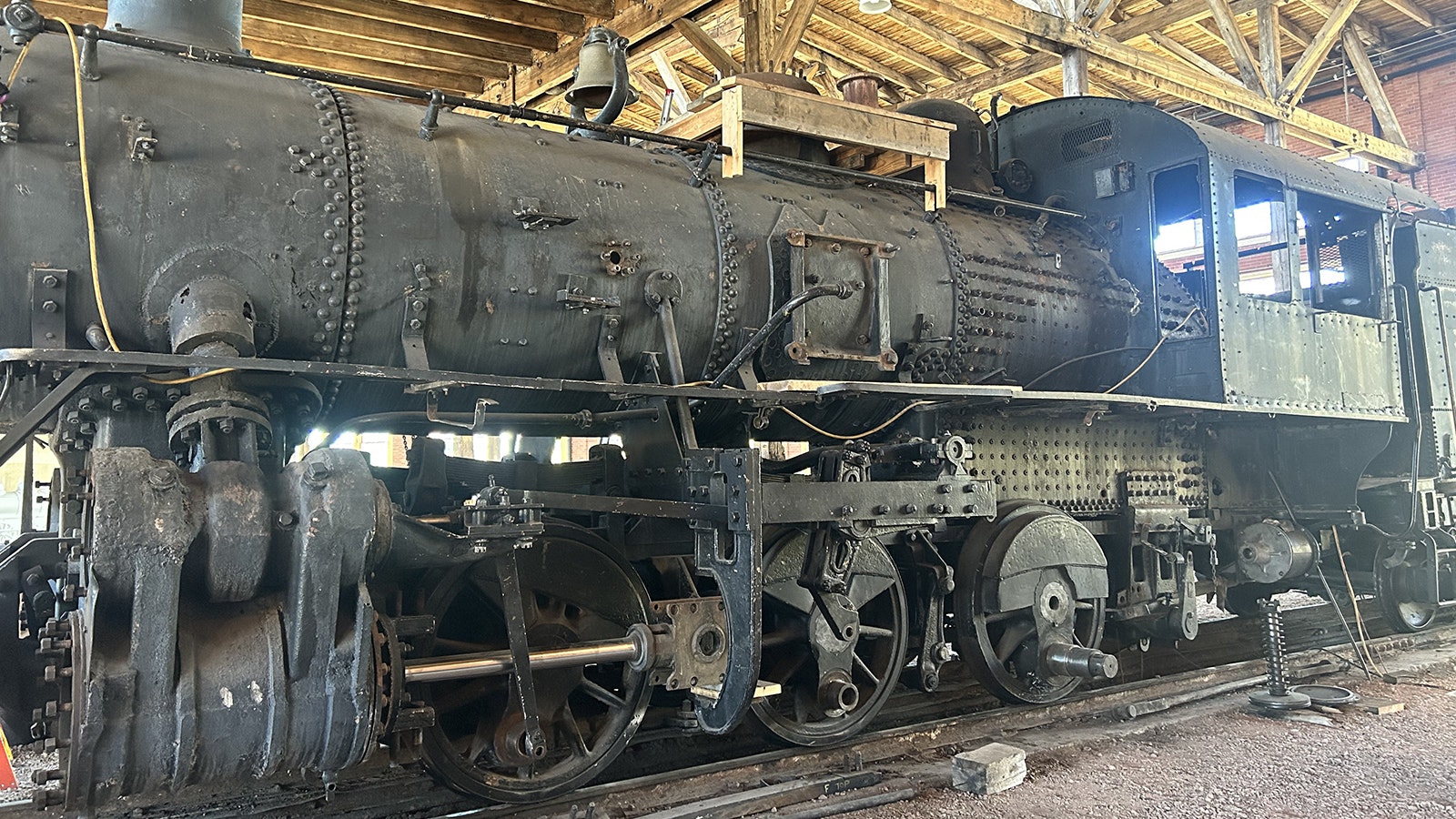
Engine 4420 is a steam locomotive built in Ohio in 1915 and retired from a Utah rail yard in 1957 The locomotive is about halfway through a four year restoration process. (John Thompson, Cowboy State Daily)
Enter Mary Humstone, Stage Left
One year later, Union Tank decided to leave the dilapidated roundhouse to build a new, better site.
Now the question wasn’t just if Evanston’s Roundhouse and Railyards could be saved, it was how anyone could possibly afford to do it.
Fortunately, Davis was about to meet another person who would become instrumental to the story of saving the roundhouse.
“I had heard of this organization called the National Trust for Historic Preservation in Denver,” Davis said. “And so Bonnie and I went to Denver every six months to market our retail gift store.”
In 1999, after Union Tank had left the roundhouse, Davis made an appointment to talk to someone there about options for saving the roundhouse.
“I met this lady by the name of Mary Humstone,” Davis said. “And so I told her what we were trying to do. They didn’t have money to do it, but they knew how to do historic preservation.”
Humstone recognized how unique the story in southwestern Wyoming was to American history.
“Our populations in southern Wyoming all came to be due to the railroad,” Davis said. “Because the railroad came through in 1868, and lo and behold, every 100 miles, they needed a roundhouse.”
Wyoming towns grew up around these roundhouses, creating a line of cities that still exist today, from Evanston in the West, to Cheyenne in the East, with Green River, Rock Springs, Rawlins, and Laramie in between.
In all of those communities, the same magic happened. Engines would pull in, turn on great circular turntables for maintenance, then head back out onto the High Plains.
A Spook House Lesson In Community Buy-In
Working with Humstone and others, Davis held forums in Evanston for all of the communities along southern Wyoming’s railroad corridor, bringing representatives from all the roundhouse communities together.
Out of that meeting, a new organization was formed called Tracks Across Wyoming, devoted to highlighting the state’s shared heritage of railroads, migration routes, and early highways across the state.
That made the roundhouse more than just a local project. It was the flagship in a statewide vision.
In the midst of that, Davis was tapped by then Gov. Dave Freudenthal to join the Wyoming Business Council (WBC). At the same time, Evanston’s roundhouse made the list for a $3 million grant to tackle restoring Section One of the roundhouse — a portion that today hosts citywide meetings, conventions, and celebrations.
The WBC grant joined a growing list of support that was pouring in to saving the roundhouse: federal grants, state money, and countless local donations, all braided together by relentless advocacy and careful planning.
More important than just money, though, was getting community buy-in, Davis realized, a point that was driven home by a Halloween spook house put on to raise a little money for the project.
Hundreds of people flocked to the event, eager to see the inside of a space everyone was familiar with, but few had seen in years.
They paid $1 each for the thrill, Davis recalled. And the curiosity that unlocked would prove instrumental in building community support for saving it.
The spook fest helped show Davis the power of the community’s enthusiasm, but he quickly realized that $1 tickets weren’t going to do much in the grand scheme of saving a building that needed millions of dollars of work.
So the community came up with a concept they called the Renewal Ball, an annual June fundraiser that became a legend of its own.
In its prime, it drew 300 people to an event that cleared upward of $100,000 in a single night. That funding became crucial local match money for grants.
“Governors would come to it, and senators and representatives,” Davis said. “And that’s how we built consensus to put money into that project.”
Keeping The Beating Heart Of A Railroad Town Alive
Progress has come in phases, Davis said. First, a common roof to stop water damage, and then windows to finish weatherproofing.
Then the machine shop, roughly 20,000 square feet of space, that was turned into something Evanston didn’t have yet — a convention center, complete with radiant floor heating and towering windows.
With sun pouring through the glass and warmth radiating from beneath the floor, it feelslike an atrium and an oasis from winter, Davis said.
Conferences, weddings, funerals, statewide gatherings (like for the Lincoln Highway Association) began filling up its calendar.
Every meeting brought more supporters and more ammunition to use in persuading skeptics that the building was worth saving.
Today the roundhouse hosts dozens of events every year, ranging from weddings to statewide meetings and conferences.
By the time Davis retired from city service in 2014, investments into the roundhouse restoration was around $28 million by his estimate, with roughly 40% from grants and private fundraising.
Davis, who was this year’s winner of the Mary Humstone Lifetime Achievement Award from the Alliance for Historic Wyoming, continues to bring people to the roundhouse for the very first time.
He said it never gets old watching their shock and awe when they first enter this building, which once housed the Goliath engines of America’s railroad era.
Today, the semicircle of stalls still curve around the turntable. The machine shop is still warm like a sunroom in winter. And events now spill out into big, open spaces between restored doors and brick walls decorated with photos that tell the history of the space.
The fight for continued investment and thoughtful use of this unique space will never be over, Davis said. Future challenges remain — including questions about long-term funding and community support.
But for now, Evanston is home to one of roughly a dozen fully intact roundhouses left in the nation.
That means it’s not just the beating heart of a railroad town’s story. It’s among the last intact reminders of how the great American West was built.
Renée Jean can be reached at renee@cowboystatedaily.com.


