
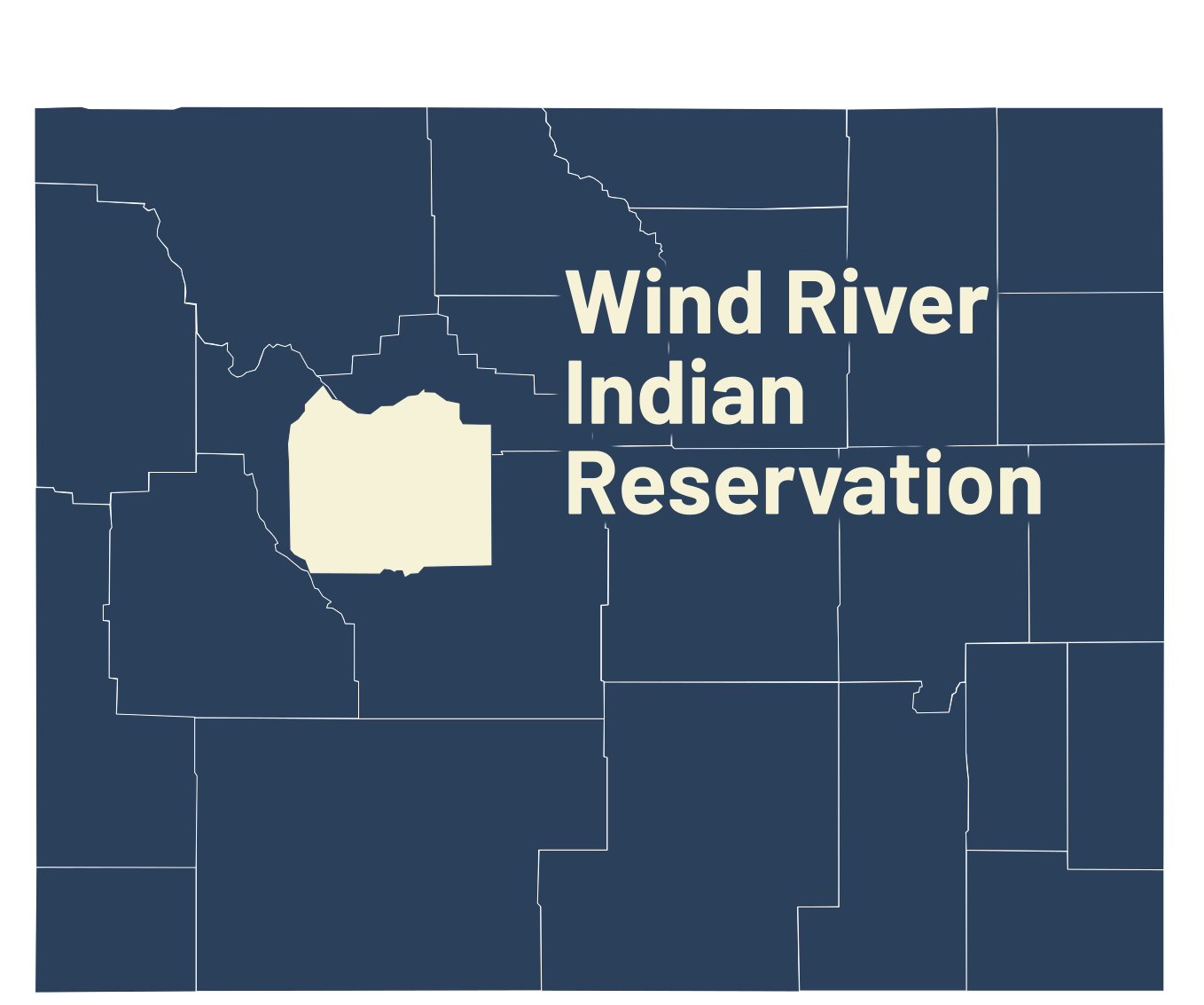
John Washakie, a member of the Shoshone tribe, is descended from a long line of warriors. His great-grandfather was Chief Washakie, and he was named after an uncle who died in World War II. He himself is a veteran of the Vietnam War and said that it was expected by their tribe on the Wind River Reservation that the young men would go to war when called.
“Every boy I went to school with, in my class and the one above me and below me, except for one, were all drafted,” Washakie said. “We all served.”
According to fellow Vietnam veteran and Shoshone tribal member Scotty Ratliff, Natives are the highest percentage by any race to serve in the military.
“Our way of life has always felt that being a warrior was part of life,” Ratliff said. “Serving your country was part of being a warrior.”
Once a warrior returned, they were honored by their community on the Wind River Reservation, and this tradition continues to this day.
“At almost every ceremony, whether it’s a powwow or special event, our people have always recognized our veterans and put them first,” Washakie said. “Now we have a place where they can be recognized year-round.”
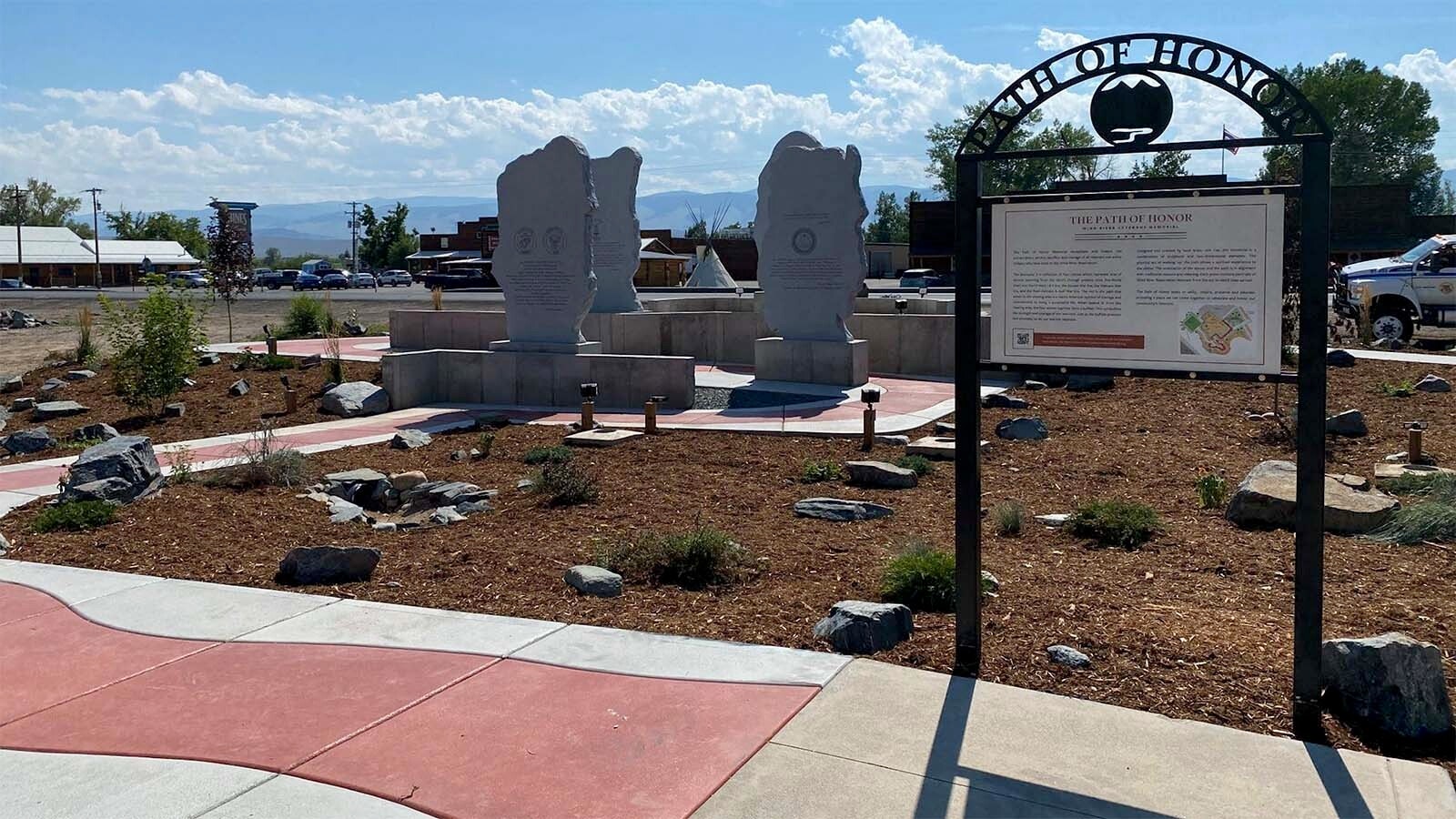
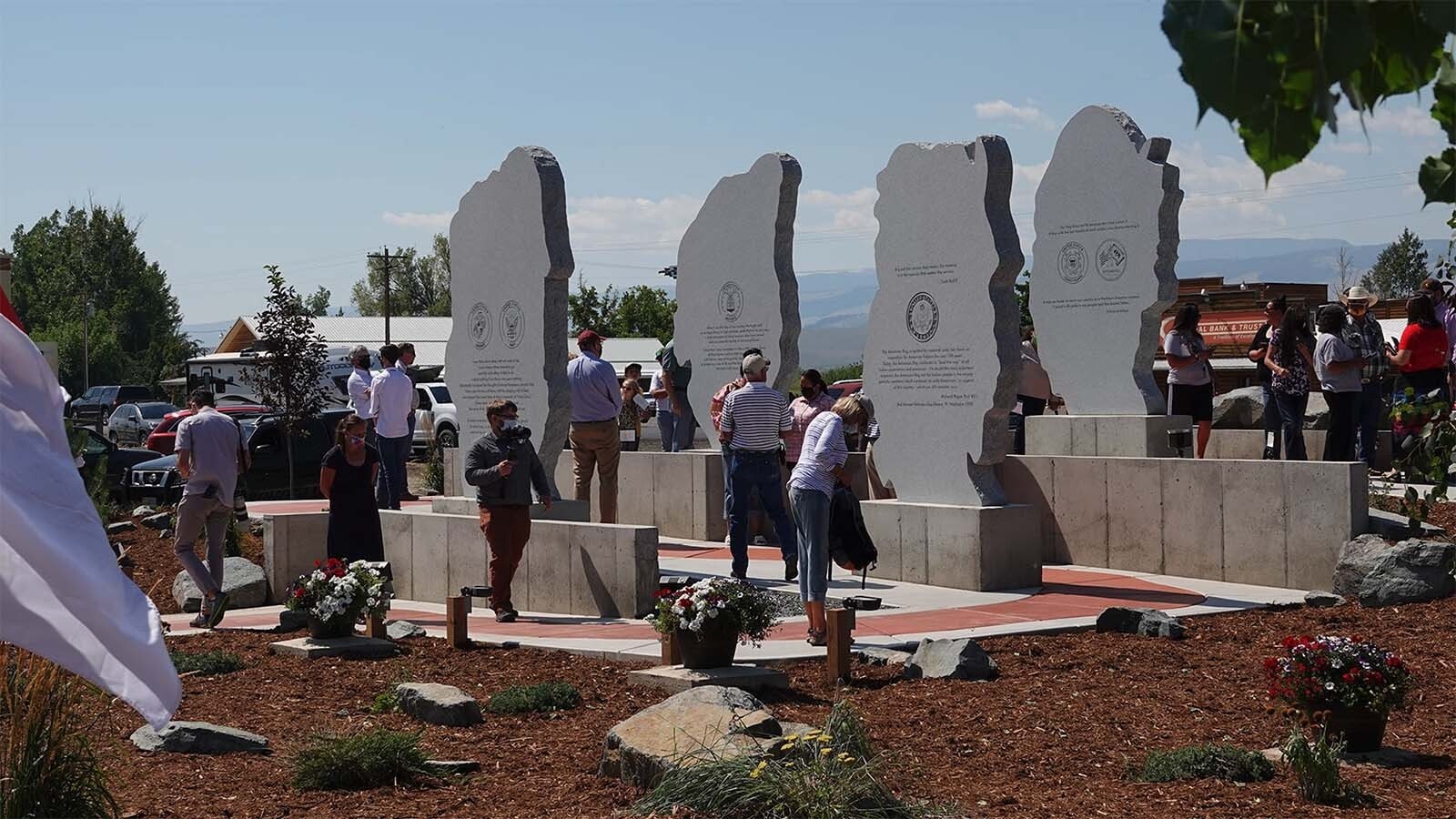
After 75 years of planning, Wind River Reservation veterans finally built the Veterans' Path of Honor Memorial in Fort Washakie. The site continues to grow as new names and stories are added representing all who served. (Courtesy Path of Honor Wind River Memorial) 
After 75 years of planning, Wind River Reservation veterans finally built the Veterans' Path of Honor Memorial in Fort Washakie. The site continues to grow as new names and stories are added representing all who served. (Courtesy Path of Honor Wind River Memorial) 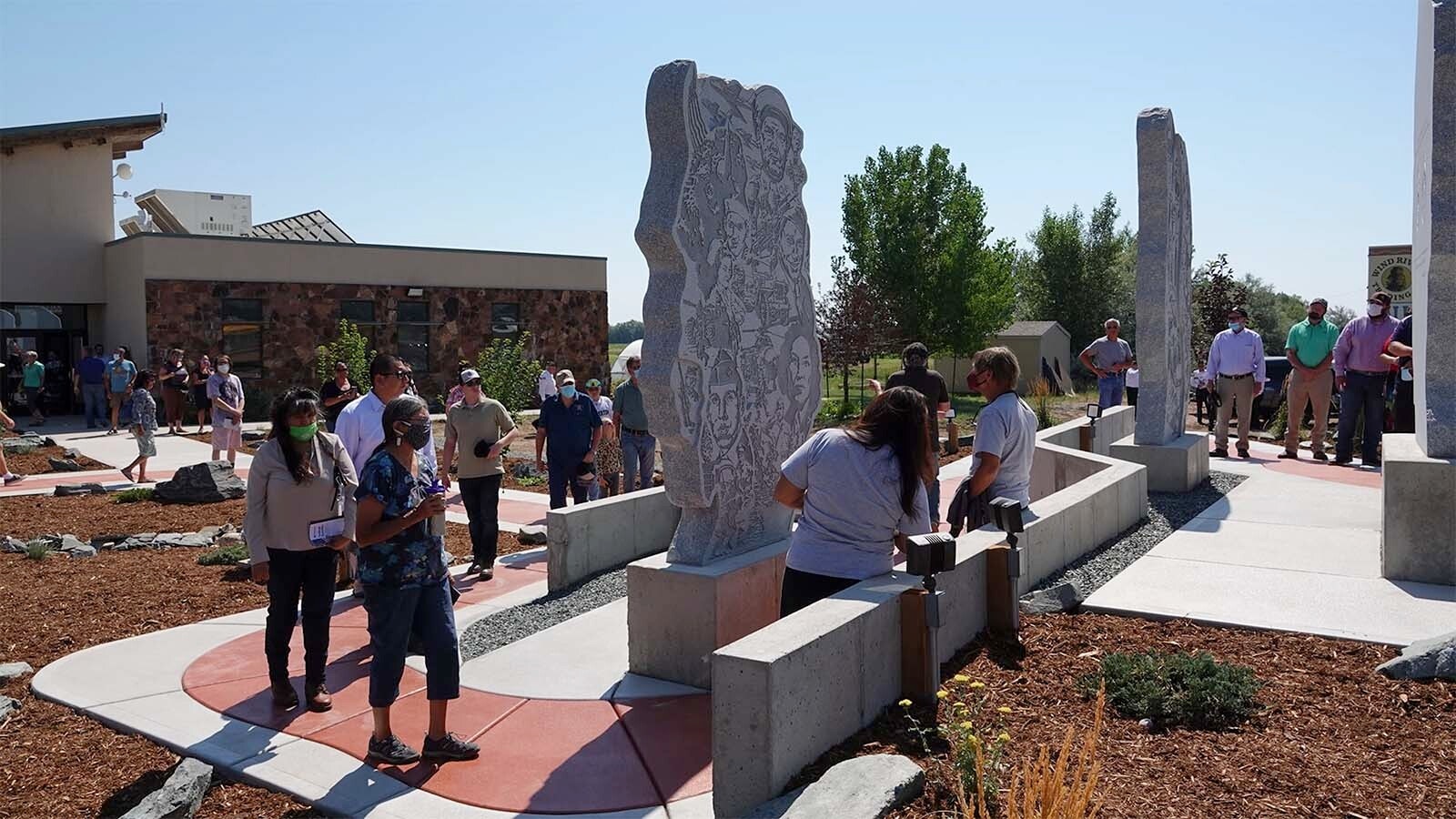
After 75 years of planning, Wind River Reservation veterans finally built the Veterans' Path of Honor Memorial in Fort Washakie. The site continues to grow as new names and stories are added representing all who served. (Courtesy Path of Honor Wind River Memorial) 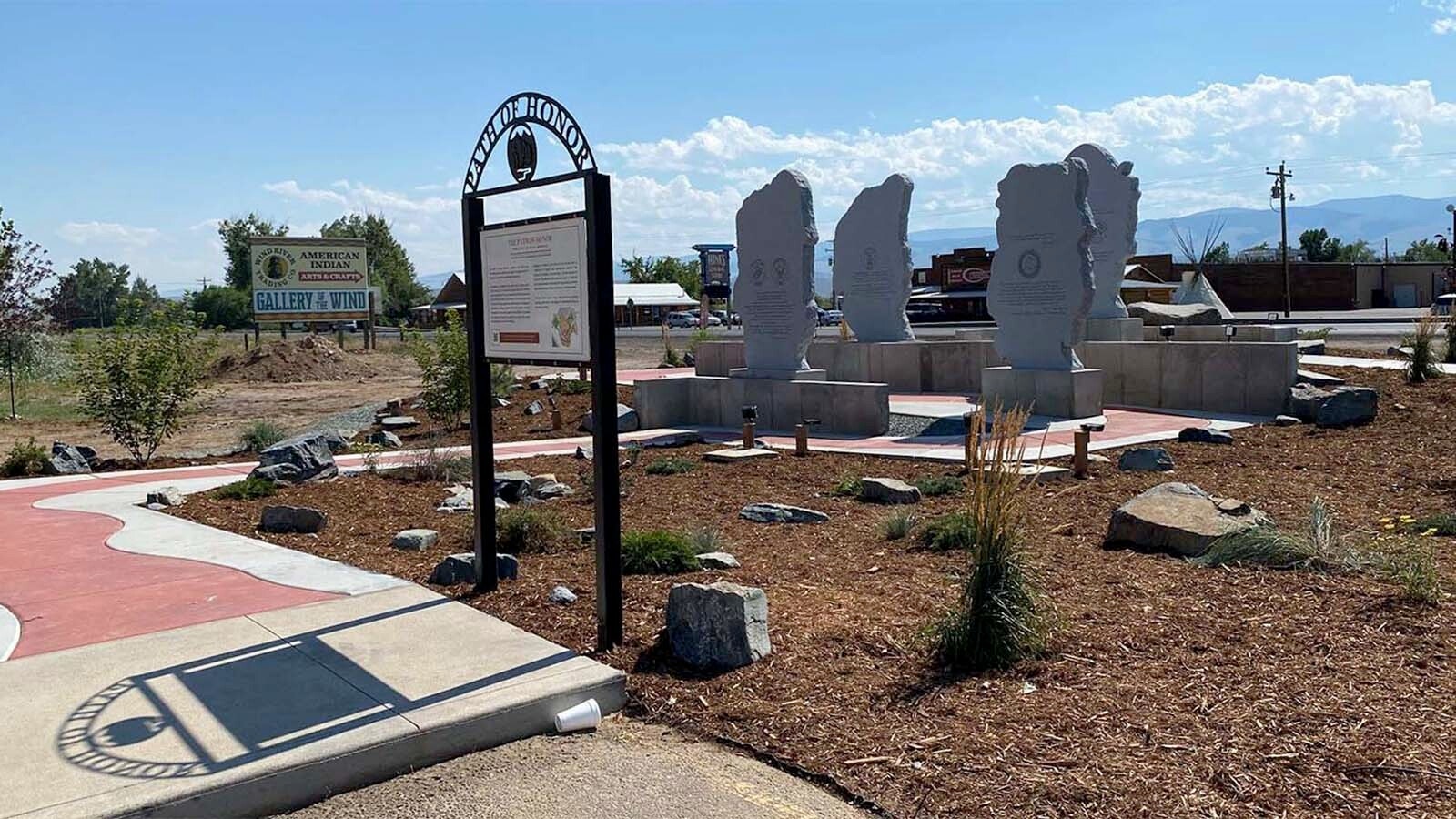
After 75 years of planning, Wind River Reservation veterans finally built the Veterans' Path of Honor Memorial in Fort Washakie. The site continues to grow as new names and stories are added representing all who served. (Courtesy Path of Honor Wind River Memorial)
A Place To Remember
The monument that Washakie referred to is a veterans memorial called The Path of Honor - Wind River Veterans Memorial. It was built to commemorate the warrior spirit of those who have served and lived within the boundaries of the Wind River Reservation, both tribal and nontribal.
The project started decades before when World War II veteran and Shoshone tribal member Frank “Happy” Wise wanted to honor the soldiers he had served with. Before his death in 1945, he was the commander of the local American Legion and donated two and a half acres in Fort Washakie for a building for the veterans.
The Frank Wise Building was built in his honor in partnership with the Wind River Development Fund in the early 2000s. The American Legion was given office space and finally, after more than fifty years, had their own space. Part of this agreement was to also build a memorial, which meant more fundraising and more years of waiting.
In 2021, 75 years after Wise first donated the property, a memorial was erected for veterans living on the Wind River Reservation thanks to the efforts of veterans Ratliff, Washakie, and Lyle Wadda.
Wadda, an adjutant at the American Legion Richard Pogue Post 81 for over 30 years, was instrumental in getting both the building and the memorial built. He said that they are still adding names to the memorial and are planning to build a kiosk that will share the stories of these veterans.
“It’s just a project that is constantly being added to,” Wadda said. “Rather than just have their name, we want to show that they had a life and a story.”
A Warrior’s Tale
One such story would be that of Ratliff, who survived a horrific gun battle during Vietnam and is permanently injured as a result.
Ratliff was serving with the 25th Infantry on the machine gun crew. His platoon of 14 soldiers had been sent out into the jungle to look for the enemy and had just set up for lunch when they were attacked.
“It felt like the world had just gone mad,” Ratliff said. “There was gunfire coming from everywhere.”
The Vietnamese soldiers had erupted out of spider holes, which were small holes in the ground where they had been hiding, sometimes for up to several days. When Ratliff was hit by enemy fire, he knew it was a severe wound.
“I saw my right arm flying in front of me, and it knocked me over,” Ratliff said. “I actually thought it had blown my arm off, but it also had penetrated my right lung.”
He ended up with a sucking chest wound, gasping for air for nearly 15 minutes before he was pulled out of the gunfire and evacuated by helicopter.
When Ratliff returned home to the States, his wounds were not just physical. He had to heal spiritually as well.
“Many veterans are just plagued by the tragedies that they had to engage in or witness,” Ratliff said. “When we dedicated the memorial, we heard lots of tearful stories about what it’s like to have lived in a war.”
Due to his own wartime experiences and witnessing the pain of his fellow veterans, Ratliff said it was important that the memorial should also reflect healing from these deep wounds.
The Road of Honor
“It has always been a big deal for Natives to be in the service,” Ratliff said. “This memorial is not only a tribute to those that have served, but the way that it’s designed, it is healing because we put a red path through it which is symbolic of the Red Road to recovery.”
According to Ratliff, the Red Road is a Native term used for following the path that leads to the Creator.
“The way I was taught, there are four directions,” Ratliff said. “From one direction, we get our strength and our faith, wisdom and hope from the other directions. You pull them together, and you use those to stay on that path that leads you to God.”
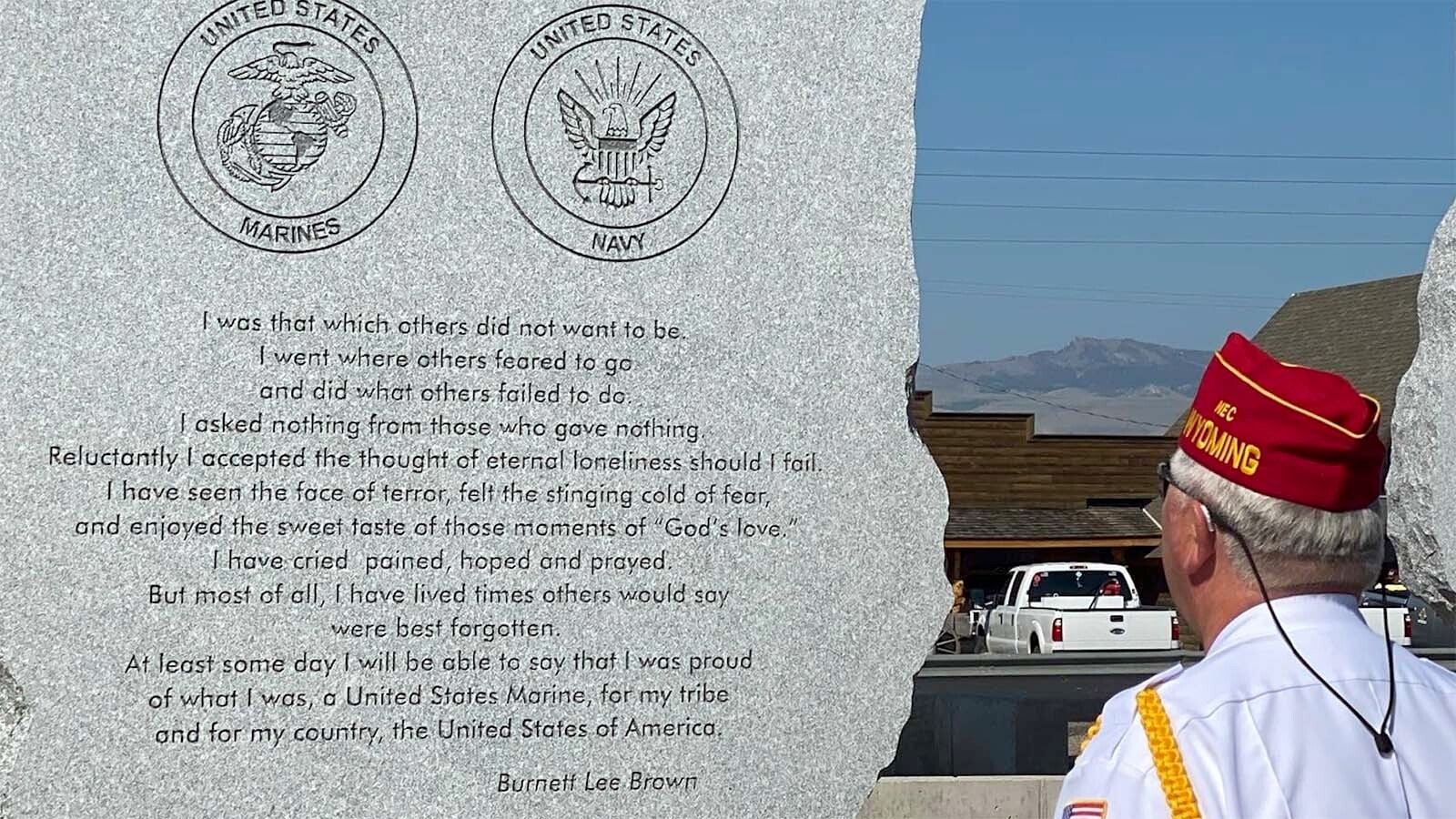
The Red Road is built into the memorial as a red concrete path that visitors follow and, along the way, read quotes from different veterans. Other features also hold special meaning, according to Wadda. Soldiers are honored on the memorial dating back to the scouts and early tribal warriors. Images and names of soldiers, including those that served in Desert Storm, are etched into the rock monuments.
“It has carvings of Native Americans through the years and just captures them,” Wadda said. “It features our veterans in different wars and stages of service.”
Wadda said that The Path of Honor Wind River Veterans Memorial is a special place where all are welcome and will continue to evolve as more stories and names are added.
Jackie Dorothy can be reached at jackie@cowboystatedaily.com.


