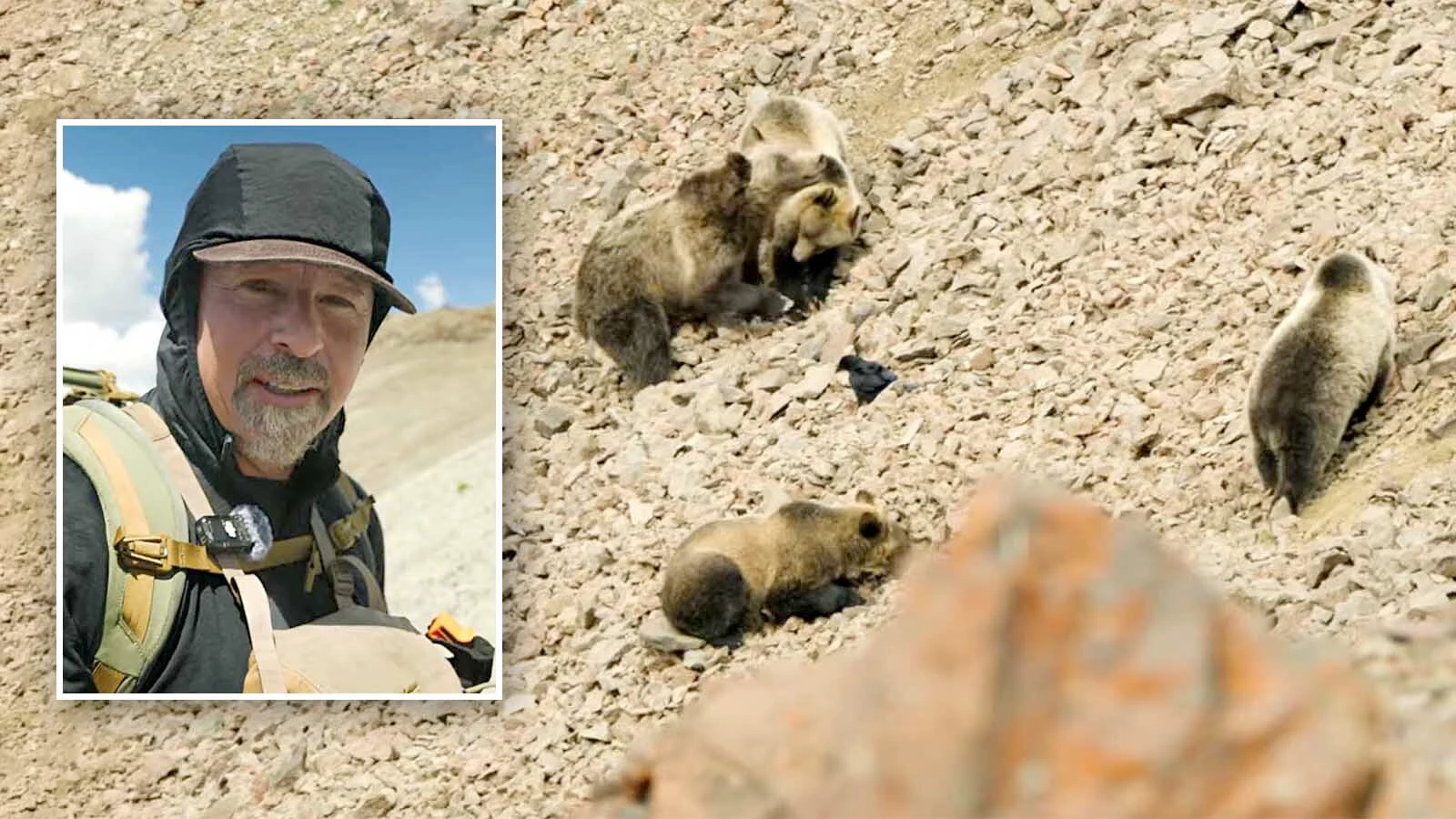
Seeing grizzly bears far above timberline, overturning rocks to gorge on army cutworm moths came as no surprise to wildlife filmmaker Casey Anderson.
What shocked him was seeing 47 grizzlies before noon in one day high in the Absaroka Mountains in the Greater Yellowstone Ecosystem.
It was more than twice the number of grizzlies he’s ever seen in one day in the Yellowstone area.
“That even broke my all-time record, which included one day in Alaska at one of the hottest salmon streams when I saw 46 bears in one day,” said Anderson, who lives in Emigrant, Montana.
‘Honey-Roasted Peanuts’
He featured his Absaroka mass grizzly sighting, which happened last August, in the latest episode on his Endless Venture YouTube channel.
Seeing so many grizzlies could mean that the moths are becoming a more popular item on the bears’ menu.
Anderson understands why; he’s eaten army cutworm moths himself.
“It sounds disgusting, but they’re actually really good,” he said. “They taste like honey-roasted peanuts.”
“If there’s a million honey-roasted peanuts up on the mountainside, of course the bears are going to go for it,” he added.
In the late summer, the moths are flying up over the mountains as they migrate from prairies to the east. They stop to take shelter under rocks far above timberline at elevations of 11,000 feet or higher.
The grizzlies will travel many miles from the low country and climb all the way up to the mountain peaks, Anderson said. There, they busy themselves flipping over rocks and eating all the moths they can find.
It’s a high-calorie, high-protein feast at a time when grizzlies are trying to pack on pounds for the upcoming winter hibernation season, he said.
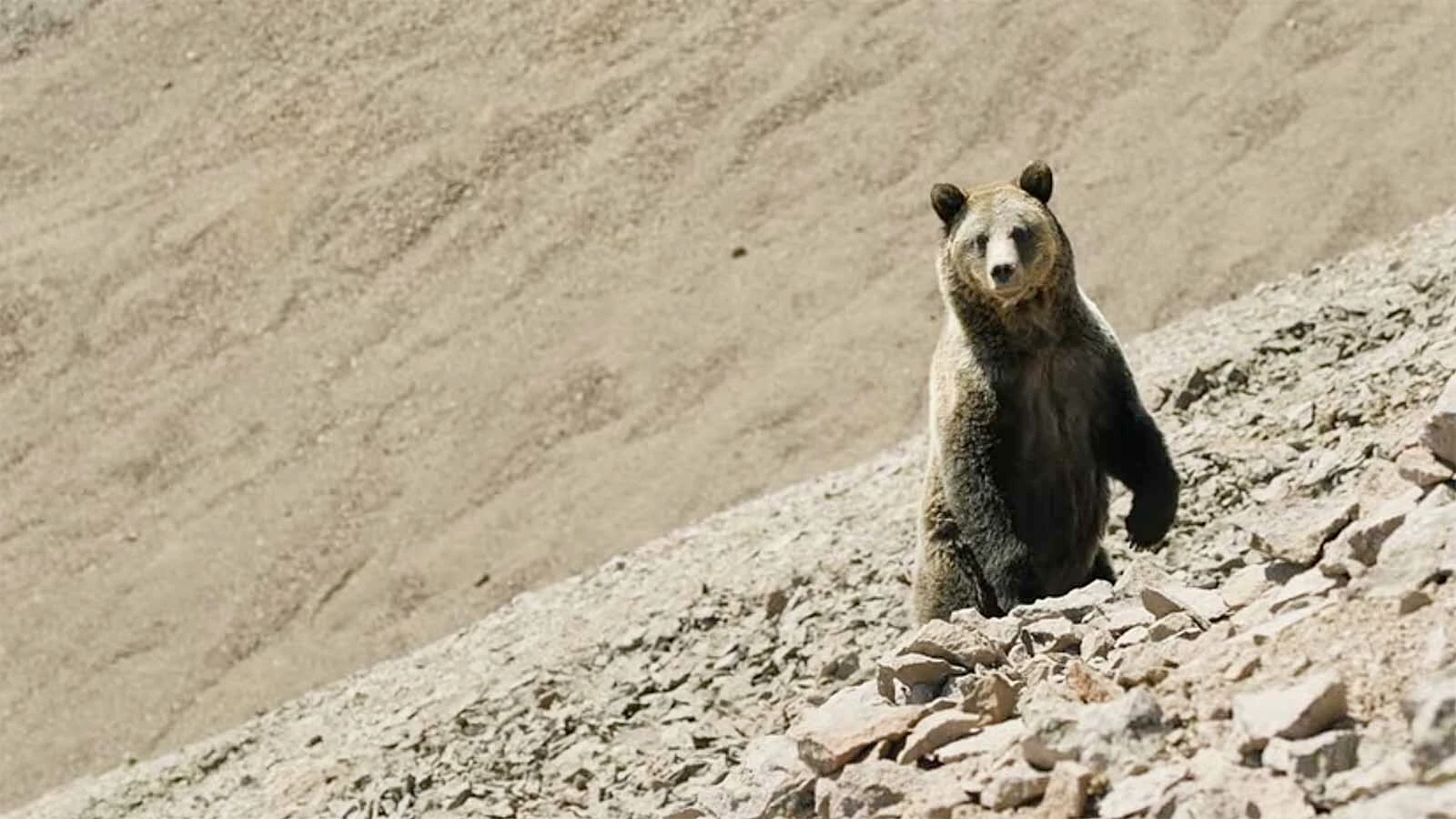
Outdoorsman and wildlife filmmaker Casey Anderson encountered 47 grizzly bears before noon in the high country of the Southern Absaroka mountains. The bears were congregating to gorge themselves on army cutworm moths. (Courtesy Casey Anderson/Endless Venture) 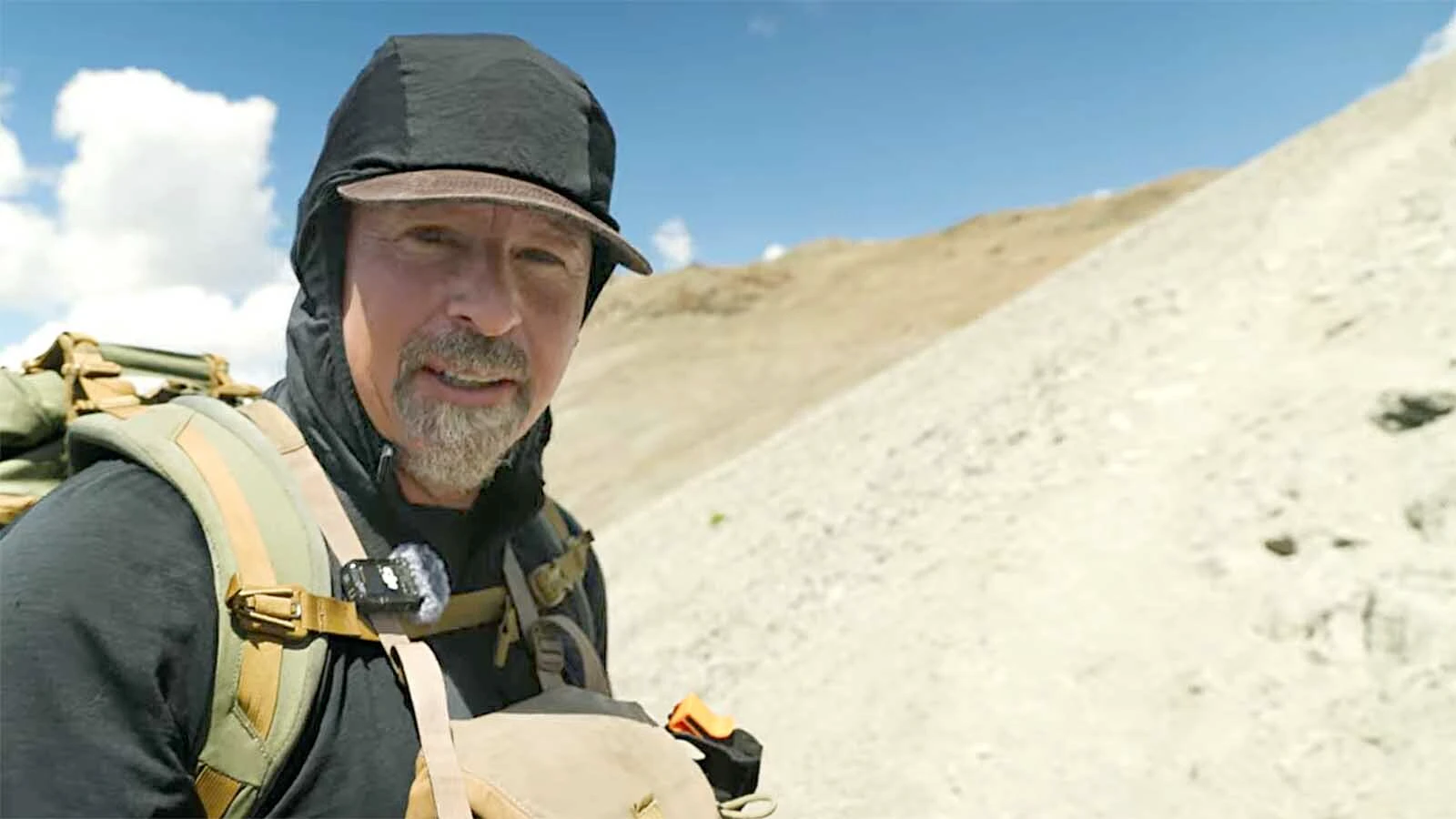
Outdoorsman and wildlife filmmaker Casey Anderson encountered 47 grizzly bears before noon in the high country of the Southern Absaroka mountains. The bears were congregating to gorge themselves on army cutworm moths. (Courtesy Casey Anderson/Endless Venture) 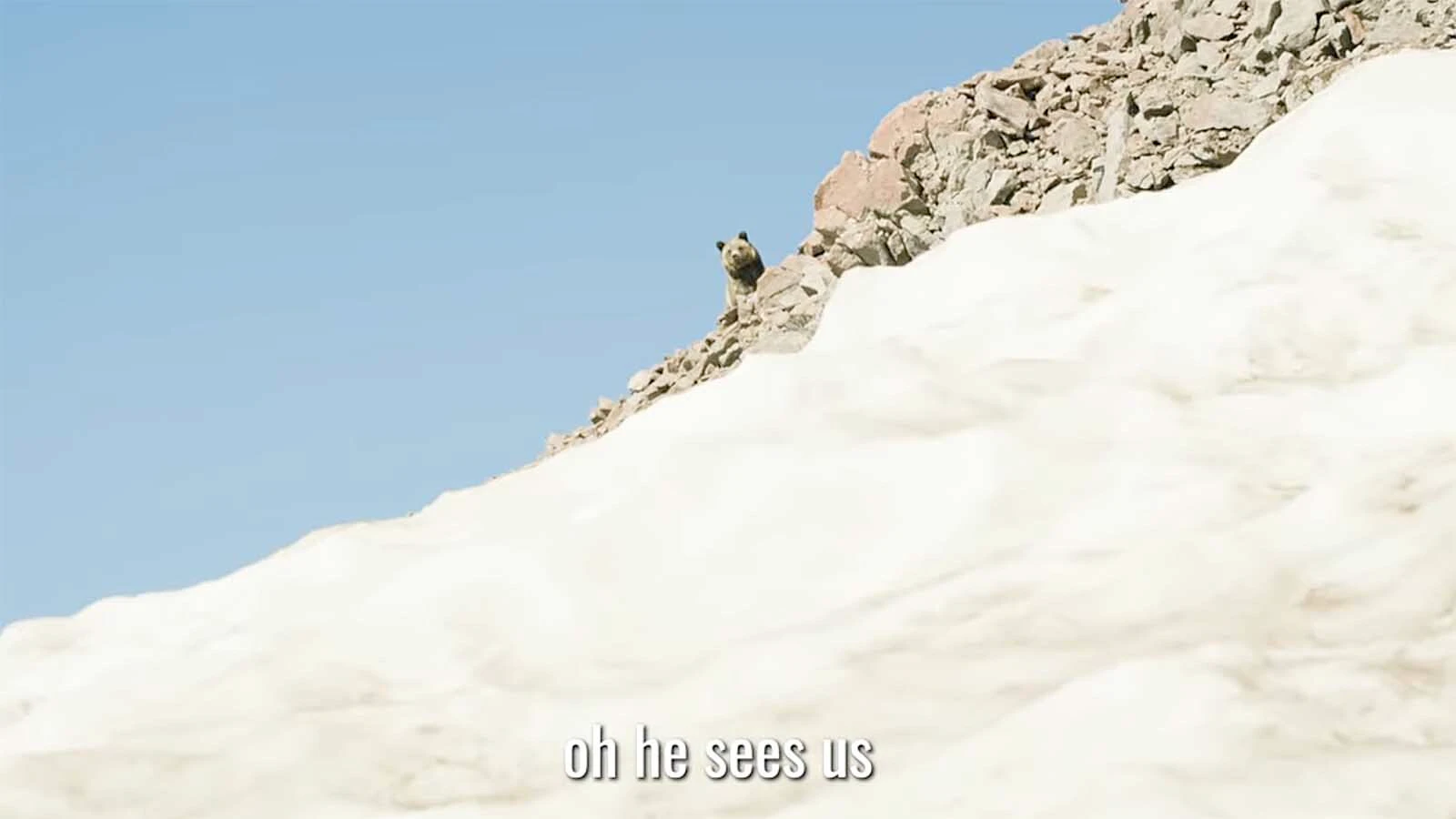
Outdoorsman and wildlife filmmaker Casey Anderson encountered 47 grizzly bears before noon in the high country of the Southern Absaroka mountains. The bears were congregating to gorge themselves on army cutworm moths. (Courtesy Casey Anderson/Endless Venture) 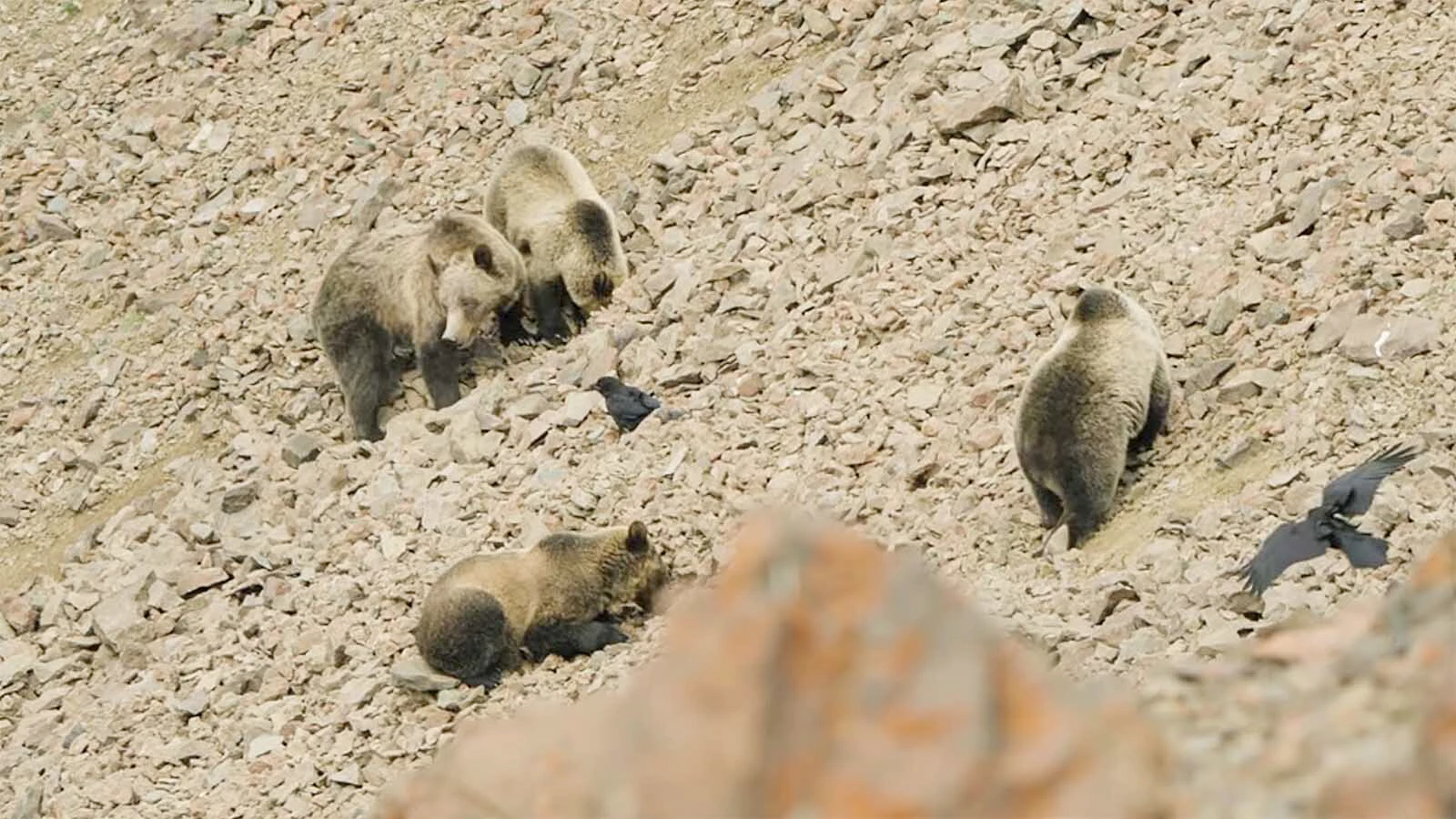
Outdoorsman and wildlife filmmaker Casey Anderson encountered 47 grizzly bears before noon in the high country of the Southern Absaroka mountains. The bears were congregating to gorge themselves on army cutworm moths. (Courtesy Casey Anderson/Endless Venture) 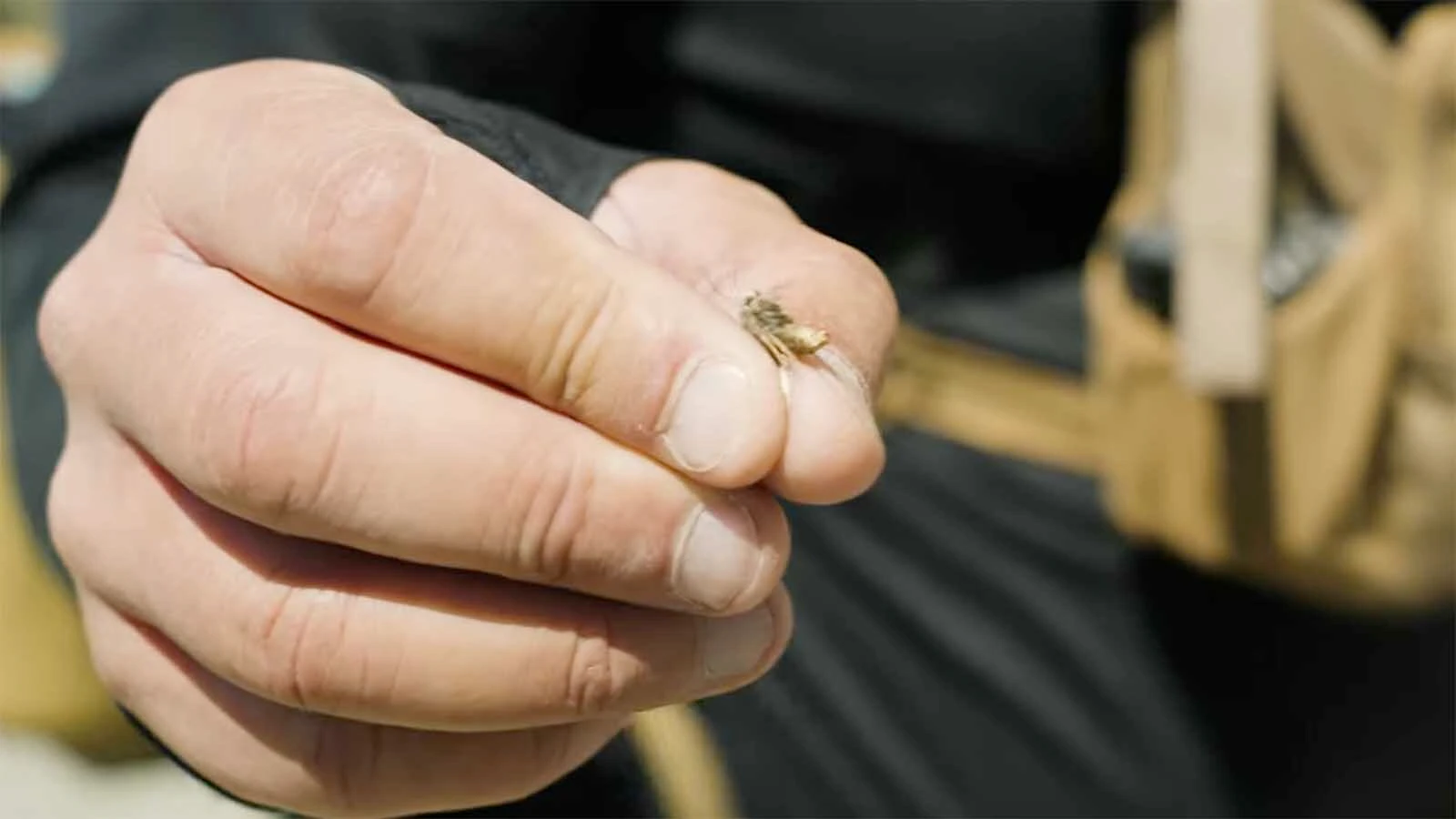
Outdoorsman and wildlife filmmaker Casey Anderson encountered 47 grizzly bears before noon in the high country of the Southern Absaroka mountains. The bears were congregating to gorge themselves on army cutworm moths. (Courtesy Casey Anderson/Endless Venture)
Why So Many Bears?
Anderson has been trekking grizzly country in Montana and Wyoming for decades. He’s seen a steadily-increasing number of bears gathering at high altitudes for moth feasts.
“I remember it being, ‘Wow, I saw nine grizzlies up above timberline in one day.’ Then the number started to be in the teens, and then the 20s,” he said.
State Sen. Larry Hicks, R-Baggs, once recounted seeing gobs of grizzlies on the slopes of Francs Peak in the Wyoming section of the Absaroka Mountains.
In one basin on the west slope of Francs Peak, they counted 26 grizzlies “scattered across about three-quarters of a mile,” he told Cowboy State Daily.
The common assumption is that such mass sightings mean that the greater Yellowstone grizzly population is ballooning, perhaps well beyond official estimates of 1,000 or so bears, Anderson said.
He’s not sure it’s that simple.
While the grizzly population has risen, it could also be a matter of bears congregating in certain areas because of food sources, like army cutworm moths, he said.
Grizzlies used to rely heavily on whitebark pine nuts, but that’s changed, he said.
“Some areas where I used to see congregations of bears eating whitebark pine nuts, I’m not seeing as many bears,” he said.
It could be that some of those bears switched to climbing up beyond timberline to find moths, Anderson said.
He noted that during that day in the Absaroka mountains, he saw numerous female grizzlies with cubs, which bumped up the overall bear count.
‘They’re Afraid Of People’
Recent grizzly attacks in Yellowstone and Glacier national parks have rekindled calls to delist grizzlies and allow them to be hunted, Anderson said.
There was also a recent report of a black bear hunter in Idaho shooting and killing a grizzly bear when it charged him and his son.
Anderson’s not necessarily opposed to grizzlies being delisted, and perhaps even hunted, but said he wants those decisions to hinge on “objective science” and not “emotion and politics.”
He also questions whether allowing grizzlies to be hunted would cause them to avoid humans more and lessen the chances of attacks.
Anderson said that when he’s been in places where grizzly hunting is allowed, he didn’t see that it changed the bears’ behavior.
Reports of hikers getting mauled might scare people, but grizzlies have reason to fear humans too, Anderson said.
“They’re afraid of people and they think we’re a threat, so they’re going to go over and try to eliminate that threat,” he said.
That’s why it's important to be mindful and give grizzlies plenty of space in situations such as going up above timberline to watch grizzlies eating moths, Anderson said.
“Grizzly bears are not attacking people to hunt them down and eat them,” he said.
More Attacks Expected
While there might be more bears on the landscape, there are also more people, including more inexperienced people, in the backcountry. That increases the chances of bear attacks, Anderson said.
“With more bears and more people in the backcountry, it’s going to happen more,” he said. "These aren’t the last attacks of the year, I can promise you that.
“I see lots of people out hiking who don’t have bear spray or a firearm. Or, they have bear spray, but it’s attached to the back of their backpack, where they can’t immediately access it,” he said.
“I’ve even had people stop me and ask, ‘Hey, how do you operate this thing?’” about a can of bear spray, Anderson said.
Mark Heinz can be reached at mark@cowboystatedaily.com.