
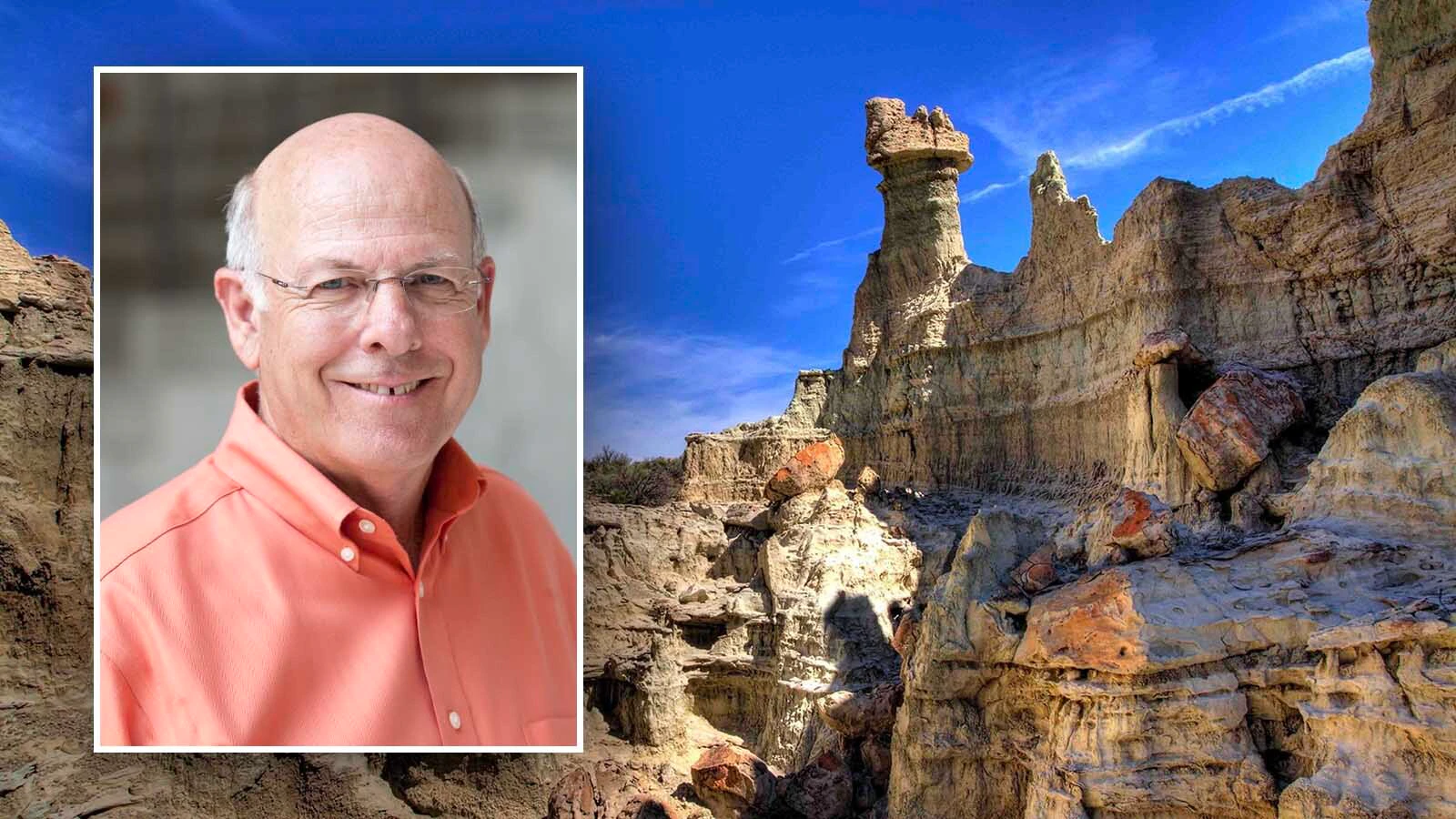
The former New Mexico congressman now leading the Bureau of Land Management could have an outsized impact on Wyoming, a state where nearly half the land is federally owned and where battles over grazing, drilling, conservation and recreation often define the economy and culture.
The U.S. Senate confirmed Steve Pearce as director of the BLM in a 46-43 vote earlier this week, handing President Donald Trump an ally expected to aggressively support energy production and traditional multiple-use policies on public lands.
For Wyoming industry leaders, Pearce’s appointment signals a potential course correction after years of tension between Western land users and federal land managers.
“What the BLM director decides determines the fate of Wyoming with regard to its ability to use the land,” said William Perry Pendley, who served as acting BLM director during Trump’s first administration.
That reality is hard to overstate in Wyoming, where public lands define much of the state. In sprawling Sweetwater County alone, roughly 74% of the land is managed by the federal government.
From oil rigs and cattle allotments to antelope habitat and off-road trails, decisions made inside the BLM ripple across nearly every corner of Wyoming life.
Return To Multiple Use
Supporters say Pearce is likely to restore a stronger emphasis on the BLM’s longstanding “multiple use” mission, the balancing of grazing, mineral development, recreation, wildlife and conservation on the same landscape.
“It’s deeply important to Wyoming,” Pendley said.
Pendley and Wyoming Stock Growers Association Executive Vice President Jim Magagna both said land users became increasingly frustrated during the Biden administration, particularly over the agency’s public lands rule, which critics argued elevated conservation above other uses.
“BLM land is multiple-use land, as decided by Congress,” Pendley said. “It’s supposed to be used for all sorts of things.”
The Biden-era approach, both Pendley and Magagna argued, treated public lands more as “single-use lands,” limiting opportunities for oil and gas leasing, grazing and other activities.
Pendley pointed to historically low federal oil and gas lease sales during the Biden administration as evidence of that shift.
Magagna said the debate created unnecessary division between conservation groups and traditional land users.
“Conservation ought to be part of the ethic that guides how we use the land,” he said. “We encourage our members to manage their grazing with a conservation ethic in mind.”
To ranchers and energy producers in Wyoming, Pearce’s appointment is being viewed as a sign that those priorities could once again move to the forefront, both said.
‘Sell-Off Steve’
While Pendley and Magagna say Pearce’s appointment is a good sign for Wyoming, not everyone is a fan.
The Wilderness Society reacted to Pearce’s appointment by calling him a “longtime sell-off advocate,” referring to the controversial issue of selling federal public lands in the West.
The group also said it expects Pearce to “side with special interests.”
The Sierra Club was more blunt in its opposition to Pearce’s appointment, saying in a statement that he “is expected to continue pushing the Trump administration’s harsh agenda of stripping away environmental and public lands protections from millions of Americans."
Caryn Miske, director of the group’s Montana chapter, called Pearce “sell-off Steve” in the statement.
“Pearce is the perfect person to implement the Trump administration’s goals to put industrial-level drilling, mining, logging and grazing over all other uses of federal lands,” Miske said.
More Than Paper And Photos
Being from the West and having experience and an understanding of Western issues will be invaluable for Pearce, Pendley said.
He said one of the most important lessons from his time leading the agency was that Western land decisions cannot effectively be made from Washington, D.C.
During Trump’s first administration, Pendley helped oversee the relocation of BLM headquarters from Washington to Grand Junction, Colorado, a controversial move later reversed under President Biden.
“In Washington, we made decisions based on photographs, pieces of paper and maps,” Pendley said. “We would sit around a conference table and make a decision. You’re 2,000 miles and multiple time zones away from the land you’re involved with.”
The move west, he said, allowed agency leadership to actually see the landscapes affected by federal decisions.
Pendley said the relocation allowed him to visit field offices that had never before seen a national BLM director and personally witness major Western wildfire seasons.
“I saw the clouds in the sky. I smelled the smoke. I saw the ash on my car,” he said.
That firsthand understanding of conditions on the ground is something both Pendley and Magagna say has been missing too often from federal land management.
Stability For An Agency In Flux?
Magagna said Pearce also arrives at a time when the agency badly needs stability.
“We haven’t had a confirmed BLM director for a year and a half now,” he said of Wyoming’s BLM leadership.
Frequent leadership changes and shifting political priorities from one administration to the next have created uncertainty for land users and BLM employees, he said.
“Good professionals have devoted their careers to staying in one place and getting to know the intricacies of the land,” Magagna said. “That is so evident in the way the resources are managed.”
He said local expertise often gets overlooked in a federal system where advancement sometimes requires employees to continually relocate.
Still, Magagna believes Pearce’s appointment offers an opportunity to steady the agency and rebuild relationships with Western states.
“We’ll be anxious to start working with him,” he said. “Bringing stability is certainly one of those things.”
Recreation Could Also Benefit
While much of the attention surrounding Pearce’s appointment centers on oil, gas and grazing, Pendley said recreation could also become a larger focus.
“BLM lands are, for many people, an undiscovered recreational resource,” he said.
That could matter in Wyoming, where outdoor recreation continues growing as an economic force alongside traditional industries, he said.
Hunting, fishing, camping, off-roading and public access remain deeply important issues across the state and all fall under the BLM’s management umbrella.
A Director Who Knows The West
Pearce’s supporters also point to his Western roots and private-sector background as major advantages.
Born into poverty in southern New Mexico, Pearce later flew combat missions during the Vietnam War before building a career in the oil industry and eventually serving in Congress representing a politically diverse district in southern New Mexico.
Pendley said that background matters when overseeing millions of acres of working public land.
“When you’re dealing with private-sector issues in the BLM, you have to understand the private sector,” he said.
That understanding, supporters argue, is especially important in Wyoming, where local economies are tightly connected to energy, agriculture and public land access.
The BLM, an agency within the Interior Department, manages more than 245 million acres nationwide — including vast portions of Wyoming that support cattle grazing, mineral production, hunting, fishing and recreation.
Pearce has already been praised by groups including the Western Energy Alliance for supporting fossil fuel development and traditional land-use policies.
Kate Meadows can be reached at kate@cowboystatedaily.com.


