
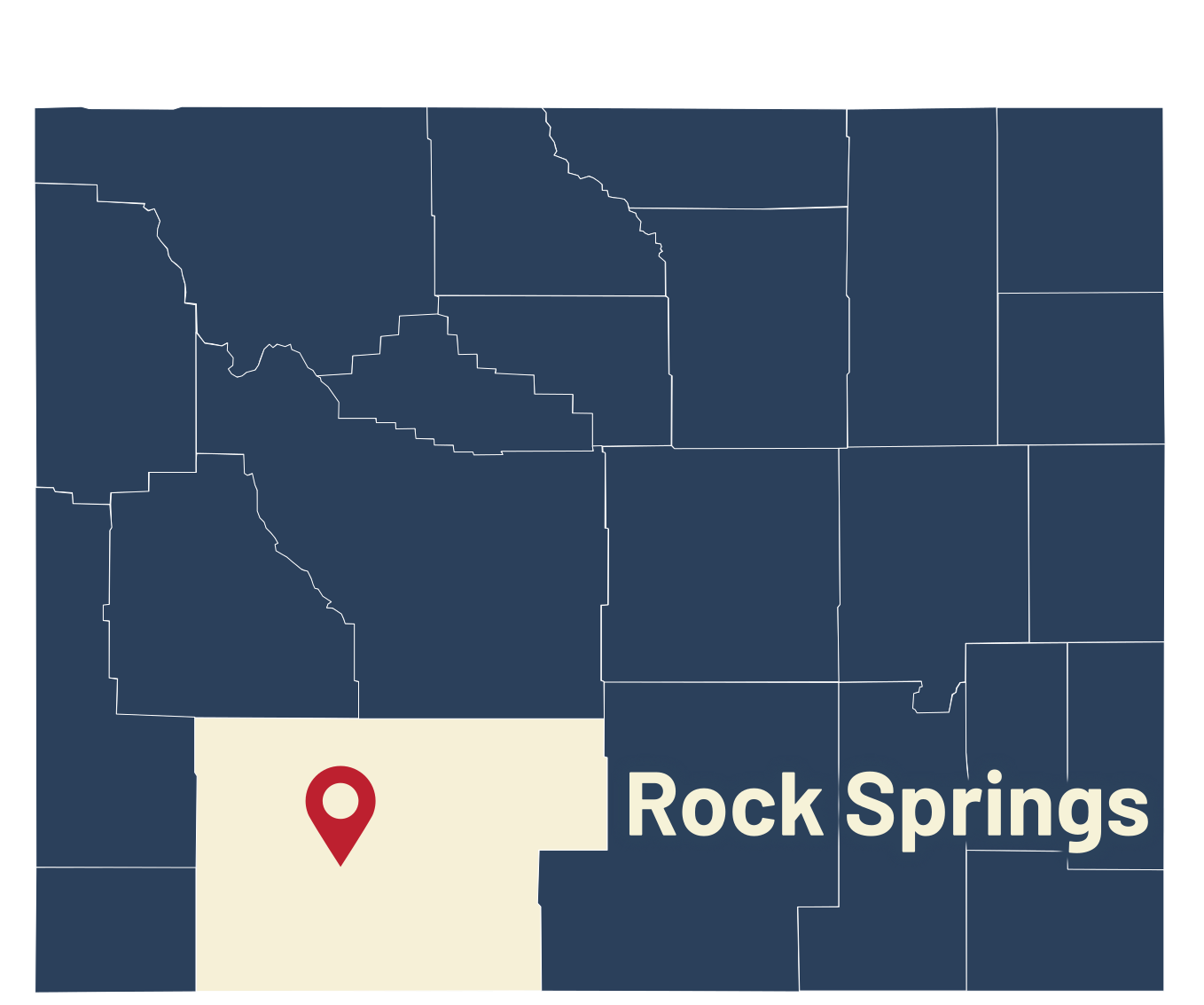
As the debate continues over how to best manage millions of acres of federal land near Rock Springs, Wyoming outdoors enthusiasts say that the section around Greater Little Mountain should remain essentially untouched.
The Greater Little Mountain Area, south of Rock Springs, remains largely untouched and is “crawling with critters,” avid hunter Marshal Cummings told Cowboy State Daily.
Cummings lives in Green River and is president of the United Steelworkers Local 13214.
He’s also a member of the Greater Little Mountain Coalition, which was formed about 15 years ago, and supports preserving the 522,000-acre Greater Little Mountain Area, particularly 115,000 acres at the heart of it.
He said he supports the broader Rock Springs Resource Management Plan (RMP) tilting toward energy and economic development.
“More jobs are what we look for, and everybody in Wyoming works for a living,” Cummings said.
But Greater Little Mountain can be set aside as someplace special, without undermining the broader need for development, he added.
“It’s not all about progressing the economy. There’s a spiritual aspect, there’s an ecological aspect,” he said.
A Plan In Constant Flux
Proposed revisions of the Bureau of Land Management (BLM) Rock Springs RMP go back more than a decade.
It’s sparked a heated debate over the past few years, with many Wyomingites claiming that the BLM’s preferred alternative is too restrictive and would stifle local economies.
The BLM manages about 3.6 million acres of land from the Rock Springs office, the bulk of it in Sweetwater County. The agency’s preferred alternative for the plan, Alternative B, would have designated 1.8 million acres, or about half, as “areas of critical environmental concern” (ACECS).
That alternative drew fire from many in Sweetwater County and across Wyoming, who argued that it would be far too restrictive on energy development, cattle grazing and the like.
Gov. Mark Gordon and Wyoming’s Congressional delegation also opposed Alternative B. U.S. Rep. Harriet Hageman, R-Wyoming, also attempted to block the RMP legislation.
Gordon appointed a task force charged with determining a proposal better suited to Wyoming’s need.
Change In Administration Puts Plan On Hold
The BLM finalized the RMP, according to Alternative B, in December 2024 at the tail end of the Biden administration.
Shortly after President Donald Trump took office, the RMP was put on hold, then reopened for further revision. A public comment period was opened last month.
The call for a new round of revisions is in response to Trump’s executive orders aimed at ramping up the country’s energy industry, according to the BLM.
‘The Great Outdoors Ticking In His Heart’
Cummings said a love for the Greater Little Mountain Area was passed down from his grandfather and father to him. And he’s passing it along to his son.
The area includes Sweetwater County’s highest point, Pine Mountain, as well as vast desert flats, deep canyons, forested areas and rugged badlands.
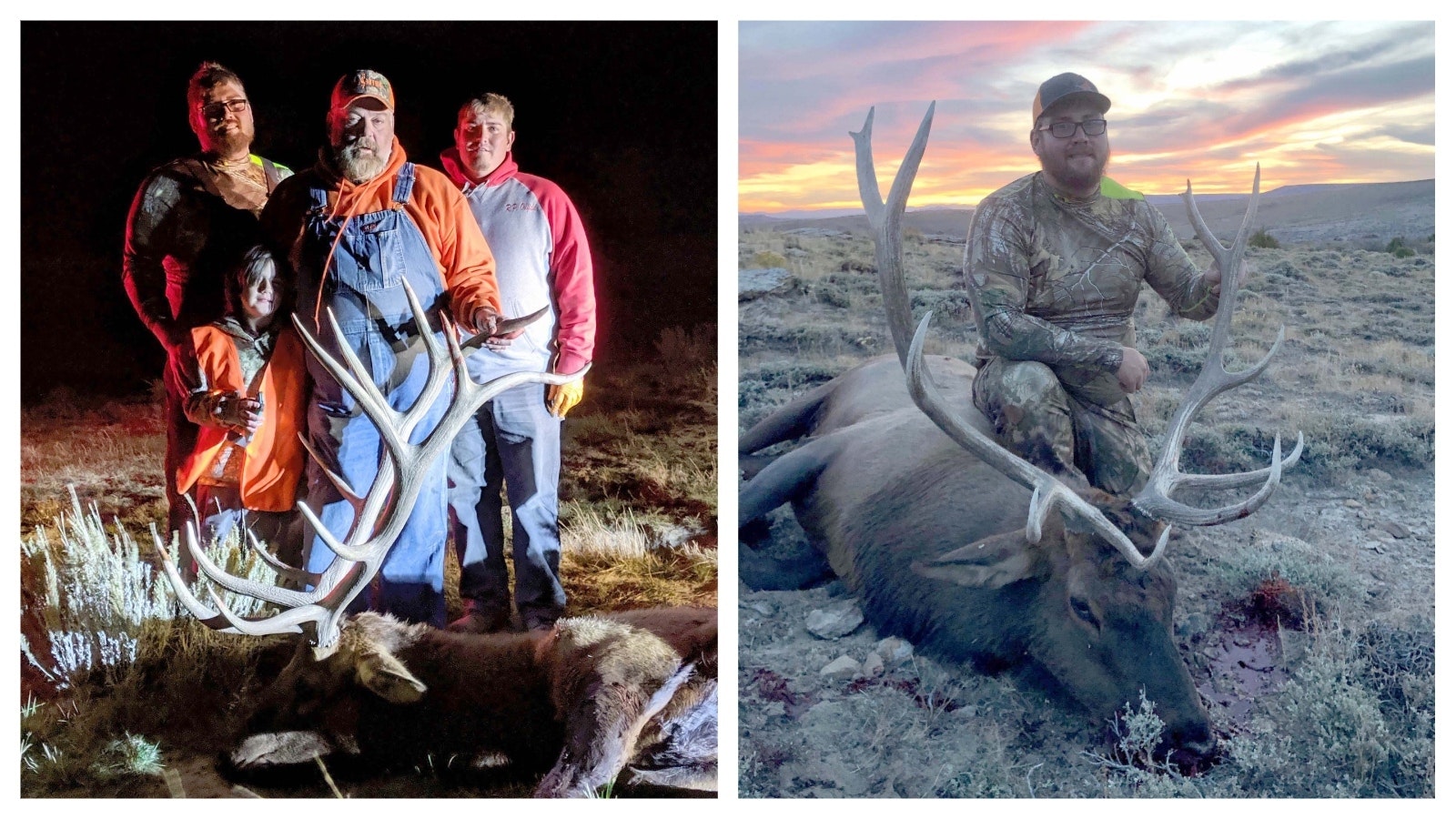
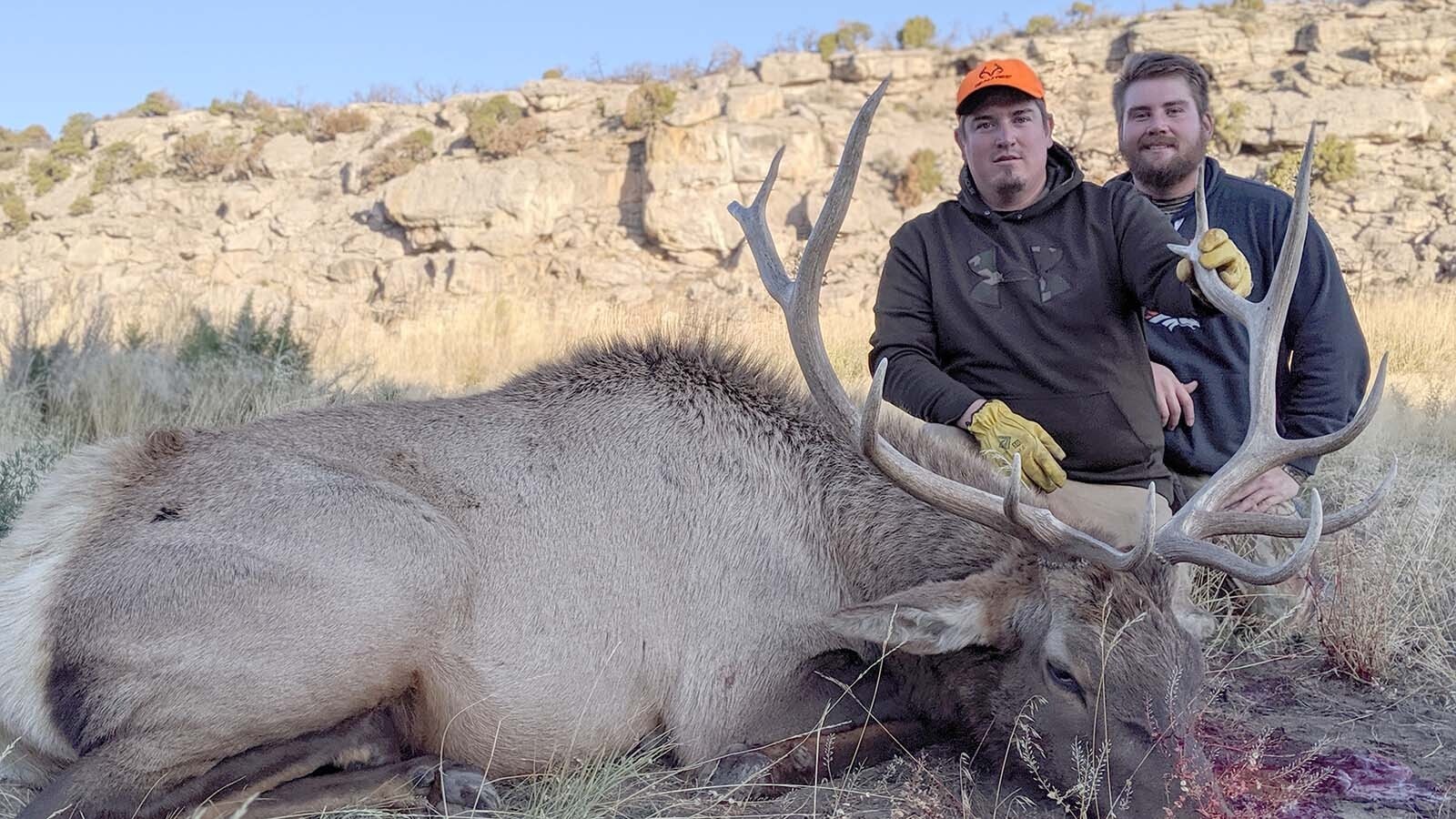
It’s teeming with deer and elk but hunting tags for the area are difficult to draw, Cummings said.
Even so, he still applies for hunting tags every year.
“I’m O for 25 on deer tags, and I’ve drawn elk tags only twice,” he said.
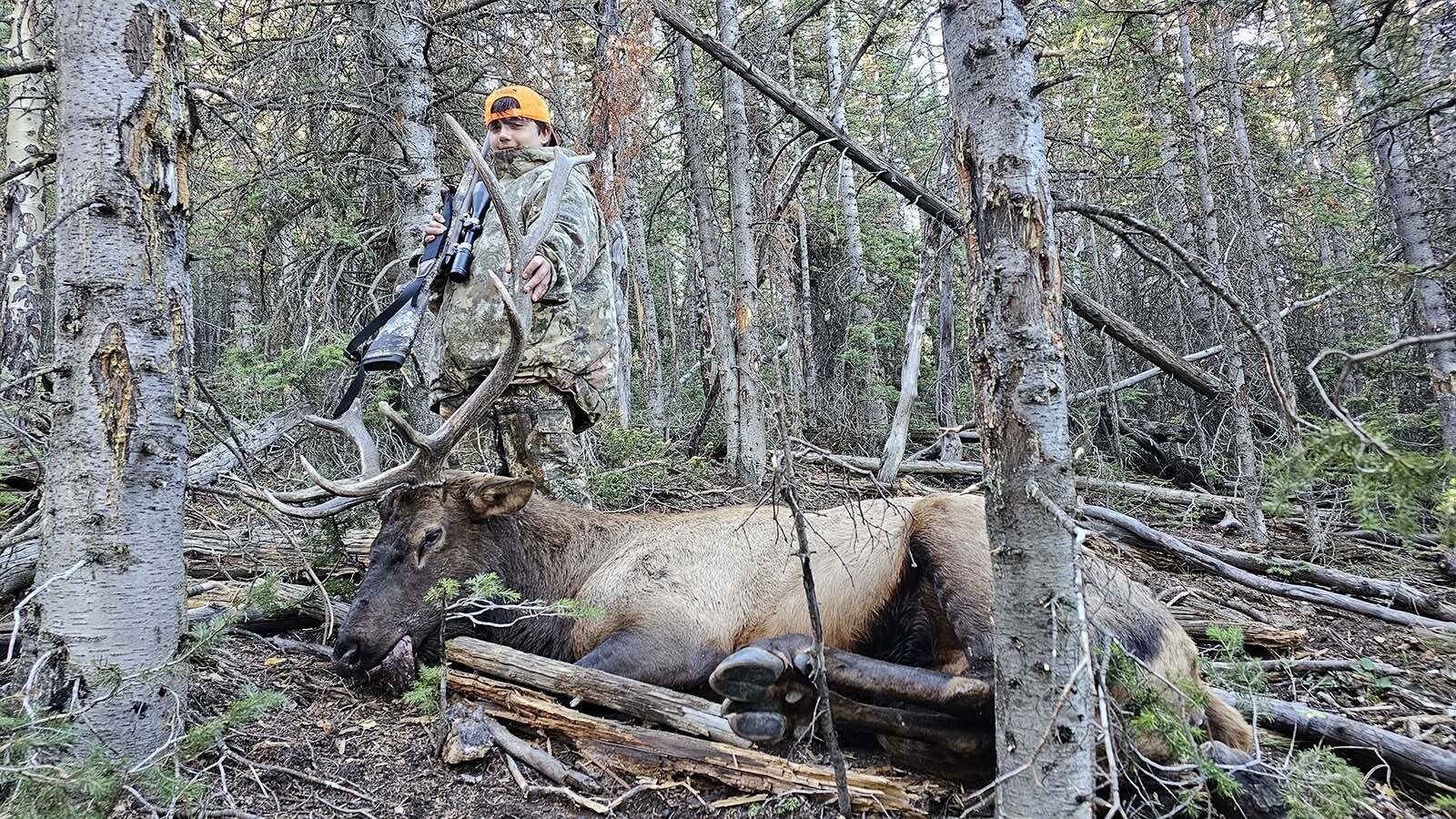
His son, Brayden, drew an elk tag last year, at age 13, and shot a bull on Pine Mountain.
It was amazing to watch how thrilled his son was by the hunt, Cummings said, especially considering how much the younger generation is glued to screens.
“I could see the great outdoors ticking in his heart,” he said.
He said that his grandfather, now in his 90s, still likes to go into the Greater Little Mountain Area as much as he can.
That legacy should be protected, Cummings said.
If I go west on I-80 (Interstate 80), I see wind turbines. If I go east on I-80, I see wind turbines. I just want a place where my grandpa went, and he can still go to and where my great grandkids can go and see what the mountains were like,” he said.
‘Crown Jewel’
Steve Martin of Rock Springs is member of the Greater Little Mountain Coalition, representing Bowhunters of Wyoming.
He recreated in the Greater Little Mountain Area for 45 years and moved to Rock Springs primarily to be near it.
“It’s what we call the crown jewel of Sweetwater County,” he said.
He’s drawn only one elk tag and two deer tags there over the years.
Even when he’s not hunting, the Greater Little Mountain area is an outdoors paradise, he said.
“It’s the closest thing residents here have to a mountain countryside that we can recreate in,” he said.
Some of the creeks contain rare native Colorado River cutthroat trout, and the landscape is “sensitive,” he said.
“It’s not receptive to a lot of development. Once you develop land like that, it doesn’t come back,” Martin said.
Even if the BLM’s overall vision for ACECS in the Rock Springs region was flawed, the core of the Greater Little Mountain Area is fitting of that designation.
“This is one ACECS area that we fought long and hard for, and we would like to see that continued,” Martin said.
The Wyoming Way
Paul Ulrich is the vice president of Jonah Energy, LLC, and was also a member of Gordon’s RMP task force.
From what he’s seen, there is a broad consensus to keep the Greater Little Mountain Area protected — including from hunters, the energy industry, ranchers and others.
“I don’t know anybody who would have any objections to enhanced protection there,” Ulrich said.
Cummings said the consensus to protect the area was built by Wyoming residents sitting down together and deciding what’s best for everybody.
Threats to the Greater Little Mountain Area might come from greedy outsiders, and federal-level politics, he said.
“Let’s keep Washington, D.C., politics and those kind of things in Washington,” he said.
“If we get drawn into debates, where it’s ‘I’m going to take my ball and go home,’ that’s not the Wyoming way,” he added.
Mark Heinz can be reached at mark@cowboystatedaily.com.


