
Technology waits for no one, and the makers of a smartphone app that pings the location of animals in Yellowstone National Park claim that it will make wildlife viewing more efficient and safer for people and animals alike.
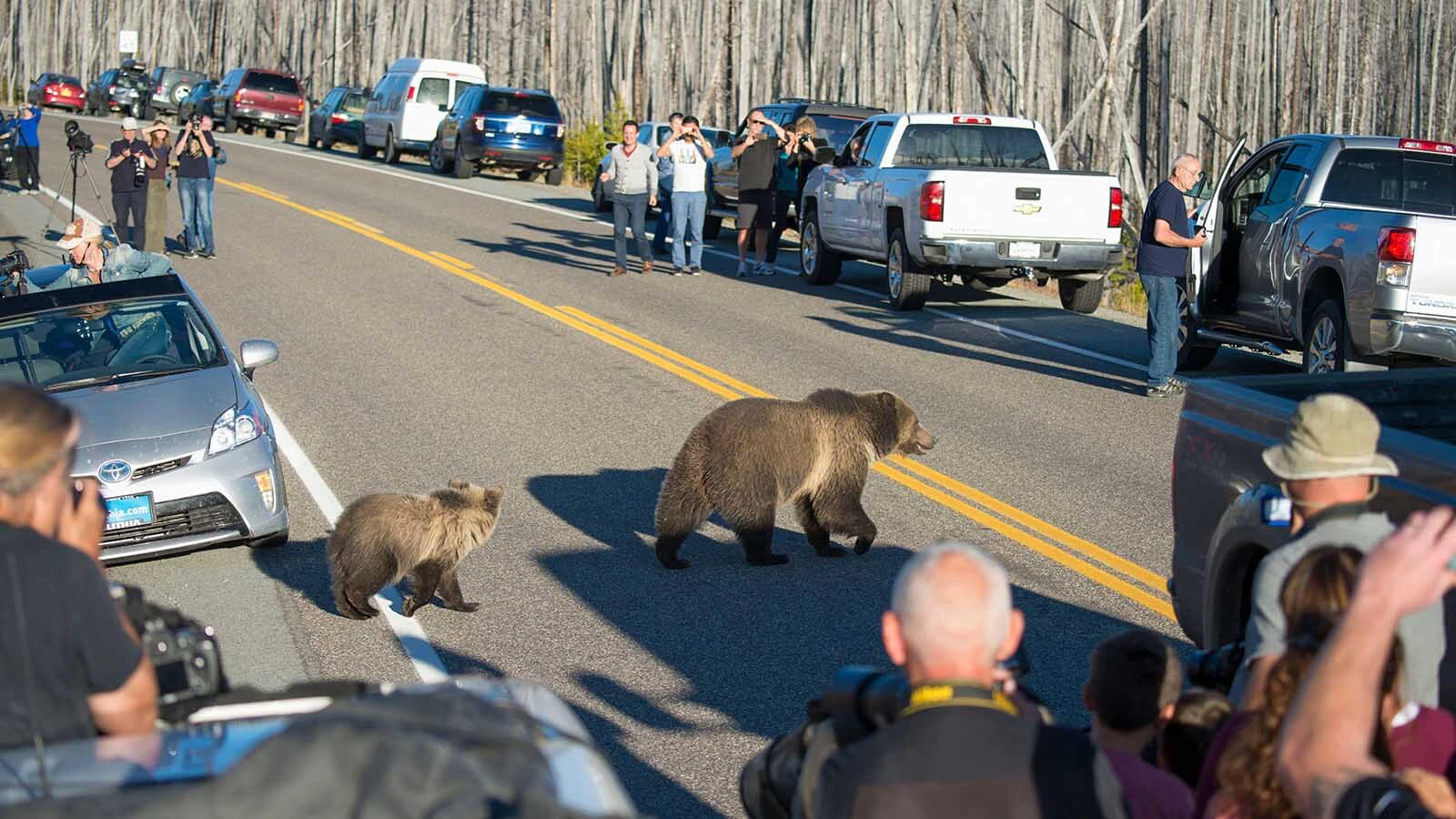
Critics of the idea behind the app think it will accelerate the growing problem of grizzlies and other potentially dangerous animals getting mobbed.
The Yellowstone Go app, expected this month on Apple, will offer live wildlife alerts, pinned sightings and “instant directions across Yellowstone,” according to its designers.
However, detractors claim that it will increase wildlife harassment and compromise human safety, according to a site opposing the app.
Traffic Hazards?
Wildlife photographer Michael Cohen told Cowboy State Daily that as he sees it, the app will create traffic hazards.
“It will be causing a whole bunch of people to drive to that same place at the same time. What could possibly go wrong?” he said.
The app’s developers did not respond to requests for comment from Cowboy State Daily.
Responding to Cohen’s criticism on Facebook, someone posting as “Yellowstone Go” stated that the app will make things safer by streamlining the search for wildlife.
“People already share wildlife sightings publicly every single day through Facebook groups, radios, roadside pullouts, and word of mouth,” the developer stated.
“This simply modernizes information that already exists while adding safety reminders, timestamps, and organization to help reduce confusion and unsafe roadside behavior,” the developer added.
‘Yellowstone’s Not A Zoo’
Cohen said admiring wildlife should not involve invading the animals’ spaces.
“My view on it is really simple. As responsible photographers, which I consider myself one of, one thing we try very, very hard to do is not affect animal behavior,” he said.
“Yellowstone is full of tourists that don’t understand that and frankly, don’t care about it. And an app such as this one, as it describes itself, would only exacerbate the situation,” Cohen said.
Along with that, and the potential traffic hazards, a wildlife-pinging app could take away “the glory of discovery” that tourists get from finding animals on their own, he said.
“Yellowstone’s not a zoo. And we don’t want it to be a zoo. We don’t want to know that you can ‘drive 1.5 miles down the road, take a left and see an elk,’” the photographer said.
Basic technology can enhance wildlife viewing, if it’s used respectfully, Cohen said.
For example, wintertime “wolf watchers” in Yellowstone use two-way radios to tell each other where wolf packs are, “but they are typically watching the wolves from two miles away,” he said.
‘Pressure On Animals’
Using the latest technology to pinpoint and ping wild critters’ locations is the sort of thing that will “make Yellowstone lose its shine,” wildlife photographer Julie Argyle told Cowboy State Daily.
“I just don’t think that anything that goes live as far as animal locations is a good thing. It’s going to put pressure on the park bear management staff, it’s going to put pressure on animals,” she said.
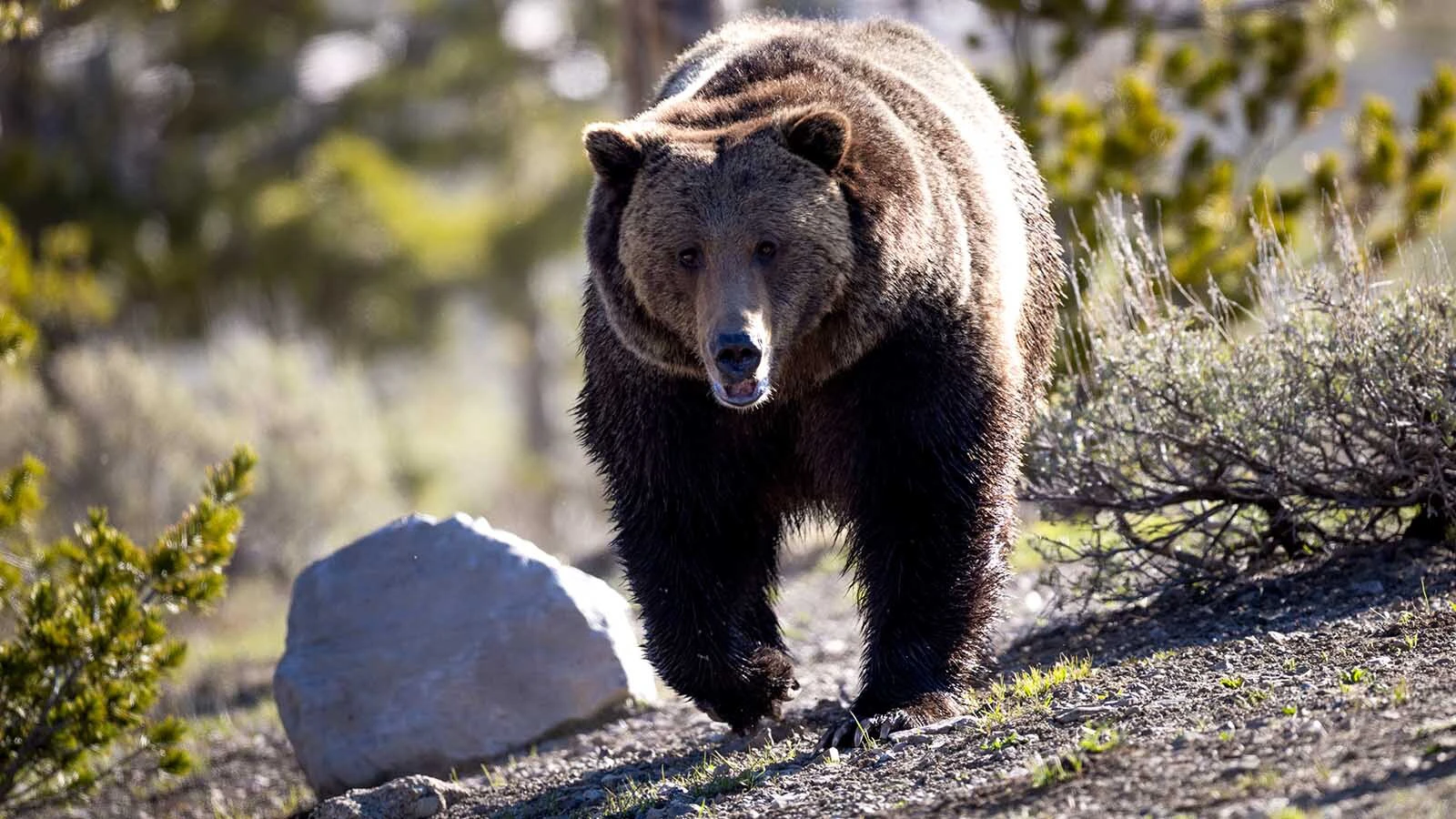
She noted that recently she was in her vehicle when a “large male grizzly trailing a female bear” appeared near the roadside and ran right past her vehicle.
“He was in a hurry, huffing and puffing, looking for that female,” Argyle said.
A mob of people attracted to such activity could lead to disaster,” she said.
‘Potentially A Great Tool’
Wildlife photographer Jorn Vangoidtsenhoven told Cowboy State Daily that he has mixed feelings about wildlife locator apps.
“I would assume most visitors would use it for the purpose of finding wildlife, rather than avoiding traffic jams. If you want to see the local wildlife on your vacation, it’s potentially a great tool,” he said.
“Whether park staff and law enforcement will appreciate it is a different matter. I can see it lead to even bigger traffic jams than we already have, which of course isn’t a good thing,” Vangoidtsenhoven said.
He also noted that he “questions how useful those apps will really be” because by the time somebody driving from a distant location gets to the site, the animal might already be long gone.
Unintended Consequences
Stephanie Adams, wildlife fellow with the National Parks Conservation Association, told Cowboy State Daily that while apps can help people enjoy wildlife, they might come with “unintended consequences.”
The apps might draw people from all over the park to a specific location, when “bear jams” are already a huge problem in Yellowstone, she said.
Even so, “technology like this is probably inevitable,” Adams added.
If the National Park Service embraces apps, it might be wise to lead people to locations “where you’re likely to see something,” she said.
That could mitigate traffic jams, and also keep tourists engaged in the fun of actually having to look for wildlife.
“That might work better, as opposed to people just chasing pop-ups” of specific animal locations, Adams said.
Mark Heinz can be reached at mark@cowboystatedaily.com.


