Wyoming’s Carmelite monastery began in 2007 with $400 and a dream to build a Gothic-style monastery in the mountains of the Bighorn Basin.
The style known for dramatic arches, stained glass windows, ribbed vaults, spires, and elaborate stone carvings would traditionally require a century or more of work from teams of highly skilled stone artisans.
Today, it is estimated that the monastery’s church, located along Meeteetse Creek, will be finished in another six years.
This shortened timeline is because of the modern technology used by these previously unskilled, simple men of faith living simple lives with an accelerated and a maxed-out focus with do-it-yourself determination.
The monastery’s chapel has recently been completed, and prayer vigils and masses are now held there each day and night.
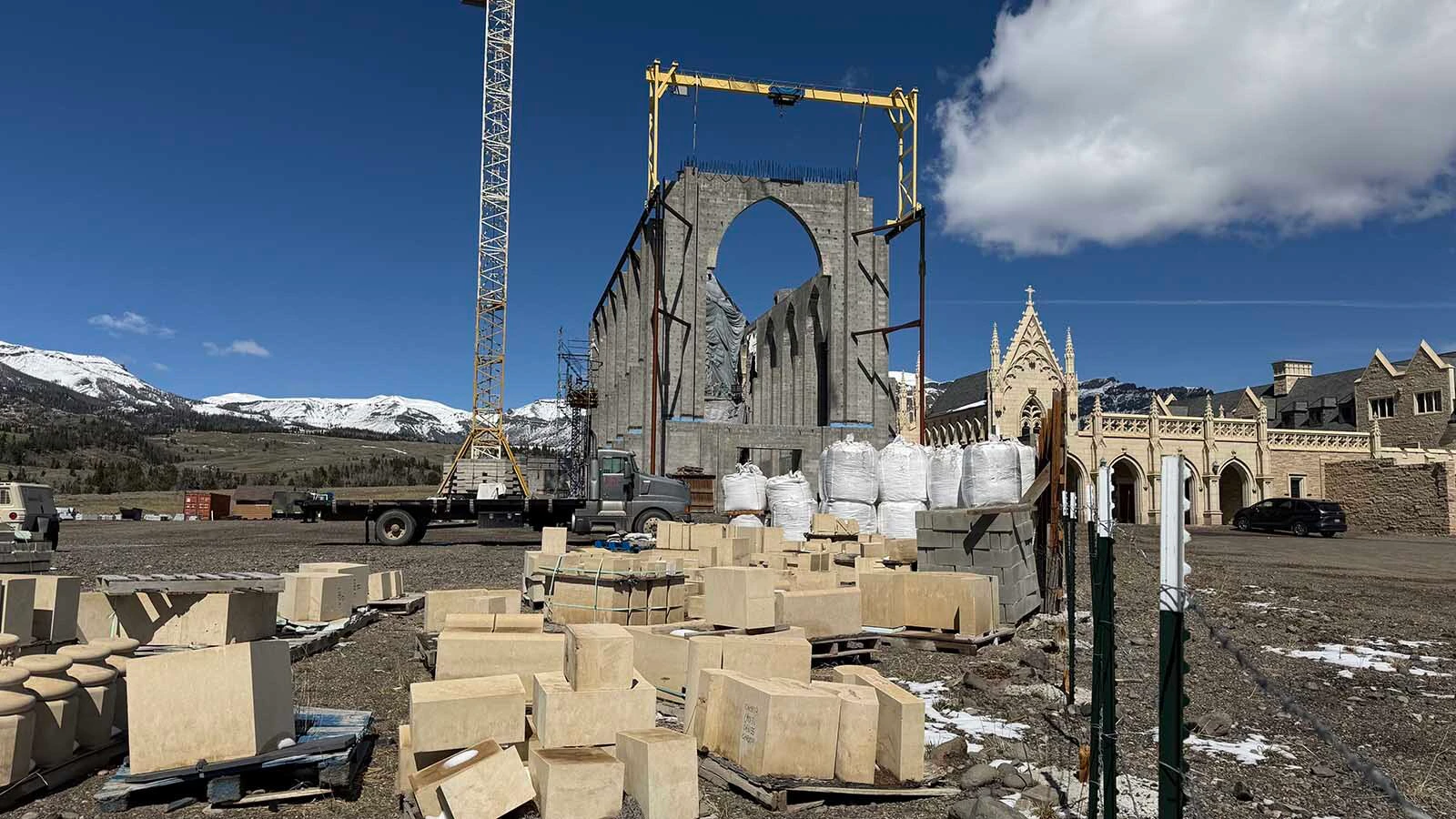
The next step — already progressing quickly — is building the church stone by stone with the help of cranes and computers.
“When we first went to build the monastery, we got quotes from professional stonemasons,” Brother Paul Marie told Cowboy State Daily during a visit to the site this week. “The cost was just astronomic, and so we decided to do it ourselves.”
At a fraction of the cost and by using modern tools — such as computer-aided design (CAD) software, a high-tech stone-cutting machine and 3D modeling technology — the monks program and cut intricate designs into the stone.
They blend stark, sharp medieval design with these modern tools, carving limestone from Kansas with millimeter precision.
“We wanted to build it in the stone to last a long time, and to be beautiful as we raise our hearts to God and for the Gregorian Chant,” Paul Marie said.
It’s a massive effort to build a massive monastery campus that’s both ornate and austere, mean to support their lives of poverty and service.
A Gothic style monastery is being built in the Bighorn Basin along Meeteetse Creek. The monks building the stone building project that the next phase of building, which is their church, will be finished in six years. Without the use of modern technology, it would have taken up to 150 years to complete by hand. (Jackie Dorothy, Cowboy State Daily) 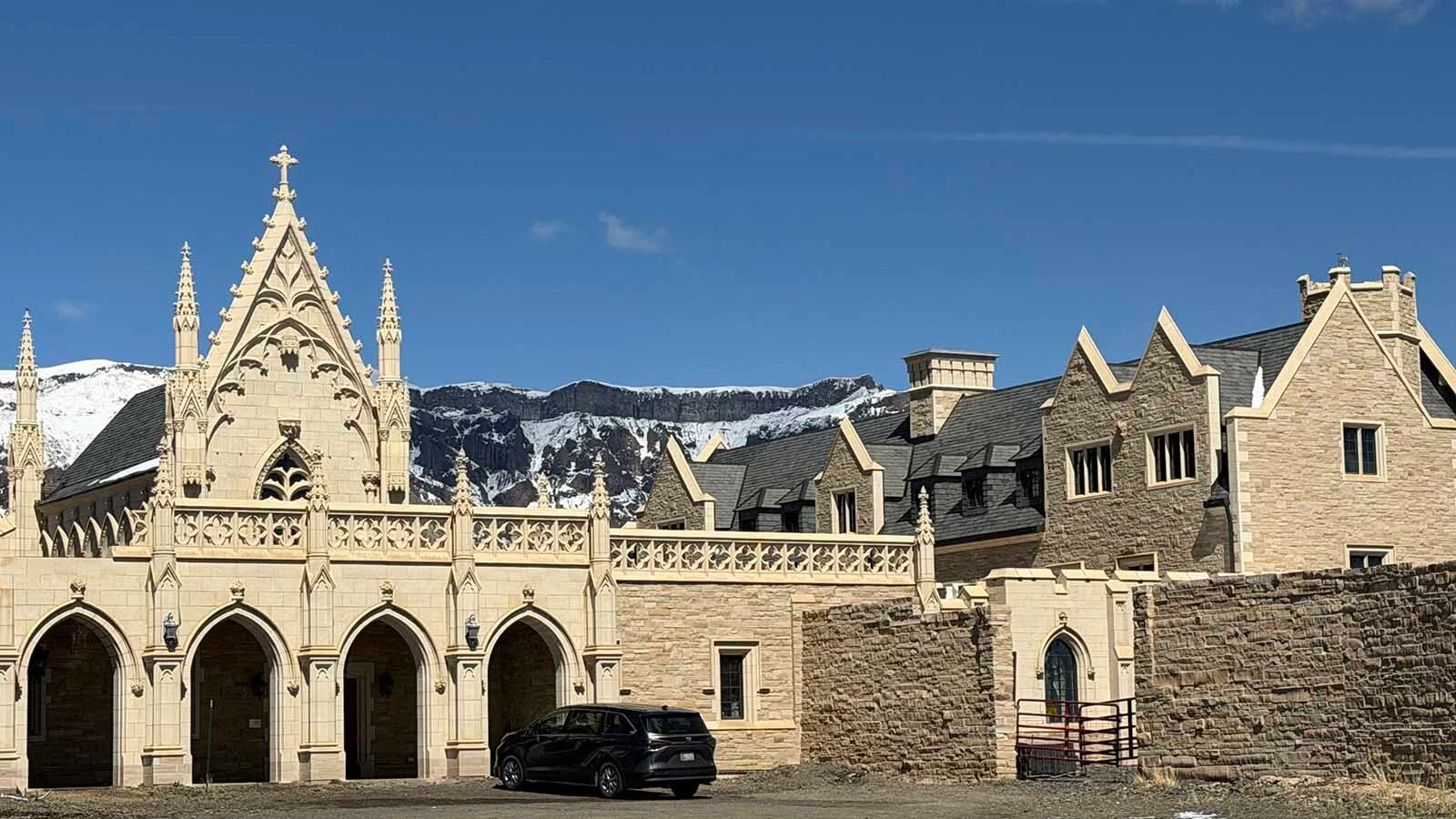
A monk at the Carmelite Monastery along Meeteetse Creek is extremely talented in art and uses a computer to shape a digital block of clay into a sculptures that are used in the construction of the monastery. (Jackie Dorothy, Cowboy State Daily) 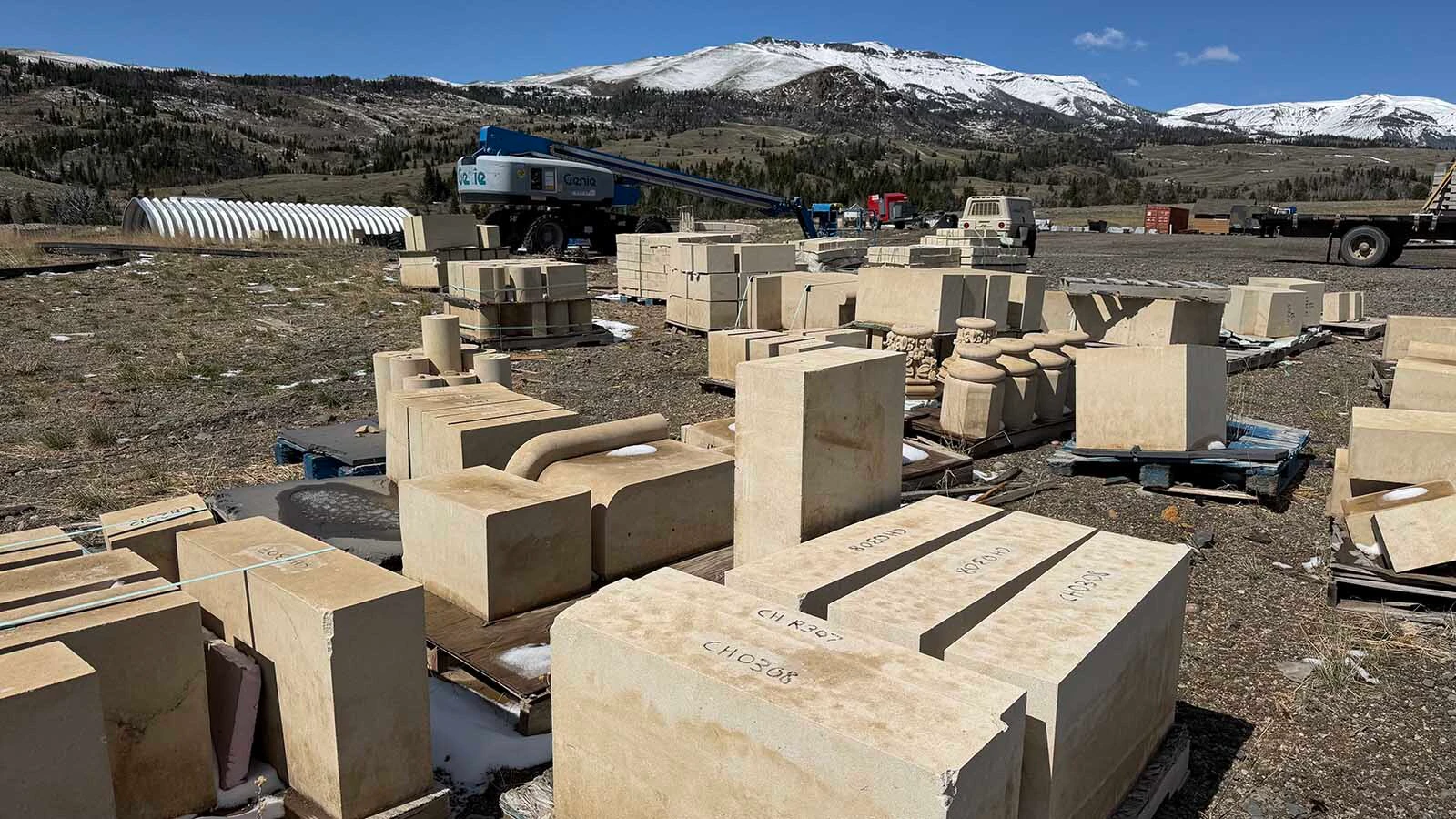
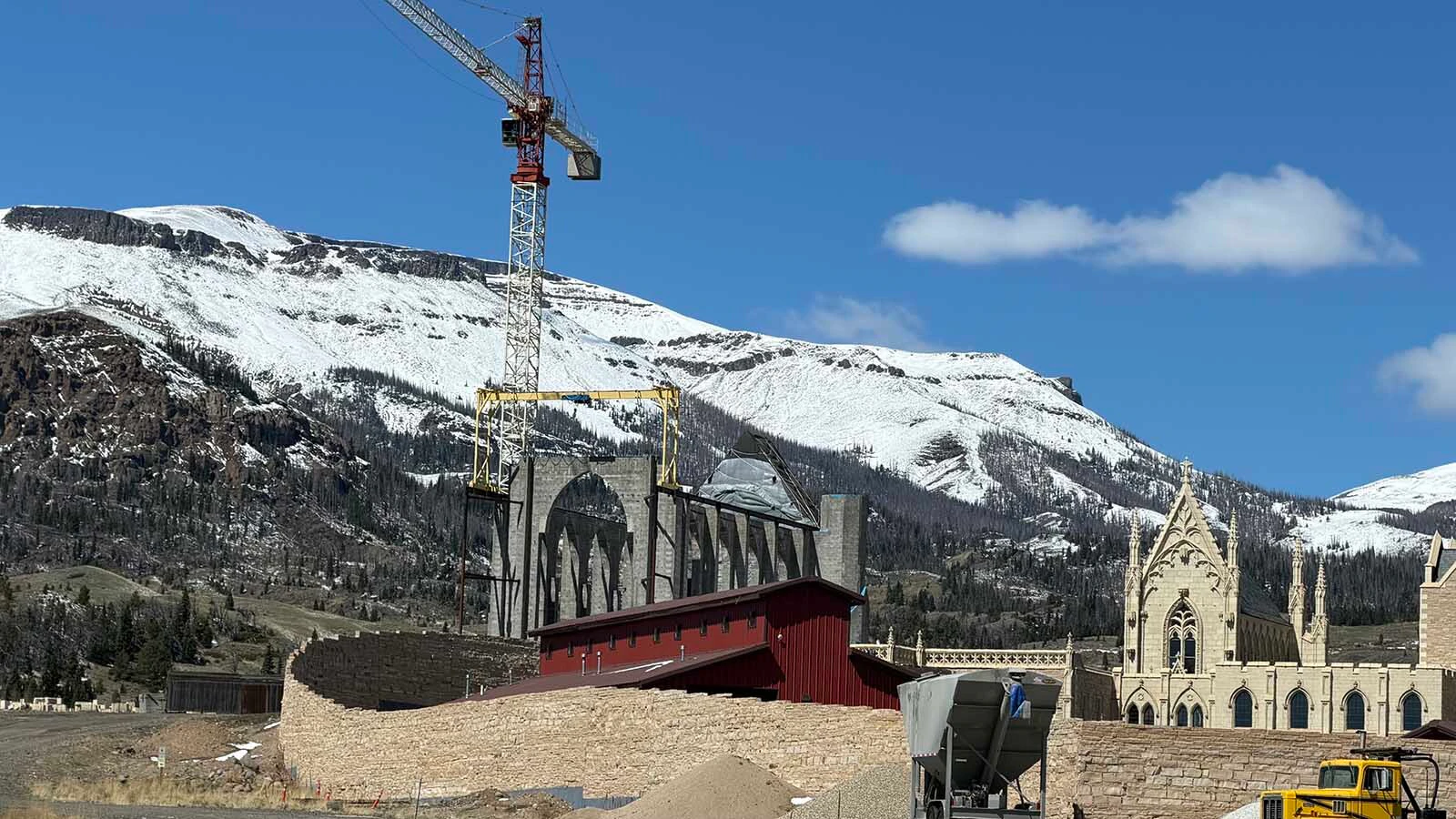
Wyoming’s monastery in the Bighorn Basin is being built in the Gothic style of the medieval monasteries of Europe. The blocks of stone are designed on a computer and carved by a robot rather than by hand, saving decades of work and millions of dollars. (Jackie Dorothy, Cowboy State Daily) 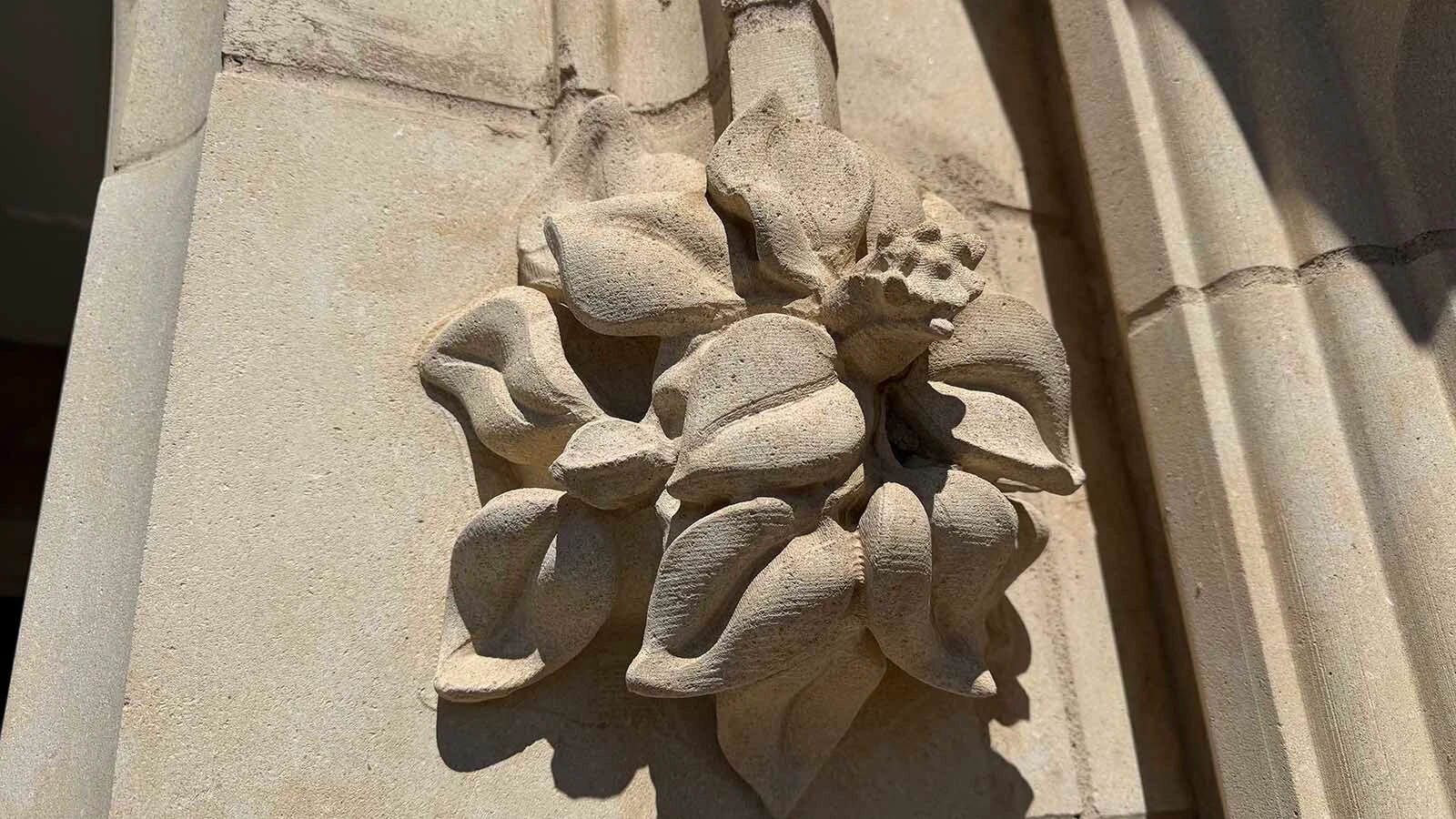
A monk at the Carmelite Monastery along Meeteetse Creek is extremely talented in art and uses a computer to shape a digital block of clay into a sculptures that are used in the construction of the monastery. (Jackie Dorothy, Cowboy State Daily) 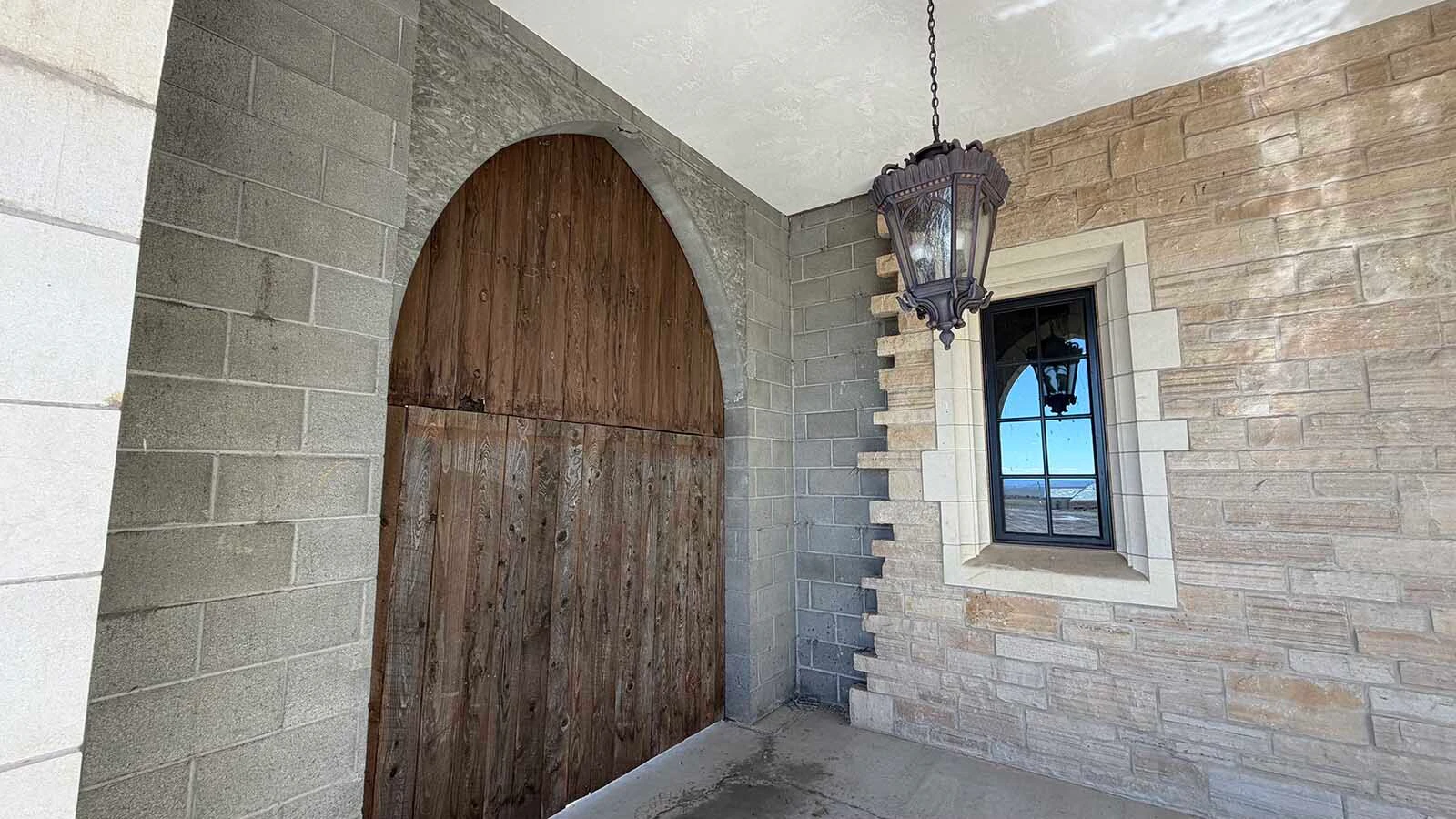
A Gothic style monastery is being built in the Bighorn Basin along Meeteetse Creek. The monks building the stone building project that the next phase of building, which is their church, will be finished in six years. Without the use of modern technology, it would have taken up to 150 years to complete by hand. (Jackie Dorothy, Cowboy State Daily) 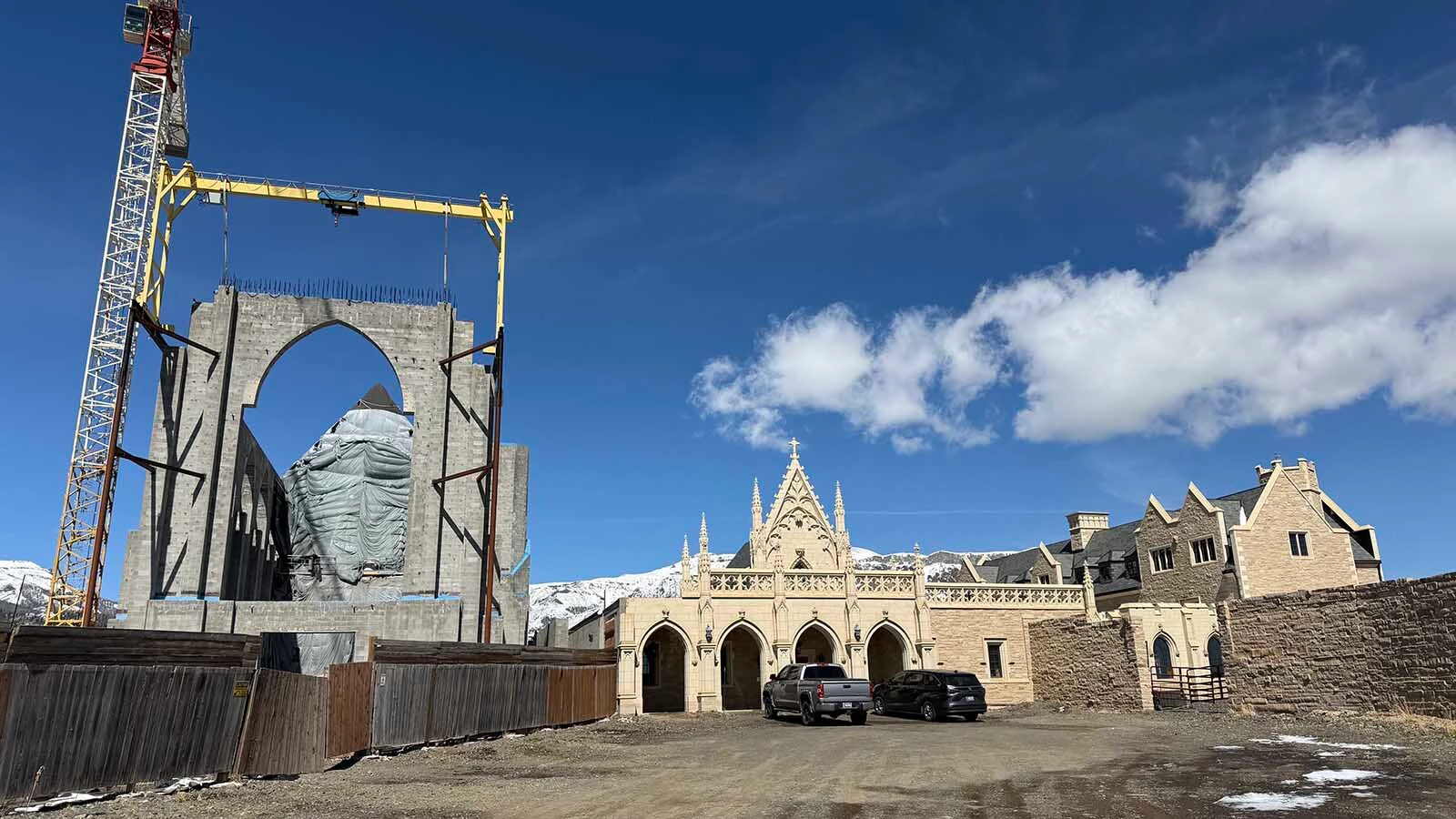
A Gothic style monastery is being built in the Bighorn Basin along Meeteetse Creek. The monks building the stone building project that the next phase of building, which is their church, will be finished in six years. Without the use of modern technology, it would have taken up to 150 years to complete by hand. (Jackie Dorothy, Cowboy State Daily)
Detailed Stonework
Seeing all the modern construction equipment and technology at the site may seem and oxymoron, but it’s totally in character for Carmelite monks all the way back to their European origins in the late 12th century.
Paul Marie said that over the centuries, monks have always used technology and have been known for their innovation.
They have a custom of looking for ways to do things more efficiently so more time can be spent on their calling and in prayer.
Paul Marie said that everything from Champagne to lowercase letters to water-powered forges have been invented by enterprising monks.
It is this tradition of innovation that the Wyoming Carmelites are leaning into to answer their prayers for a mountain monastery.
Paul Marie said that one of the Wyoming monks is extremely talented in art and uses a computer to shape a digital block of clay into a sculpture that will be used in the construction of the monastery.
“He will create a 3D model of an intricate flower, or even a gargoyle, using a touchscreen and stylist,” he said. “The CNC (computer numerical control) machines, basically huge robots, are then programed to carve the stone from his design.”
The monks have pioneered the use of the machines to do the detailed work that used to be finished by hand. This innovation has allowed them to build the monastery in only 20 years rather than 150 years.
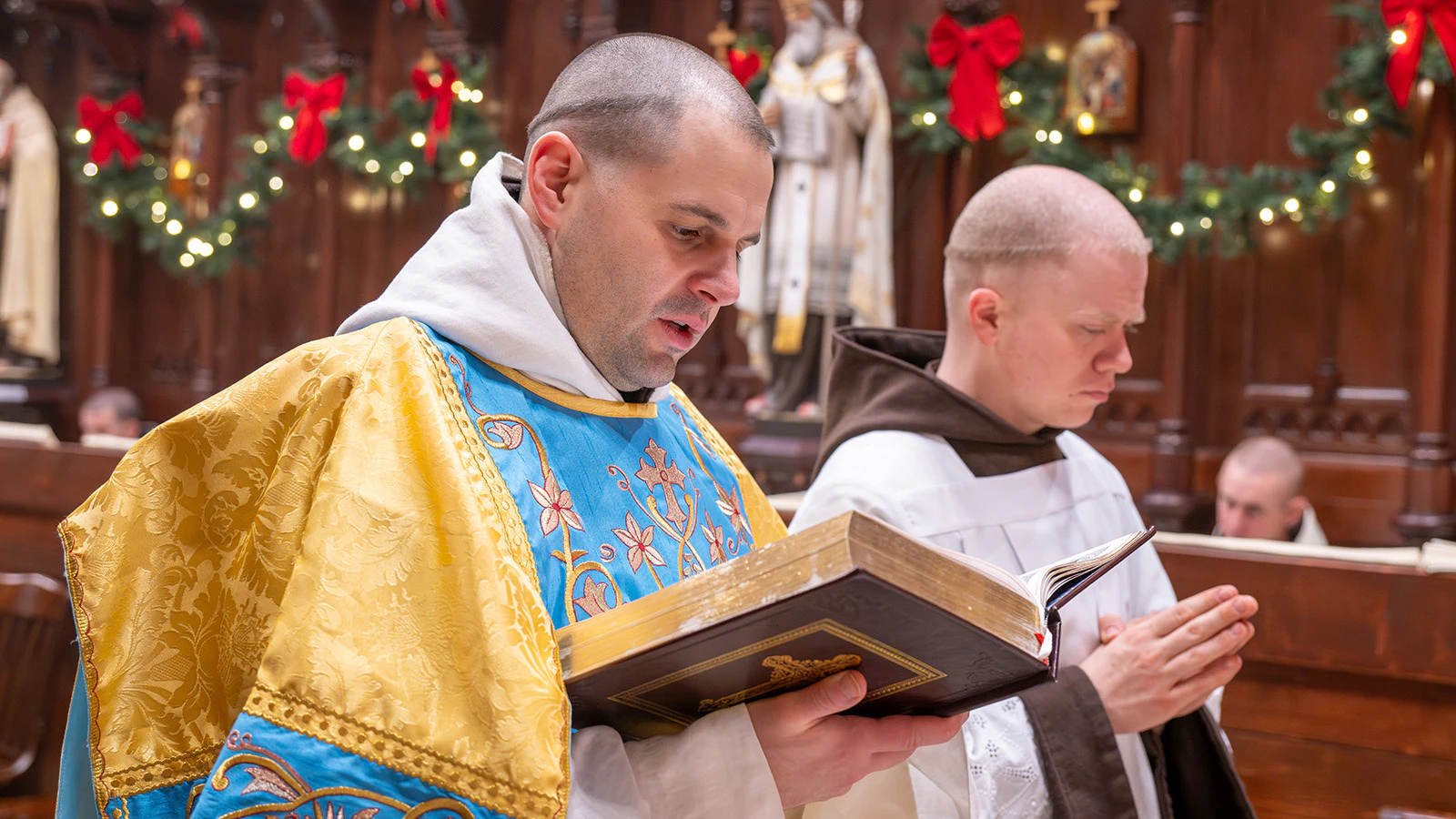
The Wyoming Carmelite monks take a vows of poverty, chastity, obedience, and manual labor. They are building their own Gothic-style monastery in the Bighorn Basin along the Meeteetse Creek. (Courtesy Carmelite Monks of Wyoming)) 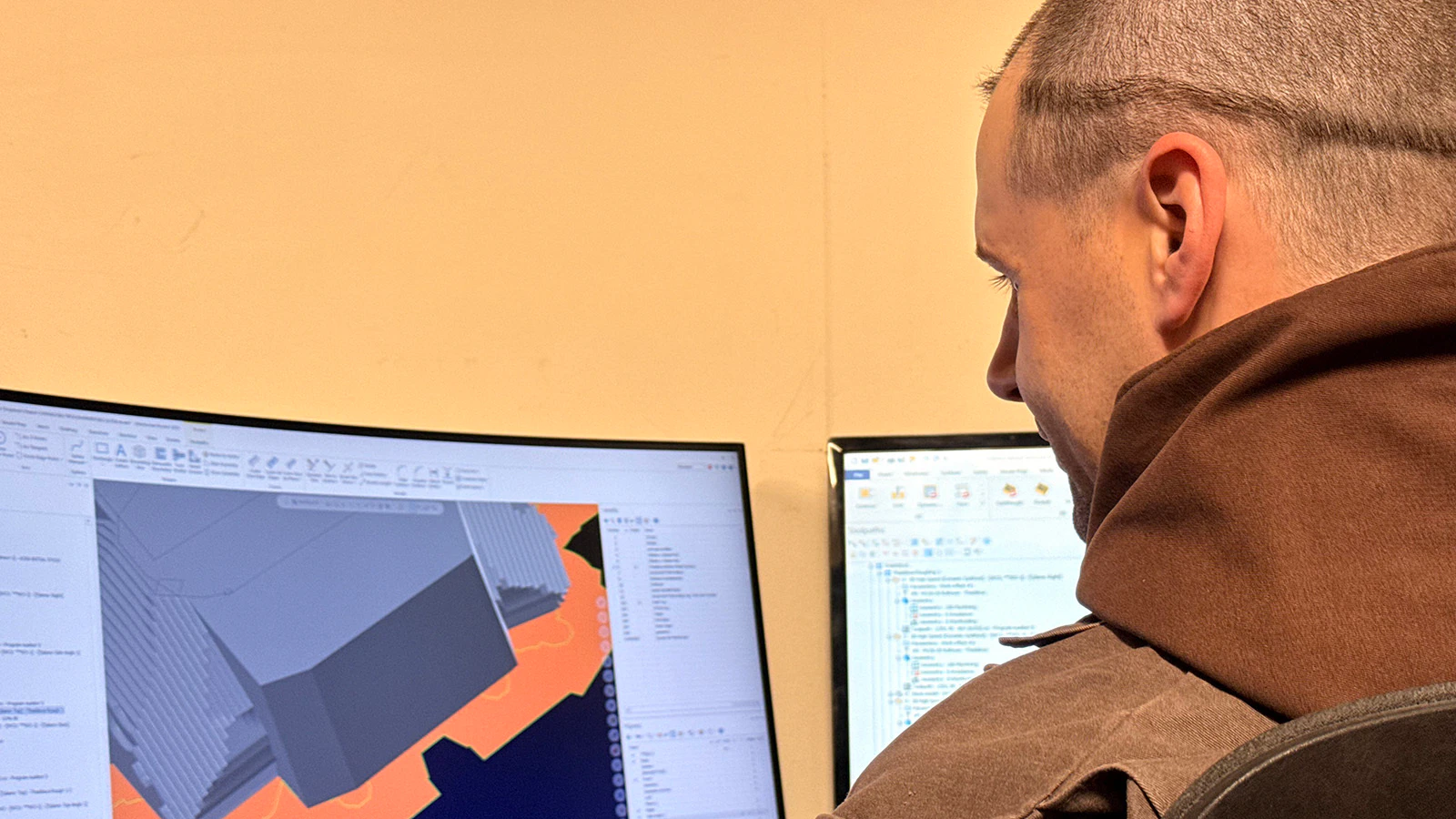
The Carmelite monks of Wyoming have used modern technology to create their Gothic style monastery in the remote Bighorn Basin region. (Courtesy Carmelite Monks of Wyoming)) 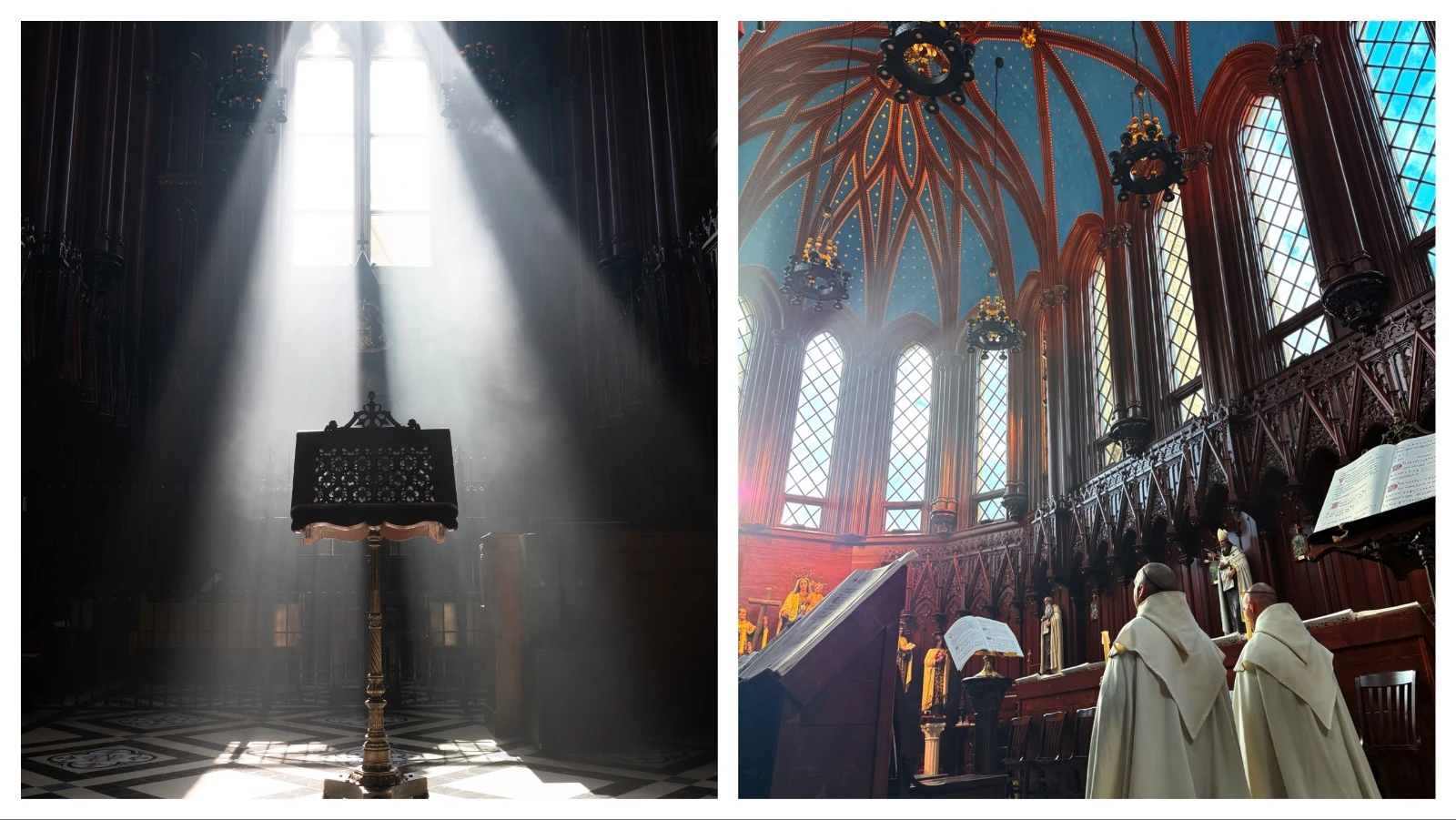
The Carmelite monks of Wyoming worked for years to build their chapel in the Gothic style and now gather several times during the day and night to pray and sing psalms. (Courtesy Carmelite Monks of Wyoming)) 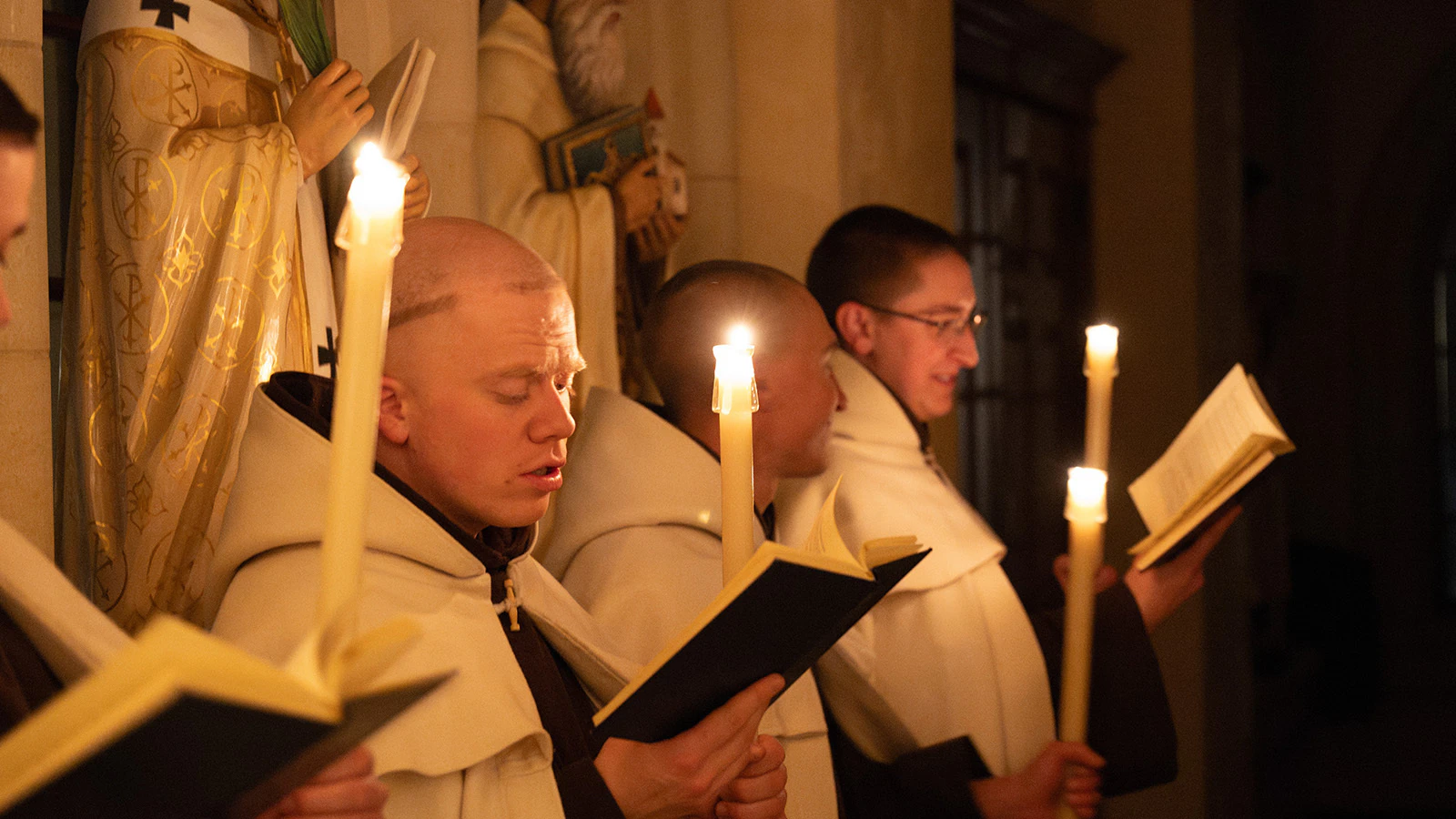
The Wyoming Carmelite monks take a vows of poverty, chastity, obedience, and manual labor. They are building their own Gothic-style monastery in the Bighorn Basin along the Meeteetse Creek. (Courtesy Carmelite Monks of Wyoming))
Wyoming Coffee
Since building the monastery includes raising money and awareness of their project, the monks looked for a way to accomplish their immense goal.
Ultimately, one way they decided to raise money was through a line of coffee they named Mystic Monk Coffee.
Paul Marie grew up in Australia drinking instant coffee and so was surprised when it was determined that he had an aptitude for roasting coffee beans.
He explained that as brothers are accepted into the order, they are assigned duties that they are best suited for.
After the outdoor construction equipment kept breaking down when he used it, it was determined that Paul Marie’s calling was not to operate heavy equipment, but to be a coffee roaster.
For nearly two decades, he has honed his skills for roasting and tasting coffee blends.
He said that in the early days, the coffee would help pay for the stone needed to build, and now sales help cover their food and electricity bills.
“It enabled us to live our life here,” Paul Marie said. “We're so far away from everyone, so it's definitely being an amazing blessing because we can reach the world through prayer and coffee.”
The Carmelite monks follow vows of poverty, chastity, obedience, and manual labor.
In accordance to these vows, they do all the roasting, packaging, marketing and shipping of Mystic Monk Coffee. In addition, the monks pray for all their customers.
“We're giving them physical food, but we're really hoping to intercede for people spiritually,” Paul Marie said. “Our spiritual fruits can leave the cloister and get into contact with people.”
The monks started with a 30-pound roaster and now have two German roasters from the 1950s that can roast more than 100 pounds at a time.
By using the internet to sell their coffee, the monks can reach the world.
One of their most distant customers is a priest in Tokyo who has bought their Wyoming coffee for the past 10 years.
The coffee he buys is sold near a busy train station and considered exotic to the locals who eagerly buy it.
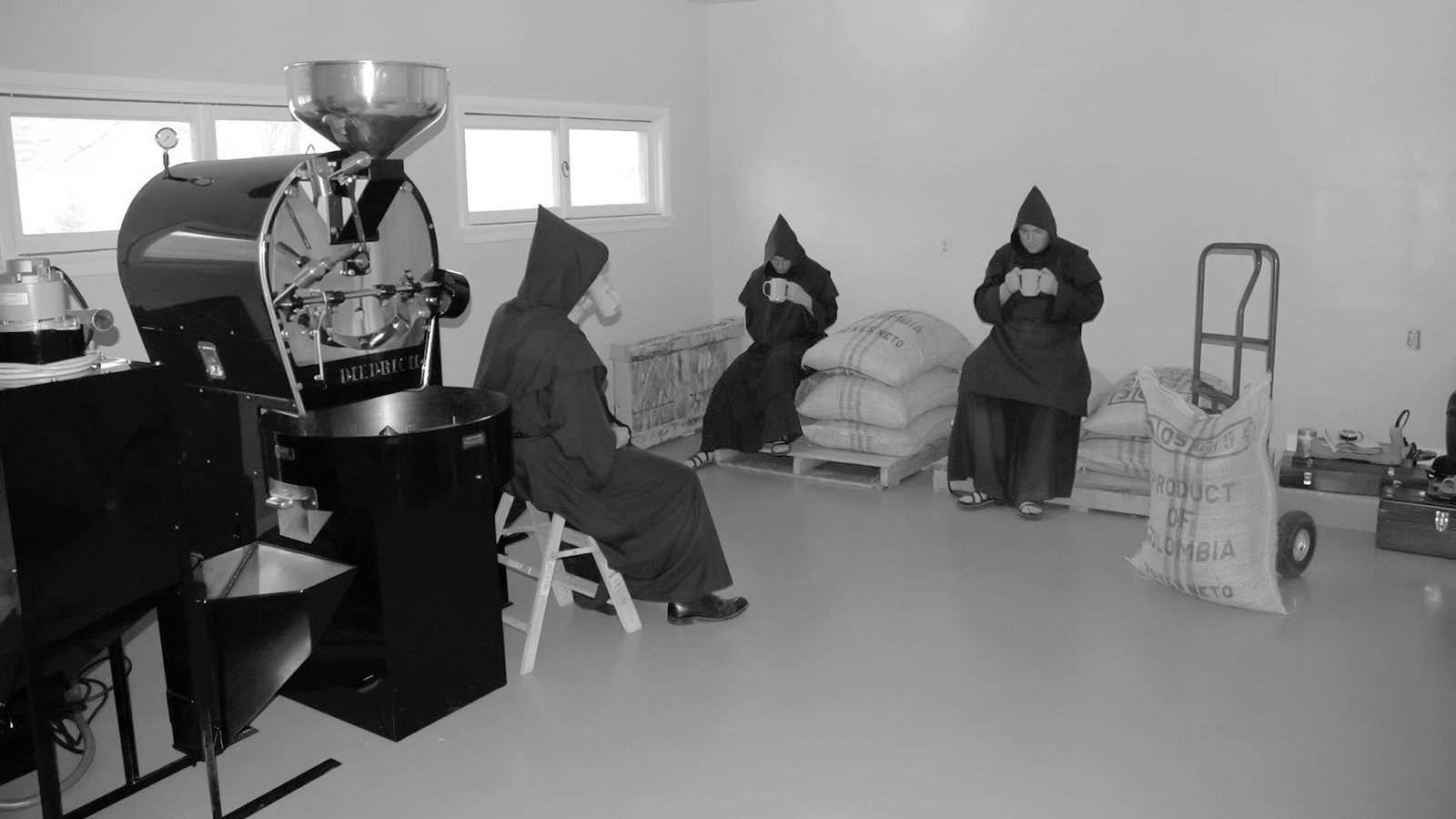
To fund their Gothic style monastery and prayerful life in the remote Bighorn Basin, the Carmelite monks of Wyoming learned to roast coffee. They now have a commercial roaster and produce their own line of coffee called Mystic Monk Coffee. (Courtesy Carmelite Monks of Wyoming)) 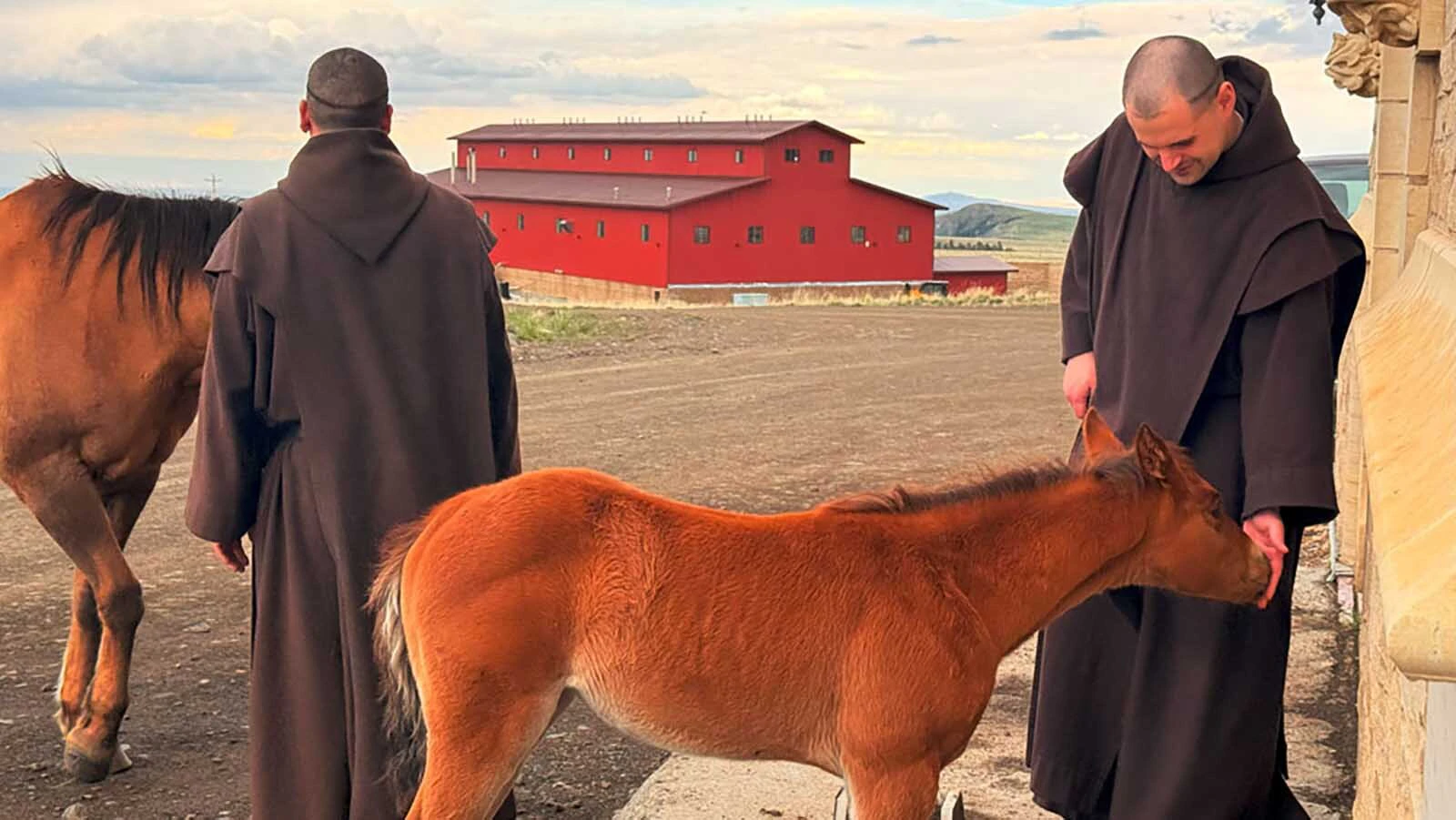
The Wyoming Carmelite monks live on a former ranch where they are building their Gothic style monastery from stone. To help fund their prayerful lives in the mountains of the Bighorn Basin, the monks run Angus cattle and have a special habit they wear when living the cowboy life. (Courtesy Carmelite Monks of Wyoming)) 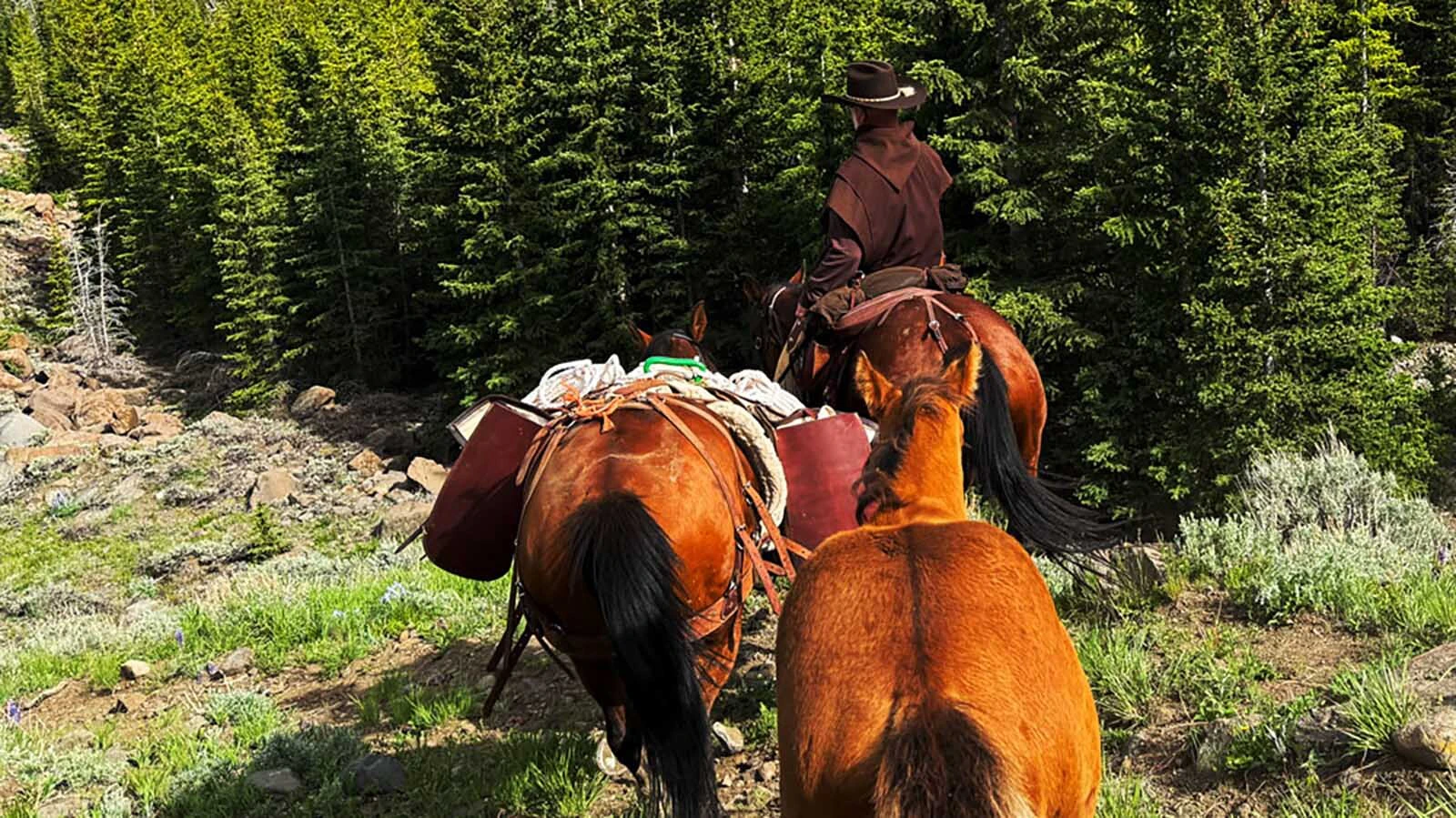
The Wyoming Carmelite monks live on a former ranch where they are building their Gothic style monastery from stone. To help fund their prayerful lives in the mountains of the Bighorn Basin, the monks run Angus cattle and have a special habit they wear when living the cowboy life. (Courtesy Carmelite Monks of Wyoming)) 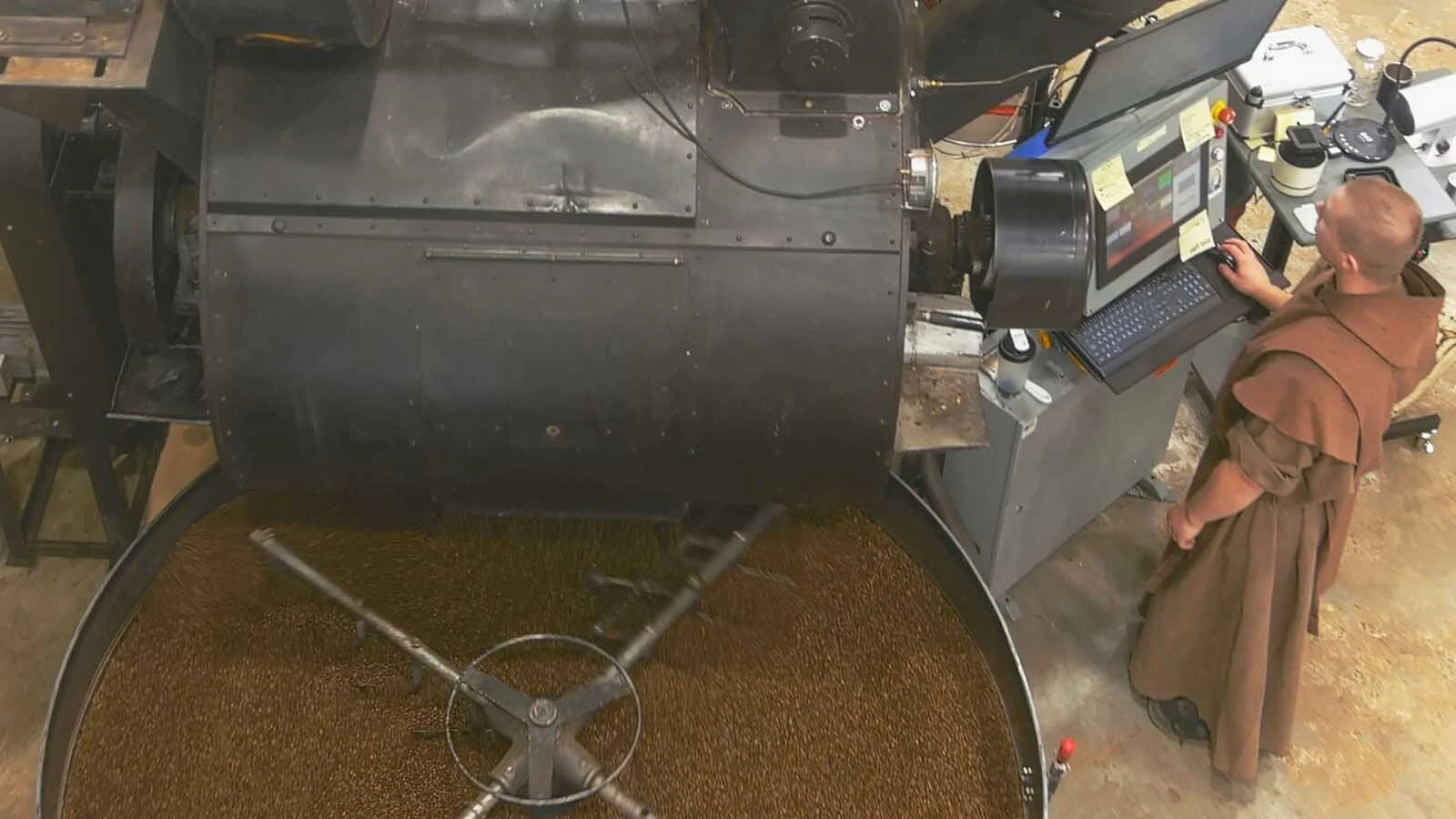
To fund their Gothic style monastery and prayerful life in the remote Bighorn Basin, the Carmelite monks of Wyoming learned to roast coffee. They now have a commercial roaster and produce their own line of coffee called Mystic Monk Coffee. (Courtesy Carmelite Monks of Wyoming))
Cowboy Monks
Another way to fund the monastery and help defray costs is through the monastery’s herd of Angus cattle.
Their founding monk, Father Daniel Mary, grew up on a ranch in Powell, and several of the monks have also found their calling to include the cowboy way of life.
The cowboy monks wear a modified habit called an extraordinary work habit that includes the traditional scapular, but can be tucked in while working.
Their approved modified uniform includes brown jeans, cowboy boots and a cowboy hat.
Originally, the Carmelite monks ran Black Angus but discovered that they did not do well in the high mountains and have been modifying until now when they are running a smaller Angus that seem to enjoy the altitude and crisp mountain air.
(Jackie Dorothy, Cowboy State Daily) 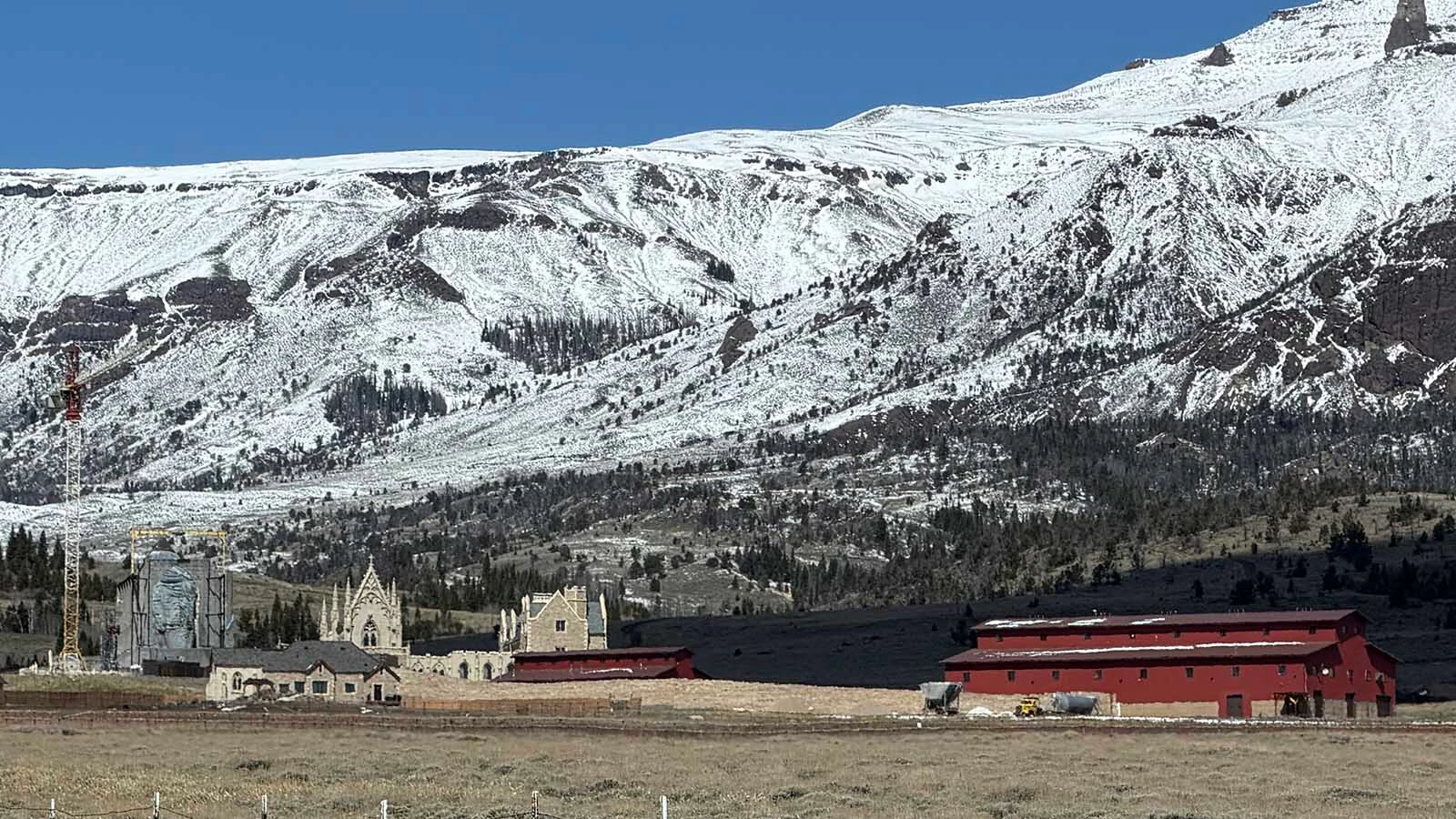
Brother Paul Marie of Wyoming’s Carmelite monks said that he thanks God for their monastery because he realizes that when God created the earth, He knew there would be a monastery located here under these mountains. (Jackie Dorothy, Cowboy State Daily) 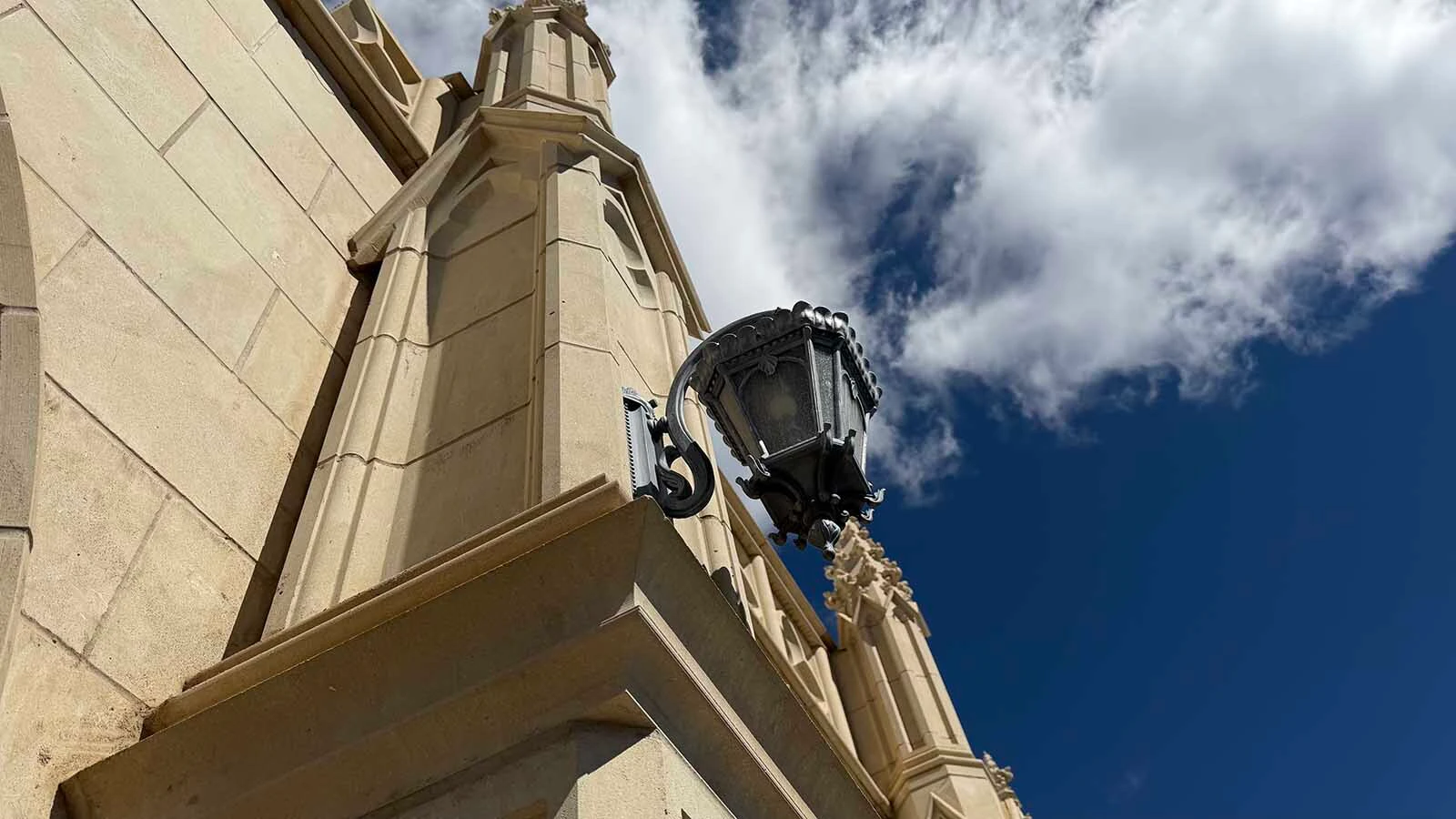
A monk at the Carmelite Monastery along Meeteetse Creek is extremely talented in art and uses a computer to shape a digital block of clay into a sculptures that are used in the construction of the monastery. (Jackie Dorothy, Cowboy State Daily) 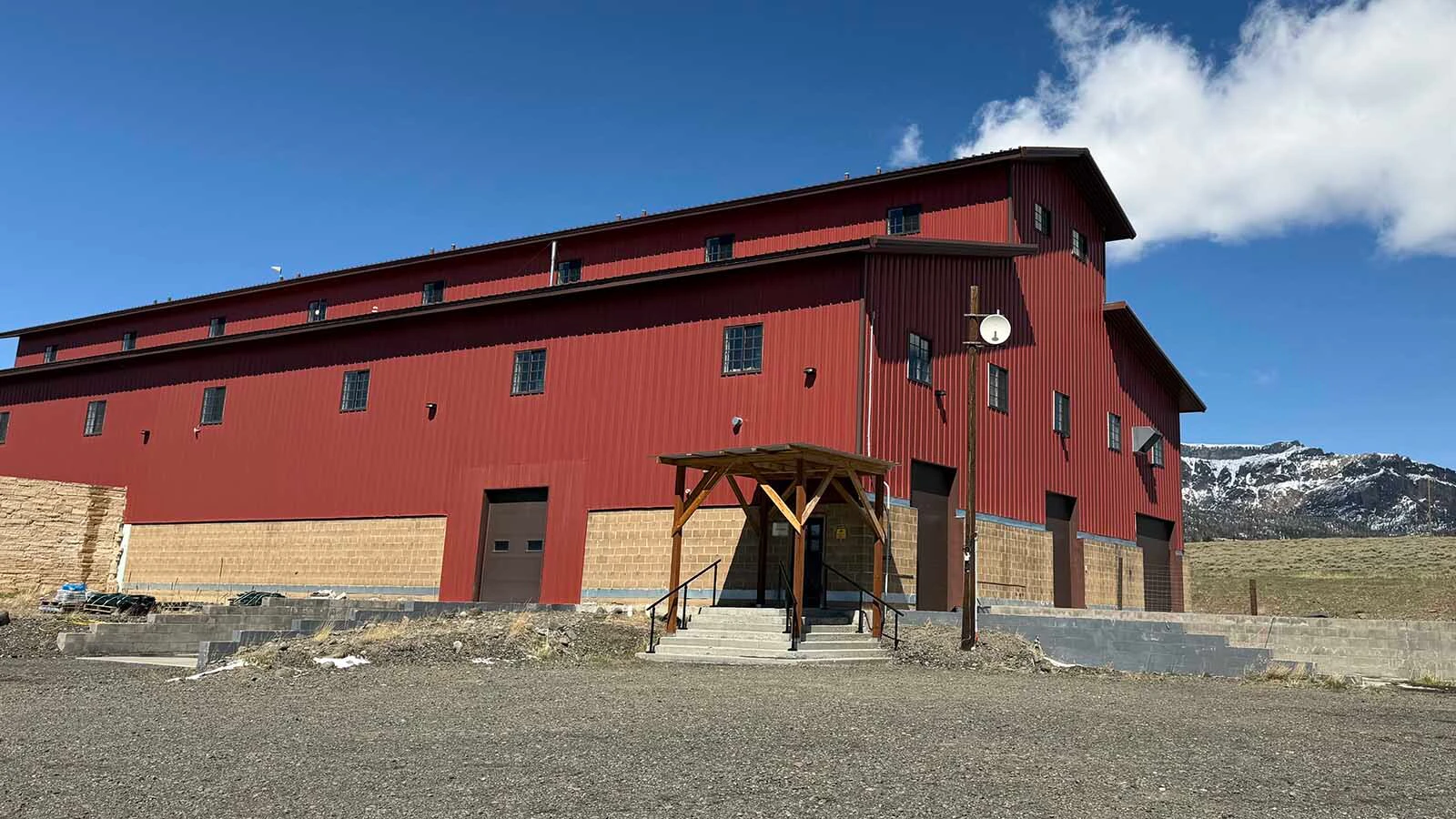
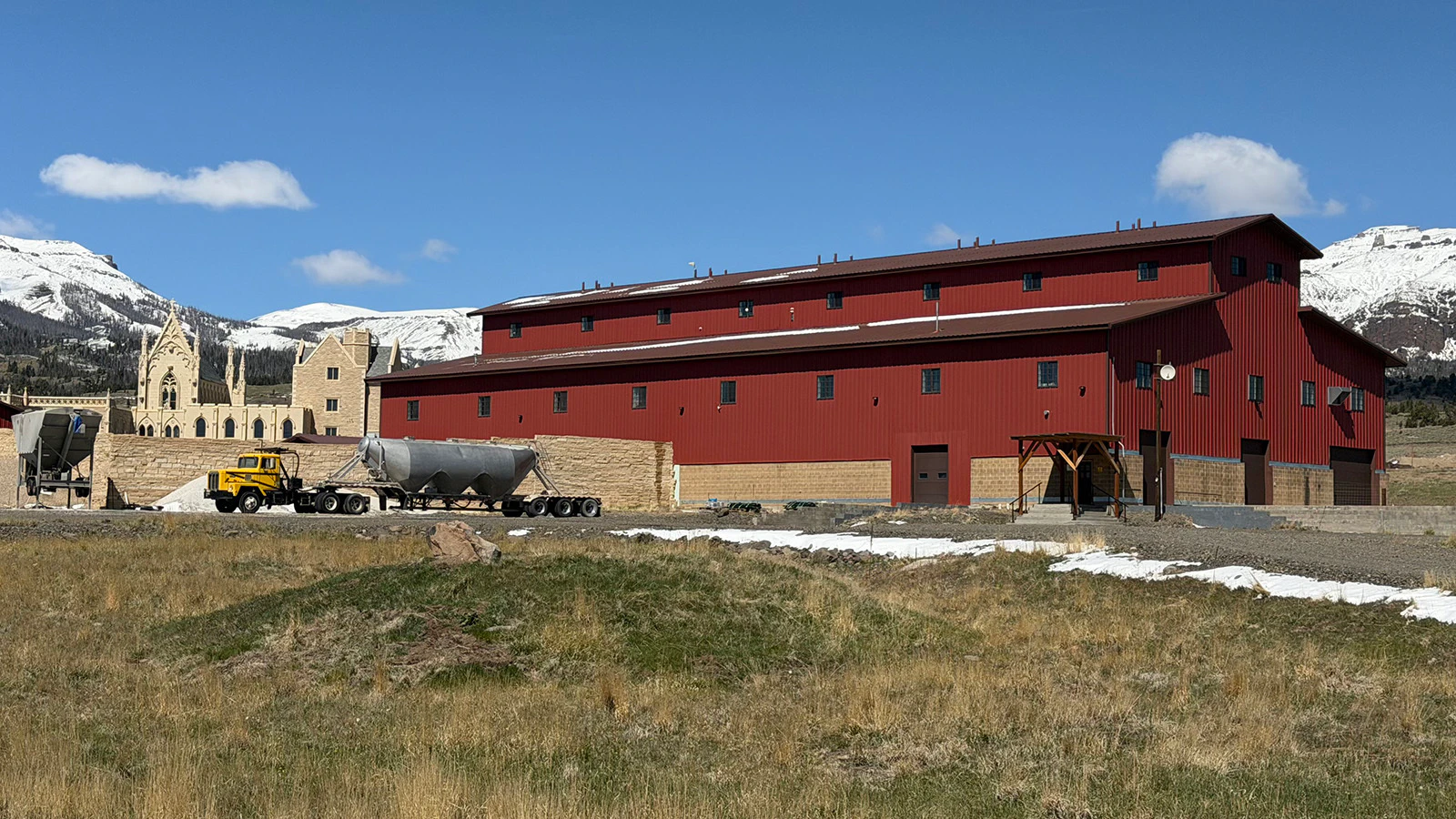
To fund their monastery in the mountains, the Wyoming Carmelites decided to roast coffee to sell online nearly two decades ago. They started in a small, smokey kitchen and now have expanded to a commercial coffee roasting building along the Meeteetse Creek, high in the mountains of the Bighorn Basin. (Jackie Dorothy, Cowboy State Daily) 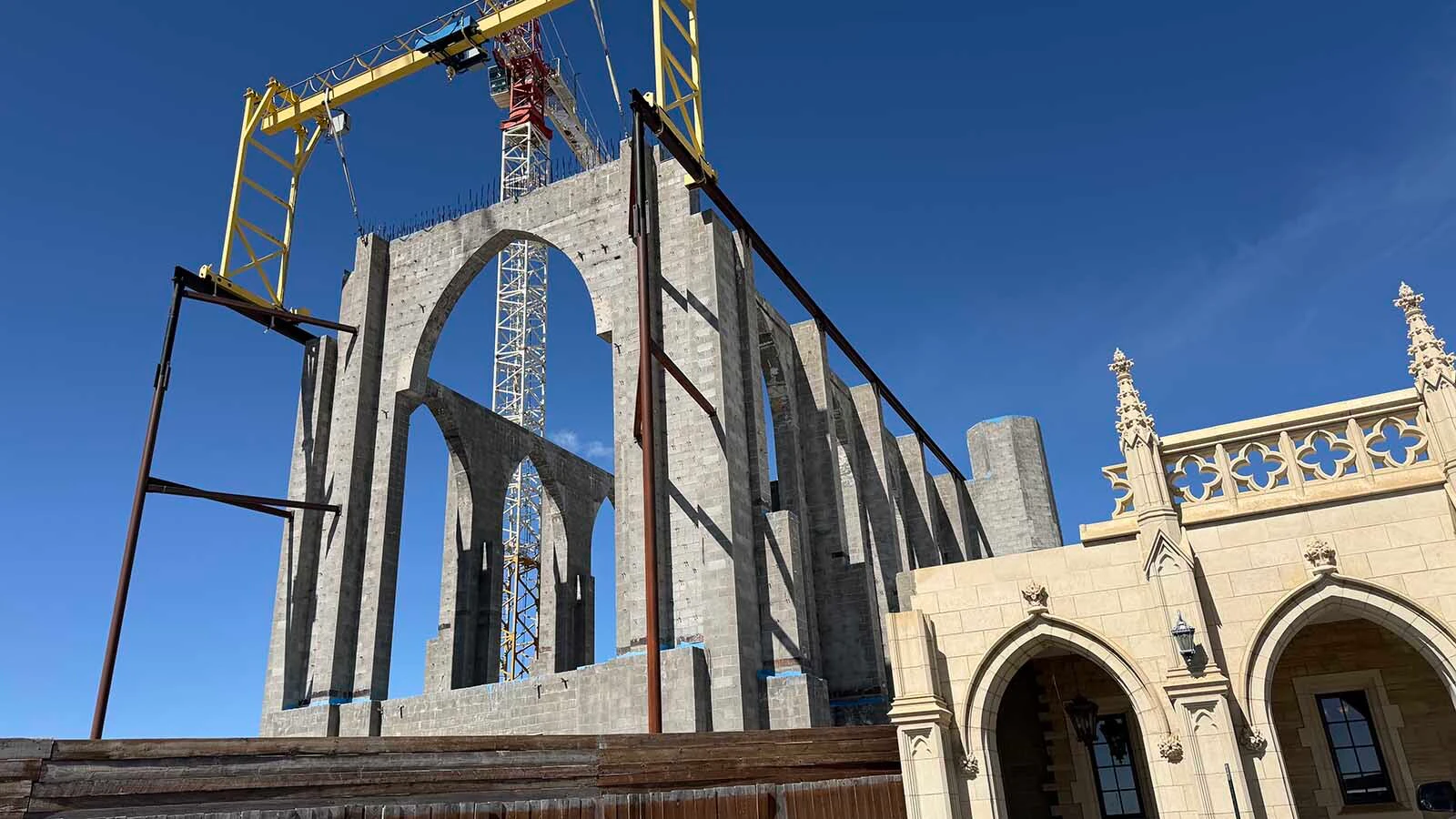
A Gothic style monastery is being built in the Bighorn Basin along Meeteetse Creek. The monks building the stone building project that the next phase of building, which is their church, will be finished in six years. Without the use of modern technology, it would have taken up to 150 years to complete by hand. (Jackie Dorothy, Cowboy State Daily)
Life In The Mountains
The life of a Wyoming Carmelite monk means waking up before 6 in the morning. Paul Marie said that includes a little coffee before heading to the chapel.
“The bell will ring for the Angelus, and then we'll have our first morning office,” he said. “We'll pray and sing psalms, and then we'll have an hour of silent prayer. It’s very peaceful.”
After prayers and mass, each monk will head to his daily work at about 9 a.m.
Paul Marie will head to the commercial coffee roasting shop while others will continue building the monastery in their various roles.
At noon, lunch is served, and then the silence they’ve been observing since waking is lifted so the brothers can have their social time.
“We tell stories, jokes, and share spiritual matters,” Paul Marie said. “After that, we have another few hours of work, and by 4:30 p.m., we're all back together, and then we head to our evening prayer, our vespers, and the Gregorian Chant.”
Life revolves around their prayers, including a midnight vigil, which Paul Marie said gives the brothers a peaceful rhythm.
“I thank God for this blessed moment, because I realize when God created the earth, he knew there would be a monastery here under these mountains,” he Paul Marie said. “We have been called to this particular life by God to intercede for the whole world and I’m just a little monk grateful to be here.”
Jackie Dorothy can be reached at jackie@cowboystatedaily.com.