
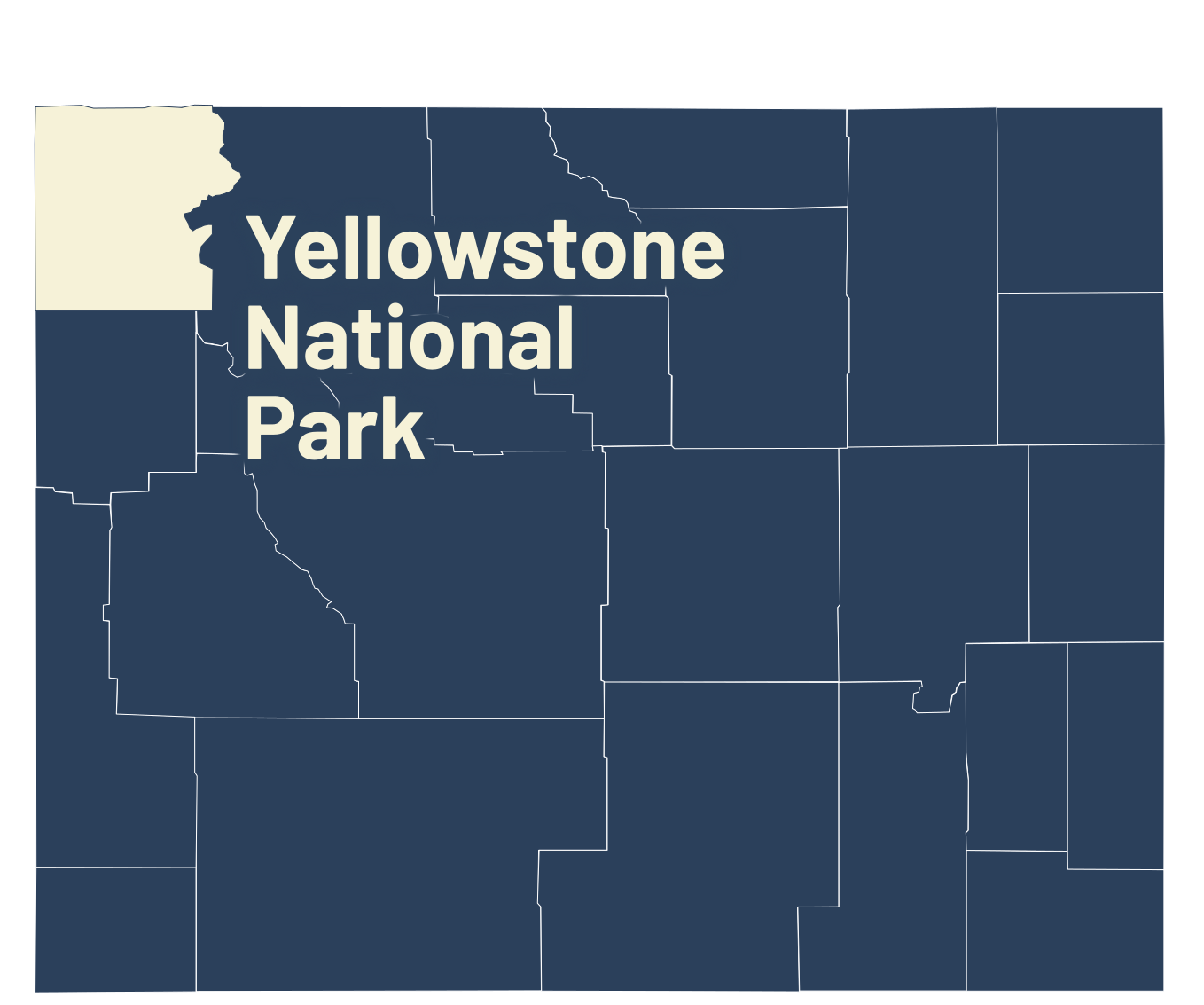
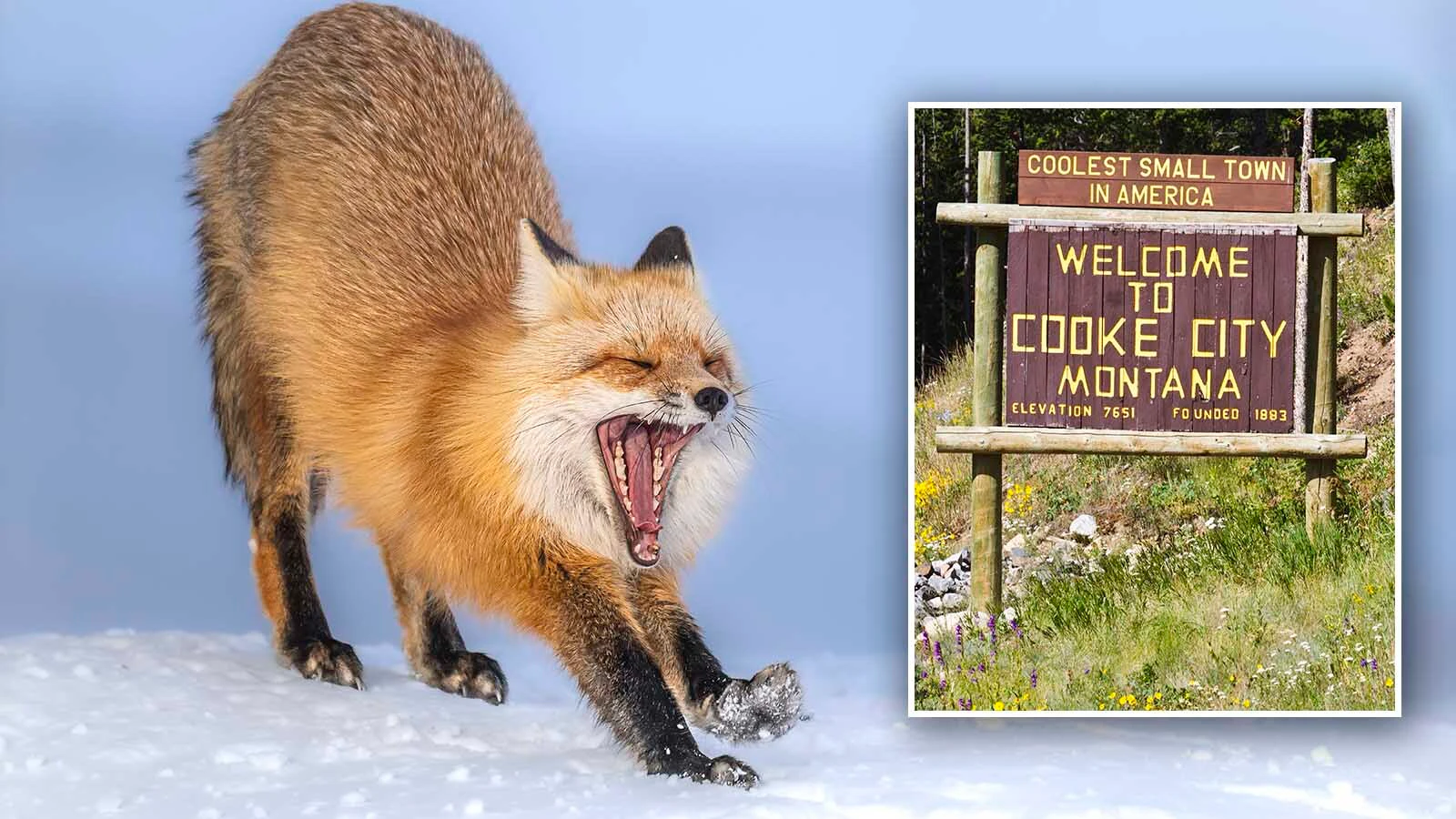
Red Foxes in the Cooke City-Silver Gate area near the Wyoming-Montana State line have nearly pure wild genetics going as far as 100,000 years ago, but some worry that they’re getting too used to humans and begging for snacks.
People feeding them greatly increases the risk of disease spreading among the foxes, biologist Patrick Cross told Cowboy State Daily, noting that an outbreak of distemper recently took a terrible toll on Wyoming’s wolves.
“A disease outbreak in the Cook City area could damage a reservoir of good wild fox genetics that hasn’t been tainted by fur farm fox genetics,” said Cross, the Butte District biologist for the Montana Department of Transportation.
From 2012 to 2015, he conducted graduate-level research on the Beartooth Plateau fox population, including those around Cooke City-Silver Gate.
That was part of a yearslong research project involving that unique and basically isolated subpopulation of red foxes.
Real Beauties
Wildlife photographer Joseph Marc told Cowboy State Daily that he first encountered the foxes in Cooke City-Silver Gate a few years ago, and became enthralled with them.
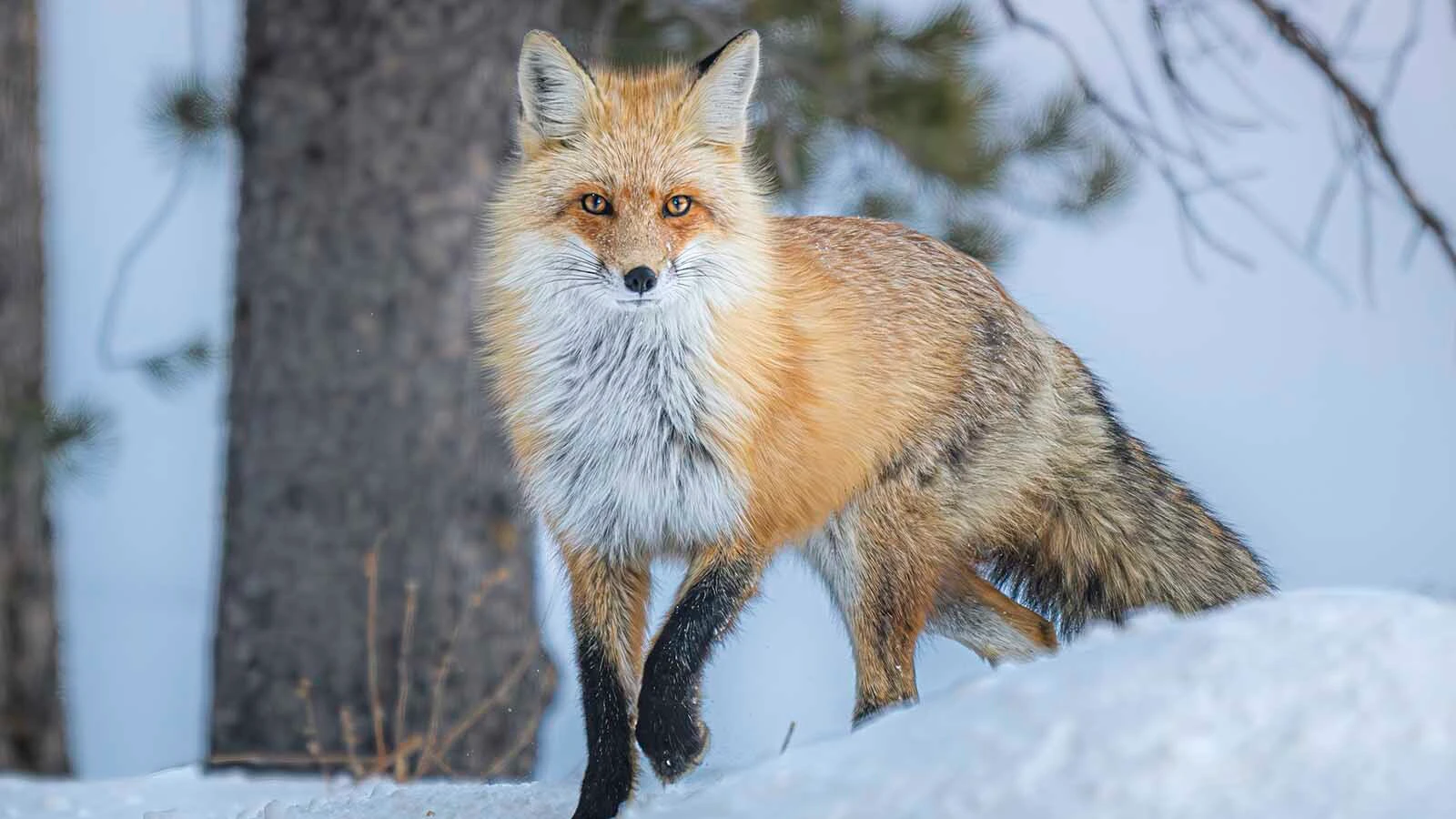
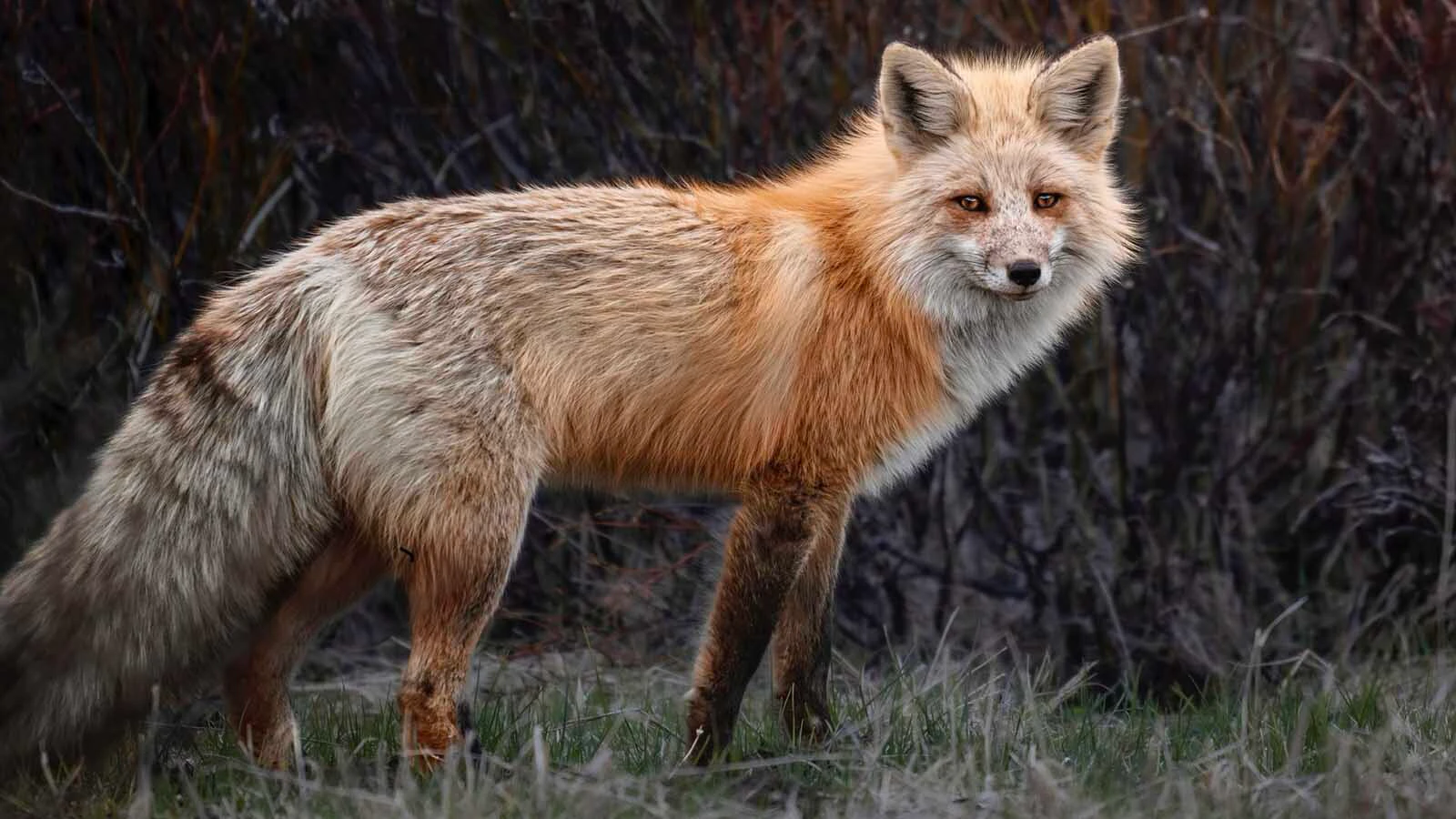
He appreciates their unique appearance.
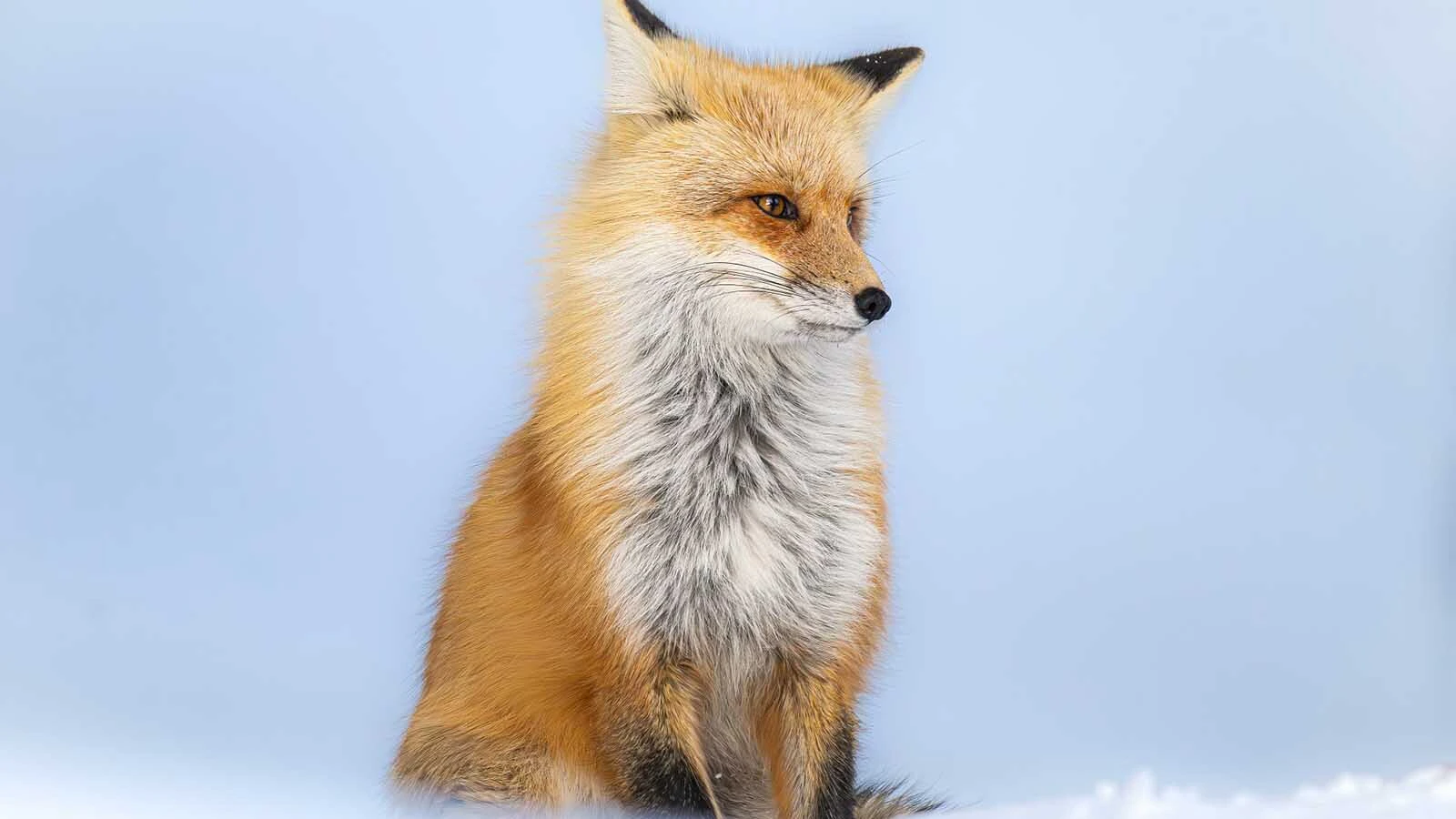
“Their ears are a bit smaller than the typical red fox and their feet have a little bit more fur on them,” he said.
“They also tend to have a more earthy color, instead of that typical bright red color,” Marc added.
While he’s been taken with the foxes, he said he doesn’t like some of the human behavior he’s seen toward them.
“Unfortunately, those foxes up there, they’re so habituated to people. People feed them regularly,” he said.
High Altitude, Cold Weather
Red foxes came to North America across the then-dry Bering Land Bridge between Siberia and Alaska in two waves between ice ages, Cross said.
The first wave came 200,000 to 500,000 years ago and dispersed widely across North America. The second wave of red foxes was around 10,000 to 100,000 years ago.
Many of those in the second wave of foxes settled into more isolated, high-altitude environments, such as the Beartooth Plateau, Cross said.
Those became what are commonly called Rocky Mountain red foxes.
And those around Cooke City-Silver Gate northeast of Yellowstone National Park are “different enough to have a different genetic profile,” he said.
That could make them somewhat of a unique subpopulation, although probably not a full-blown subspecies, he noted.
On the fringes of their habitat, there’s still interbreeding with other fox populations, Cross said.
They’re also especially adapted to harsh, cold conditions at high altitudes, he said.
That might account for their larger, more furry feet, which allow them to run across the top of deep snow, Cross said.
Their smaller ears are a good cold-weather adaptation. Smaller ears concentrate more blood vessels in a smaller area, thereby conserving warmth, he said.
The Cooke City-Silver Gate foxes are also “noted for having a higher frequency of very light colors” in their coats, Cross added.
Genetic Mixing
Broad-scale research of North American Red foxes indicates a mishmash of genetics, particularly among those living at lower altitudes, Cross said.
Many North American red foxes might carry European genes, he said.
It’s thought that could have resulted from European settlers bringing foxes with them to perpetuate the sport of fox hunting, which was popular amongst aristocrats, he said.
Also, the thicker and “deeper red” coats in some wild foxes might be the result of interbreeding with foxes that escaped fur farms over the years, Cross added.
So, the lighter coloring of the Foxes up around Cooke City could indicate more pure wild genetics, he noted.
Natural Diet
While humans shouldn’t feed foxes, or any wildlife, for that matter, red foxes have a variety of natural foods available to them in high-mountain environments, Cross said.
That includes small rodents, such as pocket gophers, he said.
The foxes around Cooke City might also take advantage of their bigger, furry feet to chase down snowshoe hares during the winter.
And researchers were also somewhat surprised and pleased to find out the foxes eat high-altitude whitebark pine nuts.
That’s a taste they share with other animals in the area, including pine martens and grizzly bears, Cross said.
Those who spot red foxes around Cooke City-Silver Gate should appreciate what they’re seeing, and please don’t feed them, Cross said.
“They are a native species that has been there since the last ice age, or even before,” he said.
Mark Heinz can be reached at mark@cowboystatedaily.com.


