
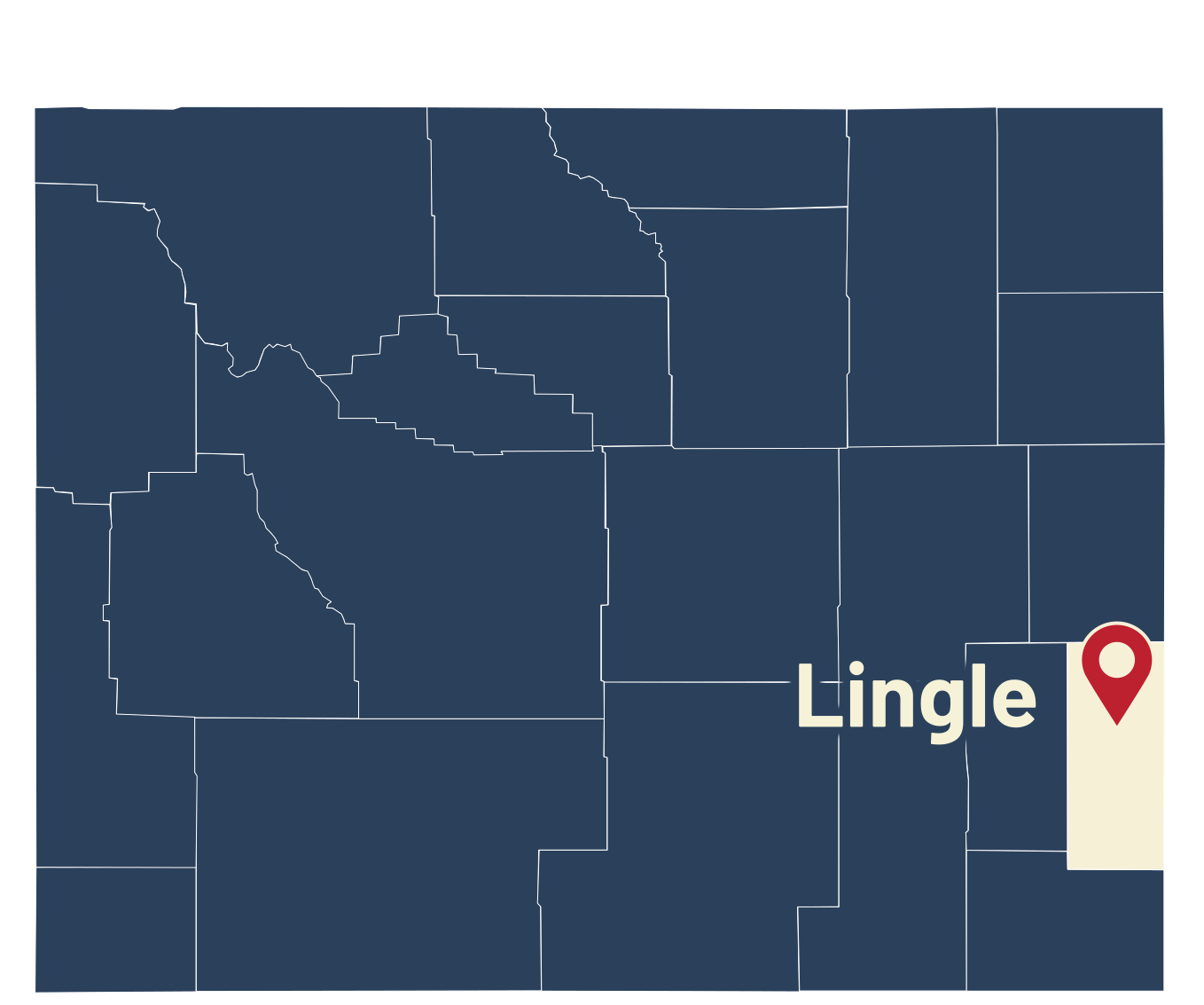
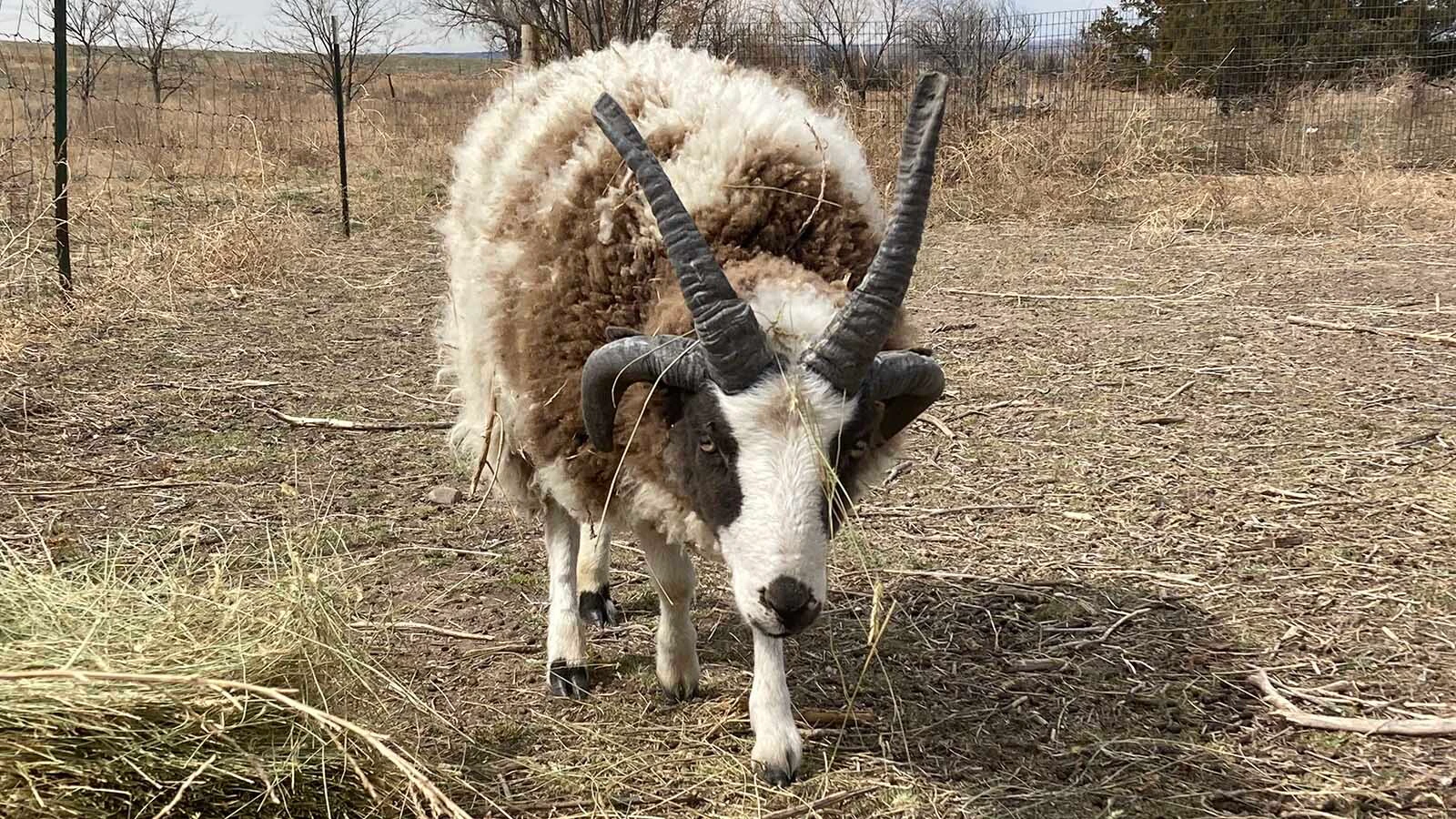
When people see Timothy Barkman's four-horned Jacob sheep at his farm near Lingle, they stop and stare.
The sheep look unlike almost anything else grazing Wyoming pastures.
Their piebald coats are splashed with black, white and sometimes lilac patches. Some sport the familiar pair of curled horns. Others grow four. A rare few grow six, thanks to a genetic trait known as polyceraty.
They're striking enough that people often stop and ask questions, Barkman said.
Years ago, Barkman felt the same curiosity.
"I had seen a few of them around and always thought they looked kind of cool," he said.
At the time, he was debating between Jacob and Barbados sheep. Then he attended an exotic livestock auction in Lexington, Nebraska.
"They had a couple of ewes with lambs," Barkman recalled. "So that's how I ended up buying my first ones."
Barkman's purchase eventually grew into a flock of registered Jacob sheep grazing the same ground where his family has raised livestock for more than a century.
"I'm a fourth generation in this house that I'm living at," he said. "It was my great grandpa's homestead, so we've had sheep, cows and pigs on this place for the last 105 years."
Today, Barkman keeps six breeding ewes and two rams. The prolonged drought and the cost of installing sheep-proof fencing have slowed his plans to expand, but he'd eventually like to grow the flock to 20 or 30 ewes.
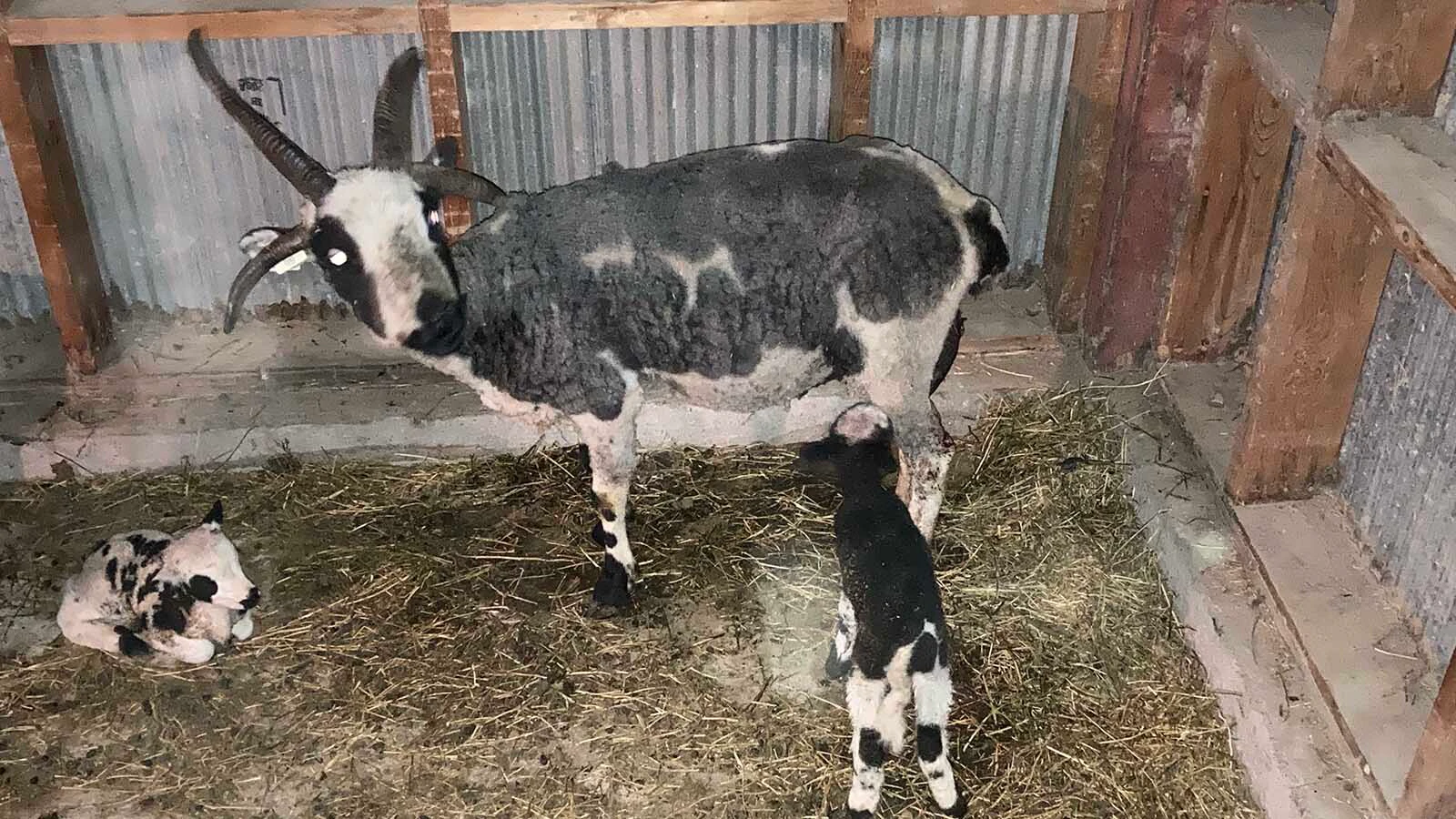
Timothy Barkman says lambs are about the size of a house cat when they're born and are one of his favorite parts of raising the rare heritage breed. (Timothy Barkman) 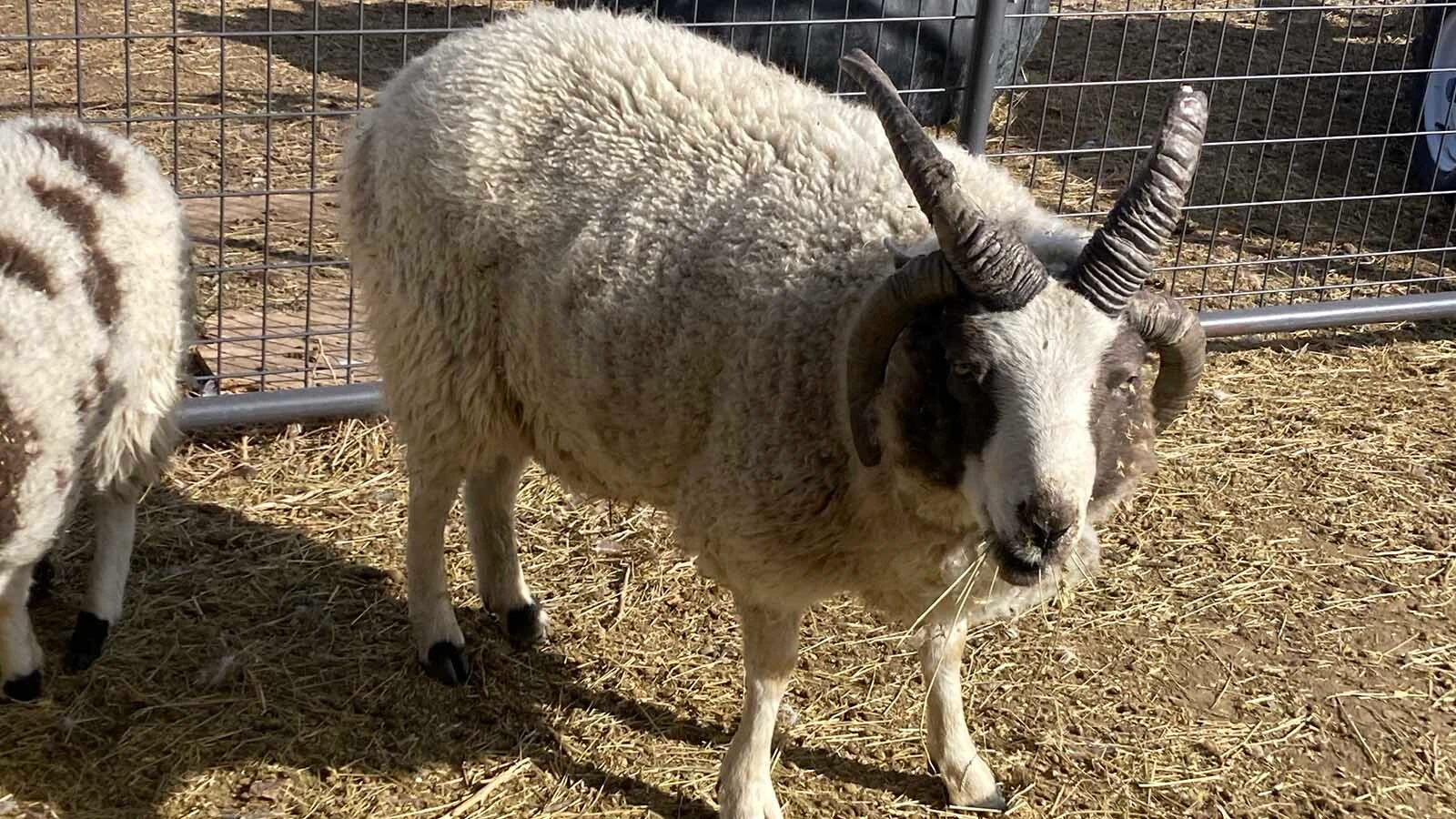
The breed's striking horns first caught Timothy Barkman's attention years ago and inspired him to begin raising the rare heritage sheep. (Timothy Barkman) 
Timothy Barkman, a fourth-generation Wyoming farmer, says raising the rare heritage sheep has become a family affair, with his young son already helping feed animals and collect eggs. (Timothy Barkman)
Ancient History
The Jacob Sheep Breeders Association says the breed likely originated in Syria roughly 3,000 years ago.
Historical records trace the breed's movement through North Africa, Sicily, Spain and eventually England before it was imported to the United States in the early 1900s.
The breed takes its name from the Biblical patriarch Jacob, and many enthusiasts believe it descends from the spotted sheep described in the Book of Genesis.
Barkman said several stories surround the breed's origins, but one of his favorites takes place in the Medieval Ages.
"The crusaders liked them so much that they confiscated a bunch of them and took them back to England," he said. "They were just yard ornaments in those big castles because they just thought they were cool having the four horns."
Whether admired by medieval nobles or modern Wyoming motorists, the sheep continue to turn heads, Barkman said.
Built Different
Jacob sheep aren't just unusual to look at.
Adult ewes generally weigh between 80 and 120 pounds, and rams tip the scales at 120 to 180 pounds, making them a relatively small and efficient breed, notes the National Breeders Association.
Their naturally spotted fleece makes a unique wool.
"The wool is considered one of the best for hand spinning," Barkman said, adding that the meat is also highly regarded.
Barkman said the sheep are also remarkably hardy.
"Jacob sheep are extremely immune to most parasites," he said. "You don't actually have to doctor them near as much as you do other breeds."
"The main market for Jacob sheep is selling the horns, the hide, the wool and the meat," he said. "Pretty much every single hide is different."
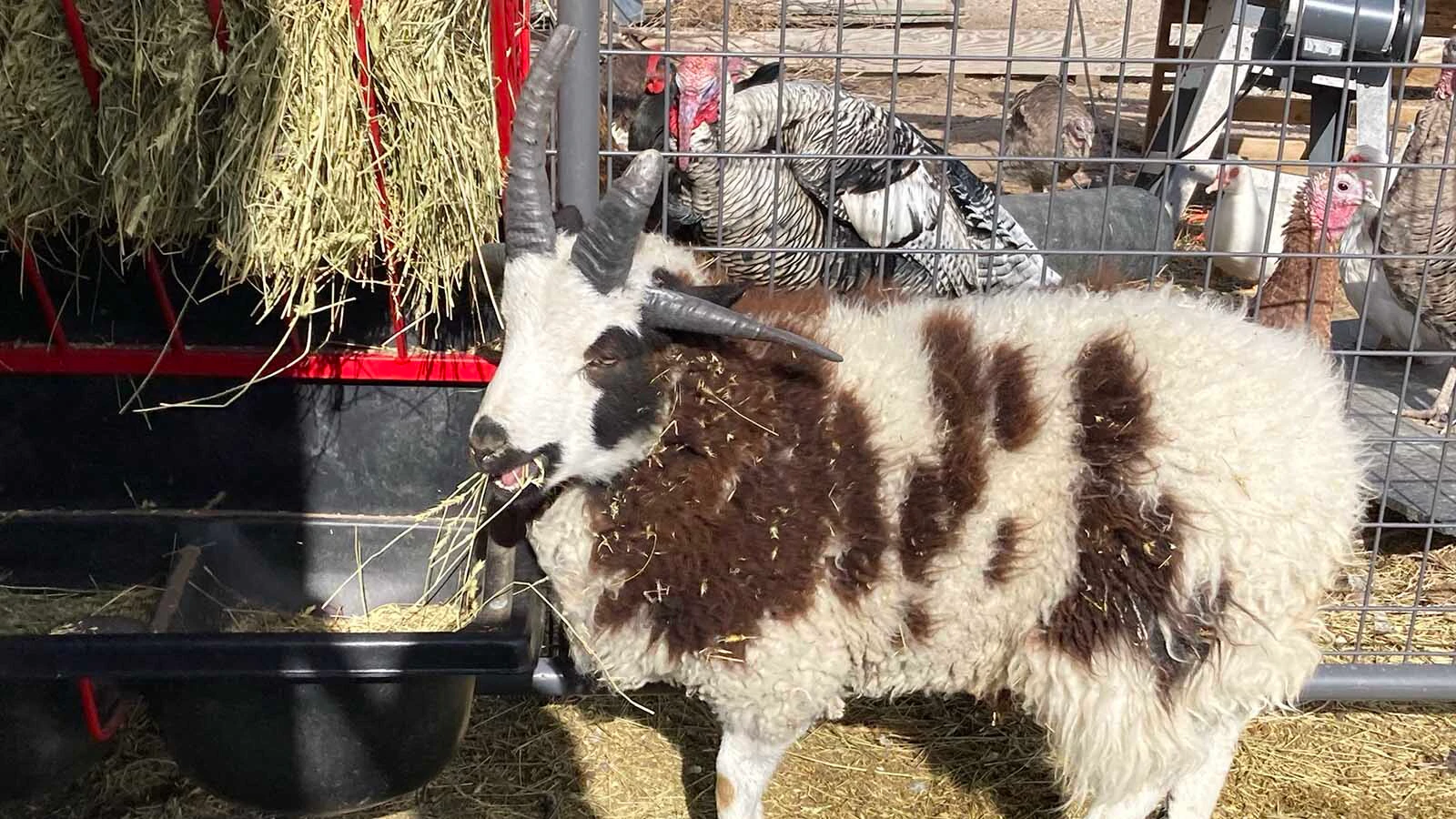
Timothy Barkman raises the rare heritage breed for its wool, meat and distinctive horns, with every sheep producing a one-of-a-kind fleece pattern. (Timothy Barkman) 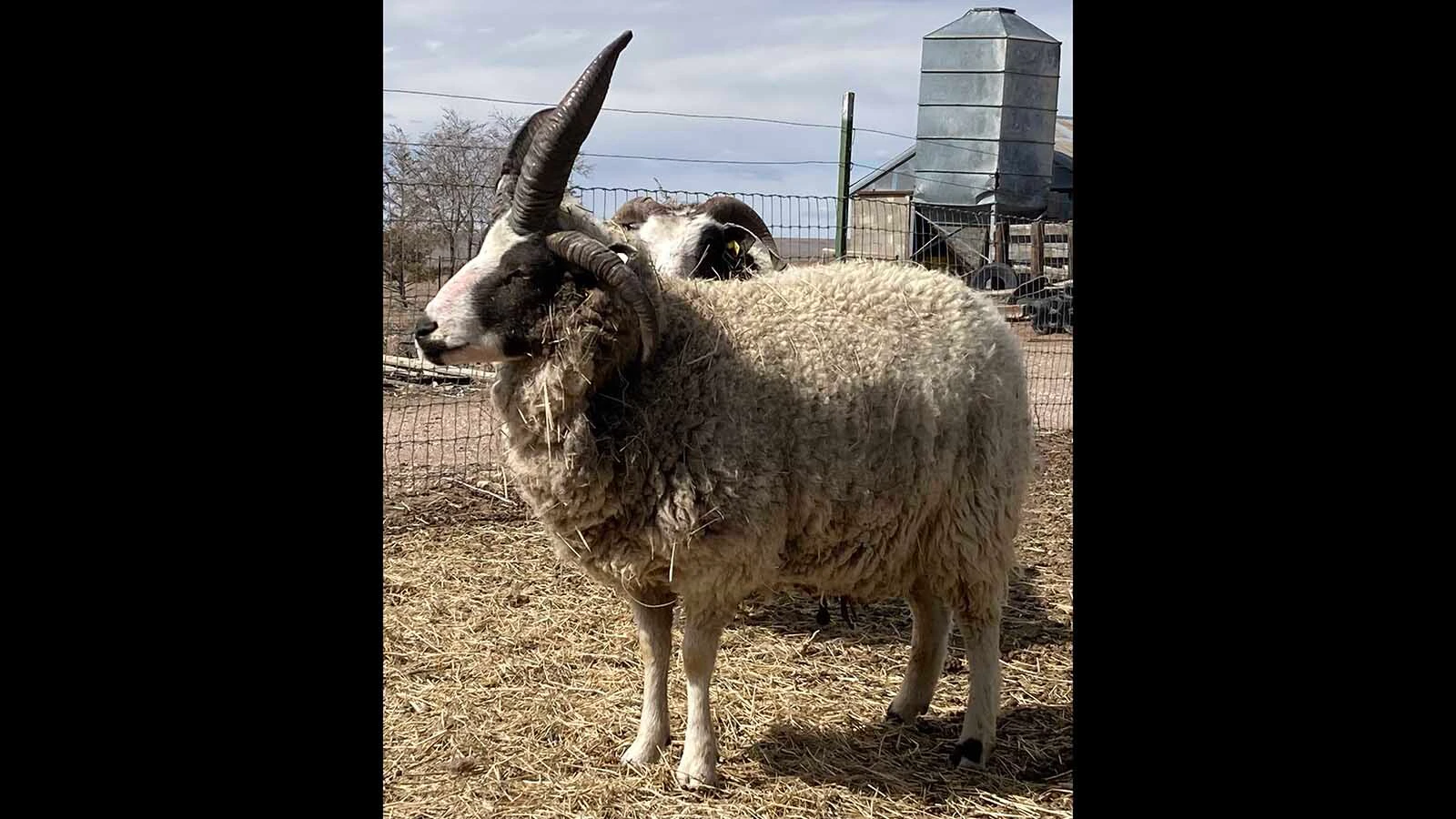
Jacob sheep can naturally grow two, four or even six horns, making them one of the world's most distinctive sheep breeds. (Timothy Barkman) 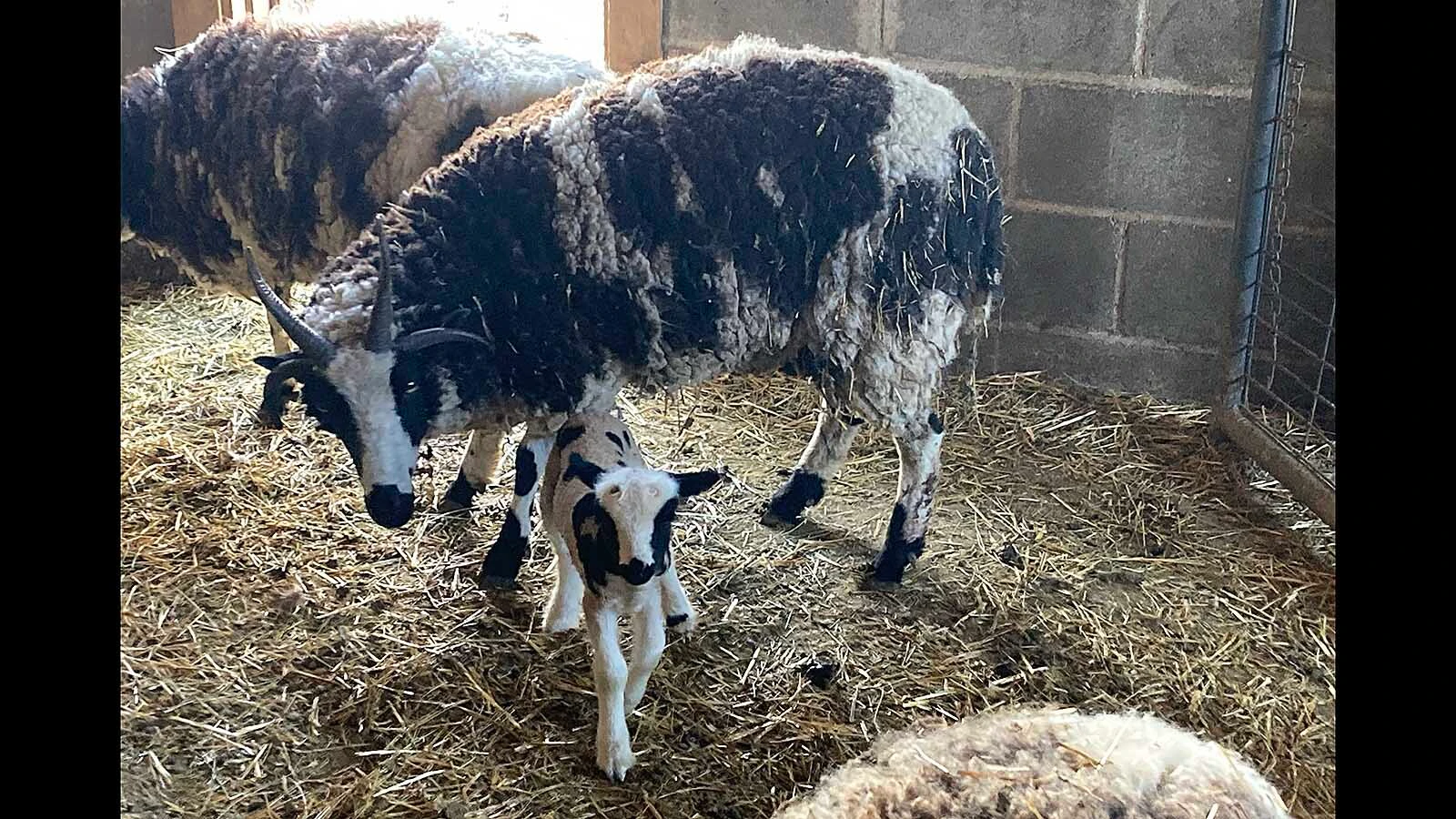
Timothy Barkman says protecting newborn lambs from predators such as coyotes, hawks and owls is one of the biggest challenges of raising the rare breed. (Timothy Barkman)
Family Affair
These days, the operation is a family effort.
Barkman's wife helps with the flock, while the couple's 4-year-old son is already learning farm chores by watering animals, feeding the sheep, and collecting eggs.
Predators, he added, remain one of the biggest challenges. Coyotes are a year-round concern, while newborns — roughly the size of a house cat — can also attract hawks and owls during lambing season.
Still, Barkman wouldn't trade the work.
Asked for his favorite memory of raising Jacob sheep, he doesn't mention their ancient history, rare genetics or impressive horns.
Instead, he smiles when he thinks about spring.
His favorite sight is watching a pasture full of newborn lambs race across the grass.
Kolby Fedore can be reached at kolby@cowboystatedaily.com.


