
The wave of legacy ranches for sale in Wyoming is continuing with yet another historic ranch hitting the market for the first time.
This time, it is the 1,542-acre Quarter Circle Lazy B, owned for four generations by the Wallop family, which has ties to British nobility, as well as historic prominence in both Wyoming and American politics.
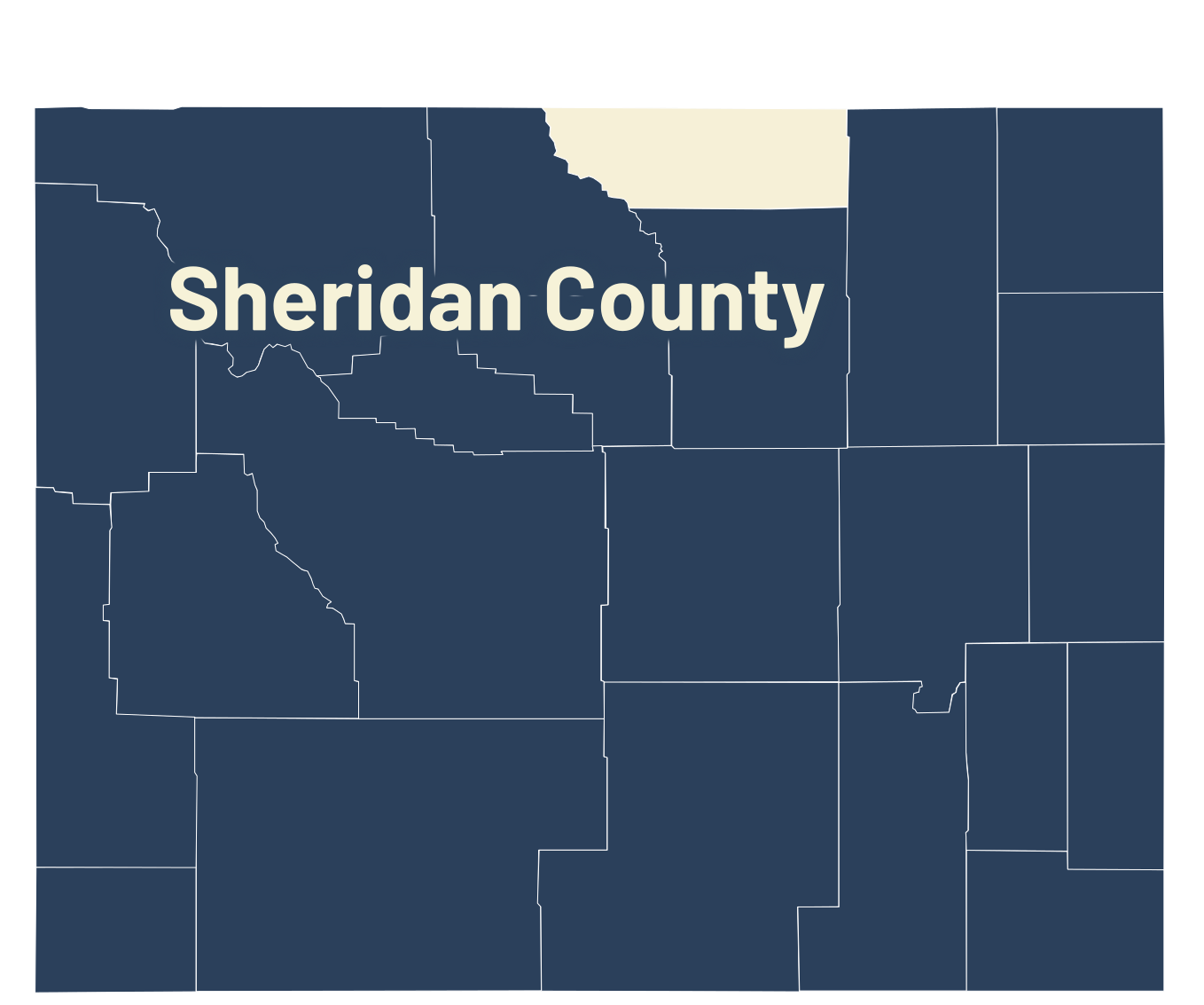
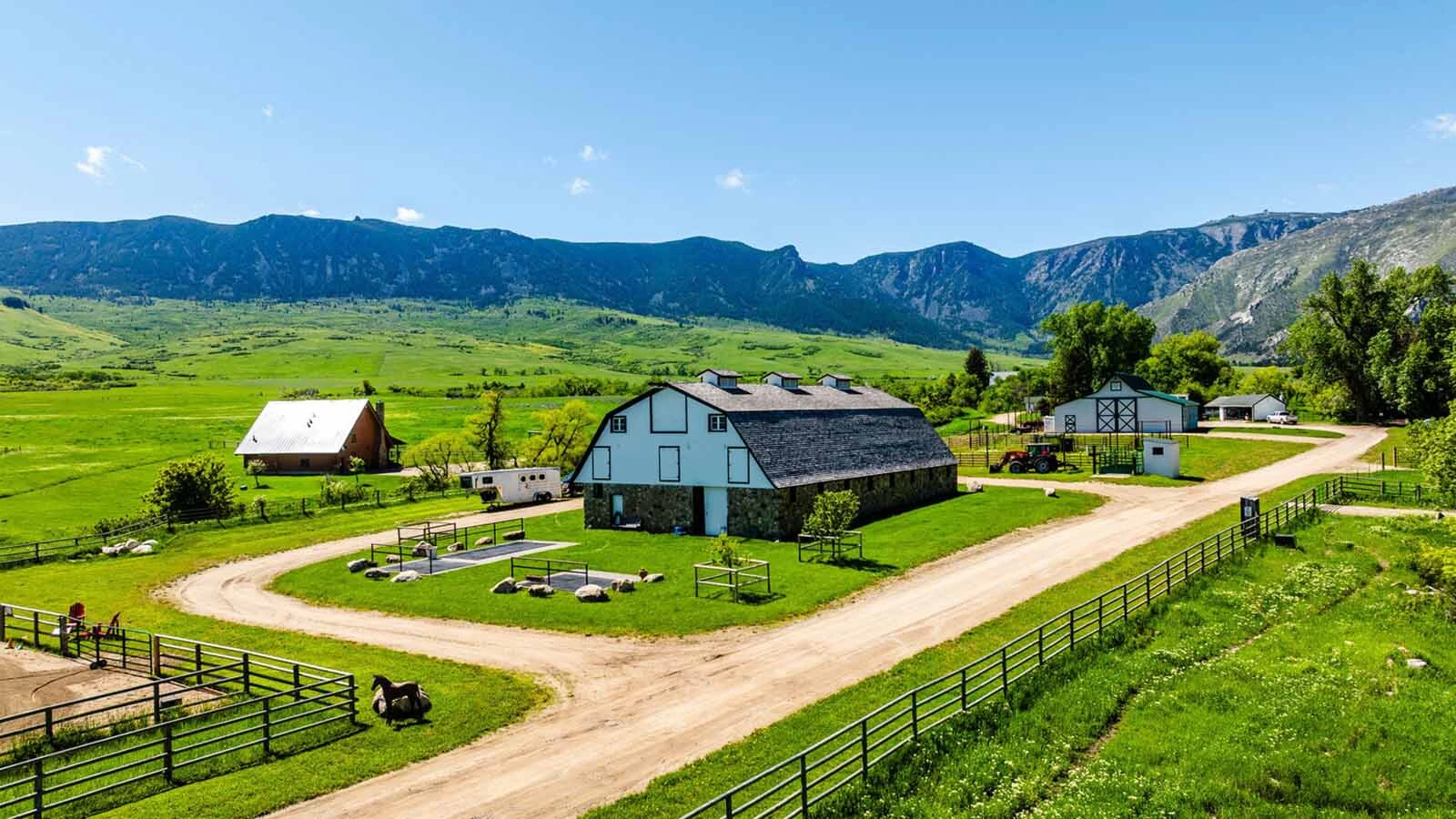
The Quarter Circle Lazy B, listed for $24.5 million and on the market for the first time in 135 years, is tucked just under the Bighorn Mountains at the mouth of Little Goose Canyon. Its sale will mark the end of an era for one of Wyoming’s best-known legacy ranches.
Owner Paul Wallop told Cowboy State Daily he and his wife, Sandra, have decided this is the right time to start a search for the ranch’s next steward because none of the children have an interest in taking over the ranch.
“We’re not ancient,” Paul Wallop said. “But we’re in our mid-60s, and we could easily do another 10-plus years. But in that 10 years, one health event and you’re not keeping up with it.”
Sandra Wallop told Cowboy State Daily she fears it will be more difficult to be “picky” about a successor if they wait. Now is the right time so they can be selective.
“It’s important,” she said. “We want them to have good Wyoming values, be good neighbors. I hate to say it in this fashion, but we want to kind of interview them before we sell to them.”
That doesn’t mean the couple will be “hovering” over their new neighbors, she added.
“We’re not going to be that kind of neighbor,” Sandra said. “We deeply and passionately love this place … So we’re hoping the next family has the same attitude and perspective that we do.”
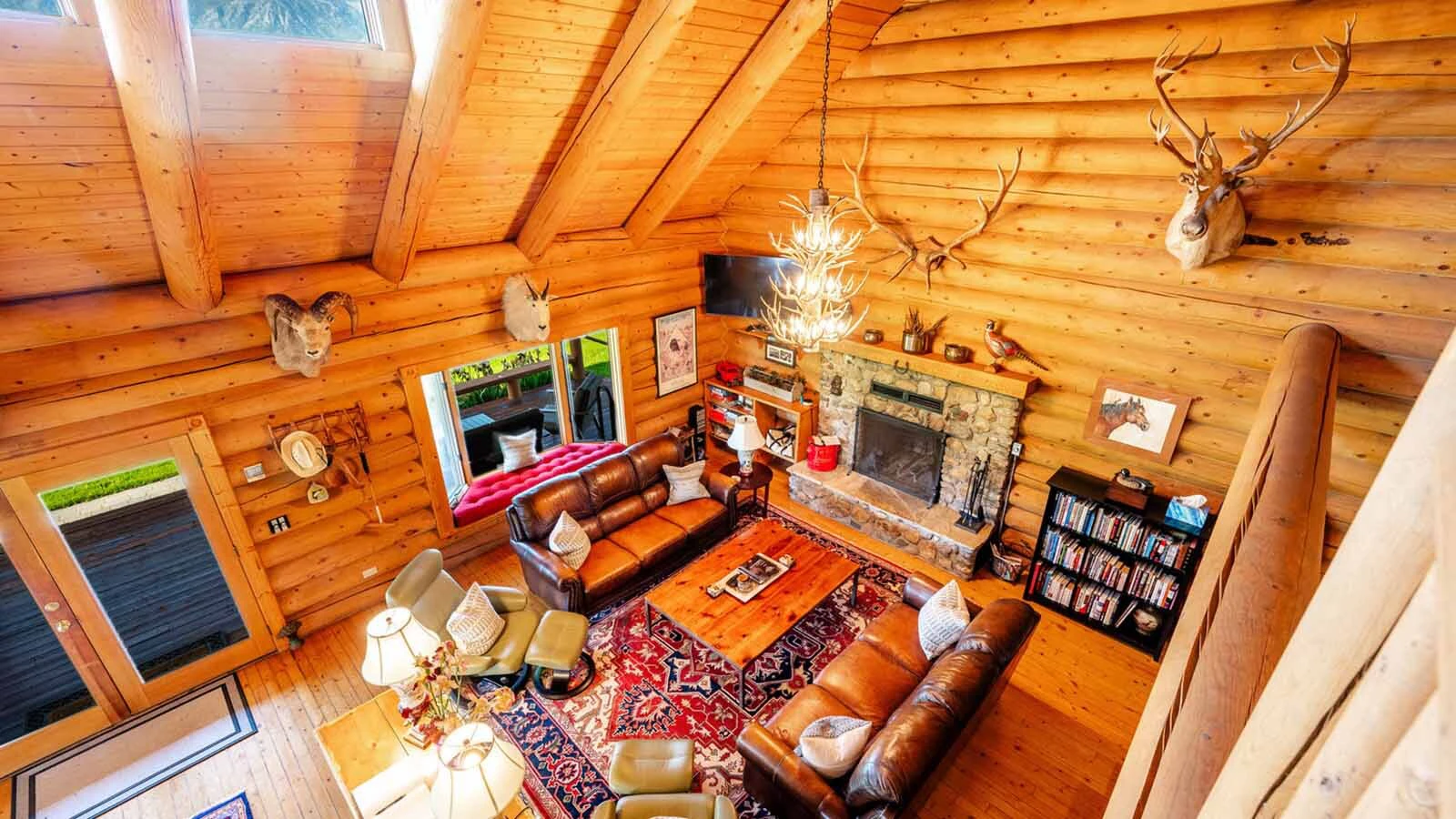
The Wallop family's legacy Quarter Circle Lazy B Ranch in Sheridan County is for sale for the first time in 135 years, listing for $24.5 million. It hosted Queen Elizabeth II, supplied cavalry horses to Britain and helped build Wyoming's polo scene. (Wallop Family) 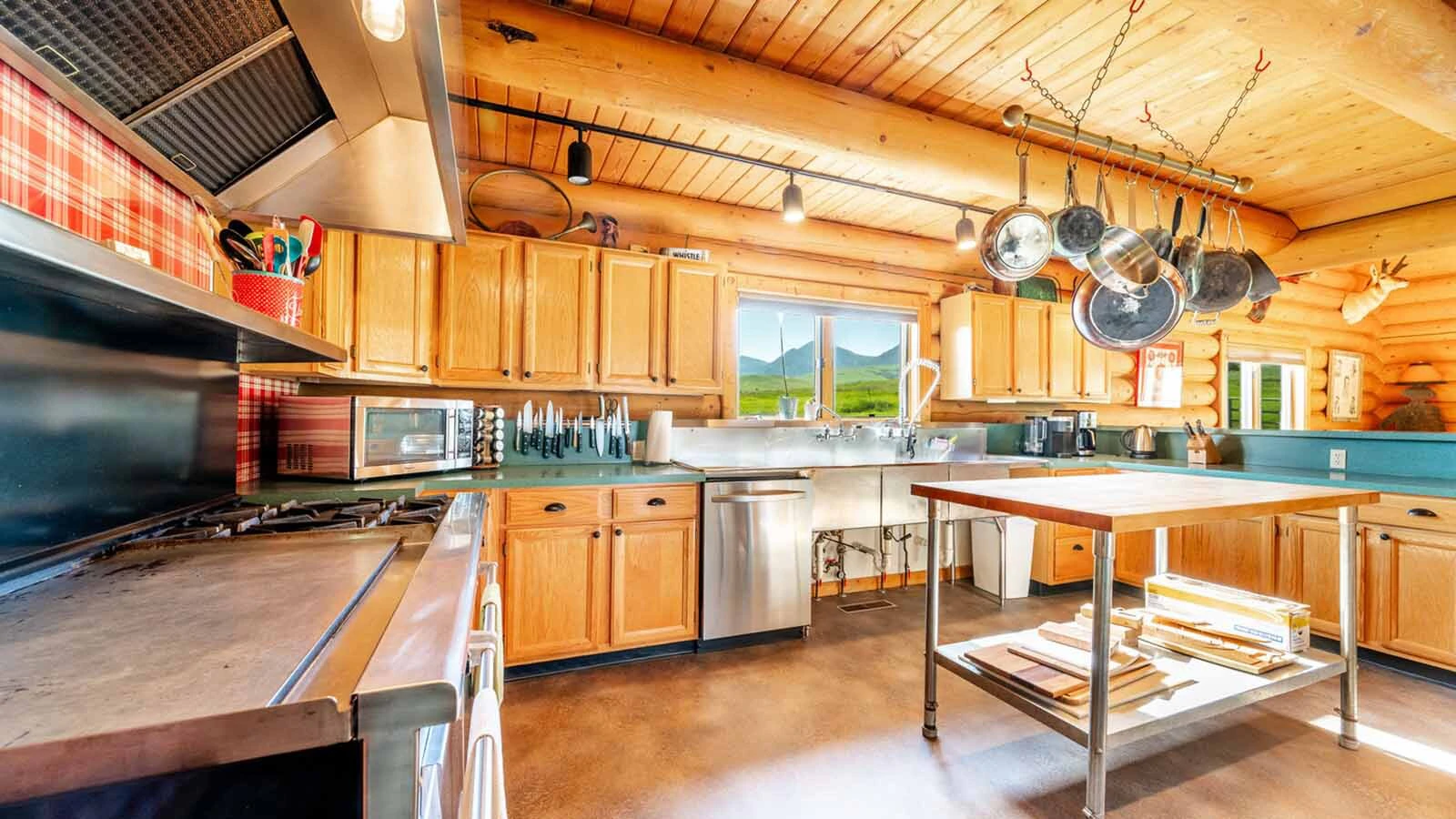
The Wallop family's legacy Quarter Circle Lazy B Ranch in Sheridan County is for sale for the first time in 135 years, listing for $24.5 million. It hosted Queen Elizabeth II, supplied cavalry horses to Britain and helped build Wyoming's polo scene. (Wallop Family) 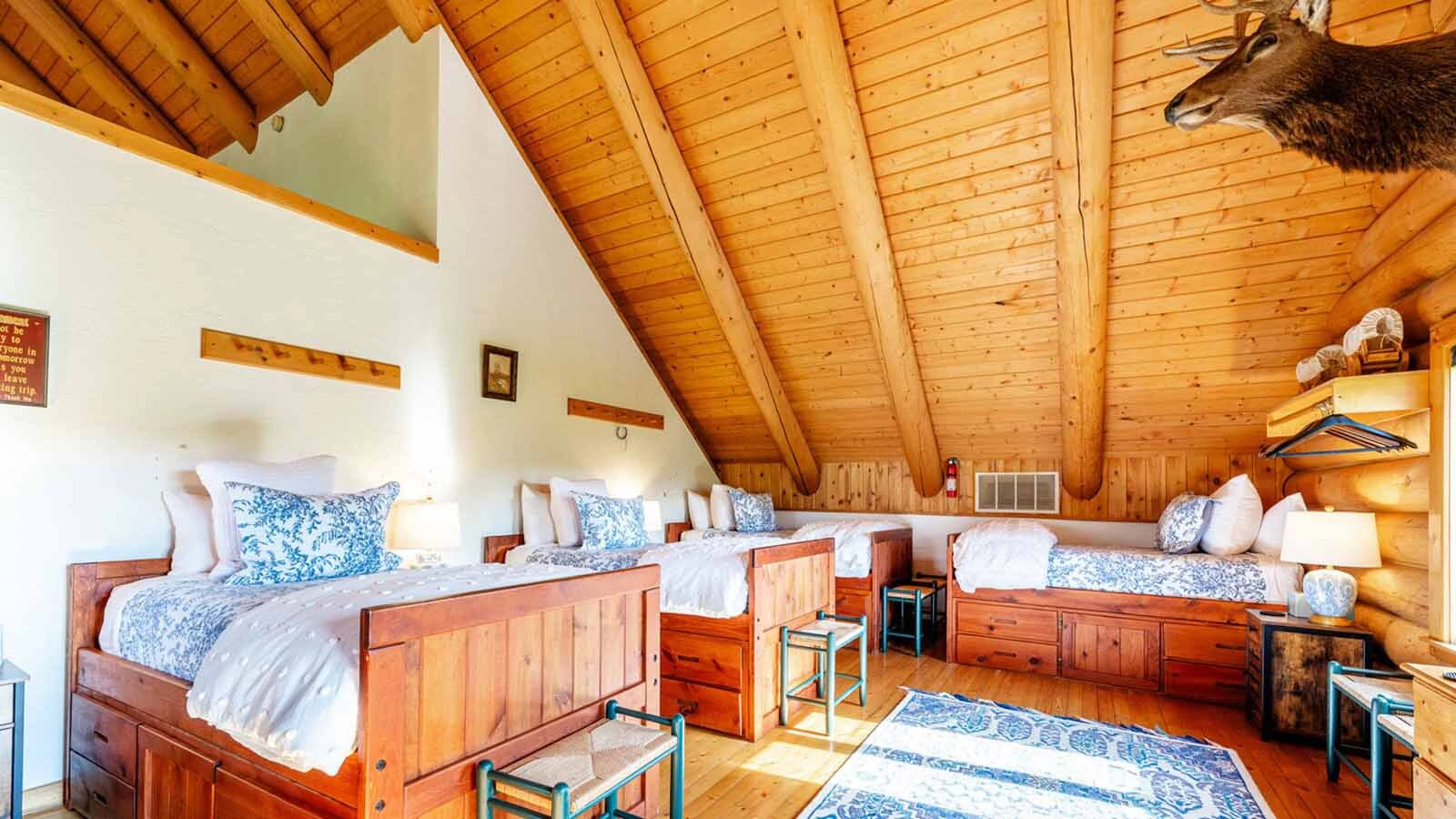
The Wallop family's legacy Quarter Circle Lazy B Ranch in Sheridan County is for sale for the first time in 135 years, listing for $24.5 million. It hosted Queen Elizabeth II, supplied cavalry horses to Britain and helped build Wyoming's polo scene. (Wallop Family) 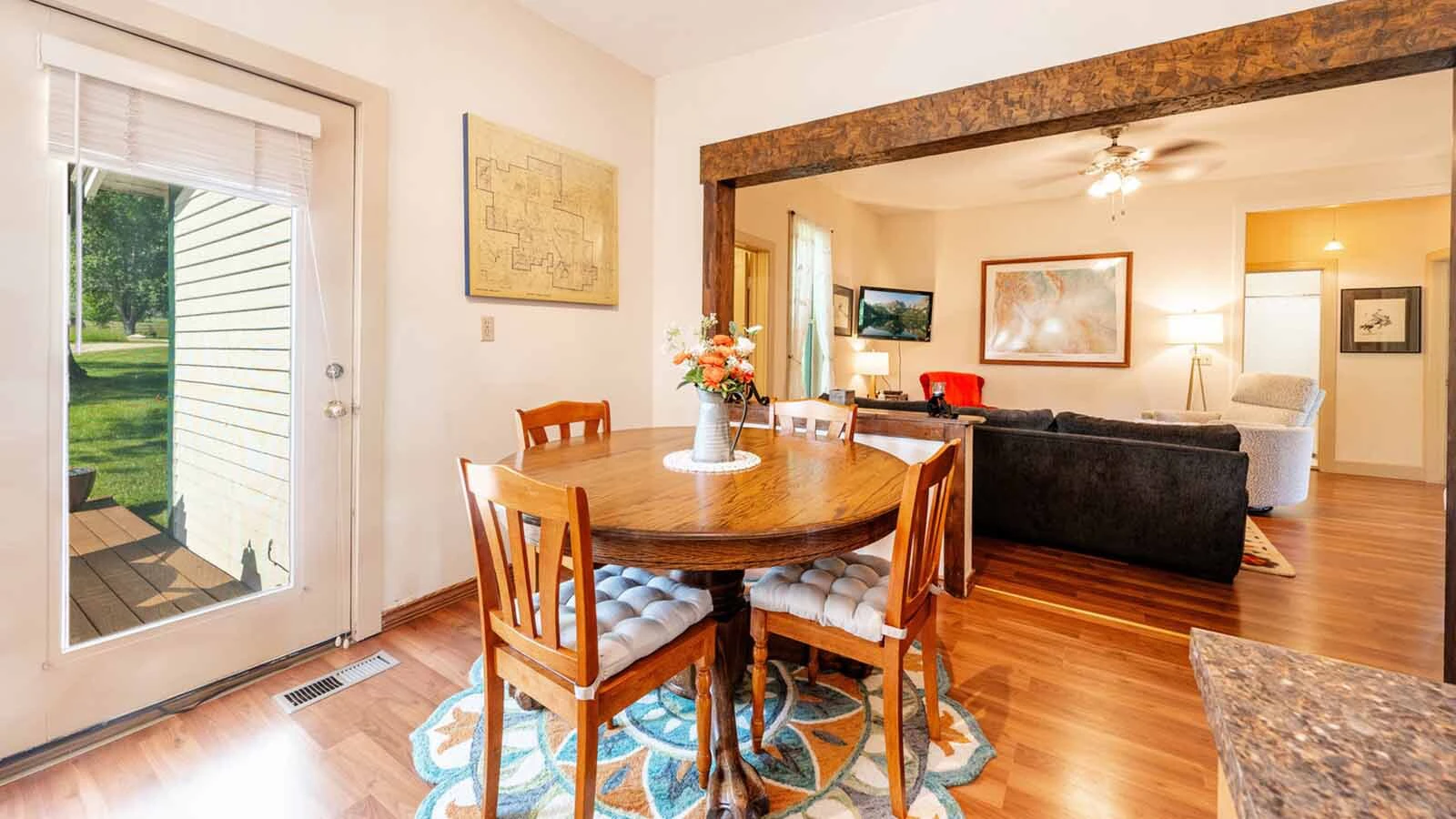
The Wallop family's legacy Quarter Circle Lazy B Ranch in Sheridan County is for sale for the first time in 135 years, listing for $24.5 million. It hosted Queen Elizabeth II, supplied cavalry horses to Britain and helped build Wyoming's polo scene. (Wallop Family) 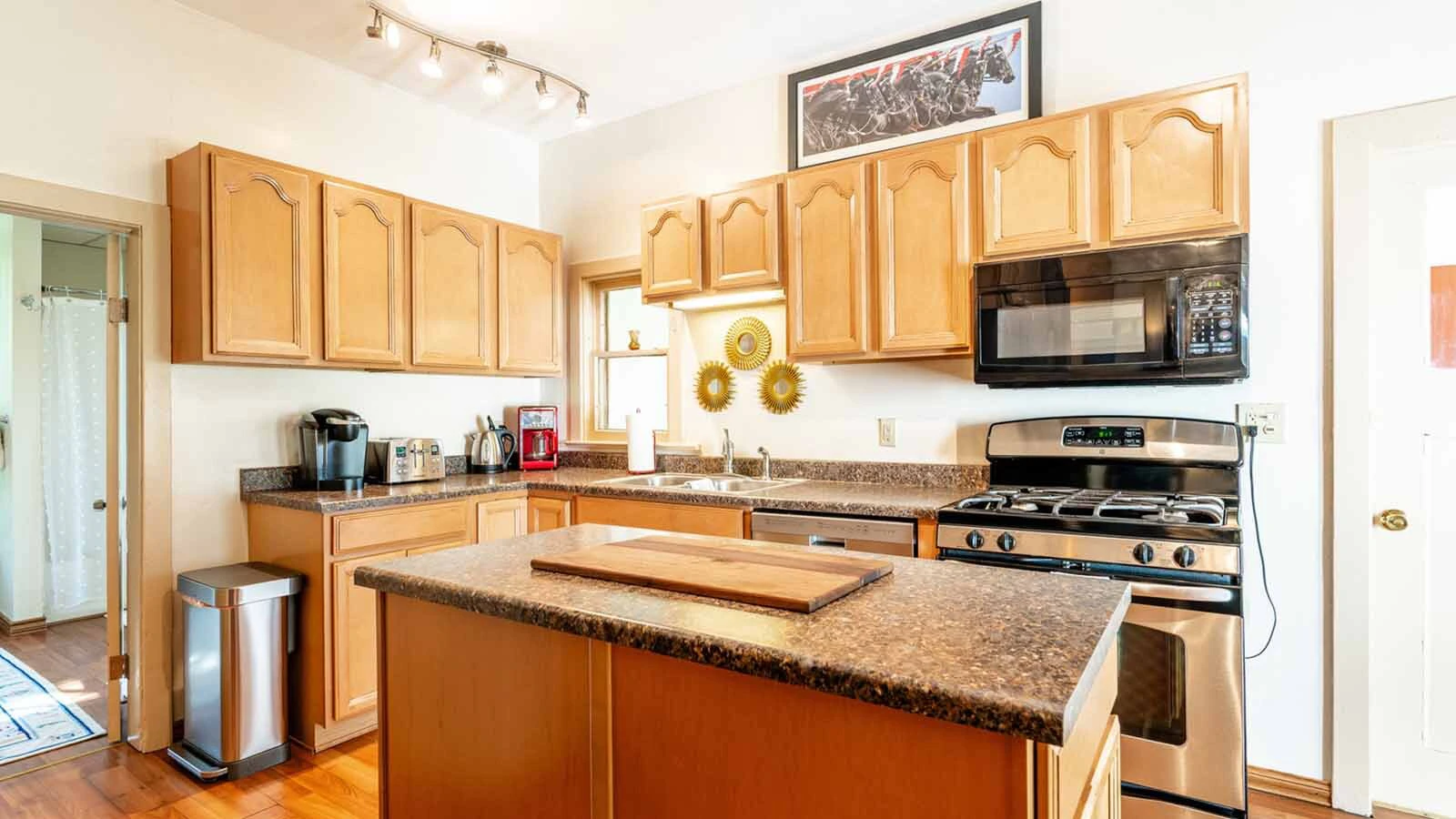
The Wallop family's legacy Quarter Circle Lazy B Ranch in Sheridan County is for sale for the first time in 135 years, listing for $24.5 million. It hosted Queen Elizabeth II, supplied cavalry horses to Britain and helped build Wyoming's polo scene. (Wallop Family) 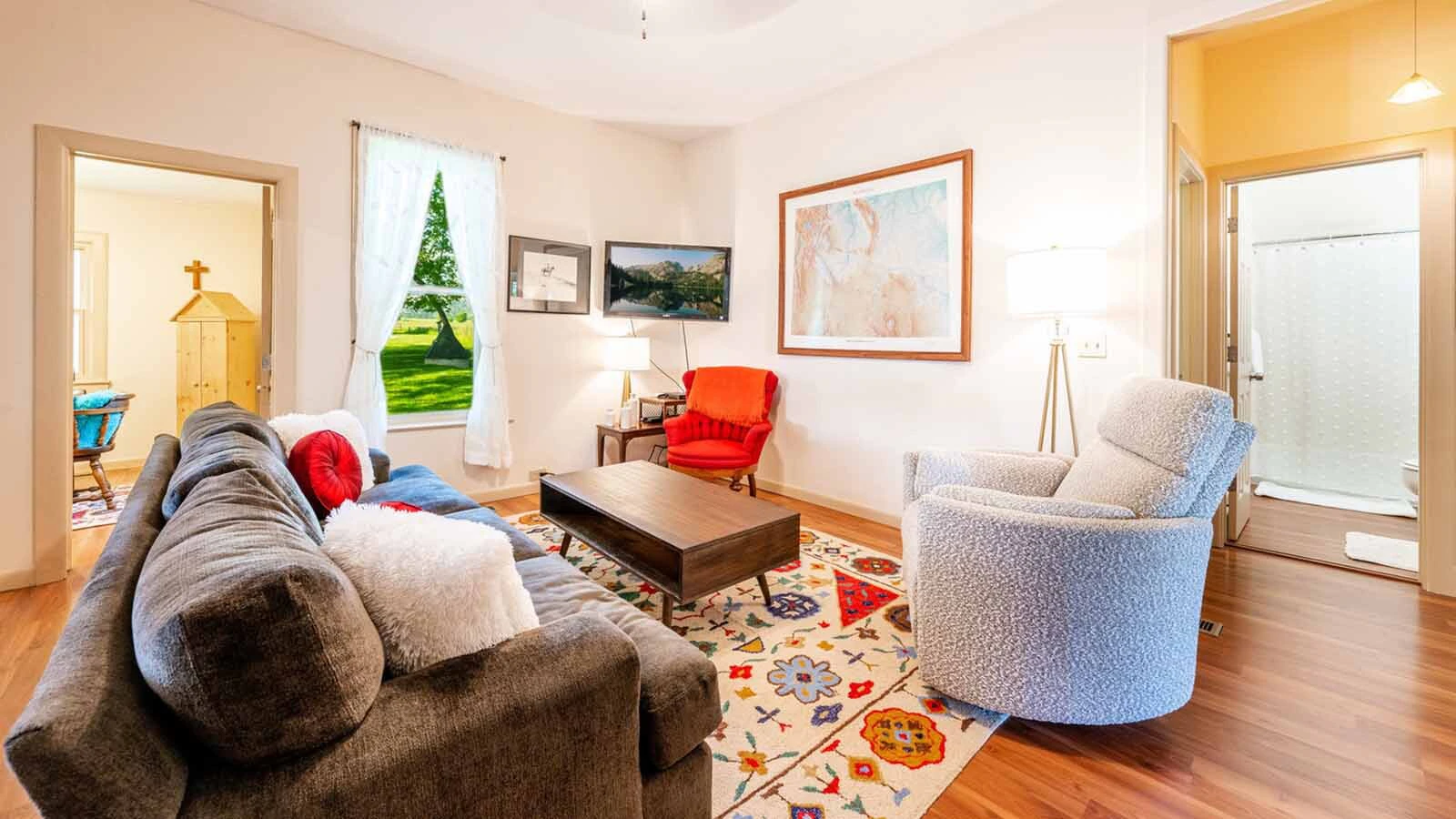
The Wallop family's legacy Quarter Circle Lazy B Ranch in Sheridan County is for sale for the first time in 135 years, listing for $24.5 million. It hosted Queen Elizabeth II, supplied cavalry horses to Britain and helped build Wyoming's polo scene. (Wallop Family)
‘Remittance’ Man To Wyoming Cowboy
The Wallop family first began assembling its ranch in 1889, when English-born Oliver Henry Wallop bought the first piece of what would become the Quarter Circle Lazy B.
Oliver was the third and youngest son of a titled line in Britain. He took a shine to the American West after graduating from an English university, and decided that would be how he would make his way in the world.
As the youngest son of Isaac Newton Wallop, the fifth Earl of Portsmouth in Great Britain’s Victorian era, Oliver never expected he would inherit land or title. Such young men were, at the time, known as “remittance” men, because they typically left home to make their way in the world and were given a remittance from their family.
His father’s name, Isaac Newton, does have an indirect tie to the famous physicist of the same name. A relative of Newton’s married into the Wallop family, and many of its sons were subsequently given names to honor that heritage.
Oliver came to America soon after graduating from Oxford in 1883, first buying a ranch in Montana, where he introduced the region’s first thoroughbred horses. He then migrated south to Wyoming in 1889, establishing the Canyon Ranch, which included the Quarter Circle Lazy B.
Oliver was ultimately wrong about his chances for succession. He returned to England after his second brother died, becoming the Earl of Portsmouth in 1925.
“He had to renounce his U.S. citizenship, and then he served in the House of Lords,” Paul Wallop said. “And I don’t know if there’s any other member of the House of Lords what has ever served in a foreign government — it’s a very unique thing.”
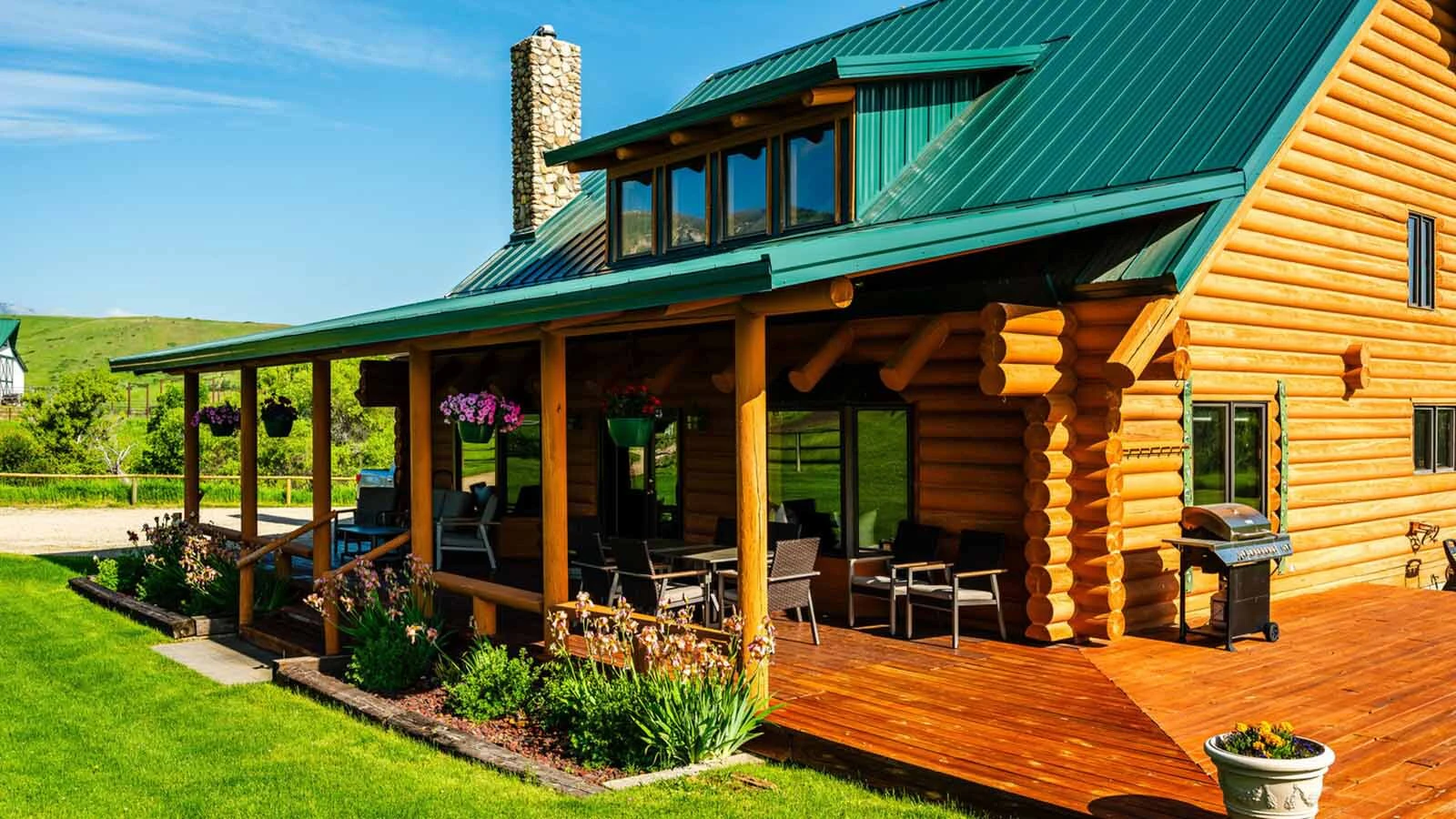
The Wallop family's legacy Quarter Circle Lazy B Ranch in Sheridan County is for sale for the first time in 135 years, listing for $24.5 million. It hosted Queen Elizabeth II, supplied cavalry horses to Britain and helped build Wyoming's polo scene. (Wallop Family) 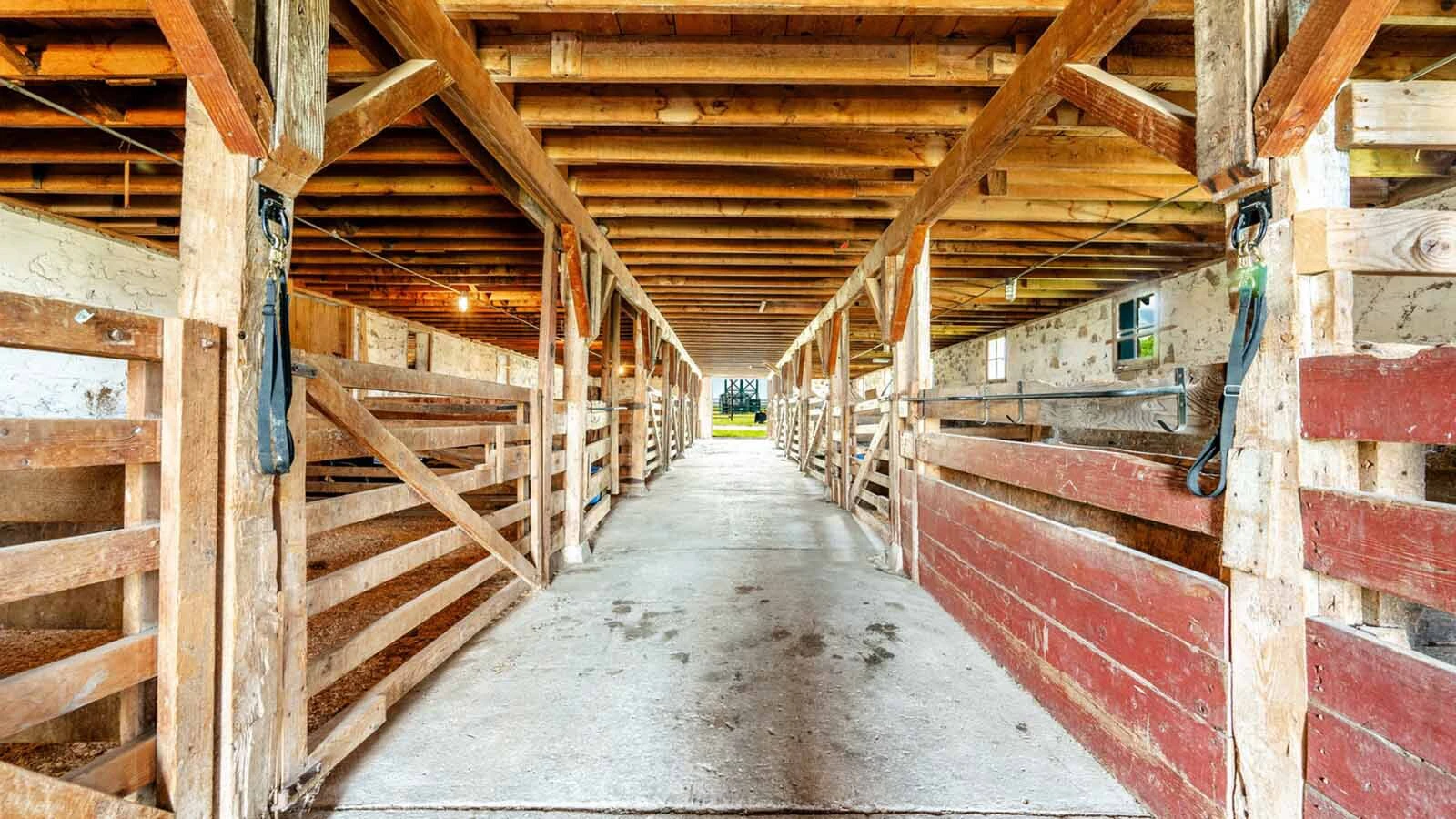
The Wallop family's legacy Quarter Circle Lazy B Ranch in Sheridan County is for sale for the first time in 135 years, listing for $24.5 million. It hosted Queen Elizabeth II, supplied cavalry horses to Britain and helped build Wyoming's polo scene. (Wallop Family) 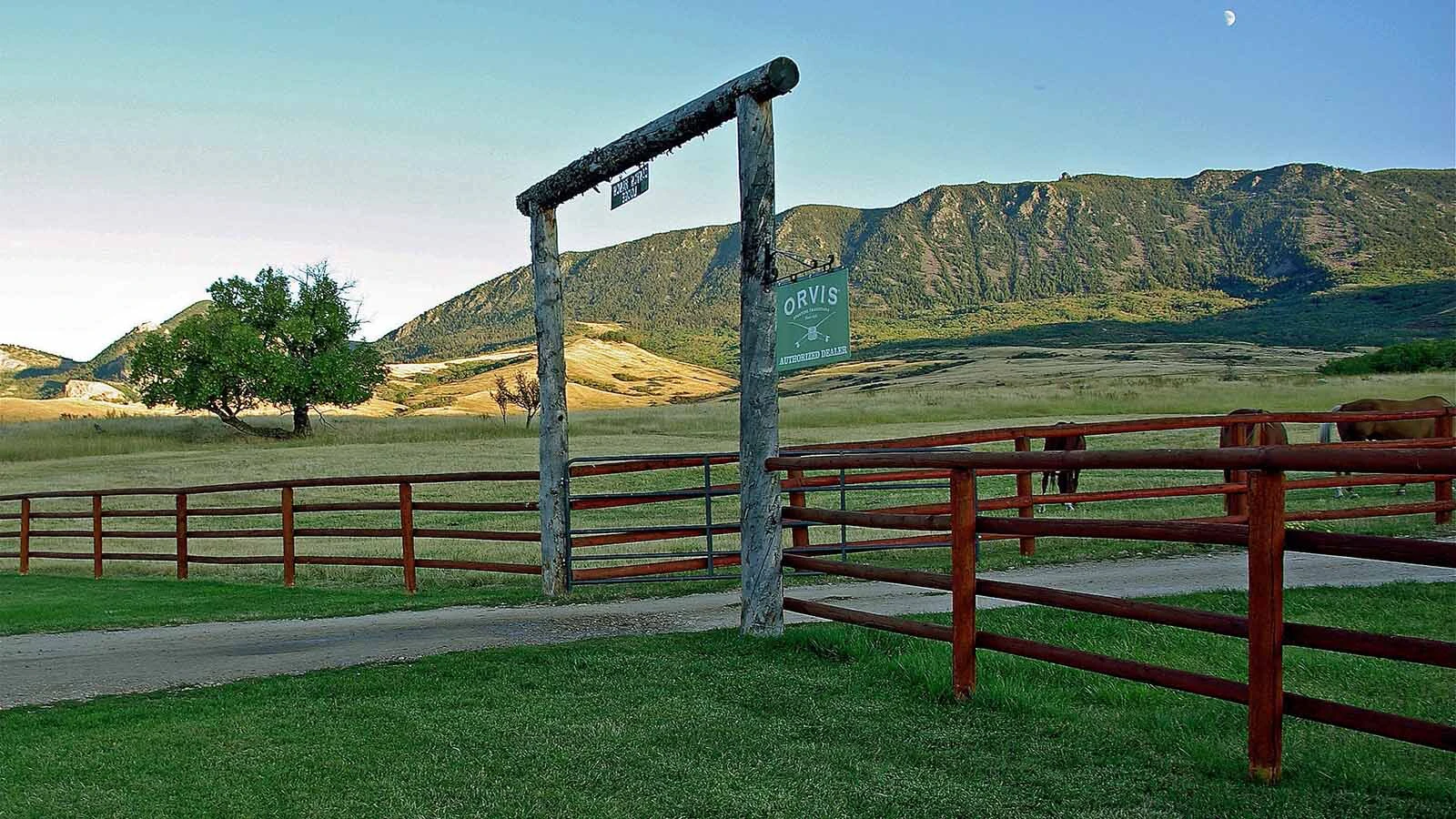
The Wallop family's legacy Quarter Circle Lazy B Ranch in Sheridan County is for sale for the first time in 135 years, listing for $24.5 million. It hosted Queen Elizabeth II, supplied cavalry horses to Britain and helped build Wyoming's polo scene. (Wallop Family) 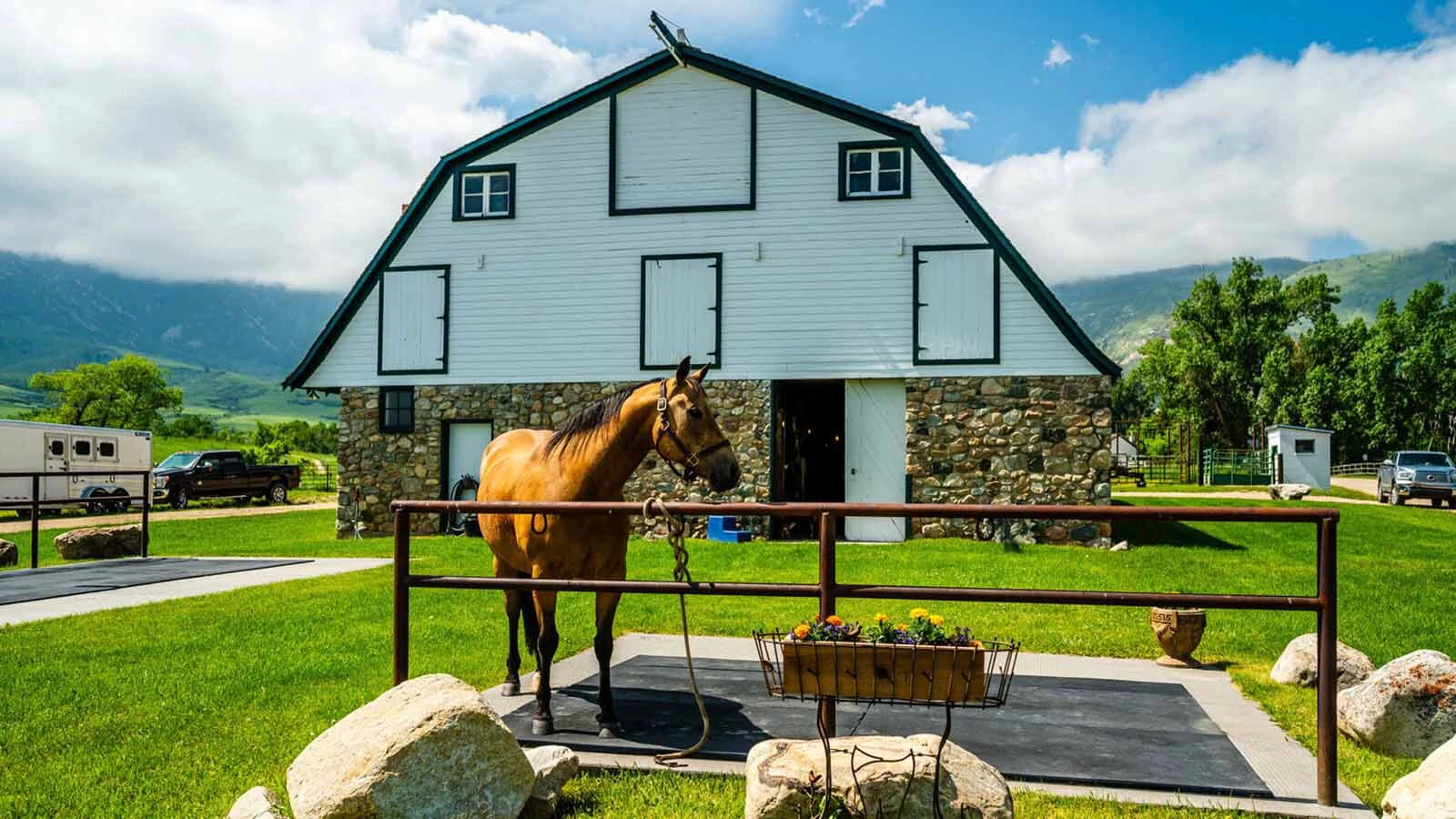
The Wallop family's legacy Quarter Circle Lazy B Ranch in Sheridan County is for sale for the first time in 135 years, listing for $24.5 million. It hosted Queen Elizabeth II, supplied cavalry horses to Britain and helped build Wyoming's polo scene. (Wallop Family) 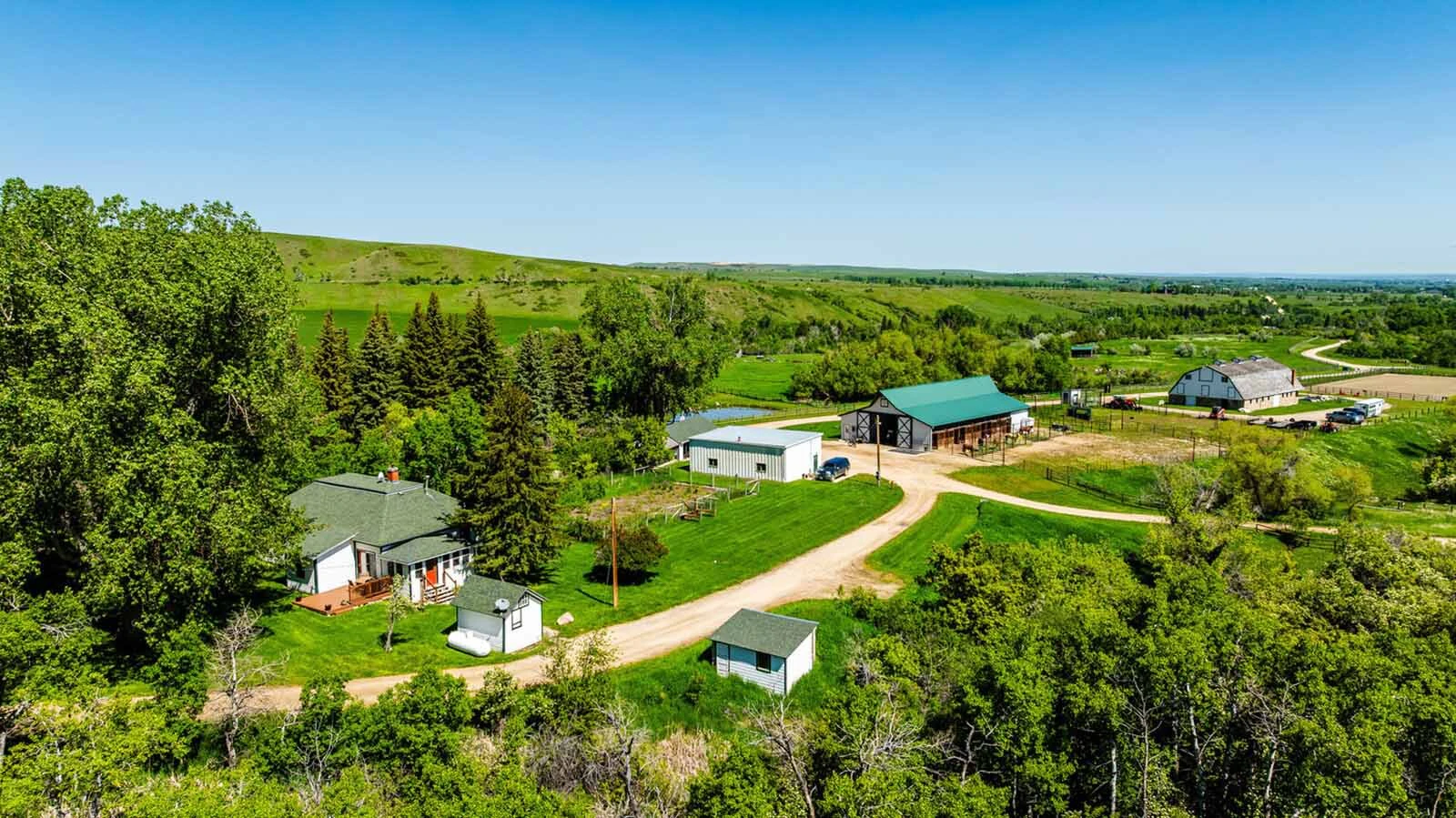
The Wallop family's legacy Quarter Circle Lazy B Ranch in Sheridan County is for sale for the first time in 135 years, listing for $24.5 million. It hosted Queen Elizabeth II, supplied cavalry horses to Britain and helped build Wyoming's polo scene. (Wallop Family) 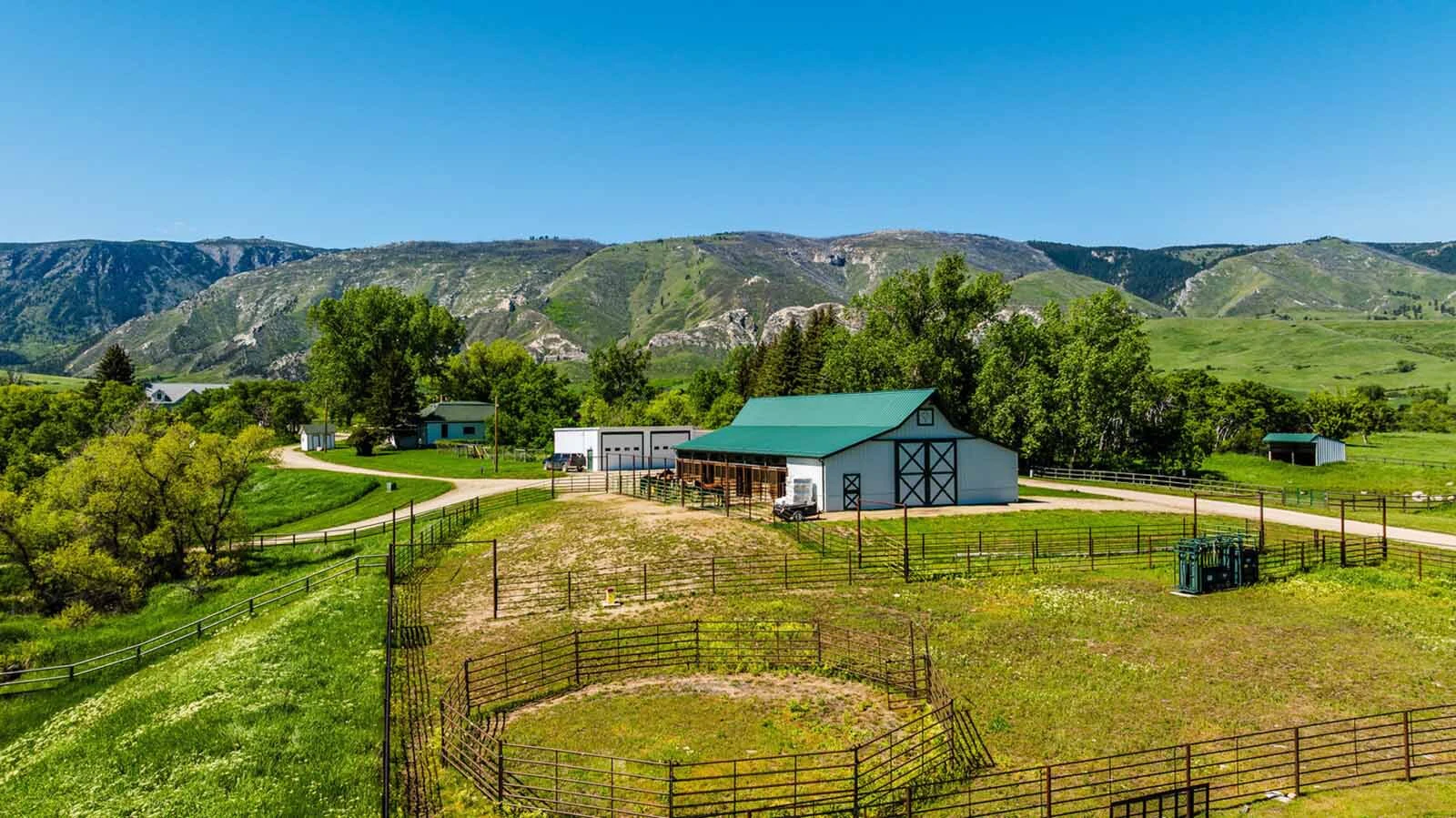
The Wallop family's legacy Quarter Circle Lazy B Ranch in Sheridan County is for sale for the first time in 135 years, listing for $24.5 million. It hosted Queen Elizabeth II, supplied cavalry horses to Britain and helped build Wyoming's polo scene. (Wallop Family)
Polo, Cavalry Horses, A Changing West
Polo has a long history in Sheridan County, and the Wallops are integral to that story, along with the Scottish brothers William and Malcom Moncrieffe.
“Malcom Moncrieffe had what was called the Polo Ranch, and then William had the Quarter Circle A Ranch, which is the Brinton Museum now,” Paul Wallop said. “Quarter Circle Lazy B is the neighboring ranch to the Quarter Circle Lazy A.”
Together, these ranches got a contract with the British cavalry for horses, shipping 20,000 to South Africa for the Boer War.
“They were selling to the U.S. cavalry as well,” Paul Wallop added. “Part of their training for all the horses was just to get them started playing polo.”
Historical records show Sheridan’s first big polo match was July 4, 1893, which played to a crowd of several thousand spectators after a warmup from a military band.
The teams featured five mostly British players on each side, listed as Beckton vs. Sheridan.
“Polo has always been a big deal here, and it’s still a big deal,” Paul Wallop said. “And that’s partly because of my great-grandfather.”
By the end of World War I, militaries were trending toward mechanical vehicles, collapsing that industry. The remount program died away, and the ranch shifted toward cattle markets.
“My grandfather began in registered Herefords, and he did really well with that up until he passed in the spring of 1980,” Paul Wallop said.
Some of Oliver Malcom Wallop’s herd were even shipped to Japan, Sandra added, thanks to their elite genetics.
Japan was crossing its smaller draft cattle with western breeds until about 1910 to increase their size and make them better-suited to meat production.
The Wallop family's legacy Quarter Circle Lazy B Ranch in Sheridan County is for sale for the first time in 135 years, listing for $24.5 million. It hosted Queen Elizabeth II, supplied cavalry horses to Britain and helped build Wyoming's polo scene. (Wallop Family) 
The Wallop family's legacy Quarter Circle Lazy B Ranch in Sheridan County is for sale for the first time in 135 years, listing for $24.5 million. It hosted Queen Elizabeth II, supplied cavalry horses to Britain and helped build Wyoming's polo scene. (Wallop Family) 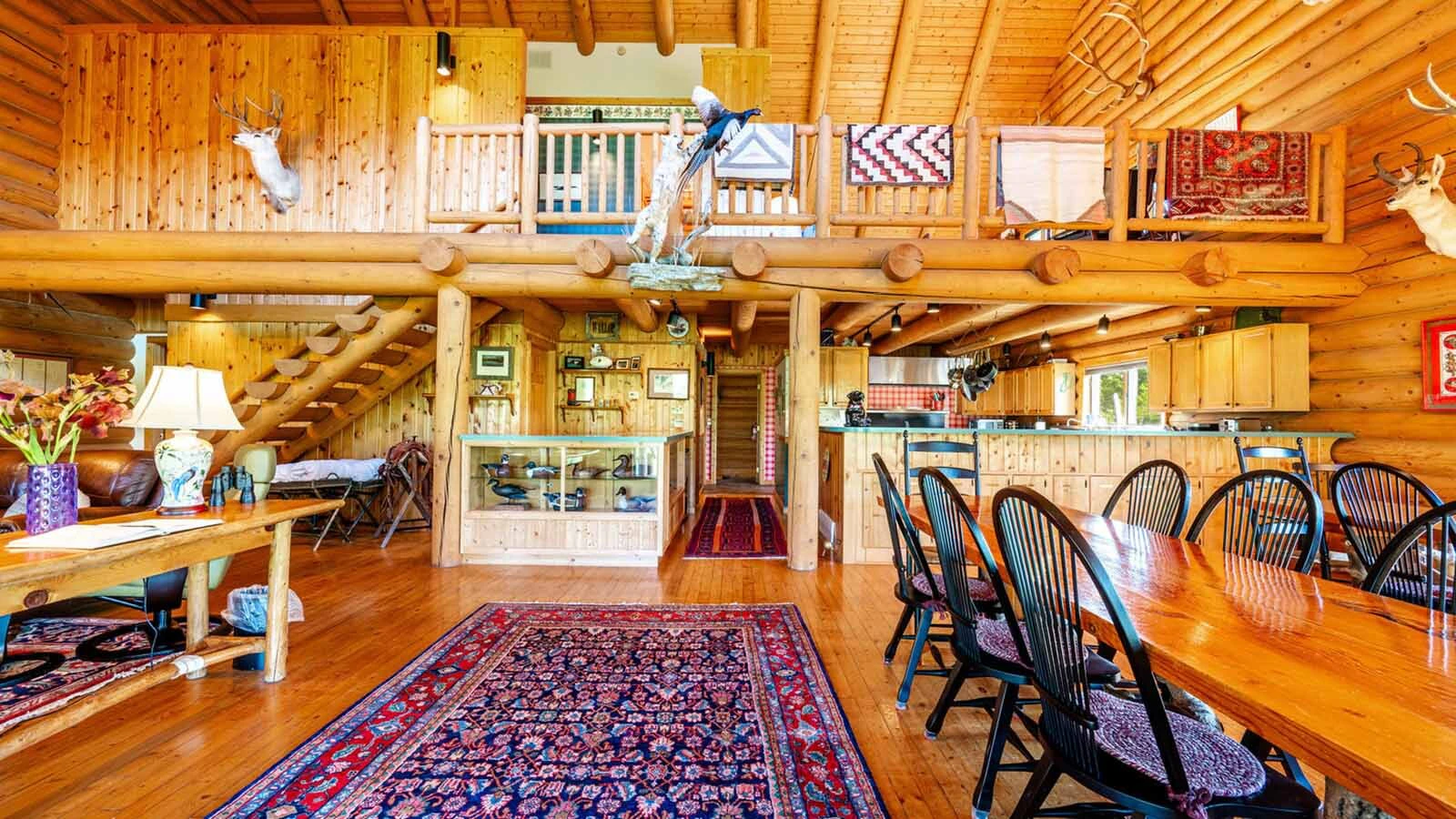
The Wallop family's legacy Quarter Circle Lazy B Ranch in Sheridan County is for sale for the first time in 135 years, listing for $24.5 million. It hosted Queen Elizabeth II, supplied cavalry horses to Britain and helped build Wyoming's polo scene. (Wallop Family) 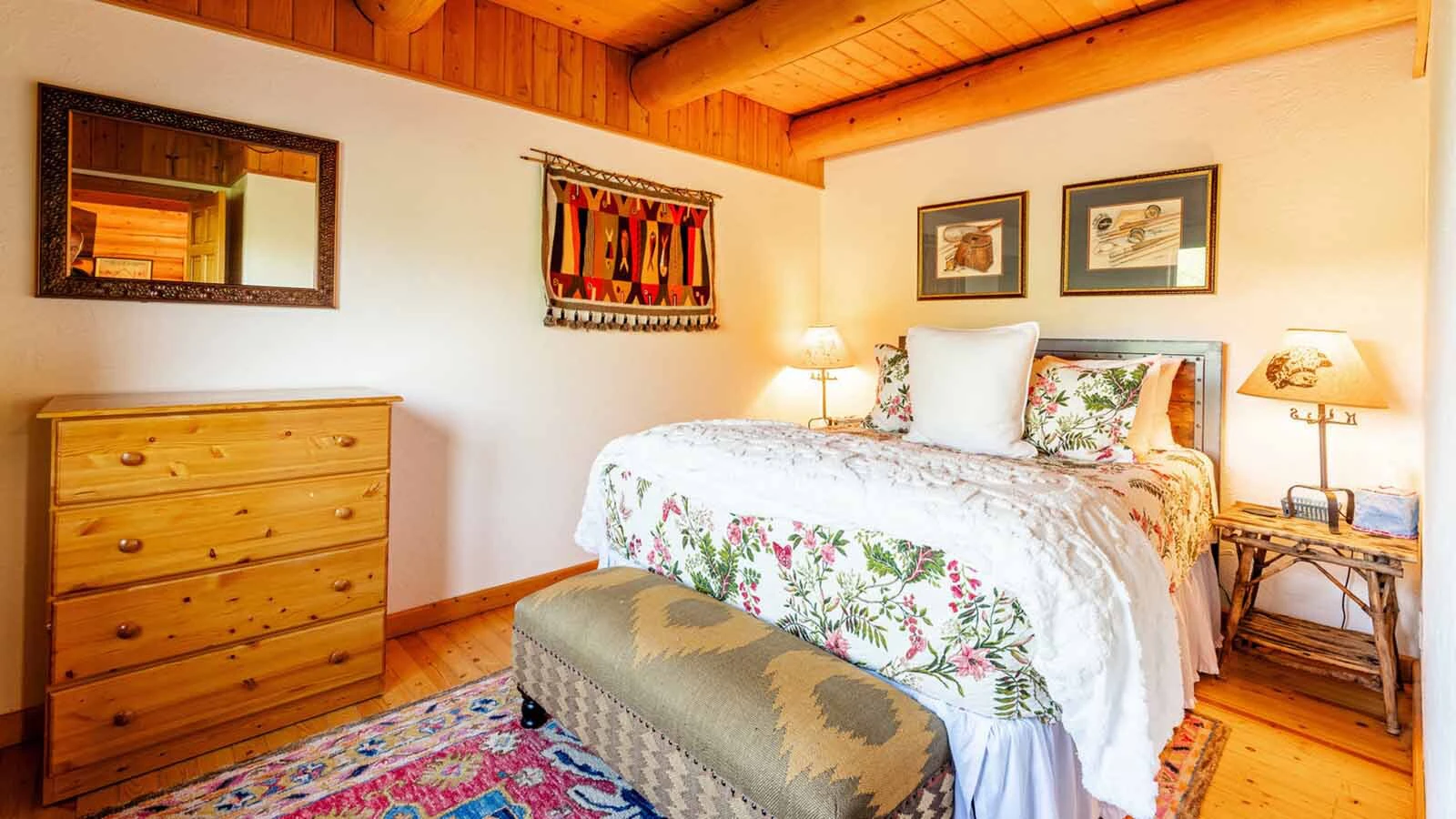
The Wallop family's legacy Quarter Circle Lazy B Ranch in Sheridan County is for sale for the first time in 135 years, listing for $24.5 million. It hosted Queen Elizabeth II, supplied cavalry horses to Britain and helped build Wyoming's polo scene. (Wallop Family) 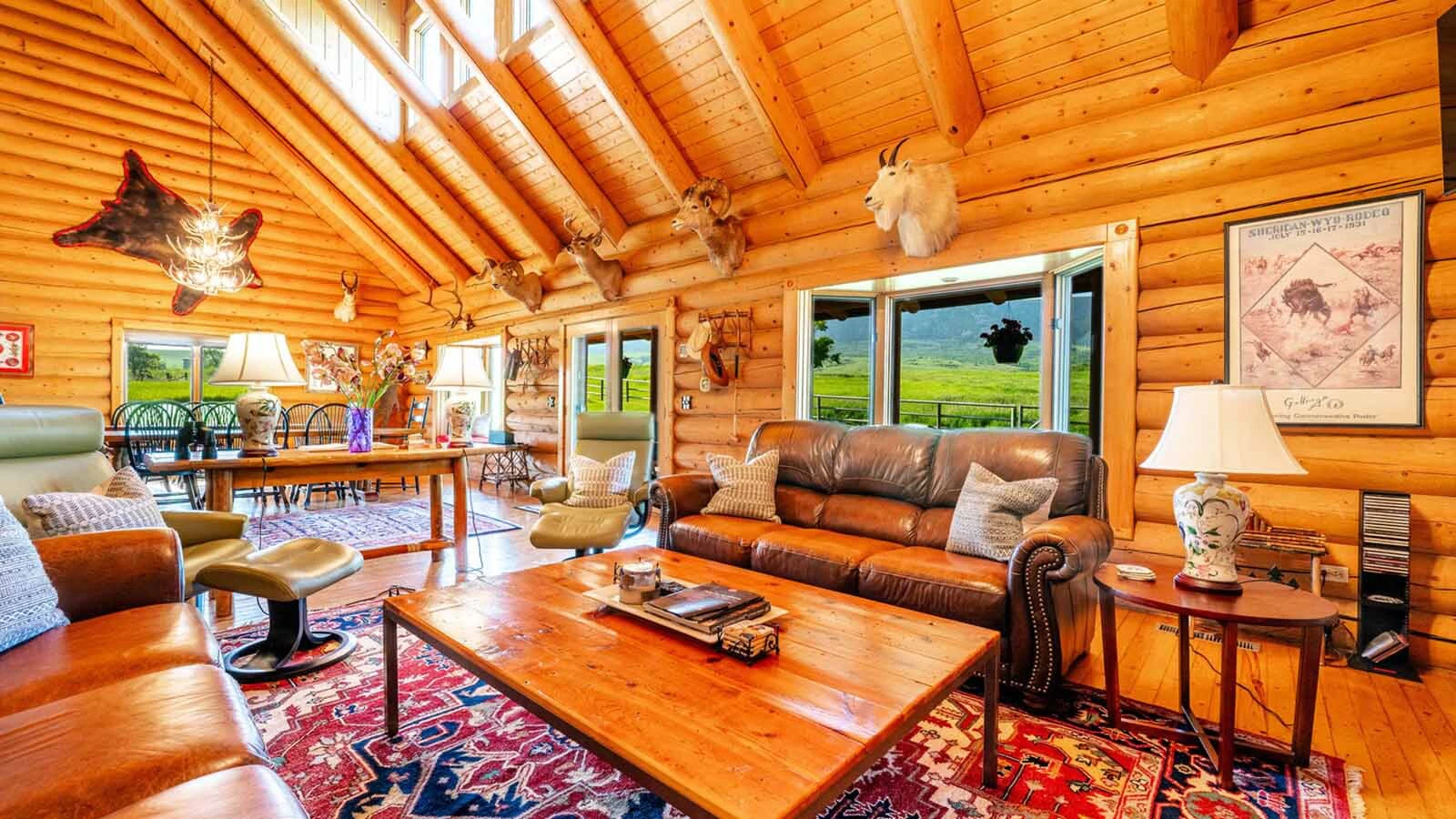
The Wallop family's legacy Quarter Circle Lazy B Ranch in Sheridan County is for sale for the first time in 135 years, listing for $24.5 million. It hosted Queen Elizabeth II, supplied cavalry horses to Britain and helped build Wyoming's polo scene. (Wallop Family) 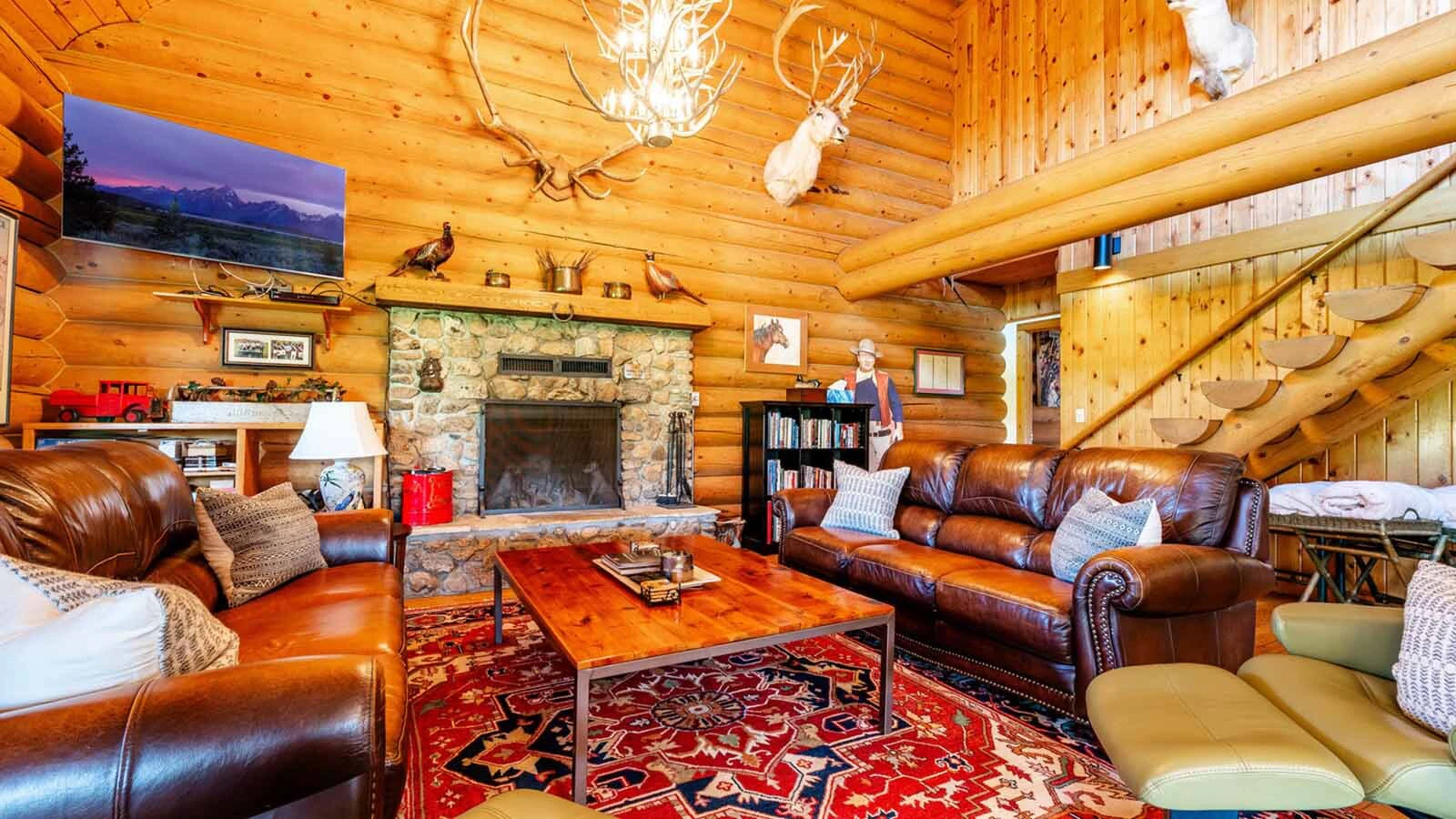
The Wallop family's legacy Quarter Circle Lazy B Ranch in Sheridan County is for sale for the first time in 135 years, listing for $24.5 million. It hosted Queen Elizabeth II, supplied cavalry horses to Britain and helped build Wyoming's polo scene. (Wallop Family) 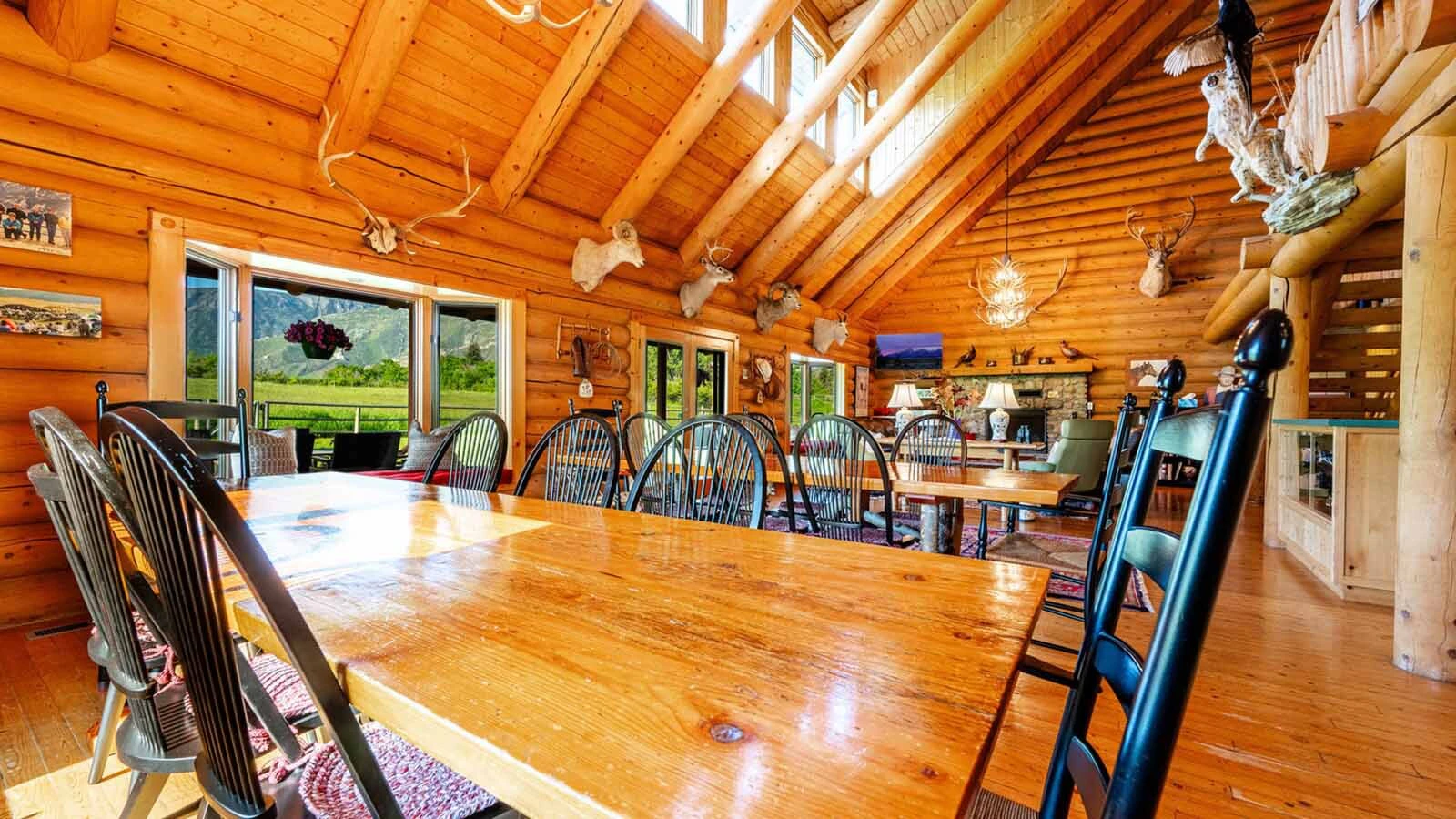
The Wallop family's legacy Quarter Circle Lazy B Ranch in Sheridan County is for sale for the first time in 135 years, listing for $24.5 million. It hosted Queen Elizabeth II, supplied cavalry horses to Britain and helped build Wyoming's polo scene. (Wallop Family)
A Royal Guest List
For all its remoteness, the Quarter Circle Lazy B has long attracted an international roster of guests, thanks in part to the family’s enduring ties to British nobility.
While Oliver Henry Wallop returned to England to serve in the House of Lords, he maintained close ties to his family in Wyoming and his ranch was a quiet magnet for many high-profile visitors, ranging from Buffalo Bill Cody and President Theodore Roosevelt — who designated the Bighorn National Forest after his visit — to Queen Elizabeth II, Prince Philip and, in more recent times, Princess Anne.
Sports legend John Elway, former French President Valery Giscard D’Estaing, and American political leaders such as Vice President Dan Quayle are also among the high-profile guests.
“I mean, we’ve served tea to Princess Diana’s sister,” Sandra Wallop said. “This ranch has been host to a huge long list of princes and princesses and queens and vice presidents and senators and on and on and on.”
The ranch also has ties to “Downton Abbey,” a popular PBS British historical drama set at Highclere Castle, through an aunt who married the queen’s manager for thoroughbred racing, Lord Porchester.
“He became the Earl of Carnarvon and Paul’s aunt became the Countess of Carnarvon,” Sandra said. “And they owned Highclere, which Paul’s cousin now has, and is where Downton Abbey was filmed.”
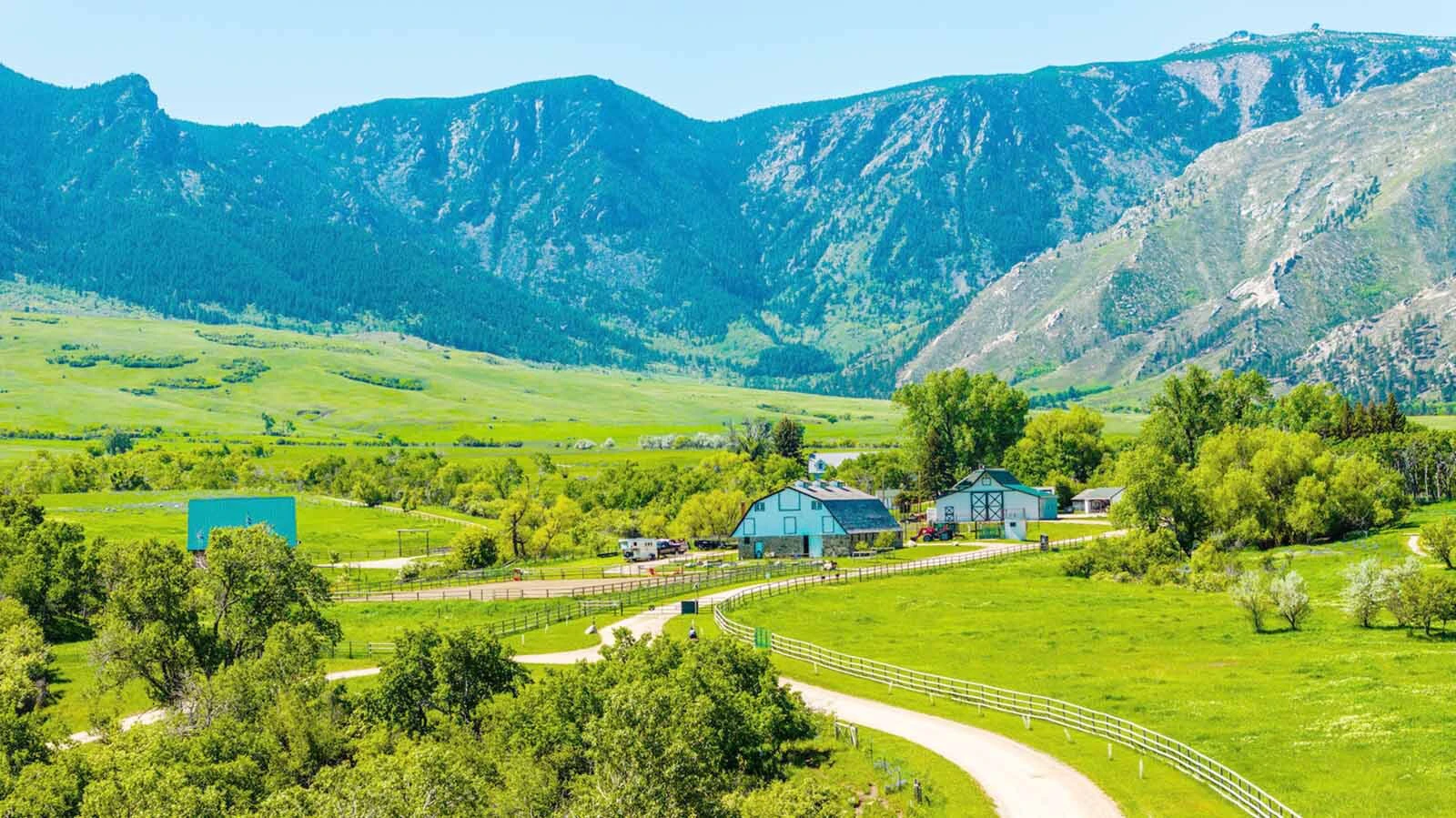
The Wallop family's legacy Quarter Circle Lazy B Ranch in Sheridan County is for sale for the first time in 135 years, listing for $24.5 million. It hosted Queen Elizabeth II, supplied cavalry horses to Britain and helped build Wyoming's polo scene. (Wallop Family) 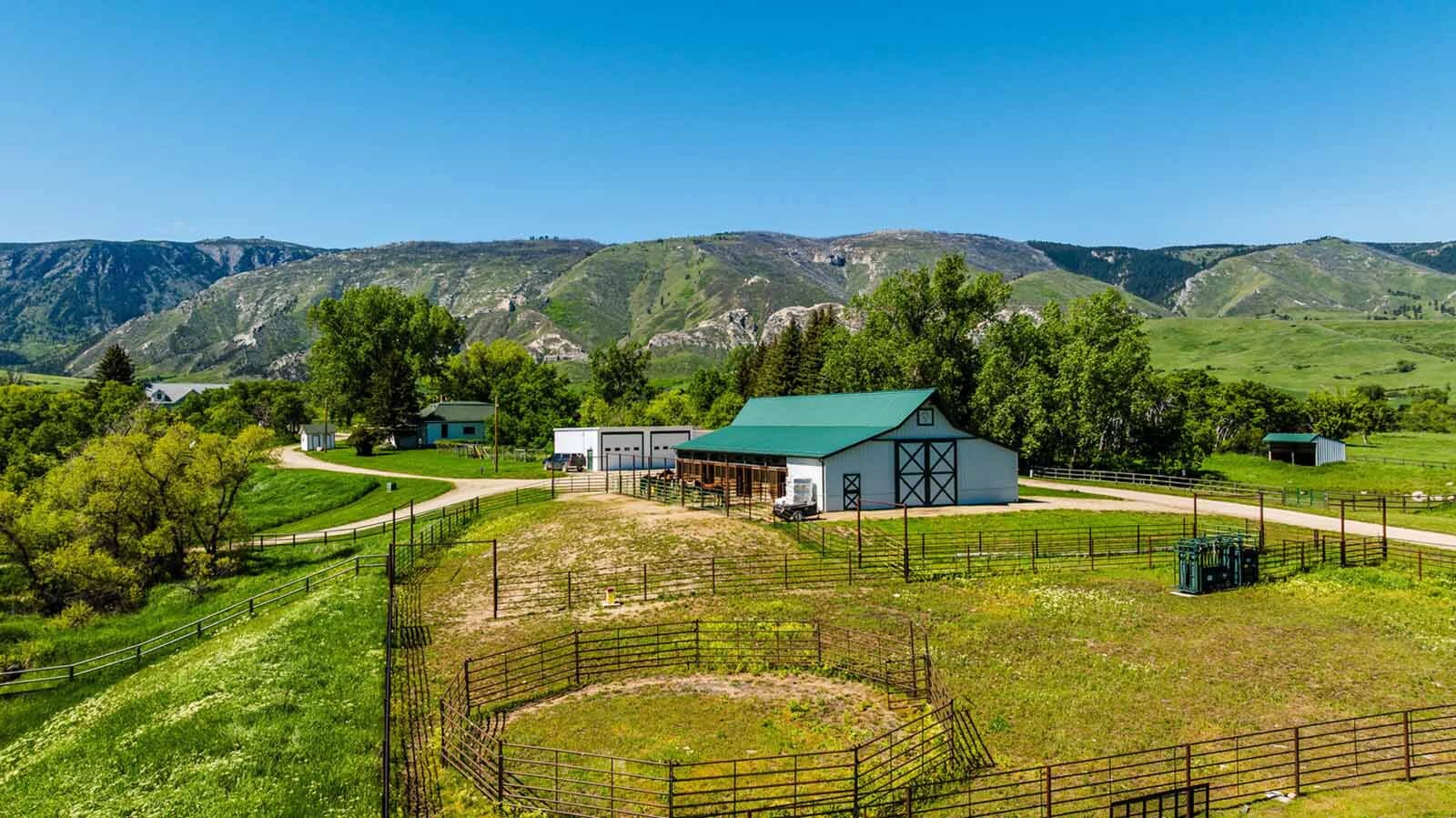
The Wallop family's legacy Quarter Circle Lazy B Ranch in Sheridan County is for sale for the first time in 135 years, listing for $24.5 million. It hosted Queen Elizabeth II, supplied cavalry horses to Britain and helped build Wyoming's polo scene. (Wallop Family) 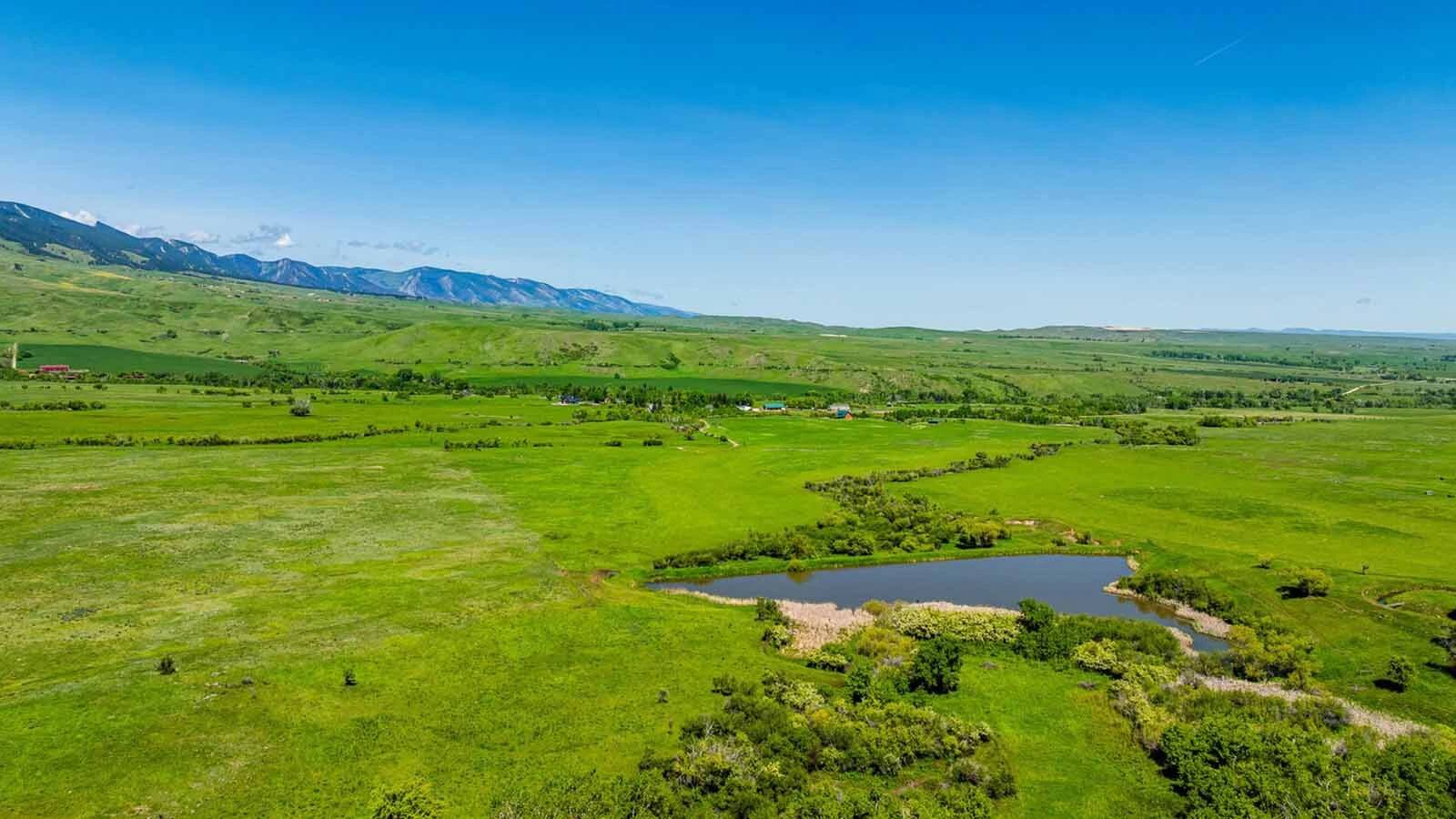
The Wallop family's legacy Quarter Circle Lazy B Ranch in Sheridan County is for sale for the first time in 135 years, listing for $24.5 million. It hosted Queen Elizabeth II, supplied cavalry horses to Britain and helped build Wyoming's polo scene. (Wallop Family) 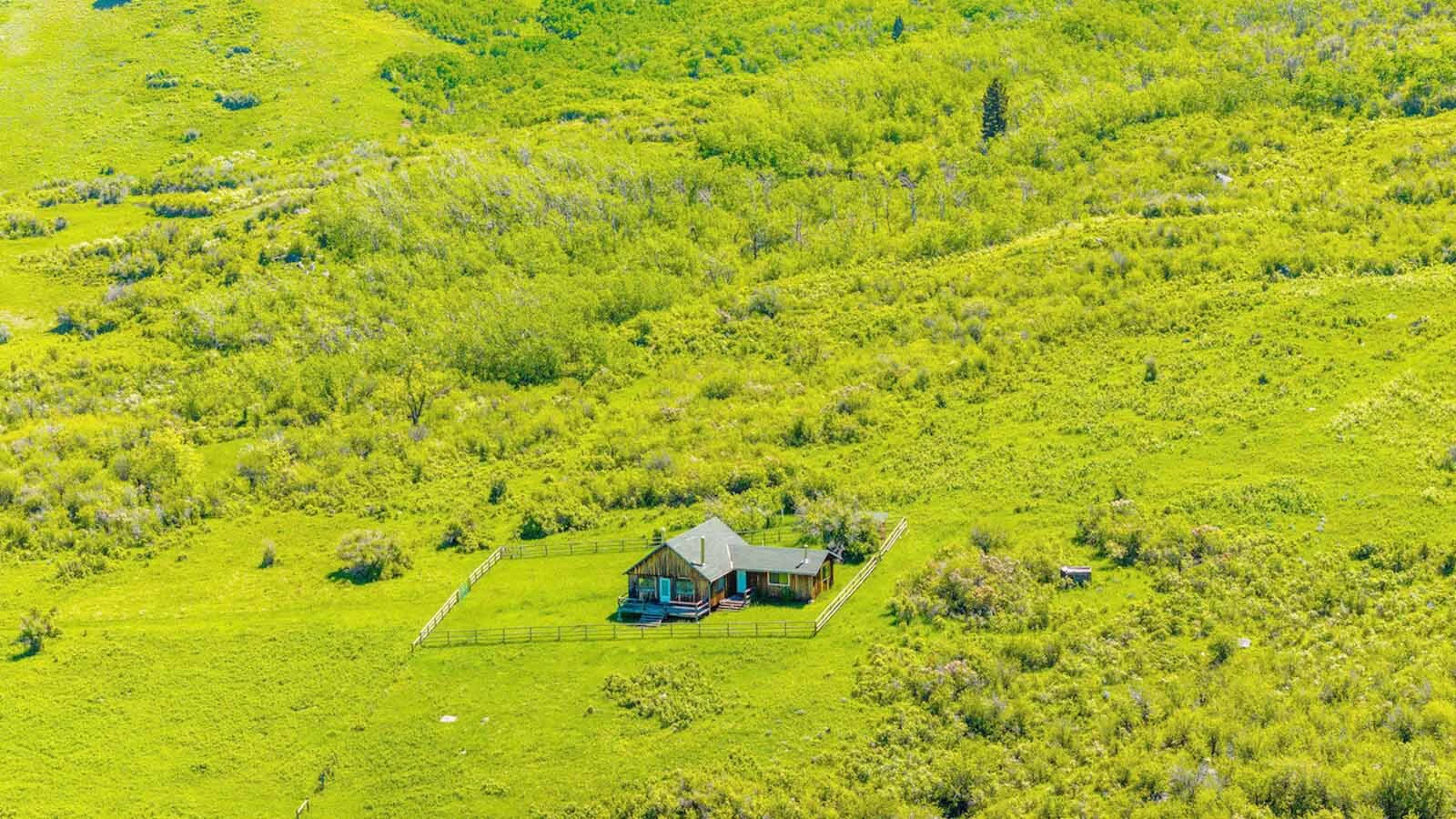
The Wallop family's legacy Quarter Circle Lazy B Ranch in Sheridan County is for sale for the first time in 135 years, listing for $24.5 million. It hosted Queen Elizabeth II, supplied cavalry horses to Britain and helped build Wyoming's polo scene. (Wallop Family) 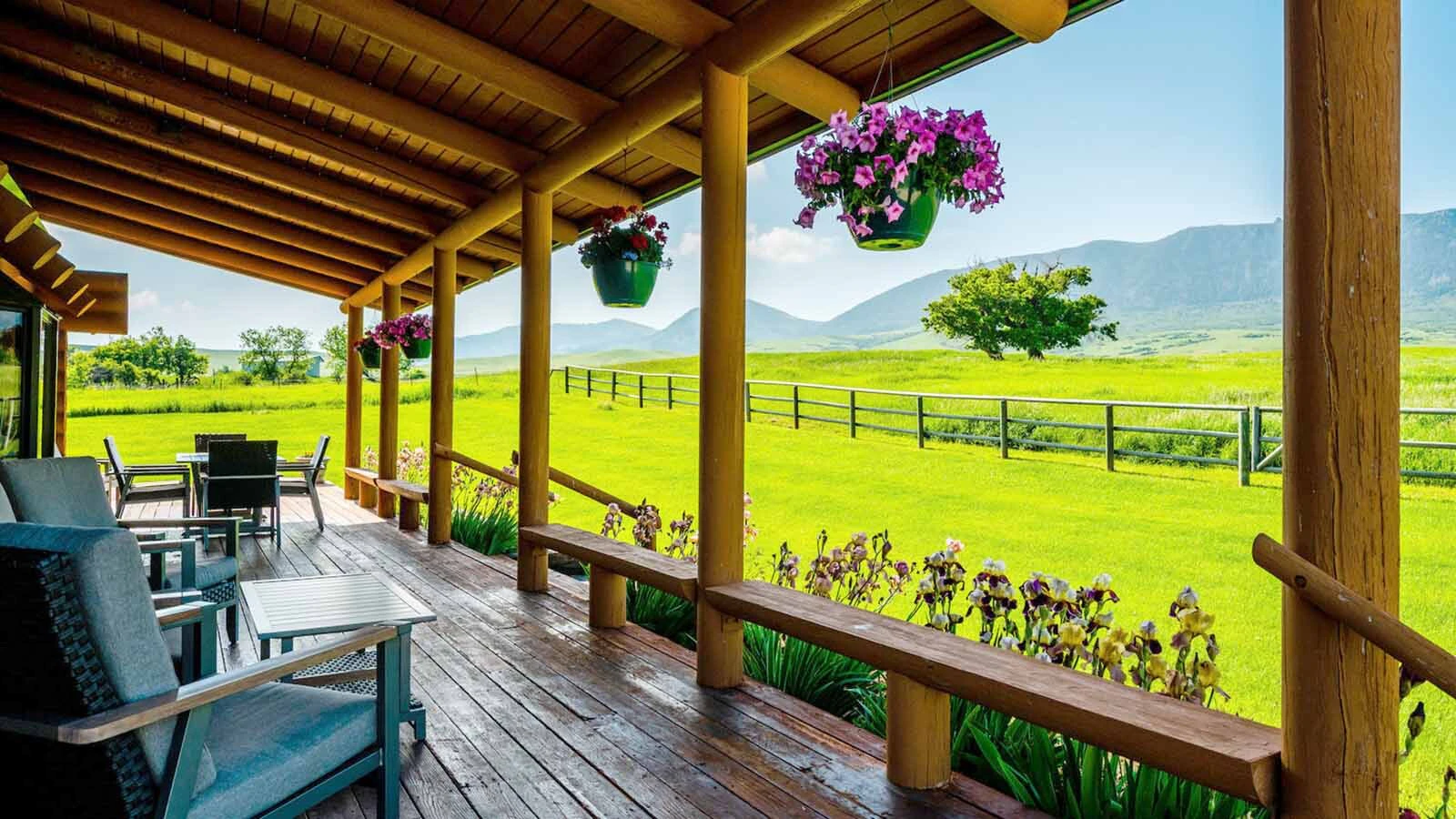
The Wallop family's legacy Quarter Circle Lazy B Ranch in Sheridan County is for sale for the first time in 135 years, listing for $24.5 million. It hosted Queen Elizabeth II, supplied cavalry horses to Britain and helped build Wyoming's polo scene. (Wallop Family) 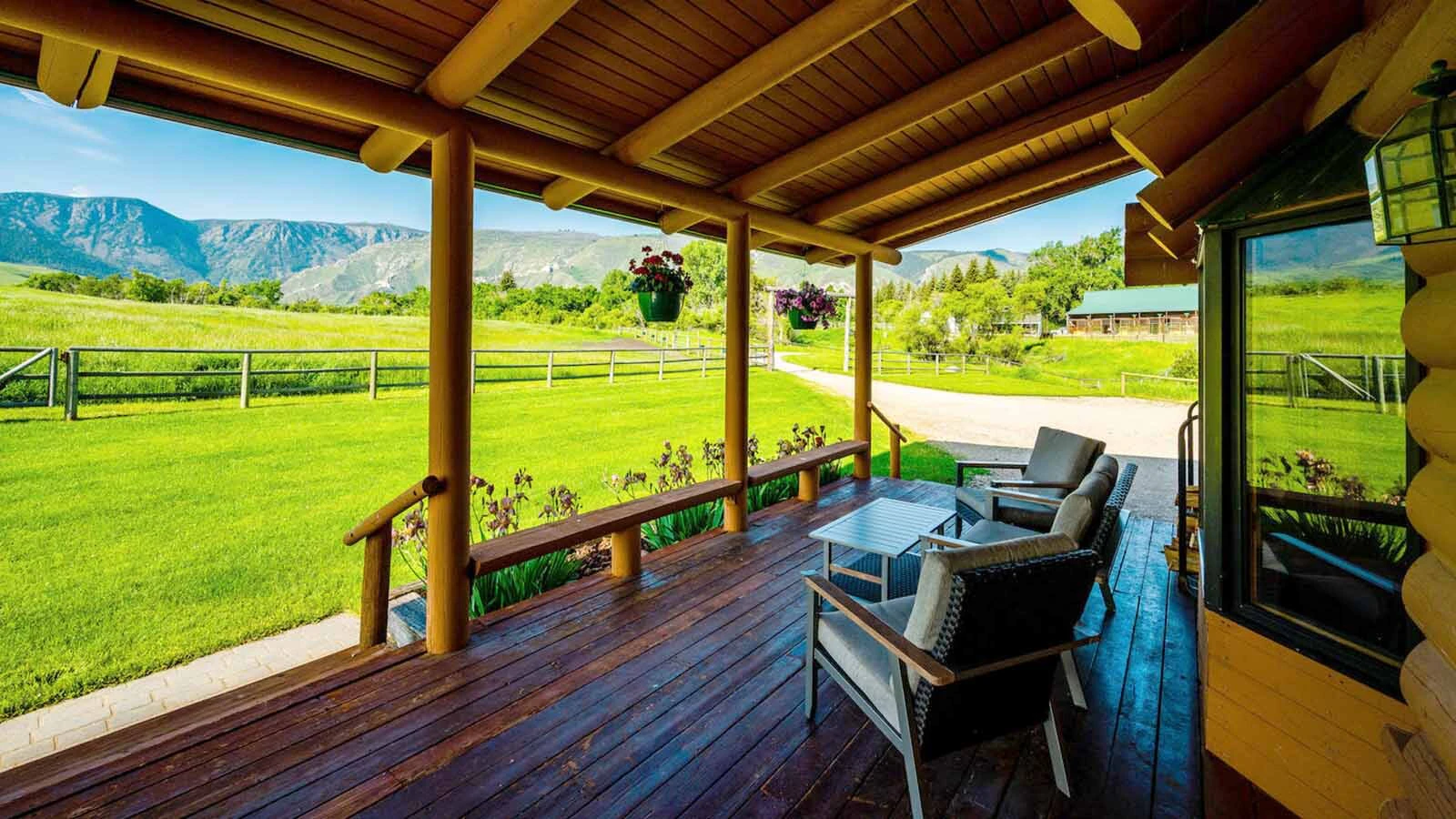
The Wallop family's legacy Quarter Circle Lazy B Ranch in Sheridan County is for sale for the first time in 135 years, listing for $24.5 million. It hosted Queen Elizabeth II, supplied cavalry horses to Britain and helped build Wyoming's polo scene. (Wallop Family)
Buildings Tell Ranch’s History
The buildings on the ranch reflect its layered history. There’s the historic stone barn, constructed in the 1930s, which once served as a show barn for registered Hereford sales and which today serves as a horse barn and tack space.
There’s the foreman’s or manager’s house, dating to around the turn of the 20th century. It has three bedrooms and two baths, and is likely the oldest building on the property.
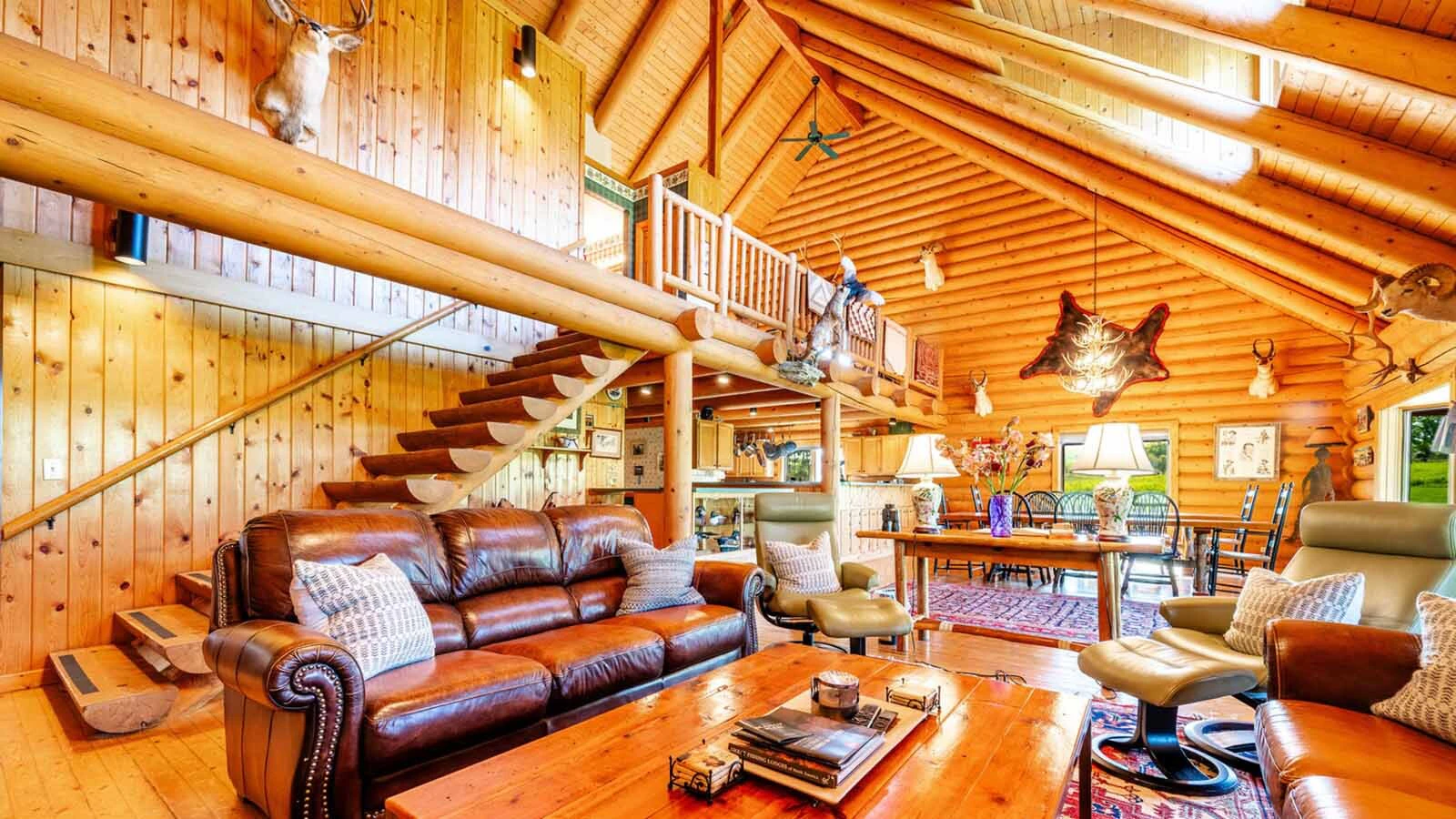
There’s the Orvis-endorsed fly-fishing lodge, featured in Great American Fishing Lodges, built in 1993. It’s a two-bedroom, four-bath home with a panoramic view of Little Goose Canyon and Moncrieffe Ridge.
And there’s Johnnie’s mountain cabin, a remote two-bedroom, one-bath mountain home.
Other structures include a heated mechanics shop, a newer Morton building for horses and storing equipment, a farm shed for storage with dog kennels at the south end, a Scale House complete with a 10-ton 1965 Fairbanks Morse Scale and a 100-by-200-foot outdoor riding arena complete with lighting, advanced drainage, tack areas and wash bays.
More Than Land, Buildings
All this set in an area that boasts trophy wildlife of all kinds — moose, elk, deer, mountain lion, bear, and upland game birds. The ranch still has one of Wyoming’s original private game-bird farm licenses, and it’s also one of the first conservation easements written in the state.
Little Goose Creek offers 600 feet of trout stream to go with the property’s four mountain ponds.
What’s for sale, the Wallops say, is more than just a collection of historic buildings and some scenic acres. To them, it’s a way of life their family has spent four generations protecting.
That’s why they’re less focused on how fast the ranch sells than on who ultimately buys it. They hope for someone who will treasure both its history and its future, helping with the next three or four generations of stewardship.
Renée Jean can be reached at renee@cowboystatedaily.com.


