
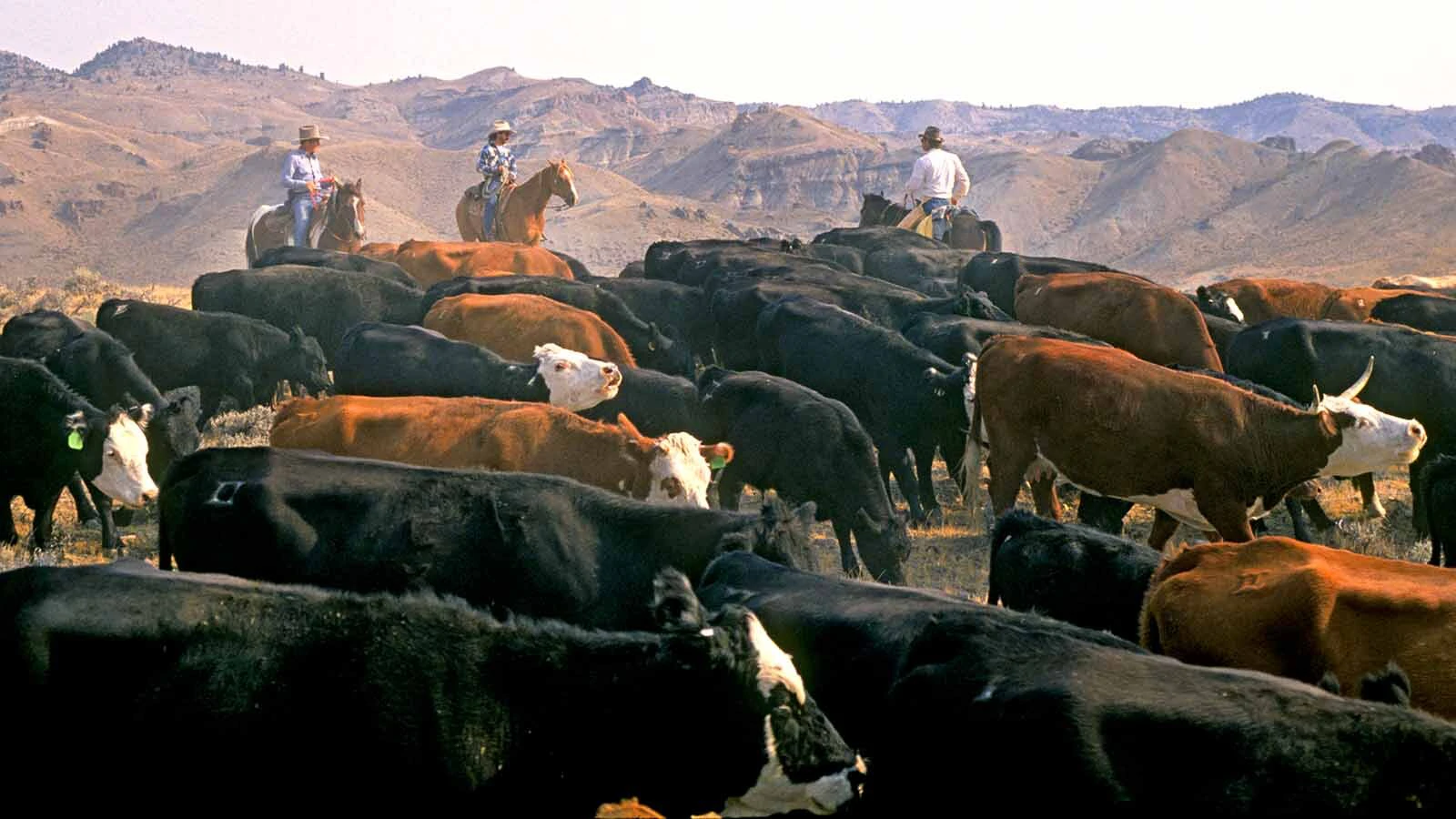
While Wyoming cattle appear to have endured the state’s record-breaking heat, a recent heat wave in neighboring South Dakota has killed upward of 2,000 cattle, threatening producers’ livelihoods in an already tough market.
A combination of scorching temperatures and high humidity proved deadly, depleting herd numbers and highlighting just how vulnerable livestock can be during extreme weather.
While not as extreme as in South Dakota, Wyoming ranchers say heat stress has been common this summer.
"We see it all the time," said Trad Williamson of Williamson Land and Cattle in Moorcroft. "Absolutely, we keep a closer eye on our cattle because of the heat."
However, Wyoming ranchers said they aren't aware of widespread cattle deaths. That’s because the state's drier climate, cooler nighttime temperatures and relatively small number of feedlots appear to have spared producers from the catastrophic losses seen to the state's northeastern neighbor.
July's heat wave shattered records across Wyoming. Worland reached 110 degrees on one day and Sheridan climbed to 109, both all-time highs.
"Heat is just as much of a risk in Wyoming as it is in other states," Williamson said.
Although he hasn't heard of Wyoming cattle dying, some of his customers in South Dakota have suffered devastating losses, including one producer near Midland, South Dakota, who lost more than 100 cows and calves.
A Deadly Combination
The losses in South Dakota came from a one-two punch of extreme heat and unusually high humidity.
Warren Rusche, a feedlot management specialist with South Dakota State University Extension, said warm overnight temperatures prevented cattle from cooling off after enduring sweltering afternoons. Limited airflow with little wind compounded the problem.
"What that ended up causing was a pretty significant death loss," Rusche said.
Reports of additional losses were still coming in Wednesday, but Rusche estimated the death toll would exceed 3,000 head of cattle statewide.
"It was really a tough deal in terms of financial impact and the stress of trying to care for the livestock," he said.
The losses come as the U.S. cattle industry is already coping with historically tight supplies. The nation's herd is at its lowest level in roughly 75 years after years of drought, high operating costs and continued strong consumer demand for beef.
Why Wyoming Fared Better
Most of the deaths occurred in feedlots, where cattle are larger, heavier and nearing slaughter weight.
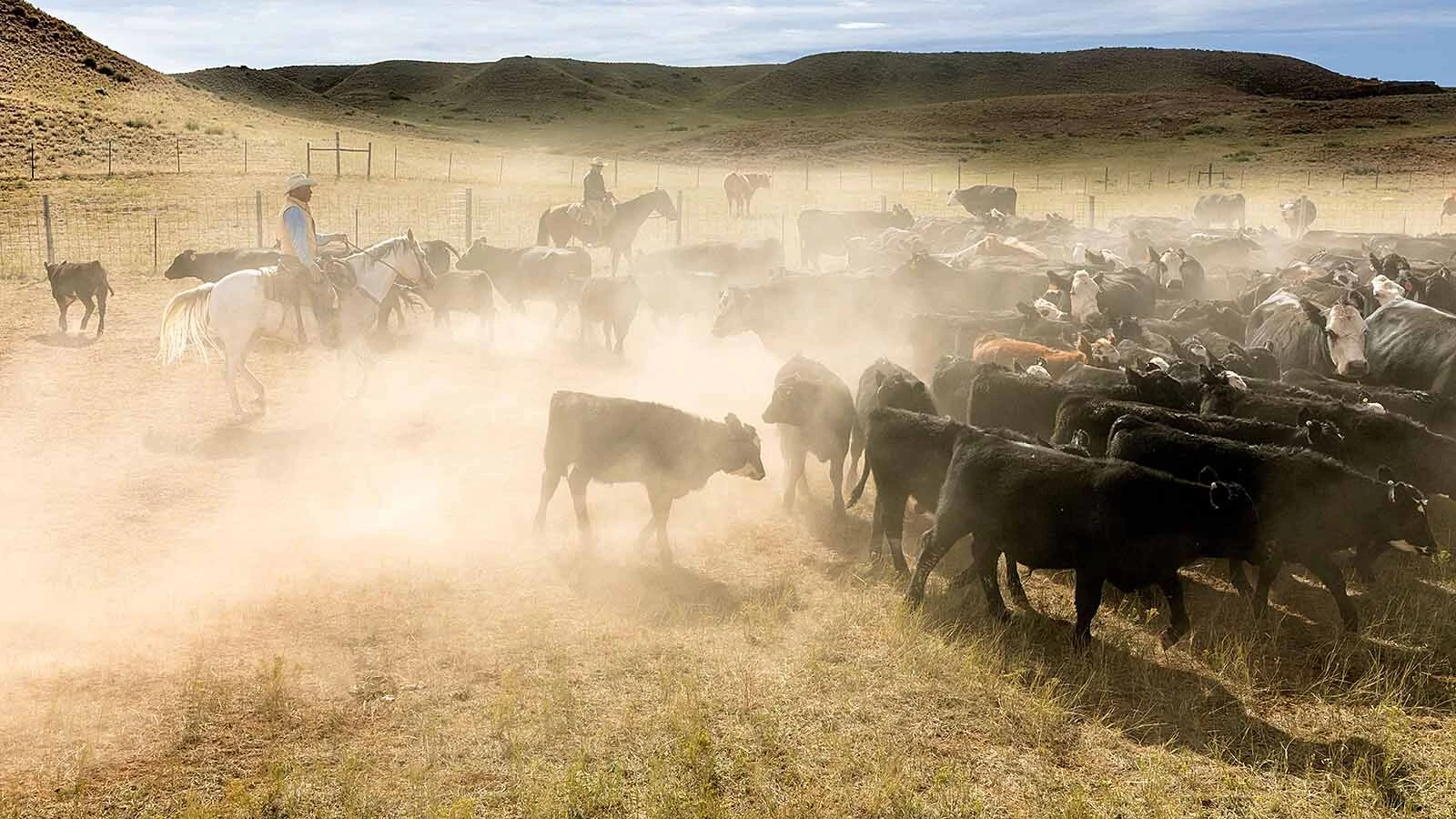
Most of Wyoming’s cattle spending much of their lives grazing open range.
"Wyoming doesn't have a huge footprint with feedlots," said Todd Fornstrom, a Laramie County rancher and president of the Wyoming Farm Bureau. "The cattle ready to go to a harvest facility are more prone to dying from the heat."
Wyoming also benefited from lower humidity and cooler nights, giving cattle a chance to recover after daytime temperatures peaked.
Even so, the heat has kept ranchers on alert.
Black-hided cattle can be especially susceptible because their coats absorb more solar heat, Williamson said.
Still, cattle are generally better equipped to tolerate high temperatures than people, Fornstrom said, particularly when they have room to spread out and air can circulate.
No Easy Solutions
South Dakota producers did everything they could to protect their herds, Rusche said.
Some relied on portable shade structures — large tarps mounted on wheeled frames that can be repositioned throughout the day. But the structures can cost as much as $11,000 for a 30-by-40-foot unit, putting them out of reach for many operations.
Even shade wasn't always enough.
Rusche said he heard reports of cattle being found dead beneath shade structures after animals crowded together in an effort to escape the sun, trapping heat within the group.
"This was a case where shade alone is not necessarily the silver bullet that will prevent all death losses," he said.
Planting trees isn't an inexpensive solution either, Williamson added.
"A lot of ranchers don't have the money and resources to build things for shade," he said.
Instead, many producers simply intensified monitoring of their herds, checking cattle more frequently and doing everything possible to reduce stress.
"This is one of the things I really want to stress — I know those ranchers were doing all they could," Rusche said.
Producers who suffered catastrophic livestock losses could qualify for assistance through the federal Livestock Indemnity Program, which helps compensate owners for deaths caused by eligible adverse events
Kate Meadows can be reached at kate@cowboystatedaily.com.


