
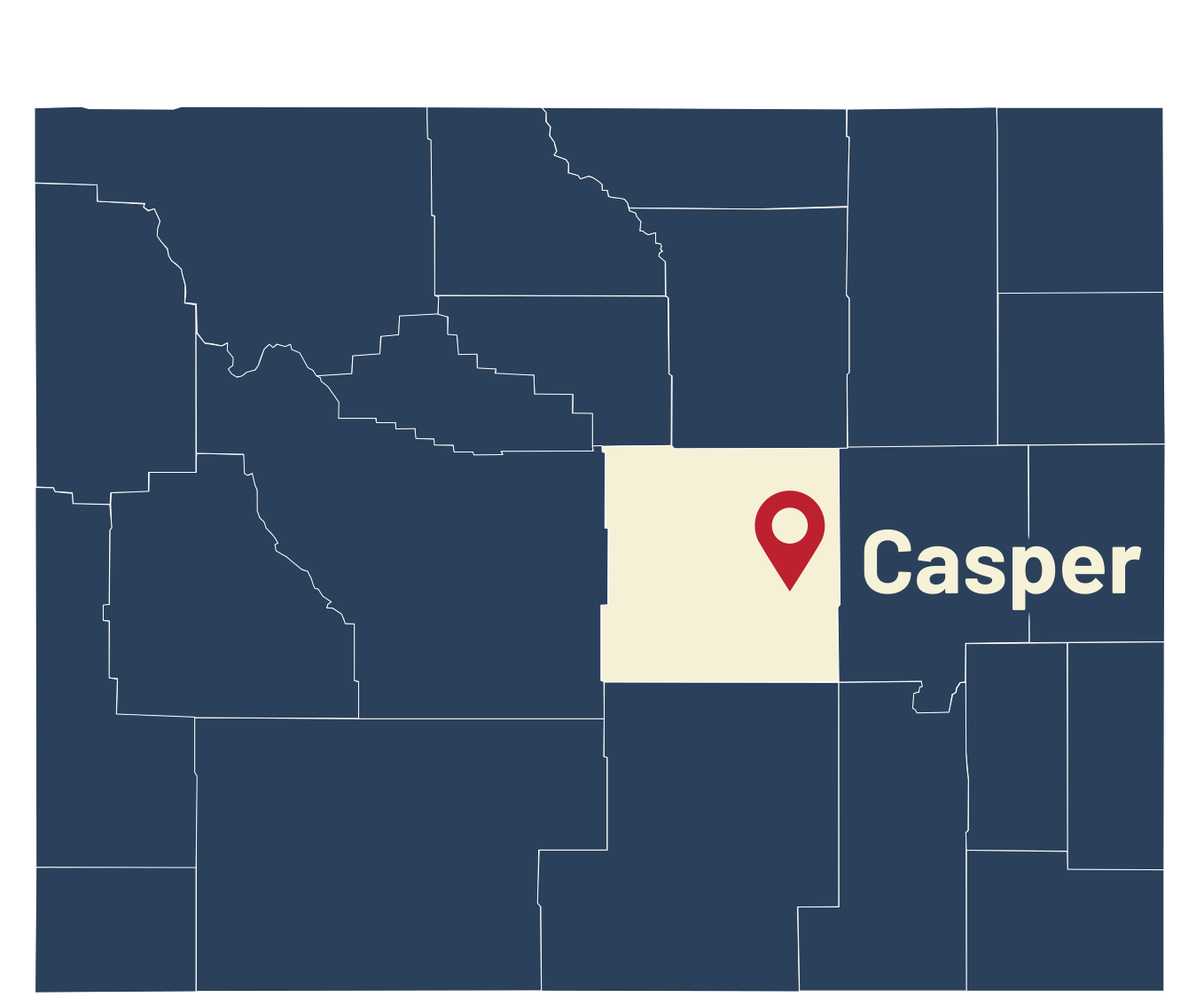
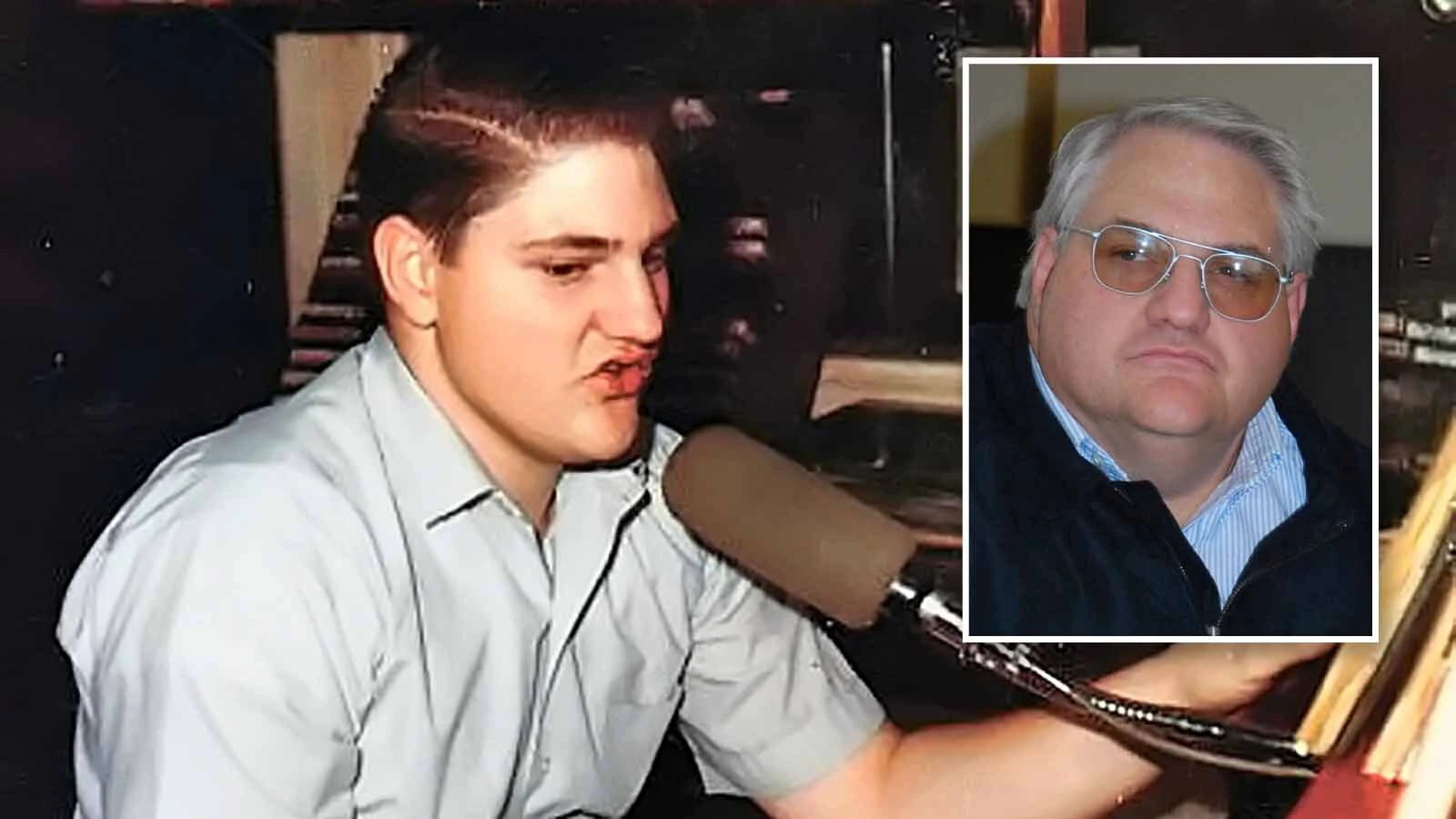
Dave Nutter looks back on a life in broadcasting with stories to tell.
The 74-year-old who spent much of his working career talking into microphones and turning dials has to stop periodically to cough as he fights idiopathic pulmonary fibrosis, a disease doctors say will eventually claim his life.
His working resume covers call letters of radio stations from Casper to eastern Nebraska, Rawlins and even short stint in Portland, Oregon, before returning home for a long stint at K2 Radio and Television.
Along the way, he collected broadcasting equipment and memorabilia that represents Wyoming’s golden-era airwave history.
But how a 13-year-old got on the air and parlayed his teen years into gigs at Casper radio stations in the 1960s and early 1970s seems a Top 40 tale worth spinning again.
It all began with a fifth-grade trip to the K2 TV station where he was a member of the choir singing Christmas carols.
He noticed the guys behind the big cameras pointing the lens at him and others.
“It just really looked enticing to me,” Nutter said. “I decided I wanted to be a TV cameraman.”
From that point on he also started paying attention to radio and made it a point when he learned that a Casper radio station was doing a remote broadcast to drop in and hang around.
He got to know the players, talked with those at the controls and behind the mic, and became a “radio pest.”
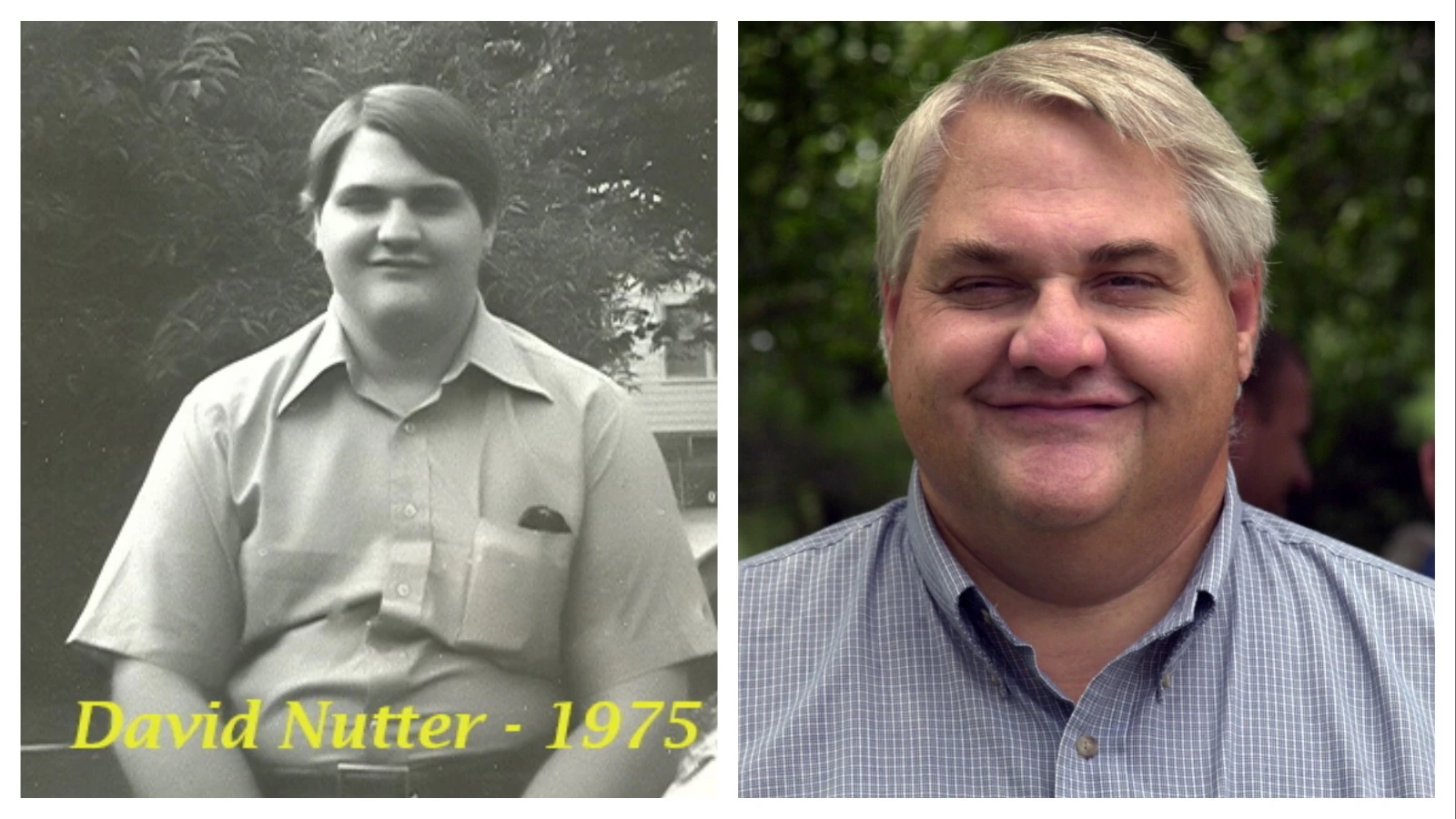
Mostly, KVOC, a country station, did the remotes and Nutter recalls being at the annual Casper summer parade downtown in 1964 when he was 13 and standing by the live broadcast guys who included Dave “Woody” Woodside, the program director, at the microphone and the new station owner’s son who was manning the broadcast board controls.
First Gig
The station owner’s son and Woodside got into an argument and the son walked off. Woodside, who had gotten to know Nutter, looked at him and asked if he could do the job.
“I said, ‘Sure,’” Nutter recalled. “So, that was my very first day probably 1964, I don’t remember exactly, but it was summertime and I ran the controls and helped pack up the equipment.
"They didn’t give me any pay, but that that’s how I started working at KVOC at 13.”
That impromptu introduction to the board led to more opportunities on remotes that summer and the next where he would ride his bike or hitch a ride with the station crew to the remote location and help set up microphones, the board, and landlines to the station for a remote broadcast.
Because he had no broadcast license, he could not work inside the station, but at 15 that changed. He studied for the third-class FCC license, the minimum requirement, that would allow him to work inside a station with broadcast equipment and the transmitter.
He convinced his parents that he could pass the test and the nearest place to take it was Denver. His family took a vacation with a swing through Denver and at 15 he joined the 20- and 30-year-olds looking for their ticket to a broadcast career by taking the multiple-choice and more than an hour-long exam.
After finishing the test, he rejoined his family and went on the rest of their vacation.
“I came home from vacation and my license was in the mailbox,” Nutter said. “I immediately got on my bicycle and rode to the radio station with the license. It was like my graduation.”
Woodside and the owner were at the station, saw the license, and told him he could go to work the next Sunday.
It was July 1967. He operated the two turntables, cart machines for ads, reel-to-reel recorders and the broadcast board that controlled which machine sent content on the air.
Blue-Light Specials
Sundays involved playing 15-inch records from the Salvation Army and other church-related programs that were serialized.
It also meant going to church locations and setting up remote broadcasts. The station alternated churches during the month, so it might be a Baptist congregation one week and Pentecostal the next.
Nutter said when Kmart came to town in the fall of 1965, the city’s first box store paid to have a three-hour live afternoon broadcast every Sunday from the store.
It was the first time a store was open on Sundays and lines would form outside the doors before it opened at noon. He and the announcer would go to the store and set up for a 12:30 p.m. start.
Nutter initially just ran the controls with the on-air personality who called himself the “Deacon Speakin’.”
But then the “deacon” got fired because Kmart did not like the job he was doing. His replacements also got fired.
Woodside asked Nutter if he thought he could do the announcing part of the broadcast. It involved playing music on the turntable at the store and reading a stack of “blue light” and other specials over the airwaves to bring Sunday shoppers to Kmart doors.
Nutter said the store occasionally did a “99-cent special” that involved putting a small 99-cent sticker on an expensive item such as a barbecue or even a washer or dryer. The draw was no one knew where or what it was.
“People would literally tear up the store looking for those 99-cent specials,” he said.
Nutter told his boss he would try the role. And store management was pleased with the results.
Nutter said he found out that Kmart paid KVOC about $1,200 a month for the broadcasts, which represented the biggest advertising account the station had at the time.
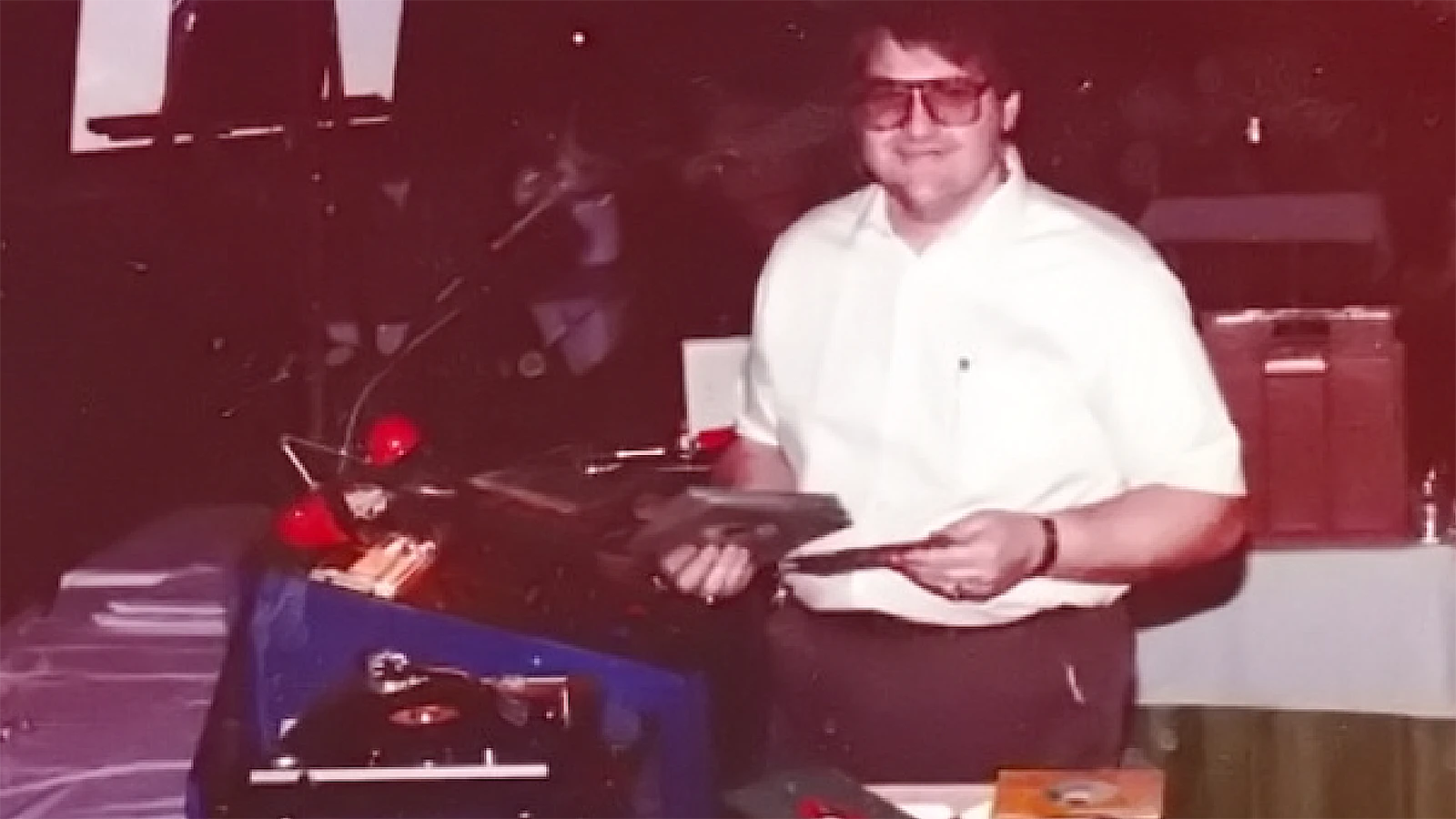
KATI Calls
While doing the Kmart show he was noticed by a competitor at KATI in town. The station’s program director asked him to come in and talk.
He was offered a job and took it. His first shift running the board from midnight to 6 a.m. at the Top 40-centered station was June 5, 1968.
“That was the date that Bobby Kennedy got shot in California,” Nutter said. “CBS maintained a network alert system and we got the CBS network alert signal.”
For the next few hours he played instrumental music between CBS News bulletins updating listeners on Kennedy’s fate.
It was also at KATI that the program director told him he could not use his real name and gave him three options of monikers to choose from.
The one that kind of had a nice ring was “Don Steele.” He chose it.
And as the “Real Don Steele” soon realized, there was another one on the air.
When he went back to the school in the fall, he remembers a girl asking him if he was “this guy?” She pointed to a fan magazine that said a Don Steele was the number one rated disc jockey in the country — he worked at a station in Los Angeles.
“This guy was the real Don Steele and I learned later he came from Portland, Oregon and Omaha,” Nutter said. “So I’m assuming (his program director) gave me three names of three big disc jockeys someplace else in the world.”
Nutter’s time at KATI also involved continuing the Kmart show. When he left KVOC, he brought the account over with him.
Following high school graduation, Nutter’s career took him to Rawlins and then for a stint in Scottsbluff, Nebraska, and then back to KVOC.
He spent a few years traveling the country in a good-paying job installing kitchen equipment for McDonald’s Restaurants before returning to Casper as a McDonald’s store manager.
A K2 radio salesman convinced him to check out a Sunday radio gig opportunity and lured him back.
“I started full time at K2 on Jan. 15, 1980 and for all intents and purposes that was the last radio stop,” he said. “That was my last place of employment.”
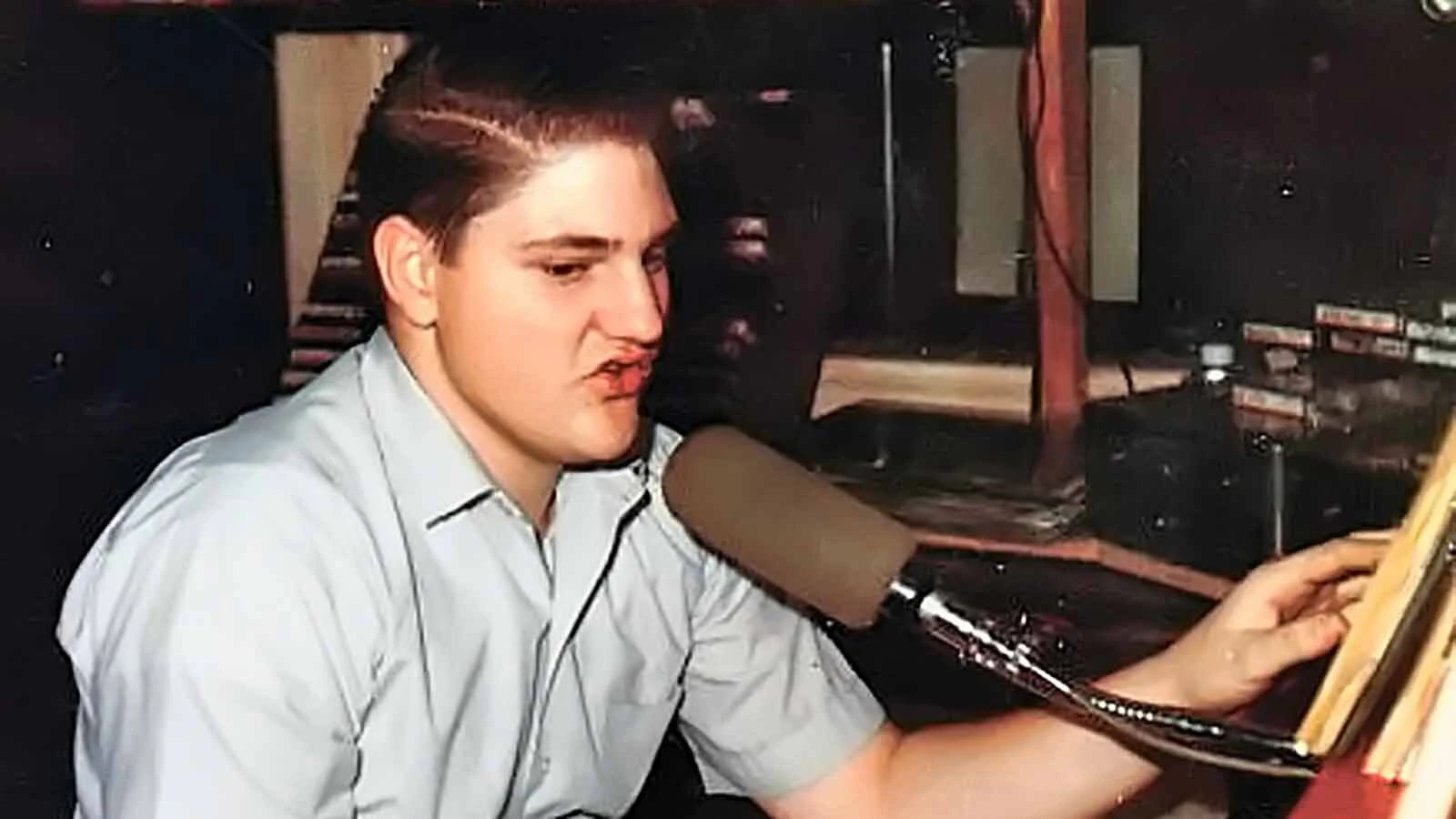
Personality Role
He spent the next 25 years until 1994 working for K2 in various roles, including as a radio personality, and program and music director.
He later founded and operated the Wyoming News Network for five years, a radio service that offered radio stations in Wyoming and South Dakota news, special events, sports, and weather.
Nutter said his on-air shows were more a “personality broadcast” where he offered little features and sometimes did interviews of various people.
“I tried a lot of different things that seemed to work,” he said. “I remember my ratings were better than anybody else in town for that time period, even though we never really ever worked for ratings, they were there.”
In addition to on-air work, Nutter fascination with the broadcast equipment led him into a collection of broadcast gear headed for dumpsters at an early age.
He remembers one day at KVOC when the station engineer called him and said they were taking a bunch of equipment to the dump.
Collecting Artifacts
Nutter went to the station and gathered the first microphone he ever spoke in as well as the remote radio board that he used at 13 and some cart machines.
During his K2 career, he remembers coming back from Laramie after a football game broadcast and finding a bunch of old equipment in the dumpster behind the station.
He rescued it.
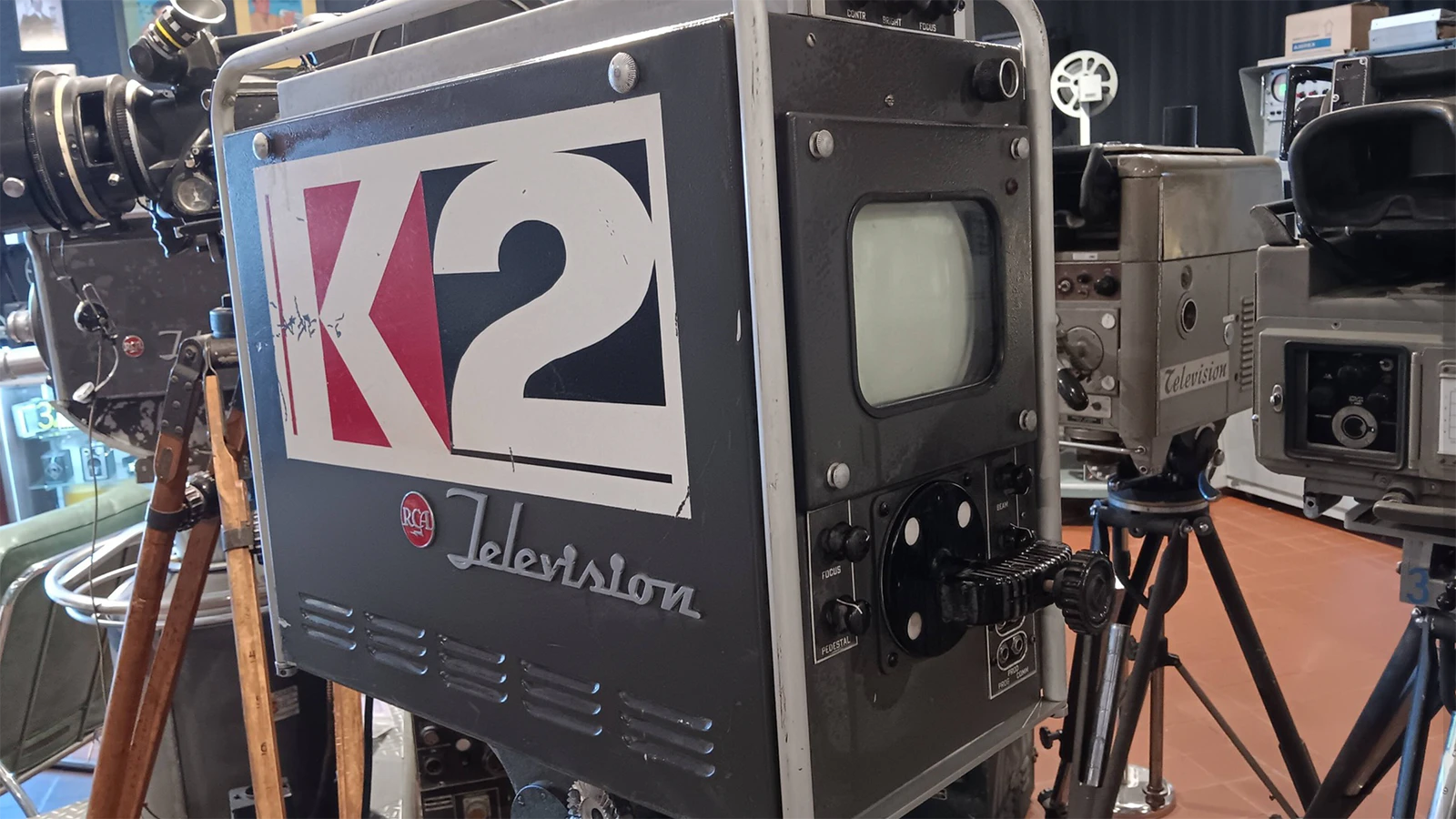
Among the items was the first studio camera used at K2 TV in 1957 that weighed nearly 140 pounds.
After being diagnosed with his illness, he knew his collection of things was going to end up back in a dumpster unless he could find a place that wanted it.
He contacted the Texas Broadcast and Communications Museum and ended up taking two trips down to deliver the 1,400 items he had collected over the years.
The K2 camera was something unique among the other 109 cameras in the museum’s collection. Instead of storing in a corner or closet they put it on the floor in their main lobby, Nutter said.
“I’m proud to say that it is within 15 feet of the TV camera that covered the assassination of Lee Harvey Oswald in the basement of the Dallas Police Department,” he said.
Much of Nutter’s present day involves trips to doctors and procedures to help prolong his life. His pulmonary fibrosis continues to harden his lung tissues making breathing more difficult.
But he keeps pressing on.
“They’ve got a couple of medications out there that prolong you breathing,” he said. “But the only real cure is a lung transplant.”
Dale Killingbeck can be reached at dale@cowboystatedaily.com.


