
Wyoming’s national wildlife refuges will be largely unaffected by a Trump administration plan to expand hunting and fishing opportunities on roughly 92 million acres in 32 states, a retired U.S. Fish & Wildlife Service biologist from Sheridan County says.
The Department of the Interior announced the proposal last week as “the largest expansion of hunting and sport fishing opportunities in the history of the U.S. Fish and Wildlife Service."
Dave Paullin, who was also a wildfire manager, told Cowboy State Daily opening the nation’s refuges to more hunting is “just fine.”
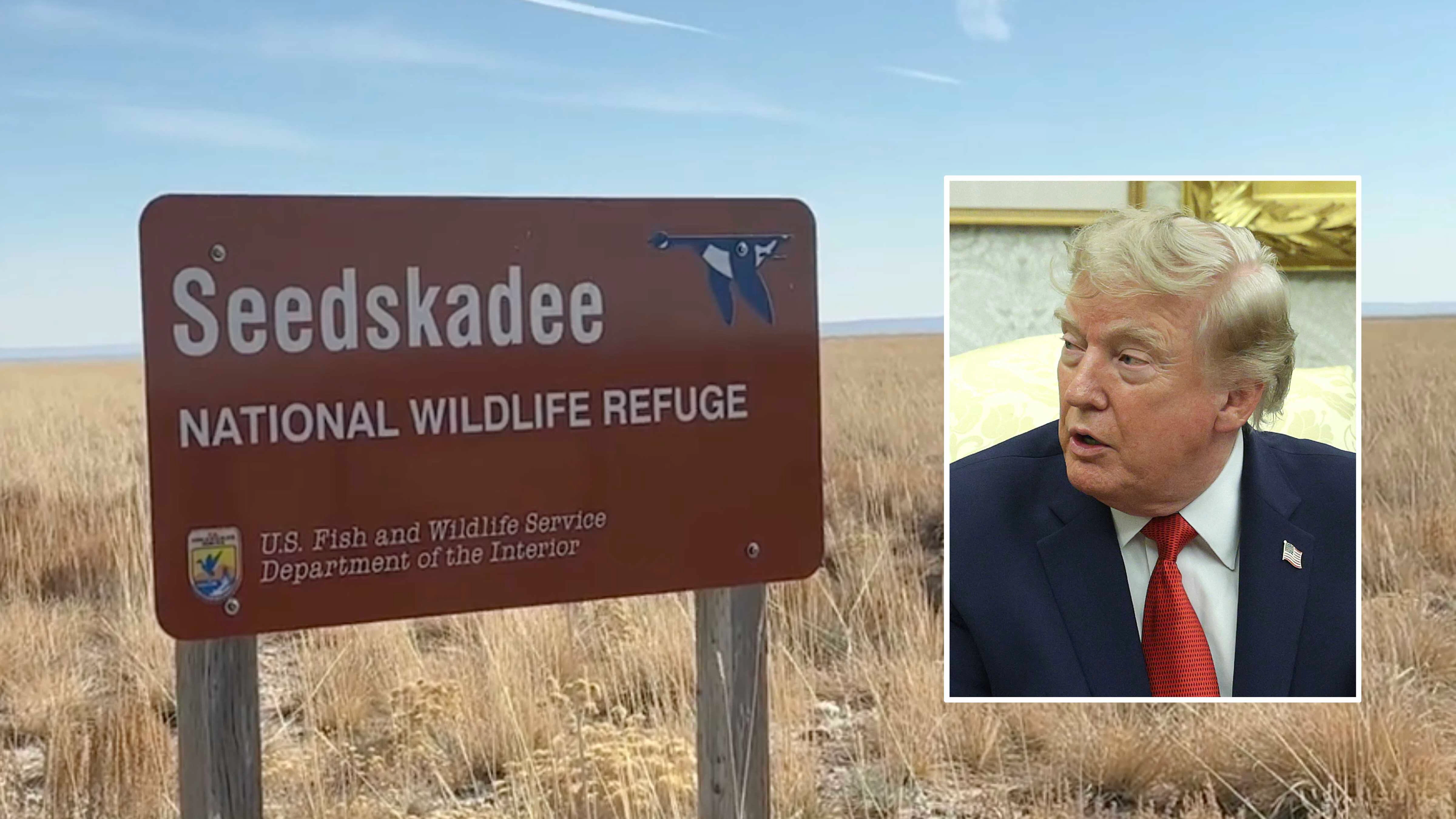
Three refuges in Wyoming are on the list of areas to undergo modest changes: Seedskadee National Wildlife Refuge in western Sweetwater County, Cokeville Meadows National Wildlife Refuge in Lincoln County, and Bamforth National Wildlife Refuge in Albany County. Regulations at Pathfinder and Hutton Lake national wildlife refuges would remain the same.
Hunting and fishing are already allowed on those refuges. The only change would be to regulate wording to clarify that “upland game bird” hunting is allowed instead of having species-specific designations, such as “sage-grouse.”
That will bring the wording in line with Wyoming Game and Fish Department regulations, the Fish & Wildlife Service says.
Opening Refuges To Hunting Isn't New
Pushing to open wildlife refuges to hunting and angling isn't new, Paullin said.
“There’s been a push for that for quite some time. Even before I retired, and I retired more than 20 years ago,” he said.
Paullin added that whether to allow or increase hunting and fishing on a refuge should be determined on a case-by-case basis.
“You have to look at what is the primary purpose of the refuge,” he said.
For instance, a wildlife refuge in the San Francisco Bay was established as a sanctuary for seal lions and seals, and no human activity is allowed, he said.
Paullin said he doesn’t expect those sorts of refuges will be opened to hunting.
On other refuges, hunting won’t disrupt the primary purpose, he said.
For example, hunting, fishing, photography and hiking are allowed on parts of the National Elk Refuge near Jackson, he said.
Limited closures take place during the spring, in places where trumpeter swans are nesting or moose are birthing calves, Paullin said.
Only professional photographers with permits are allowed then, he said.
Camping is one activity that might remain restricted on refuges, because it’s “pretty intrusive” and difficult to manage, Paullin said.
“In a lot of cases we said, ‘If you’re going to go camping, you can go to the BLM, the national forest or the state land down the road,’ he said.
Proponents And Opponents
Avid hunter Scott Weber of Cody said he’s enthusiastic about the proposed change, which could open up hunting opportunities in other states.
Animal welfare advocate Wayne Pacelle criticized the move, saying it undermines the original intent President Theodore Roosevelt had for establishing the refuges as a place for game species to get a break from hunters.
The final rule will deliver 1,488 new hunting and sport fishing opportunities across 32 states, according to the Interior Department. It will be published in the Federal Register “in time for hunting season," the Interior Department added without citing specific dates.
Some early-season cow elk hunts opened this month in Wyoming. Archery big-game and upland bird seasons open in September.
Weber owns hunting dogs and enjoys upland bird and waterfowl hunting.
Although Wyoming is known primarily as a big-game hunter’s paradise, the quality of bird hunting here is a well-kept secret,” he said.
In addition to national wildlife refuges, some state lands offer good bird hunting, such as the Yellowtail Wildlife Habitat Management Area in Big Horn County, he said.
And although bird hunting in Wyoming will be unaffected by changes on national wildlife refuges, Weber said he’s eager to see more opportunities in other states.
“Anytime we get some closed areas opened up to hunting, it’s great,” he said. “We’ve long wanted to get into some of these areas; they’re ripe, especially for waterfowl.”
Defeating The Purpose?
Pacelle, president of Animal Wellness Action and Center for a Humane Economy, said the changes on the national level amount to grandstanding and won’t truly help hunters.
“The actual changes are quite modest and limited. But they’re hyping it as a way to appeal to hardcore sportsman’s groups,” he told Cowboy State Daily.
And opening up more refuge lands to hunting will ultimately defeat hunters’ purposes, he added.
“When Teddy Roosevelt set up the national wildlife refuge system, he wanted to create it to benefit hunters,” Pacelle said. “It was intended to give animals a place to rest and propagate without hunting pressure.”
That, in turn, could increase game numbers and hunting opportunities on adjacent public and private lands, Pacelle said.
Closing some wildlife refuges to hunting also makes them more appealing to hikers, birdwatchers, and other non-consumptive outdoor enthusiasts, he said.
Mark Heinz can be reached at mark@cowboystatedaily.com.


