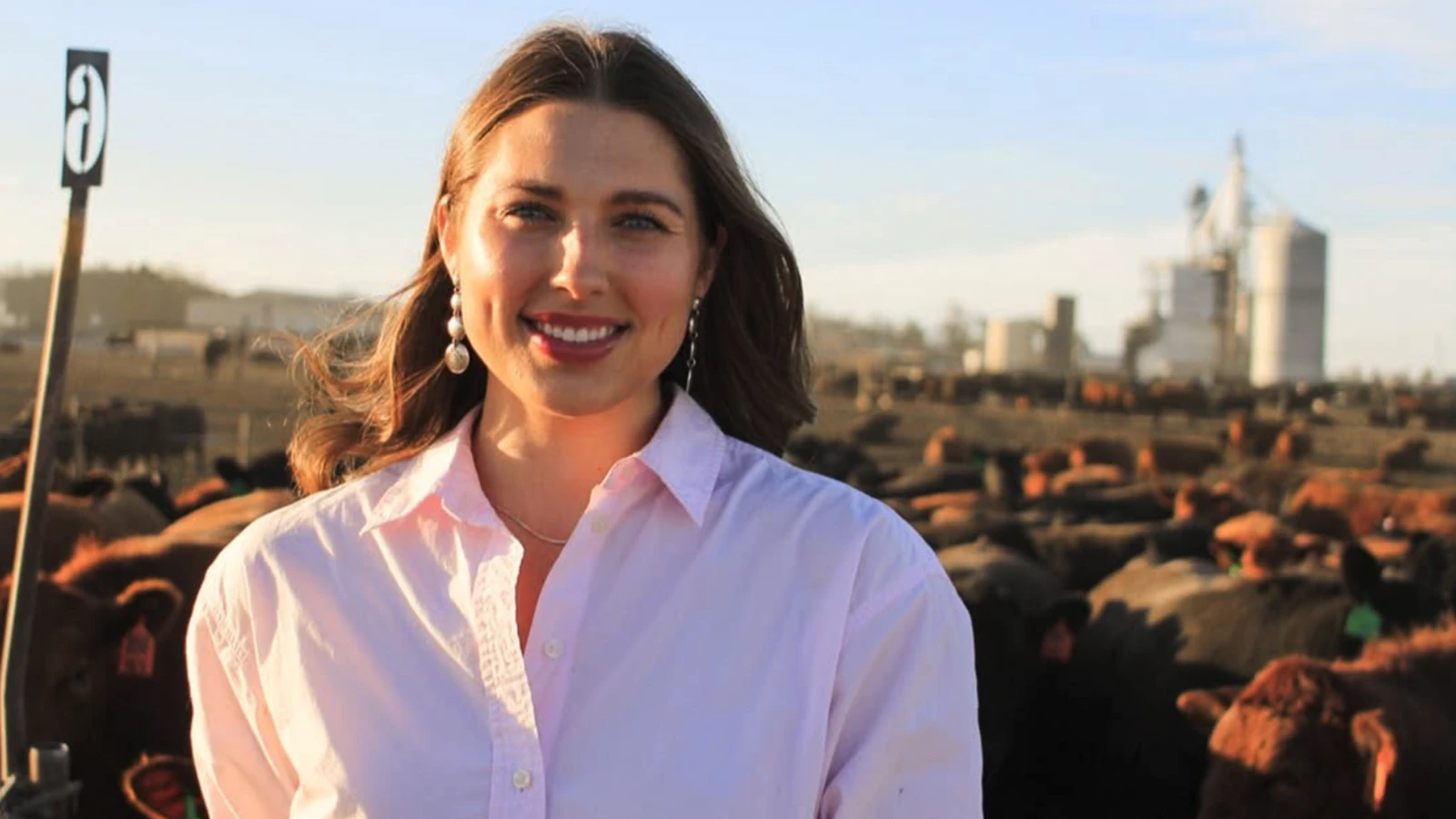
A young agriculture influencer who didn’t grow up on a ranch is becoming one of the beef industry’s most recognizable advocate, using TikTok and other social media platforms to explain the science — and complexities — behind modern beef production.
She’s not afraid to confront controversial topics in the agriculture industry like the use of hormones, antibiotics and industrial agriculture.
Earlier this month, Anna Kobza earned her doctoral degree in feedlot nutrition, marking the latest step in a journey that began with a pair of gifted breeding heifers and a 4-H project in rural Nebraska.
Now, she represents a growing generation of agriculture communicators trying to narrow the widening gap between ranchers and the people who eat what they raise.
“I think there’s a lack of understanding of each other’s lives, from both sides,” Kobza said about the growing gap between how beef and other food is raised and people’s knowledge of that.
She’s trying to bridge that with today’s younger generations through what they understand best — Instagram (where her audience is quickly growing with nearly 90,000 followers) and TikTok (where her videos have been viewed hundreds of thousands of times).
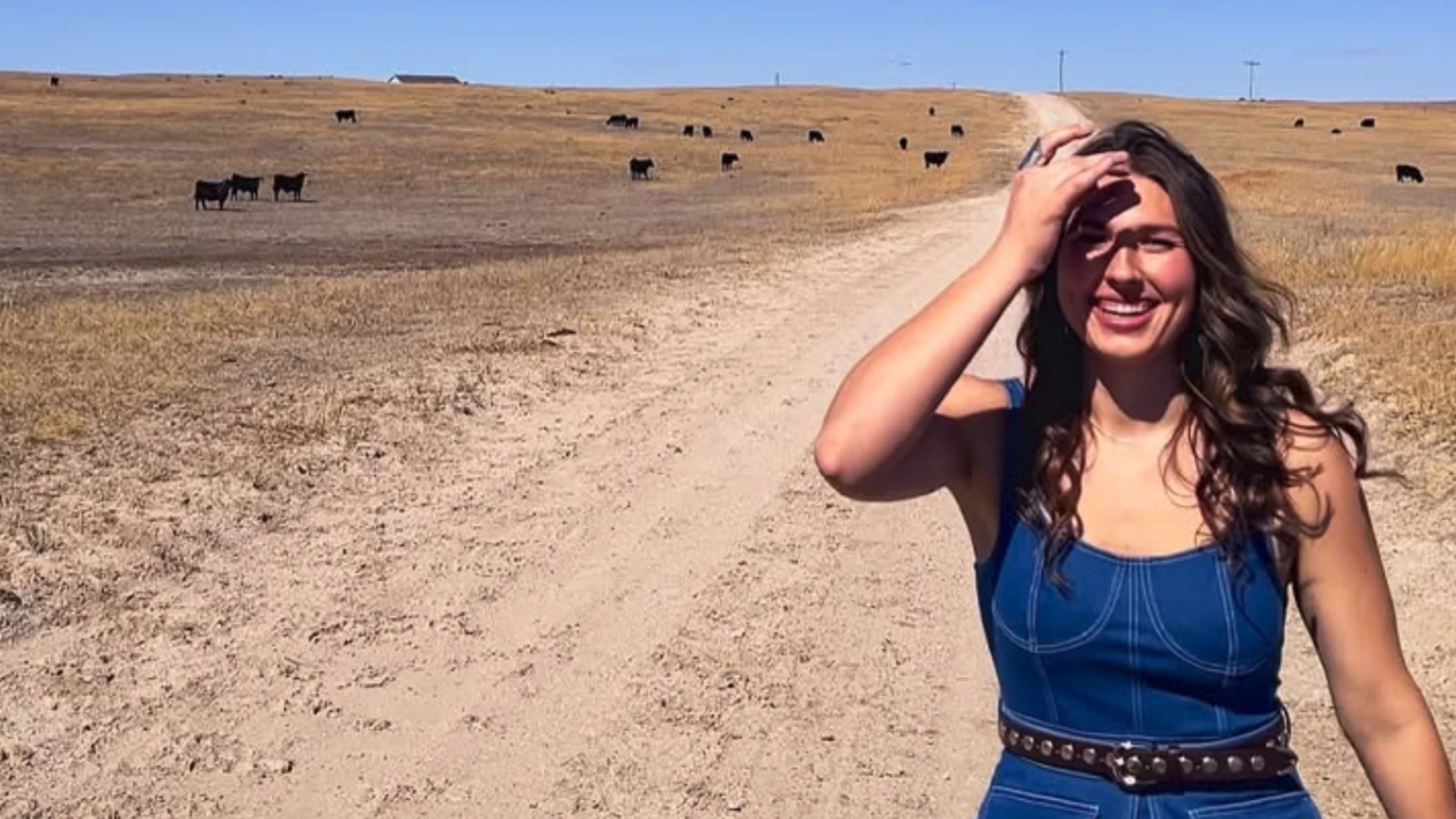
Anna Kobza is a young ag influencer who didn’t grow up on a ranch is becoming one of the beef industry’s most recognizable faces. She says she’s trying to narrow the widening gap between ranchers and the people who eat what they raise. (Courtesy Anna Kobza via Instagram) 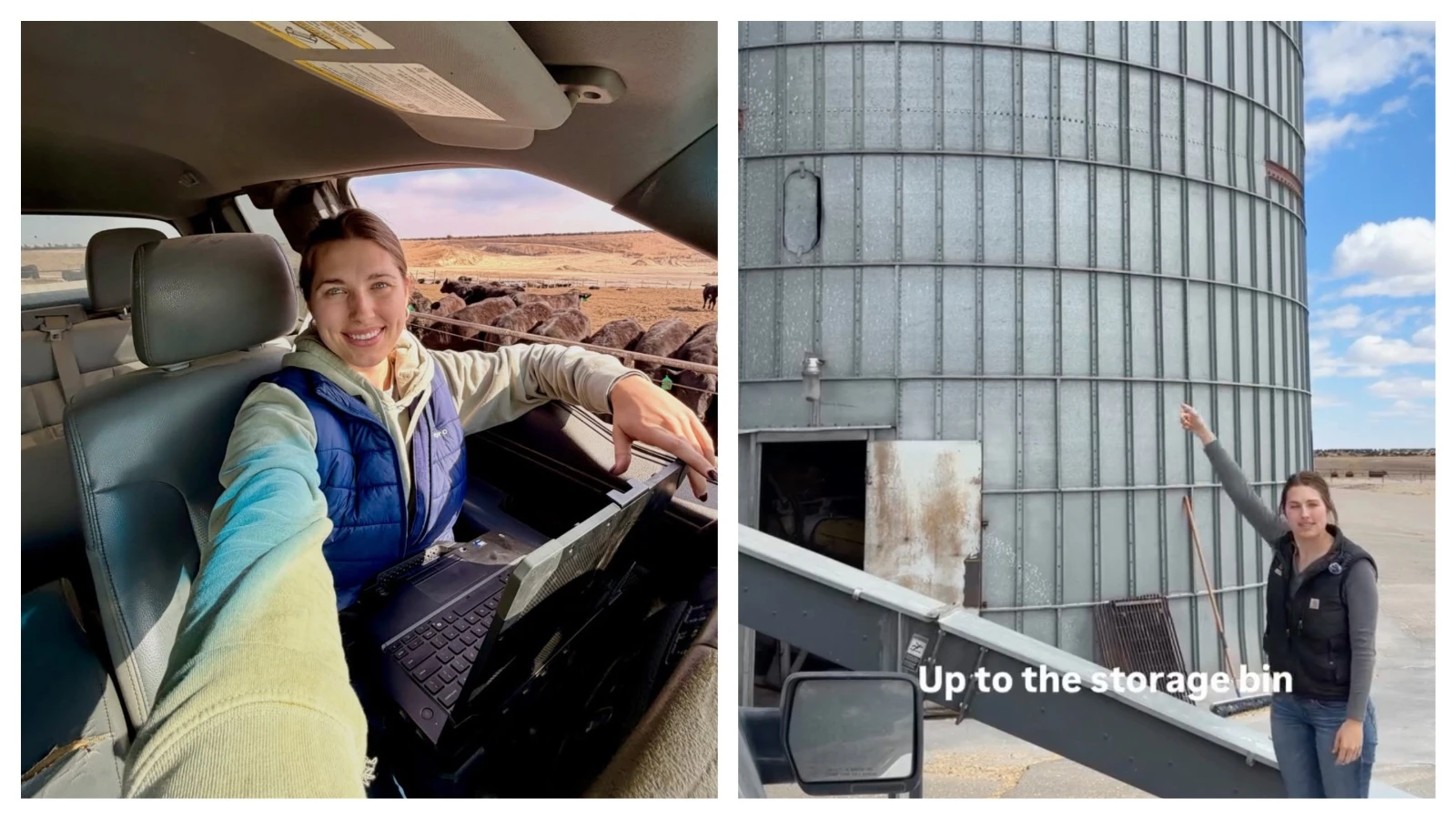
Anna Kobza is a young ag influencer who didn’t grow up on a ranch is becoming one of the beef industry’s most recognizable faces. She says she’s trying to narrow the widening gap between ranchers and the people who eat what they raise. (Courtesy Anna Kobza via Instagram) 
Anna Kobza is a young ag influencer who didn’t grow up on a ranch is becoming one of the beef industry’s most recognizable faces. She says she’s trying to narrow the widening gap between ranchers and the people who eat what they raise. (Courtesy Anna Kobza via Instagram)
Raised Rural
Raised in David City, Nebraska, Kobza didn’t come from a ranching family.
Her father served in the military and her mother worked as a nurse. But growing up in a rural community exposed her to agriculture early on through 4-H.
A seedstock family in central Nebraska gifted her two breeding heifers for a beef project. It was taking care of them over the summer that sparked her interest in pursuing a career in the beef industry.
That led her to the University of Nebraska-Lincoln, where she majored in animal science.
Initially considering veterinary school, Kobza instead found herself drawn toward nutrition — particularly feedlot nutrition, because it is such an important part of raising beef cattle, she said.
“It was honestly one of the topics in animal science that came easy to me,” she said.
After earning her master’s degree in feedlot nutrition from West Texas A&M University, Kobza returned to UNL to pursue her doctorate.
She said earning a Ph.D. was partly about credibility in an industry where advanced degrees have increasingly become expected of consultants.
“It was important to me to have the credentials and credibility,” she said, “especially being a woman in this space.”
Today, Kobza and her husband are based near Cody, Nebraska, where his family operates a cow-calf ranch.
As she searches for a career in consulting or technical services, Kobza has simultaneously built a growing online following discussing everything from cattle feeding practices to antibiotics and hormones in beef production.
Filling A Gap Online
Kobza first turned to social media while in an entrepreneurship program during college.
“I was really passionate about ag education,” she said. “But I was struggling with how to monetize a business around that.”
Social media became an outlet to share information with consumers curious — and often skeptical – about modern agriculture.
Over time, her audience evolved beyond consumers to include producers themselves.
“When I really started to grow was during my master’s program in Texas,” she said. “I was doing feedlot research and sharing that content. I think I was filling a gap on social media.”
Feedlots are often among the most criticized and misunderstood parts of the beef industry online, she said, yet few people working directly in that space were explaining how they operate or why certain practices are used.
Kobza has also distinguished herself by addressing subjects many producers avoid online, including hormones, antibiotics and industrial-scale beef production.
“I think transparency is very important,” she said.
Still, she acknowledged that social media can make difficult conversations even harder.
“When you give people information that challenges their existing biases, it creates internal conflict,” she said. “And online, you can’t hear tone. It’s easy to misinterpret comments.”
She believes misinformation doesn’t just come from outside agriculture. Sometimes it spreads from within the industry itself.
“There are some pretty big differences between commercial beef and direct-to-consumer producers,” she said. “A lot of nuance gets left out of the conversation.”
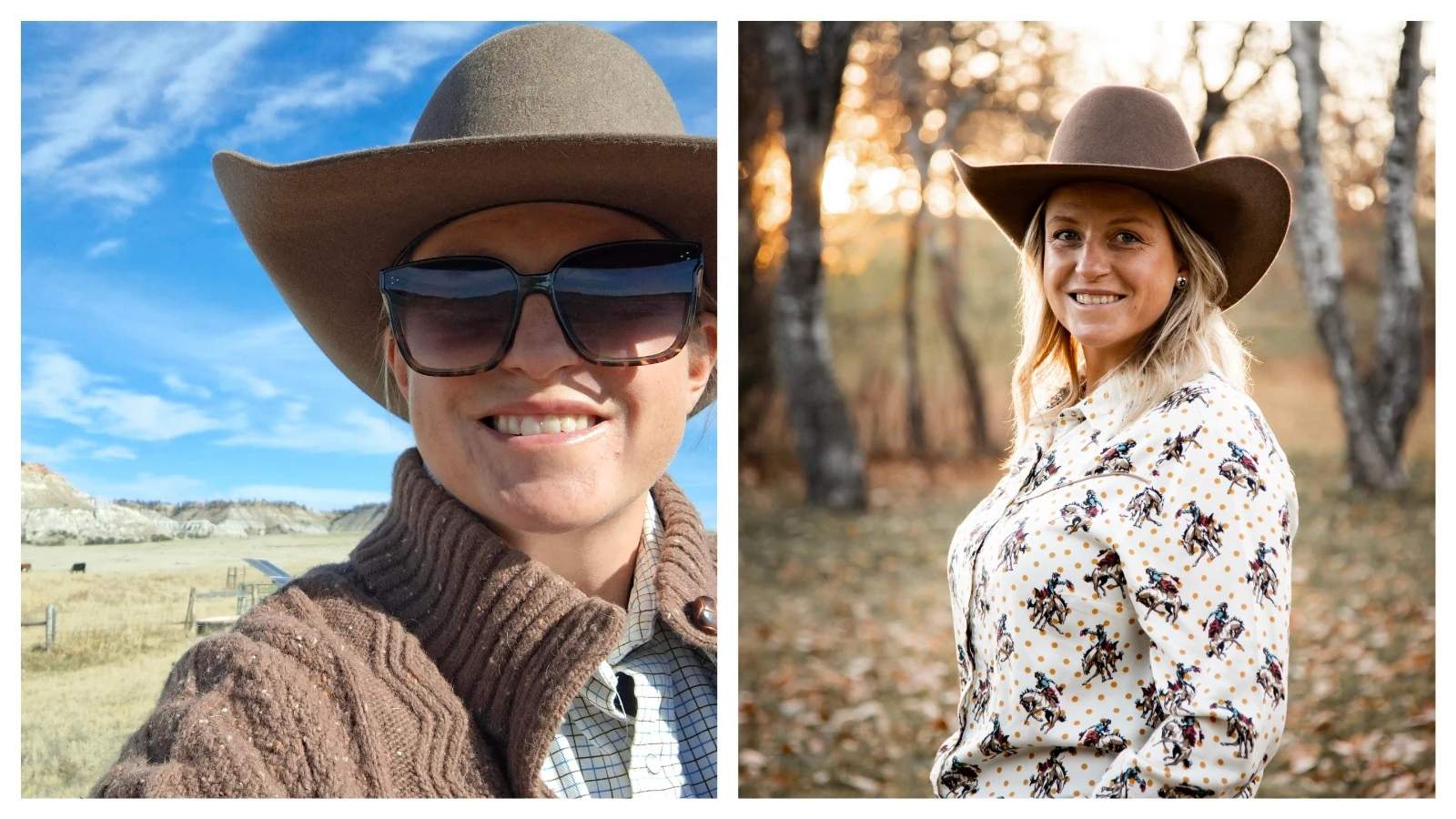
Becky Langley (Courtesy Photo) 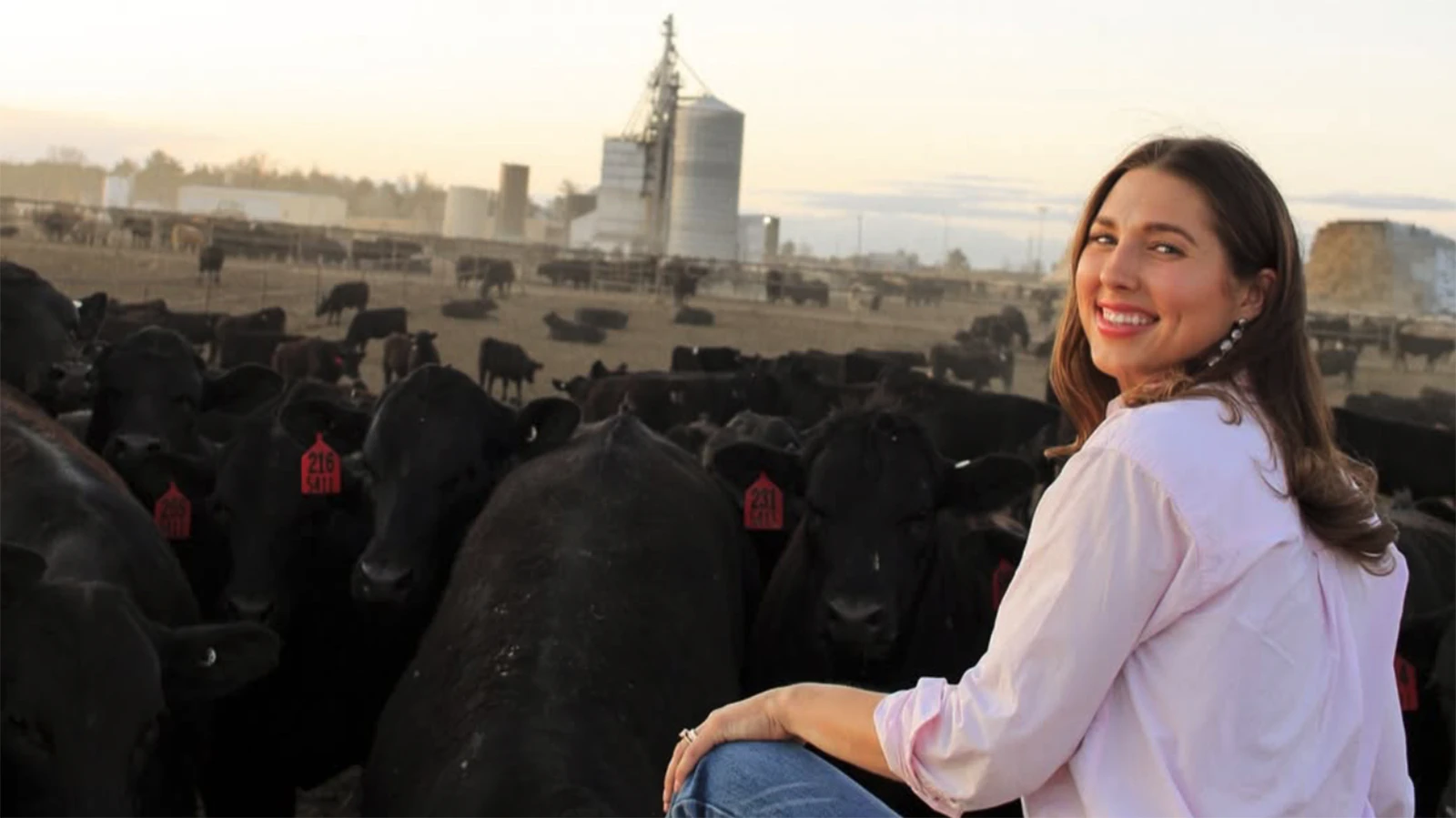
Anna Kobza is a young ag influencer who didn’t grow up on a ranch is becoming one of the beef industry’s most recognizable faces. She says she’s trying to narrow the widening gap between ranchers and the people who eat what they raise. (Courtesy Anna Kobza via Instagram) 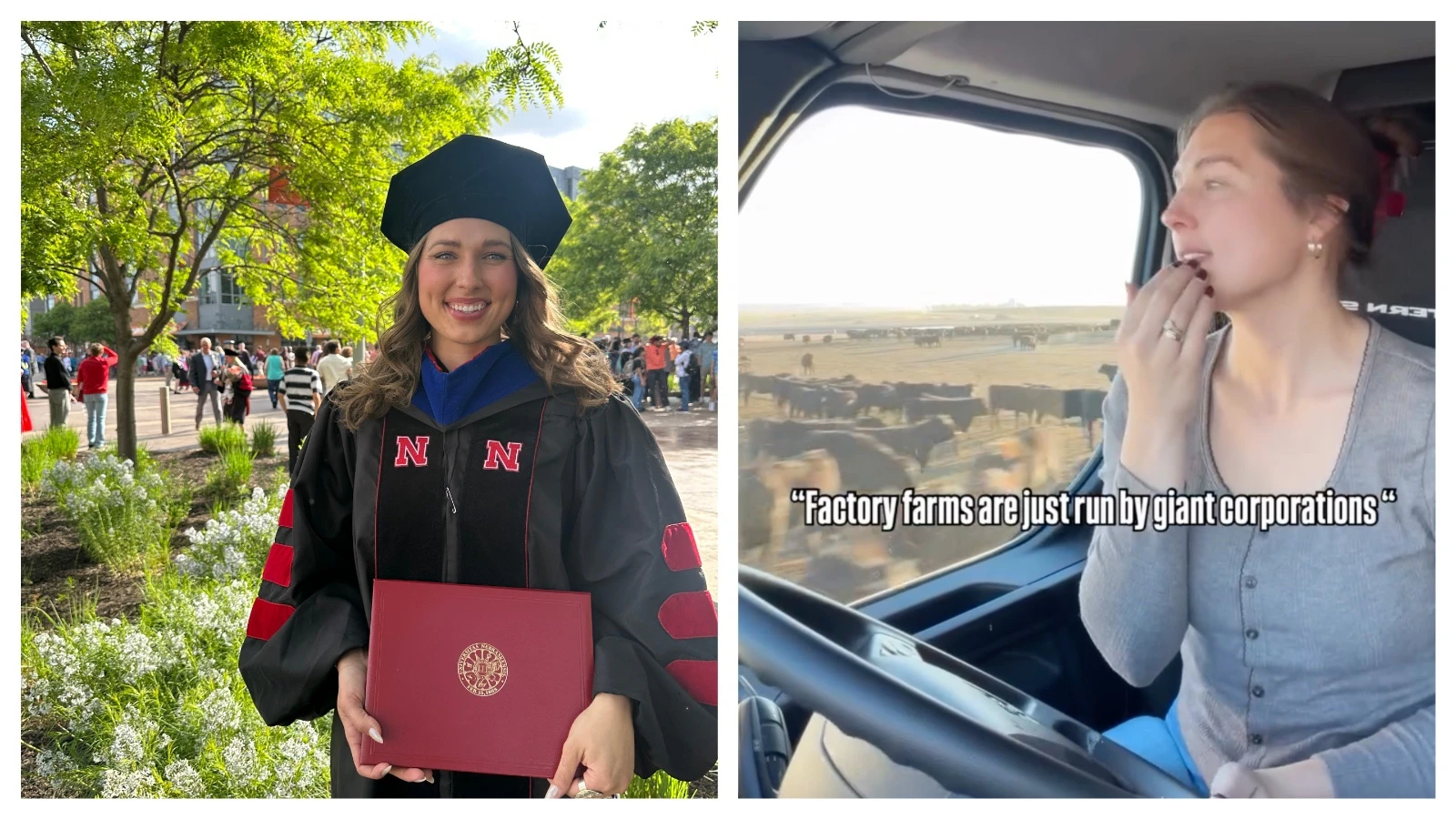
Anna Kobza is a young ag influencer who didn’t grow up on a ranch is becoming one of the beef industry’s most recognizable faces. She says she’s trying to narrow the widening gap between ranchers and the people who eat what they raise. (Courtesy Anna Kobza via Instagram)
Tell Their Story
Becky Langley, president of the Wyoming CattleWomen, said agriculture groups have long recognized the importance of connecting personally with consumers.
As a beef ambassador for a number of years, she said one of the primary lessons she learned was to make conversations personal and get to know people.
She said many Americans, even in rural communities, have become increasingly disconnected from where where their food comes from and how they’re vulnerable to misinformation online.
“They’re easily influenced by things they see online that aren’t necessarily accurate or from trustworthy sources,” she said.
Langley said artificial intelligence and manipulated online content are making that challenge even more difficult.
“AI is so scary because it’s so hard to differentiate what’s real and what’s not,” she said.
Social media, she added, is becoming impossible for farmers and ranchers to ignore.
“It’s important for producers to tell their story,” Langley said. “But in order to do that, they have to let people know they’re real.”
She said many ranchers remain hesitant to share their lives publicly online, while others struggle to communicate without relying on industry jargon unfamiliar to consumers.
It’s a loner-type lifestyle — you do you and I’ll do me — that many in Wyoming understand and strive for.
“There is lingo that producers use that consumers don’t necessarily understand,” she said.
Groups across Wyoming continue to emphasize face-to-face outreach through county cattlewomen organizations and local events, but Langley said online communication is becoming just as important.
“Social media is going to continue to be there,” she said. “It’s going to become a bigger part of our lives, so we’re going to have to incorporate it and figure out the best way to use it.”
For Kobza, that means continuing to tackle difficult conversations many in agriculture would rather avoid.
“The trick is figuring out where to start with people,” she said. “And understanding what level to talk to them at.”
Explaining The Everyday
Langley said some of the biggest misconceptions consumers have about ranchers involve animal handling practices and why certain techniques are used in modern livestock production.
“Consumers used to think we were just giving everything antibiotics en masse,” Langley said. “But we don’t.”
Much of the disconnect, she said, comes from consumers simply not understanding what producers do day to day – or why they do it.
That’s where social media can help, both Langley and Kobza said.
“It seems like everybody is on their phone now,” Langley said. “You sit in a waiting room and nobody’s talking to each other anymore. They’re just on their phone.”
While she said she would prefer to see less screen time and more face-to-face interaction, Langley believes agriculture groups and producers have little choice but to adapt.
“I’d like to see it reverse, actually,” she said. “But I don’t think it’s going to go that way.”
Instead, she believes producers need to learn how to use social media more effectively, not only to educate consumers, but also to market their operations and advocate for agriculture.
Langley said workshops teaching ranchers and farmers how to use platforms like TikTok, Facebook and Instagram could become increasingly valuable for the industry.
“We need to figure out how to use it in a way that’s beneficial for producers,” she said.
Kate Meadows can be reached at kate@cowboystatedaily.com.