After winter essentially didn’t come to Wyoming, and drought and rising temperatures persist across the region, there are looming concerns that the 2026 fire season could be like 1988 all over again.
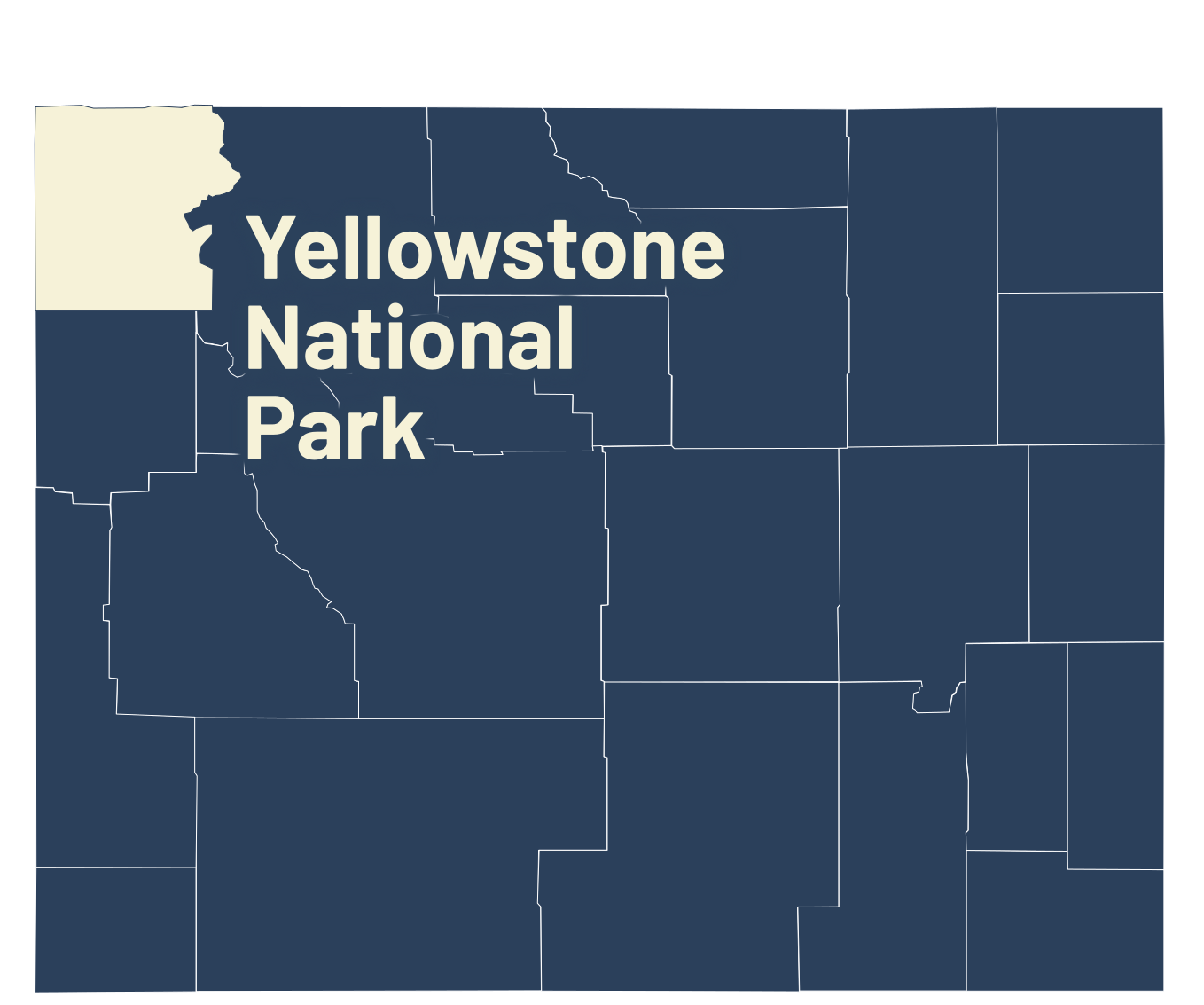
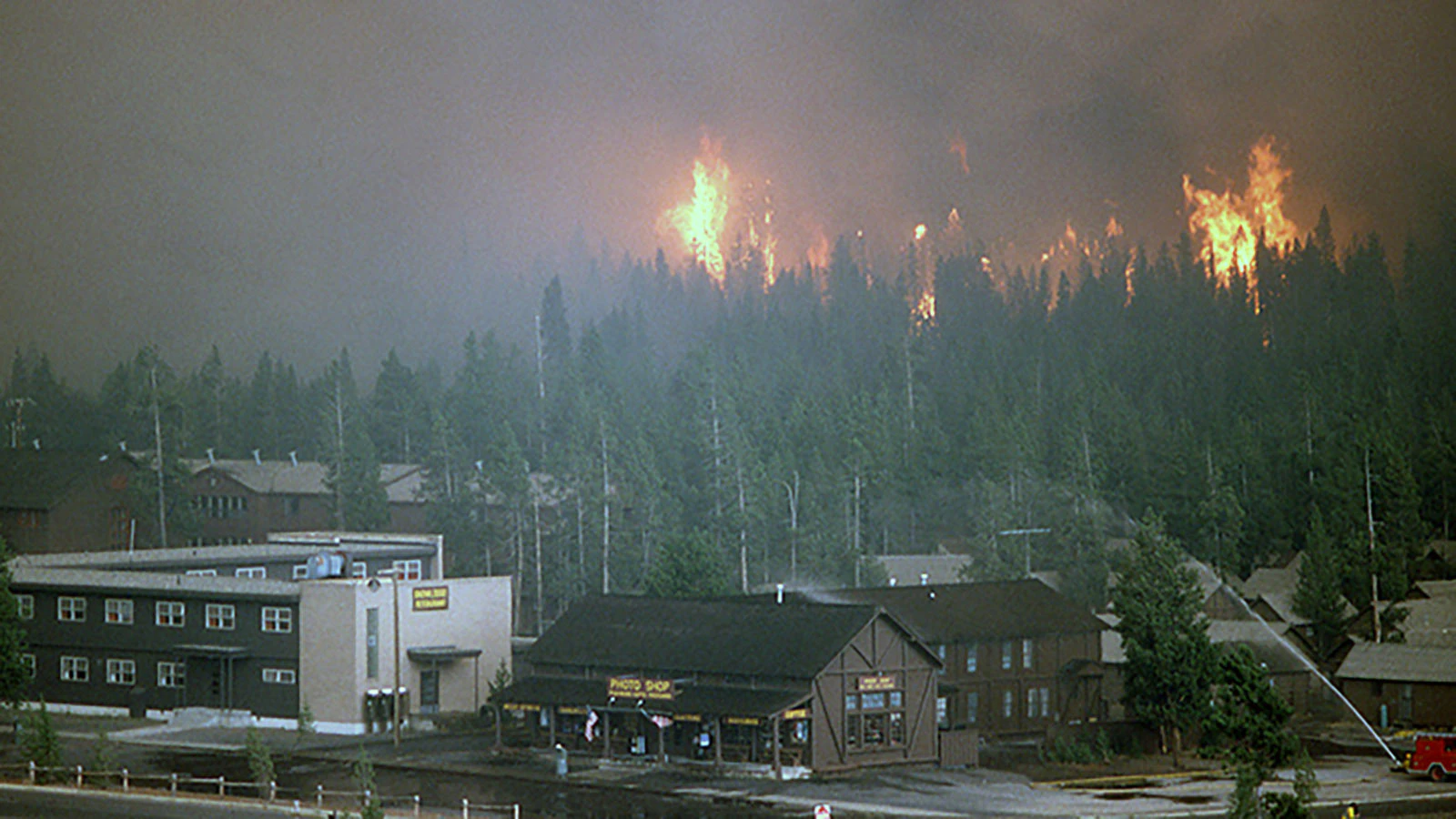
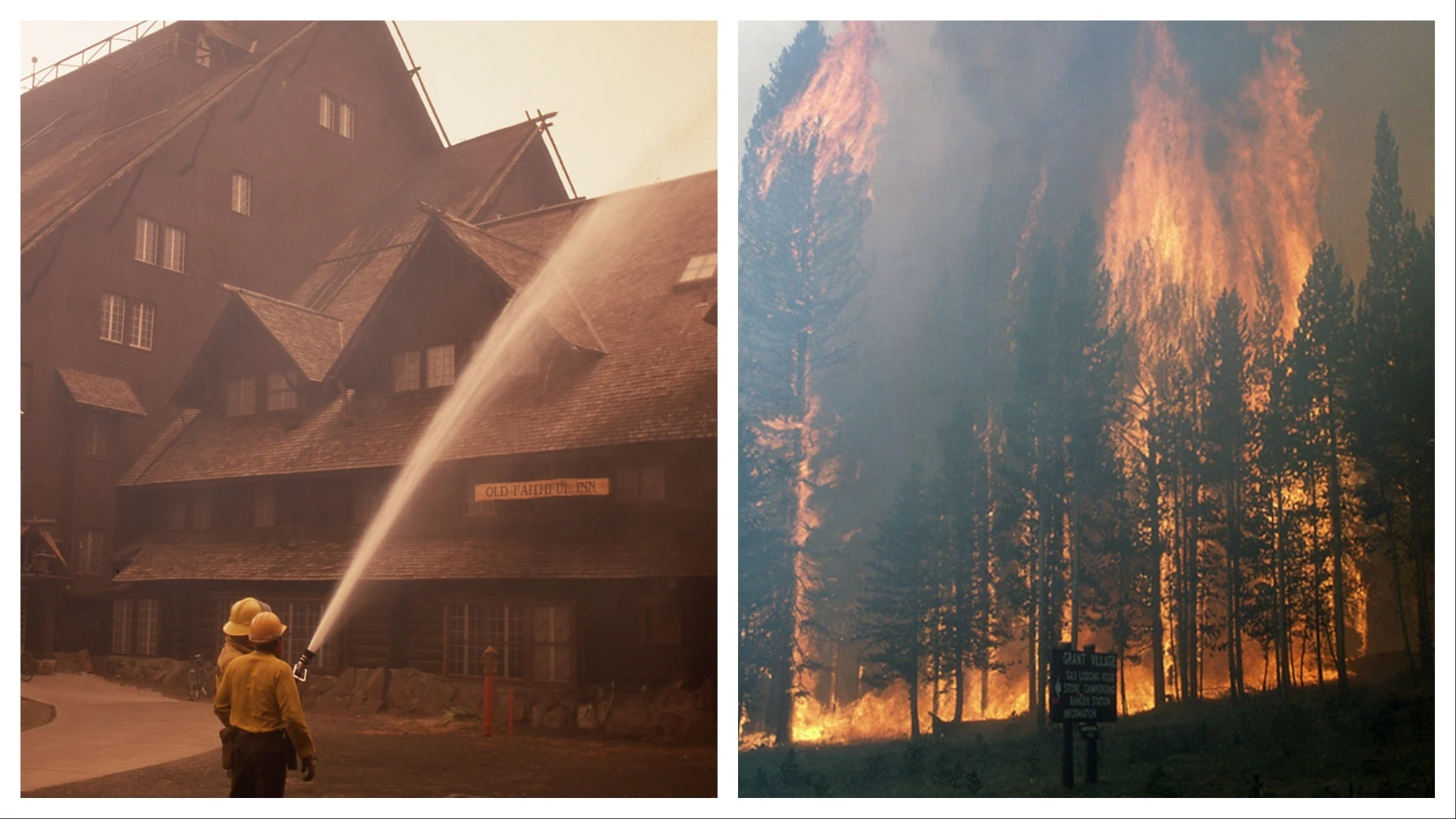
For those whose memories go back 40 years and longer, the summer and fall of 1988 was when Yellowstone National Park and the surrounding area went up in flames.
The region was choked with smoke and ash as more than a third of the park — 793,880 acres — became a hellscape. In some nearby communities, the pall was so thick it was difficult to see across the street.
Now, some firefighters say that conditions seem eerily similar to those leading up to the 1988 disaster.
“I think across the Greater Yellowstone Ecosystem it’s spooky,” Liz Davy, the project coordinator with the Greater Yellowstone Fire Action Network, told Cowboy State Daily.
1988 Started With Hard Winter
Davy lives in Driggs, Idaho, and is retired from the U.S. Forest Service after a 40-year career.
In 1988, she was working for the agency in Island Park, Idaho, just outside of Yellowstone. It became a staging area for some of the 9,000 firefighters called in to battle the fires.
In terms of environmental conditions, there were some differences between then and now, Davy said.
Unlike this past winter, the winter of 1987-1988 was hard across the region, with plenty of snow.
That led to a robust “green-up” that spring, as grasses, bushes and other plants reaped the benefits of the melting snow, she said.
However, the summer soon turned hot and dry, and all that greenery dried out and became ideal tinder for fires.
With hardly any snow across much of the Yellowstone region this past winter, that middle step might be skipped this year, Davy said. Much of the foliage is already dry, as are the trees.
Beetles Return
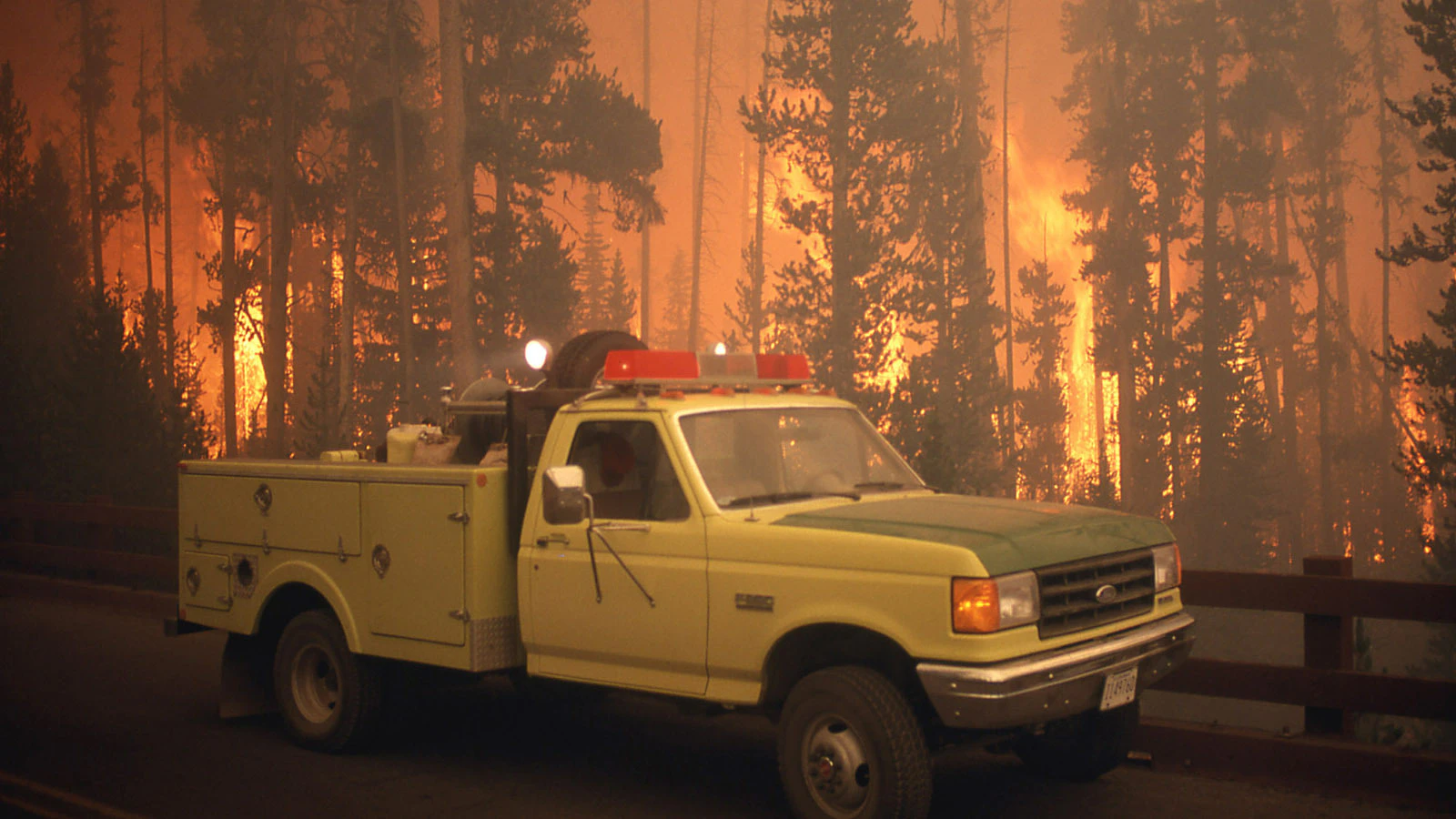
The 1988 disaster was a collection of smaller fires that started growing together, driven by heat and high winds.
Most of the fires were ignited by lightning strikes, but some were the result of human carelessness.
The conflagration raged from June 14 to Nov. 19, 1988. Inside Yellowstone, nearly 800,000 acres burned, roughly 36% of the park.
“Yellowstone wasn’t the only place on fire that year, but it was what got all of the media coverage,” Davy said.
Folks should have been able to see the disaster coming, she added, “But we didn’t know as much back then."
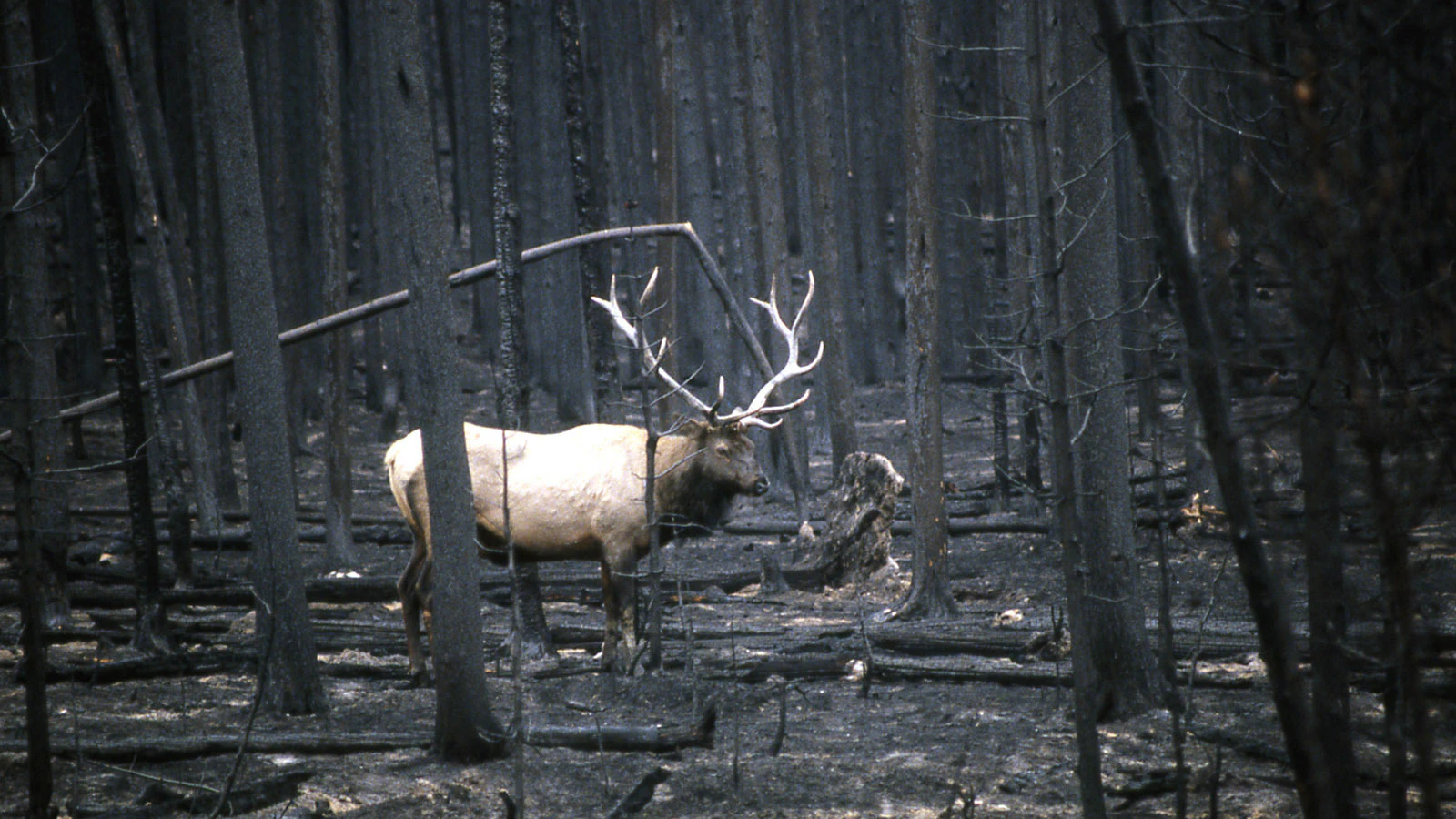
There was a massive buildup of dead timber caused by pine beetle epidemics in the 1960s, 1970s and early ’80s, she said.
That pattern has been repeated.
“There was another epidemic of beetles in the 2000s,” Davy said.
There’s been a huge buildup of standing and fallen beetle-killed timber “from whitebark pine at high altitude all the way down to lodgepole pine at lower altitudes,” she said.
Similar conditions across Wyoming have left acres of “ghost forests” that are perhaps ripe for burning. That pine beetle epidemic peaked around 2010 or 2011 and then tapered off.
However, beetles might be surging again, said Josie Valette, wildland urban interface mitigation coordinator for Sublette County Unified Fire.
The past winter was too warm to kill pine beetle larvae, so there could be a “big blowup” of beetles this spring and summer, Valette told Cowboy State Daily.
And with so little snow on the ground, more people are heading outdoors somewhat earlier than usual, she said.
That underscores the need for rural property owners to mitigate risks, taking steps such as clearing brush and dead timber away from around structures, Valette said.
‘All Those Things Are Aligning’
Chief Mike Malteverne of Teton County Fire and Rescue in Idaho told Cowboy State Daily that he’s been watching regional and national wildfire risk data, and he doesn’t like what he sees.
“We’re seeing parts of the country that are not supposed to be having fires having them,” he said.
That includes places such as Georgia, Florida, Nebraska, Texas and Oklahoma, he said.
Moreover, there have already been a few human-caused wildfires in his district. Those are incidents like unattended campfires or weed burning along irrigation ditches that got out of control.
As Davy and Valette did, he noted a buildup of wildfire fuel, beetle-killed timber in particular.
And warm, windy, dry conditions aren’t helping, Malteverne said.
All of those (data) models are taking us back to previous years that had really active fire seasons,” he said. “All of those things are aligning with those historic fire years.
“What we're looking at is, we’re not seeing green-up like we normally do. We’re already in a moderate drought cycle,” Malteverne added.
Fire season usually peaks from July to September. But lacking green-up, it might start peaking early this year, he said.
He noted that nationwide, firefighting agencies go by a “preparedness level” (PL) rated on a scale of 1 to 5. With PL 1 being “all quiet” and PL 5 meaning widespread fires and resources stretched to their limits.
“It’s early May, and we just went to a PL 2. I would say that’s fairly early in the year for that to happen,” he said.
Pushing Fire Crews To The Limit
Davy said she wasn’t on a frontline firefighting crew in 1988, and worked mostly at base camp in Island Park.
She also said that “firefighting standards were different then.”
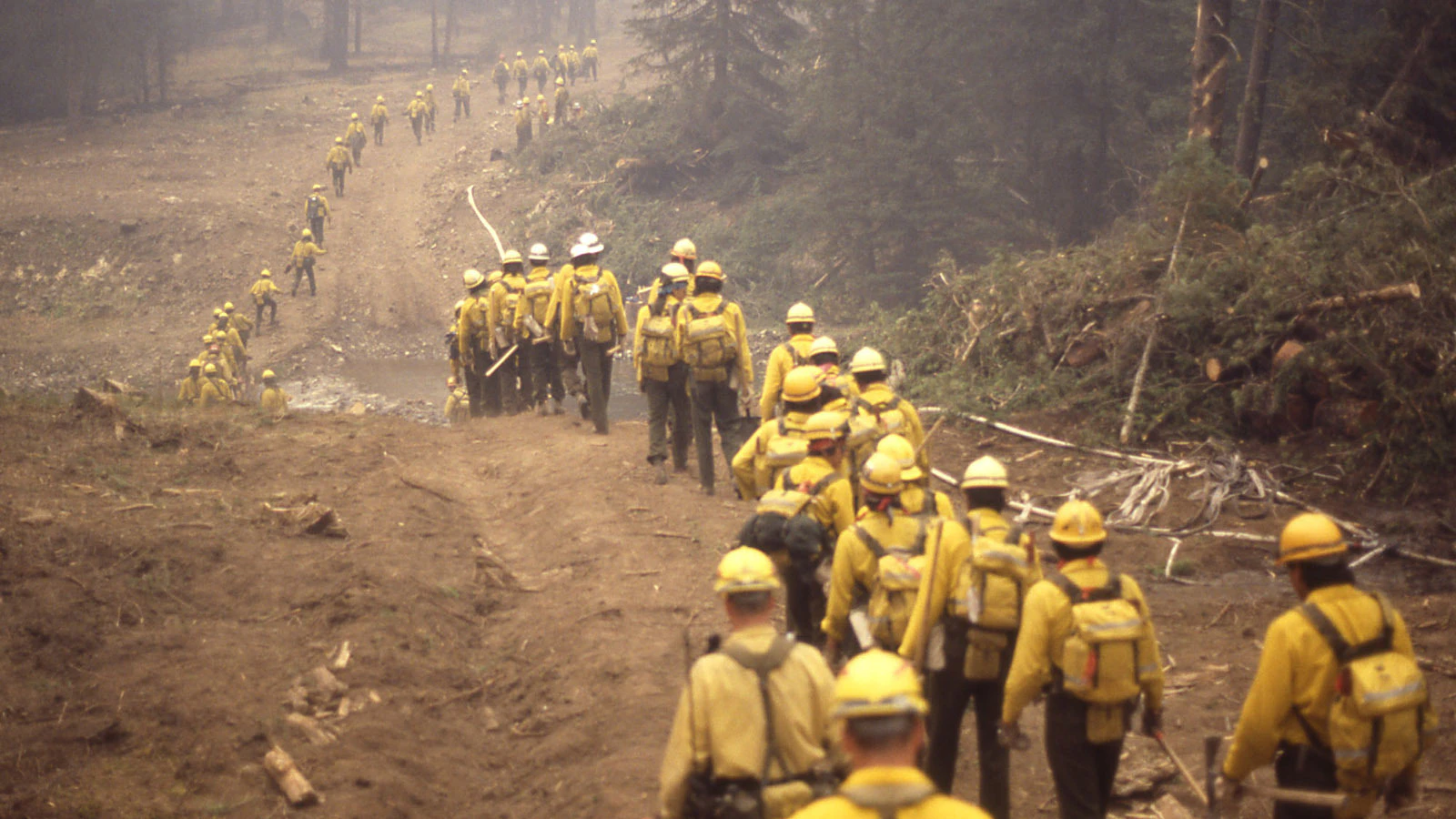
During the peak of the Yellowstone fires, crews might have spent three weeks on the front line without a break. Even during breaks, they weren’t allowed to go home.
“It was more like, ‘Go get a hotel room in Jackson and try to get some rest,'” she said.
By current standards, crews now are kept on the line for only two weeks at a time and may go home during breaks, she said.
All might not be lost quite yet, Davy said. There could still be significant precipitation events this month and next.
To that end, southeast Wyoming had a snap of cold, wet weather this past week.
“We also know more now, and we’re preparing more ahead of time now than we did in 1988,” Davy said about modern wildfire mitigation.
"Every chance we get, we’re telling people to mitigate risks around their property because ‘we don’t want another ’88,’” she said.
Davy hopes dire predictions for the 2026 fire season don’t play out.
“I hope to heck it doesn’t come true,” she said. "I hope we get more rains.”
Mark Heinz can be reached at mark@cowboystatedaily.com.