
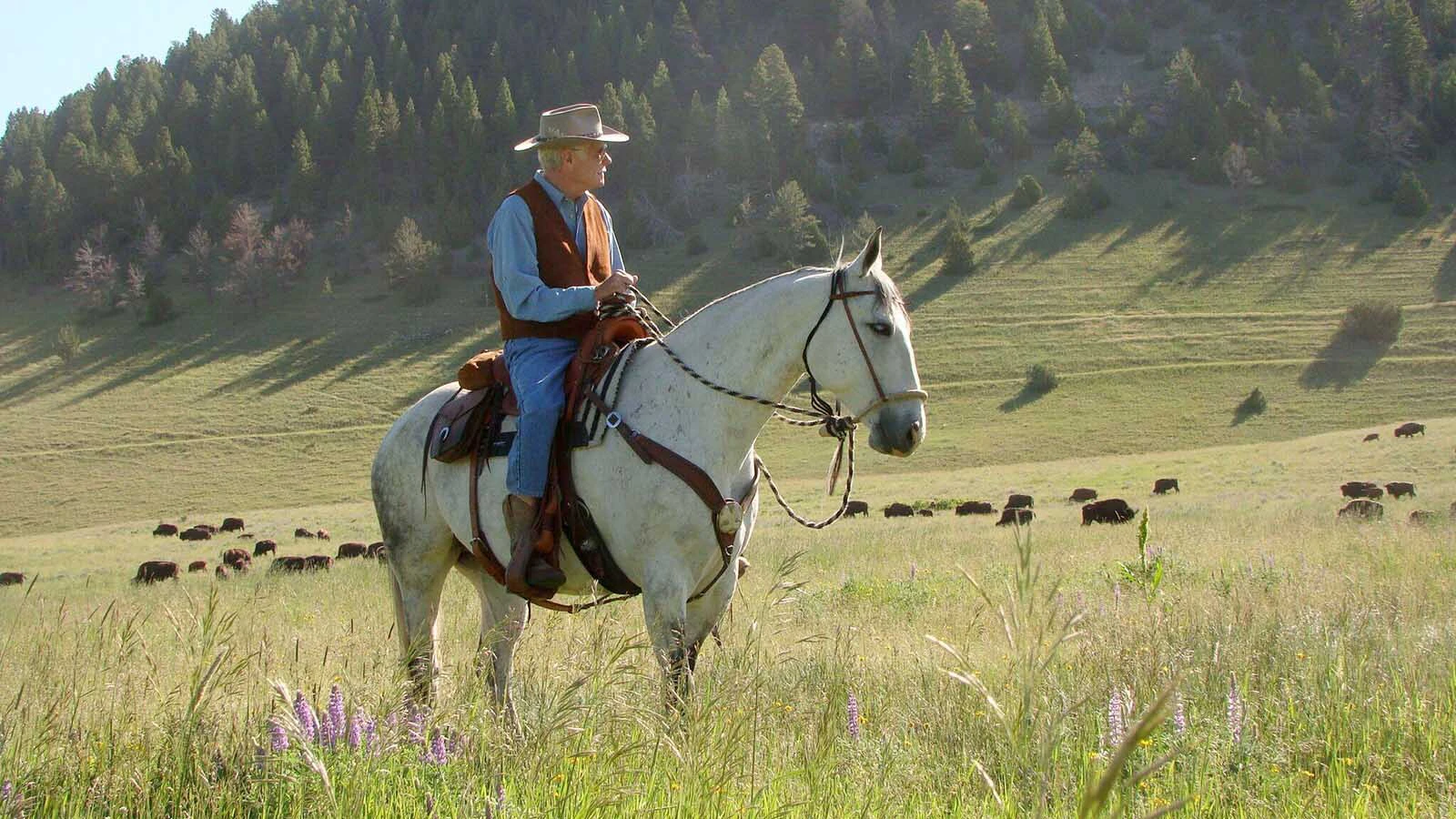
The news of Ted Turner’s death this week has created a lot of speculation about the future of the swath of roughly 2 million acres of land the media mogul owned in five states, including the Flying D Ranch in Montana where he felt most at home.
For now, it seems, Turner’s portfolio of ranches that made him the fourth largest landowner in the United States will continue to operate as-is, serving as a legacy of the conservationist who died Wednesday at the age of 87.
“The well-being of these properties and the species present on each was of utmost importance to Turner,” reads a tribute on the website of Turner Enterprises Inc., the private company that manages his business interests, land holdings and investments.
“His lands will continue to be protected, limiting future development and parcellation,” it says about what’s to happen to all that property.
Turner Enterprises hasn’t shared additional specifics about what those limits might entail.
Even so, Turner leaves behind a “big footprint” of conserved land for the people of Montana and beyond, said Scott Christensen, executive director of the Bozeman-based Greater Yellowstone Coalition.
Turner served on the coalition’s board of directors for many years.
“Wildlife are moving all across his land into adjacent public lands and, at the end of the day, those lands won’t be developed and will be a refuge for wildlife and clean water,” Christensen said. “From an environmental perspective, he’s left an amazing legacy.”
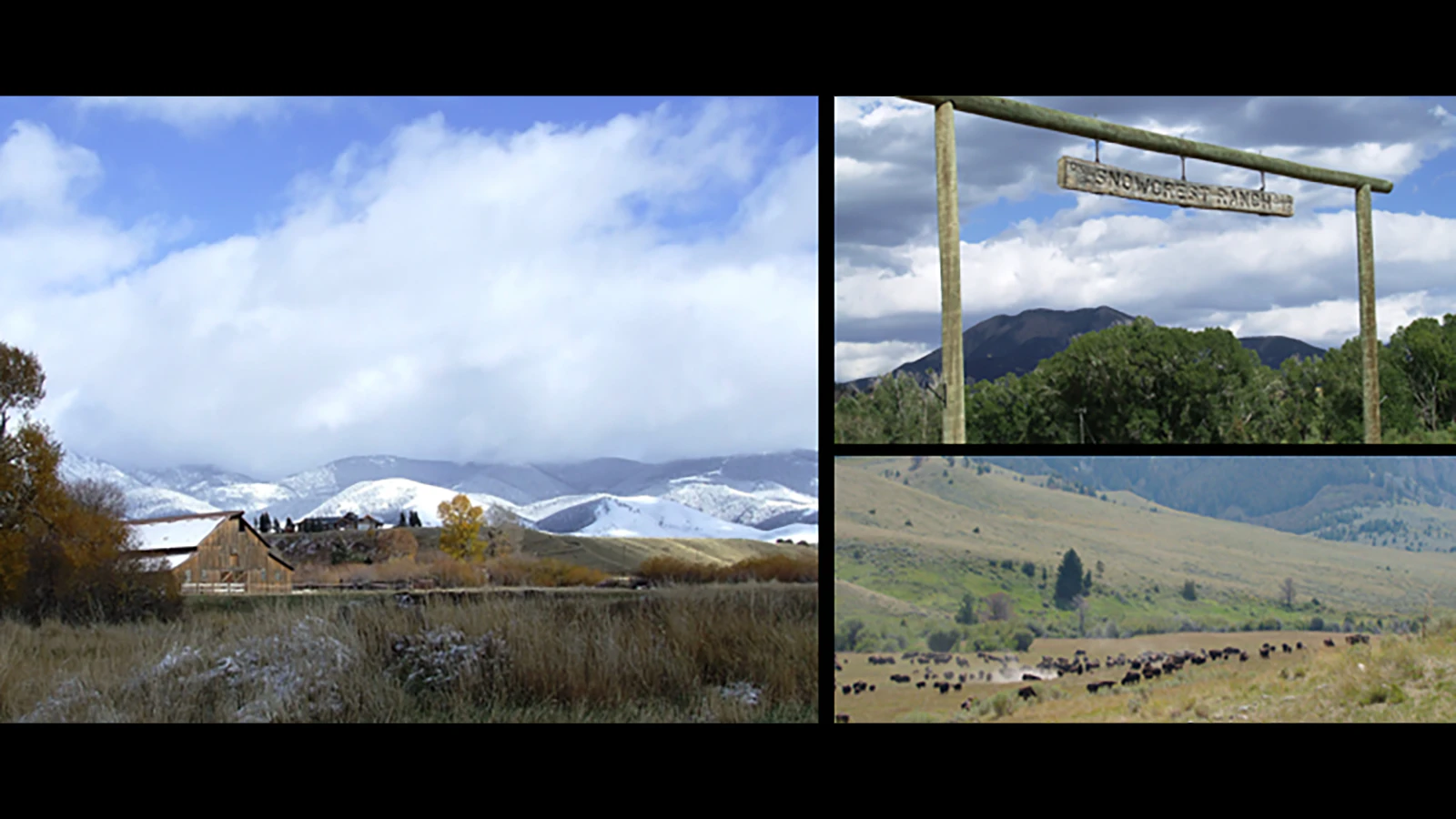
Christensen first met Turner in the early 2000s and spent time at his 113,613-acre Flying D and 13,343-acre Snowcrest ranches, both located within 100 miles of Bozeman.
He got to see firsthand Turner’s approach to protecting his properties.
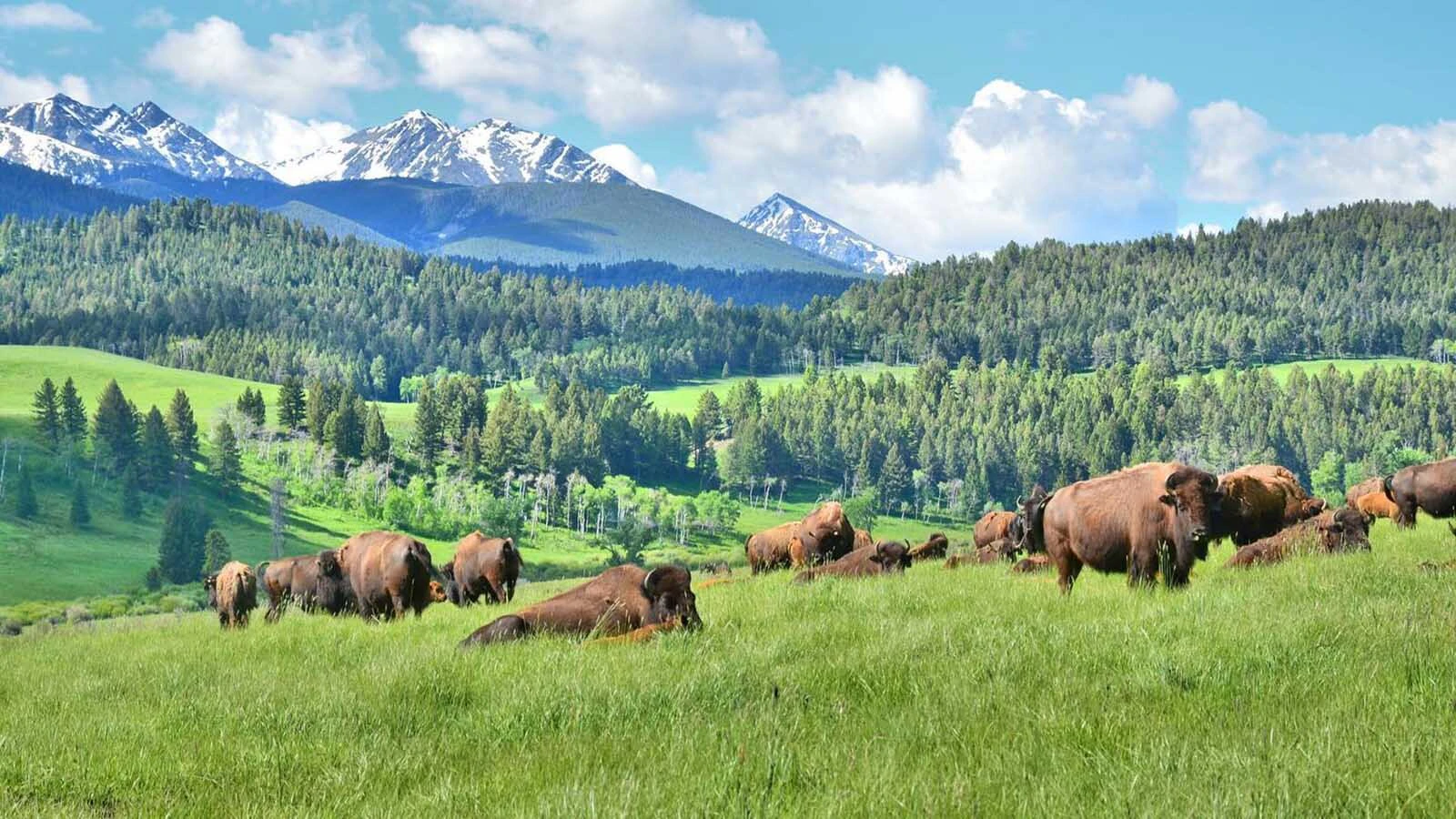
Turner’s mark on the Flying D included removing interior fences, restoring degraded watersheds that helped to restore populations of native cutthroat trout, and managing his bison herds to support a greater diversity in vegetation on the land.
“He was a holistic thinker,” Christensen said. “He would say all the time that for him, conservation was bigger than just the Flying D, it was the planet.”
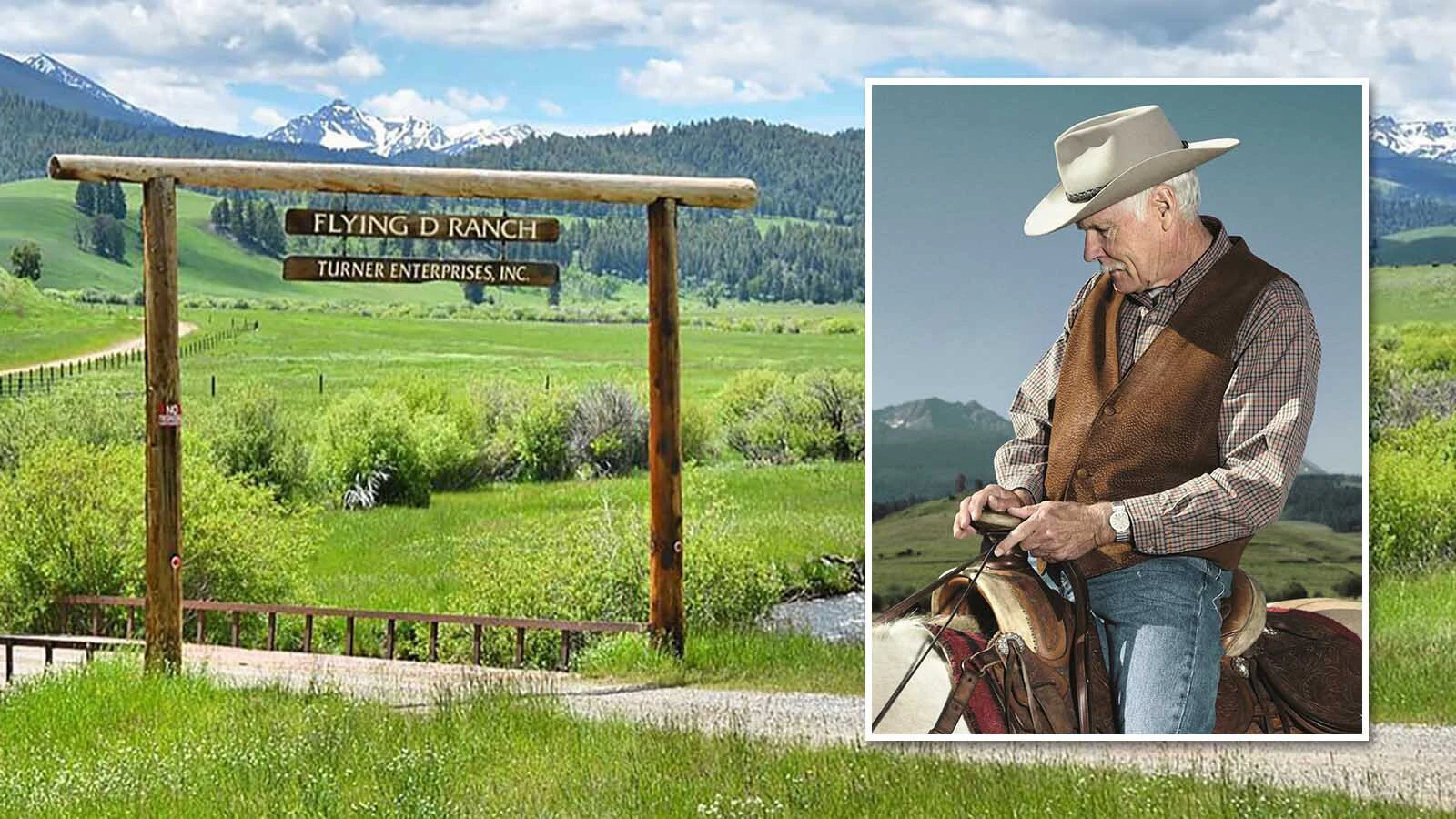
Blazing A Trail Among Billionaires
Less than a decade after creating CNN, Turner acquired his first ranch in Montana and blazed what’s since become a well-trod trail of billionaires buying up massive ranches in the West.
It’s even become a trend among other media moguls.
John Malone, chairman emeritus of Liberty Media, was reportedly inspired by Turner and now ranks as the third-largest landowner in the U.S. with 2.2 million acres, according to The Land Report.
Meanwhile, Rupert Murdoch doesn’t make the cut for the top 100 landowners, but he owns a still-impressive 402,000-acre ranch outside of Dillon, Montana.
Billionaire Stan Kroenke, owner of the Los Angeles Rams, the Colorado Avalanche, the Denver Nuggets and 500,000 acres of undeveloped land in Wyoming, became the largest landowner in the United States in December with about 2.7 million acres after buying more than 937,000 deeded acres of New Mexico ranchland last month.
These sorts of names are often thrown around in debates about the pros and cons of consolidated land ownership in a place like Montana.
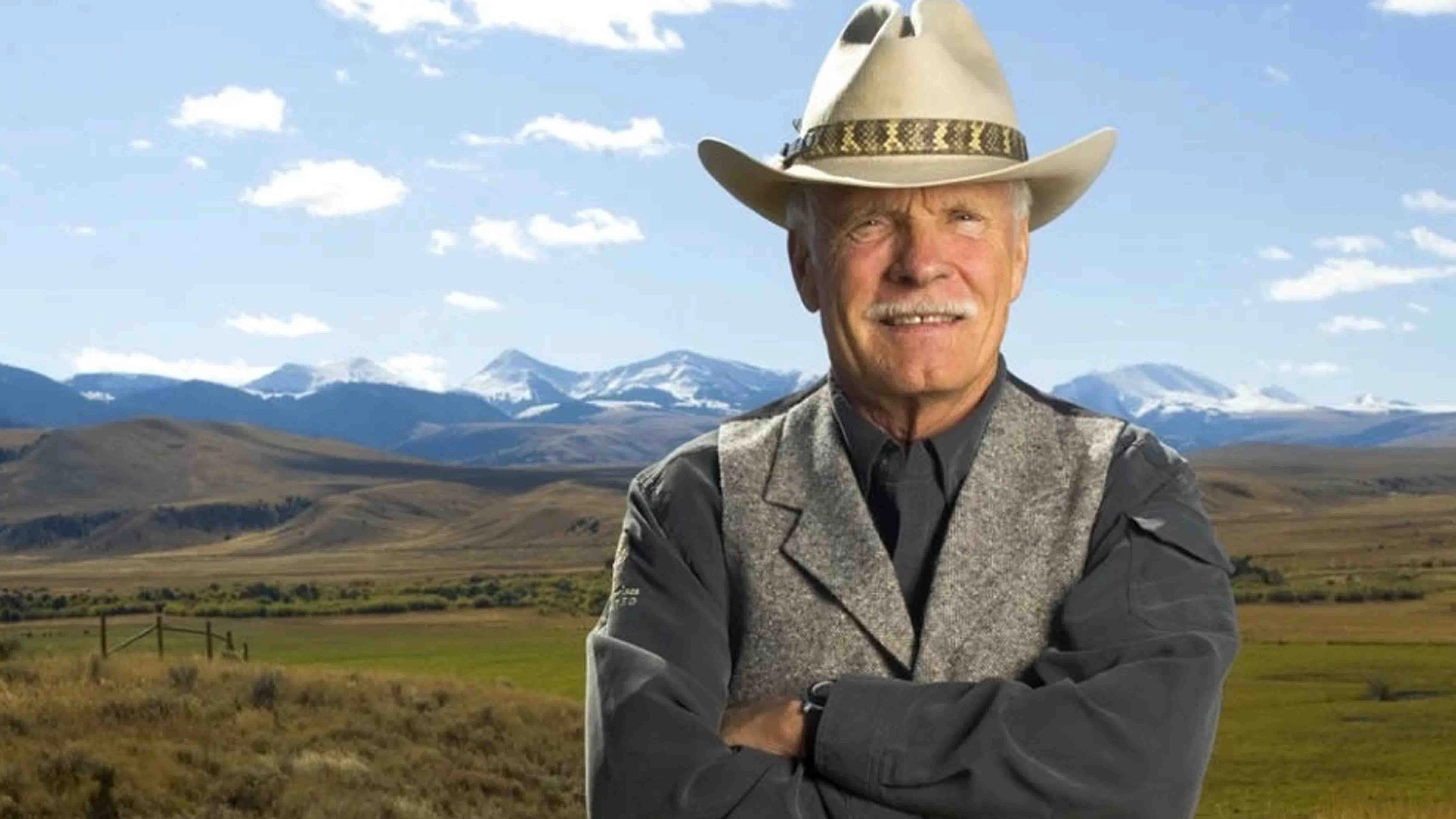
Family Ownership Shrinking
But there weren’t a lot of “hard facts” to understand how widespread the phenomenon is, which is why Alex Metcalf, an associate professor at the University of Montana’s College of Forestry and Conservation, set out to track down that information by using a state-run database to analyze 20 years’ worth of property ownership records.
The goal, Metcalf said, was to better understand how land ownership has changed and the implications for wildlife habitats, without passing judgement on what’s right or wrong.
The study he conducted with a co-author was published in the Journal of Environmental Management in December.
As of 2023, they found that nearly two-thirds of private land in Montana was owned by only 3,500 landowners, while a growing majority of those landowners are corporate legal entities rather than individuals or families.
“Land in Montana is pretty disproportionately owned by a very small number of owners with extremely large properties,” Metcalf said. “They’re not anomalies or one-offs.”
That dynamic of increased private landownership creates tension when viewed through the context of wildlife, which belong to the citizens of the state, Metcalf said.
That’s because even if private landowners are very dedicated to conservation outcomes, improving wildlife habitats or allowing public access to their lands, their rights and interests can be at odds with those of the public and underscores policy choices, he said.
‘A Gift To Montana’
One quirk of the Flying D is that a public highway, U.S. 191, passes through the ranch and provides access to a popular trailhead in the Spanish Peaks Wilderness.
That means tens of thousands of people, whether they realize it or not, crisscross Turner’s land each year.
What’s more, people in the Bozeman area commonly drive out to the ranch in evenings to watch the wildlife, which included bison, elk, bears, and wolves, Christensen said.
Turner’s conservation philosophy balanced benefitting people and the environment at the same time, Christensen said.
His business acumen led him to seek out various ways to generate revenue from the ranch so it was solvent, including granting access to outfitters for hunting and fishing expeditions, Christensen added.
Because of the Flying D’s location in the Greater Yellowstone Ecosystem, that philosophy will continue to benefit future generations, he said.
“His role in ensuring that a big chunk of that stays undeveloped, it’s hard to overstate the impact,” he added. “It’s just an amazing spot and a gift to Montana.”
A Call To Action
The timing of Turner’s death feels “very poignant” in light of other dynamics, Christensen said.
In the past month, Turner and his ranch manager were working with the Montana Department of Natural Resources and Conservation about conducting prescribed burns at the Flying D to reduce wildfire risk.
Recent staffing cuts and funding cuts to the U.S. Forest Service are the sorts of decisions that would have driven Turner crazy, Christensen said.
“The guy found ways to get things done, he was very action-oriented,” Christensen said. “He was willing to take action and encourage others to take action, as well.”


