CHEYENNE — Say the words luxury real estate and Jackson Hole almost automatically comes to mind. But now, in a striking shift, investors and brokers say the label increasingly fits Wyoming’s capital city, too.
Cheyenne Realtor Dominic Valdez told Cowboy State Daily things are heating up in the city’s real estate market, particularly on the luxury side.
“There’s electricity in the air,” he said. “Business activity is bringing in top-earning employees, and they’re wanting higher priced real estate.
"So stunningly, we’re selling a lot of properties above the $800,000 mark, and a lot into the low $1 millions.”
It’s not just homes, however, where things are heating up.
Mariah Jeffery with Caldwell Banker said she’s seeing huge demand for industrial spaces as well.
“Wyoming has an extremely business-friendly environment,” she said. “No. 1 is the taxes — no state or local income tax — and sales tax exemptions are being given to some of these companies to incentivize them to come here.”
The intersection of Interstates 25 and 80 makes Cheyenne a “natural logistics hub,” Jeffery added, which is attractive, and then the fast-track permitting are all combining to make Cheyenne the place for businesses to be right now.
The mix of land, power, fiber and fast-track permitting has turned Cheyenne into a magnet for data centers that power AI and cloud computing, with the latest announcement coming from Microsoft, which plans to triple its footprint in Cheyenne.
Meta has also announced plans to build a data center, and there’s Project Jade, which will start at 2.7 gigawatts and could scale up to as much as 10 gigawatts, according to company literature.
These projects will bring in hundreds of high-wage jobs and billions in capital investment, which is fueling a surge in both industrial and luxury housing demand.
While many of the initial jobs are going to be “temporary” construction jobs, a look back over the last decade in Cheyenne shows those jobs can be somewhat long-lived.
Cowboy State Daily has been told that many of the construction workers building Microsoft data centers have been kept busy in the area for the past decade.
Now they’re about to embark on another wave of yet more data centers for the same company.
From Slow Sales To Seven Figures
It hasn’t always been this easy.
Valdez remembers one seller in particular, who sank about $1.35 million into a custom-built home 10 or so years ago.
The man didn’t really intend to ever sell the home, but when it came time to do so, he was thought it should fetch $1.3 million easy. The market had other ideas.
“It was a great home and everything like that,” Valdez said. “But there was just no way the market was supporting it at that time.”
The home ended up selling for between $800,000 and $900,000, Valdez said — less than the man had put into it.
“I remember doing the CMA (Comparative Market Analysis) and there had been, I think two residential sales over a million in the past 10 years previous to that,” Valdez said. “Now it’s not happening all the time, but it’s not uncommon to see homes trading above a million.”
Hot segments of the market include entry-level homes and investment properties, he added.
“Anything below $400,000 is moving pretty quickly,” he said. “And $800,000, it’s just breathtaking how many sales are happening at that level.”
Latest Big Bet
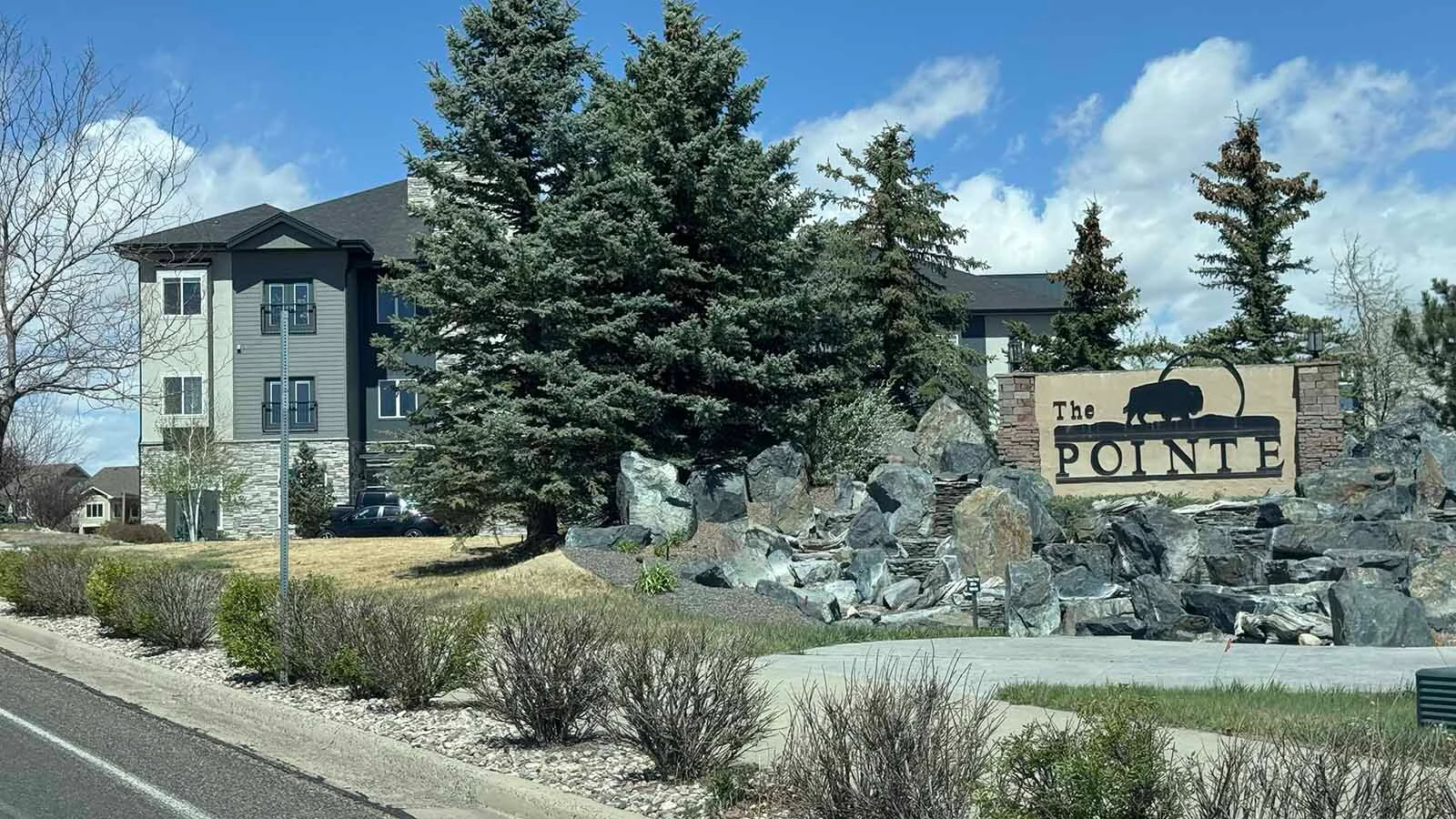
The movement is attracting big deals in the luxury market sector, with Fort Collins-based Brinkman Real Estate, in partnership with ATLAS Capital, acquiring Pointe Plaza Apartments, a 123-unit luxury community in Cheyenne.
Brinkman’s bet is that as Cheyenne grows, there will be a durable tenant base willing to pay for newer finishes and amenities — especially given how much more expensive it would be to build a comparable product from scratch today.
The portfolio Brinkman bought is actually three different properties, now being combined into one.
Lakeside Villas includes 54 town-home-style units while The Commons includes 45 units that feature underground parking. The Lofts adds 24 more urban-feeling units.
The underground parking, fitness room, lounge/bar space, conference room and study/library areas will be shared by all three properties, where before these facilities were particular to their individual buildings.
Kevin Brinkman, who owns the company, told Cowboy State Daily this is “by far” the hottest he’s ever seen the Cheyenne real estate market in 20 years of watching the region.
“This is historic growth,” he said, adding that his company has been tracking performance of Pointe Plaza, which was built in three phases over the last seven years.
“We think as Cheyenne grows, there will be continued demand of people willing to pay for higher end housing in Cheyenne,” he said. "And we also just know that everything is getting more expensive to build as time goes on.”
Brinkman said now was the optimal time to make a move into the market.
“We know they’re just going to be a lot more expensive in the future and that we’ll still be at the same price point,” he explained. “We can still provide luxury accommodations without having to be as expensive as any kind of new projects down the road.”
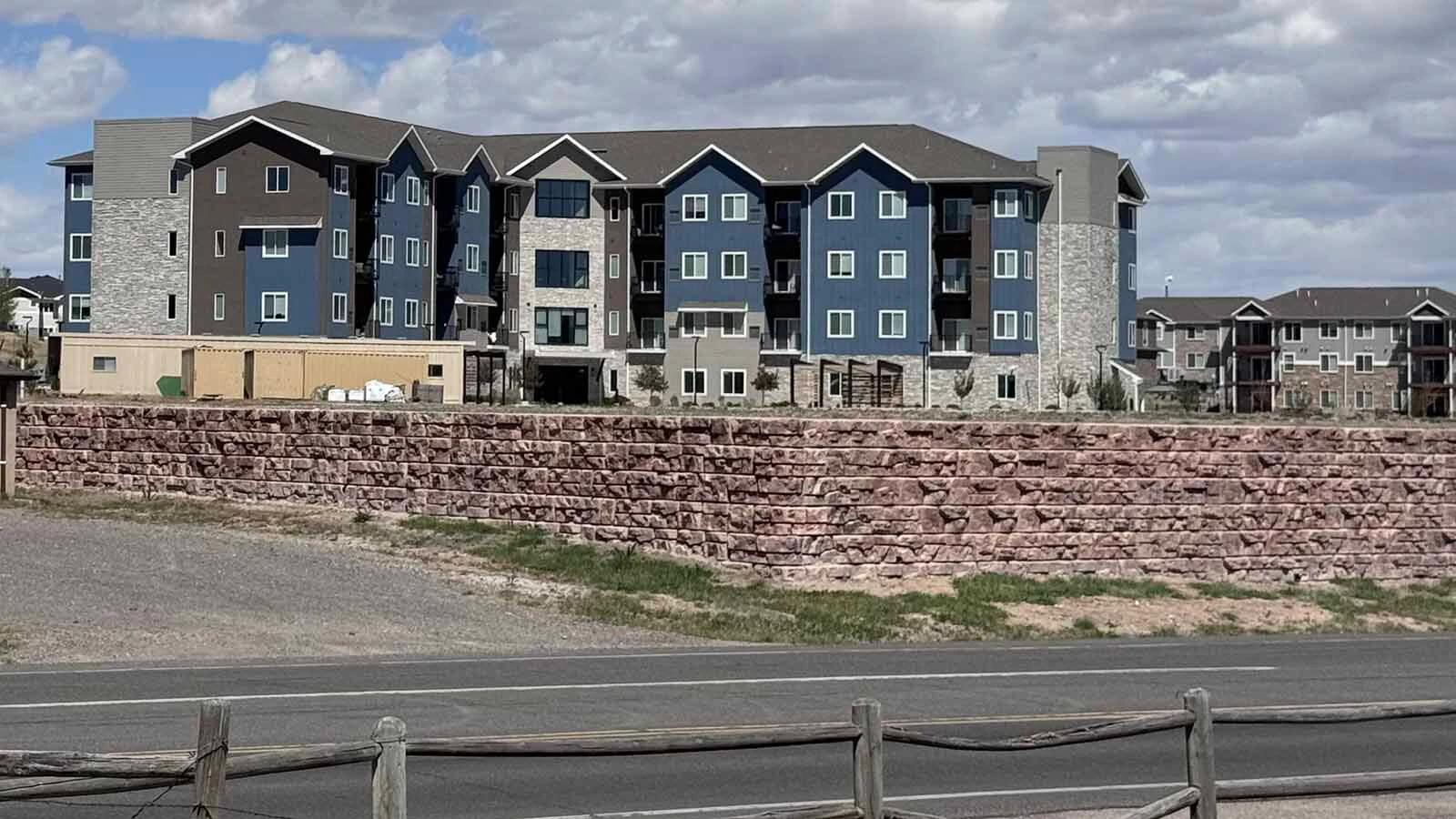
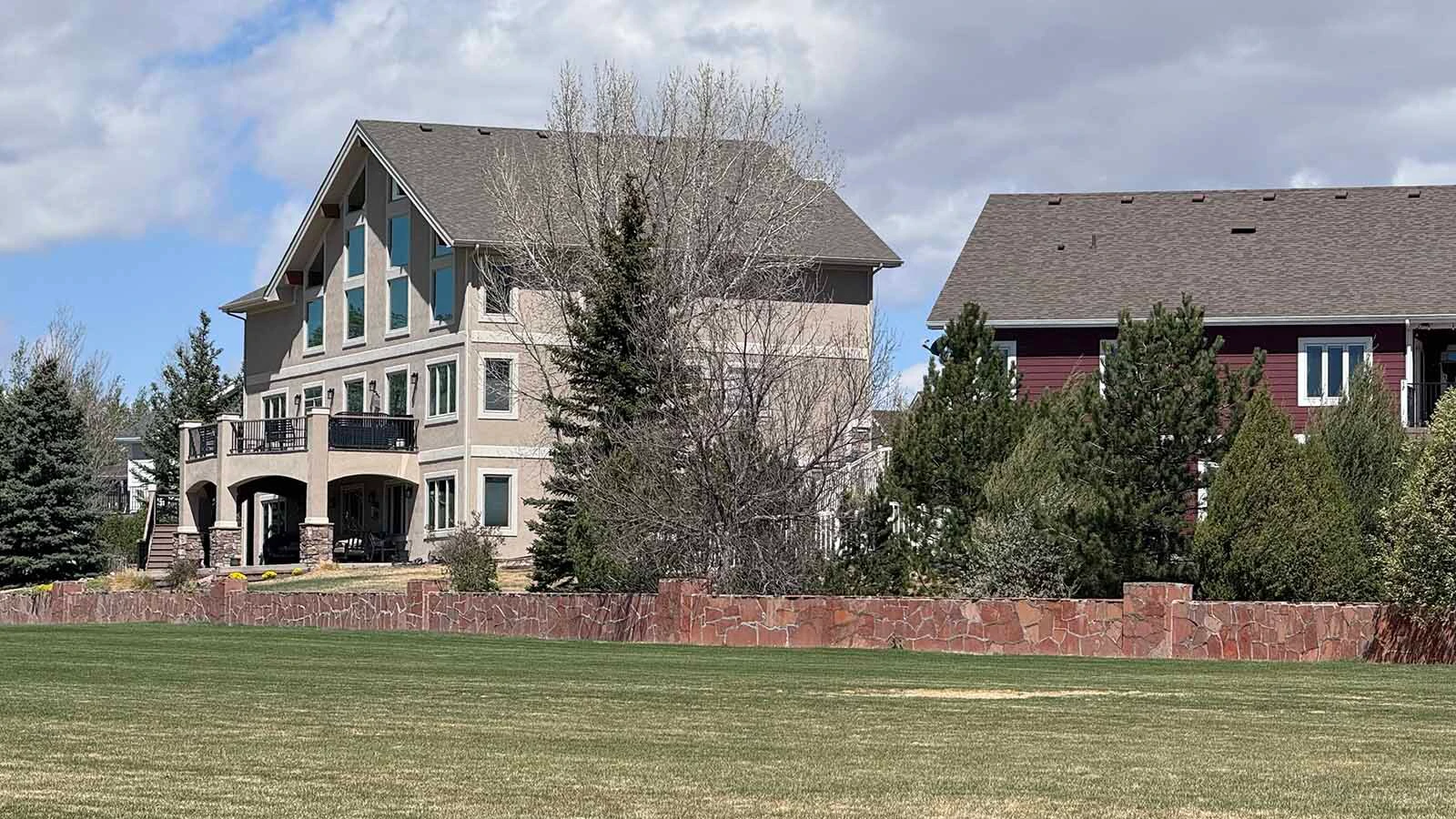
Cheyenne’s real estate market is heating up, with luxury home sales, industrial demand, and data center growth driving a surge that’s reshaping the city’s economy and housing landscape. (Greg Johnson, Cowboy State Daily) 
Cheyenne's real estate market is heating up with luxury home sales industrial demand and data center growth driving a surge thats reshaping the citys economy and housing landscape. (Courtesy Photo) 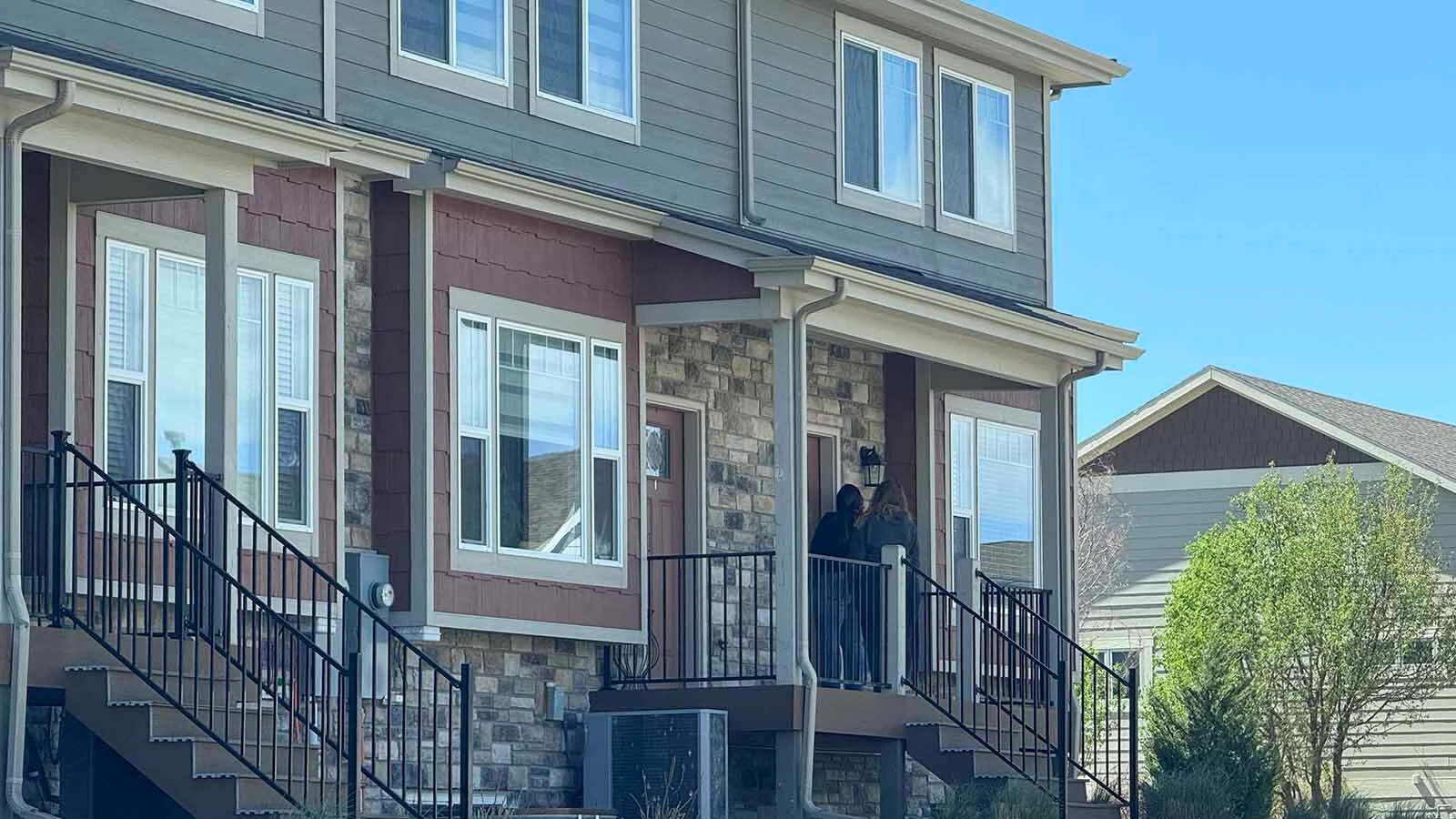
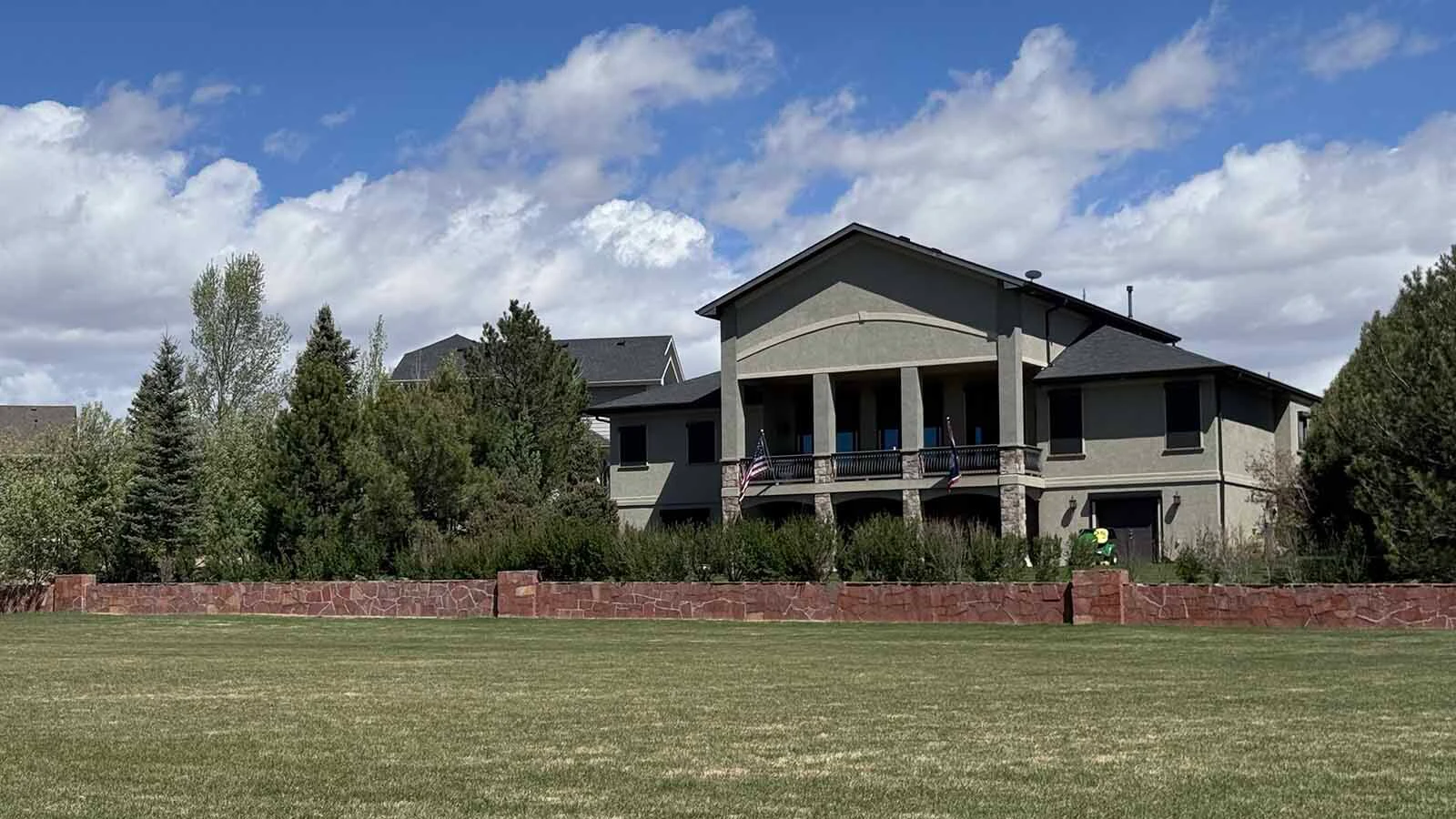
Cheyenne’s real estate market is heating up, with luxury home sales, industrial demand, and data center growth driving a surge that’s reshaping the city’s economy and housing landscape. (Greg Johnson, Cowboy State Daily)
What About Housing Crunch?
Talk of luxury properties does raise some eyebrows, and raises some anxiety levels in a community that’s already experiencing a housing crunch.
A 2022 housing study found Cheyenne is short 5,000 single-family units and more than 8,400 rental units, driving fears that housing prices are about to spike dramatically.
To the extent that new luxury houses and apartments free up more affordable units as families move up to better accommodations, the addition of new luxury homes and apartments actually doesn’t hurt the market, Valdez told Cowboy State Daily.
“Affordability is on everyone’s mind,” he said. “But I don’t think having an audience for higher-end properties is intrinsically going to make affordability more of a problem. I see diversity as a strength.”
Valdez sees Cheyenne making lots of efforts, meanwhile, to ease its housing challenges.
Given that, he doesn’t believe the emergence of a luxury market has to necessarily mean gentrification, a process where lower income people are pushed out of an area.
Mayor Patrick Collins has told Cowboy State Daily that Cheyenne isn’t alone when it comes to housing shortages.
“There’s not a mayor I talk to who doesn’t tell me one of their largest challenges is housing,” he said.
Cheyenne permitted about 1,100 housing units last year, Collins added, which compares to 1,600 for the entire state of Wyoming in 2023.
“We’re making a dent, and we’re working hard at it,” he said.
The mayor credited zoning changes that allow lots to be split into smaller parcels, so builders can produce 900- to 1,100-square-foot, two-bedroom, two-bath homes on 2,700-square-foot lots at a price point he expects will be around $300,000.
The city is also now allowing cottage lot developments, where clusters of tiny homes are built together.
Some of the requirements for expensive building materials have also been eased.
“A lot of credit goes to our city council for all the regulatory work we’ve done to allow for more flexibility, so that our builders can build what people are looking for which is affordability,” Collins said. “And that’s made a huge difference.”
Not Just Data Centers
The luxury surge isn’t happening in a vacuum.
Jeffery, who is licensed in both Wyoming and Colorado, told Cowboy State Daily she’s seeing a fundamental shift of capital northward, up the I-25 corridor.
Data centers are part of what’s greasing the real estate market right now, she said. But the trend is about more than just that.
Wyoming’s business-friendly climate means businesses can hit their break-even much more quickly than in some other markets. The market appreciation, meanwhile, is running at a hot 20%, she said.
That has her calling the 45 miles between Fort Collins and Cheyenne “the most important stretch of road” for a company’s P&L, or Profit and Loss statement.
“It’s easier to get permits so you can build quicker,” she said. “You can get approvals quicker, so your business gets up and running quicker. And the taxes are so much lower, because in Colorado they have these mill levies that vary quite a bit just from across one street to another.”
One of Jeffery’s clients had been looking at Colorado, but when Jeffery showed them the math, he decided to head north to Cheyenne.
“He saved about $500,000 a year in taxes,” Jeffery said. “That definitely makes your break-even period condense quite a bit.”
It’s a “flywheel,” Brinkman agreed, one that’s driving “a big economic boom and giving all kinds of projects momentum right now.”
Valdez has also seen a pull thanks to softer factors as well — hunting, fishing, and wide-open spaces, which Wyoming has in abundance. But there’s also a dramatically better shopping and retail scene.
“I remember 28 years ago, our downtown had a lot of vacancies,” he said. “It was kind of a ghost town, maybe even as soon as 15 years ago. But it’s come a long ways.
"We’ve become a much, much more vibrant community.”
Valdez hopes people will frame it as a positive opportunity, he added.
“This is our time to shine and show what we can be and who we can be,” he said. “I don’t think it’s helpful to be isolationist and say, ‘Don’t California or Colorado my Wyoming.’
"My broader view is, with very few exceptions, we’re all trying to do our best,” Valdez added. "Everyone is out there just trying to do their best … and seeing Cheyenne, Wyoming as a place that can cultivate that.
"I think as a community we should probably try to encourage that.”
Renée Jean can be reached at renee@cowboystatedaily.com.