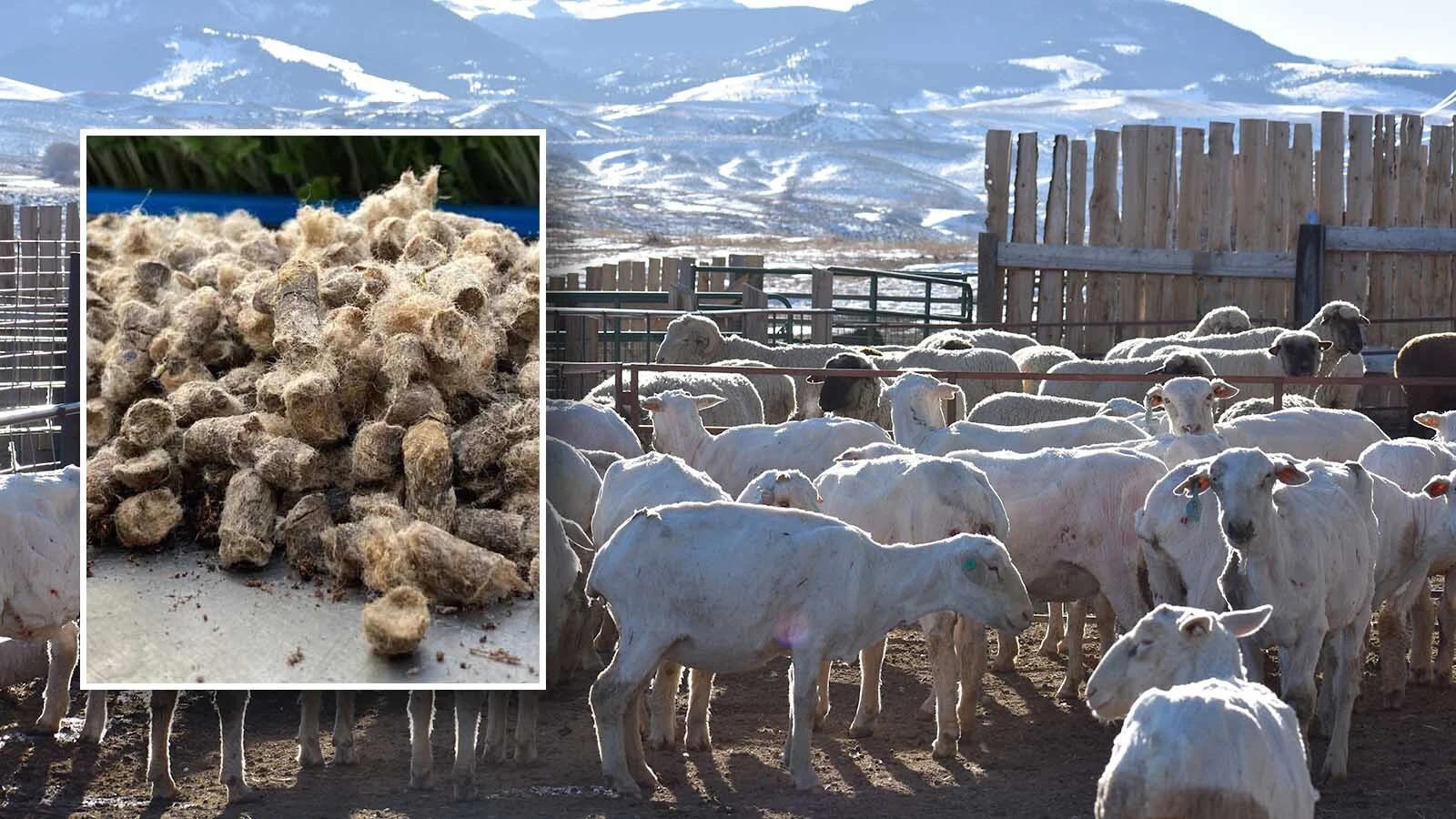
Ben and Alicia Rux of Cottonwood Creek Wool are first-generation cattle and sheep ranchers in Crowheart, Wyoming, who have discovered a way to use the waste wool left from shearing as fertilizer that also helps retain water.
“We take all of our waste wool that is not worth very much and run it through a pellet mill,” their son Clayton Rux told Cowboy State Daily. “We then make a pellet that absorbs water.”
Wool that’s not worth as much, like damaged or dirty parts of the fleece, are pressed into dense little nuggets that's an effective natural fertilizer, while also holding moisture in the soil longer.
Pellets can absorb up to 25% of their weight in water, says a study by the Southern Colorado Wool Pellet Project, while regaining all that extra moisture in the soil.
The wool they feed into their pellet mill comes from the belly and butt of their sheep.
This “waste wool” has a very high organic content after shearing, so it was not financially feasible to clean. So, it was something they’d toss in the trash if they weren’t making pellets.
The concept of creating wool into pellets is a fairly recent one that Rux believes has only been around commercially for the last decade or so, although wool has been used by farmers for centuries to retain the moisture.
As Wyoming is in a severe drought, these sheep wool pellets are gaining more attention by gardeners as a natural soil amendment that also helps conserve water.
The wool fibers can absorb and retain significant amounts of water, according to studies by the American Society of Agronomy.
“Wool holds water very well,” Rux said. “In pelleted form, it holds water on the soil surface when applied so the overarching idea is water retention in soil.”
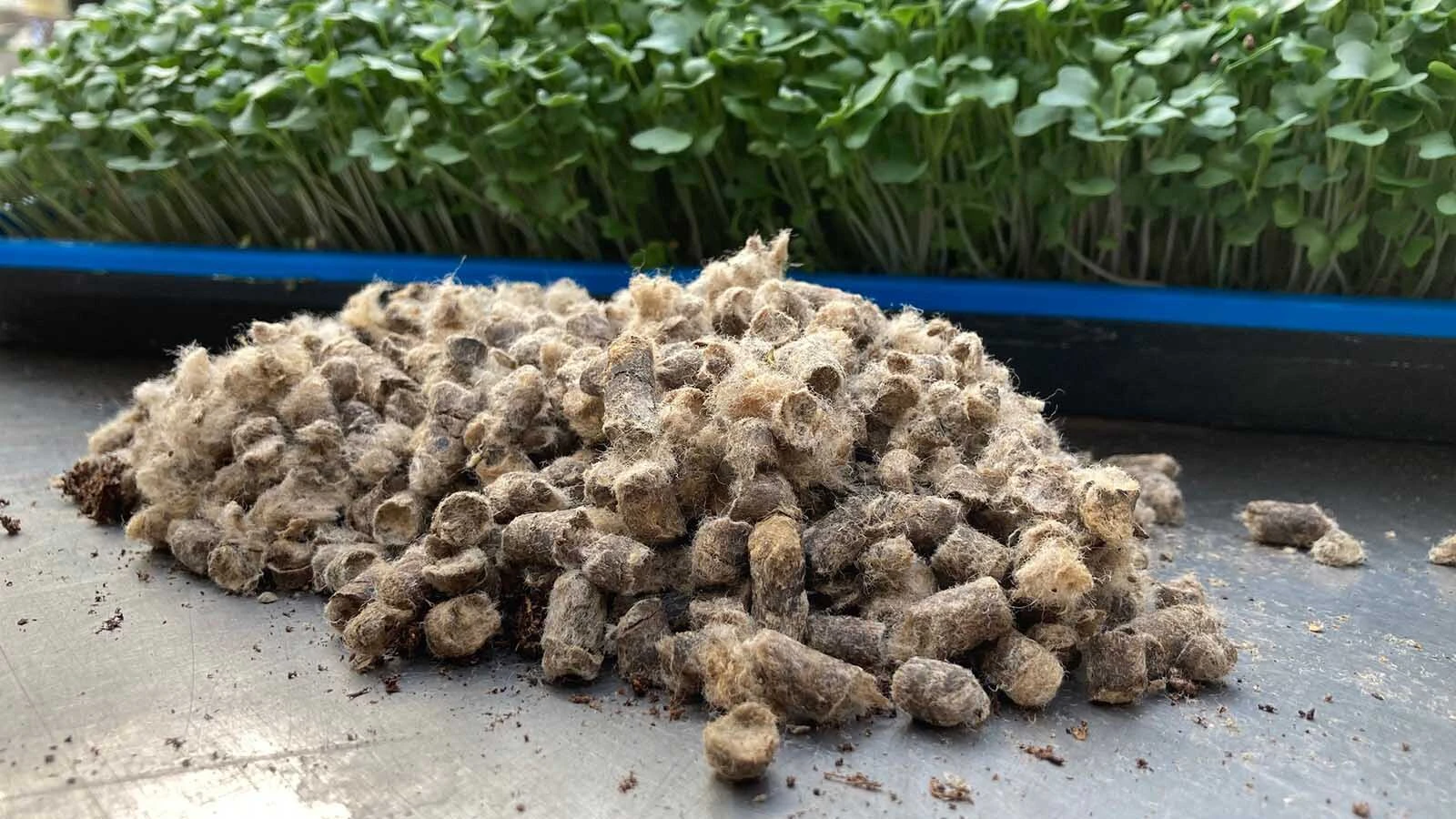
Waste wool has been made into pellets at a family ranch in Crowheart, Wyoming. These pellets are then used as a soil amendment that studies have shown slowly releases nutrients into the soil and helps retain up to 40% more moisture. (Courtesy Cottonwood Creek Wool) 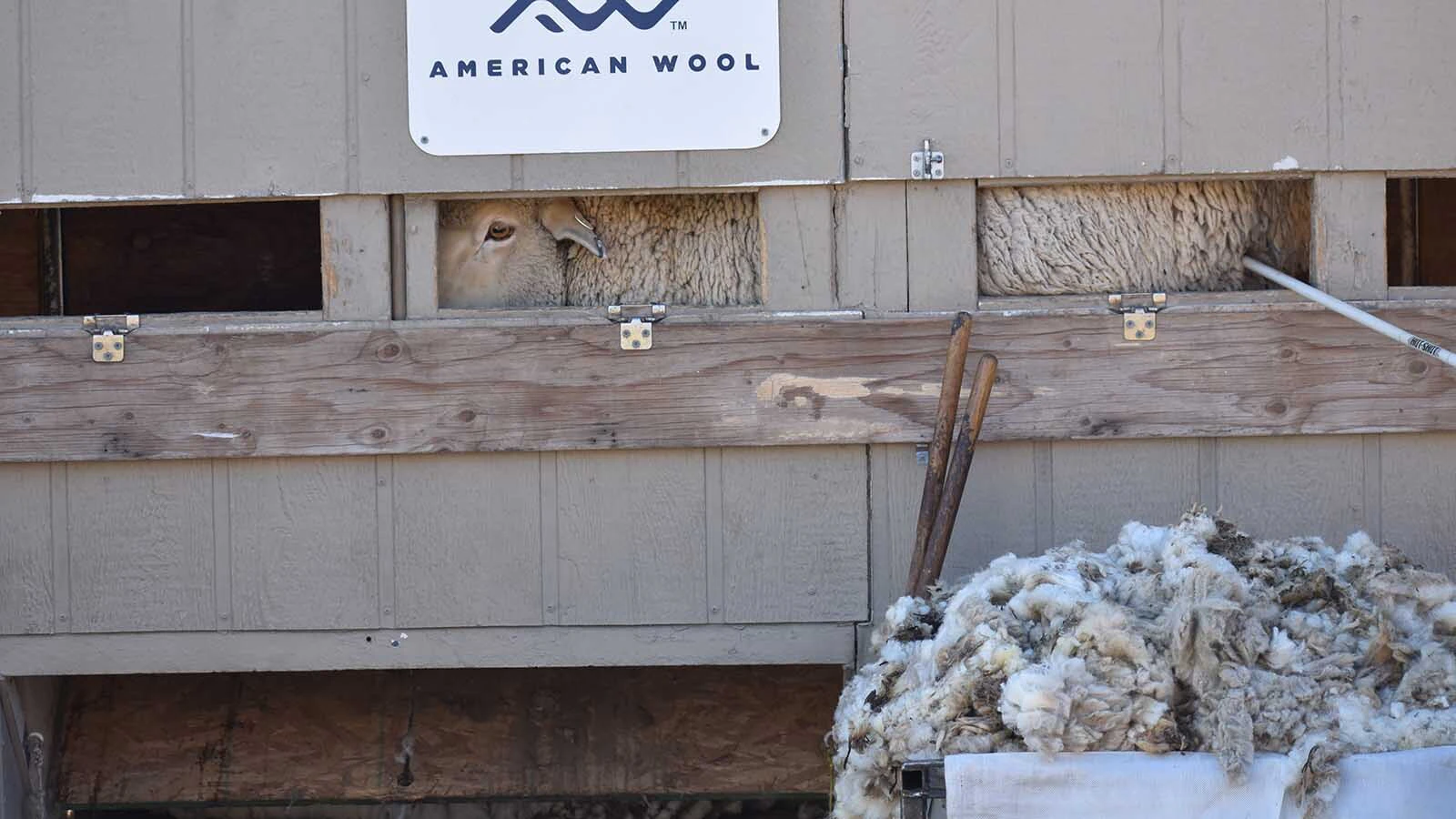
Until a few years ago, the Rux family would have to toss their waste wool. Now the wool that they could not clean is being made into pellets and used as a soil amendment that they say will be a valuable tool as Wyoming faces a drought. (Courtesy Cottonwood Creek Wool) 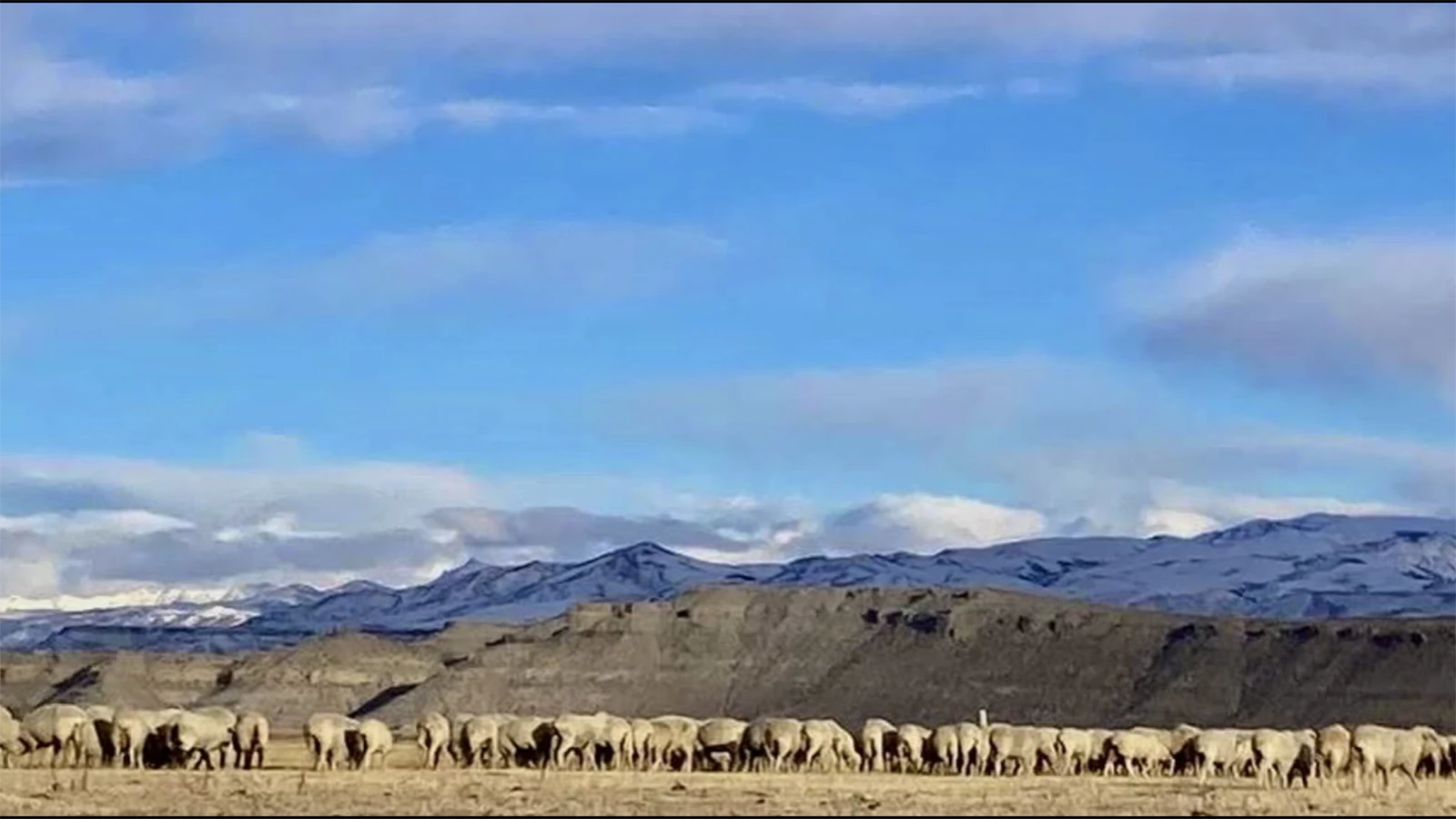
Cottonwood Creek Wool in Crowheart, Wyoming, is a family-based sheep ranch that sells an innovative product — sheep pellets as a soil amendment (Courtesy Cottonwood Creek Wool) 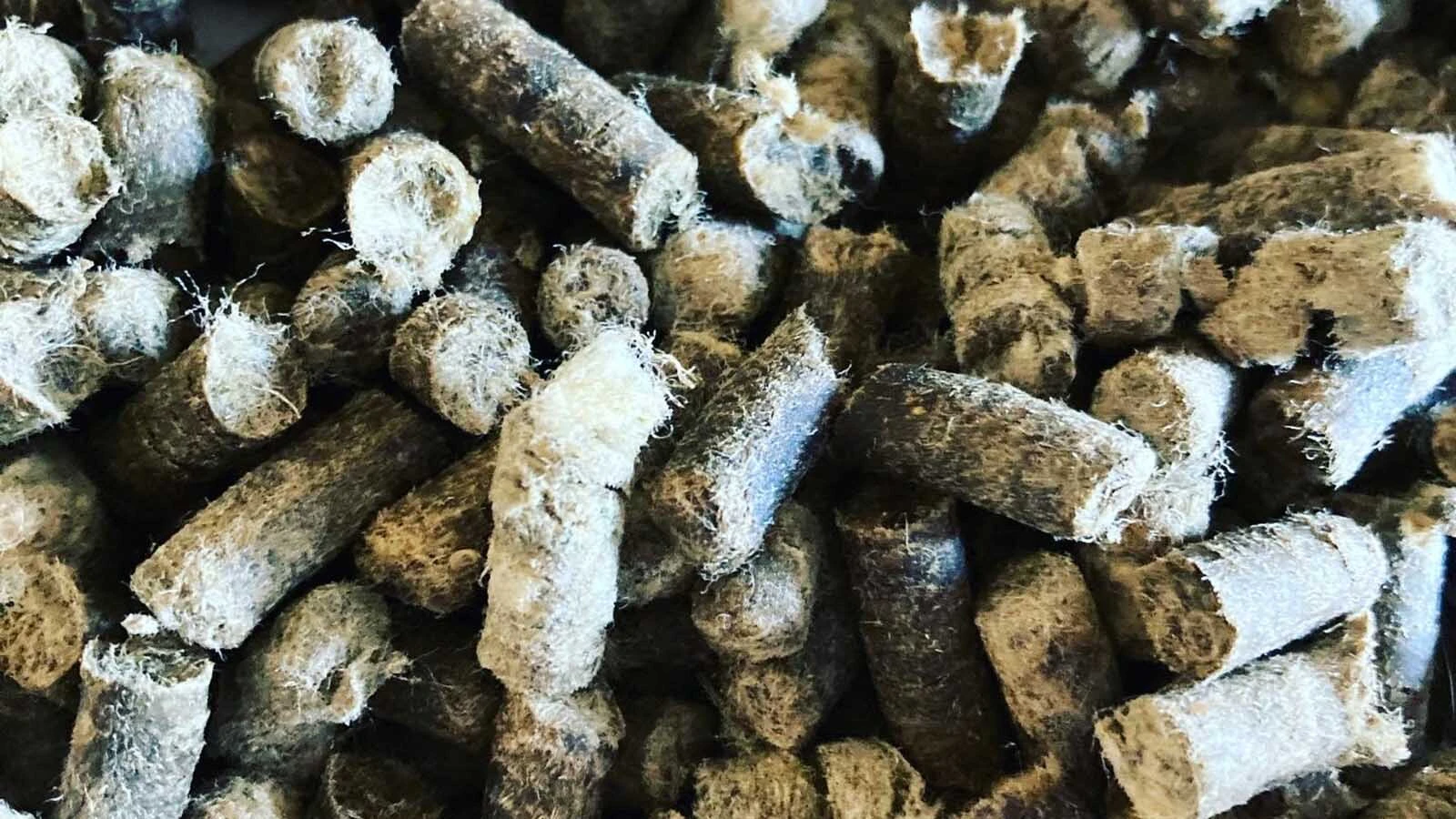
Waste wool has been made into pellets at a family ranch in Crowheart, Wyoming. These pellets are then used as a soil amendment that studies have shown slowly releases nutrients into the soil and helps retain up to 40% more moisture. (Courtesy Cottonwood Creek Wool)
Tiny Sponges
When mixed into soil, the pellets act like tiny sponges, slowly releasing moisture back to plant roots during dry conditions.
Researchers and agricultural studies have found that wool-based pellets have proven to improve soil water retention, especially in the arid climates and sandy soils of Wyoming where moisture quickly evaporates or drains away.
“I think that where wool really shines is holding moisture in smaller pots and containers that dry out quickly in the summer,” Caitlin Youngquist of Dirt Works told Cowboy State Daily.
Youngquist, a soil scientist in Worland, has experimented with the pellets herself and said that by her measurements, wool holds about four times its weight in water.
“You can certainly use raw fleeces if you have access to that, but the pellets are easier to handle and mix in the soil,” Youngquist said. “The pelleting process also gets the wool hot and seems to kill any weed seeds.”
Rux said that they have also found that in the pelleted form, the wool breaks down easier and retains water faster.
After experimenting with their pellets, Youngquist recommends about half a cup of wool pellets per gallon mixed into the soil.
“They are an excellent source of soil carbon, which is the driver of soil health,” Youngquist said. “And they contain twice as much nitrogen as chicken manure but in a very slow release form.”
As the wool gradually breaks down, it releases nutrients into the soil.
According to scientists at the University of Vermont, sheep wool naturally contains nitrogen, sulfur, potassium, and proteins made from keratin, which decompose slowly over time.
The pellets are also natural and a slow-release fertilizer that support plant growth without the sudden nutrient spikes often associated with synthetic fertilizers.
Studies in Vermont comparing wool pellets to commercial fertilizers found that plants such as tomatoes, spinach, and lettuce often showed increased growth and improved yields when wool pellets were used.

The Studies
More studies are still being conducted on a larger scale by scientists across the United States.
The Rux family is in the beginning stages of a research project themselves they hope to conduct with the University of Wyoming.
“We've actually done some test plots in four different environments,” Rux said. “It's obviously not a published study but we are testing the pellets to see how they do.”
So far, Rux said that they tested the pellets in a field that they graze on rotation, on range ground, a recently planted field and in a garden.
“What we saw is that the water holding capacity of the pellets had a fairly large impact on plant growth,” Rux said. “There's also an amount of nitrogen that is present in the pellet just from the organic material that's present, so that also helps with plant growth.”
Rux is hopeful that as they continue to develop their sheep pellets they can make them more cost effective to use on larger range systems and in reclamations, especially as drought concerns are high.
“It's a waste product that we're adding value to and it's a diversification of an existing ranch, and that's pretty valuable to us,” Rux said.
Jackie Dorothy can be reached at jackie@cowboystatedaily.com.