
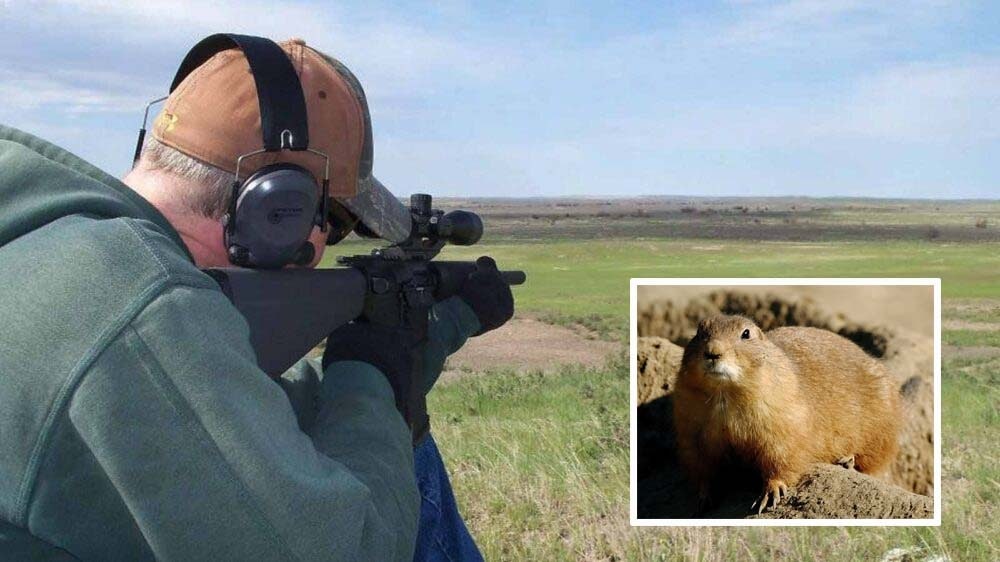
Conservation groups are urging Colorado wildlife commissioners to ban prairie dog shooting on public lands, saying they're vital to healthy grassland ecosystems.
A Wyoming rancher and a South Dakota prairie dog hunting guide told Cowboy State Daily that’s a terrible idea, and Colorado could end up regretting it.
Ranchers don’t have enough time to “deal with prairie dogs," and welcome shooters diminishing the rodents’ numbers on public and private land, said Jim Magagna, the Wyoming Stock Growers Association executive vice president.
However, retired University of Wyoming veterinary pathologist Donal O’Toole said he supports the proposed Colorado prairie dog ban.
“A big reason we almost lost the black-footed ferret was because people were being assholes to prairie dogs,” he said.
The Prairie Dog Coalition and Defenders of Wildlife are urging the Colorado Parks and Wildlife Commission to prohibit recreational prairie dog shooting on public land. The commission is scheduled to consider the issue during a Nov. 4 meeting in Fort Morgan, Colorado.
Spreaders of Weeds?
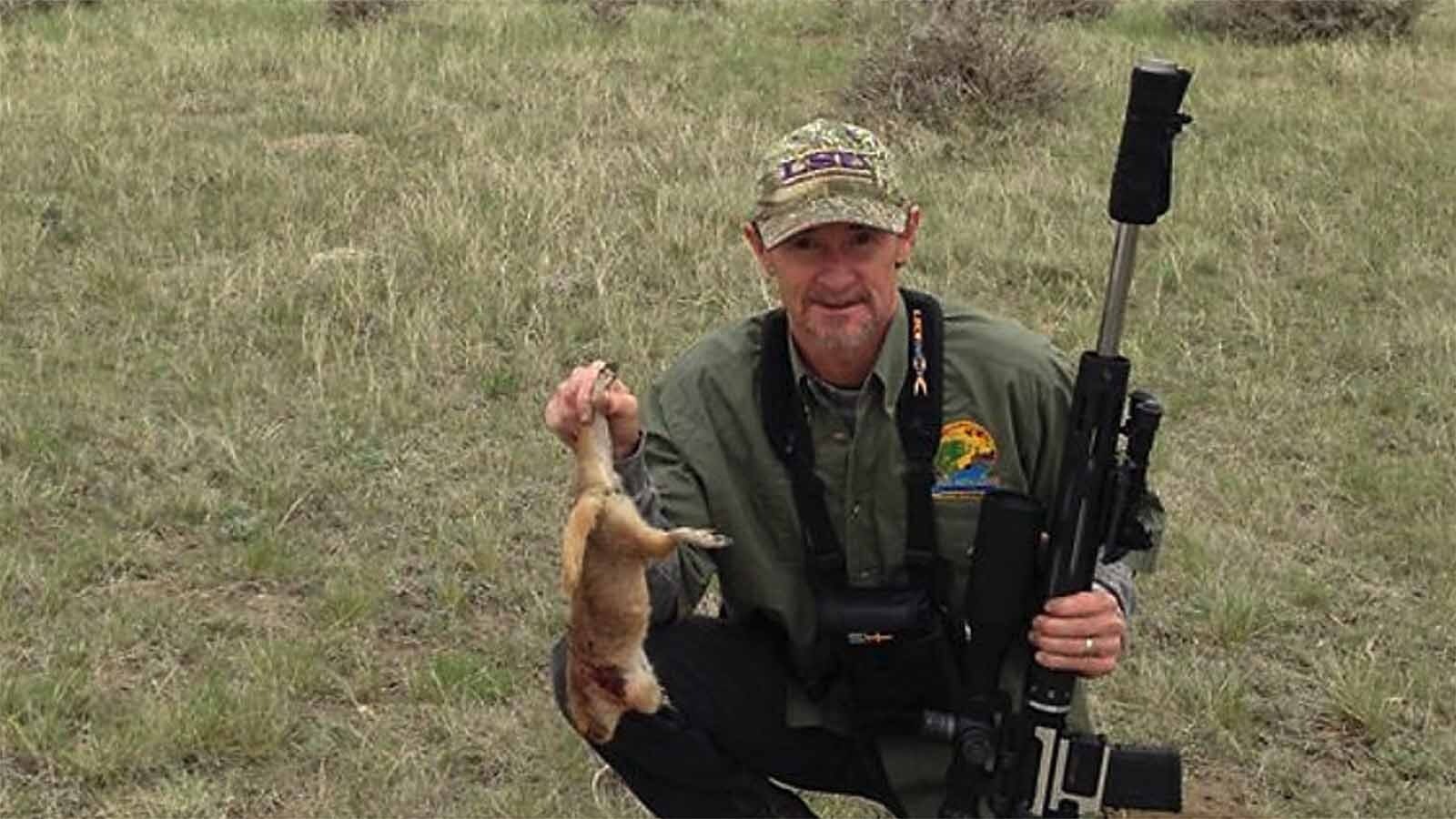
Willie Dvorak runs Jim River Guide Service and has guided prairie dog hunts in South Dakota’s prairies and badlands for years.
He has no qualms about shooting masses of the burrowing rodents, saying that when their numbers are left unchecked, they can harm the prairies.
Prairie dogs tear up the landscape and can contribute to the spread of noxious weeds that livestock and wildlife such as deer and pronghorn can’t eat, he said.
“When the prairie dogs mow the grass down to nothing,” there is no forage left for anything else, he said.
“One side will say they’re a keystone species. Any rancher who has prairie dogs will say the exact opposite, that they destroy the ecology of the prairie,” he said.
Concerns over lead from bullet fragments poisoning raptors or other animals that eat prairie dog carcasses are frequently cited by shooting opponents.
Dvorak said he doubts that.
Bullets are “usually going through the prairie dogs and bouncing off into never-never land,” he said. “I’ve seen exactly zero eagles or hawks laying out there dead because of lead poisoning. And zero is a hard number to argue with.”

Saving Dogs, Saving Ferrets
O’Toole said research shows a connection between recreational prairie dog shooting and lead poisoning in raptors and other species.
“One likely source, and I suspect it’s a major source (of wildlife lead poisoning), is lead in bits of prairie dogs that eagles and hawks are scavenging,” he said.
Black-footed ferrets are completely dependent upon prairie dog towns, O'Toole said. Prairie dogs are their chief source of food, and the ferrets also use abandoned burrows and dens.
Since the settlement of the West, prairie dog towns that once stretched for miles in every direction have been reduced to fractions of their original size, O’Toole said, and ferrets have suffered accordingly.
A recent population survey of the black-footed ferret population near Meeteetse didn’t document any ferrets there, and O’Toole said he worries they might be gone.
Ferrets continue to thrive in the Shirley Basin.
During a 2025 exchange with Wyoming legislator Sen. Brian Boner, R-Douglas, O’Toole called shooting "psychopathic."
He told Cowboy State Daily on Tuesday that he still holds a dim view of the sport.
“I don’t practice my shooting skills by shooting people’s cats,” he said. “Practicing shooting skills on live animals like that, just for fun, is just bizarre.”

Ranchers' Woes
Ranchers dislike prairie dogs for a reason, Magagna said.
“They destroy a lot of forage” and can render rangelands useless for grazing, he said.
And prairie dog holes pose “a health risk” to horses and riders, he said. Horses can step into the holes, break their legs, and fall on top of riders.
The Colorado ban would target only public land.
However, Magagna said such a move could be a disaster in Wyoming, because there’s “such an intermingling of private and public land.” And ranchers depend on shooters being allowed to cull prairie dogs on both.
“I don’t see it (a prairie dog shooting ban) happening here in Wyoming, to be honest. But we still need to be vigilant to make sure those sorts of things don’t happen here,” he said.

97% Kill Rate
The Prairie Dog Coalition and Defenders of Wildlife estimate that 97% of prairie dog shooting deaths occur on public land.
That represents unacceptable losses to a species that warrants more protection, Chamois Andersen, senior field representative for Defenders of Wildlife, told Cowboy State Daily.
CPW has put time and money into protecting prairie dogs, including such measures as putting out baits containing a vaccine against the bubonic plague, to which the rodents are highly susceptible, she said.
As in Wyoming, prairie dogs are vital to the restoration of Colorado’s black-footed ferrets, Andersen said.
Prairie dog burrows also provide homes for swift foxes, burrowing owls, and other species, she said.
All told, about 120 species rely on prairie dogs, and grasslands in Wyoming and Colorado are increasingly fragmented, Andersen said.
Recreational shooting on public land is an “unnecessary threat” to prairie dogs and their dependent species, so it only makes sense for CPW to ban it, she said.
Mark Heinz can be reached at mark@cowboystatedaily.com.


