Skylar Clayson was bleeding heavily.
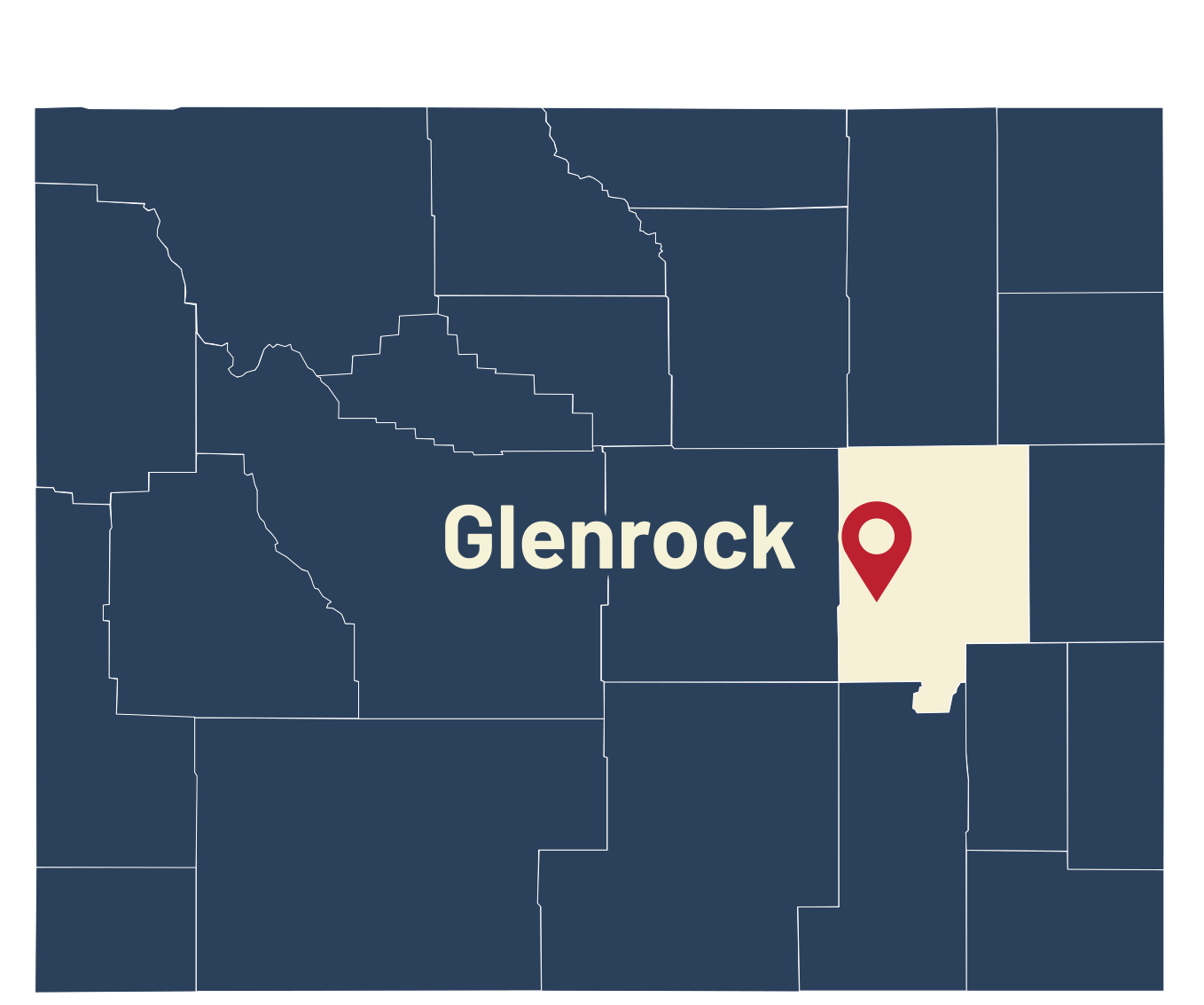
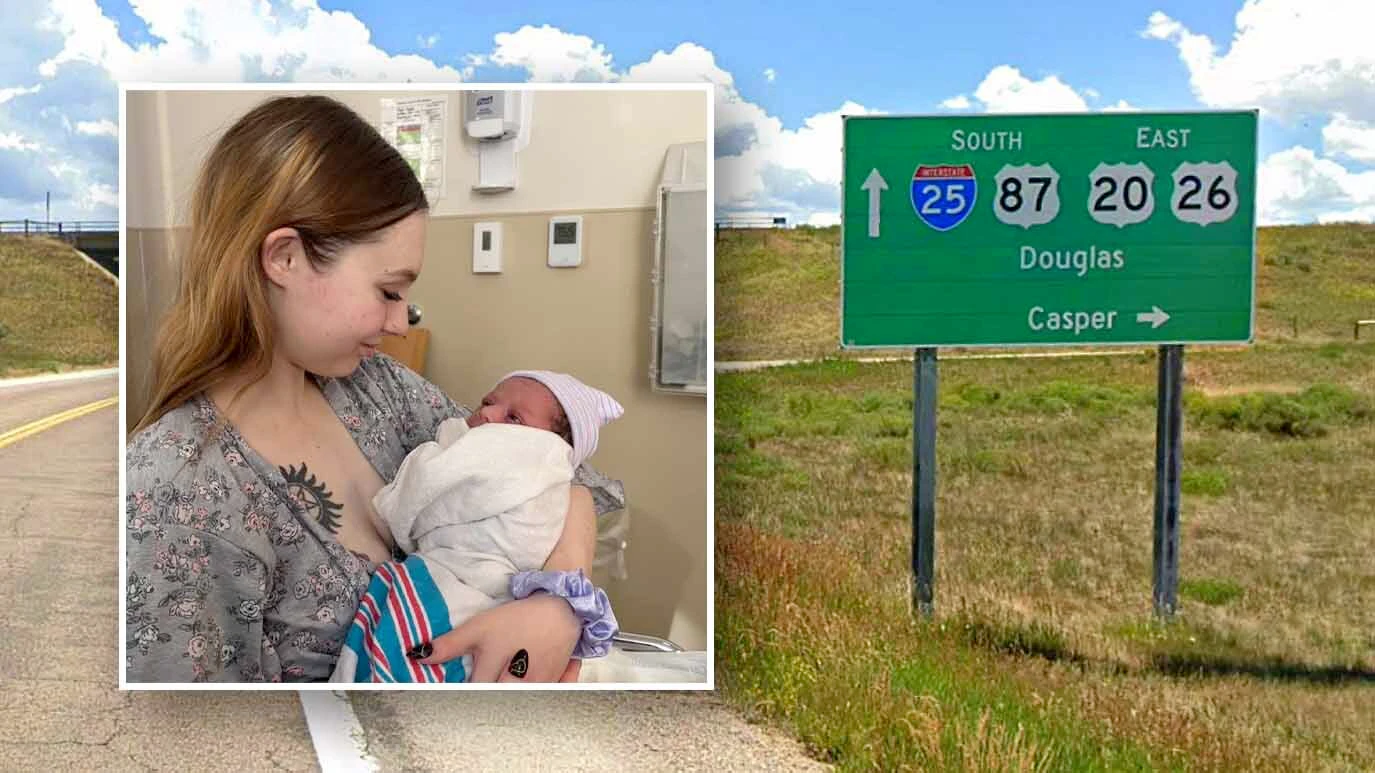
Her contractions were coming fast as she and her husband, Kaleb, raced down Interstate 25 from Glenrock toward a hospital in Casper.
Their toddler was in the backseat.
Skylar felt the baby coming.
She hadn't even made it halfway through the 30-minute drive when she felt the urge to push. By the time Kaleb pulled off the interstate, their son, Oliver, had arrived.
“I just kind of did it,” Skylar told Cowboy State Daily about delivering her own baby in the passenger seat of a moving vehicle.
Kaleb called 911. Looking back at the timestamps, the couple realized Oliver was born less than a minute after the call.
But the frightening part wasn't over.
Oliver wasn't breathing.
“I was very scared,” Skylar said.
She began stimulating her newborn son as the couple waited for emergency responders to reach them.
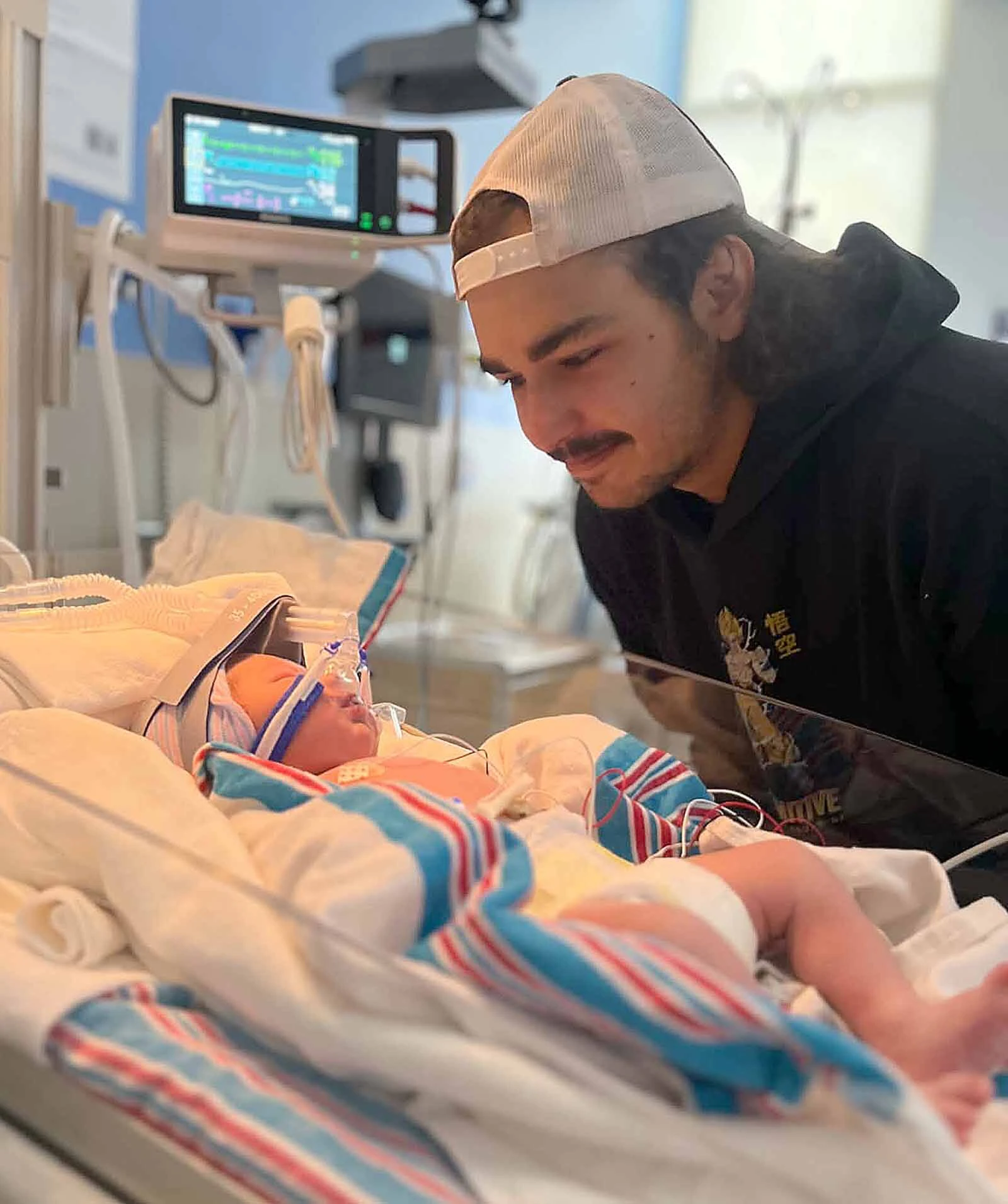
What was supposed to be a routine trip to the hospital turned into a roadside delivery that would send Oliver to the neonatal intensive care unit and leave his mother wondering whether things might have gone differently if maternity care had been more accessible.
In Wyoming, where residents are accustomed to driving long distances for just about everything, getting to a hospital can mean an hour or more on the road.
But what happens when the person making that drive is a woman in labor — and her baby isn't willing to wait?
A Growing Problem
Clayson's experience is one example of a growing challenge in Wyoming, where rural hospitals are increasingly getting out of the baby business.
According to an April 2024 Wyoming Department of Health report presented to state lawmakers, five Wyoming counties were considered maternity-care deserts, while another seven had low access to maternity care.
A maternity-care desert is an area without a hospital or birth center offering obstetric care and without any obstetric physicians.
The situation has worsened since that report was released.
Evanston Regional Hospital closed its inpatient labor and delivery unit in December 2024. Less than a year later, Banner Platte County Hospital in Wheatland paused its labor and delivery services. Rawlins and Kemmerer also have lost delivery services in recent years.
That left nine of Wyoming's 23 counties without hospital labor and delivery services, according to reporting at the time.
In all, 17 Wyoming communities still offer labor and delivery services.
About half of Wyoming's counties also lack an OB-GYN, according to a 2024 state health department report.
The consequences extend beyond inconvenient drives to prenatal appointments.
Research cited in the state's maternity-care report links greater distances from delivery facilities to increased risks of severe maternal complications – unexpected outcomes of labor and delivery that can have significant short- or long-term consequences for a woman's health.
Longer distances can also mean greater expenses for ambulance transportation and specialized medical care.
For women who live in Wyoming's smaller communities, pregnancy can require months of careful planning, repeated trips to distant medical appointments and the hope that labor won't begin during a winter storm or on a lonely stretch of highway.
And sometimes, even the best-laid plans don't work out.
Challenges Began Long Before Labor
For Skylar Clayson, the difficulties of finding maternity care began long before Oliver made his dramatic entrance on Feb. 2.
During her first pregnancy, she regularly visited an obstetrician in Casper.
By the time she became pregnant with Oliver, that practice had closed and her doctor had left town.
She contacted another practice, only to learn it wasn't accepting new patients.
She eventually found a practice willing to see her, but she learned that practice required a substantial upfront payment, even though she had what she considered decent insurance.
And she wasn't satisfied with the care she received.
During one appointment, she raised concerns about pain she was experiencing. When she returned for a follow-up, she said, the provider didn't remember the conversation.
“I’m paying all of this money and I’m still not getting good care,” she recalled thinking.
Eventually, she made a difficult choice.
“I made the decision to no longer see an OB,” she told Cowboy State Daily. “It was a hard decision.”
Instead, she began working with a doula in Glenrock who helped her prepare for childbirth, including exercises and stretches designed to prepare her body for labor.
A doula provides physical, emotional and educational support during pregnancy and childbirth, but is not a substitute for medical prenatal care.
Clayson said she had hoped for a natural childbirth with her first son, but things hadn't gone according to plan. She wanted a different experience the second time.
She got one – just not the experience she imagined.
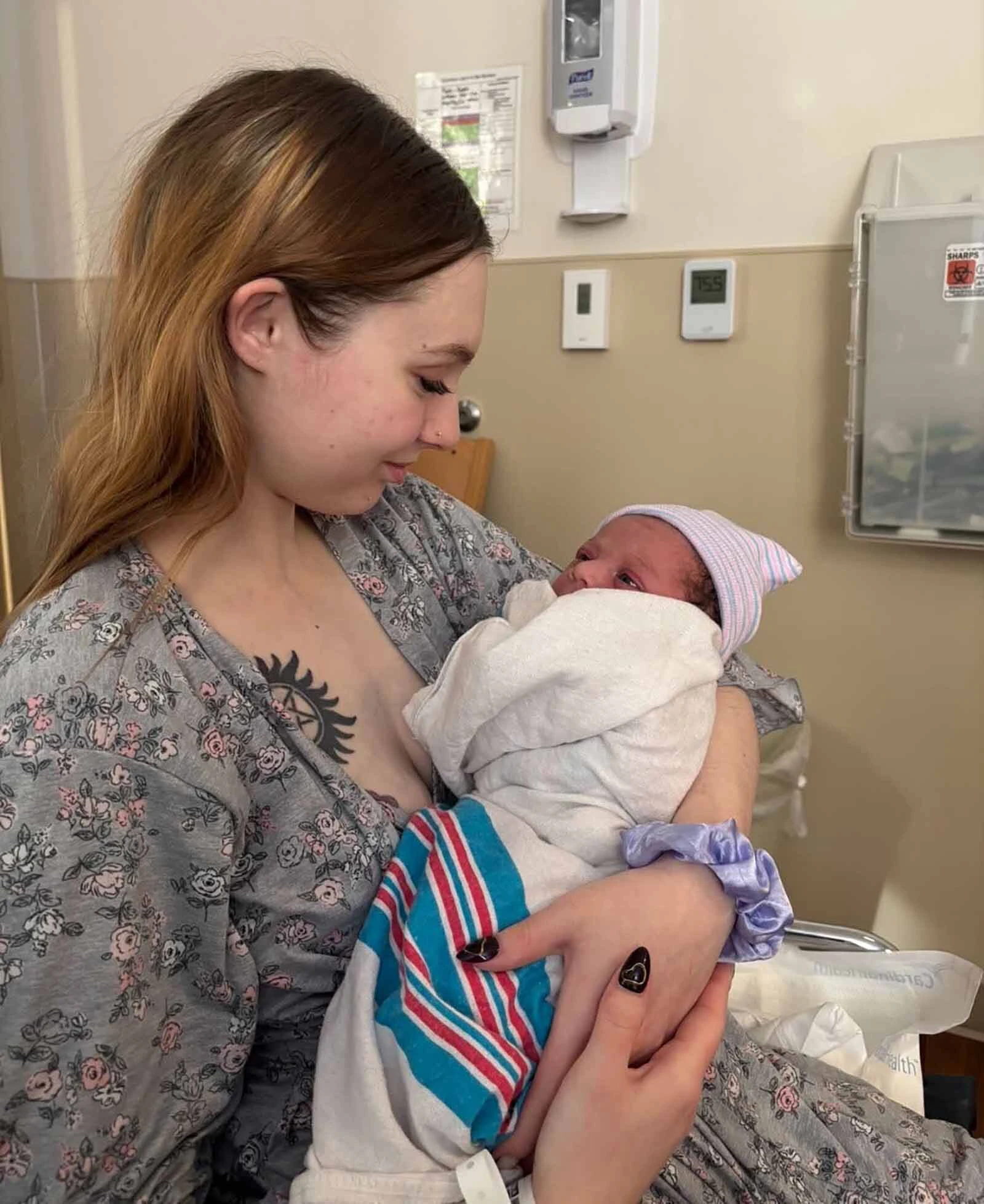
After Oliver was born, emergency responders met the family in Casper, and mother and baby were transported to the hospital in separate ambulances.
Oliver spent an extended period in the neonatal intensive care unit because he continued to experience episodes in which he stopped breathing, Skylar said.
Now, eight months later, she is still dealing with complications of her own.
She told Cowboy State Daily she was referred to an OB for some postpartum pelvic floor issues she is having. When she called to make an appointment, she learned there is a six-month wait.
Why Hospitals Get Out Of Baby Business
Across Wyoming, hospital administrators face a difficult financial reality: Delivering babies is expensive, even when relatively few babies are being born.
Hospitals offering labor and delivery services must maintain trained medical personnel, specialized equipment and the ability to respond to emergencies, regardless of how many deliveries take place.
For small rural hospitals, those costs can be difficult to sustain.
When Evanston Regional Hospital announced it would close its inpatient labor and delivery unit at the end of 2024, CEO Cheri Willard said the hospital had experienced a steady decline in demand, averaging about six deliveries per month.
In Wheatland, Banner Platte County Hospital paused its labor and delivery services on Oct. 15, 2025.
Hospital CEO Sandy Dugger previously cited declining birth numbers and difficulties recruiting providers as major reasons for the decision.
Ideally, the hospital would have three full-time family practice providers trained in obstetrics, Dugger said at the time. Instead, it had only one.
The pause meant expectant mothers would need to travel outside the community for obstetric care.
Cowboy State Daily reached out to Dugger for an update on the hospital's labor and delivery services but had not received a response before publication.
The challenges aren't unique to Wyoming.
Rural hospitals across the country have stopped delivering babies as birth rates decline, medical staffing shortages persist and the cost of maintaining obstetric services increases.
The COVID-19 pandemic exacerbated nursing shortages, leaving some hospitals increasingly dependent on more expensive traveling nurses and temporary agency staff.
For Wyoming hospitals, those challenges are compounded by the state's geography.
Gaby Alvarado, a physician and maternal-health policy researcher with the University of Wyoming's Rural Health Institute, described the problem as a gap between the care families need and the care they can reach close to home.
Wyoming's vast distances, small and dispersed population and weather that can close roads for days all contribute to the problem, she told Cowboy State Daily in an email.
Those same conditions also make it difficult for hospitals and clinics to recruit medical professionals and sustain services.
A Baby At A Truck Stop
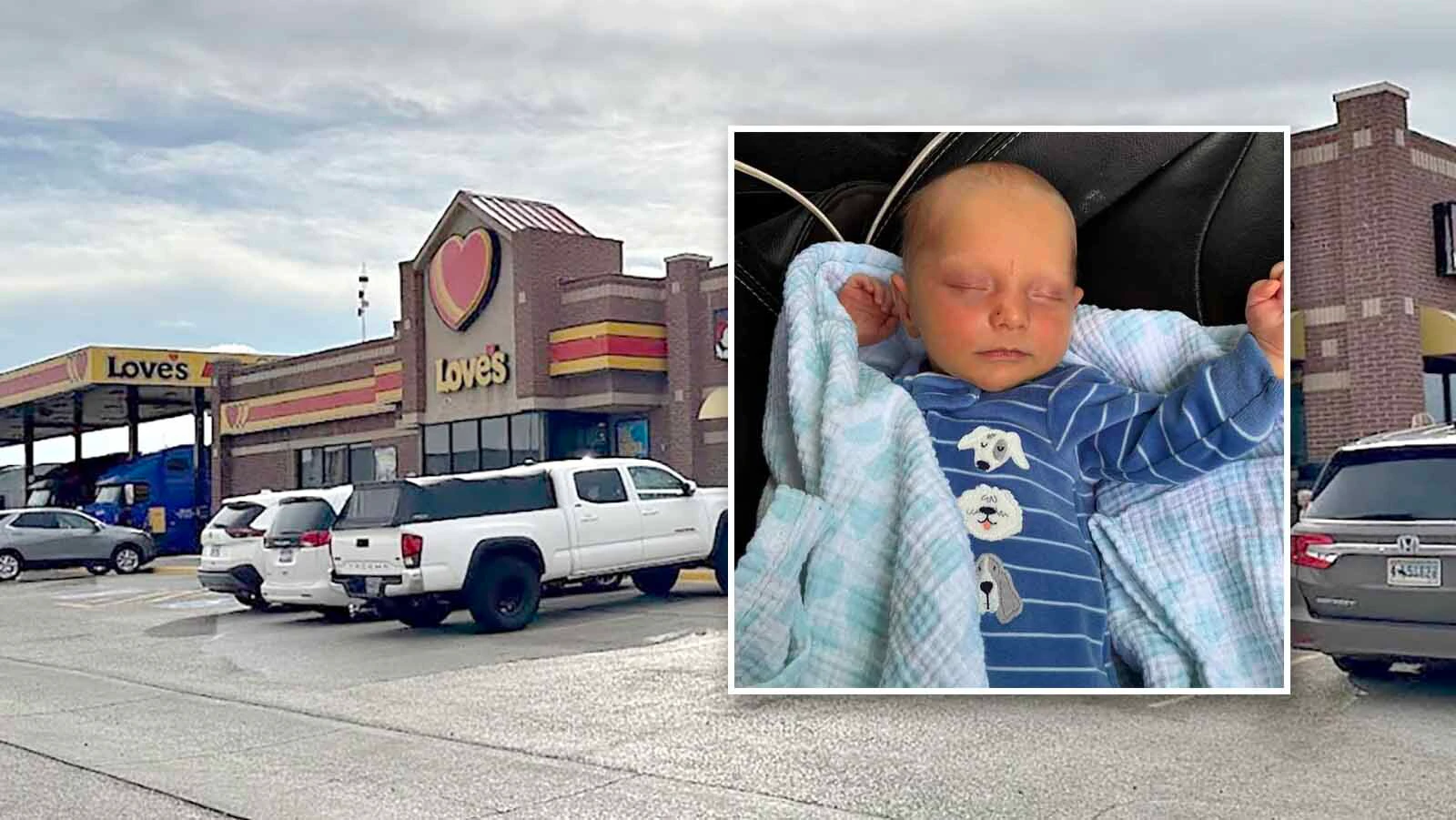
In September, Cowboy State Daily reported on a Rawlins couple whose baby was born at a Love's truck stop in Wamsutter while en route to a Rock Springs hospital.
Max Hemi Blake was born on Aug. 8 in a Dodge Ram 2500 at the Love’s Travel Stop.
The family was less than 40 miles into their 108-mile journey between Rawlins and Rock Springs when it became clear the baby wasn’t waiting.
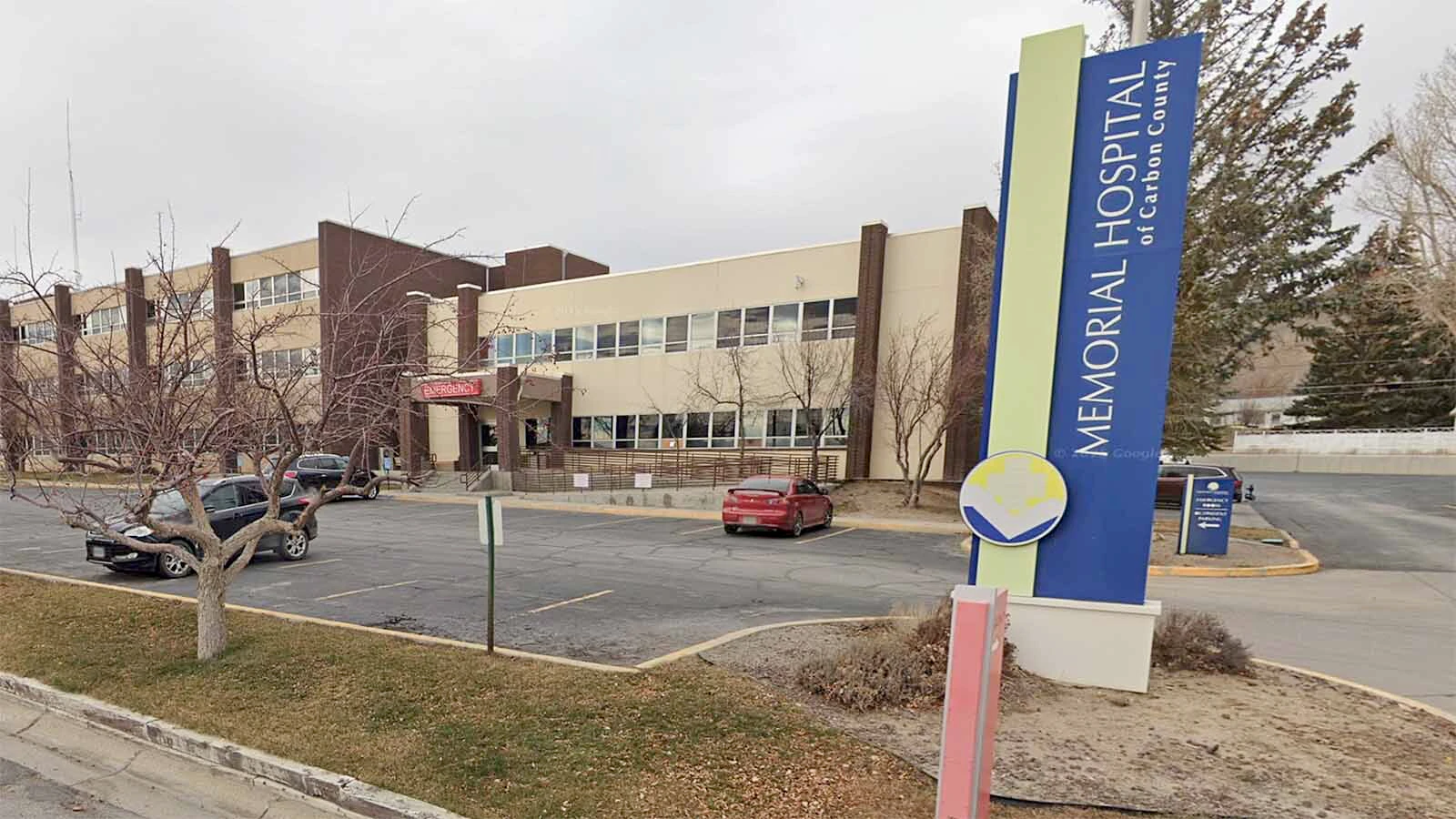
Memorial Hospital of Carbon County in Rawlins closed its labor and delivery department in 2022, citing staffing problems and the financial strain caused by reliance on traveling nurses.
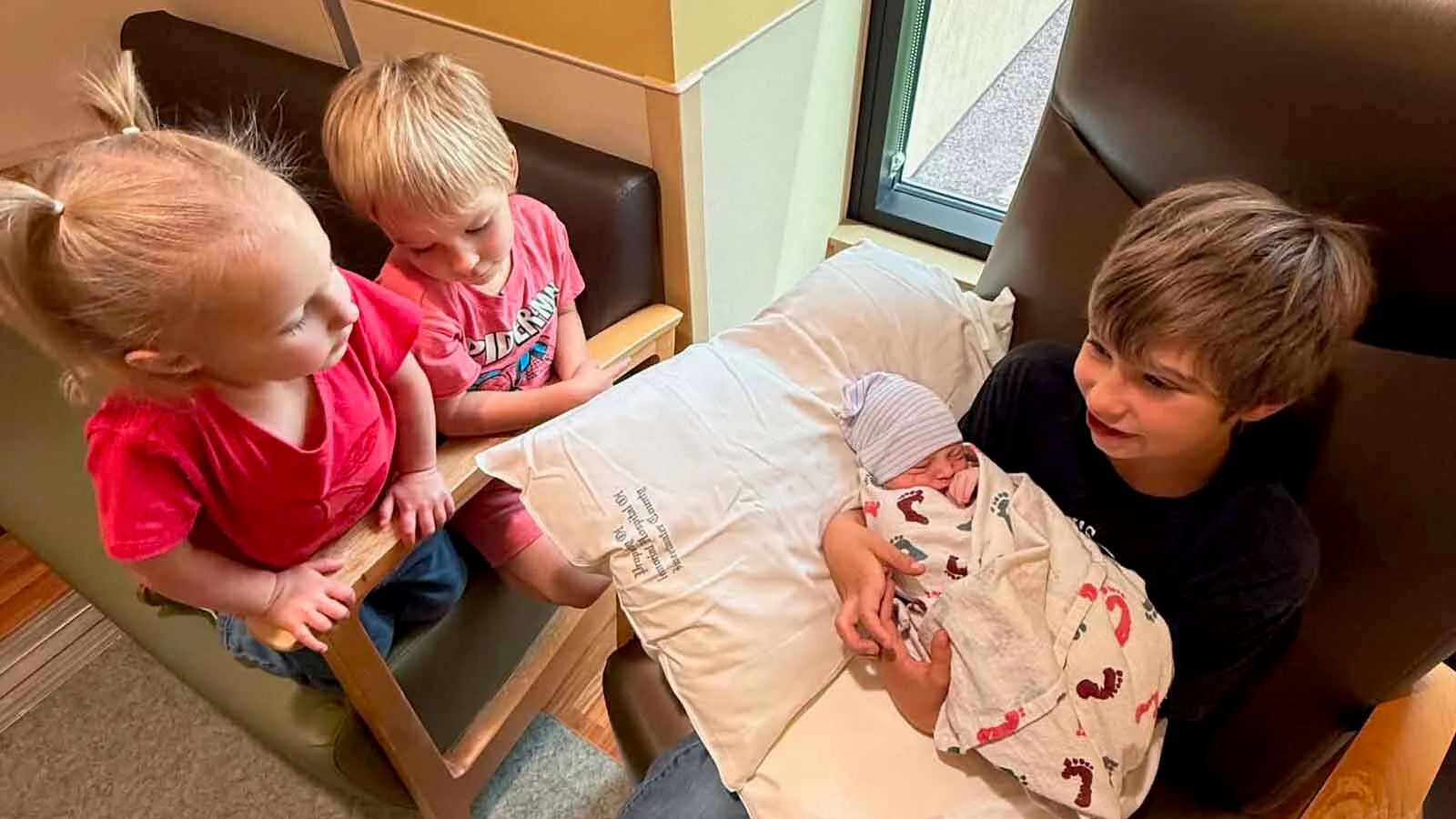
The baby’s father, Kyle, delivered him while following instructions from a 911 dispatcher over the phone. The couple's three other children watched from inside the truck as their newest sibling made his entrance into the world.
The story had a happy ending, but it illustrated a reality for Wyoming families who must travel long distances to reach a hospital equipped to deliver babies.
When labor progresses unexpectedly fast, even a drive that has been carefully planned can become a race against time.
Can Midwives Fill The Gap?
As hospitals scale back maternity services, some Wyoming midwives are trying to provide families with another option.
Jana Hartzell, who was born and raised in Evanston, was in the early stages of establishing her midwifery practice when Evanston Regional Hospital closed its labor and delivery unit in 2024.
Opening a birth center had been part of Hartzell’s five-year business plan, she told Cowboy State Daily, but the hospital's decision accelerated those plans.
Hartzell and another midwife, Marie Adams, began discussing what they could offer women who no longer had access to local hospital deliveries.
That’s when they decided to open the birth center.
But the hospital closure created challenges for their business as well.
Hartzell said the midwives met with hospital representatives to discuss what would happen if a woman experienced complications during childbirth and needed emergency medical care.
The conversations raised questions about how patients would be transferred and whether they would be admitted locally before being flown to another hospital.
Without clear answers about those arrangements, the midwives faced uncertainty about how emergency transfers would work, Hartzell said.
Evanston Practice Sees Decline
Hartzell also noticed something unexpected: Rather than attracting more local clients after the hospital stopped delivering babies, her practice experienced a decline.
Only a handful of her clients were from Evanston, she said. Others traveled from Green River, Rock Springs, Big Piney and Cokeville.
When her lease came up, she decided to relocate her business, Mountain Heart Birth Center, to Rock Springs.
The community is more centrally located for many of the families she serves and has a hospital with an operating labor and delivery unit.
When Hartzell spoke with Cowboy State Daily, she was renovating a space and preparing what she described as a “big beautiful birth room.”
She said she believes Wyoming “most definitely” has a problem when it comes to maternity care.
“Women have to travel hours to be seen,” she said. “Wyoming is very barren.”
Midwives can provide prenatal care and assist with childbirth, particularly for women with low-risk pregnancies. Birth centers can offer an alternative to hospital deliveries for appropriately screened patients.
But they cannot replace hospitals equipped to handle emergency surgeries, high-risk pregnancies and other serious complications.
For Hartzell, the question of how to safely transfer a patient to a hospital remains an important consideration.
Her experience also demonstrates the complicated relationship between hospitals and alternative maternity-care providers.
Even when a birth center can offer women another option, it still depends on access to emergency medical services when something goes wrong.
Finding Solutions
While Wyoming's maternity care challenges have been growing for years, efforts are underway to bring together the people and organizations working to address them.
Last month, with Alvarado’s help through the University of Wyoming's Rural Health Institute, Wyoming’s first-ever maternal health summit took place in Laramie. The event brought together more than 150 people with interests in solving problems around gaps in rural health care.
The idea grew out of conversations with people working in maternal health care across Wyoming, she said.
“We kept hearing the same thing,” Alvarado told Cowboy State Daily. “(People) felt disconnected and didn't have a good sense of what was happening in other parts of Wyoming.”
The summit was an effort to create a broader space where people could learn from each other, network and collaborate, she said.
Many attendees had been working on similar issues for years but were meeting one another for the first time.
Among the priorities that emerged were improving communication among providers, creating a shared resource for families, strengthening Wyoming's maternal-health workforce and ensuring that improvements can be sustained beyond individual grants or initiatives.
Alvarado said one of the biggest challenges is that researchers don't yet have a complete picture of how difficult it is for Wyoming women to access care.
“What doesn't get measured doesn't count, and many national measures were not designed for a frontier state like Wyoming,” she said.
For example, national statistics may show whether a county has a hospital or medical provider, but not how far a woman must actually travel to reach one.
In Wyoming, where communities can be separated by long stretches of highway and winter storms can close roads for days, that’s a key measurement.
As a result of the summit, Alvarado and her colleagues are exploring the creation of an online resource hub to help families find maternity care providers and other support services already available across the state.
“What people are asking for is to make existing resources easier to find, not to create new programs or replace anything,” she said.
The project remains in the exploratory stages, with no timeline for when a resource might become available to the public.
Organizers also plan to make the maternal health summit an annual event, rotating its location around Wyoming. The 2027 gathering is scheduled for Cody.
Alvarado said Wyoming has dedicated people working in hospitals, clinics, public health and community organizations who are already finding ways to serve families.
The challenge is connecting those efforts, identifying where the greatest needs exist and developing solutions that work in a state unlike most others.
A Baby Born Right On Time
For all the drama surrounding Oliver Clayson's arrival, there was one thing about his birth that went exactly according to plan.
He was born on his due date, Feb. 2.
It was just the location — and the circumstances — that nobody expected.
Much of that day remains a blur for Skylar.
But one part she remembers clearly is a Casper firefighter who rode in the ambulance with her after the delivery.
Skylar and her family have since returned to Casper several times to thank him.
“He is one person that I will always remember,” she said.
Kate Meadows can be reached at kate@cowboystatedaily.com.