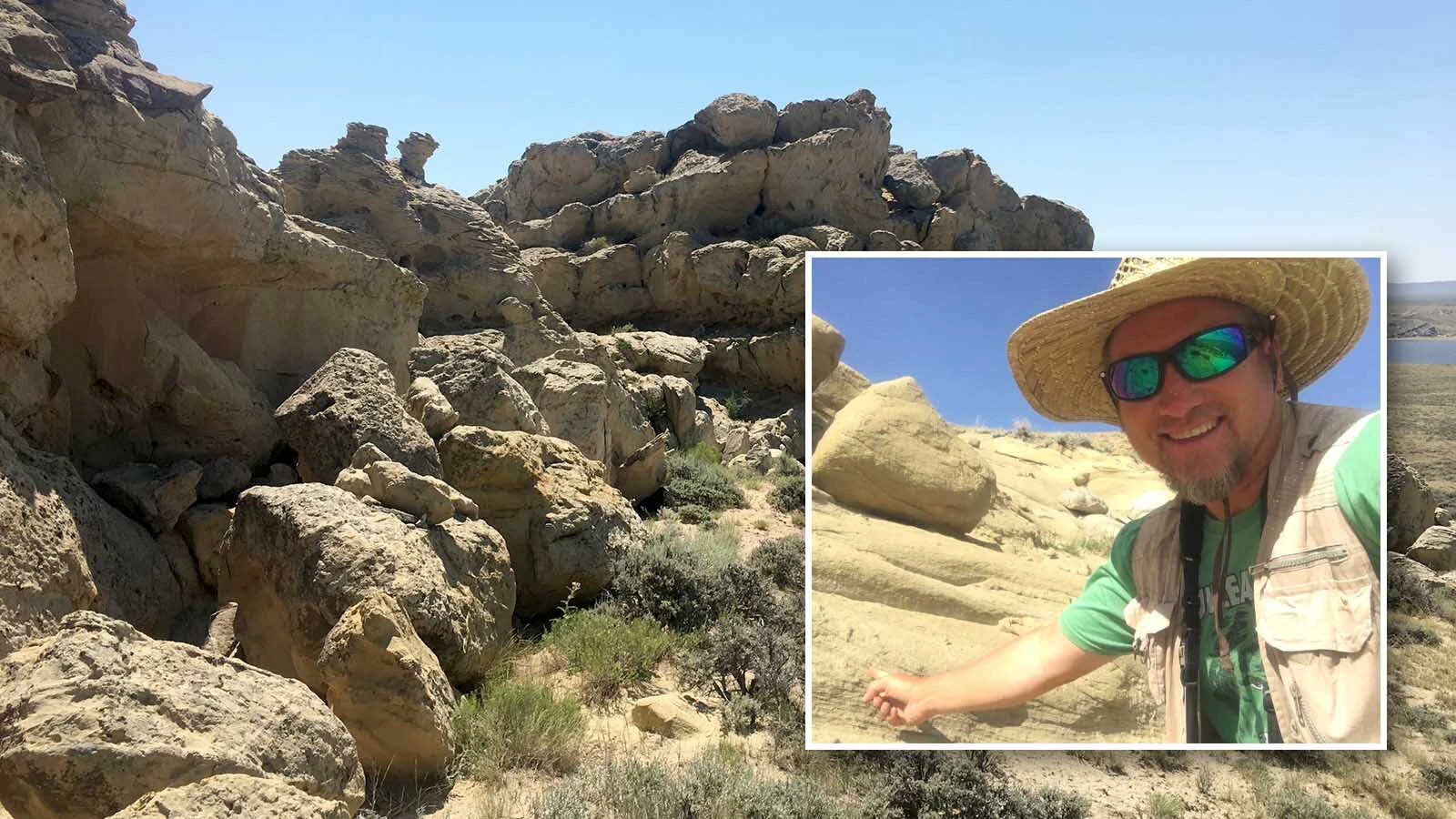
A University of Wyoming professor hopes his latest research will inspire others to scour the state to understand what happened during the last days of the dinosaurs.
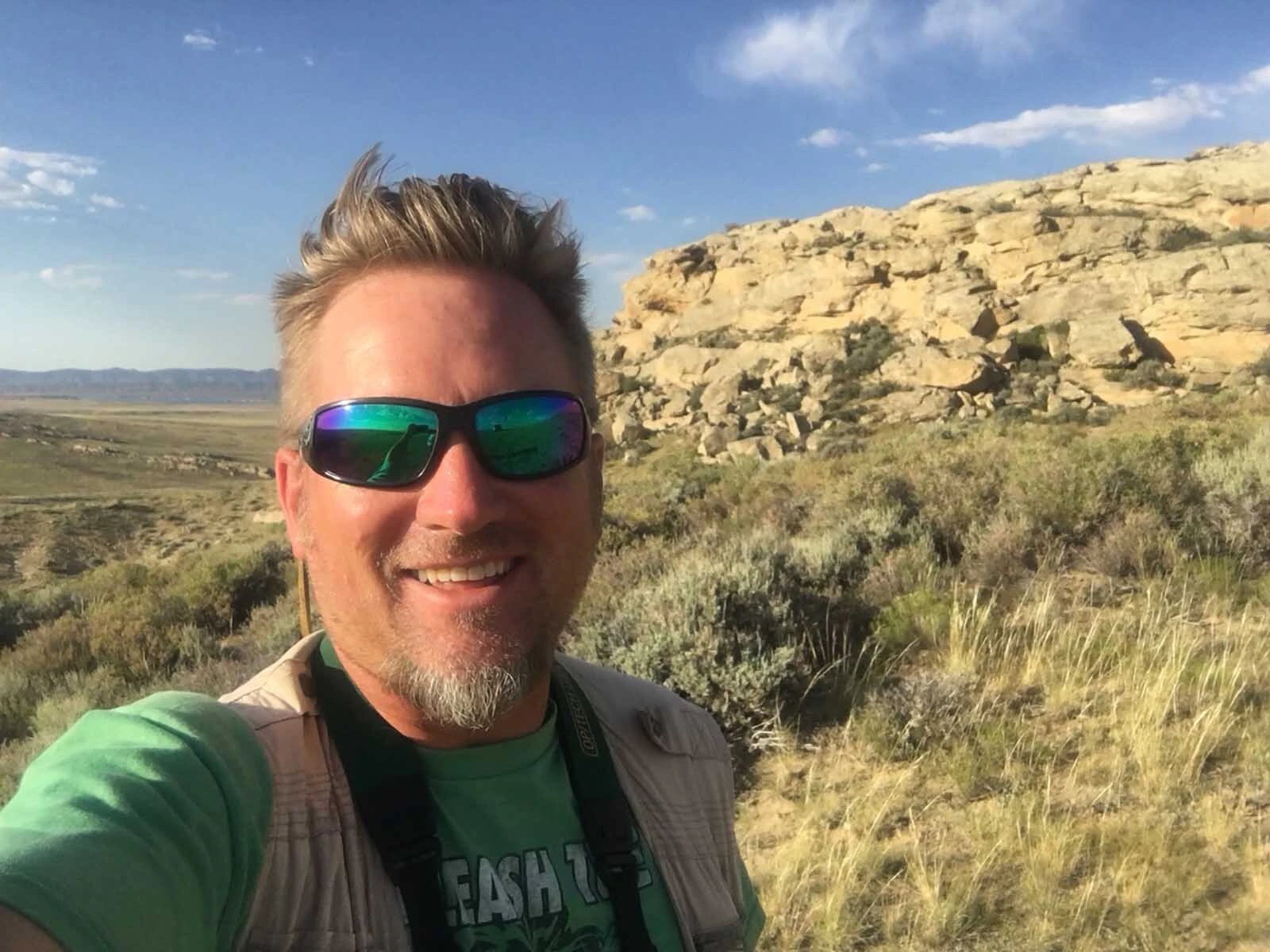
Anton Wroblewski, an adjunct professor with the Geology Department, studied more than 6,500 bits and pieces of dinosaurs, sharks, snakes, and turtles from the Hanna Basin in south-central Wyoming.
These fossil fragments were found in the Ferris Formation, one of the last rock layers deposited during the Late Cretaceous Period, around 66 million years ago.
Within a million years, many of these species — including nearly all the dinosaurs — would be wiped out in the Cretaceous-Paleogene extinction event.
Wroblewski’s research focused on fossils from Wyoming’s last dinosaurs. His work, and future studies, could help humanity understand what drove them all to extinction.
“Everybody always wants to know what happened to the dinosaurs because those are the sexy ones,” he told Cowboy State Daily. “The goal was to see if we can say anything about dinosaur extinction.”
The Sexy Ones
Around 66 million years ago, 75% of all species on Earth went extinct, including nearly all the dinosaurs. This is called the Cretaceous-Paleogene (K-Pg) extinction event.
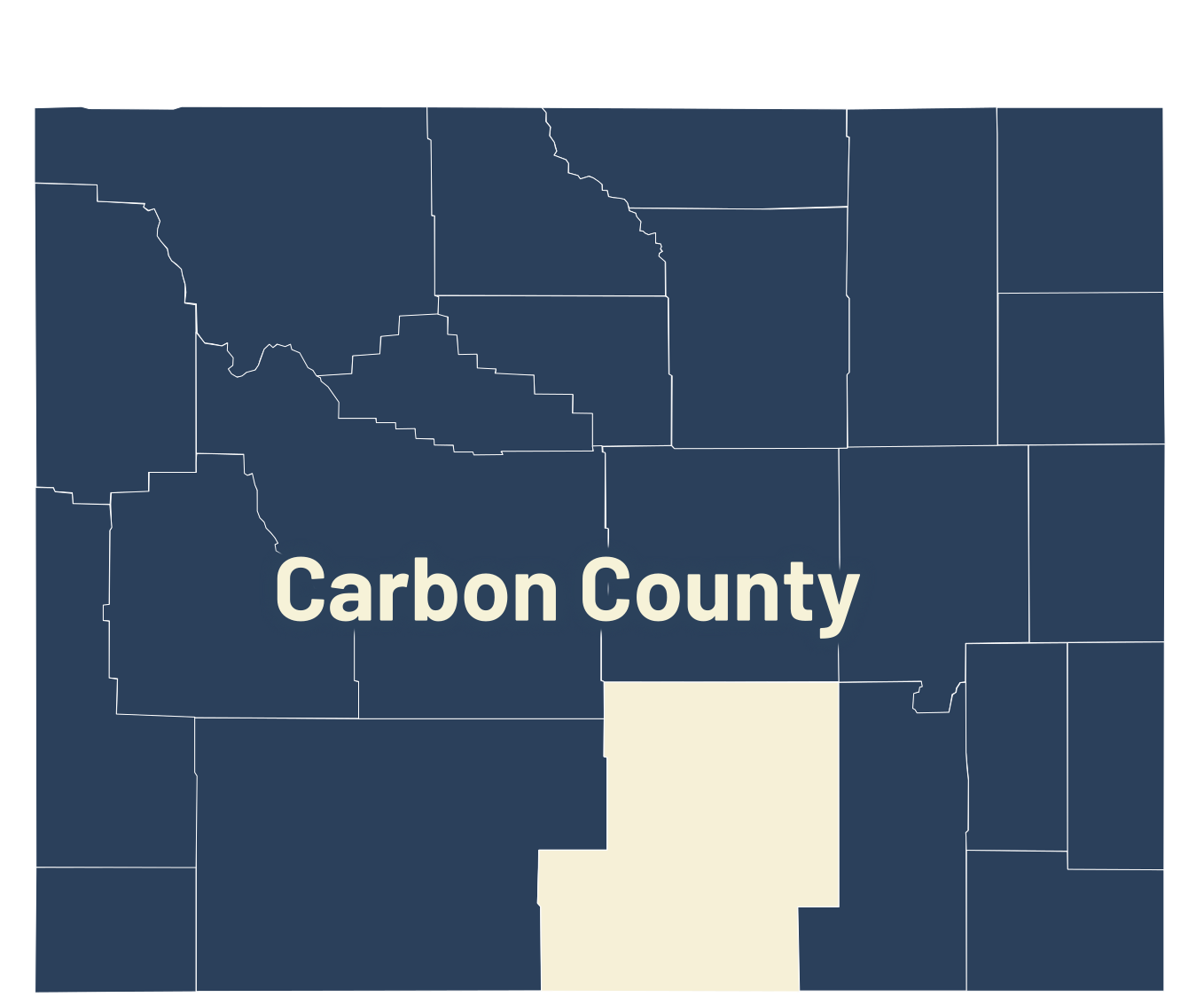
Wroblewski studied thousands of fossil fragments from the Ferris Formation, one of the last rock layers deposited before the K-Pg extinction. UW collected the fossils from 56 sites south of Seminoe Reservoir in Carbon County between 1991 and 1995.
Many paleontologists get to work with complete skeletons, or at least a few intact bones. Wroblewski didn’t.
“There's one partly articulated ceratopsian, but nothing complete,” he said. “We have a lot of isolated bits and pieces. It’s not like eastern Wyoming where there are mummies and spectacular preservation.”
Fortunately for Wroblewski, an isolated tooth or a single fossilized bone can identify a dinosaur fairly easily, especially if it's from Late Cretaceous North America.
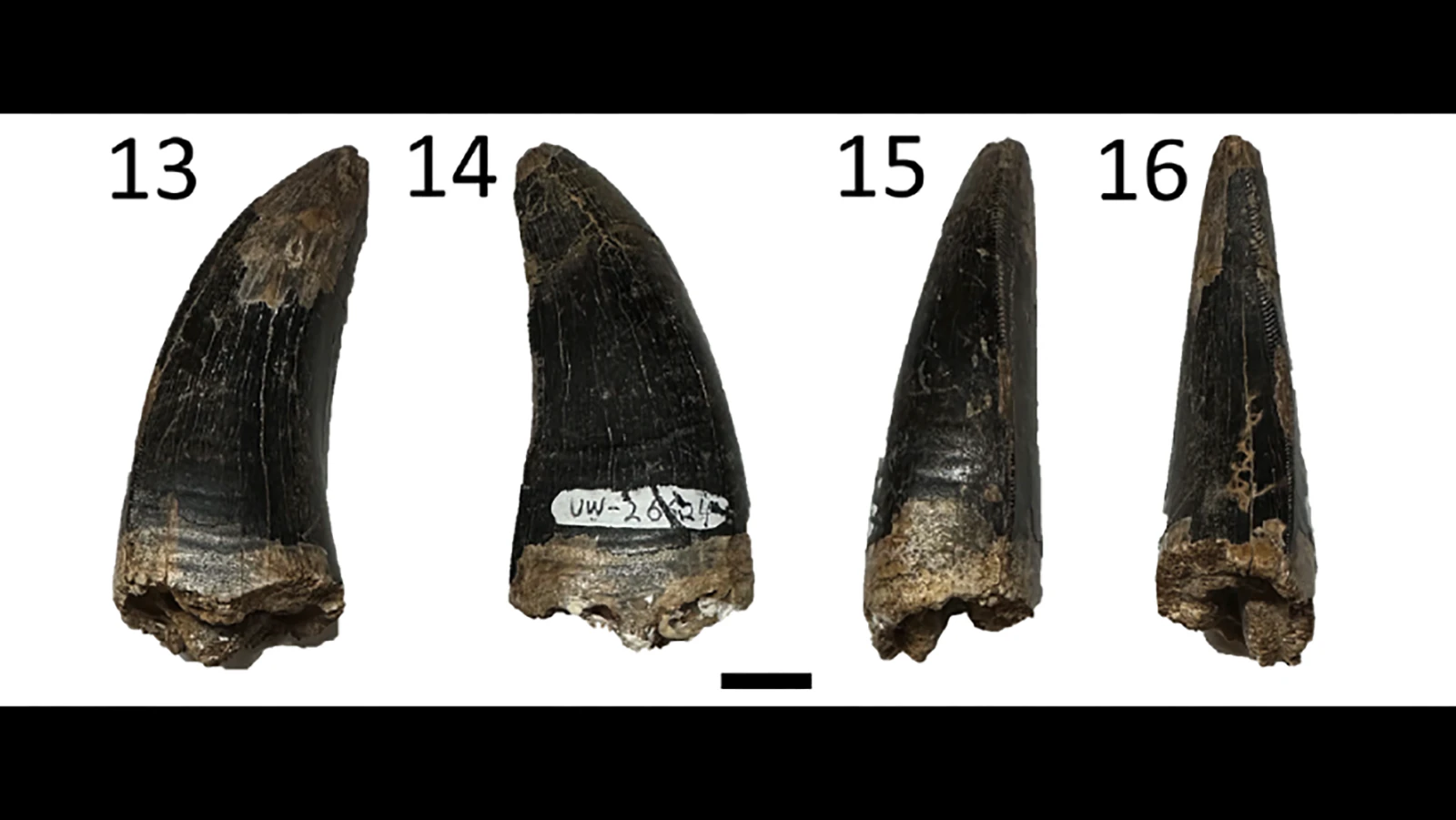
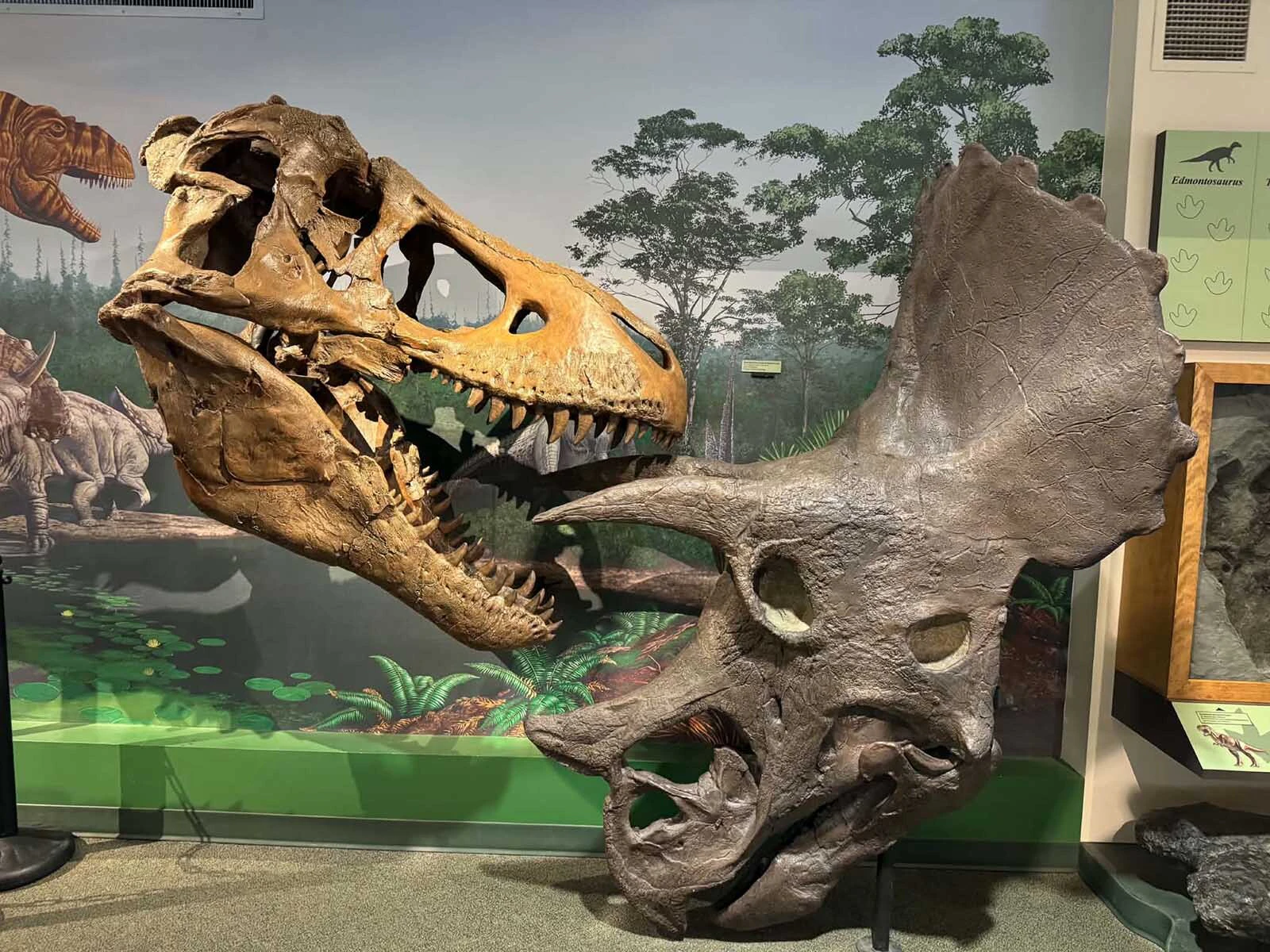
“If you find a tooth that's very clearly a Tyrannosaurus tooth, there are features of a Tyrannosaurus tooth that tell you that it's definitely a T. rex and not somebody else,” he said.
That’s not true for the non-dinosaur denizens of the Ferris Formation.
“It's really hard to tell anything about turtles, crocodilians, fish, and so on because they don't seem to be too affected by the extinction,” he said. “There's plenty of them above and below the boundary.”
The K-Pg boundary is a thin layer of rock that separates the Cretaceous and Paleogene formations around the world. Dinosaur fossils are plentiful in the layers below the boundary but are completely absent above it.
Because dinosaurs were most affected by the K-Pg extinction, their fossils are easy to identify (sometimes down to the species level), and there are far fewer of them, Wroblewski focused his research on “the sexy ones.”
“It’s piecing together their story,” he said. “Did the dinosaurs die catastrophically because of an asteroid impact, or did they die out more gradually because of environmental changes? It's a challenge for anybody who wants to know.”
Everything Everywhere At Once?
Interest in the K-Pg extinction surged in the 1970s when Walter and Luis Alvarez proposed that an asteroid impact caused it. Their evidence came from the K-Pg boundary, specifically the unusually high quantity of iridium within it.
Iridium is rare on Earth, but abundant in celestial objects like asteroids and comets. Finding a spike of iridium in rocks from the same age around the world strongly suggested an asteroid impact.
The asteroid impact theory gained more support with the discovery of a 120-mile-wide impact crater buried underneath the Yucatan Peninsula in Mexico. It formed 66 million years ago, the same age as the K-Pg boundary.
Since these discoveries, paleontologists have debated whether the dinosaurs went extinct immediately because of the asteroid impact or whether they were already in decline and the asteroid was the proverbial straw that broke their backs.
“The reason there's still a debate after 40 years is that it's not resolved,” Wroblewski said.
Wroblewski didn’t have an answer, but he was curious if Wyoming might.
“We had three or four dozen fossil sites that span this time interval preserved in southern Wyoming,” he said. “The purpose of this study was to see what changes in the ecosystem, if any, you could pick up (before) and across the extinction event.”
Weird But Similar
The most famous North American deposits from what paleontologists call “the latest Cretaceous” are the Lance and Hell Creek Formations. Wyoming’s Lance Formation is legendary for its mummified dinosaurs preserved in subtropical rivers and streams, like those in modern-day Florida and Louisiana.
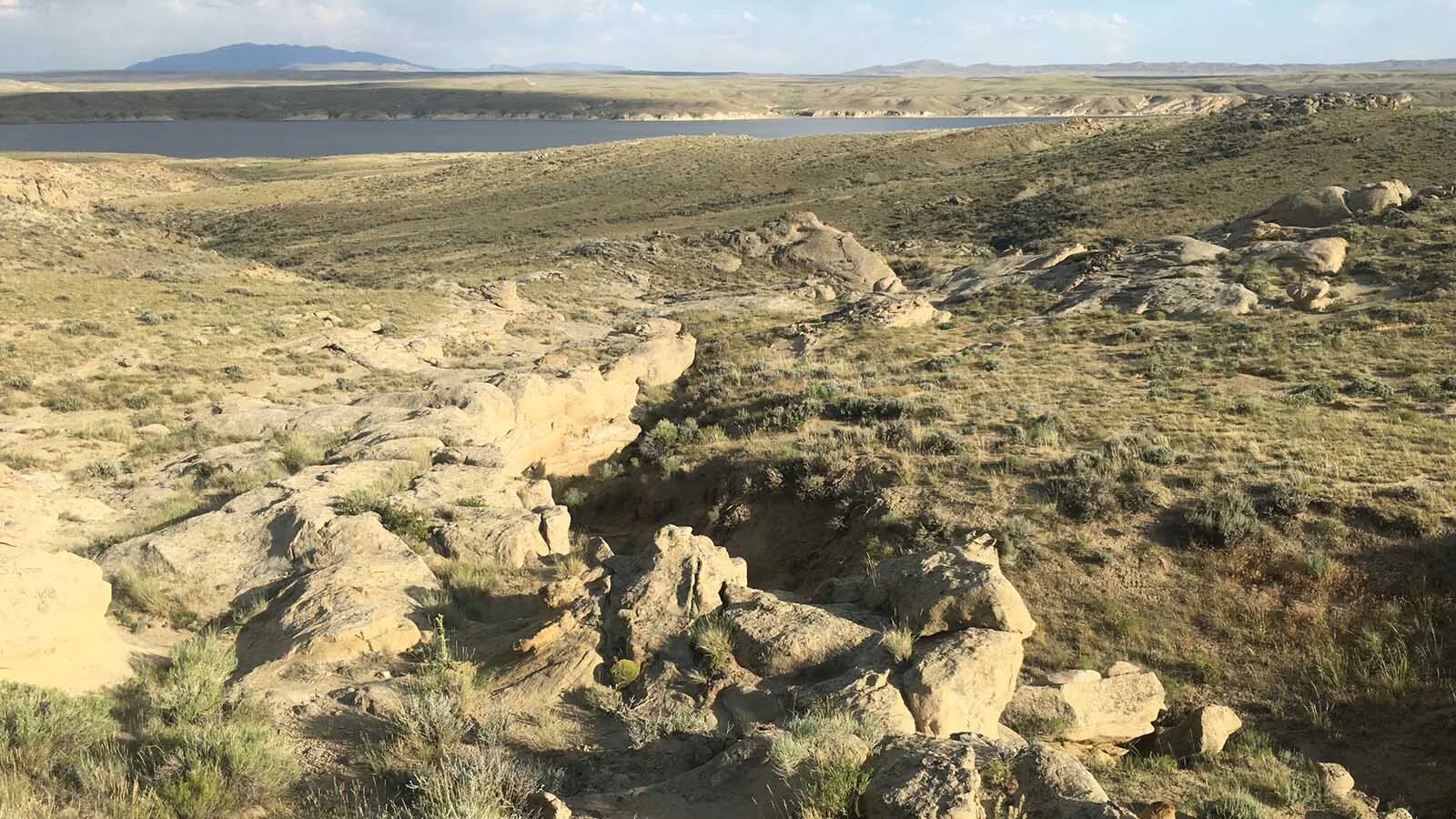
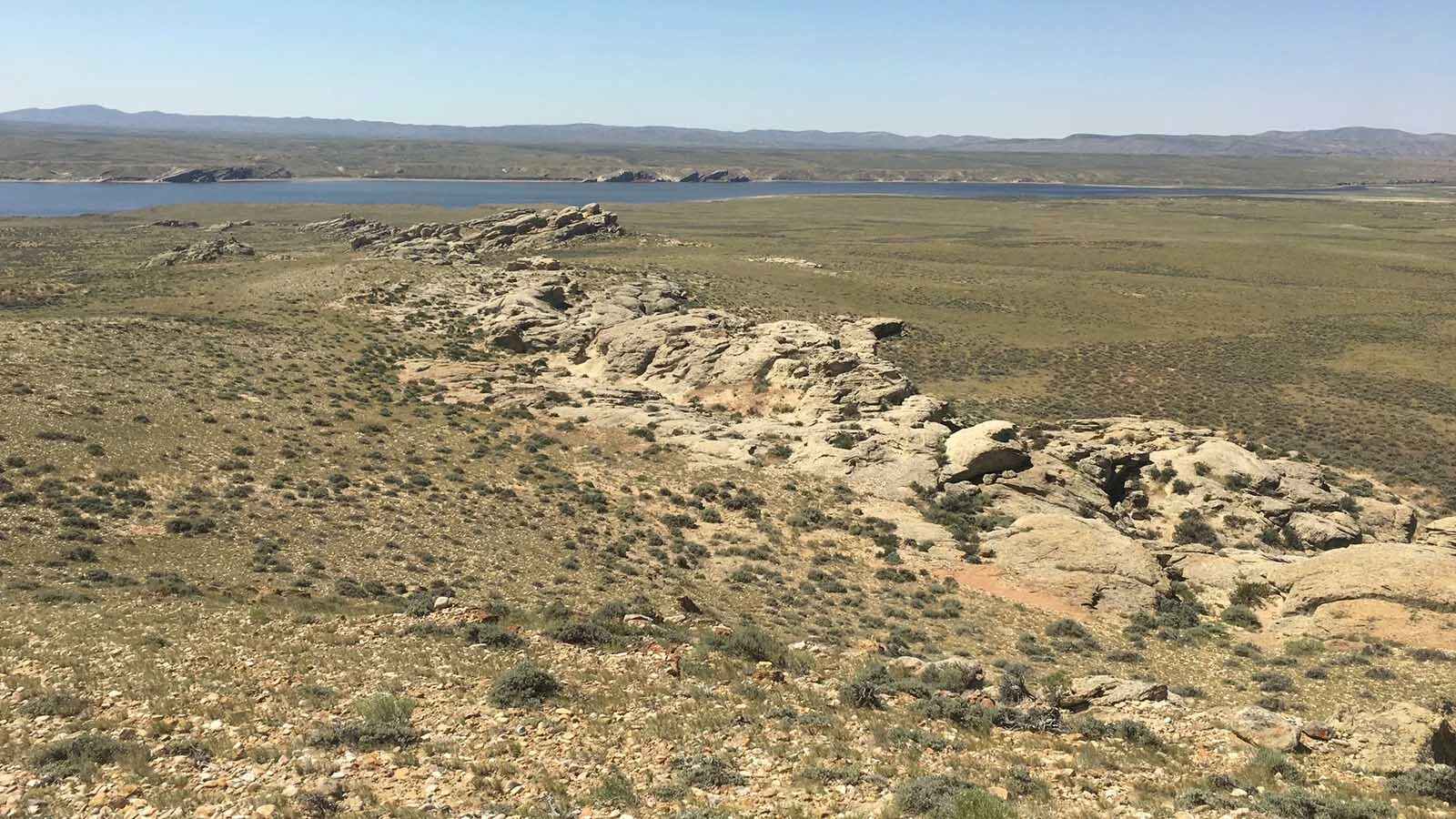
The Ferris Formation is the same age but preserves a different environment. Wroblewski described the Hanna Basin as “a swampy, boggy bay” at the edge of the Western Interior Seaway.
“In the Hell Creek, you've got big tyrannosaurs and complete Triceratops skeletons,” he said. “In the Lance Formation, you've got beautiful mummified hadrosaurs. By the time you get down to the swampy, boggy Hanna Basin, it's mostly stuff that's been blown apart. There wasn't a lot of big things falling over dead and getting preserved there.”
Because bigger, better fossils can be found elsewhere, paleontologists and fossil hunters have largely overlooked the Ferris Formation. However, Wroblewski realized that the formation is bigger and better in the Hanna Basin than anywhere else.
“The Ferris Formation of southern Wyoming is the thickest section of latest Cretaceous rock anywhere in the Rocky Mountains,” he said. “If you look at sites in Montana or Colorado where there's the same time interval represented, it's a much thinner section.
"We have much more sediment, which means more time preserved and a better, more complete picture of the last million years of the Late Cretaceous.”
From the Ferris Formation fossils that Wroblewski studied, he could reconstruct a diverse Cretaceous ecosystem. He described it as “weird but similar.”
“If I dropped you in the middle of Cretaceous Wyoming, you would see garfish, crocodilians, turtles, lizards, snakes, all those things,” he said. “It would look just like the modern Texas Gulf Coast, but instead of deer or coyotes on the riverbank, you’d see giant elephant-sized three-horned monsters. It’d be a weird combination of familiar and completely unfamiliar.”
Dino Don’t Snitch
Wroblewski identified fossils from several dinosaur species common in latest Cretaceous Wyoming. Serrated teeth from Nanotyrannus, Pectinodon, and T. rex. Toe bones from the ostrich-like Struthiomimus. The partial skeleton of a Triceratops-like horned dinosaur. Scutes from an armored nodosaur.
One specimen merited its own paper. In November 2024, Wroblewski published his research on a few teeth and a skull spike that represented the southernmost occurrence of Stygimoloch, a small, spiky, dome-headed dinosaur.
What didn’t he find? A definitive answer to what caused the death of the dinosaurs.
While studying and identifying these specimens, Wroblewski saw patterns but nothing indicating the sudden or gradual demise of the latest Cretaceous dinosaurs.
“It looks like the number and diversity of dinosaurs dwindled in the final couple of 100,000 years of the Cretaceous, but we can't say for certain that happened,” Wroblewski said. “There's a pattern of very few representative members of each species of dinosaur that decreases over time, but is that pattern real, or is it an artifact of the rocks?”
If paleontologists on either side of the dinosaurs' extinction debate were hoping for definitive data to support their theory, Wroblewski’s new research won’t provide it.
That doesn't mean the study had no notable takeaways. Wroblewski was surprised to find that as dinosaur diversity in the Ferris Formation decreased toward the K-Pg boundary, shark and ray diversity increased.
“That's consistent with some things we've seen in the rocks and trace fossils that suggest that sea level was rising towards the end of the Cretaceous,” he said. “It suggests a regional rise in sea level that could explain the decrease in dinosaur diversity. As the shoreline advances, the fauna might be adjusting by moving out of the area. Dinosaurs like dry land.”
Wroblewski didn't find an answer to what caused the extinction of the dinosaurs 66 million years ago, but that was one of his takeaways from his research. He doesn't think anyone has or could have the definitive answer.
“My personal suspicion is there's just not enough evidence or data to support a lot of the interpretations of dinosaur extinction being rapid or gradual,” he said. “Some people blame volcanoes. Some blame asteroids. There's not been a single data set presented anywhere in the world in any publication that would help resolve that debate.”
Ferris Wheel
If there’s anything Wroblewski wants his peers to take away from his research, it’s not what’s been learned from the Ferris Formation as much as the Hanna Basin and the Ferris Formation itself.
“We have fewer specimens in the Ferris Formation, but the Hanna Basin has a better vertical resolution from the latest Cretaceous than anywhere else,” he said. “The rocks are super well exposed, so you got to get that sweet spot of great exposure plus enough fossils that you know where to begin looking.”
Wroblewski noted that the geology of the Ferris Formation near Seminoe Reservoir shows signs of a changing environment. There’s more mudstone and coal beds than the sandstone typically expected in Late Cretaceous deposits.
Also, one critical thing that hasn’t been found in the Hanna Basin – yet – is the K-Pg boundary. If it's out there, Wroblewski wants to find it.
“I've talked to a few people about how you would go about doing that," he said. “I’d love to try to find that iridium, but part of the problem is the best fossil sites are also covered in a lot of grass and prairie. It's a challenge. If it were easy, it would have been done 30 years ago.”
Solving the mysteries of the K-Pg extinction event hasn’t been easy, either. Wroblewski believes answers are waiting to be unearthed in the Hanna Basin.
An ambitious paleontologist might not find a perfectly preserved T. rex in the Ferris Formation, but they could piece together a definitive answer to the still-debated question of what killed the dinosaurs 66 million years ago.
“I really hope somebody gets excited enough to get out there and start looking,” he said. “There's plenty more to be found, and I hope somebody gets out there and finds it.”
Andrew Rossi can be reached at arossi@cowboystatedaily.com.