
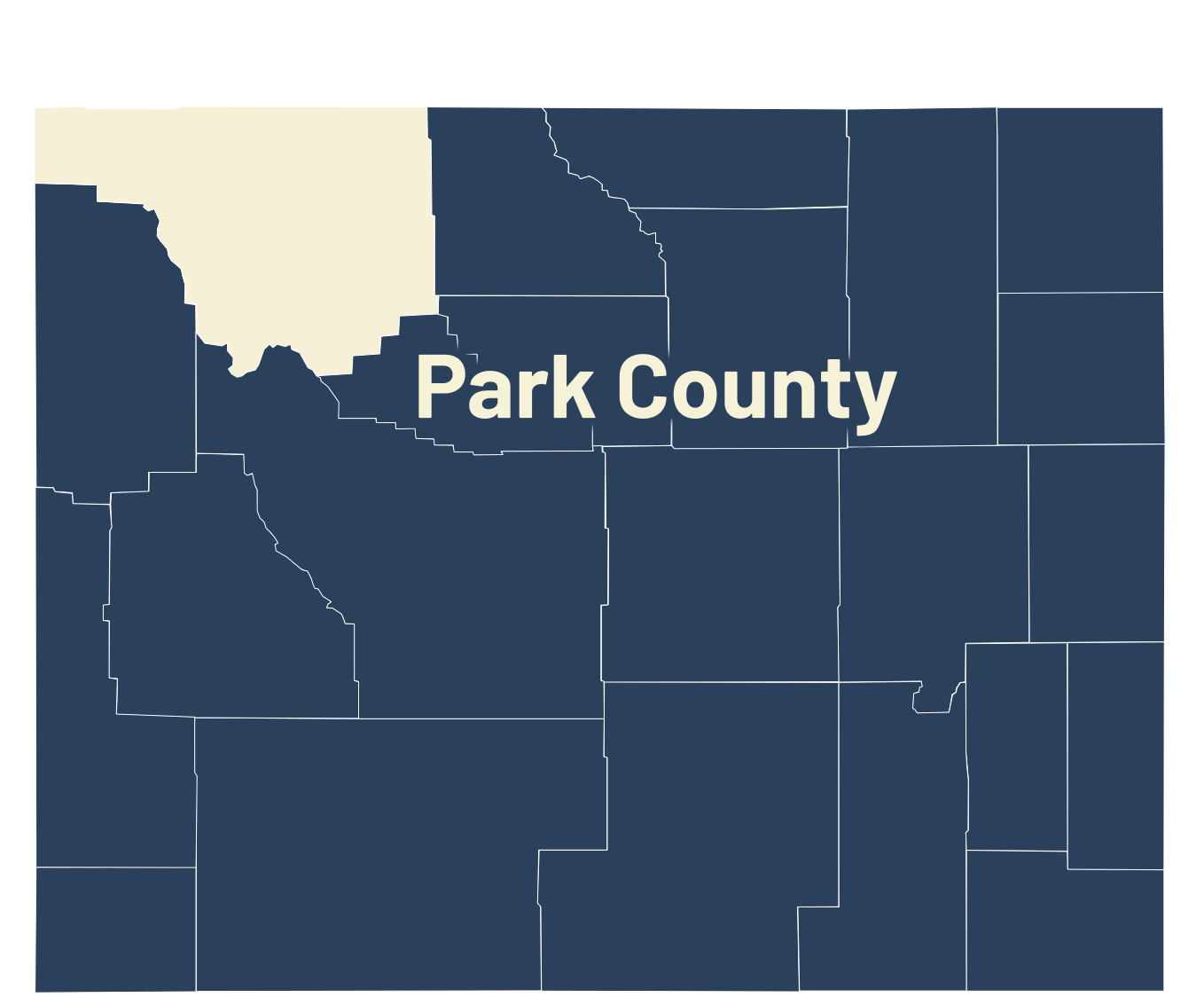
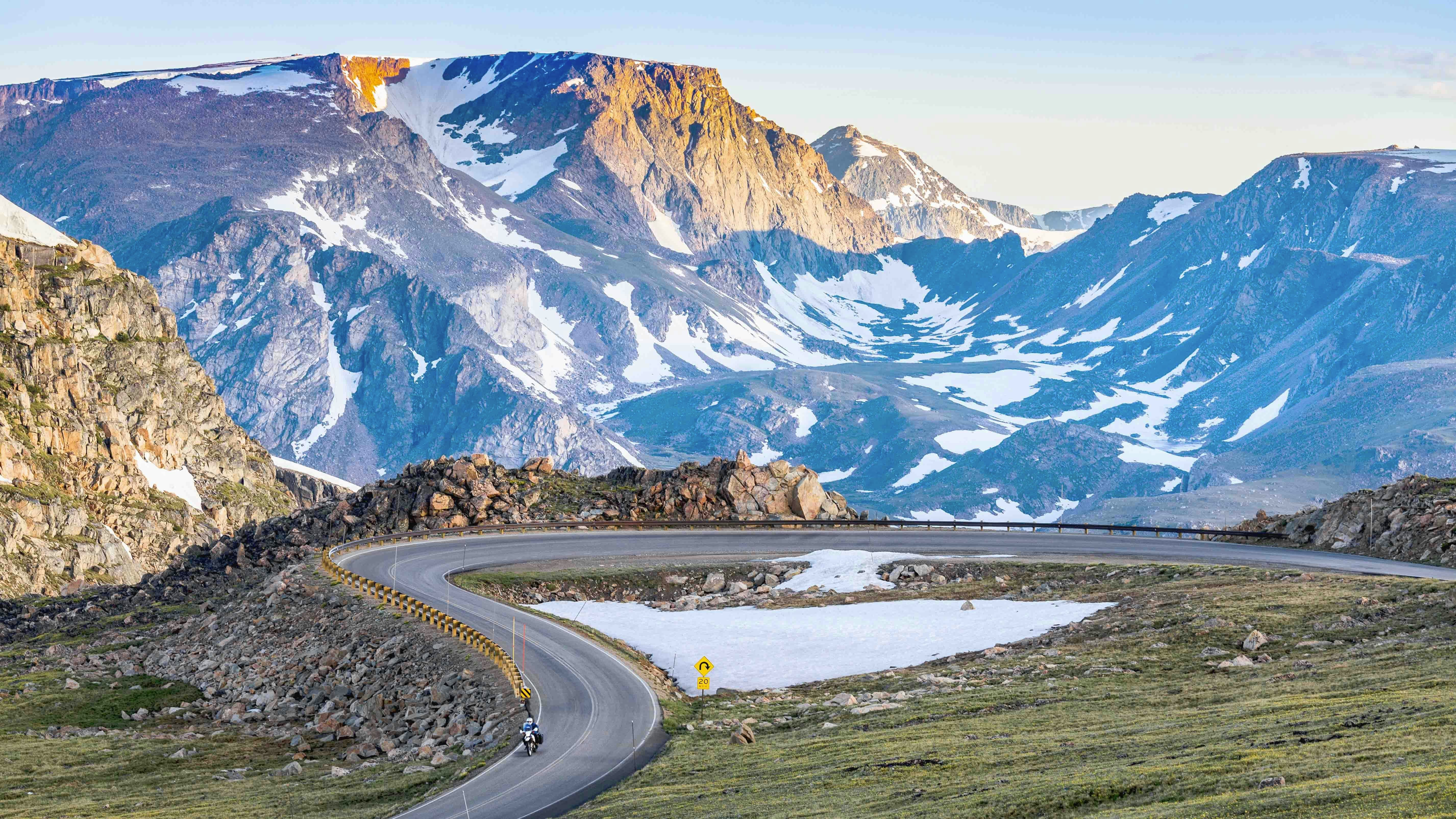
The Beartooth Highway will close for the season Oct. 13, unless snow closes it first.
The Montana Department of Transportation (MDOT) announced that it will close the 68-mile stretch of U.S. 212 at 8 a.m. that Tuesday but warned it might close earlier “due to weather or other unforeseen circumstances.”
If history’s any guide, weather that could temporarily or completely close the Beartooth Highway is more than likely before mid-October.
“I would think the likelihood of a significant snowfall on the Beartooth Plateau before the middle of October is pretty high,” said Cowboy State Daily meteorologist Don Day.
Closure TBD
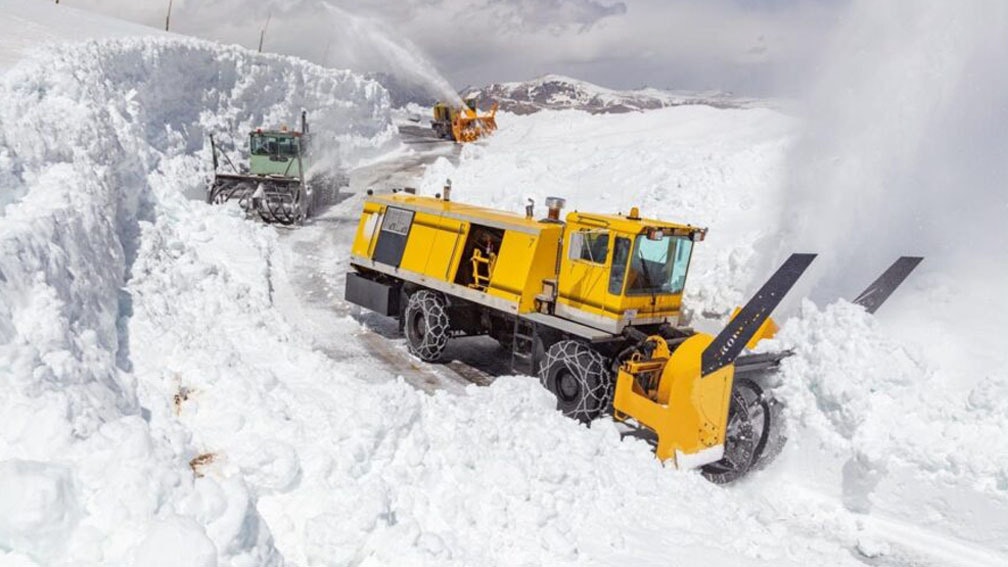
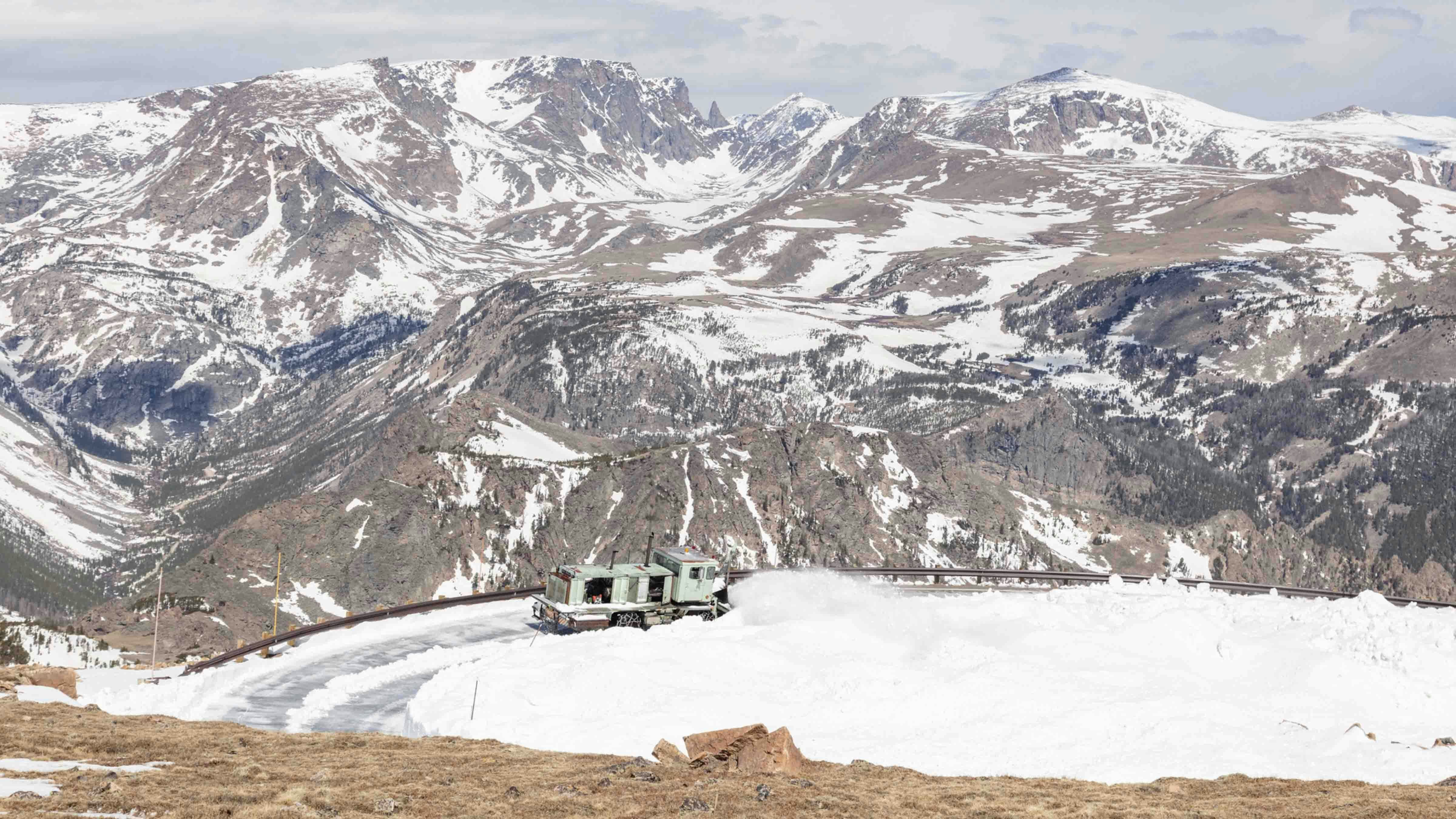
MDOT usually closes the Beartooth Highway in mid-October, anticipating the season's first significant snowfall. When enough snow falls, it becomes impractical to allocate the personnel and snowplows necessary to clear the pavement because more snow is inevitable.
Last year, the Beartooth Highway was slated to close Oct. 15 . Between Oct. 3-6, a sudden snowstorm swept over the mountains and dropped a foot of snow, prompting a multi-day closure.
MDOT and the National Park Service mobilized to clear the highway from both ends, avoiding an earlier-than-expected closure.
Weather always determines when the Beartooth Highway needs to close, but Day said it usually tries to accelerate the timeline set by MDOT.
“The Beartooth Plateau sits so high at a geographic location where cold fronts from Canada can easily push in,” he said. “It’s like an island, geographically speaking, with easy access to cold fronts coming down the Continental Divide, so it gets those bigger snowstorms first.”
The last snowfall across the plateau was on Aug. 31, the day before meteorological fall began. Day said that has “happened a thousand times.”
“Historically, there’s usually snow on the Beartooths during the last weekend of August,” he said.
An early-season snowstorm temporarily closed U.S. 212 in mid-September 2024. Charity Burns, spokeswoman for the Montana Department of Transportation, said that "wasn't an unusual occurrence" at that time of year.
“The Beartooth Highway closes and opens periodically at this time of year, but at some point, we raise our arms and say we're done," she said.
Dark, Cold, Icy
In Day’s view, what’s more likely than a season-ending snowstorm is a scenario where several weather-related factors make the highway too treacherous, leading to an earlier-than-planned closure.
“It's not necessarily one big storm that does it all,” he said. “It's the weather plus an accident or something similar. It only takes one thing like that to trip everybody else up.”
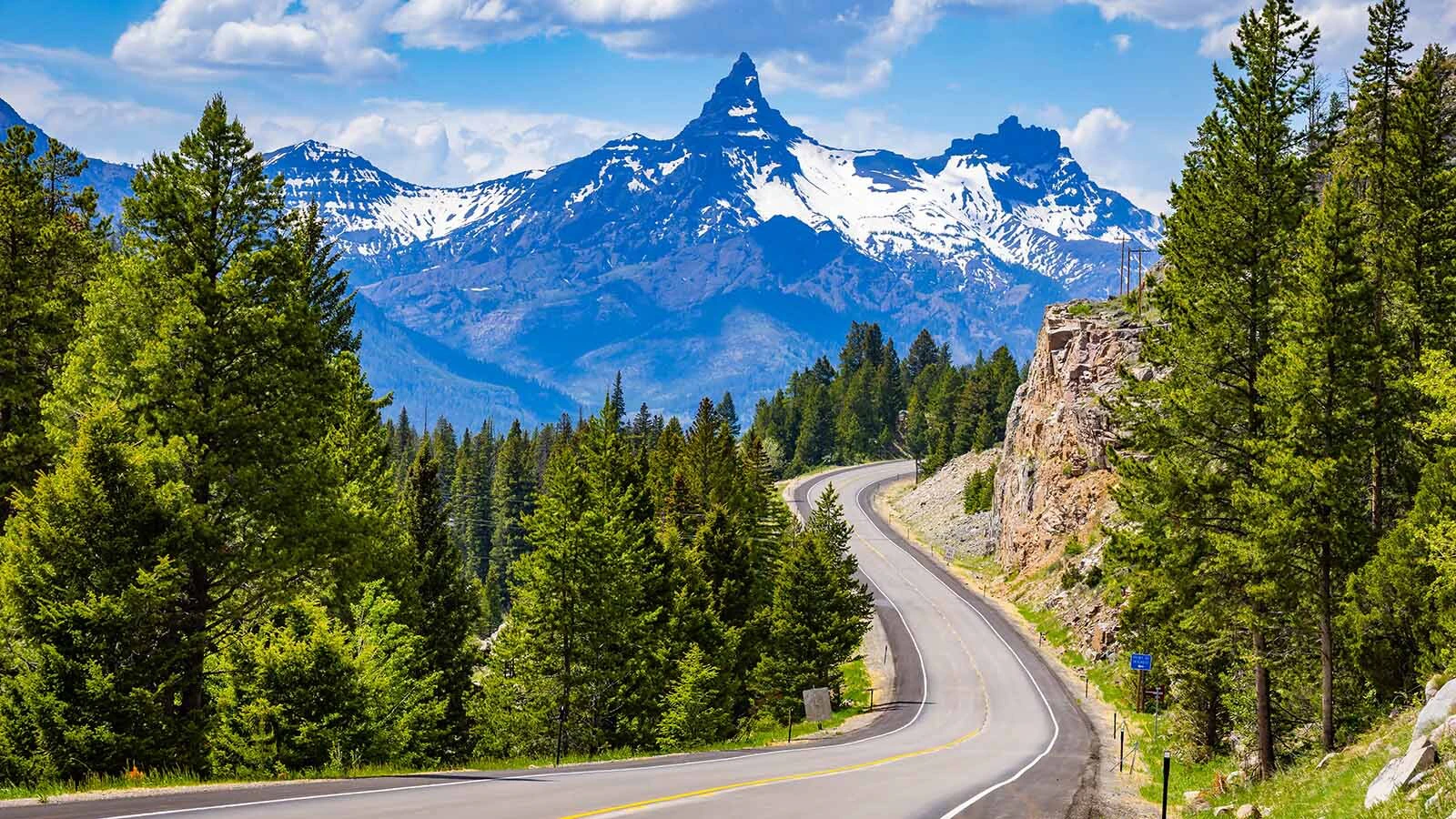
U.S. 212 is notoriously treacherous with its tight curves and switchbacks. That's been especially true this summer, with a notable increase in vehicle accidents on the Beartooth and Chief Joseph Highways, including one fatality, since June.
As of Sept. 24, there isn’t much snow in the Beartooth Mountains. Day said the air and the ground have been too warm for anything significant to stick, even at the 10,947-foot apex of U.S. 212.
“We've had dustings of snow here and there, but nothing that’s lasted more than a day,” he said. “September hasn't been crazy warm, but it's been warm enough at those higher altitudes that we haven't had that system yet to bring significant snow.”
Nevertheless, the nights get longer, and temperatures get cooler. Day wasn’t as concerned about sudden snowstorms as he was about patches of black ice forming on the pavement overnight.
“When you get that high up, it’s definitely a problem,” Day said.
Big Friend In The South
Day said there might have been a significant snowfall on the Beartooth Highway already were it not for all the warm air flooding into Wyoming from the south.
“Pacific air coming up out of the southwest United States into Wyoming has been able to hold back any big Canadian influence,” he said. “It’s just dominating right now.”
That’s all due to El Niño, which is finally starting to affect the Rocky Mountain region.
Meteorologists have been monitoring the development of a “Super El Niño” all year. Now, the Pacific weather system is settling in for a season of global impact.
According to Day, El Niño is “wreaking havoc” on everyone’s forecasts.
“What was forecasted for late next week yesterday is a complete 180 from what it's predicting today, and tomorrow it could go right back,” he said. “You have to stop at four or five days out and not get too far ahead.”
By next week, the moisture from multiple hurricanes in the Pacific Ocean could get tied into storm systems heading for the south-central Rockies. If that happens, it could become the first significant snowstorm over the Beartooth Highway.
Day's long-range winter forecast anticipates that southern Wyoming will get more snow and moisture over the next nine months, thanks to El Niño. Even so, the first signs of winter will appear at the highest points in northwest Wyoming before spreading southward.
"It's more likely that the Beartooths would see more significant snow first, even with what we expect from El Niño," he said.
Get It While It’s Good
Even a light snowstorm could force a temporary closure, as it often has. MDOT and the National Park Service usually try to keep the Beartooth Highway open until it closes, but a large enough snowstorm could force their hand.
Once U.S. 212 closes, high elevation passes such as Dunraven and Sylvan in Yellowstone National Park, U.S. 14 in the Bighorns, and Wyoming Highway 70 in the Sierra Madre won’t be far behind. It's the seasonal domino effect of high-elevation road closures, and the signs are already there.
“I got a photo of some snow on Grand Teton this morning,” Day said. “We’re getting the precipitation, but there hasn't been that really strong cold front yet.”
Day doesn’t see any season-ending snowstorms in the short-range forecasts but added that Sept. 24 is “a little early in the ball game.”
“I will say that there are some opportunities for rain and higher-elevation snow next week, in the Monday-Tuesday timeframe, and a stronger cold front arriving early next week,” he said.
While he didn't have “really high confidence” in that outlook, given El Niño's impact on long-range forecasts, Day indicated that if the current outlook holds, those systems could strengthen enough to carry snow into Wyoming's lower elevations.
For anyone planning one last trek over the Beartooth Highway, better to do it sooner rather than later, Day said.
“We certainly see some opportunities in the near future that would warrant MDOT's timetable,” he said.
Andrew Rossi can be reached at arossi@cowboystatedaily.com.


