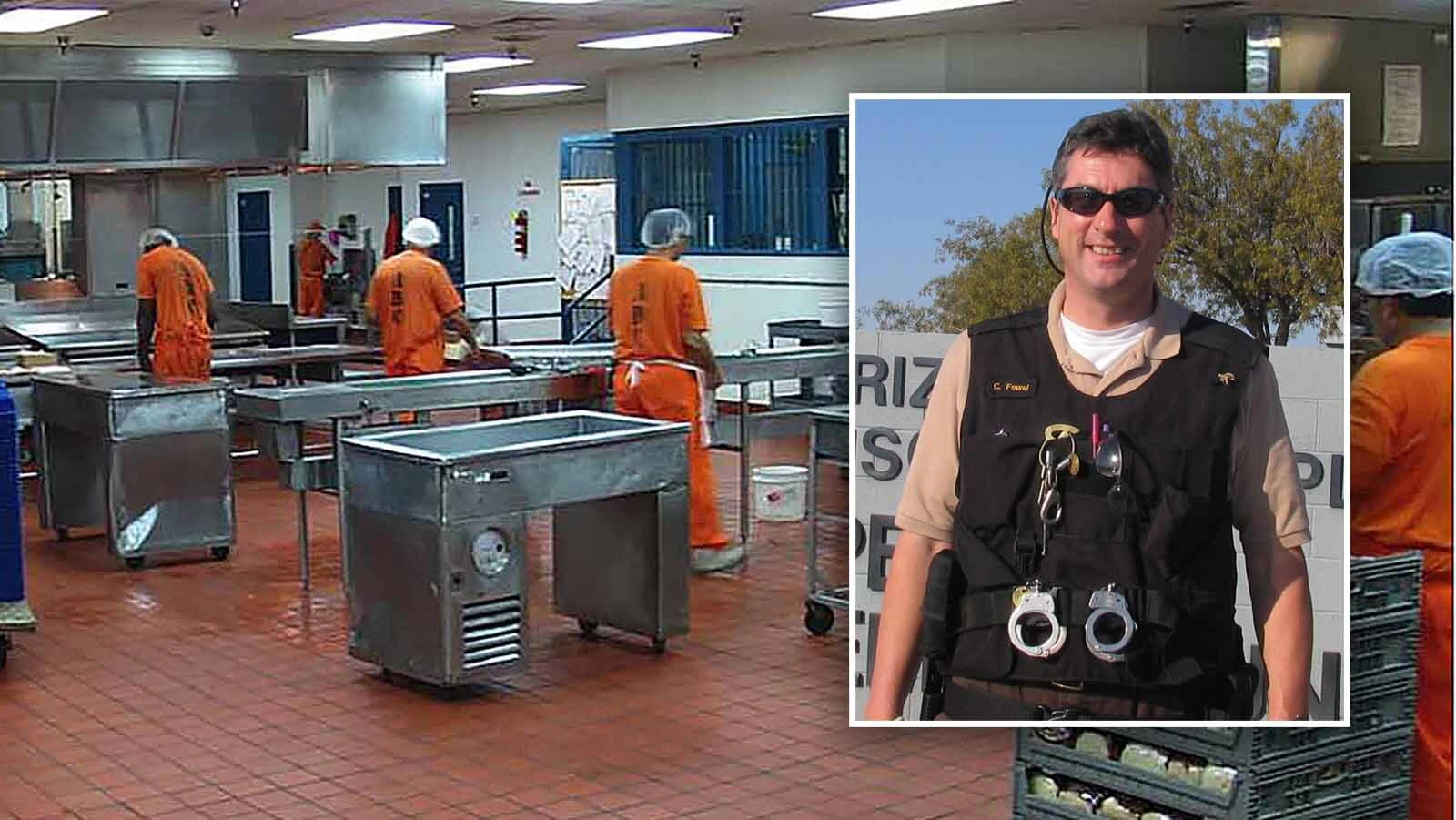
A Kinnear man has spent years helping people convicted of crimes figure out what comes next when they leave prison.
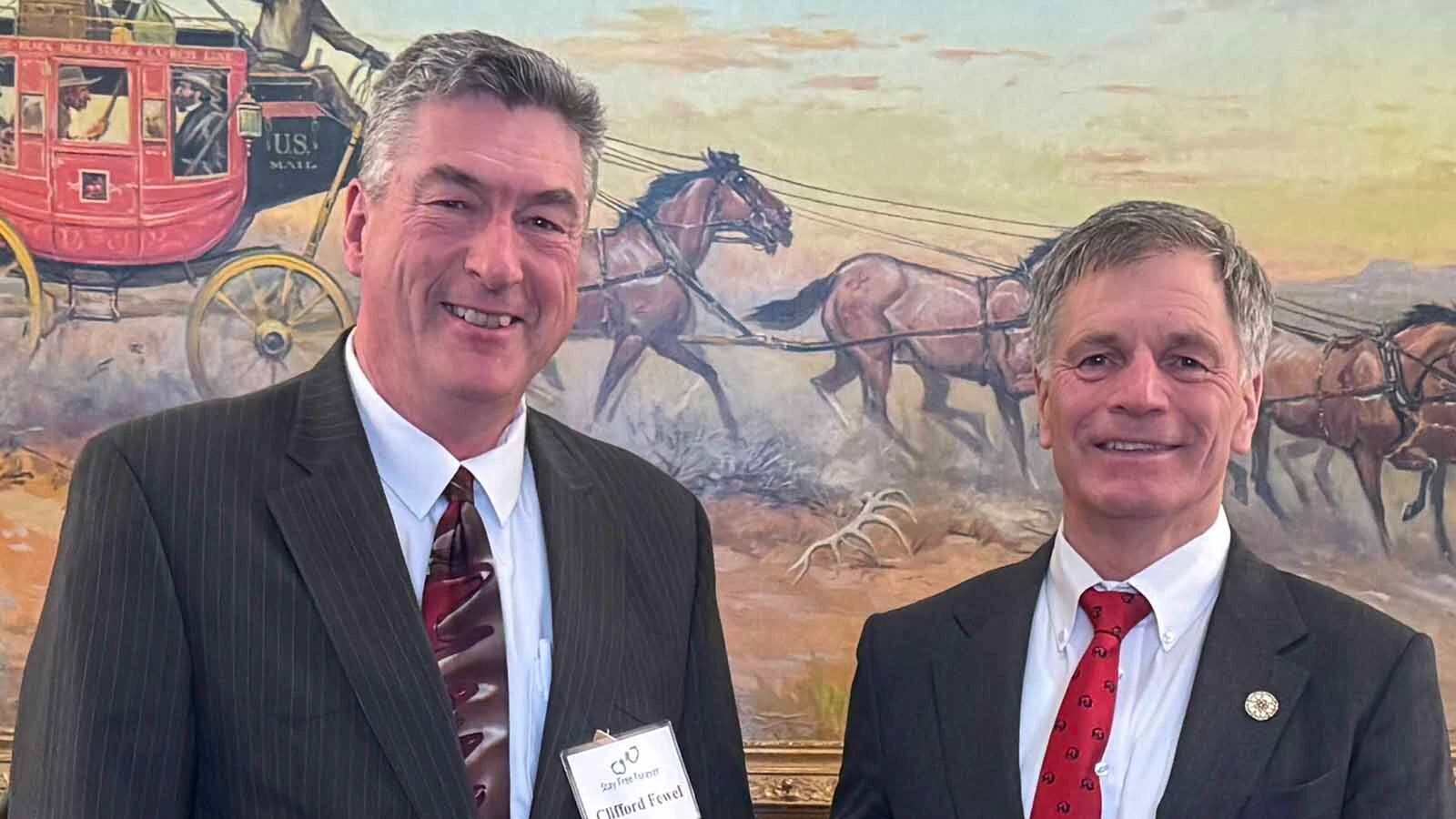
Clifford Fewel runs Stay Free Forever, providing courses for people involved in the criminal justice system in Wyoming and Colorado.
Some are still incarcerated. Others are on probation or parole. Many are trying to find work, rebuild relationships and adjust to a life outside prison that's far more complicated than simply walking through the gates.
The name of his company comes from something Fewel used to tell inmates while working in corrections. When someone was preparing to leave prison, instead of saying, "Don't come back," he would offer a more positive sendoff: "Stay free forever."
His courses cover employment, financial skills, digital literacy, reentry and self-awareness, but Fewel said the work often goes much deeper than teaching someone how to write a résumé.
It can mean helping people understand why they keep making the same mistakes, how their upbringing shaped them and how to move past the shame that can follow incarceration.
"I'm not a therapist," Fewel said. "I'm just a coach. I'm just a mentor. I'm just a guy who provides classes."
Sometimes, he has found, the first step toward finding and keeping a job is getting someone to believe they are capable of doing it.
An Unlikely Career
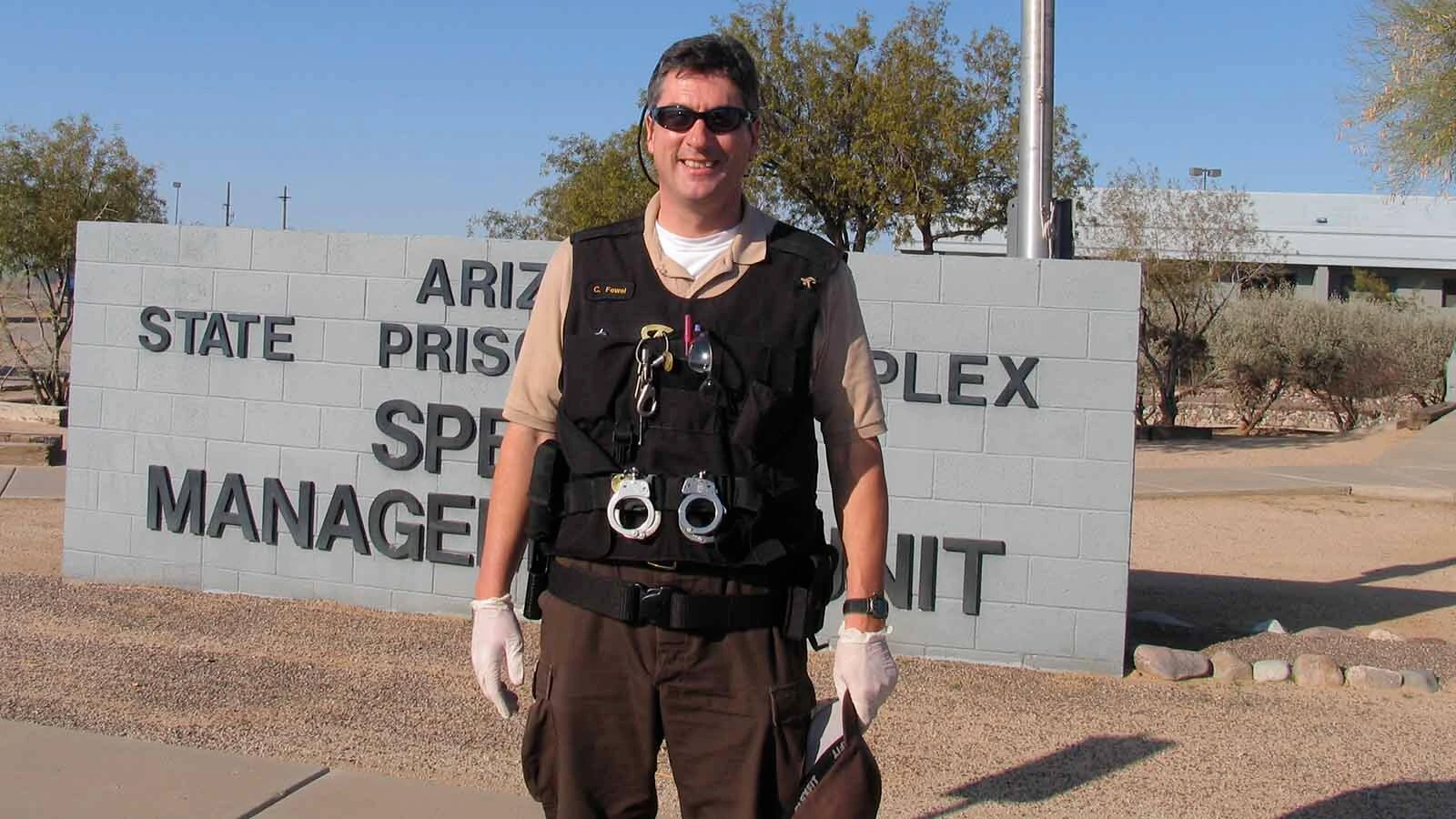
Fewel did not plan on a career in corrections.
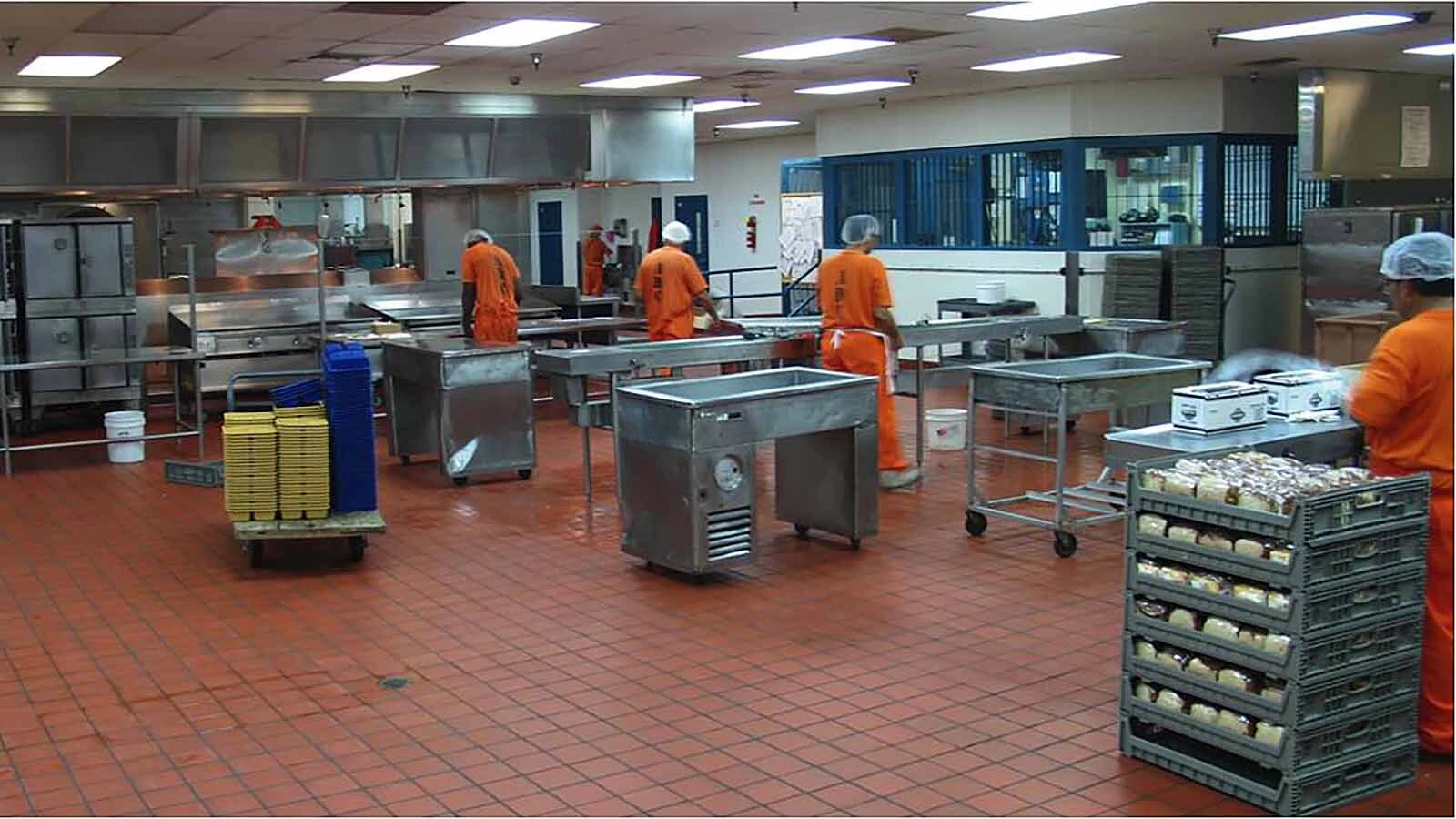
After losing a newspaper advertising job and moving to Arizona, he needed work with benefits and reluctantly applied to the state prison system.
He knew prison guards when he was bartending in Folsom, California, and they did not exactly sell on the profession. But the prison job offered health insurance from day one, so he took it.
He worked as a corrections officer, joined the training cadre, became a programs officer and eventually moved into parole. One of his strengths, he said, was being able to relate to inmates without feeling superior to them.
"I just don't believe that any one of us is any better than the others, despite what we may have done wrong," he said.
Working inside a prison also changed his perception of incarceration. Most days, he said, aren't filled with the violence and chaos depicted on television. Corrections officers and inmates might spend part of a shift talking about football, movies or the job market.
Fewel came to see his role differently, too. The inmates had already been judged and sentenced. His job wasn't to punish them again.
Eventually, he became increasingly interested in programs aimed at helping people succeed after release. He later moved to Colorado to provide those courses and added Wyoming to his territory after marrying and settling in Fremont County.
Fewel remembers teaching classes inside prison and asking inmates to physically choose sides of a room based on their answers to different questions.
Ford or Chevy? Xbox or PlayStation? Chocolate or vanilla?
Then he'd ask: When I got sent to prison, did I abandon my family?
Most chose yes.
Fewel would challenge them to consider whether abandonment was actually what they'd intended. They might have intended to sell drugs, steal or engage in whatever behavior ultimately landed them in prison, but he didn't believe most woke up that morning planning to abandon their children, spouses or parents.
Sometimes seven or eight out of 10 would eventually stand up and move to the other side of the room.
"Self-forgiveness is huge," Fewel said.
A Job Is A Job
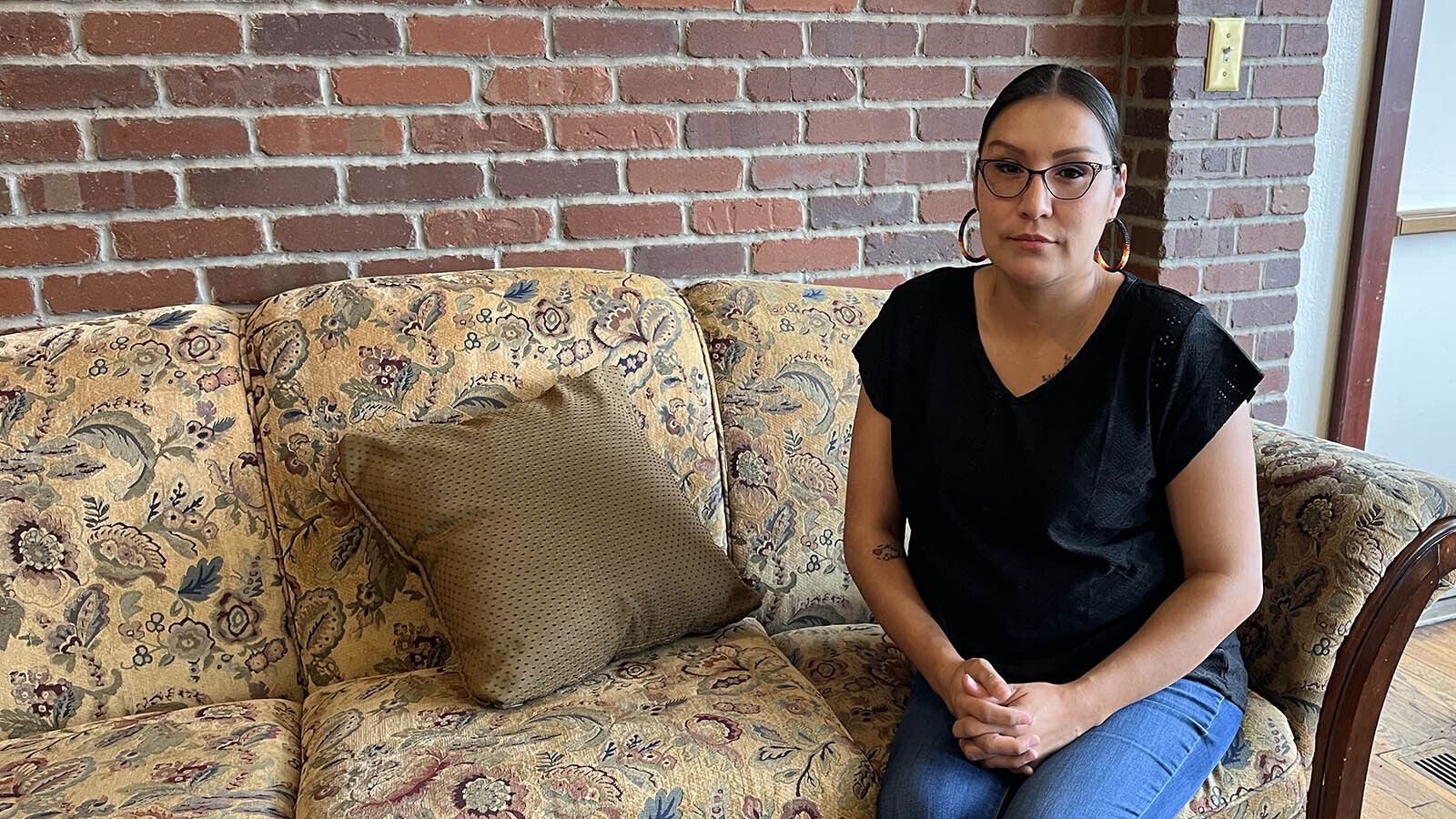
Terri Smith understands that transition from the other side.
The former tribal judge was convicted on federal drug charges and served six months in federal prison. When she was released in June 2021, she returned to Wyoming through a halfway house in Casper.
Her sister picked her up at the airport, helped her get clothes and supported her while she worked to get back on her feet.
One of Smith's requirements after prison was taking a course from Fewel.
Another was finding a job.
Smith had bachelor's and law degrees, but her first job after prison was housekeeping at a Casper hotel. She remembers making about $10.25 an hour.
"It was very humbling," Smith said. "It was the hardest I've ever worked for a job for the least amount of pay, but it was great."
The experience now informs what she tells other people leaving prison: "A job is a job."
For people whose criminal behavior was connected to substance use, Smith said employment provides more than a paycheck. It provides structure.
"If you have all this time on your hands, you're gonna go start using or start doing things you used to do before," she said.
Having somewhere to be every day gives people money, responsibility and routine.
'Tripwires All Over The Place'
Leaving prison doesn't necessarily mean unrestricted freedom.
People on probation or parole may still have rules about where they can go, what they can do and whom they must report to.
"There's freedom, yes, but not freedom like you and I enjoy," Fewel said. "There are tripwires all over the place."
For people who have spent decades behind bars, another challenge can be simply learning how the modern world works.
Fewel has worked with people who went to prison when phones were still attached to landlines or when mobile phones were bulky devices with antennas, only to emerge into a world run through smartphones and apps.
"Now they're flat-screen mobile computing units with television and movies and sports 24/7," Fewel said.
Learning to navigate everyday technology is a big piece of reentry, which is why digital literacy is among the courses he offers.
Plenty of hurdles await in the real world, Fewel said, and even with preparation and support, not everyone is guaranteed success.
Fewel still thinks about a former inmate named Cody who worked as a porter in the programs office at the Arizona prison. He remembers him as clean-cut, hardworking and creative.
Cody once led a group of inmates in building a detailed three-quarter-scale replica of a 1936 Ford pickup entirely from cardboard, complete with a stick shift, working gas cap and removable dipstick. The truck went on to win first place in a Fourth of July parade.
"He was a dynamo," Fewel said.
When Cody left prison, he planned to work as a diesel mechanic, but Fewel said a local restriction prevented him from doing so because of his felony record. He took another mechanic job instead, got married and initially seemed to be doing well.
About a year later, Fewel called to check on him and learned Cody had started drinking again, left his wife and moved away. She didn't know where he was.
"It was heartbreaking," Fewel said.
Fewel said many offenders benefit from the structure and "guardrails" of prison. Outside, "old instincts, old patterns" can take over.
Smith has seen those setbacks, too, but she doesn't necessarily consider them the end.
One client she worked with returned to custody three times before joining her program and trying again. On his fourth attempt, Smith said, he began working and earned his commercial learner's permit.
Words Of Encouragement
Today, Smith is the administrator of the Northern Arapaho Reentry Agency, a Wind River Reservation program that helps people returning from prison find employment, housing, treatment and other services needed to rebuild their lives.
She helps people find jobs, complete applications, prepare résumés and get to interviews.
Her work has also brought her relationship with Fewel full circle.
Smith knew Fewel when she worked as a tribal judge. After prison, she became one of his students.
Now, some of Smith's clients on federal probation are required to take Stay Free Forever courses, and when they do, Smith may serve as their life coach.
She now considers Fewel a friend.
Smith said her own experience is valuable when she's sitting across from someone who feels hopeless.
She can tell them she, too, has been to prison. She has struggled with addiction and had to rebuild her own working life from the bottom.
Then she can point to others who have done it.
"I know you can get a job," she tells them.
That kind of encouragement may be something some of her clients have rarely received, she explains.
Staying Free
Fewel wants people to find work, but he doesn't want them to stop dreaming once they get their first paycheck.
One man he worked with loved motorcycles and told Fewel he wanted to own a Harley-Davidson dealership.
Eventually, he landed an entry-level position polishing bikes, which led to mechanical work and, later, a position as an assistant general manager.
Another man developed landscaping skills in prison and later went into the landscaping business with his brother.
"They're light years from where they were when they were," Fewel said.
Fewel said what keeps him doing the work is seeing someone's attitude change.
Finding the first job is important, but so is learning how to manage money, rebuild relationships, and recognize old patterns before falling back into them.
The larger goal for Fewel is helping people realize they don't have to be the same person they were when they were sent to prison.
Kolby Fedore can be reached at kolby@cowboystatedaily.com.