
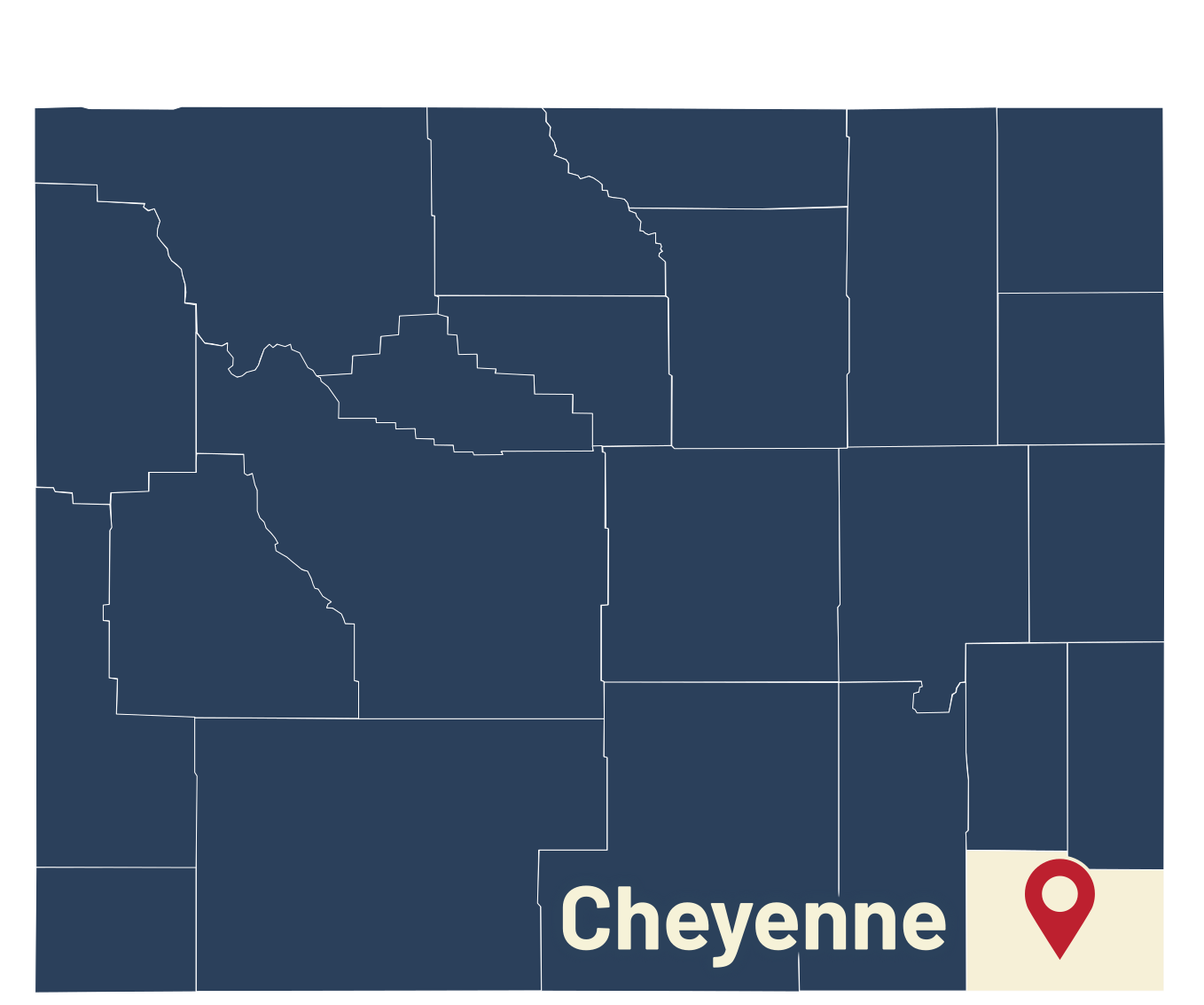
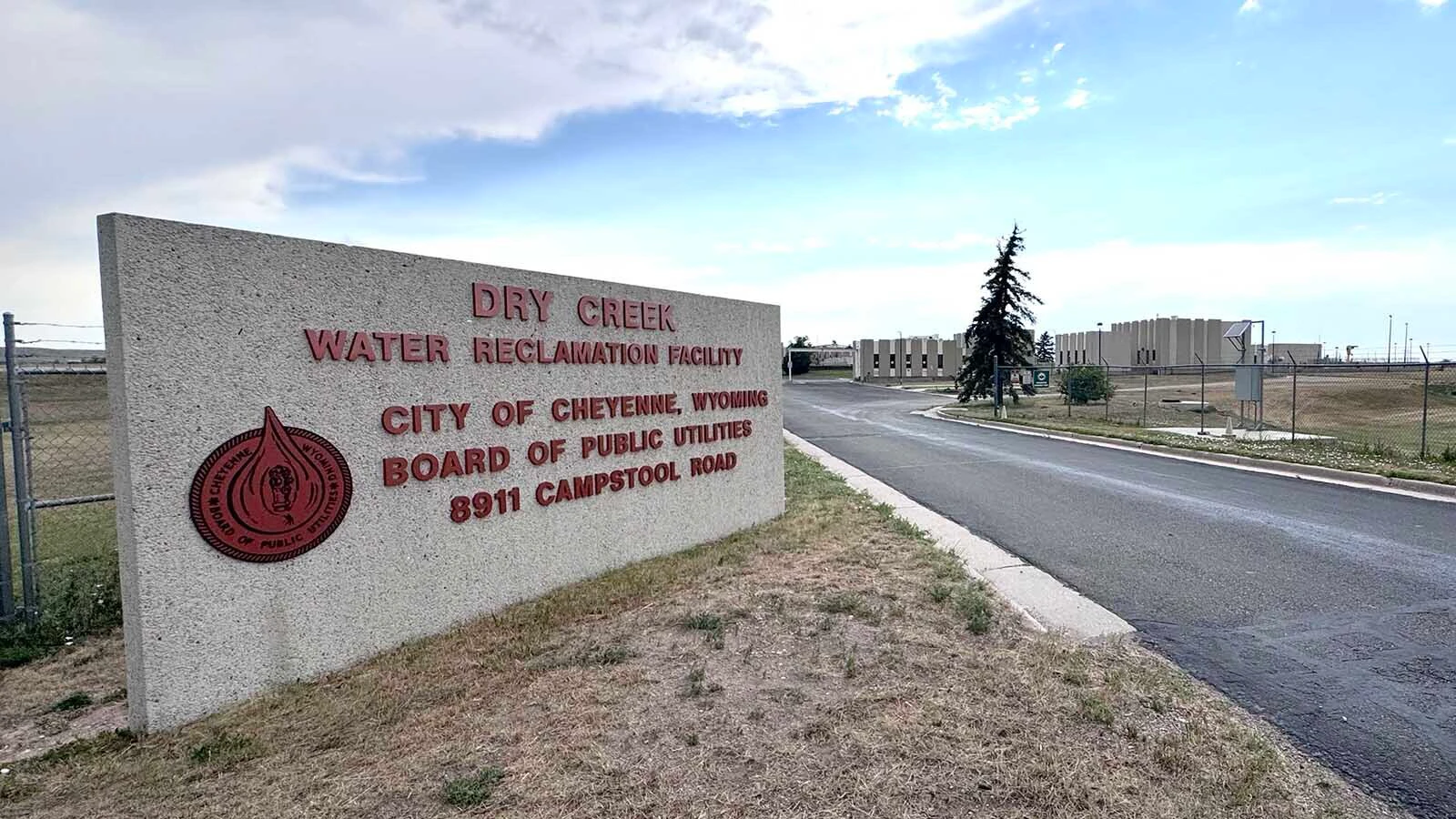
Meta is appealing a notice of violation issued by Cheyenne's Board of Public Utilities (BOPU), arguing the city has not provided the evidence needed to support its conclusion that the company's data center project contaminated the city's sewer reuse system.
The appeal, filed Monday by Meta corporate entity Goat Systems LLC, comes 11 days after the BOPU publicly identified Goat Systems as the industrial user responsible for introducing the bacteria Cupriavidus gilardii into the city's water reuse system.
In a statement provided to Cowboy State Daily late Tuesday, Meta claims the BOPU has not shared all of its testing data or supporting documentation with Meta, its contractor Fortis Construction or the public.
"It is important that the community has all the information about what happened," the statement says.
Meta said it is seeking review "so the facts and cause can be fully and accurately evaluated through the appropriate process."
The appeal comes more than four months after the bacteria was first detected in Cheyenne's wastewater reuse system.
City Officials Respond
Cheyenne Mayor Patrick Collins told Cowboy State Daily via a text message Tuesday that he was aware of the appeal.
He was not able to immediately comment further.
The mayor previously told Cowboy State Daily the delay in the public being informed was because it took the BOPU, the Wyoming Department of Environmental Quality and the EPA “a number of months to understand the issue.”
“They didn’t want point fingers until they were positive (of the issue and the industrial user),” he said.
Calls and emails to the Board of Public Utilities seeking comment were not returned before publication.
Dr. Mark Rinne, the Cheyenne City Council member who serves as the council's representative on the BOPU, said he was unaware an appeal had been filed until contacted by Cowboy State Daily.
"I was surprised," Rinne said. "I'm not sure what Meta's objections are."
Rinne said he remains confident the contamination was linked to work performed by Meta's contractor.
"Maybe they named the wrong contractor, but where does the buck stop?" he said.
Rinne said he called BOPU’s director, Brad Brooks, and Brooks confirmed the BOPU had given the data to Meta “three different times.”
“There’s probably not a lot they can divulge,” Rinne added, as a court hearing is pending.
What The Appeal Says
Goat Systems is asking the BOPU to reconsider its notice of significant noncompliance and has requested a contested case hearing.
Among the actions being challenged are the proposed $10,000 administrative fine and a surcharge the BOPU plans to assess to recover costs associated with removing the bacteria from the sewer system.
According to the appeal, the BOPU has not produced sampling data, laboratory analyses, chain-of-custody records or other documentation demonstrating that discharges from the Meta data center construction site caused the contamination.
The filing also argues the notice does not establish that a sample collected March 18 at the project's discharge point accurately represented any discharge related to Fortis Construction's fill-and-flush activities.
Additionally, the appeal contends the BOPU failed to consider "potential intervening causes" that could have introduced the bacteria into the wastewater system.
Background
The contamination was first discovered in March, when Cupriavidus gilardii was found in wastewater that is treated and reused for irrigation in Cheyenne.
Although the bacteria generally poses little risk to healthy people, city officials said it disrupted the biological treatment process and forced the BOPU to halt production of reclaimed irrigation water while crews disinfected the system.
The shutdown affected parks, golf courses and other users of reclaimed water during the spring irrigation season.
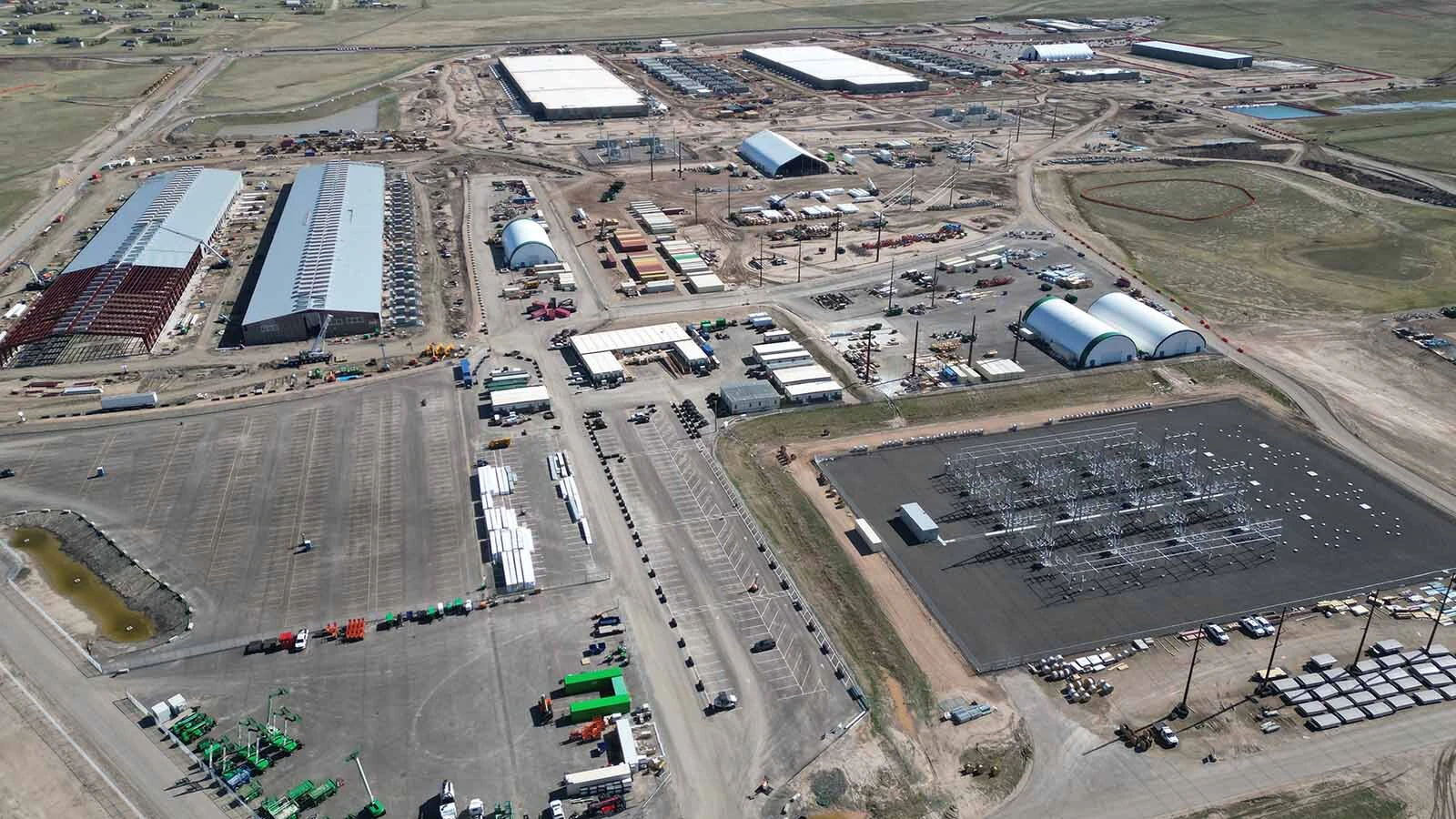
After months of investigation, the BOPU announced July 2 that it had traced the contamination to discharge activities associated with construction of Meta's more than $800 million data center on the east side of Cheyenne.
The board issued a Notice of Violation citing significant noncompliance, proposed a $10,000 administrative fine and said it would seek reimbursement for cleanup costs through a surcharge.
Throughout the investigation, Meta maintained that water samples collected by its contractor tested negative for the bacteria.
Who Held The Permit?
A central argument in the appeal is that the BOPU named the wrong entity as the industrial user.
Meta says Goat Systems should not have been identified because Fortis Construction — not Goat Systems — held the wastewater discharge permit and received temporary authorization to discharge boiler condensate and water used during fill-and-flush operations.
Fill-and-flush is a process used to clean newly installed piping by circulating water through a closed-loop cooling system to remove construction debris before the equipment is placed into service.
According to the appeal, Goat Systems "was not engaged in any activities on the site related to the discharges and could not have caused a discharge of the bacteria in question."
"This is a question of which entity held the permit, not a suggestion that any party acted improperly," Meta says. "We value our partnerships with both contractors and are simply seeking to have the record reflect the correct permit holder."
Fortis Supports Appeal
Fortis Construction said in a Tuesday email to Cowboy State Daily that it supports Meta's appeal.
"We remain committed to supporting a thorough, fact-based review of the matter and want to ensure this issue is addressed correctly," a company spokesperson said.
Because the appeal is pending, Fortis declined further comment.
Meta has consistently maintained that water samples collected by Fortis during construction tested negative for Cupriavidus gilardii.
'Committed To Being A Good Neighbor'
Meta said the appeal should not be viewed as a retreat from its commitment to the Cheyenne community.
"We are committed to being a good neighbor in Cheyenne," the company statement says, "which includes helping care for the local watershed."
Meta noted its Cheyenne data center represents an investment of more than $800 million and supports about 100 permanent jobs.
The company also pointed to its global goal of becoming water positive by 2030, meaning it intends to restore more water than it consumes.
Kate Meadows can be reached at kate@cowboystatedaily.com.


