
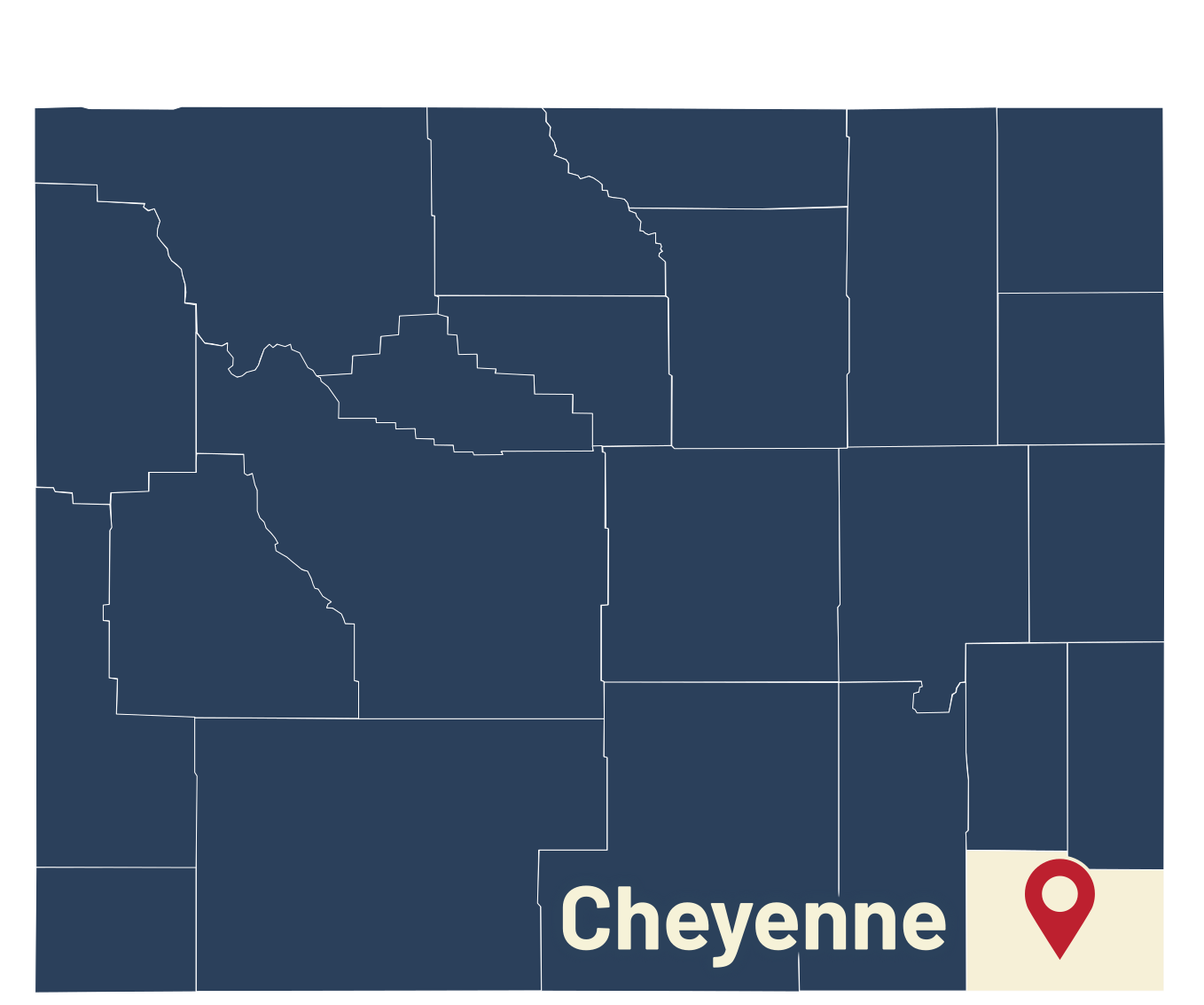
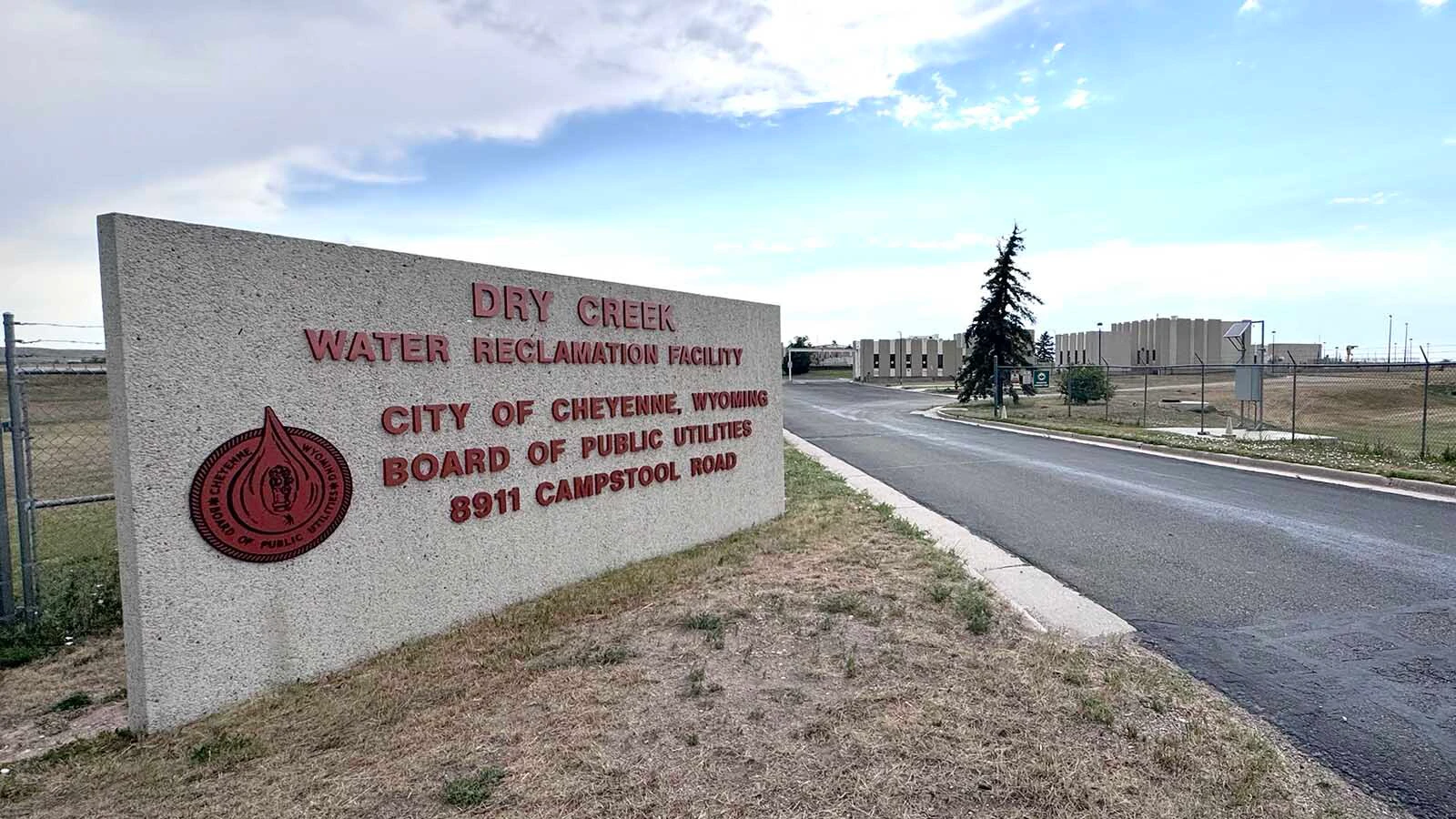
Speculation is growing over whether a data center could be linked to a rare bacterium discovered in Cheyenne's reuse wastewater system earlier this year, as city officials continue to withhold the identity of the industrial user responsible for the discharge.
Four days after the Cheyenne Board of Public Utilities publicly disclosed the contamination, which happened in February, officials have yet to identify either the company or the industry involved, saying legal and regulatory reviews are still underway.
"It would be likely that a newer industry would be responsible," said Jonathan Brant, a University of Wyoming associate professor of civil and architectural engineering who specializes in water treatment. "Data center discharges would be the first place I would look."
The Board of Public Utilities has fielded multiple public records requests as residents demand to know what industry is behind the hazardous discharge, who the offender is and why the public wasn’t notified as soon as the contaminant was discovered in February.
“Citizens deserve to know what industry contaminated the wastewater,” said Exie Brown Jr., a Republican vying for a House District 9 seat on the Wyoming House of Representatives.
Background
Last week, the Board of Public Utilities reminded its customers via public notice that discharge of hazardous substances into the sanitary sewer system is prohibited.
The notice came four months after its lab staff detected an “unusual bacterium” during routine wastewater sampling in February.
The mystery bacterium was found to be cupriavidus gilardii, a naturally occurring organism commonly found in soil and groundwater environments, known for its high resistance to metals. It has been associated with industrial applications involving metal reduction processes, including some advanced manufacturing and industrial systems.
“It is new to us,” said Erin Lamb, BOPU’s administrative and public affairs coordinator. “We have a pretty robust lab and sampling protocol. It’s something that popped up and we thought it was odd, so we reached out to the public health lab.”
The city’s reuse water system was taken offline as a precaution.
According to the public notice, BOPU staff have undertaken “significant remediation efforts,” draining and disinfecting the entire reuse water system and the city’s Prairie View retention pond to eliminate bacterial presence.
Reuse water irrigation services resumed Monday, after consultation with the Laramie County Public Health Department. By Tuesday, the retention pond was being refilled.
The contaminant affected the city’s reusable water system – water used strictly for irrigation, Lamb said.
Lamb said people are confusing the wastewater system with the drinking-water system, and she reiterated that the hazard affected the wastewater reuse system only.
“I think that’s been very confusing to people. It’s not our water system. It’s our reuse wastewater system," she said.
The source was eventually traced to an “industrial user within the system.”
Mystery Industrial User
Lamb told Cowboy State Daily the BOPU’s holdout to publicly identify the industrial user behind the contaminant is to ensure all local, state and federal regulations are being followed.
“We have to make sure our legalities are covered,” she said. “It is something we are right in the middle of.”
She said the purpose of Friday’s notice was more about reminding the public that discharging hazardous materials into the wastewater system is prohibited and less about the biohazard that had been discovered.
Still, news of the hazard stoked frustration, fear and confusion.
Conversations have played out on social media, with some people assuming a data center is behind the contaminant. Others called for voting out all city council members and Mayor Patrick Collins for their strong pro-data center stance. Some, like Cheyenne resident Jeffrey Scott, say data centers don’t use chemicals for refining metals.
“We’re definitely aware of the public interest,” Lamb said.
Her office has received multiple public-records requests from residents demanding to know who is behind the hazardous discharge.
One such request is from Brown.
Brown told Cowboy State Daily he is seeking information about how the discharge happened, adding, “Transparency should be the default and not the exception. The City of Cheyenne and BOPU work for the people and not the other way around.”
In his own public statement, Brown said, “BOPU’s press release spends considerable time reminding everyday residents and small businesses what not to put down a drain, while deliberately keeping the identity of the actual responsible party hidden behind vague language about ‘an industrial user’.”
Lamb said her office is following all the proper regulatory procedures and is undergoing a legal review to determine what information it can release.
“I understand the frustration,” she said. “But to do it right, we have to follow those procedures.”
Lamb also would not identify the offending industry.
“I can’t confirm anything at this point in terms of the entity’s name or industry,” she said. “We ask for patience. We just want to make sure we do everything by the book."
Why So Long?
Lamb told Cowboy State Daily that as soon as the contaminant was discovered, staff sent it to the state lab for testing.
Hazardous materials being discharged into the city sewer is not uncommon, she said, and it took a week to 10 days for the lab to confirm the contaminant was cupriavidus gilardii.
Lamb did not directly confirm with Cowboy State Daily why the public wasn’t notified about the contaminant until four months after it was discovered.
“This has been a process,” she said, adding that attention to local, state and federal regulations has been the focus of the probe.
According to the BOPU’s statement, research shows that while infections caused by cupriavidus gilardii are extremely rare the bacterium may pose health risks to immunocompromised individuals and the elderly through direct exposure.
According to the public notice, hazardous discharge violations can result in fines, penalties, liability for damages and potentially being disconnected from city water and sewer services.
The user behind this incident will face a series of fees, based on what it cost the city to remediate, Lamb said. She didn’t know an exact dollar amount.
“Violations can become extremely costly,” Lamb said. “We’re pretty firm on not putting that cost on our ratepayers.”
The user is also cut off from the city’s sewer system, their discharge permit terminated.
Lamb said that means the user will have to find another way to dispose of discharge, such as utilizing holding tanks or trucking waste to a facility that can treat and/or dispose of hazardous materials.
“It’s something that the Board of Public Utilities is not willing to risk happening again,” she said.
Common/Not Common
The Board of Public Utilities’ wastewater reclamation facilities have encountered a variety of hazardous materials discharged into the sewer system over the past two decades. Hazardous materials include gasoline, petroleum products, grease and concrete.
“This is unfortunately not an anomaly,” Lamb said. “It isn’t a once-in-a-while kind of thing."
Every utility system experiences this kind of thing frequently, she said.
“It’s an amazing wonder how some of these things get put down into the sewer system,” Lamb said.
However, the specific bacterium identified in this instance is an anomaly.
“It’s a naturally occurring thing,” Lamb said. “We’ve just never seen it before. We really had to do some research.”
Brant, the water-treatment specialist at the University of Wyoming, told Cowboy State Daily the organism requires a metal-rich water system to thrive.
“Data centers, in general, can supply such environments for their heat-exchange systems,” he said. “Copper has historically been a widely used heat-exchange material, though other metals can be used as well, depending on the system design.”
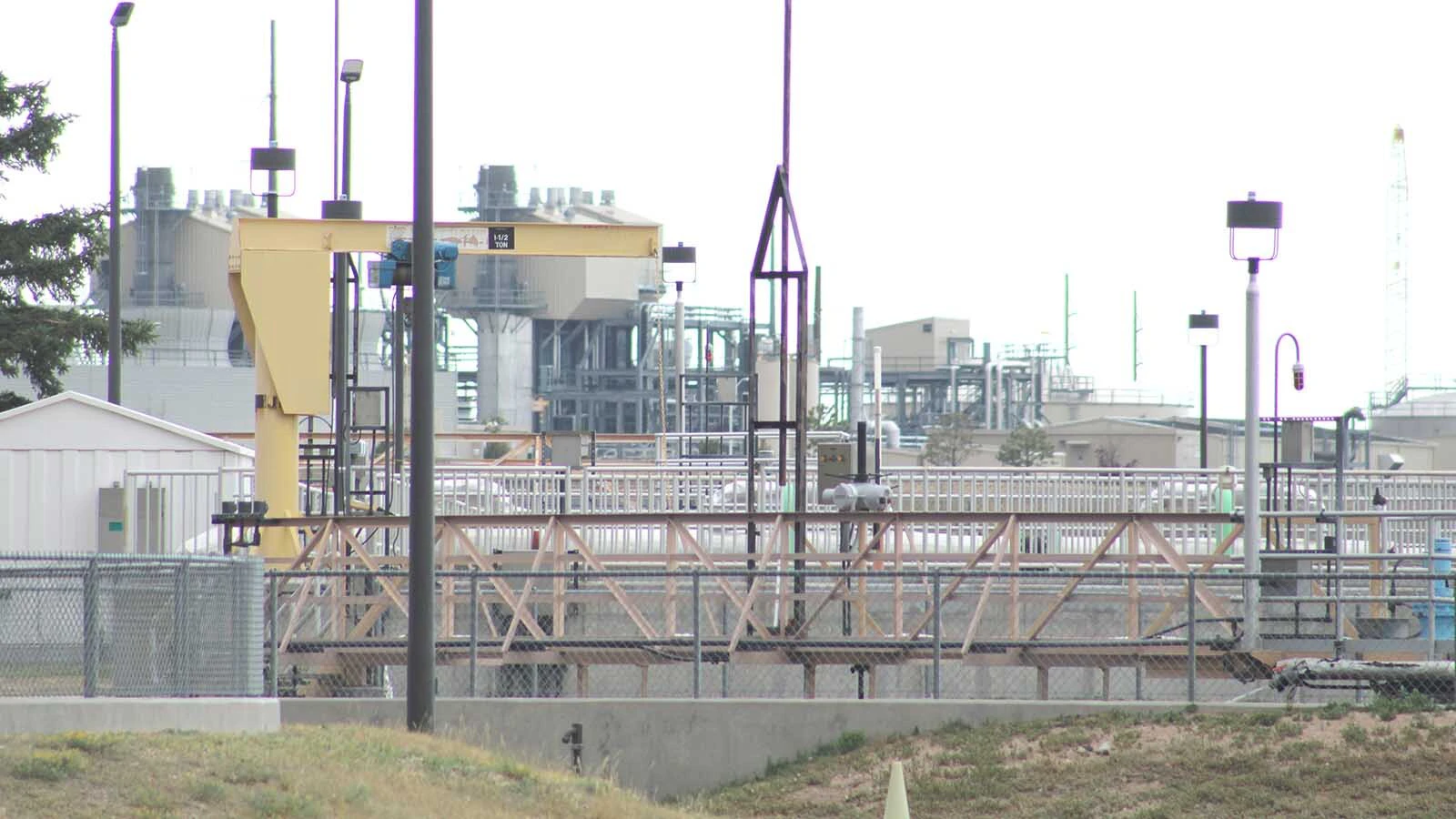
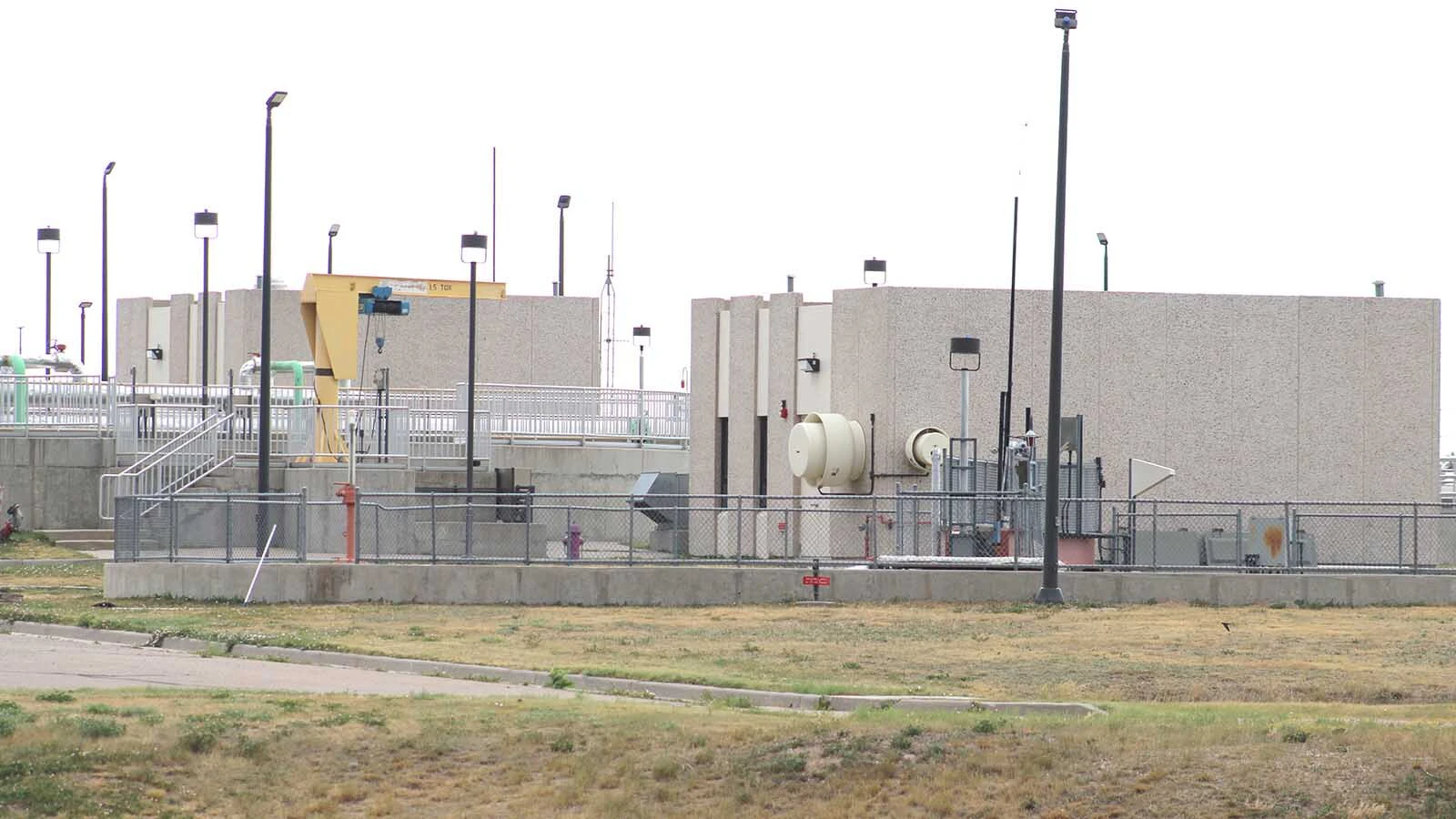
As of Tuesday, a city water reclamation manager confirmed that water testing showed the bacterium was no longer present at either of the city’s two wastewater facilities — Crow Creek and Dry Creek.
Kate Meadows can be reached at kate@cowboystatedaily.com.


