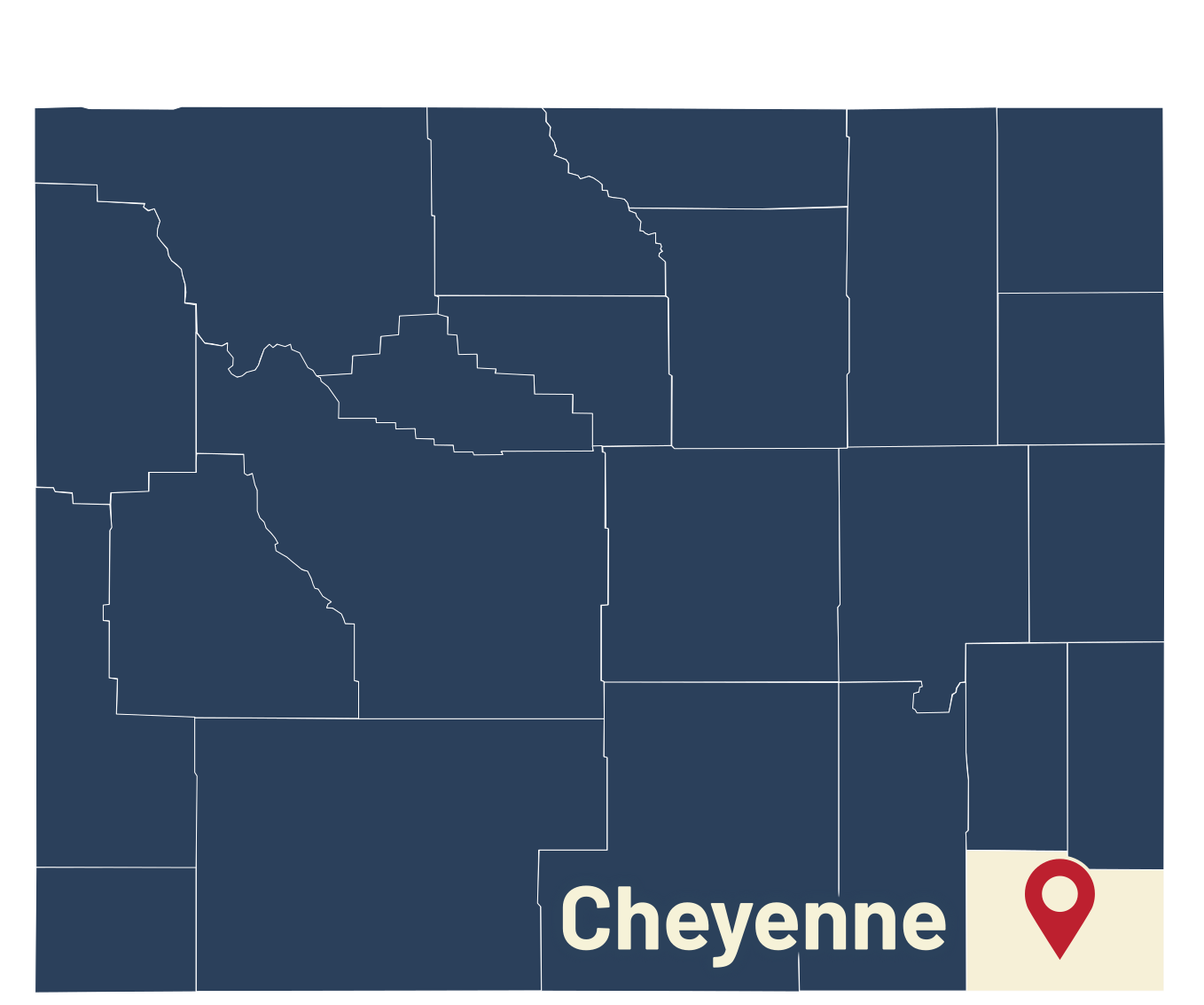
Cheyenne’s Board of Public Utilities isn’t accepting industrial wastewater associated with data center systems until further notice after a contractor for Meta Platforms contaminated the city’s wastewater system, prompting months of cleanup.
The announcement was made by the Board of Public Utilities (BOPU) on Thursday in conjunction with naming the Meta company as the source of the initial contamination.
It also comes more than four months after the Meta company — which is building a huge $800 million data center in south Cheyenne — disrupted the city’s reclaimed wastewater system with a rare bacterial contaminant.
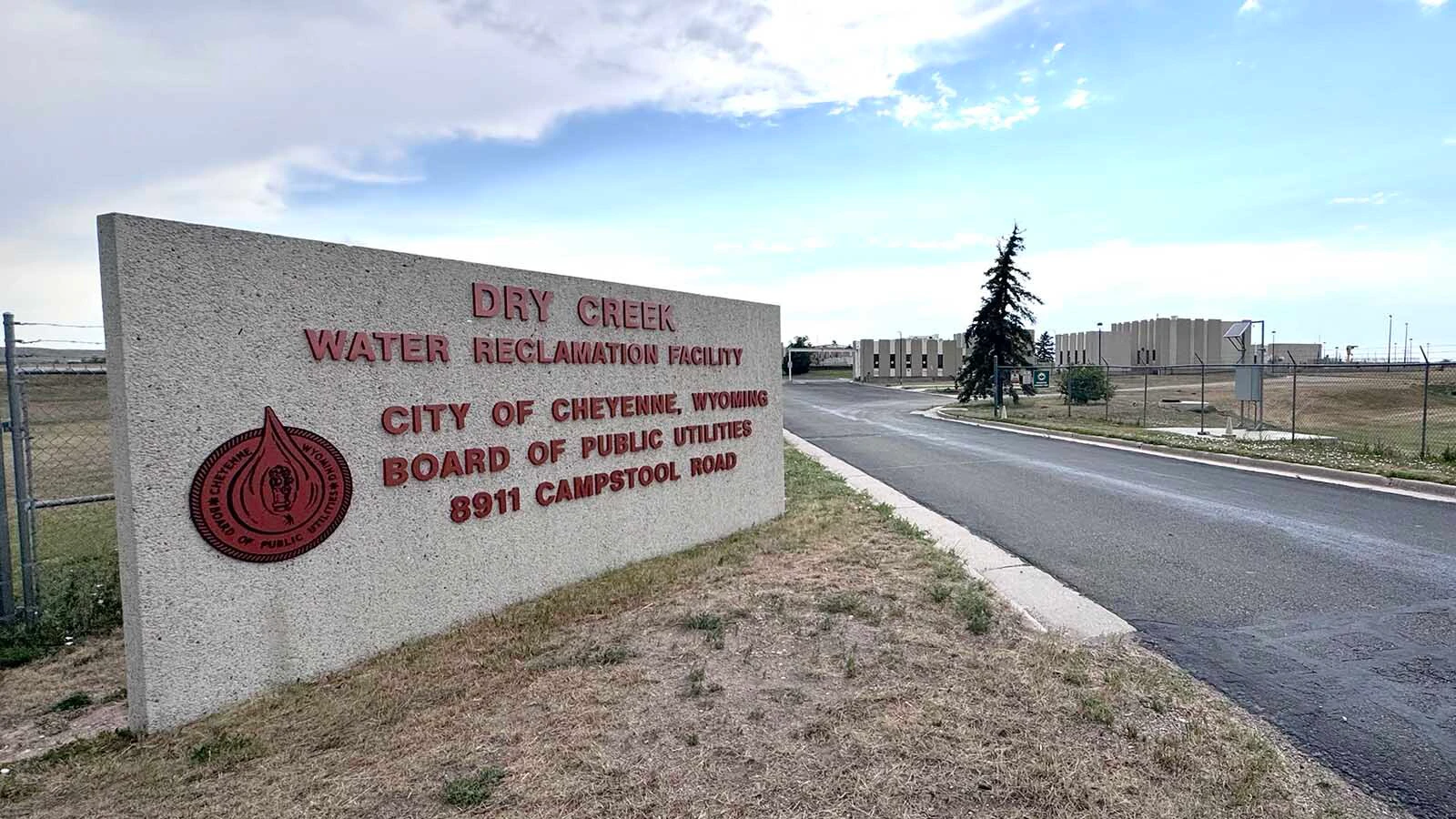
Goat Systems LLC was in “significant noncompliance" with the city's industrial pretreatment regulations after discharging wastewater contaminated with Cupriavidus gilardii, a bacterium that interfered with operations at the city's water reclamation facilities and contaminated the municipal reuse water system, according to the BOPU’s Thursday statement.
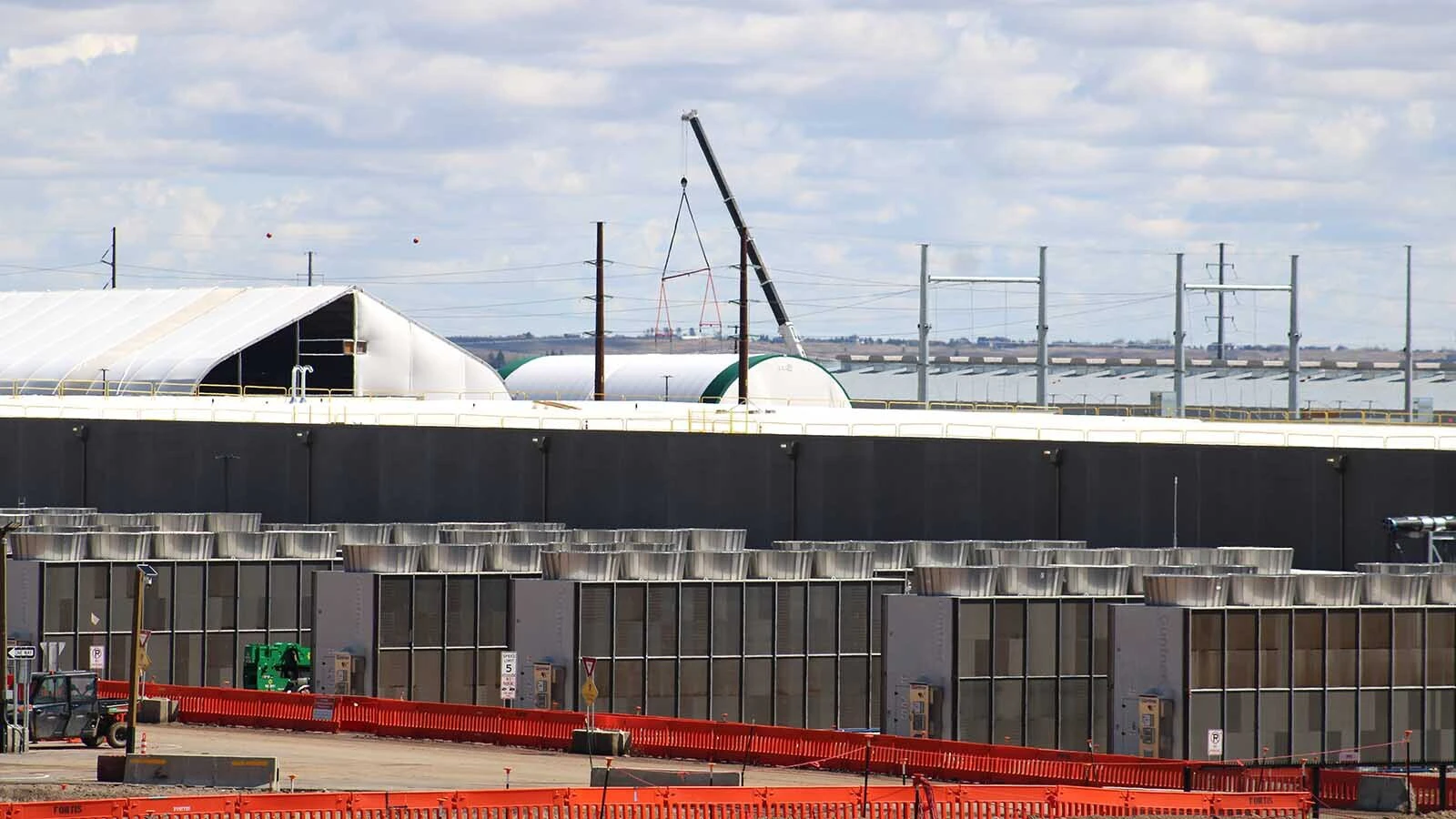
Goat Systems LLC is the corporate entity Meta uses for construction of its sprawling nearly 800,000-square-foot Cheyenne data center campus known during development as Project Cosmo.
Cheyenne City Councilman Pete Laybourn said learning that the contamination originated from Meta's data center was unwelcome news.
"It's a very, very unpleasant surprise," Laybourn told Cowboy State Daily. "I have a lot yet to learn. It definitely complicates matters."
Laybourn said he has already expressed concerns about some of the arrangements the city has made with data center operators, adding that he expects the disclosure will prompt additional discussion.
"It's about the last thing we need right now," he said. "But it's a reality we're going to have to work through.”
Mayor Patrick Collins likewise expressed disappointment in Thursday's announcement.
"I think it's a disappointment to everyone involved," he told Cowboy State Daily.
Collins also praised the BOPU for catching the contamination and getting the city's sewage reuse system cleaned up.
'Final Resolution'
Thursday’s announcement marks the first time city officials have publicly identified the company behind the contamination, which was first discovered in February and prompted months of investigation and public speculation.
According to the statement, Goat Systems immediately stopped discharging wastewater from fill-and-flush operations at Meta's Cheyenne Data Center CHY 1-2 after being notified of the contamination.
BOPU also revoked the company's industrial discharge privileges for those operations effective March 24.
The incident has led to broader changes beyond Meta's project.
BOPU also is suspending acceptance of industrial wastewater from data center fill-and-flush and closed-loop system operations until further notice while officials evaluate how to prevent future incidents.
The city said the action is intended to protect the integrity of Cheyenne's wastewater treatment system.
Calls to Cheyenne’s Public Utilities Office were not immediately returned Thursday.
"The BOPU appreciates the public's patience throughout this process," the agency said in the statement. "By conducting a thorough and diligent review, we have been able to reach a final resolution while ensuring continued protection and integrity of our wastewater treatment system."
A spokesman for Meta told Cowboy State Daily in an email statement that the company is working with its general contractor to "resolve this issue."
"Meta is supporting the efforts of our general contractor, Fortis, to resolve this issue with the city of Cheyenne Board of Public Utilities," the statement says. "When the board shared that it found a substance in the city's wastewater — not public drinking water — Fortis immediately stopped discharging industrial wastewater and began hauling it offsite.
"Fortis also began its own water testing with an independent environmental specialist which has found no trace of the substance," the statement adds. "Meta is committed to being a good neighbor in Cheyenne, including through the protection of local water resources, and will continue encouraging collaboration between Fortis and the board until this situation is resolved.”

Months Of Questions
The disclosure comes after months of questions surrounding the source of the contamination.
BOPU previously confirmed the bacterium had entered the city's wastewater treatment process through an industrial user but declined to identify the company while the investigation remained underway.
The contaminant was traced to wastewater generated during data center fill-and-flush operations, a process used to clean and test cooling systems before a facility begins operation.
Meta's Cheyenne campus, one of the largest private construction projects in the city's history, spans hundreds of acres in the High Plains Business Park and is expected to encompass roughly 800,000 square feet when completed.
Cowboy State Daily first reported in 2024 that Meta was the company behind the previously unnamed Project Cosmo development.
Questions Remain
Thursday’s announcement answers one of the biggest questions surrounding the incident but leaves others unresolved.
Among them are how the BOPU intends to regulate future data center wastewater, how the suspension of accepting industrial discharges associated with data centers affects other facilities under construction in Cheyenne and whether any long-term environmental or public health impacts are expected.
Kate Meadows can be reached at kate@cowboystatedaily.com.