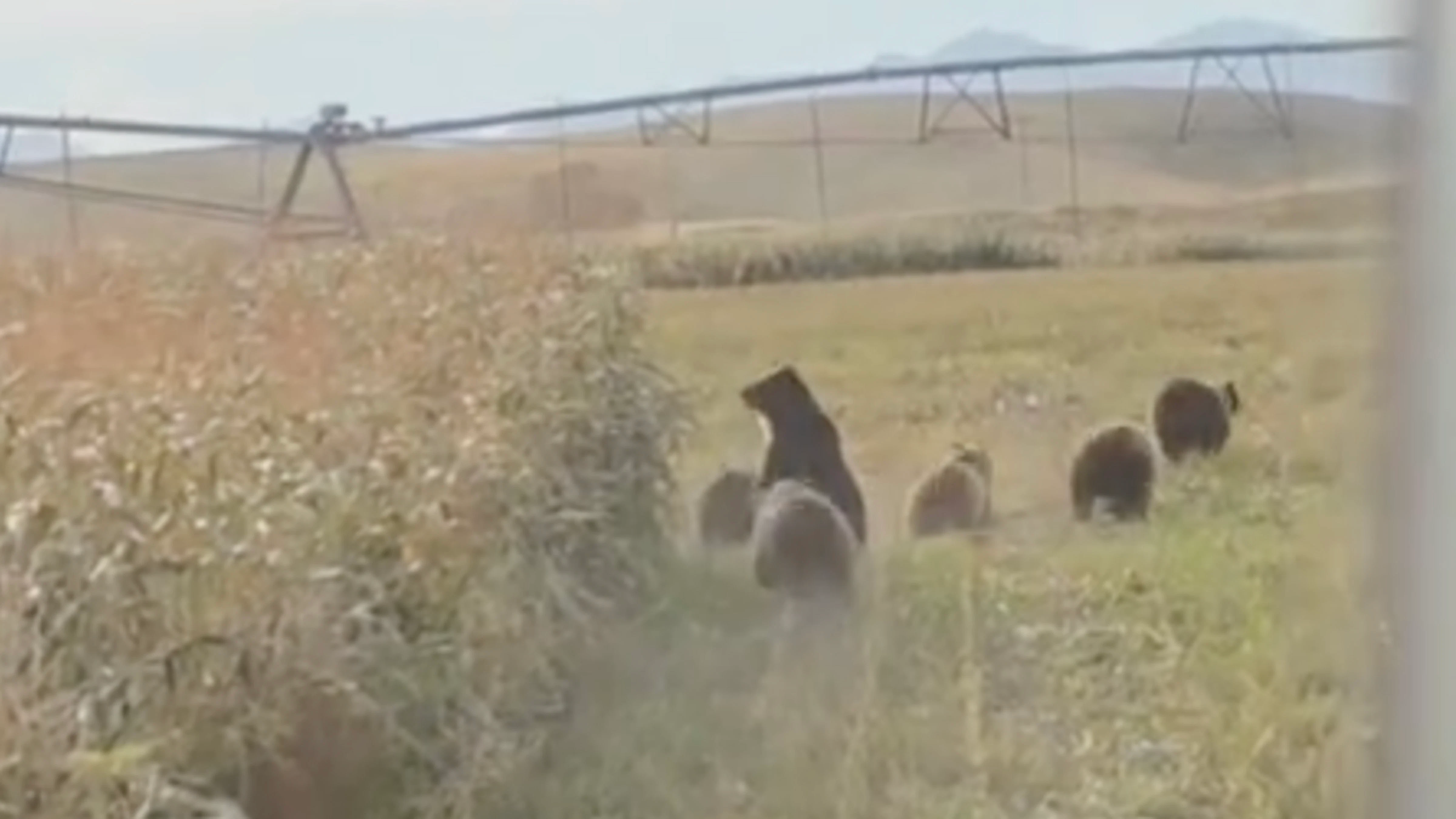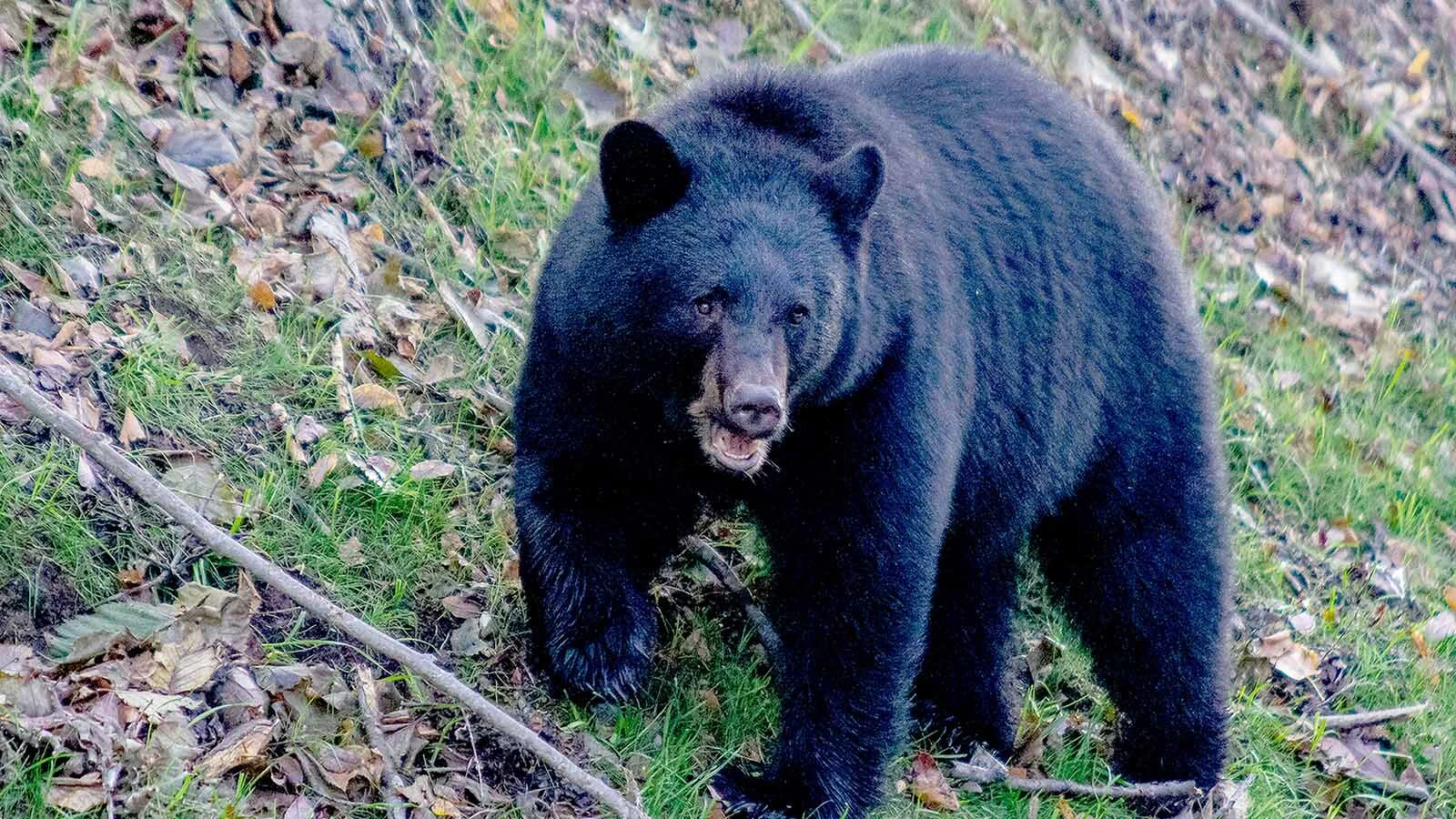
Human remains that were apparently scavenged by a bear, or bears, were discovered Sunday near Grand Mesa in western Colorado, officials there reported.
However, investigators haven’t found evidence that the unidentified person was killed in a bear attack before the bear(s) and “other wildlife” began eating the remains, KKCO News 11 reported.
Mesa County Sheriff’s Office deputies responded to a report of human remains at the Wild Rose Picnic Area of Land End Road, according to reports.
The Mesa County Coroner’s Office is trying to determine the cause of death and expected to release the person’s identity, although it’s not known when that will be, News 11 reported.
‘No Threat To Public Safety’
As of Friday, Colorado Parks and Wildlife wasn’t planning any further action, agency spokesman Luke Perkins told Cowboy State Daily.
The incident isn’t being treated as a possible bear-attack fatality, he said.
When asked if there was concern over whether eating from the body could cause a bear or bears to become acclimated to human flesh, Perkins said CPW doesn’t think there’s any “threat to human safety.”
Retired federal ecologist Chuck Neal of Cody said given the lack of information available it’s difficult to determine what that might mean in terms of bear behavior after eating the body.
"However, if it is true that a bear didn’t kill the person before eating from the body, the risk of that bear trying to eat more people is extremely low,” he said.
Bears are “opportunistic omnivores,” and happening upon a dead human body would be just another easy meal from the bear’s perspective, Neal said.
“If it was a one-off thing that doesn’t make that particular bear any more dangerous to human beings,” he said. “I would not think that just one taste would make that bear extremely dangerous.”
Moreover, if the body was in a state of decay, it would smell and taste much different than a live human, he added.
“It would just be another lump of rotten flesh,” Neal said.
There are other examples of wild carnivores eating bodies but not wanting to go after live humans, he said.
For example, when pioneers were pushing westward many died along the trail and were buried in shallow graves. That provided a morbid buffet for wolves.
“It became routine for wolves to dig up and eat human bodies, but they didn’t then start trying to prey on live humans,” he said.
‘Most Predacious’
Grizzlies might evoke the most fear among humans, with reports of terrifying attacks. But male black bears can actually be the most dangerous in the Lower 48, Neal said.
Nearly all grizzly attacks are territorial, defensive or because a person surprised a bear at close range. Bears deliberately hunting humans is extremely rare, but male black bears are the most likely to do it, Neal said.
“A male black bear is the most predacious bear toward humans in the Lower 48. Polar bears are the most predacious of any species, but we don’t have to deal with them here,” he said.
A male black bear has to be “the biggest, strongest male out there” to win mating opportunities with females, Neal explained. And so, a big male black bear wanting to pack on the pounds might, in rare instances, see people as possible prey.
“They might see a human as a high-quality lump of protein. Sort of like a hot dog,” he said.
Male grizzlies, likewise, want to eat big to get big, Neal said. However, given their superior size and strength, they can take down large animals and don’t need to bother with humans.
Mark Heinz can be reached at mark@cowboystatedaily.com.