
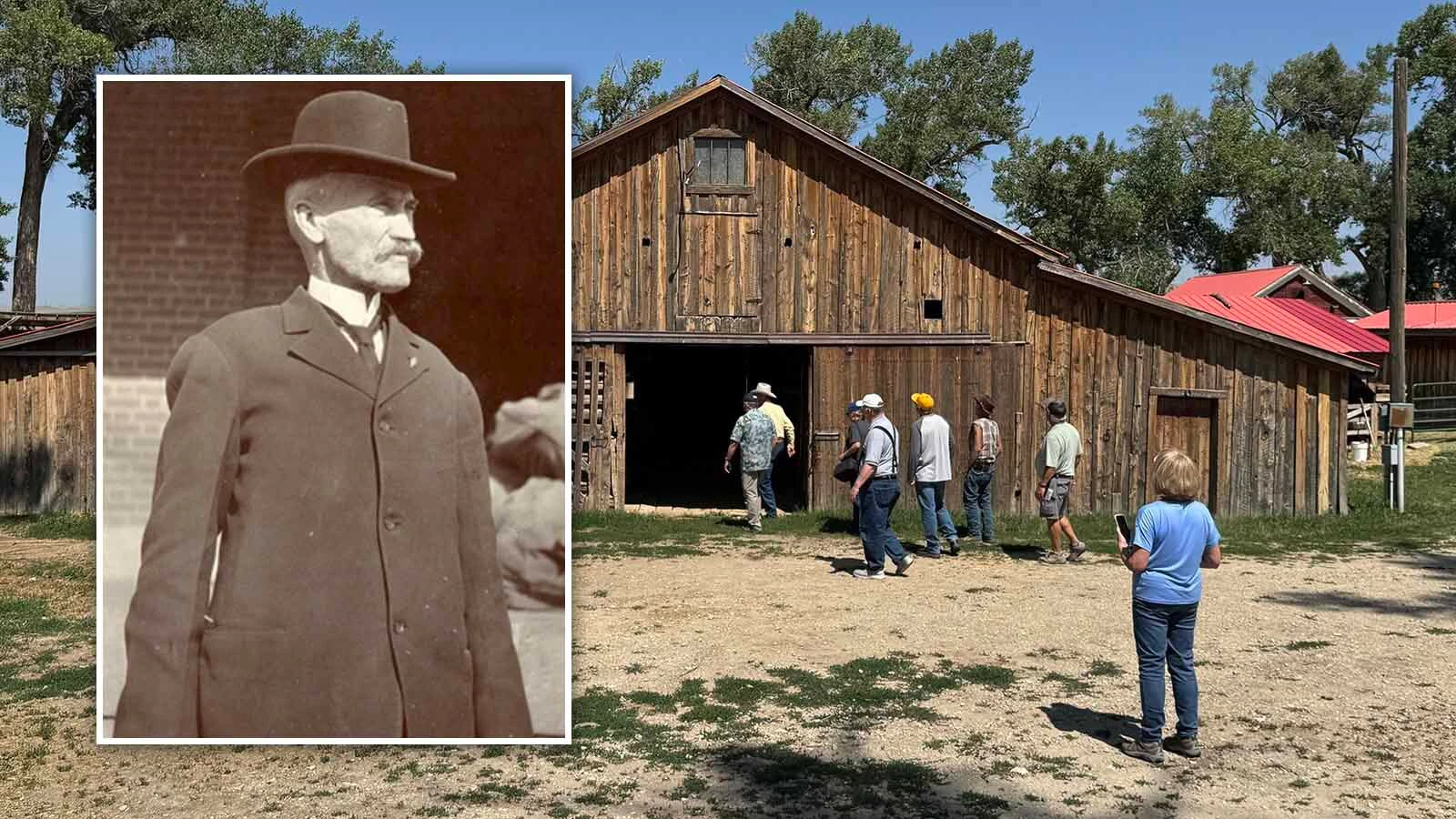
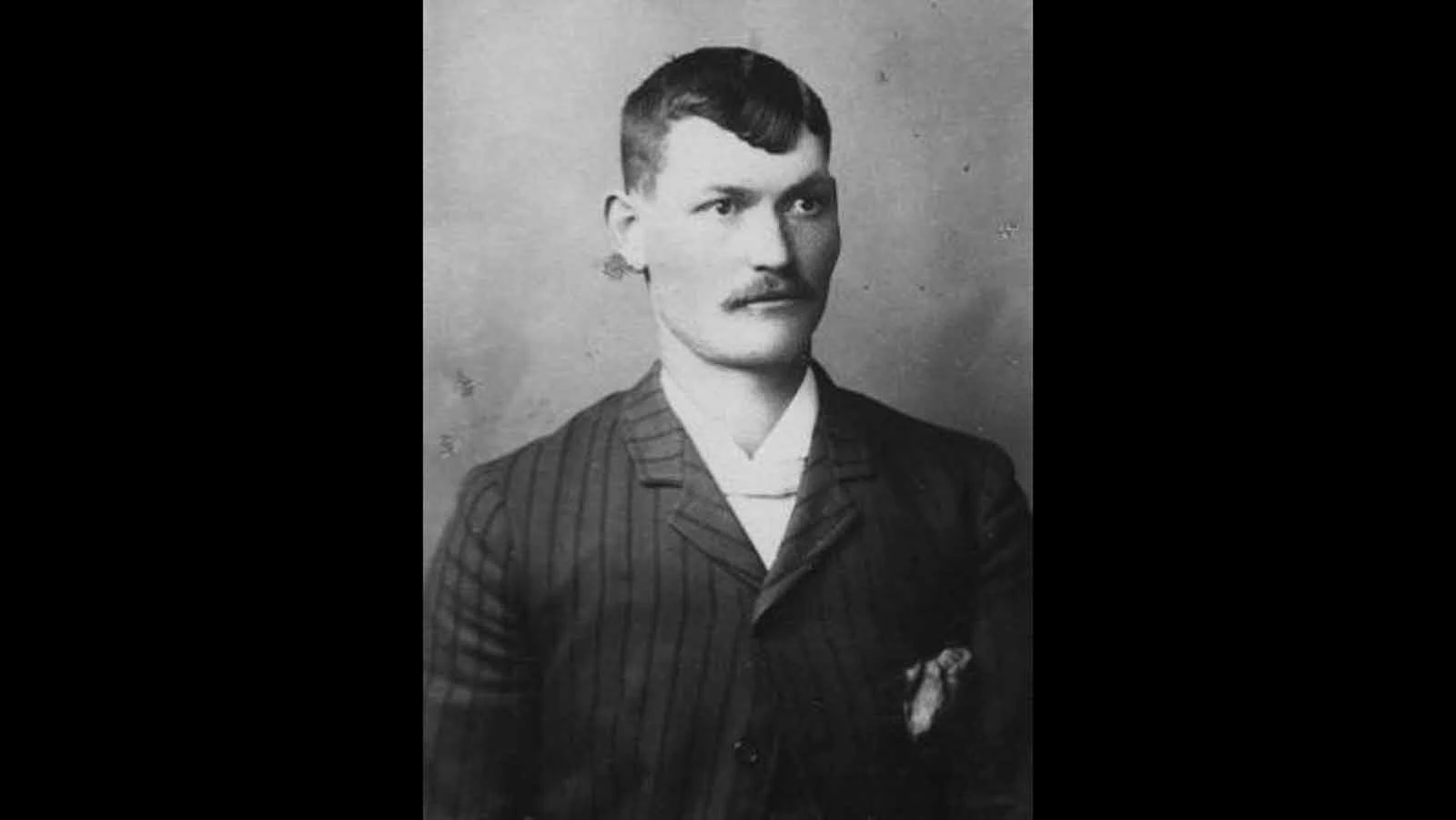
Frank Canton was known for his eyes.
Rancher Elmer Brock claimed that Canton had "yellow coyote eyes." Edward Burnett, a rancher who also knew him well, said that when Canton got his steely eye on a man that settled it.
“Canton carried a gun, perhaps sometimes two of them,” Burnett said. “I never knew of his using one. His eye was sufficient.”
Canton was also a man with a secret identity. Late in life he admitted his real name was Joe Horner.
According to Margaret Brock Hanson in her book “Powder River Country,” Canton had gone on a cattle drive through Kansas when he was a teenager in 1869. On his way home through Texas, he found trouble.
“The stories vary as to the adventures of these boys,” Hanson wrote. “But it seems that they got to Jacksboro where they all got liquored up and tried to shoot up the town.”
Near Jacksboro was Fort Richardson. Hanson said the story she heard was that Buffalo soldiers tried to arrest the cowboys and some were killed. The boys escaped and headed west to unsettled country.
At Comanche, Texas, they robbed a bank.
“Evidently, young Joe Horner was not in on the robbery and was left behind when the other boys left town in a hurry,” Hanson said. “Therefore, Joe was the only one who was arrested.”
Another story was that Horner could not reveal his alibi without compromising a girl of good repute.
He was tried, convicted and given a long jail sentence. Horner was said to have escaped with the help of the girl or her family. Other rumors said the jailer’s daughter became enamored with him and helped him escape.
Working for the Association
In Canton’s autobiography “Frontier Trails”, there is no mention of his troubles as a teenager or even that he changed his name. He does write about joining a big cattle drive when he was 17 in the spring of 1869, and about subsequent cattle drives.
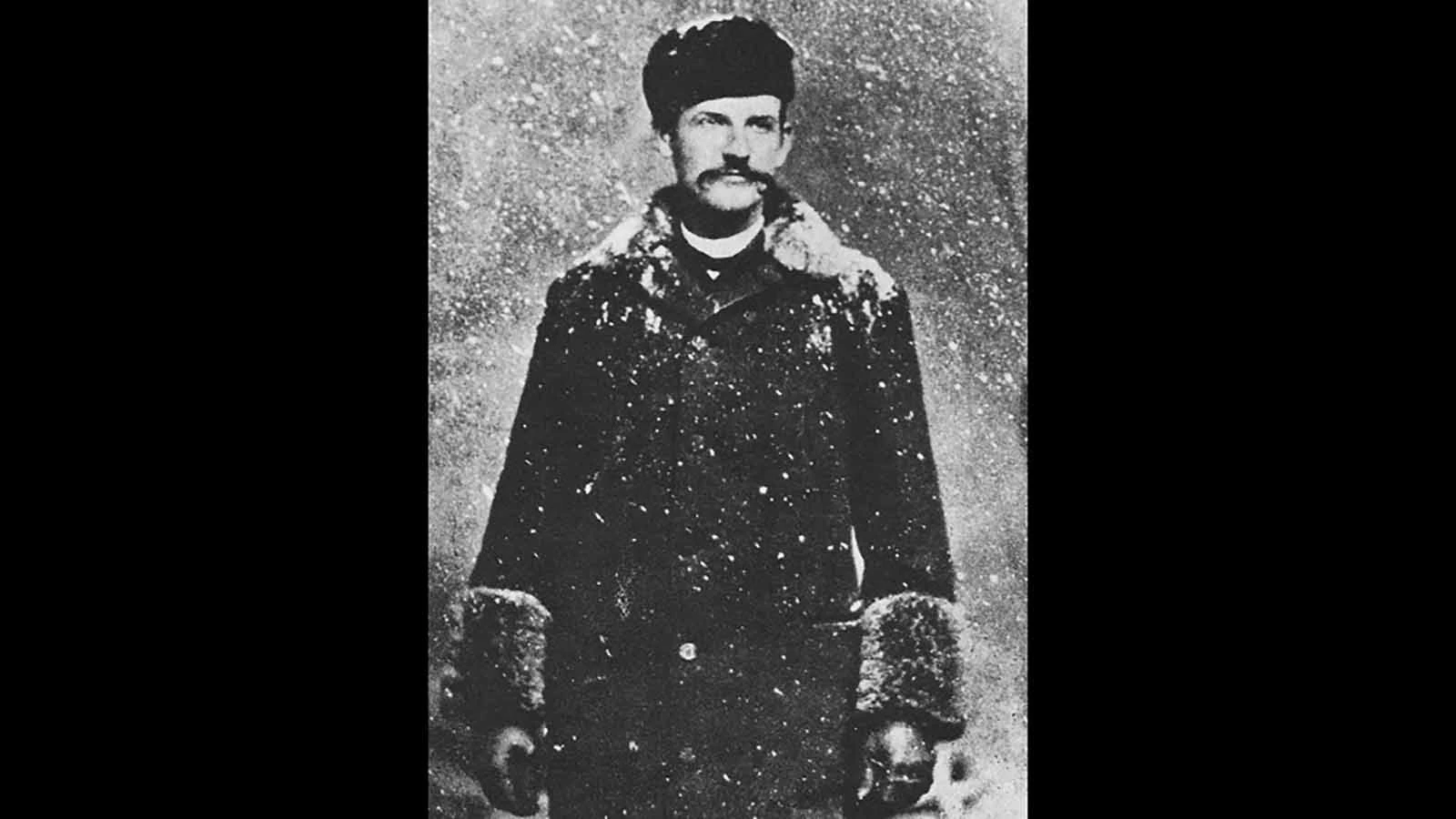
By 1878, the fugitive accepted a position with the Wyoming Stock Raisers’ Association as field inspector, with headquarters at Cheyenne.
“My duties were to take charge of the criminal work on the range, protect the interests of members of the Association, recover stolen property, and furnish evidence against stock thieves,” Canton wrote in his memoirs.
He was sent to the Yellowstone River country in Montana, with headquarters at Miles City. He then investigated a report that the Crow Indians were killing some of the association’s cattle and selling the beef for elk meat.
Canton said he took advantage of the trip to look over the battleground where Gen. Custer and 278 men were killed two years earlier at Little Big Horn.
“History calls this the 'Custer Massacre', but according to the Indian custom, I would call it a fair fight,” Canton said. “Custer made the first attack on the Indians and after that they had to fight and they certainly did fight to a finish.”
City Thugs
When Canton arrived in Montana, the railroad ended in Miles City. The only way to travel west was by horse or stagecoach.
Canton said the railroad company furnished free transportation from the East to all laborers. The loose criminal element in the big cities took them up on the offer.
“The result was that the country west of Miles City, Montana, was soon overrun with the most desperate gang of cut-throats that ever went unhung,” Canton said.
He complained that the cattle thieves and the stage robbers along the Yellowstone were bad enough, but when this bunch of city thugs was turned loose, law-abiding citizens were surrounded by unbearable conditions.
“The officers were brave and determined, and did their duty, but there were not enough of them,” Canton said. “The actual residents in Montana then took a hand in the game.”
According to Canton, vigilante committees were organized and second warnings were never issued.
“If the first warning was not obeyed, you would probably find several dead bodies hanging to telegraph poles,” Canton said. “The vigilantes soon ran the crooks out of the towns.”
Granville Stuart, president of the Montana Stock Association, then recruited 50 cowboys in a war of extermination against the criminals on the range and along the Yellowstone, Musselshell and Missouri rivers.
The criminals who escaped were said to have fled to Wyoming and Idaho.
Canton moved from Miles City in 1880 and settled at Buffalo, Wyoming, still in the employ of the Wyoming Stock Association. He homesteaded 480 acres 12 miles southwest of Buffalo at the foot of the Big Horn Mountains, where he began farming and stock raising.
“It was the best rendezvous for outlaws that I have ever seen,” he said. “And they were there, plenty of them.”
Elected Sheriff
Burnett, the rancher who knew Canton well, said the high life in the little adolescent city of Buffalo was altogether too much for the sheriff and deputy.
“The County Commissioners could not put them out of office, so they put in Frank Canton as deputy sheriff and stock inspector,” Burnett said. “He called to him a little sawed-off Texan of the name of Jim Enochs, and they hung a man or two and then things settled down nice and quiet.”
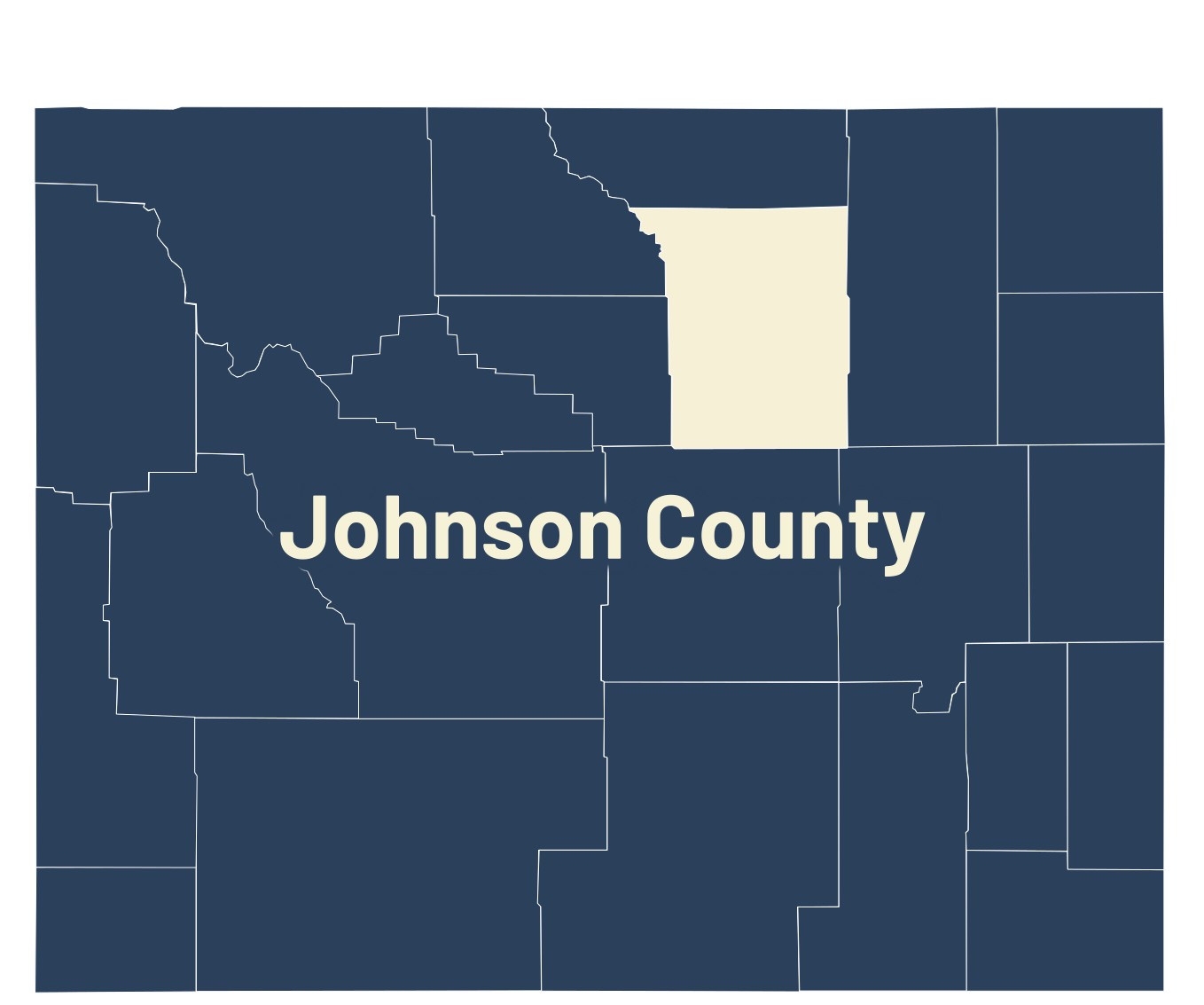
Canton was elected sheriff of Johnson County in 1882. He appointed John McDermott as undersheriff to take charge of the office and hired 18 field deputies.
“I had but little time to stay in my office for the next two years, for I was in charge of the field work myself, and in the saddle most of the time,” Canton said.
Burnett said Canton was sheriff for two terms and could have had a third, but he thought McDermott was entitled to the office so he did not run.
Neighbor Rancher
Burnett, according to the Wyoming State Archives, was a native of Durham, England. He immigrated to Texas where, in 1880, he joined a trail herd bound for Wyoming.
In Johnson County, Burnett settled on the Forty-One Ranch near Buffalo, which became one of the largest cattle ranches in the Powder River country.
“After Canton went out of office, he lived on a farm adjoining me,” Burnett said. “Cattle stealing and killing beef got bad.”
Burnett dug for coal about two miles away. One morning, he described Canton riding up on his horse Curlew.
“A beef has been killed in those hills where you dig your coal,” Canton said. “Let’s go and look it up.”
Burnett said he saddled his own horse, Angel Eyes, and off they went. They found the head and hide of the beef and circled around looking for trail signs. When they got together again, Burnett asked Canton if he had found anything.
Canton produced the sleeve of an old shirt and said, “When we find the rest of this shirt, there will be a hanging.”
Burnett looked at the shred of shirt.
“That’s a piece of an old shirt of mine,” he said. “My wife tied up a lunch for me the last load of coal I dug. The rest of the shirt is at home."
Years afterward, Burnett told this story to a neighbor cowman who said, “What was the brand on that beef you killed?”
Leaving Wyoming
After he left the sheriff’s office, Canton returned to his job with the Wyoming Stockgrowers Association. Soon after, he became involved in the Johnson County War on behalf of his employers.
On April 9, 1892, it was Canton who led the Regulators to the KC Ranch, where the ensuing battle ended in the deaths of Nick Ray and Nate Champion.
Ray was shot and killed in the opening minutes.
Champion killed at least four of the Regulators and wounded others.
At 5 p.m., Canton set the house on fire. Champion burst out of the house firing his Winchester rifle and was shot 28 times.
Champion had taken his boots off, symbolically not dying with “his boots on,” a term used to describe the death of an outlaw, according to historian Clay Gibbons.
Two days later a huge posse, led by Sheriff Angus, surrounded the Regulators at the TA Ranch. Fortunately for Canton, the U.S. Cavalry's arrival rescued him from having to surrender.
The newspapers portrayed Canton and the others in a favorable light because of the influences of his employers.
Canton, like the other Regulators, was freed. He left Wyoming with a legacy written in blood.
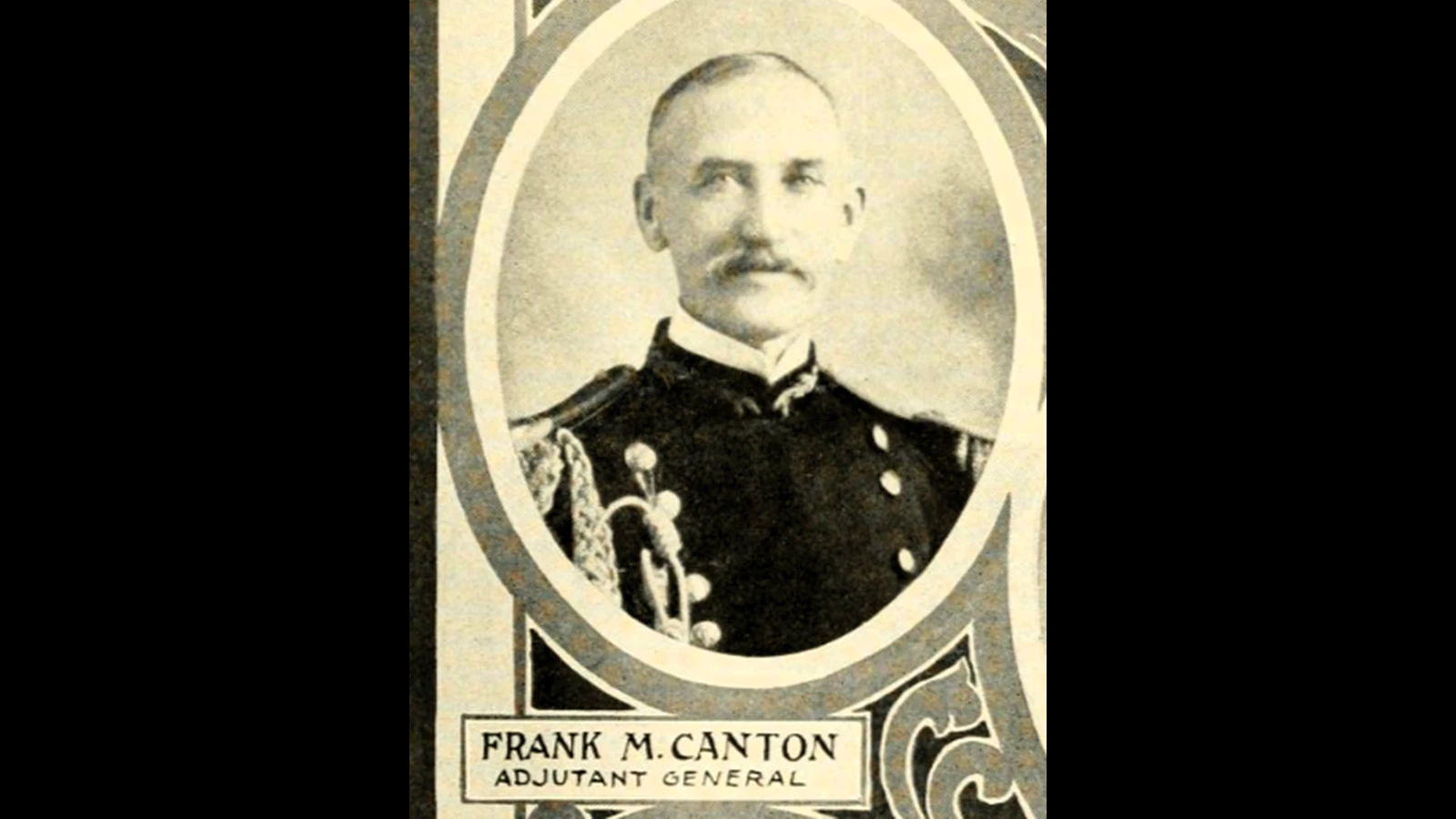
He eventually became adjutant general for the Oklahoma National Guard. It was there that Canton confessed that he was Horner, and the governor of Texas granted him a pardon.
Despite Canton’s tactics and cold eyes that Burnett said would have made Canton a good banker, the rancher ended his own memoirs about Canton with praise.
“As a neighbor, Frank Canton was one of the best,” Burnett said. “He had the greatest virtue of all which is Charity.”
Jackie Dorothy can be reached at jackie@cowboystatedaily.com.


