Waterfalls shoot straight out of volcanic cliffsides, flinging themselves into canyons almost no one ever visits.
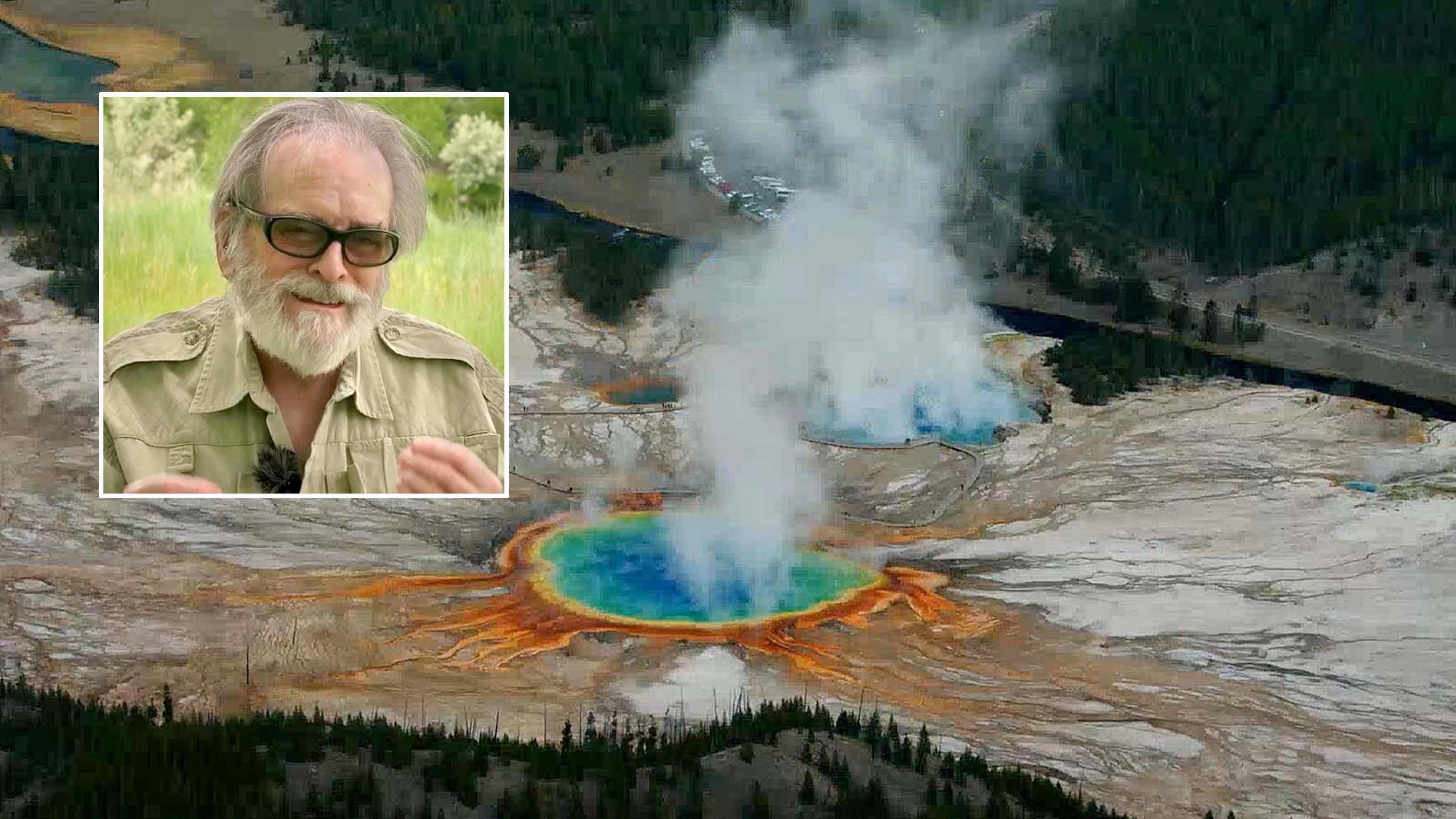
Far from the boardwalks and pullouts, meanwhile, something that looks very much like a starfish seems to nap where no starfish should even be, sunning itself in a crystal-clear thermal pool in Yellowstone National Park.
It’s all part of a hidden Yellowstone that most people never get to see — the Yellowstone that Bozeman filmmaker Stephen Quayle has spent five decades chasing with a camera and has finally stitched into a new film, “Yellowstone: Above & Below.”
“Only 5% of Yellowstone is visible by the roads or by the boardwalks around the geysers,” Quayle told Cowboy State Daily.
Another thin, 10% slice belongs to the hardy few willing to trek for miles into grizzly bear and wolf territory.
But from a helicopter, “the most gorgeous” waterfalls and the most intriguing geothermal pools can be seen in stunning aerial views.
Photographing from the air takes a million-dollar camera lens, Quayle said, one that can take high-resolution images from at least 2,000 feet away.
That’s the minimum height recommended by the FAA for flying over places like national parks. Any lower could violate federal laws if an aircraft disturbs wildlife or park visitors.
“That way we can present to people the Yellowstone that really is,” he said. “And it’s breathtakingly wonderful. It is not just a wonder of the world, it is the wonder.”
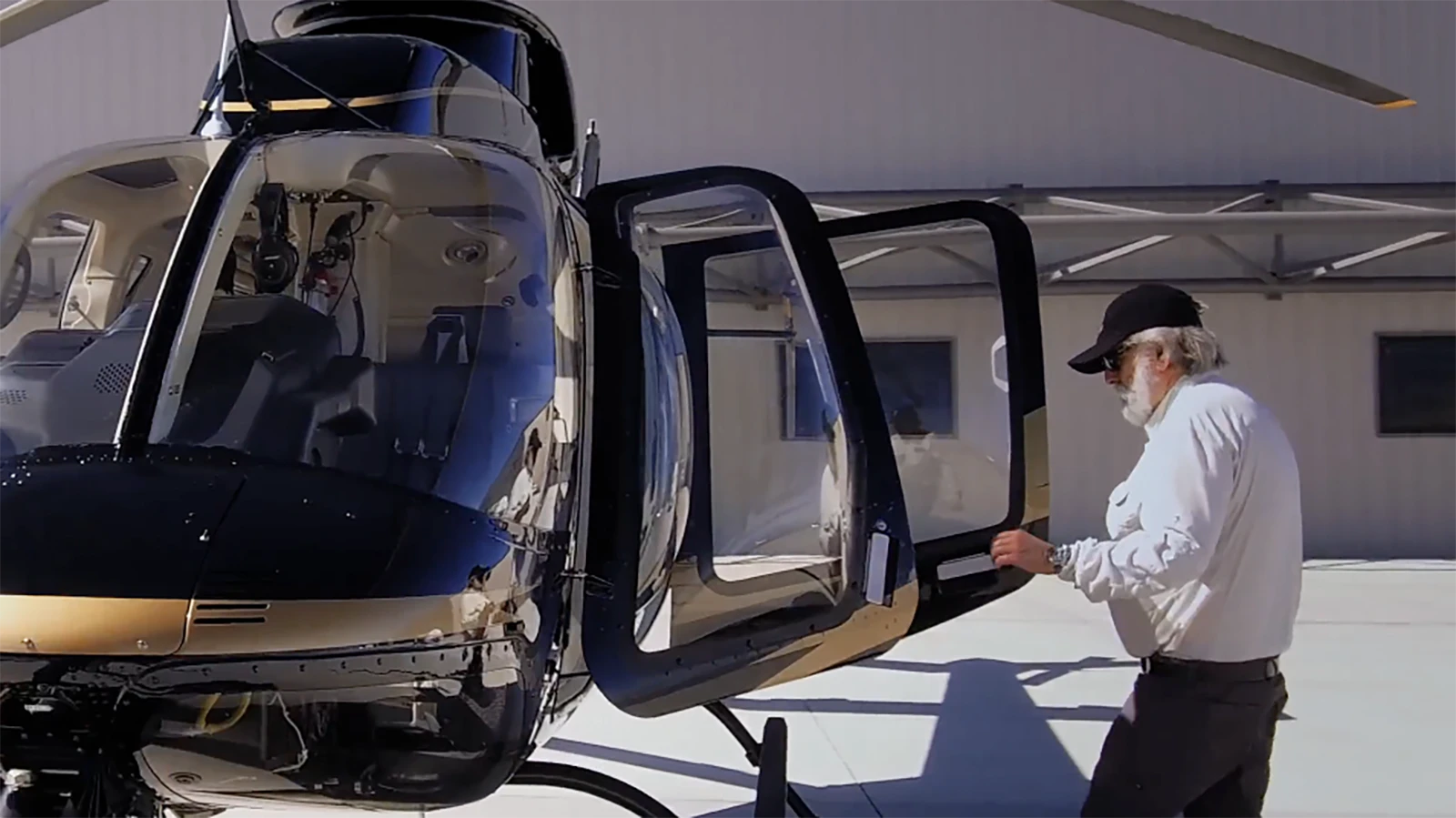
Most see just 5% of Yellowstone from roads and boardwalks. Bozeman filmmaker Stephen Quayle has spent 50 years filming the places most never reach. “It’s like a whole different world,” he said. “You literally wouldn’t know you’re on planet Earth.” He estimates he's spent a solid four or five years in a helicopter over Yellowstone. (Steve Quayle) 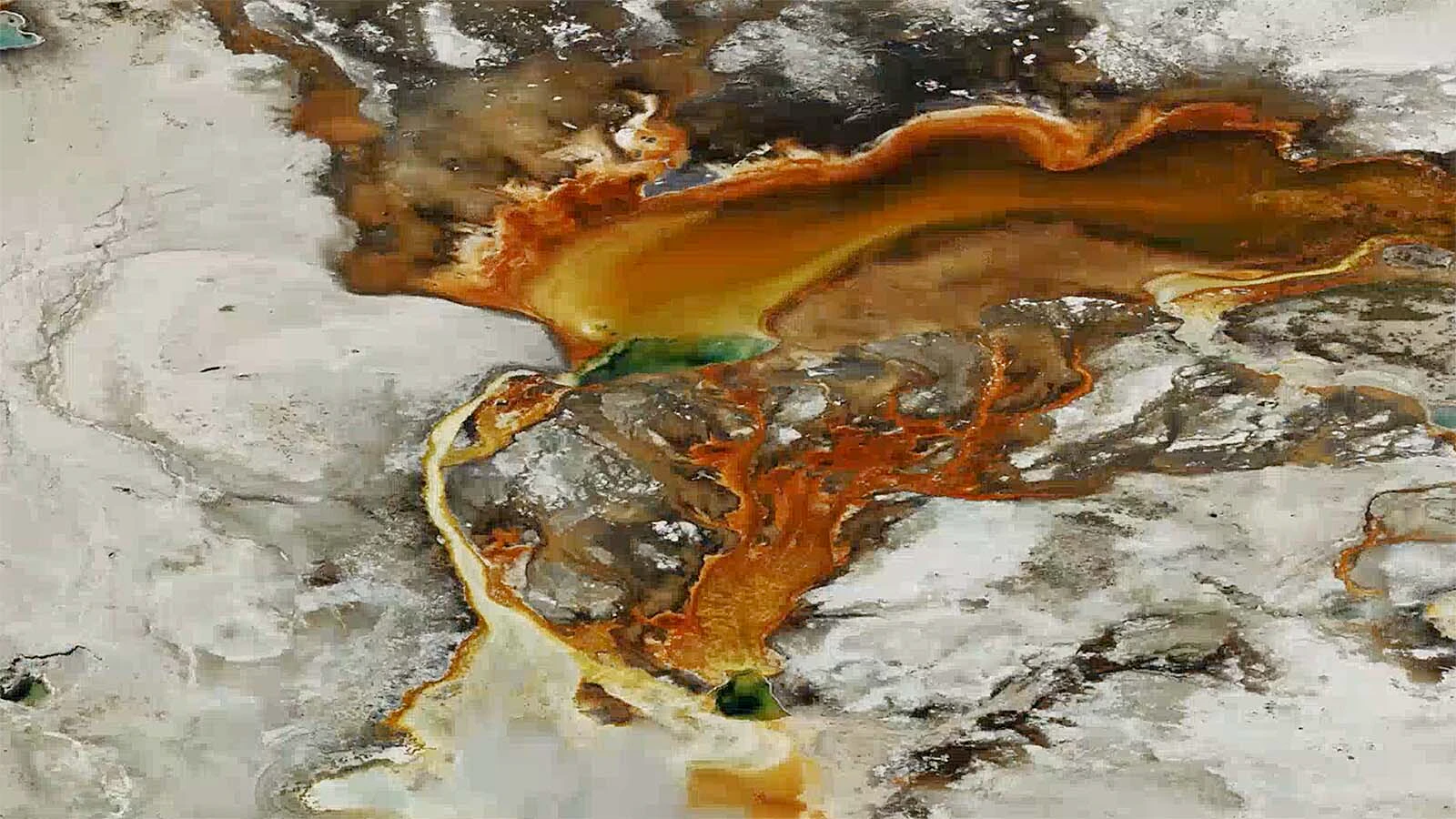
Most see just 5% of Yellowstone from roads and boardwalks. Bozeman filmmaker Stephen Quayle has spent 50 years filming the places most never reach. “It’s like a whole different world,” he said. “You literally wouldn’t know you’re on planet Earth.” (Steve Quayle via "Yellowstone: Above & Below") 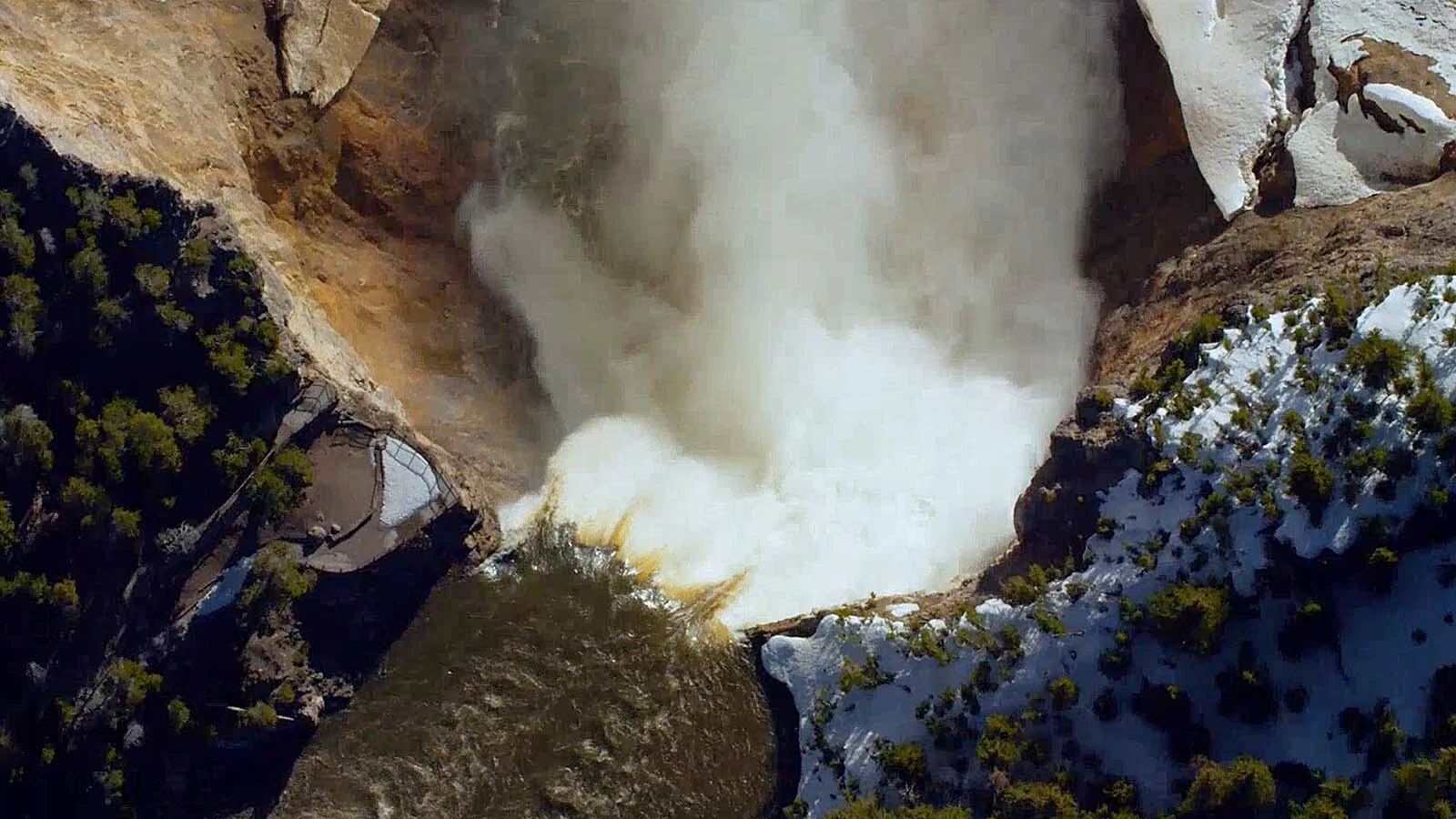
Most see just 5% of Yellowstone from roads and boardwalks. Bozeman filmmaker Stephen Quayle has spent 50 years filming the places most never reach. “It’s like a whole different world,” he said. “You literally wouldn’t know you’re on planet Earth.” (Steve Quayle via "Yellowstone: Above & Below") 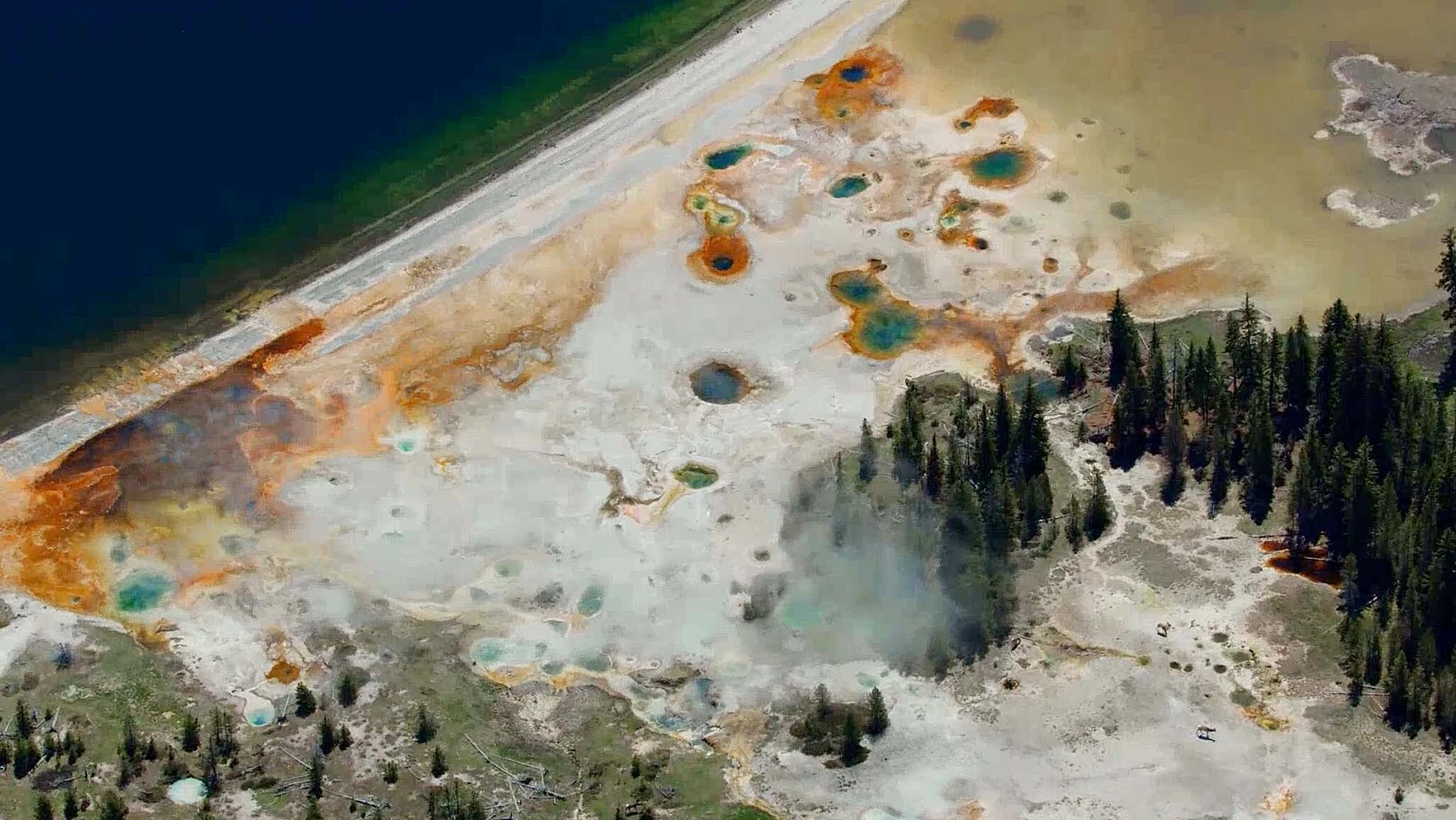
Most see just 5% of Yellowstone from roads and boardwalks. Bozeman filmmaker Stephen Quayle has spent 50 years filming the places most never reach. “It’s like a whole different world,” he said. “You literally wouldn’t know you’re on planet Earth.” (Steve Quayle via "Yellowstone: Above & Below") 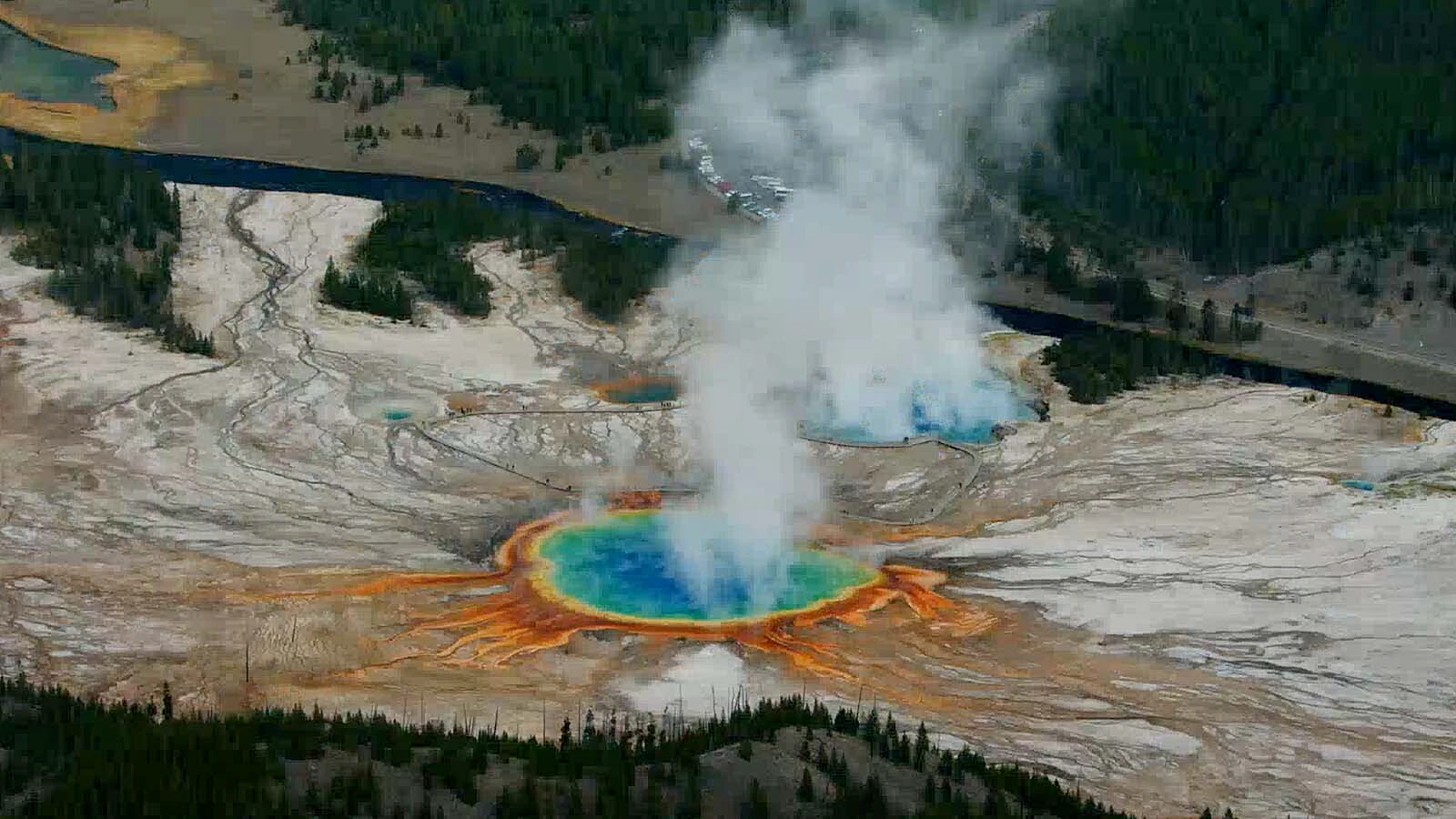
Most see just 5% of Yellowstone from roads and boardwalks. Bozeman filmmaker Stephen Quayle has spent 50 years filming the places most never reach. “It’s like a whole different world,” he said. “You literally wouldn’t know you’re on planet Earth.” (Steve Quayle via "Yellowstone: Above & Below")
A Fateful Party Weekend
Quayle’s relationship with Yellowstone began when he was a college student with time on his hands and weekends to burn in glorious summer road trips.
Yellowstone was perfect for that when you’re a young man from Bozeman, Quayle said.
“I went there because that’s where everybody used to go and party,” he admitted. “And from Bozeman, they drive down to the inner West Yellowstone, but I would take a diversion. That doesn’t mean I didn’t partake of some of the wild stuff in those days.
"But the bottom line is that it was so close, and in those days you could go from one feature to the next and never see another car,” Quayle added.
The more he photographed Yellowstone, the more he wanted to go back. It felt like becoming lost in another world, one that seemed to rearrange itself every time he visited.
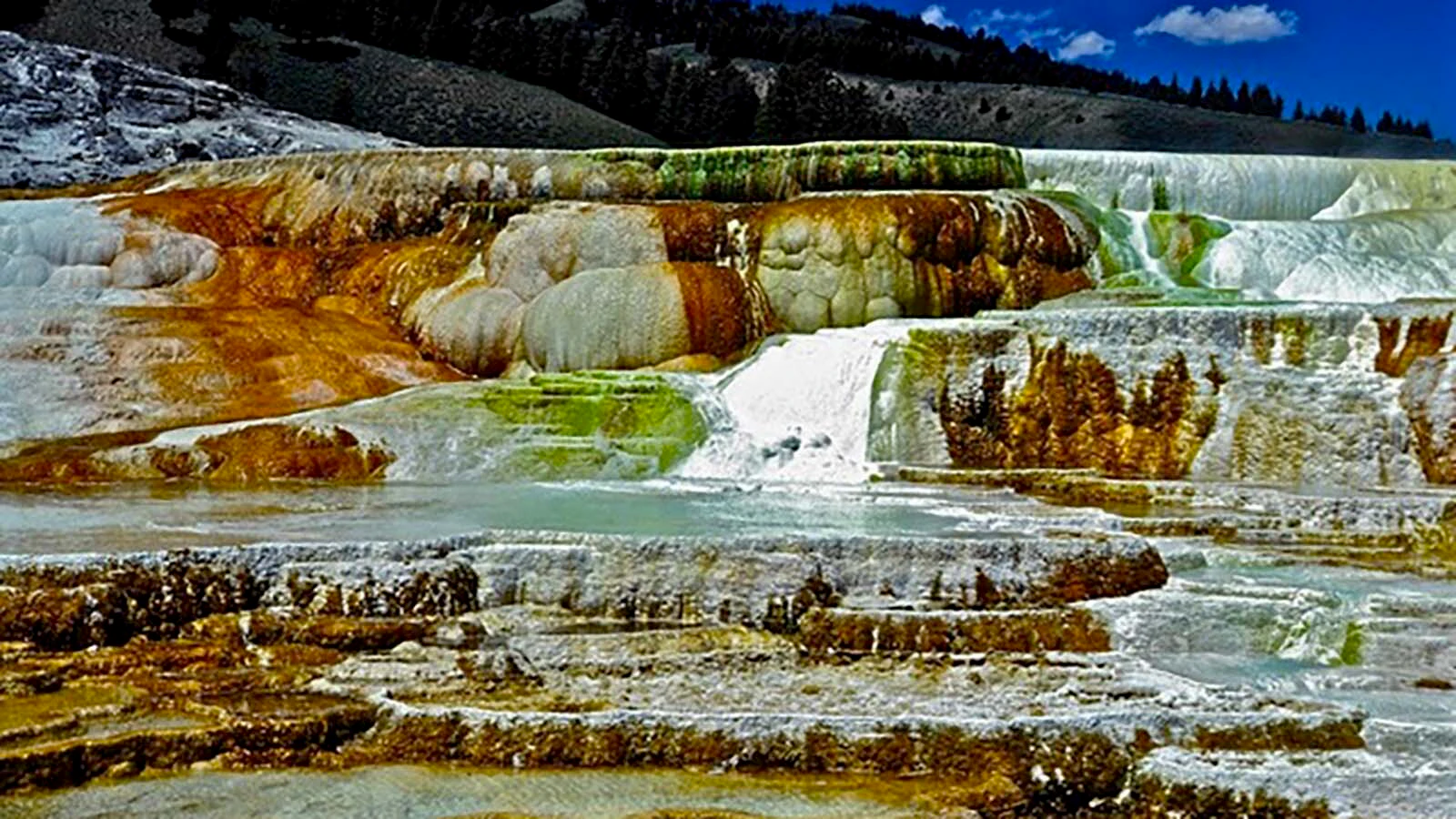
At first, Quayle stuck to closeups. Think bacterial mats, colorful mineral formations, tiny, iridescent insects — all reflecting his interest at the time in abstract art.
“Most photographers would take a leaf,” he said. “I would take the veins in the leaf.”
But over time, Quayle saw that Yellowstone was like this gigantic living creature, breathing, pulsing, moving around.
That could never be captured with microshots of leaf veins and abstract rock patterns.
For the real Yellowstone, Quayle realized he had to do something to widen his scope.
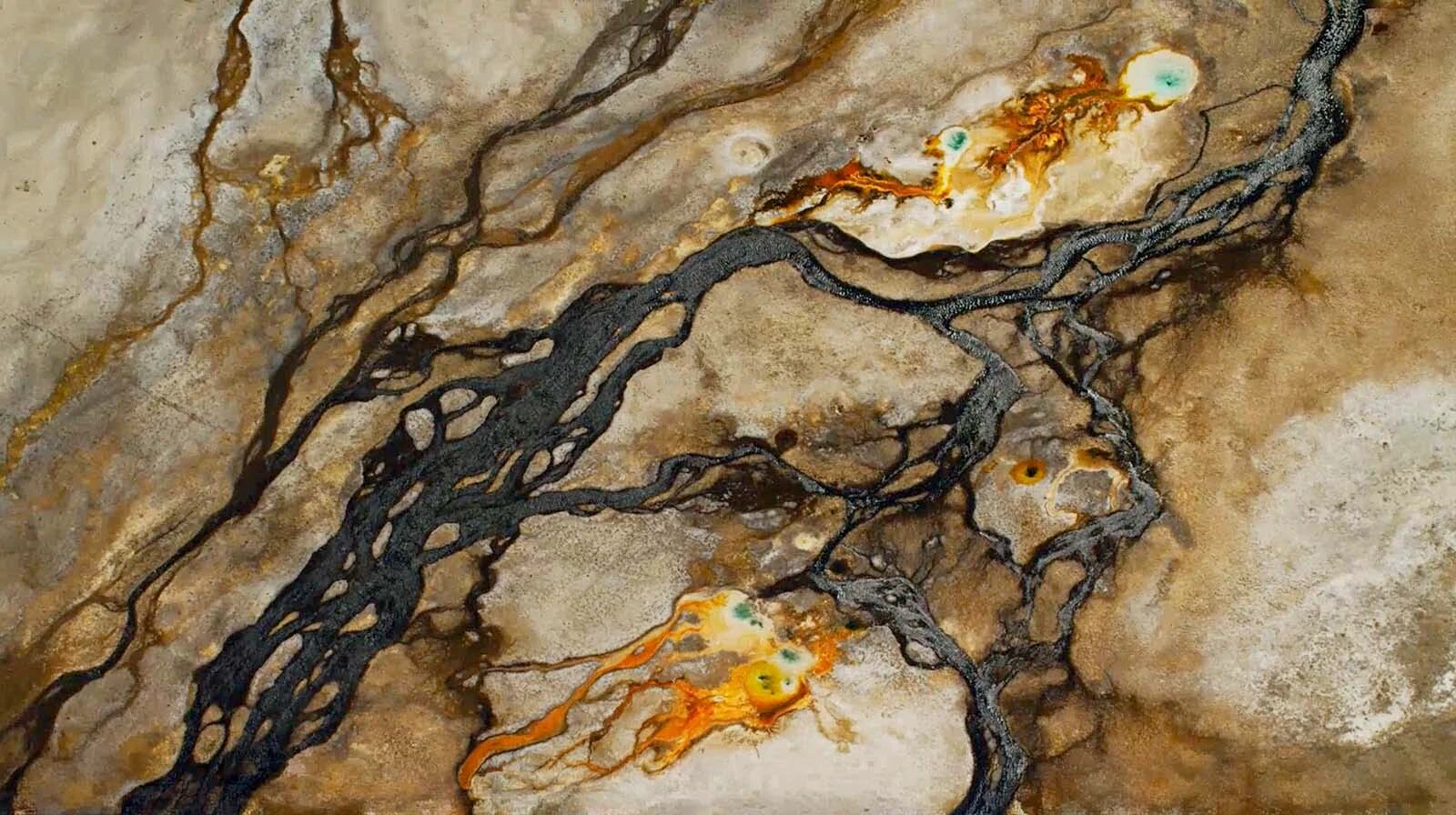
Most see just 5% of Yellowstone from roads and boardwalks. Bozeman filmmaker Stephen Quayle has spent 50 years filming the places most never reach. “It’s like a whole different world,” he said. “You literally wouldn’t know you’re on planet Earth.” (Steve Quayle via "Yellowstone: Above & Below") 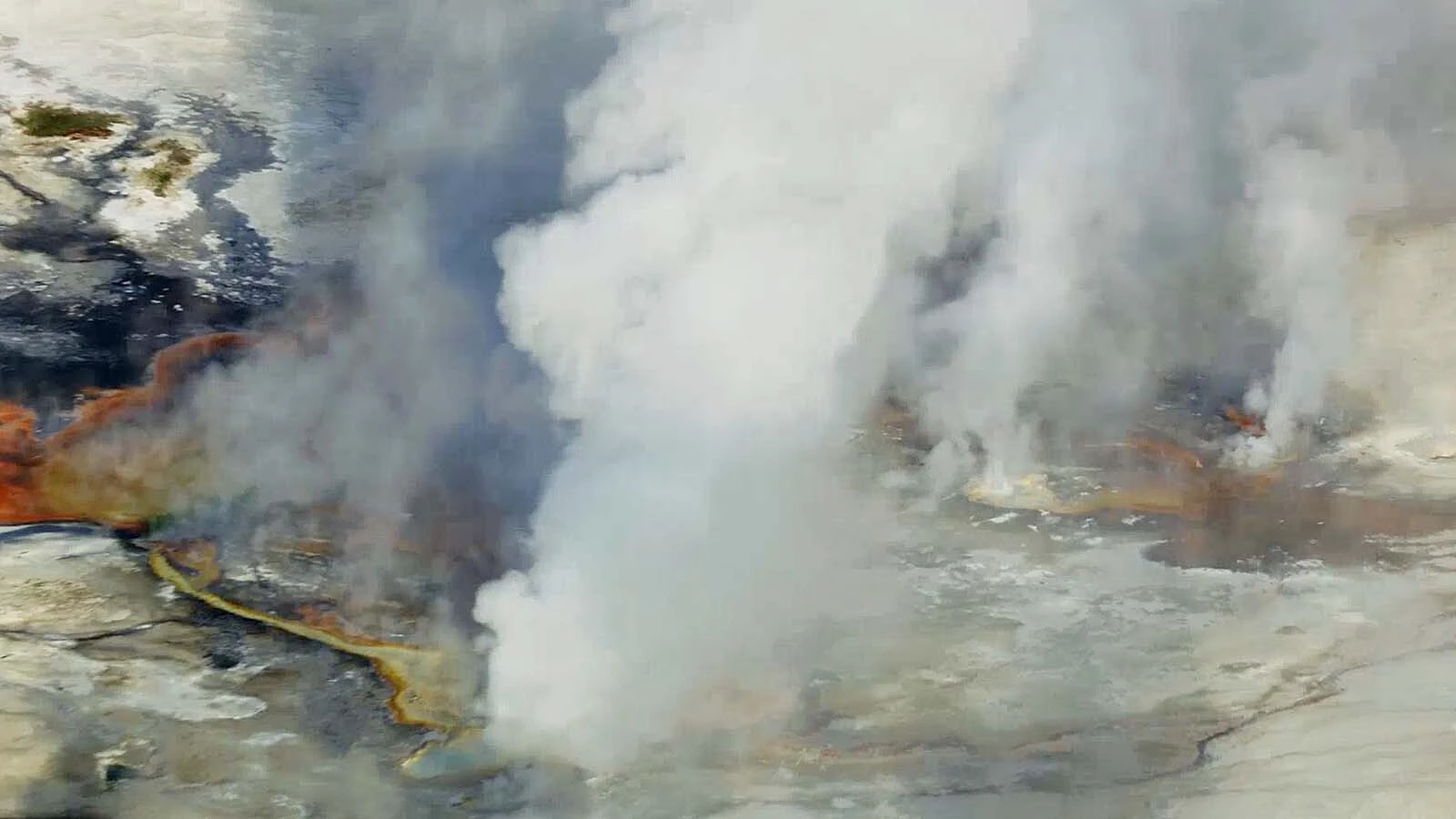
Most see just 5% of Yellowstone from roads and boardwalks. Bozeman filmmaker Stephen Quayle has spent 50 years filming the places most never reach. “It’s like a whole different world,” he said. “You literally wouldn’t know you’re on planet Earth.” (Steve Quayle via "Yellowstone: Above & Below") 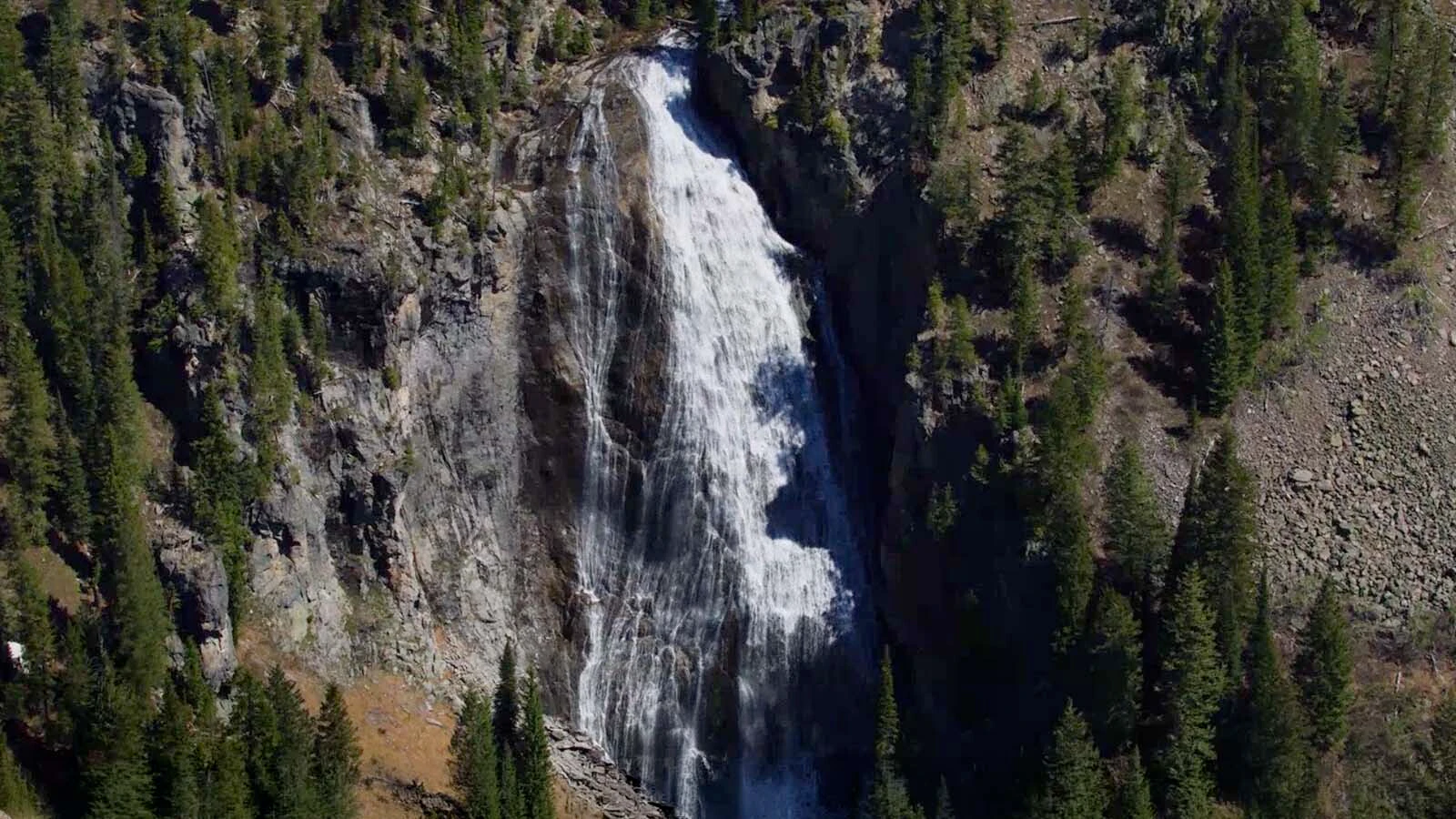
Most see just 5% of Yellowstone from roads and boardwalks. Bozeman filmmaker Stephen Quayle has spent 50 years filming the places most never reach. “It’s like a whole different world,” he said. “You literally wouldn’t know you’re on planet Earth.” (Steve Quayle via "Yellowstone: Above & Below") 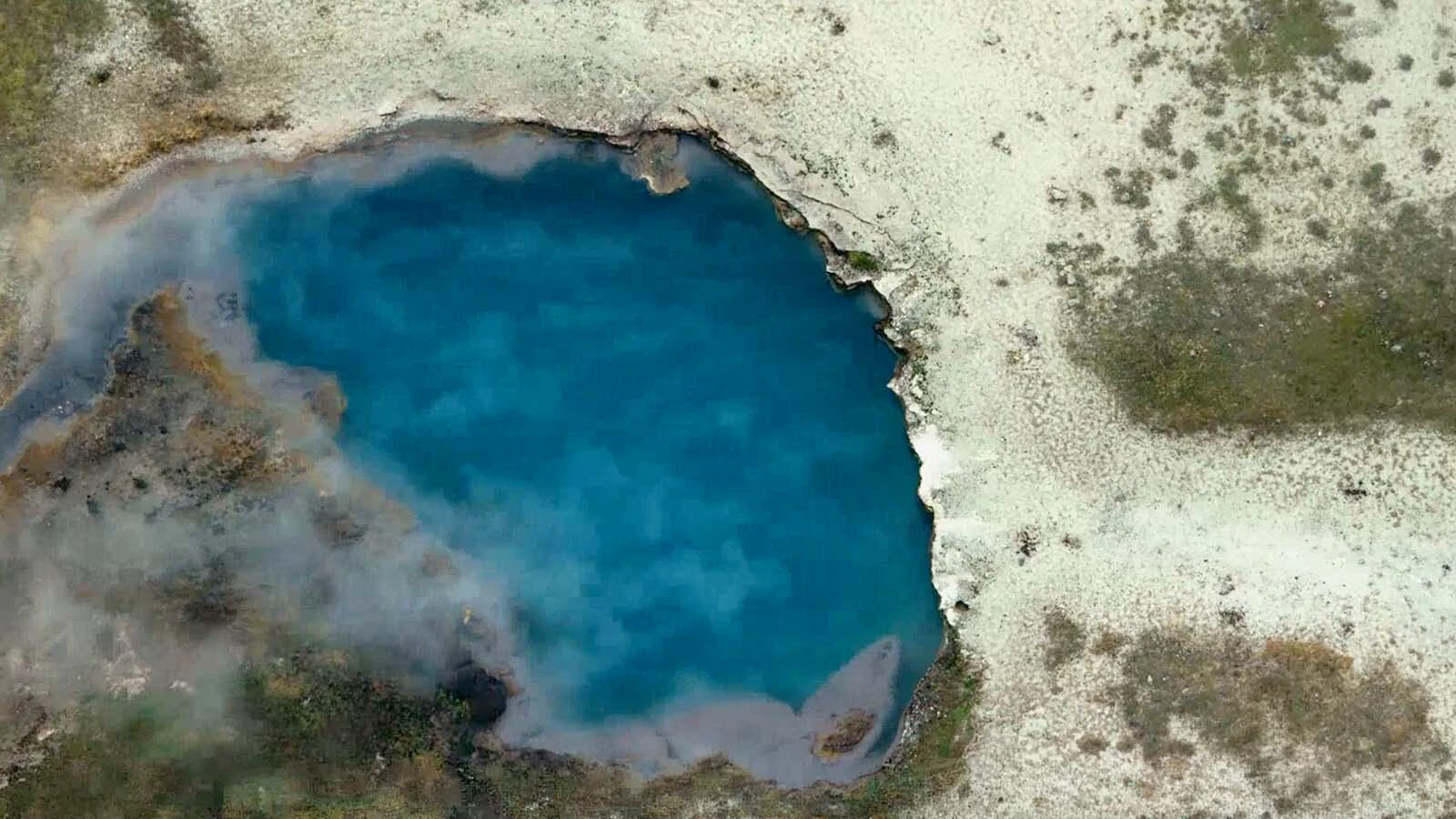
Most see just 5% of Yellowstone from roads and boardwalks. Bozeman filmmaker Stephen Quayle has spent 50 years filming the places most never reach. “It’s like a whole different world,” he said. “You literally wouldn’t know you’re on planet Earth.” (Steve Quayle via "Yellowstone: Above & Below") 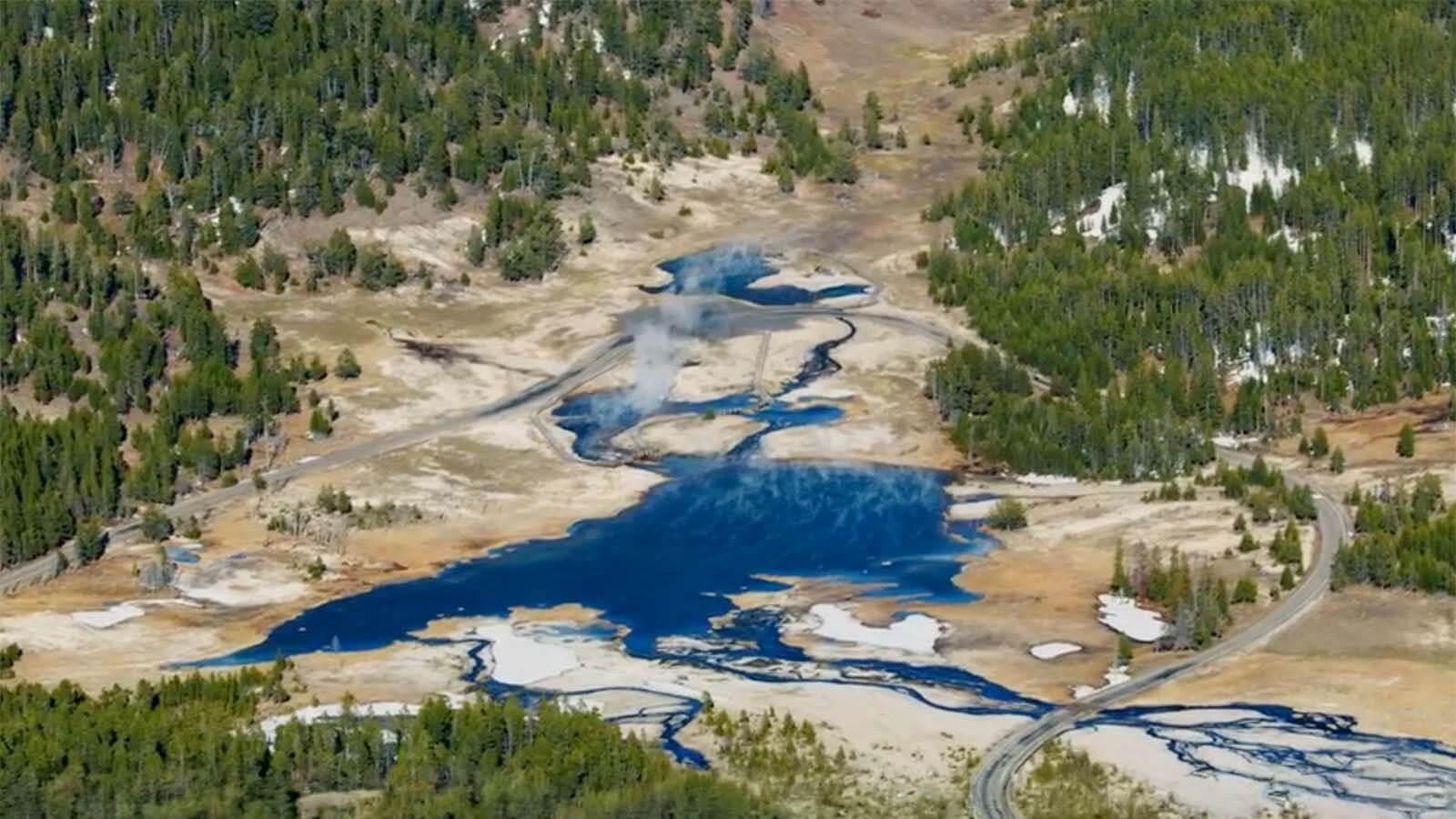
Most see just 5% of Yellowstone from roads and boardwalks. Bozeman filmmaker Stephen Quayle has spent 50 years filming the places most never reach. “It’s like a whole different world,” he said. “You literally wouldn’t know you’re on planet Earth.” (Steve Quayle via "Yellowstone: Above & Below") 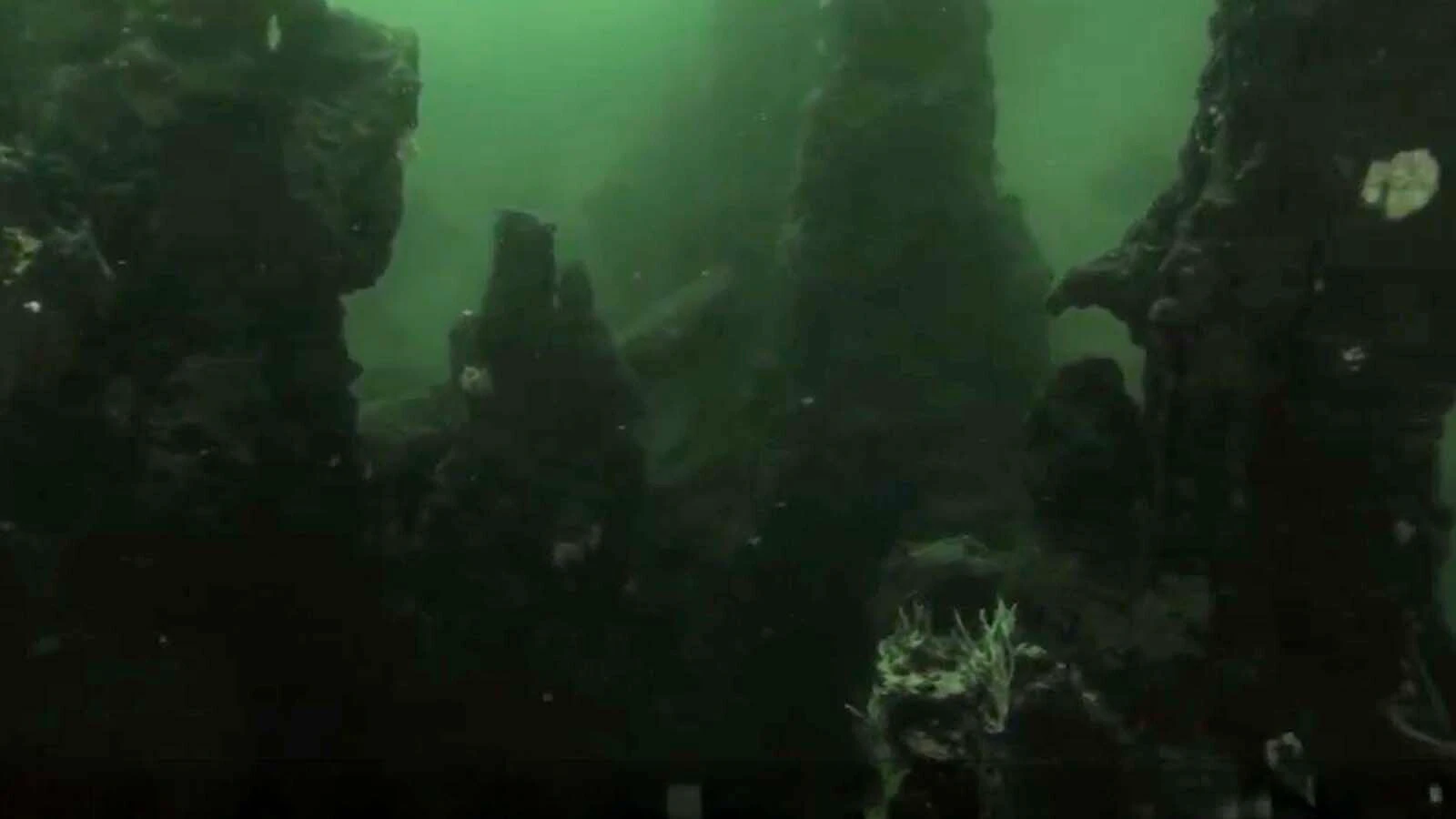
Most see just 5% of Yellowstone from roads and boardwalks. Bozeman filmmaker Stephen Quayle has spent 50 years filming the places most never reach. “It’s like a whole different world,” he said. “You literally wouldn’t know you’re on planet Earth.” There's also another rarely seen landscape under Yellowstone Lake. (National Park Service via "Yellowstone: Above & Below") 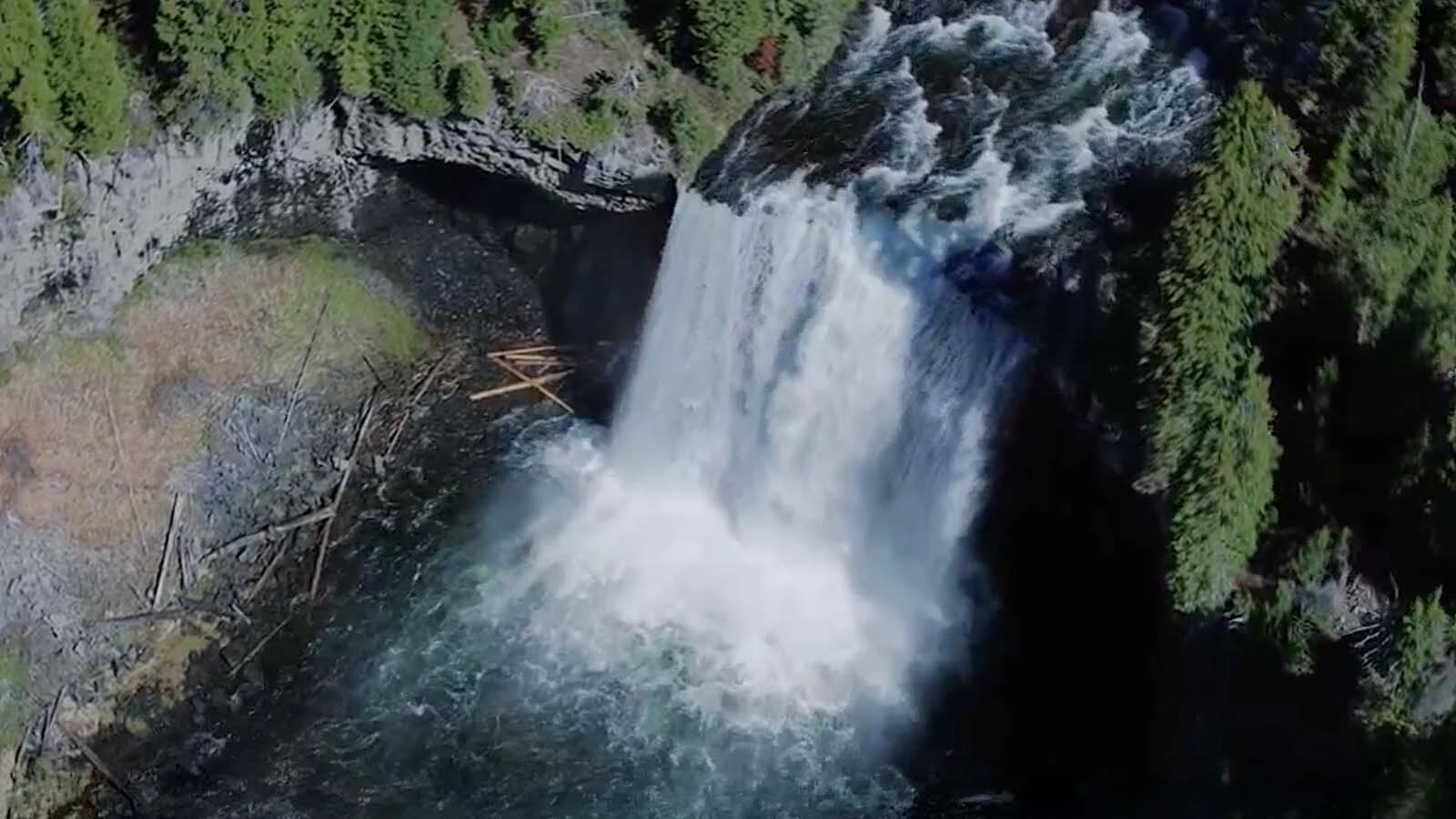
Most see just 5% of Yellowstone from roads and boardwalks. Bozeman filmmaker Stephen Quayle has spent 50 years filming the places most never reach. “It’s like a whole different world,” he said. “You literally wouldn’t know you’re on planet Earth.” (Steve Quayle via "Yellowstone: Above & Below") 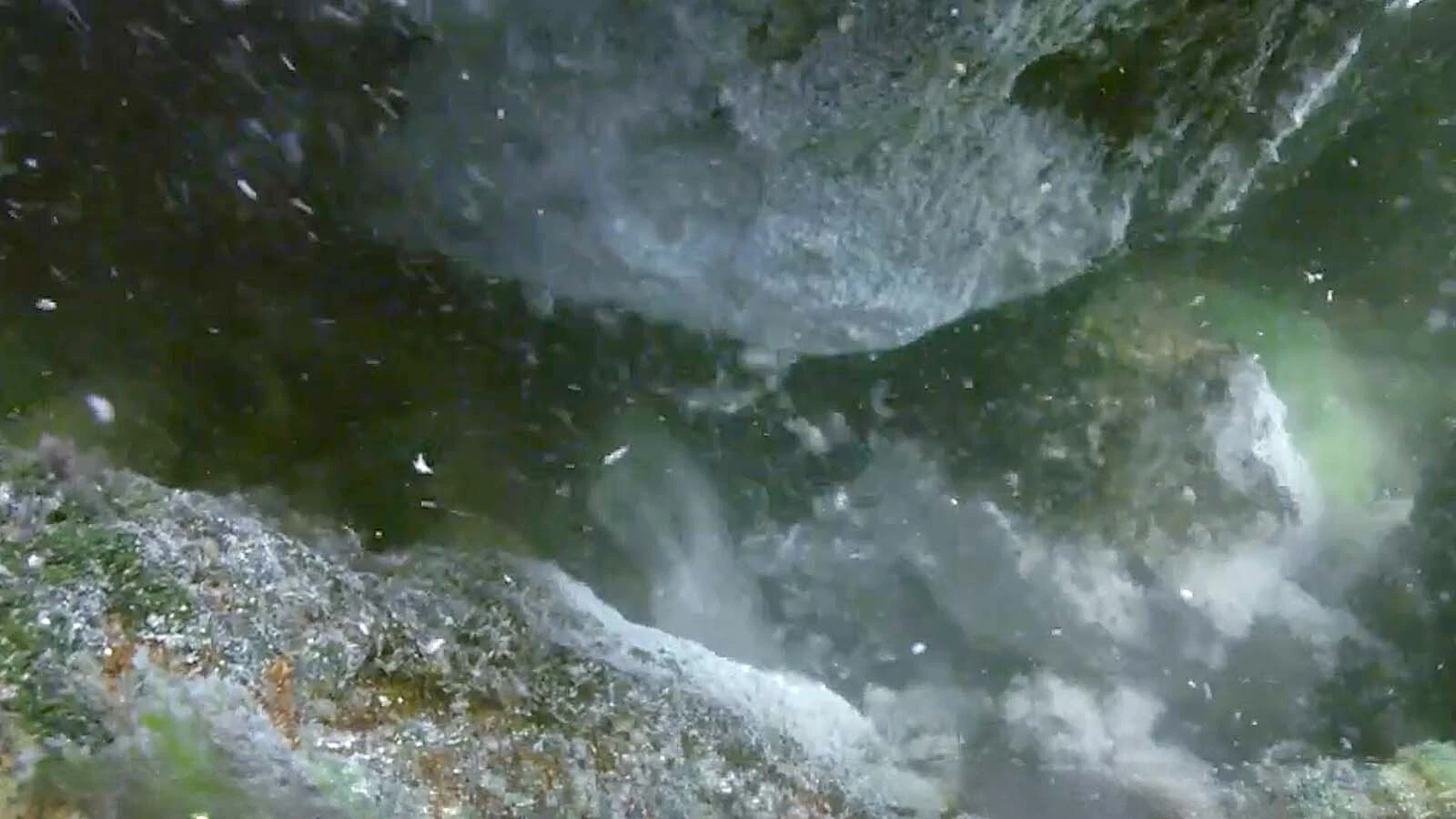
Most see just 5% of Yellowstone from roads and boardwalks. Bozeman filmmaker Stephen Quayle has spent 50 years filming the places most never reach. “It’s like a whole different world,” he said. “You literally wouldn’t know you’re on planet Earth.” There's also another rarely seen landscape under Yellowstone Lake. (Steve Quayle via "Yellowstone: Above & Below") 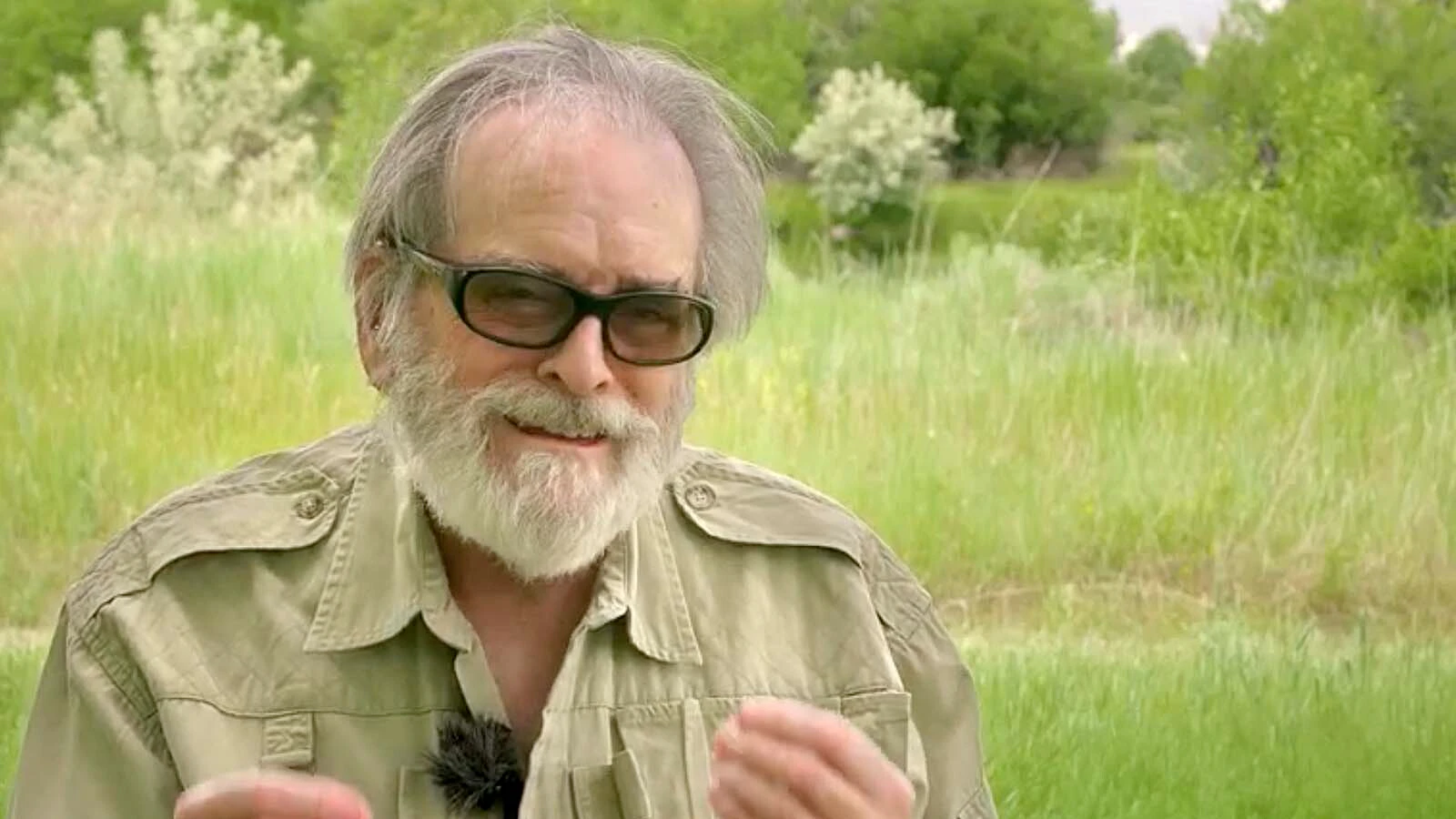
Most see just 5% of Yellowstone from roads and boardwalks. Bozeman filmmaker Stephen Quayle has spent 50 years filming the places most never reach. “It’s like a whole different world,” he said. “You literally wouldn’t know you’re on planet Earth.” (Steve Quayle via "Yellowstone: Above & Below") 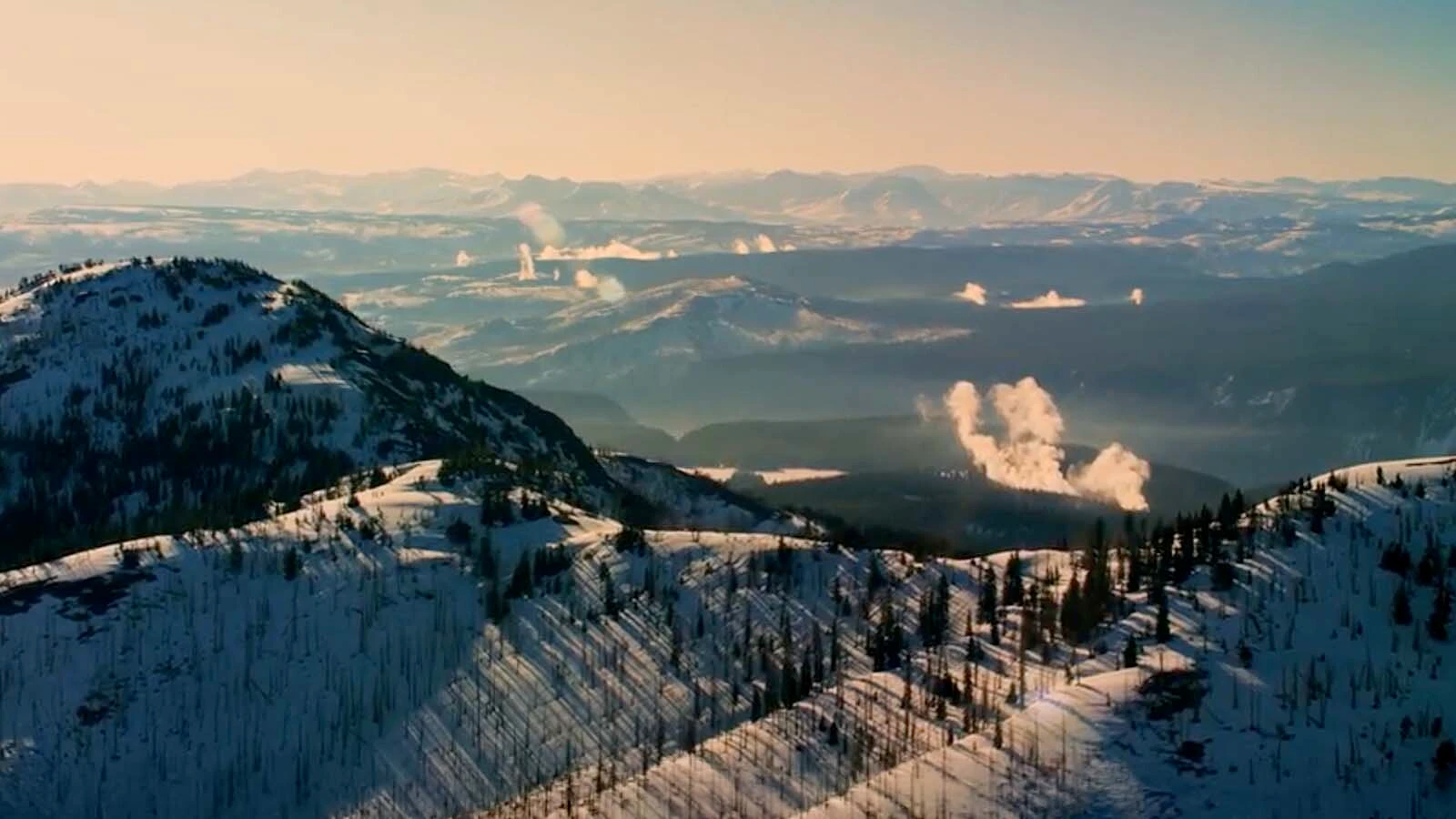
Most see just 5% of Yellowstone from roads and boardwalks. Bozeman filmmaker Stephen Quayle has spent 50 years filming the places most never reach. “It’s like a whole different world,” he said. “You literally wouldn’t know you’re on planet Earth.” (Steve Quayle via "Yellowstone: Above & Below") 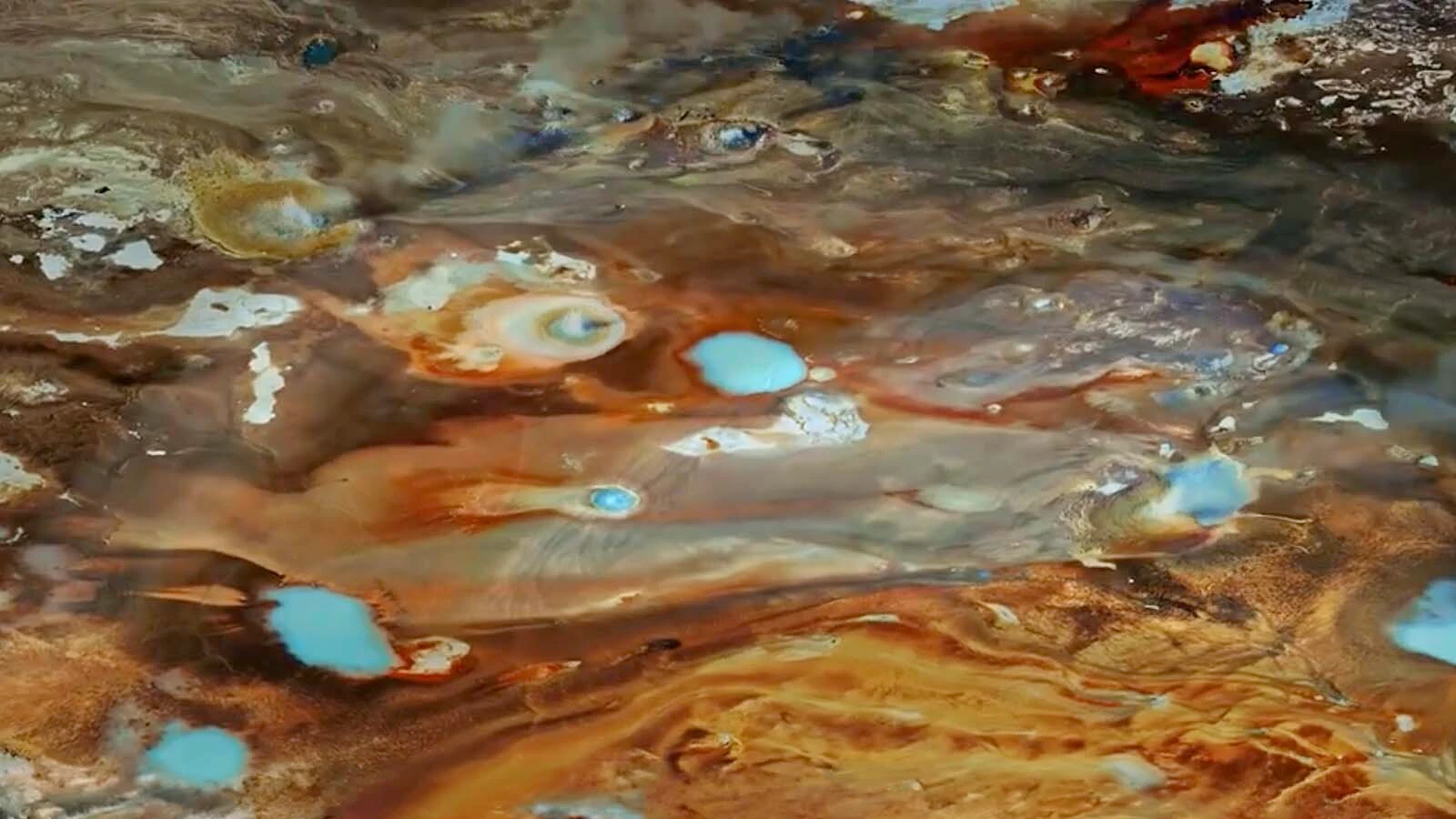
Most see just 5% of Yellowstone from roads and boardwalks. Bozeman filmmaker Stephen Quayle has spent 50 years filming the places most never reach. “It’s like a whole different world,” he said. “You literally wouldn’t know you’re on planet Earth.” (Steve Quayle via "Yellowstone: Above & Below")
A Different Way To See Yellowstone
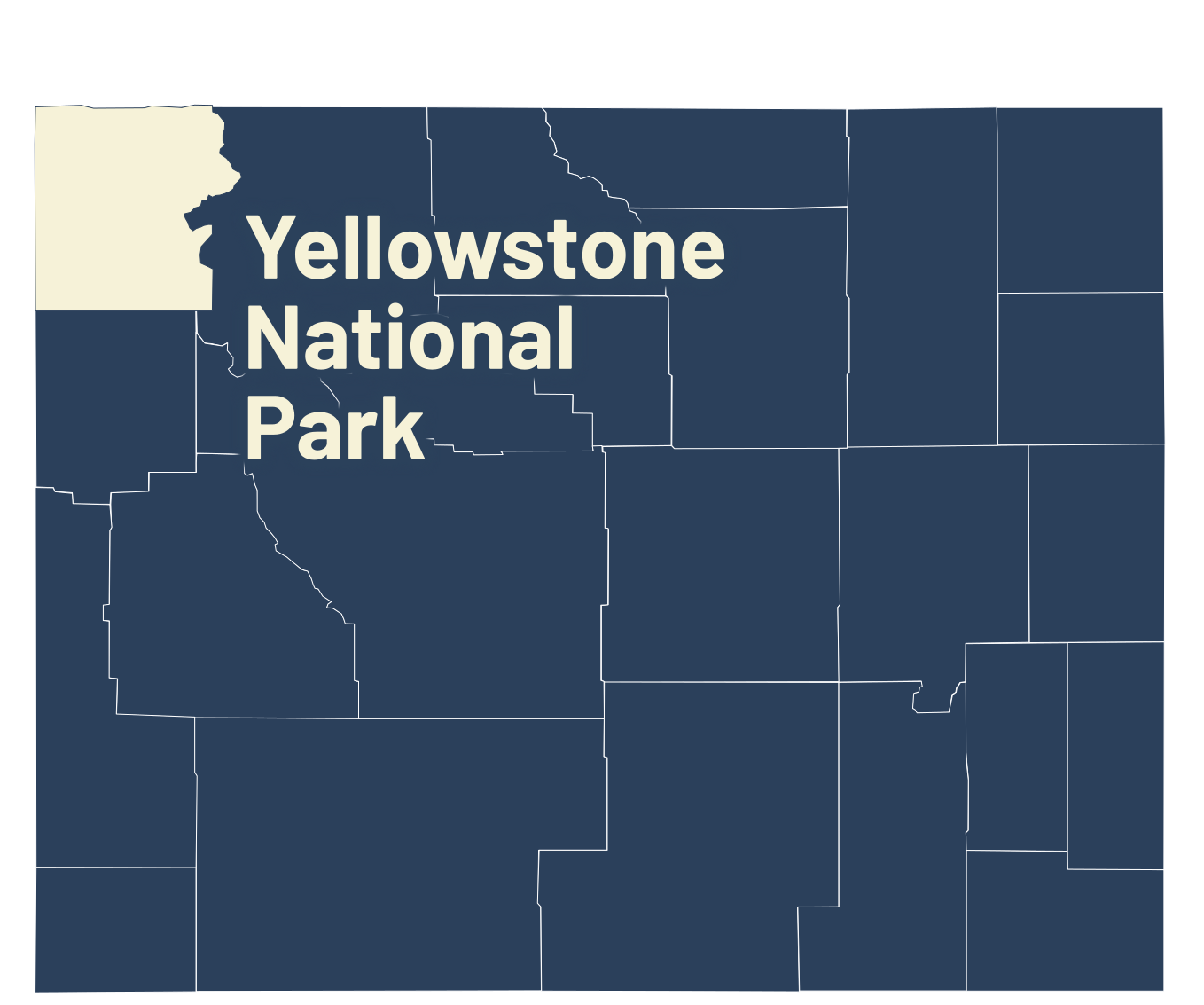
On a map, Yellowstone National Park looks vast, but knowable.
You can drive in and easily hit the biggest, most popular features — Old Faithful, Grand Prismatic, the Canyon — and drive back out with a phone full of photos and a comfortable sense that you’ve now seen Yellowstone.
It’s a beautiful illusion.
For one thing, Yellowstone is among the most dynamic landscapes on earth. Fire and water are shaping and reshaping its landscapes all the time.
The park is also vast — 3,500 square miles — and the majority is too dangerous and too inaccessible for most people’s hiking abilities.
“It’s a matter of practicality,” Quayle said. “Because some of these waterfalls come out of the side of a mountain and you’ve got wolves in the park and you’ve got grizzlies in the park … and the wolves are not, ‘oh they’re so cute,’ and it’s not Yogi Bear time.”
Some areas are even untouchable when it comes to horseback, Quayle added, and the park also has rules on where people can go by horseback, which helps protect fragile areas.
Quayle himself didn’t even realize at first just how much he’d been missing. Until one day he got the idea to take a helicopter ride and look down on this creation.
Yellowstone became a whole new world.
Geyser basins became vast, veined paintings. Rivers resolved into networks tying distant waterfalls together. Thermal scars appeared in forest clearings that had no signs, no names, no crowds.
“It’s like a whole different world,” he said. “You literally wouldn’t know you were on planet Earth.”
Most see just 5% of Yellowstone from roads and boardwalks. Bozeman filmmaker Stephen Quayle has spent 50 years filming the places most never reach. “It’s like a whole different world,” he said. “You literally wouldn’t know you’re on planet Earth.” (Steve Quayle) 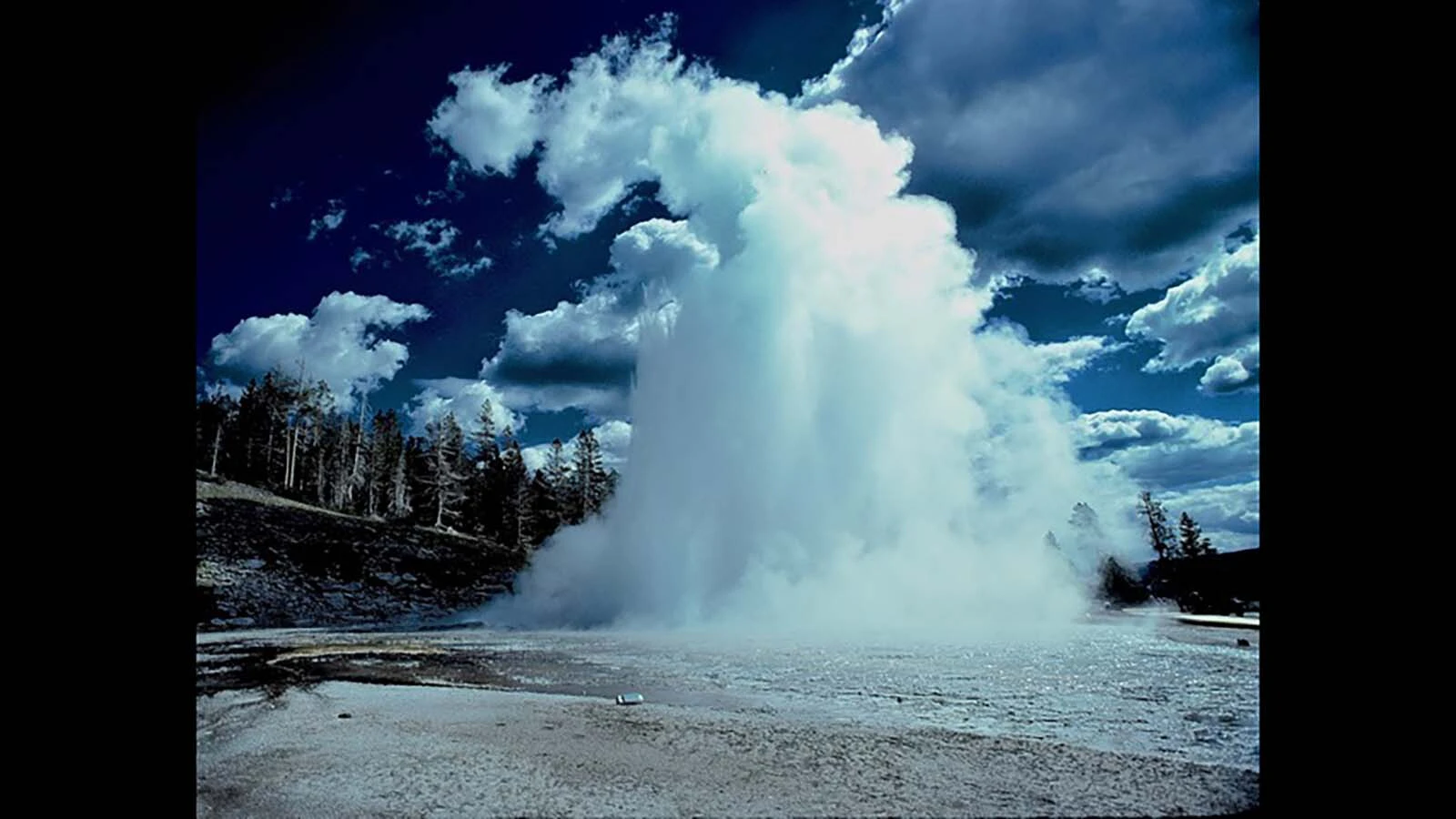
Most see just 5% of Yellowstone from roads and boardwalks. Bozeman filmmaker Stephen Quayle has spent 50 years filming the places most never reach. “It’s like a whole different world,” he said. “You literally wouldn’t know you’re on planet Earth.” (Steve Quayle) 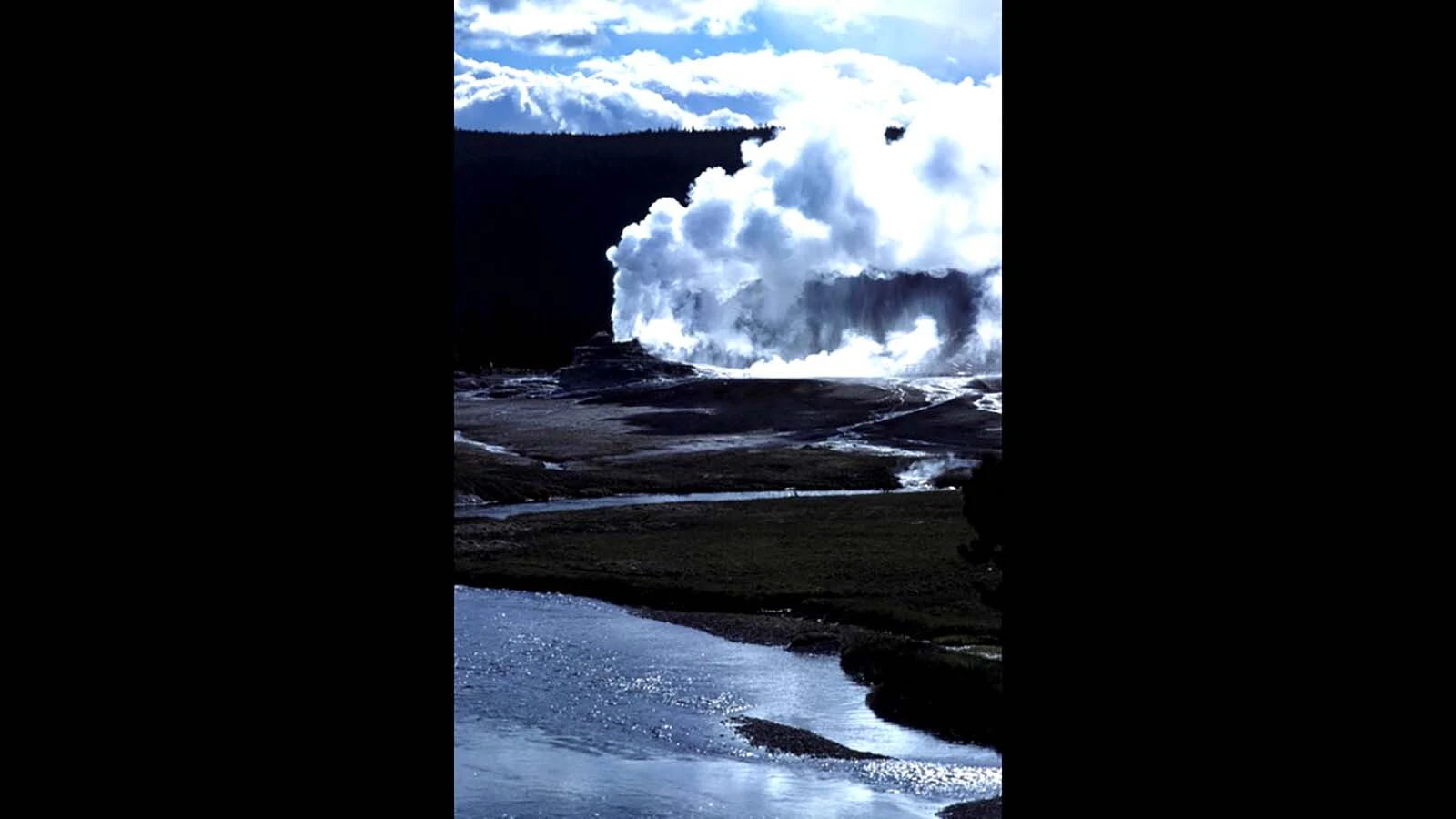
Most see just 5% of Yellowstone from roads and boardwalks. Bozeman filmmaker Stephen Quayle has spent 50 years filming the places most never reach. “It’s like a whole different world,” he said. “You literally wouldn’t know you’re on planet Earth.” (Steve Quayle) 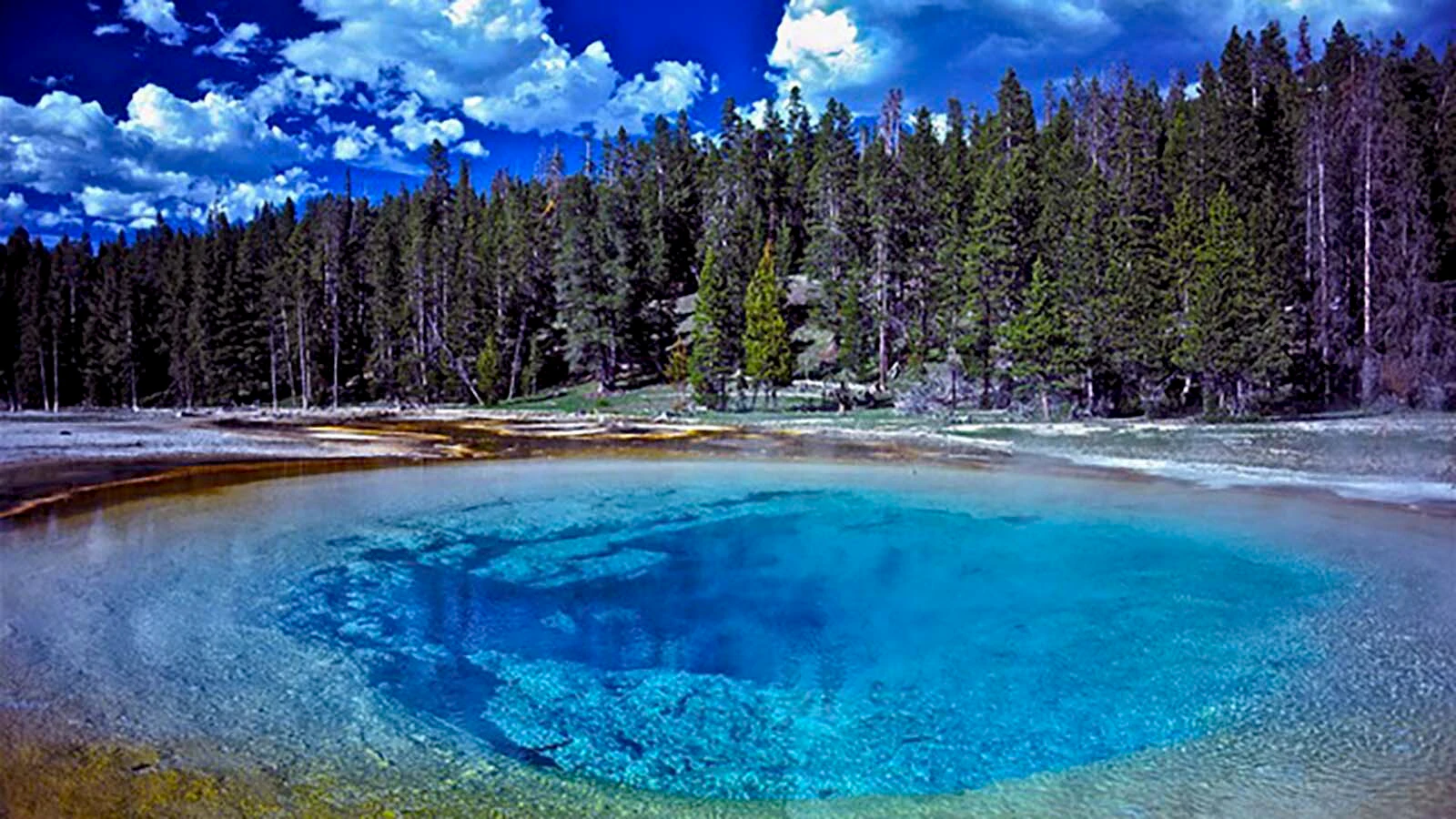
Most see just 5% of Yellowstone from roads and boardwalks. Bozeman filmmaker Stephen Quayle has spent 50 years filming the places most never reach. “It’s like a whole different world,” he said. “You literally wouldn’t know you’re on planet Earth.” (Steve Quayle) 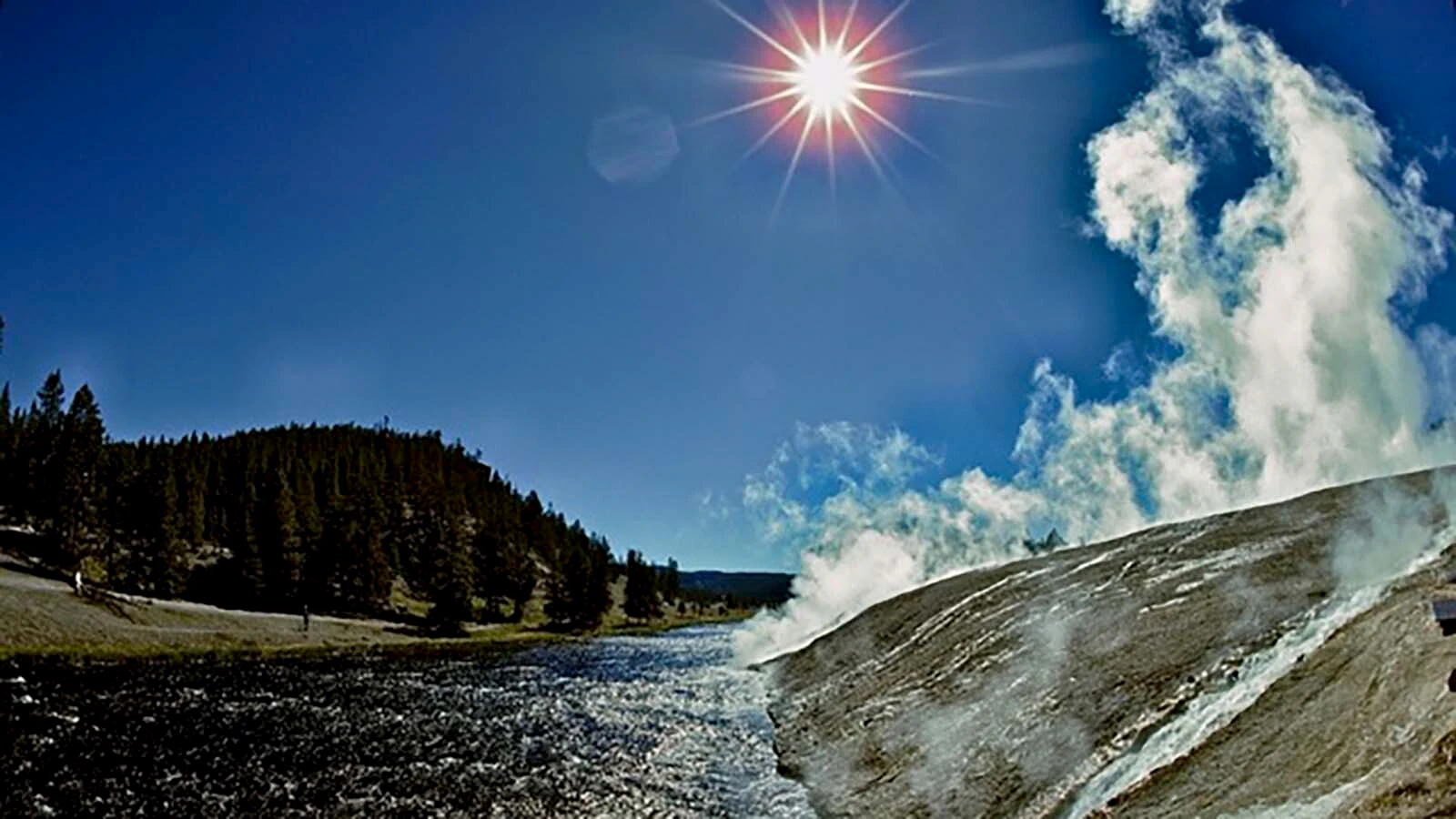
Most see just 5% of Yellowstone from roads and boardwalks. Bozeman filmmaker Stephen Quayle has spent 50 years filming the places most never reach. “It’s like a whole different world,” he said. “You literally wouldn’t know you’re on planet Earth.” (Steve Quayle) 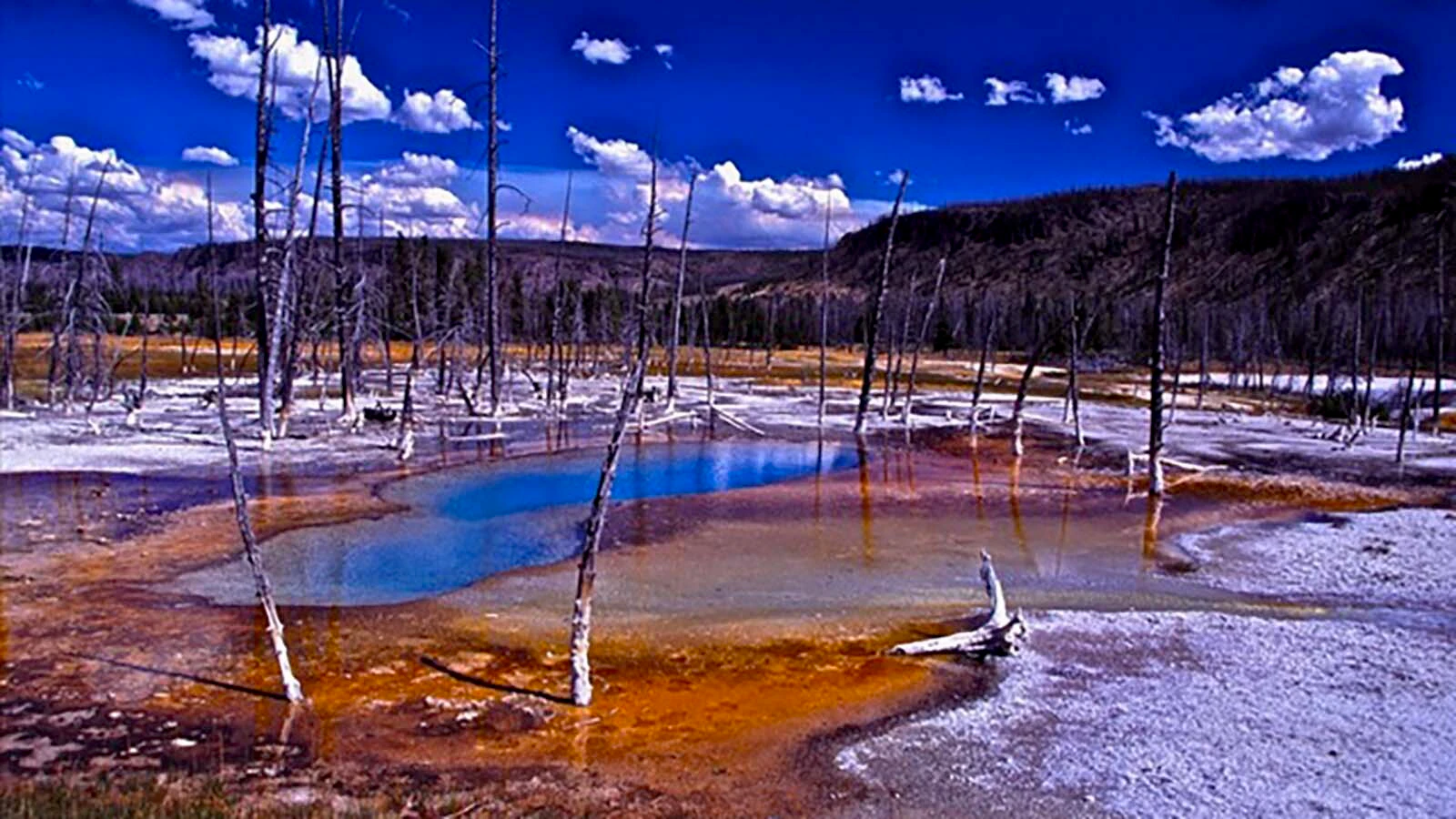
Most see just 5% of Yellowstone from roads and boardwalks. Bozeman filmmaker Stephen Quayle has spent 50 years filming the places most never reach. “It’s like a whole different world,” he said. “You literally wouldn’t know you’re on planet Earth.” (Steve Quayle) 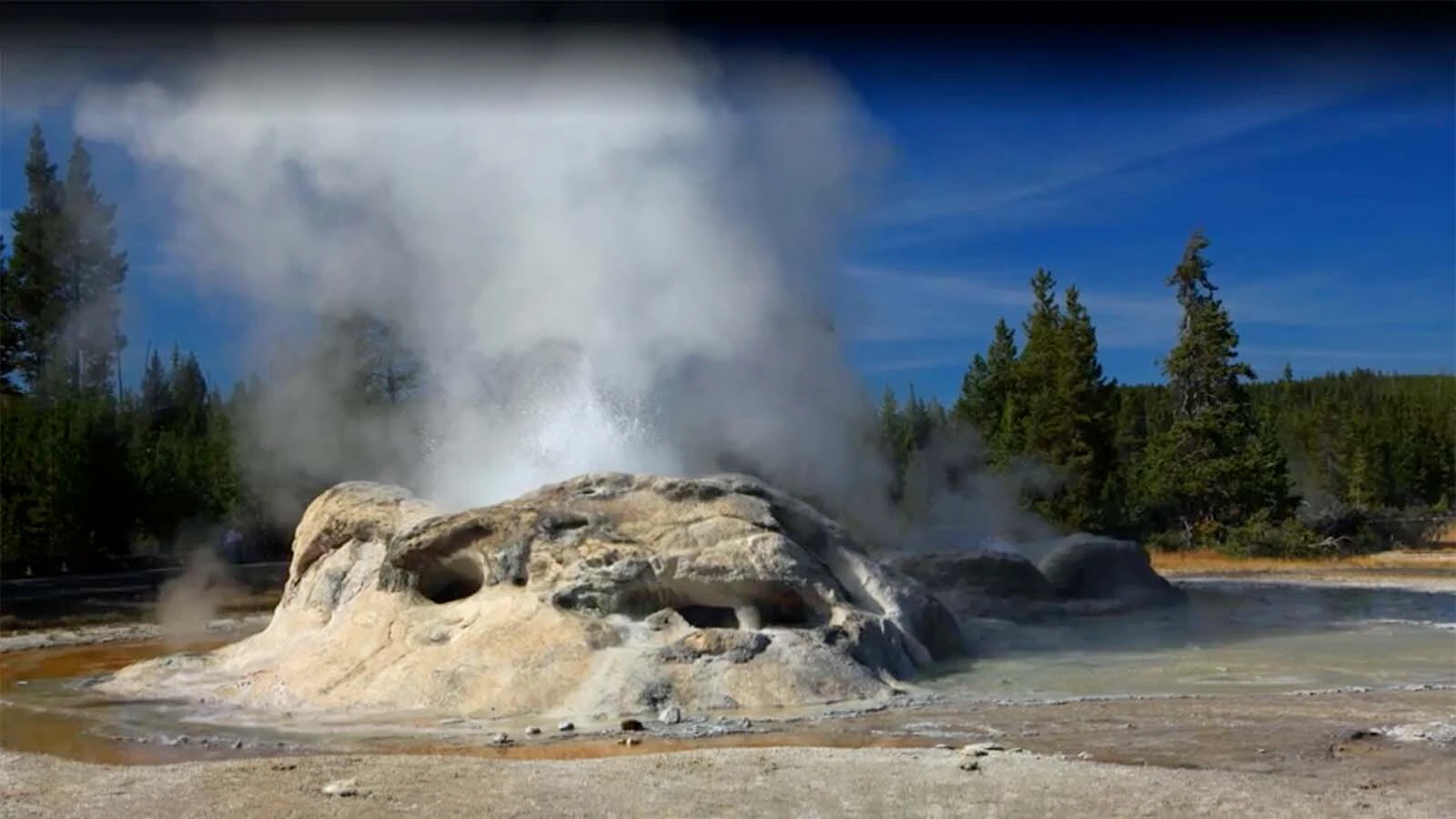
Most see just 5% of Yellowstone from roads and boardwalks. Bozeman filmmaker Stephen Quayle has spent 50 years filming the places most never reach. “It’s like a whole different world,” he said. “You literally wouldn’t know you’re on planet Earth.” (Steve Quayle via "Yellowstone: Above & Below") 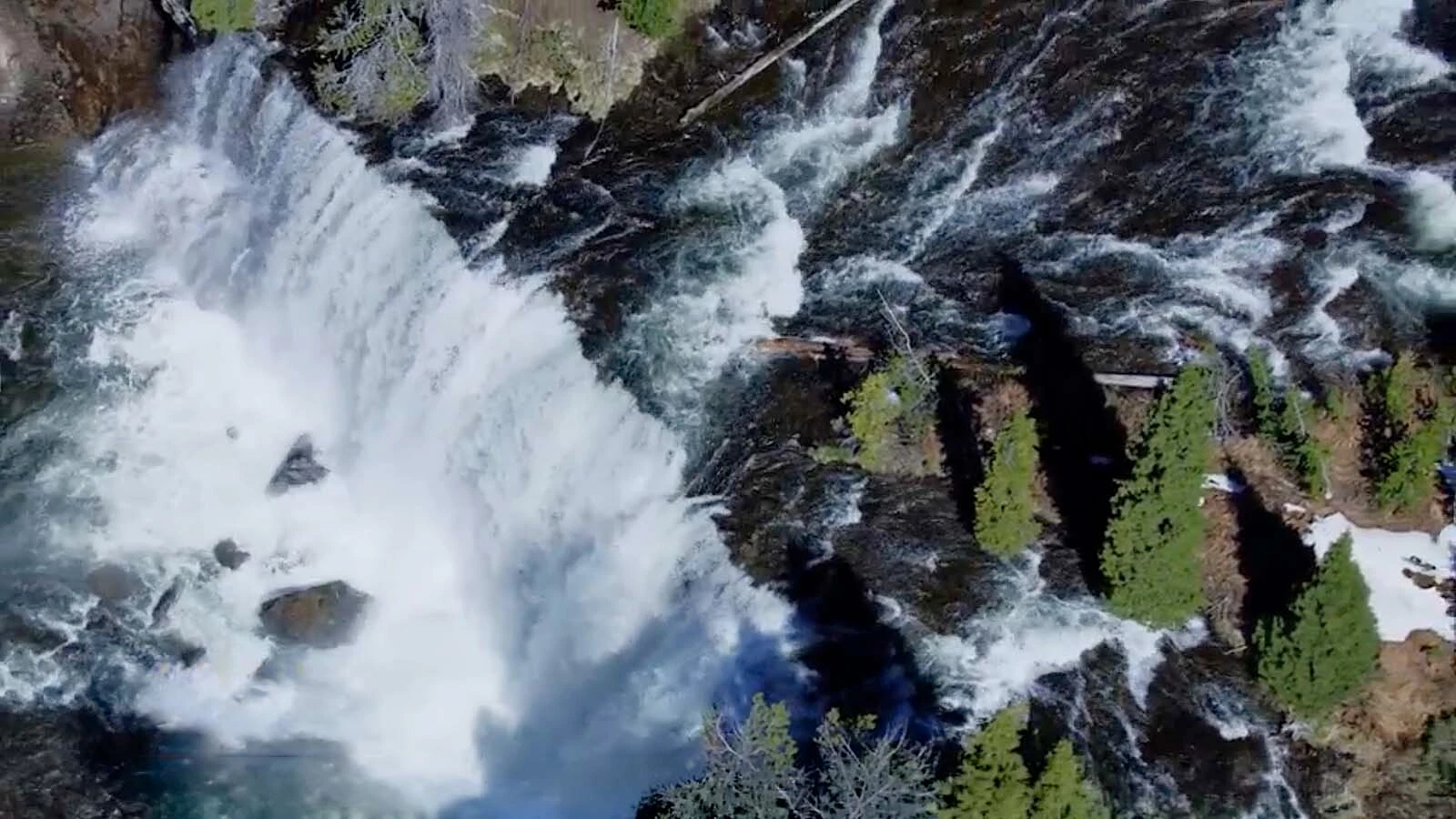
Most see just 5% of Yellowstone from roads and boardwalks. Bozeman filmmaker Stephen Quayle has spent 50 years filming the places most never reach. “It’s like a whole different world,” he said. “You literally wouldn’t know you’re on planet Earth.” (Steve Quayle via "Yellowstone: Above & Below")
Vast, Ever-Changing Landscape
The view from 2,000 feet is ultimately the one that captured and held Quayle’s attention the best.
Waterfalls spilling over volcanic rocks like crystal threads of light into dark and lonely slot canyons and broad amphitheaters that had been carved by wind and water and time.
There were blue-and-white ribbons twisting over black volcanic rock, framed by forests and meadows that melted into the mists of morning. Scenes like this often felt less like sightseeing, and more like eavesdropping on a secret earth, as if he, himself, was an alien.
One time he saw what looked like a perfect, starfish-like form sunning itself in a crystal clear thermal pool.
“Imagine a starfish, a perfect starfish, in water that’s too hot to have any life,” he said. “How do you get that kind of design in geothermal pools?”
Quayle said he’s shared the images with researchers, who are still evaluating them.
Quayle has combined the footage taken from the air with snapshots he’s taken at Yellowstone National Park over a 50-year period, creating a feature-length film he calls “Yellowstone: Above & Below.”
It’s being sold through Quayle’s GenSix Productions website, with DVD and video-on-demand options.
His goal with the film is to help people access even the most inaccessible places in the park, as well as raise funds to help support the park.
Ten percent of the film’s proceeds will be donated to the park’s official nonprofit, Yellowstone Forever, to help fund conservation, education and stewardship of the park.
“Yellowstone is alive,” the film’s narrator says over sweeping aerial shots. “Every breath of steam, every shifting terrace is part of an ancient story written in stone and fire.”
Creating the film has taken Quayle a lifetime, including about four or five years worth of helicopter rides.
“We were in a helicopter for sometimes six and eight hours a day,” he said, a ride that was paid for by the hour. “I mean, it’s a lot of time in the air, but there’s no other way to see it all, to reference it.”
To capture the views, Quayle rented a gyro-stabilized camera system with a long-range lens once used for military surveillance. He also hired Hollywood cameraman Nel Boshoff to operate it.
The camera is so precise, Quayle said, it can focus on an elk 2 miles ahead and then zoom in on its eyelashes.
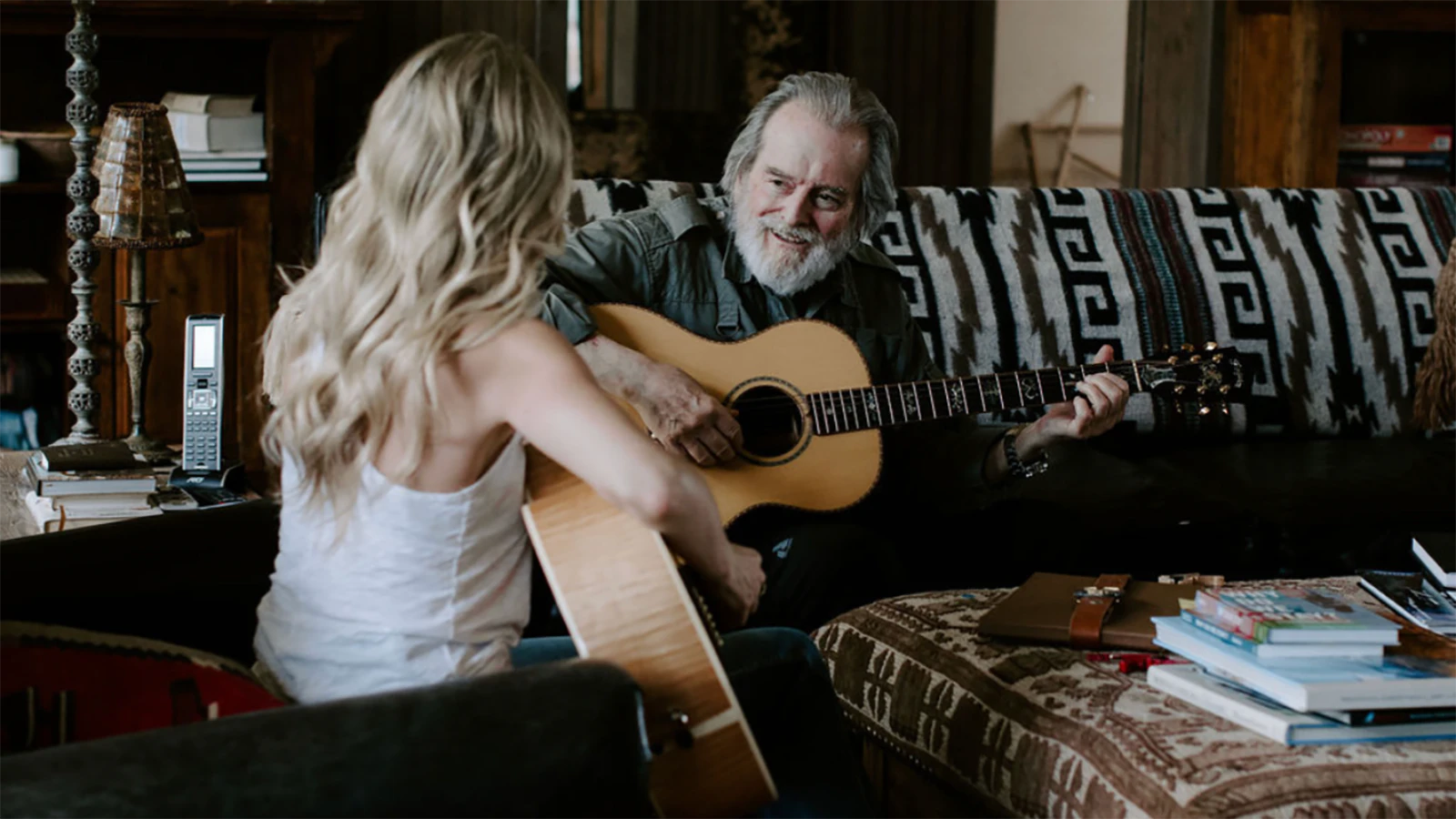
Where Science Meets Spirit
Ask Quayle why he keeps coming back to Yellowstone after 50 years, and his answer lies somewhere between science and spirit.
From above, the branching runoff channels remind him of blood vessels in a human body, and everywhere he sees beauty born from volcanic violence.
“It’s a place of wonder and warning,” he says in the film. “It is fragile, and yet holds the strength of worlds beneath its surface.”
For most visitors, Yellowstone will always mean the 5% everyone else sees — Old Faithful, the canyon, a glimpse of bison in the valley.
The remaining 95% — Quayle’s waterfalls in hidden canyons, starfish patterns at the bottom of a boiling pool, and backcountry geysers with no signs or names — are like something from a dream, revealed by one man’s uncommon obsession.
If the images leave viewers feeling like they’ve gotten as close to the edge of creation as they ever will from a living-room couch, that’s fine with Quayle. That feeling is everything about Yellowstone that he’s ever wanted to say.
Contact Renee Jean at renee@cowboystatedaily.com
Renée Jean can be reached at renee@cowboystatedaily.com.