
Ward 1 Cheyenne City Councilman Larry Wolfe is calling for a dramatic reset in the city’s negotiations with Microsoft when it comes to a proposed 3,459-acre annexation that is roughly one-fifth the current size of Cheyenne.
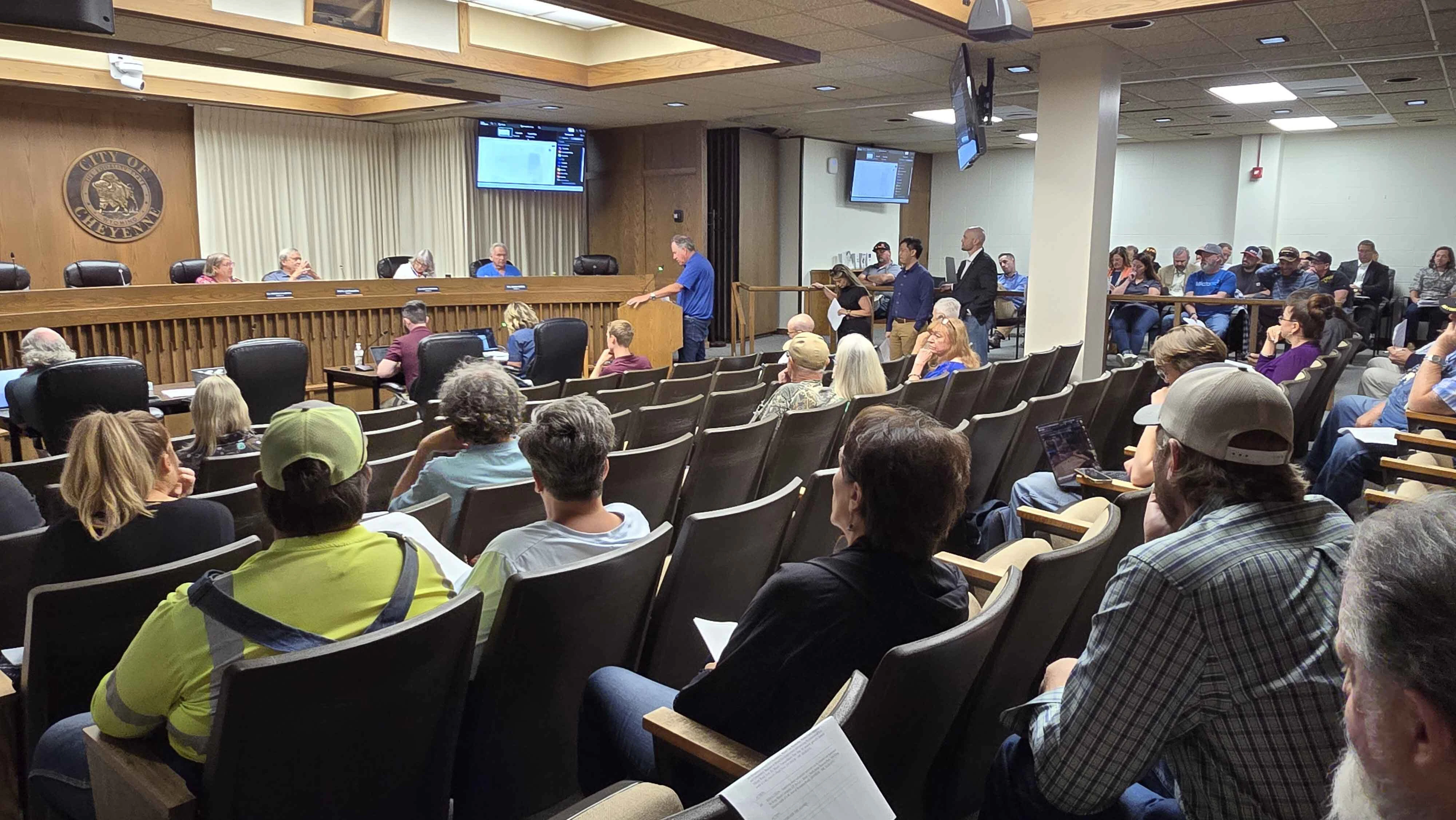
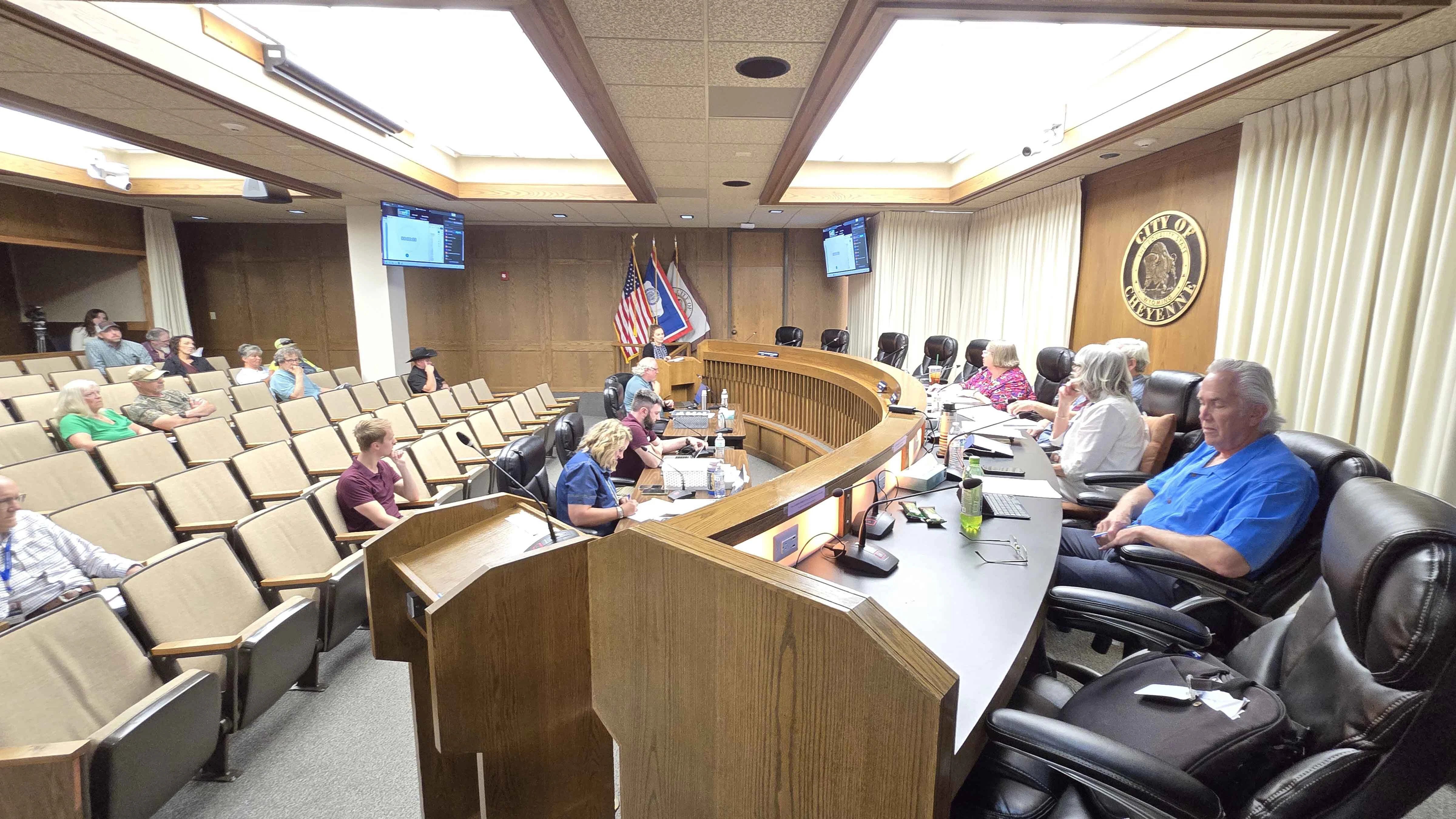
During a Public Services Committee meeting Monday, Wolfe urged the committee to recommend postponing or denying annexation of the property, along with accompanying measures that change the city’s land-use map and change the property’s zoning from agriculture to business park.
That would give Cheyenne time to negotiate a community benefits agreement with Microsoft that Wolfe proposed should be worth at least $50 million.
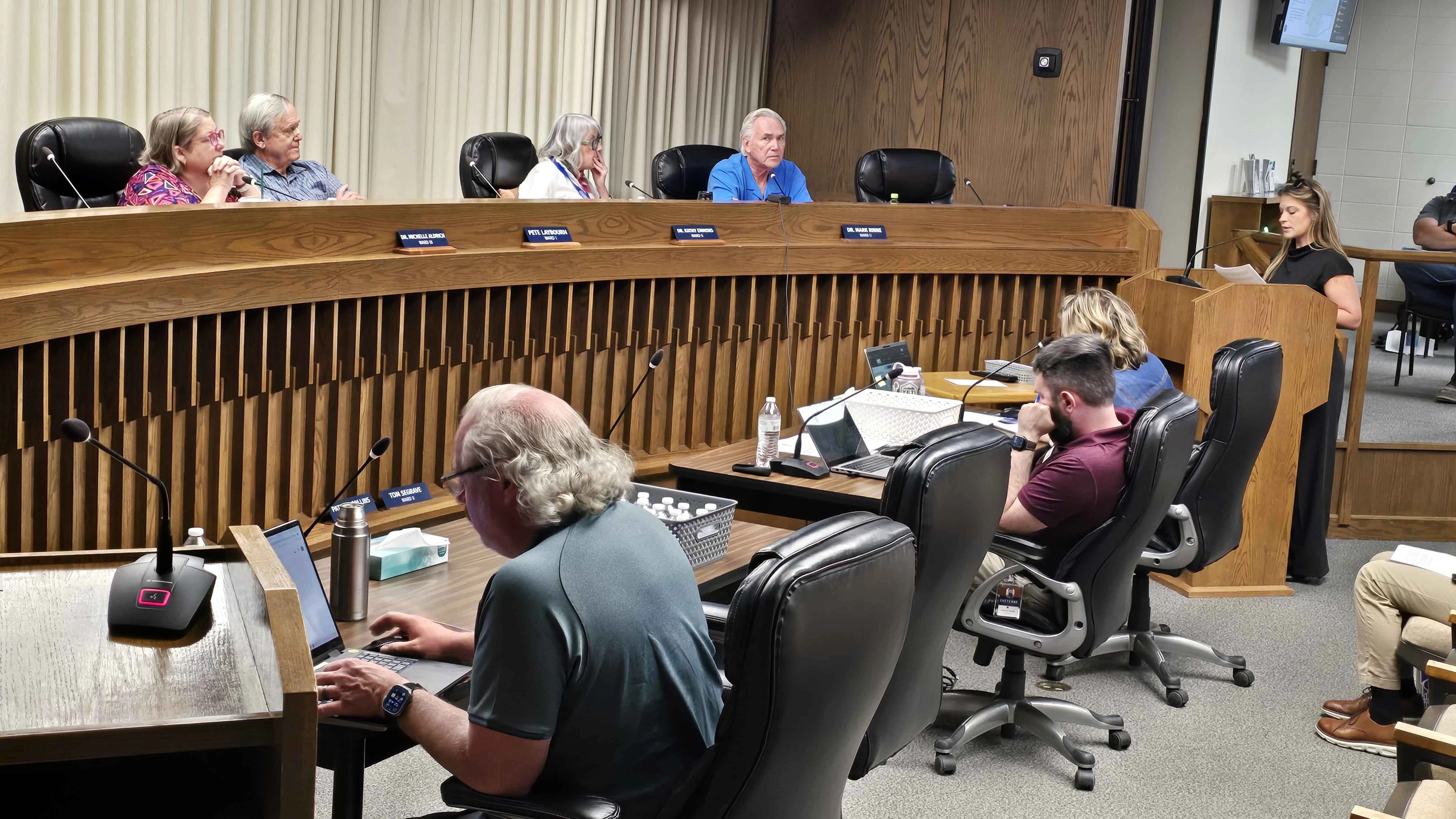
Despite Wolfe’s push, the PSC voted 2-1 to recommend annexation of the 3,500-acre property to the full council, along with zoning changes and future land-use map changes. Councilman Pete Laybourn cast the lone “no” vote on these measures, which will be before the Cheyenne City Council at its next meeting June 22.
What’s In Wolfe’s Proposal
According to Wolfe’s proposal, which was sent to PSC members ahead of the meeting, the $50 million would be payable over the next five years in annual installments of $10 million, commencing July 1, 2027, and continuing through July 1, 2031.
The funds would be for permanent improvements to the city. While the city would consult with Microsoft on the use of the funds, final decisions would be entirely up to the city.
The money could be accumulated for investment on larger, more expensive projects, but would have to be spent by July 1, 2036.
The community benefits agreement would also obligate Microsoft to use state-of-the-art technology to minimize water use and minimize or eliminate emissions, as well as set contractual guardrails on about 40 different items, including traffic, noise, wildlife, social and economic impacts, including affordable housing.
Wolfe: ‘Annexation Is The Battle’
Wolfe, who is not a PSC member, said he opposed the annexation because the company’s development timeline is so far into the future it amounts to today’s city council trying to obligate a future city council, even though the same people might not be on it.
“Things change,” he said. “We don’t know, and we shouldn’t be arrogant enough to think that we know what this is going to look like 10 years from now. And we ought to defer to the city council that’s … sitting in your chairs 10 years from now, to make the annexation decision.”
Wolfe also pushed back on the idea that annexation should be considered separate from the land’s future use.
“Annexation is the battle,” he said. “It’s all one and the same, because, as the chairwoman acknowledged, it’s the commitment of resources of the city. It’s the commitment of water and sewer resources. So this is where … the battle should be fought.”
Ward 3 Councilman Mark Moody, who is not a member of the PSC either, also spoke during the 4.5-hour session. He focused on property rights, saying council members should also be mindful of the rights of surrounding property owners as far as what gets developed.
“When constituents talk to me, they really have said we need to slow down,” Moody said. “That’s from — a lot of them are not here, a lot of them are working. We have to look at that aspect there.”
Moody also suggested the gold mine opening west of town escaped protest because it went through the state’s industrial siting process.
More Analysis Needed
Meanwhile, Councilman Pete Laybourn, who cast the lone dissenting vote, acknowledged that data centers have helped Cheyenne’s business parks and have helped the city thrive for the past 25 years.
The property owners, too, are “incredibly distinguished members of our community who have done an awful lot for us,” he added.
Cheyenne has only had one other annexation of comparable size: the Sweetgrass annexation. That annexation, Laybourn noted, came with an extensive analysis of all the issues involved in bringing a major area into the city.
“It’s very interesting,” he said. “Same property owner, same city of Cheyenne agreement, but (this time) we’re not hearing anything like that. Where are the roads going to go? What are the arrangements that are going to be made? And it’s been pointed out a few minutes ago here that we’re making a decision that’s going to be way off in the future.”
The development arc being far into the future would be OK, Laybourn suggested, if more detail was available about the property’s future.
“Where are the conditions that we need to put onto an annexation agreement, so that it’s well understood going into the future?” he said. “I know we’re going to get to the questions of the planning commission that I attended here not too long ago for five hours, and when we get to that we can take a look at why the planning commission felt so strongly that there are questions here they didn’t get answers to and that they wanted to.”
Too Many Missing Details
The area in question has unique considerations, Laybourn added, because it’s part residential, part agricultural, part in the county, and part in the city.
“We have all seen, if you’re driving out South Greeley Highway, a lot of activity going on in the county that isn’t directly involved in this annexation,” he said. “But it is nearby, so I want to caution us that we don’t have to hurry with this. We need to really think about this.”
The conditions of an annexation, spelled out in state law, include a requirement that the action is beneficial for the health, safety and welfare of people residing in the area.
“Other people might interpret it one way,” he said. “I interpret that as being a broad call to us to really think about what we’re doing and the effect that it’s going to have on our city.”
Laybourn also signaled that he’s receptive to Wolfe’s idea, saying, “I just heard some very sensible language proposed by my fellow councilman from Ward One in regard to the economics of this situation, because what we’re dealing with is unprecedented and almost unimaginable corporate wealth.”
Laybourn added that an evaluation of whether the annexation is good for Cheyenne has to include a broader look at all of the factors involved.
“Our governor suggests in his recent executive order, ‘whereas Wyoming’s local towns and city councils and county commissioners have the power to protect community interests and further mitigate siting and nuisance issues that may arise from large industrial development',” Laybourn said. “These are the reasons that I’m going to be voting ‘no’ today. It’s a choice that I think we have to carefully consider.”
Ranchers Have Property Rights, Too
A forceful defense of property-owner rights came from Cindy Delancey, a large landowner in Laramie County who said she’s one of the owners involved in the 3,500-acre land deal with Microsoft.
Delancey said she hadn’t planned to speak, but felt compelled after hearing people argue that agricultural land should be preserved at all costs. The framing ignores the economic realities she and her family face.
“My family, we have our ranch for sale,” she said. “Agriculture is hard. We can’t get fertilizer. Cattle prices are high, but so is everything else … everything is expensive.”
Landowners need flexibility to partner with projects or sell if it makes sense for their operations, she said.
“Private property rights used to matter to us in this state,” she said. “We’re not serfs. We’re not bound to the land like it’s the 14th century. If we feel as large landowners that we need to make decisions for our operations, we should be able to do that.”
Wyoming Is ‘Always In A Drought’
Many of the same objections to data centers that have been raised in previous meetings surrounding the Microsoft land deal were made again.
Residents and speakers such as Jana Tolman and Donna Presto warned that Cheyenne is “always in a drought” and questioned whether the city truly understands long-term water impacts.
One speaker cited a neighbor whose rural well had to be deepened from 600 to 900 feet — at a cost of $120,000 — due to declining groundwater. They suggested draining local aquifers to serve industrial growth would be irresponsible.
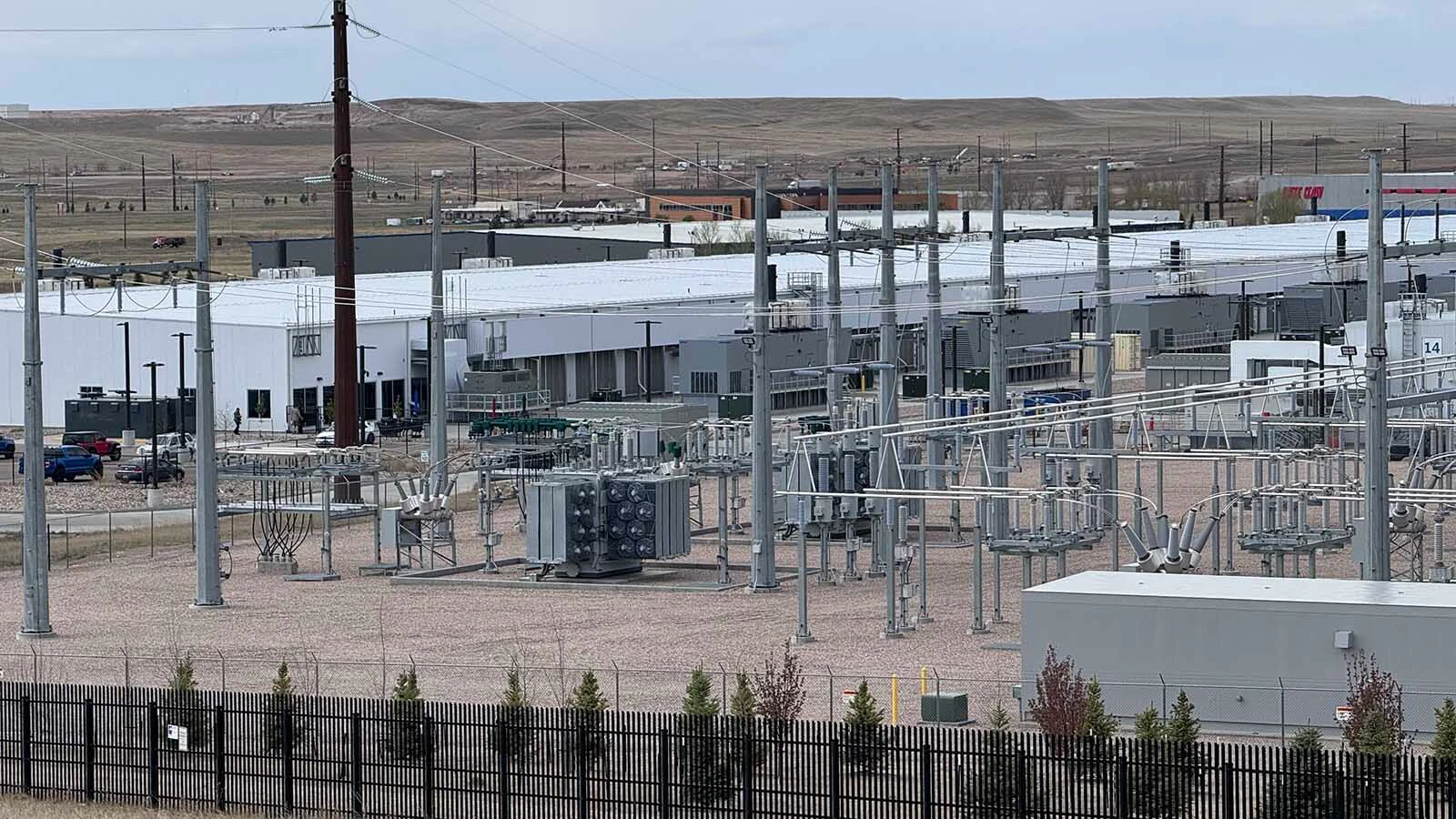
Microsoft officials pushed back on that narrative, saying all of their new data centers will use recirculating cooling systems, which operate a little like a car’s radiator system, recirculating a mixture of water and propylene glycol, a food-grade, non-toxic coolant.
Harmony Meadows resident Heather Madrid, meanwhile, asked how it could be possible to find that annexing the land is beneficial to the city when Microsoft has no plan laid out for the parcel.
“Microsoft cannot tell this community or the council how many buildings there will be and therefore they cannot predict water usage,” she said. “They cannot predict how the grid will be impacted, and how wildlife in the ecosystem will be protected without having a plan. It is impossible to prove that this annexation is protecting the health, safety, and welfare of the community, which is not a simple suggestion. It’s one of the criteria required by law when considering annexation.”
Annexing the property now amounts to a blank check with zero guarantees, she said.
“It’s been stated that Microsoft has been a good community partner, but corporate philanthropy does not excuse them from following the same rules and regulations as other companies,” she said. “It does not replace proper planning. If the developer cannot provide concrete numbers or even a good guess on infrastructure strain, they are not ready to be annexed. Please recommend a ‘no’ vote, or at the very least, a postponement until a complete plan is presented.”
Supporters Tout Life-Changing Careers
While critics warned of water shortages, spiking electricity rates, and noise problems, a steady stream of supporters talked about how data center projects have changed their lives and the lives of their families.
One electrician said work on the west-side campus allowed him to move back to Cheyenne after years of chasing construction jobs around the region, while others described friends who went from low-end retail and food-service jobs into six-figure careers.
“The thing I value the most about this opportunity is that it allows me to stay local,” Cheyenne resident Micah Snyder said. “I’m happy to be home every night. My wife really appreciates that. And, as a single-income household, she’s still able to stay home and raise our kids on the income from this opportunity.”
David Zook, meanwhile, came to Cheyenne from the East Coast in 2013 to help build the city’s first data center.
“I’ll be honest. Before accepting the job, I couldn’t have pointed to Cheyenne on a map,” he said. "But I took a chance, drove West, and it changed the entire trajectory of my life.”
Every new data center has a human side, he added.
“Behind every new building, every expansion, every project, there are people like me, whose lives and families are shaped by the opportunities created here,” he said. “When I moved to Cheyenne, I was a single guy starting a new chapter. In 2015, I met my wife and a year ago yesterday, we welcomed our daughter into the world.”
The family bought a home in Cheyenne in 2018. Now, this July, they’ll move into a bigger home, with more space for their growing family.
“Cheyenne isn’t just where I work, it’s where I’ve chosen to put down roots,” he said. “I really love it here. I’ve watched Microsoft grow in this region, and I’m proud of the work we do.”
While there have been many claims that data centers don’t employ many people, they have ripple effects throughout the economy that support hundreds of jobs, Amanda August told the PSC.
“Every week, our campuses host over 267 full-time Microsoft employees,” she said. “We have 245 security and vendor-critical environment employees who show up every day and are dedicated to our sites alone. Then we have 430 to 750-plus vendors every week who show up to our data centers across Cheyenne alone. These are long-term. They’re not construction. These are jobs that bring steady economic activity into the city.”
Renée Jean can be reached at renee@cowboystatedaily.com.


