Forget about e-bikes, ATVs and other wheeled vehicles.
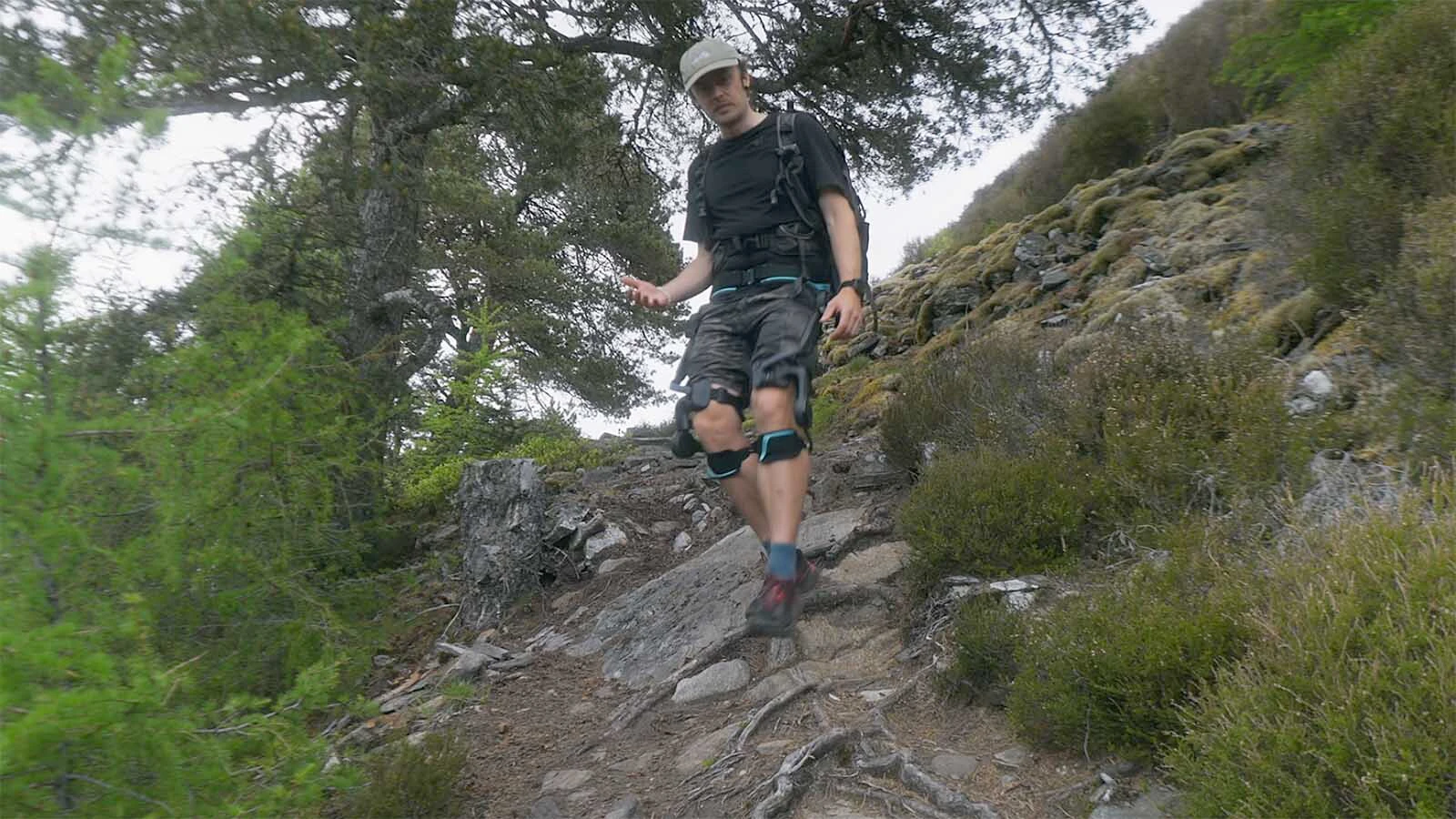
The latest powered outdoor trend is people strapping on devices called powered exoskeletons and becoming faster, stronger cyborg versions of themselves.
Battery-powered knee and hip-assistance devices have been around for a while.
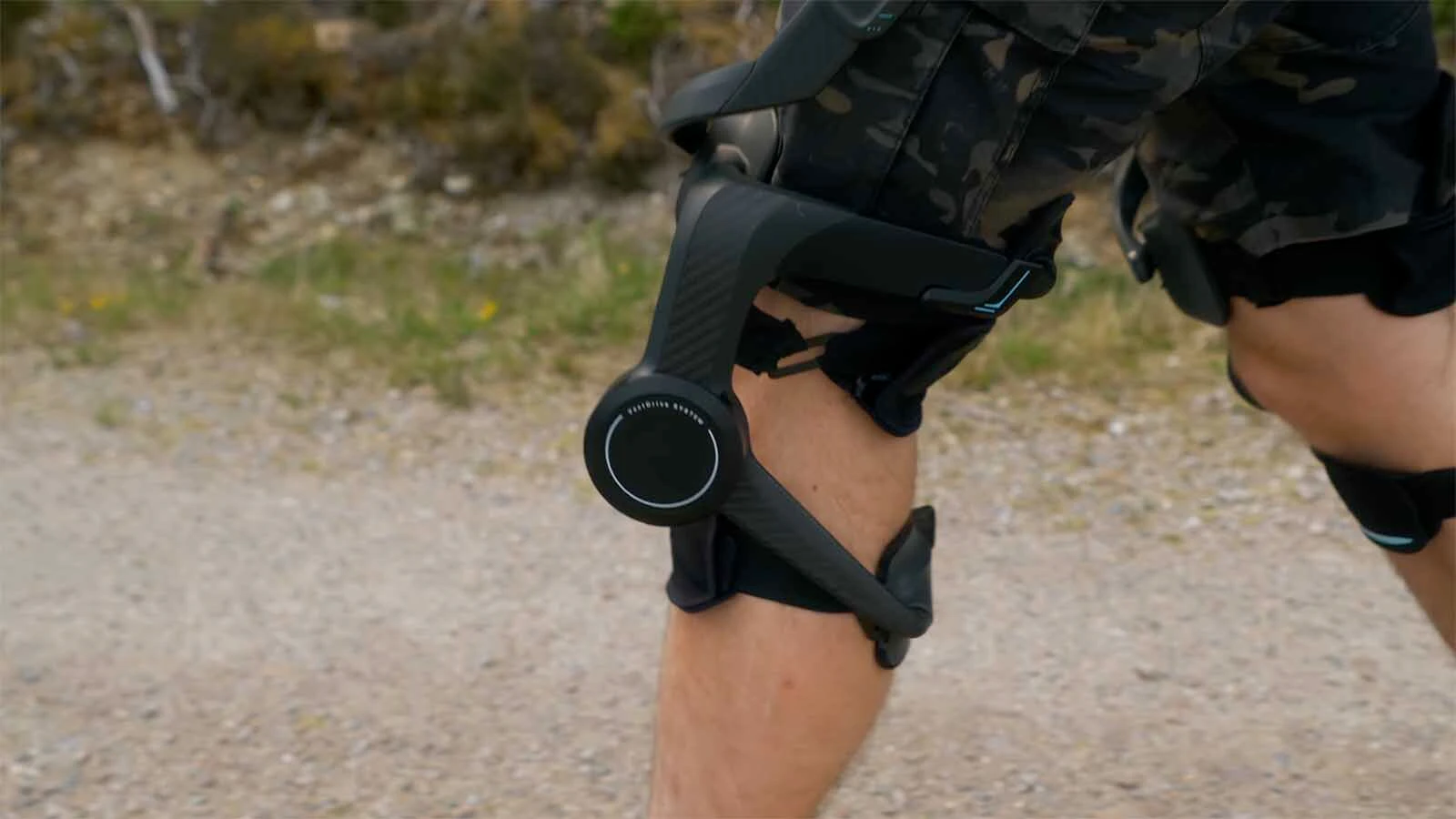
But some reviewers say products like one called the Vastnaut One 4x4 have taken things to a new level by supplying additional support and power to the hips and knees simultaneously.
The company claims that its contraption can boost the wearer’s climbing power by 30%.
Its rechargeable batteries last 4.5 hours, enough to cover about 12.5 miles, according to Vastnaut.
Prices for the devices run from about $1,000 to $2,000.
A Believer In ‘Self-Locomotion’
Seasoned hiker John Housel told Cowboy State Daily that at age 73, he’s had to slow down somewhat, but he’s not sure he’s ready to strap on a set of robot leg boosters.
“I’m a great believer in self-locomotion,” he said. "I would be hesitant about exploring that (using an exoskeleton) much further.
“I can see if I got to the point where I was wearing out before I got to the top of one of my favorite local mountains, I might look into that,” he added.
Even so, he can see drawbacks, such as the batteries wearing out or the contraption getting damaged.
“What if I fell on my descent? The falling might bend a joint on that apparatus, and I’d have to get back down on my own,” he said.
Housel added that it could be better to accept the natural limitations that come with age.
“If I get to the point where I just can’t go somewhere, maybe I’ll just not go to that place anymore,” he said.
Shrinking The Land
Housel said that exoskeletons could add to a trend that outdoor enthusiasts call “shrinking the land.”
In other words, the more means there are available to traverse territory more quickly, the “smaller” the land gets and the fewer places there will be where one can go to find utter solitude.
Housel said that over the years, he’s seen some of that happen as technology has improved ATVs and e-bikes.
E-bikes have stirred up controversy over whether they blur the lines between human-powered and motorized backcountry transportation.
However, he’s skeptical that exoskeletons will have that much of an impact, at least not anytime soon.
The prices could be a barrier for many people, Housel said.
“I don’t think they’re going to be that popular. I think the pricing will be a factor,” he said.
He added that people might be hesitant to spend $1,000 to $2,000 on products that might be found primarily online, and not yet in retail stores.
“I think anybody who would be interested in that would want a demonstration” before spending the money, he said.
Move over ATVs and e-bikes, powered exoskeletons are giving people cyborg-like abilities in the Wyoming backcountry. (Jack Anstey via YouTube) 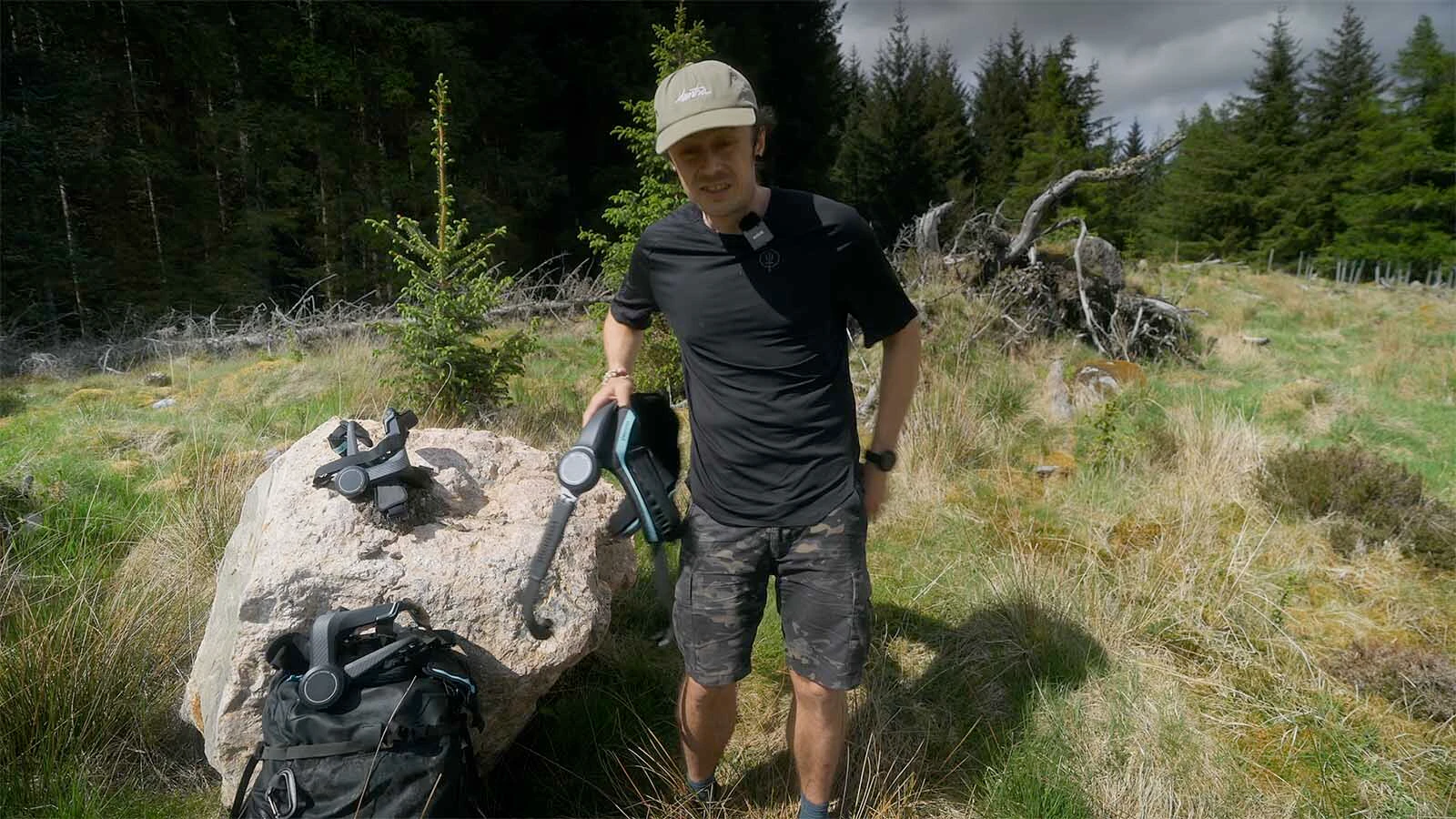
Move over ATVs and e-bikes, powered exoskeletons are giving people cyborg-like abilities in the Wyoming backcountry. (Jack Anstey via YouTube) 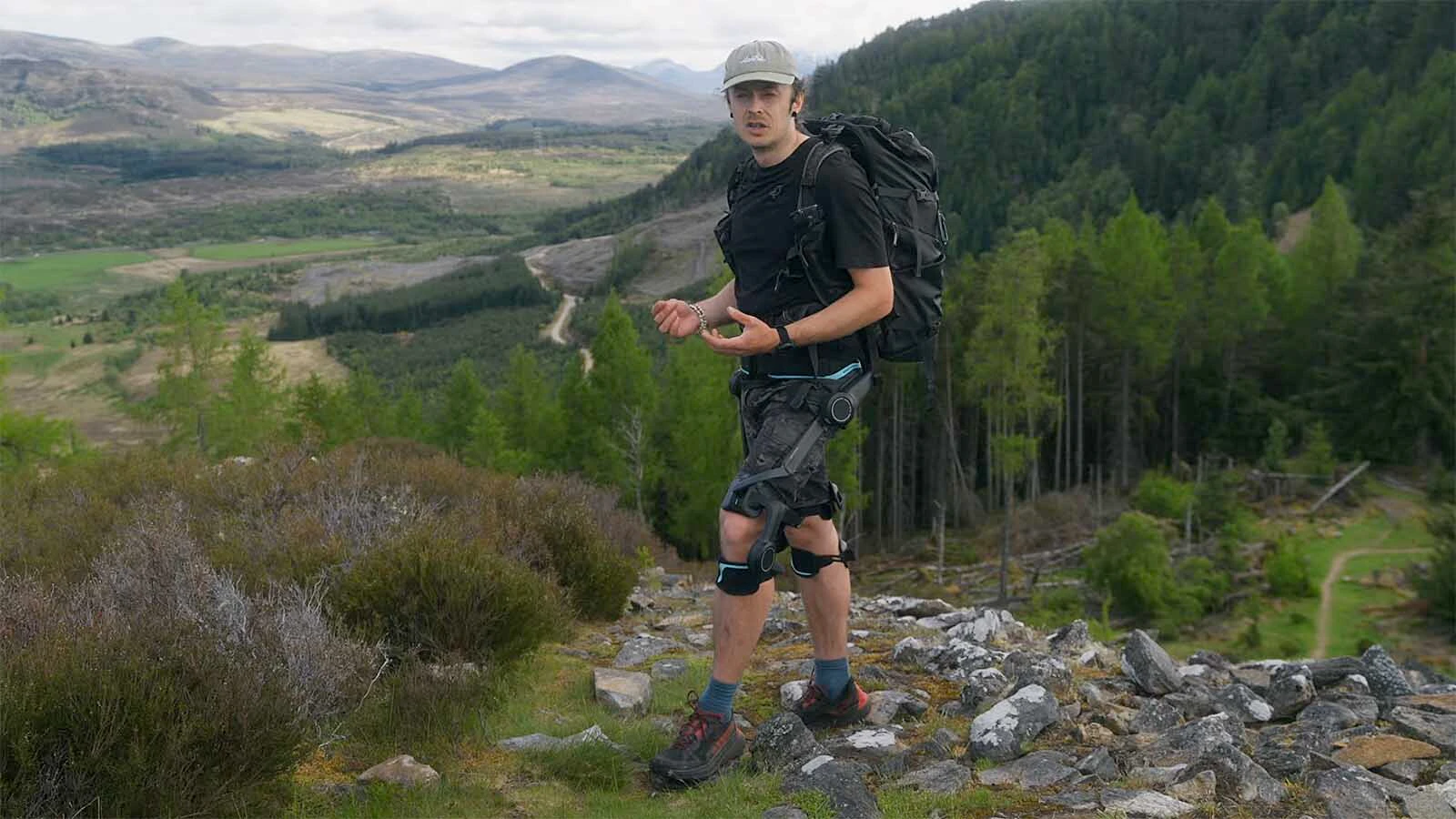
Move over ATVs and e-bikes, powered exoskeletons are giving people cyborg-like abilities in the Wyoming backcountry. (Jack Anstey via YouTube)
‘Mr. Gadget’
The makers of Vastnaut and similar devices claim that they can increase users’ weight-carrying capacity.
That could be a selling point for people like northeast Wyoming resident Owen Miller.
He frequently hunts deep in the backcountry, in places where killing an elk means facing a long trek out with heavy packs full of meat.
“This looks like a product for ‘Mr. Gadget,’” he told Cowboy State Daily.
“I can definitely see that there’s people that would use this, and it could be compared to the e-bike where you’re biking, but you’re not really biking,” he said. "(This is) like assisted biking, but this is assisted hiking/walking."
Miller said he favors simplicity in the backcountry. So, he’s skeptical about the possible complications of exoskeletons, such as limitations on battery life.
He noted that it might be good for “somebody with a leg injury, or even a back injury.”
Miller said he doesn’t think he’ll buy an exoskeleton anytime soon.
“In my opinion, everything can have its place and be useful for the right person. But as long as I’m healthy, I personally wouldn’t use it just to use it,” he said.
‘I Would Have To Carry It Back’
Avid backcountry elk hunter Bruce Cooper of Bondurant also said he can see the usefulness of exoskeletons for those with injuries or mobility challenges.
He noted that his wife has had two knee surgeries.
“This would help her maybe keep pace with me and have less fatigue,” Cooper said.
“I personally would not have a use for it when hunting. I tend to go distances that would burn the battery, and through heavy timber. I would then have to carry it back when the battery is dead,” he said
Where exoskeletons might shine in Wyoming is among people hiking for fun in the front country, Cooper said.
“I think it could be beneficial for those who are walking more on (established) paths and trails, and who may benefit from the knee support and need for assistance in walking or hiking,” he said.
Mark Heinz can be reached at mark@cowboystatedaily.com.