
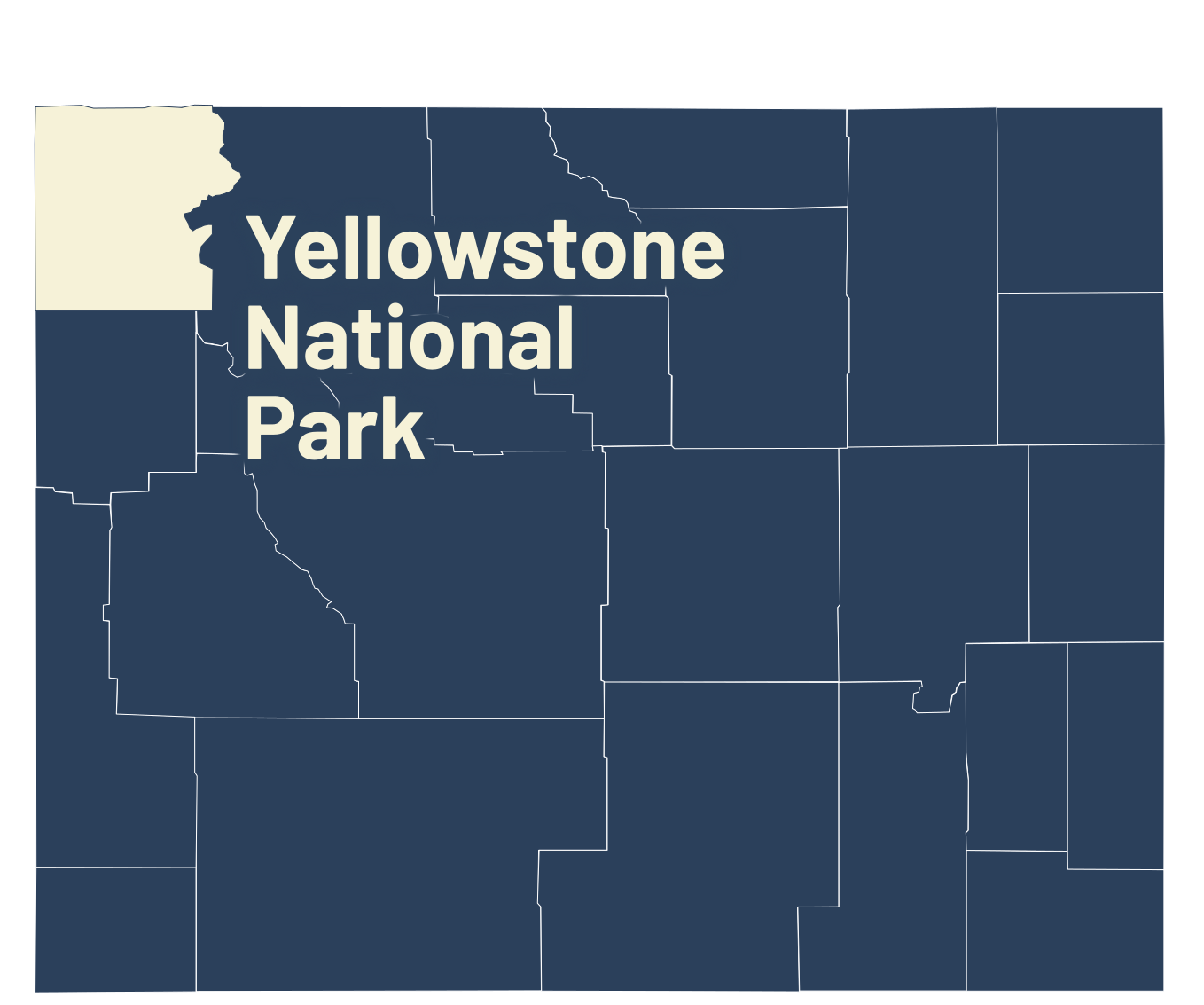
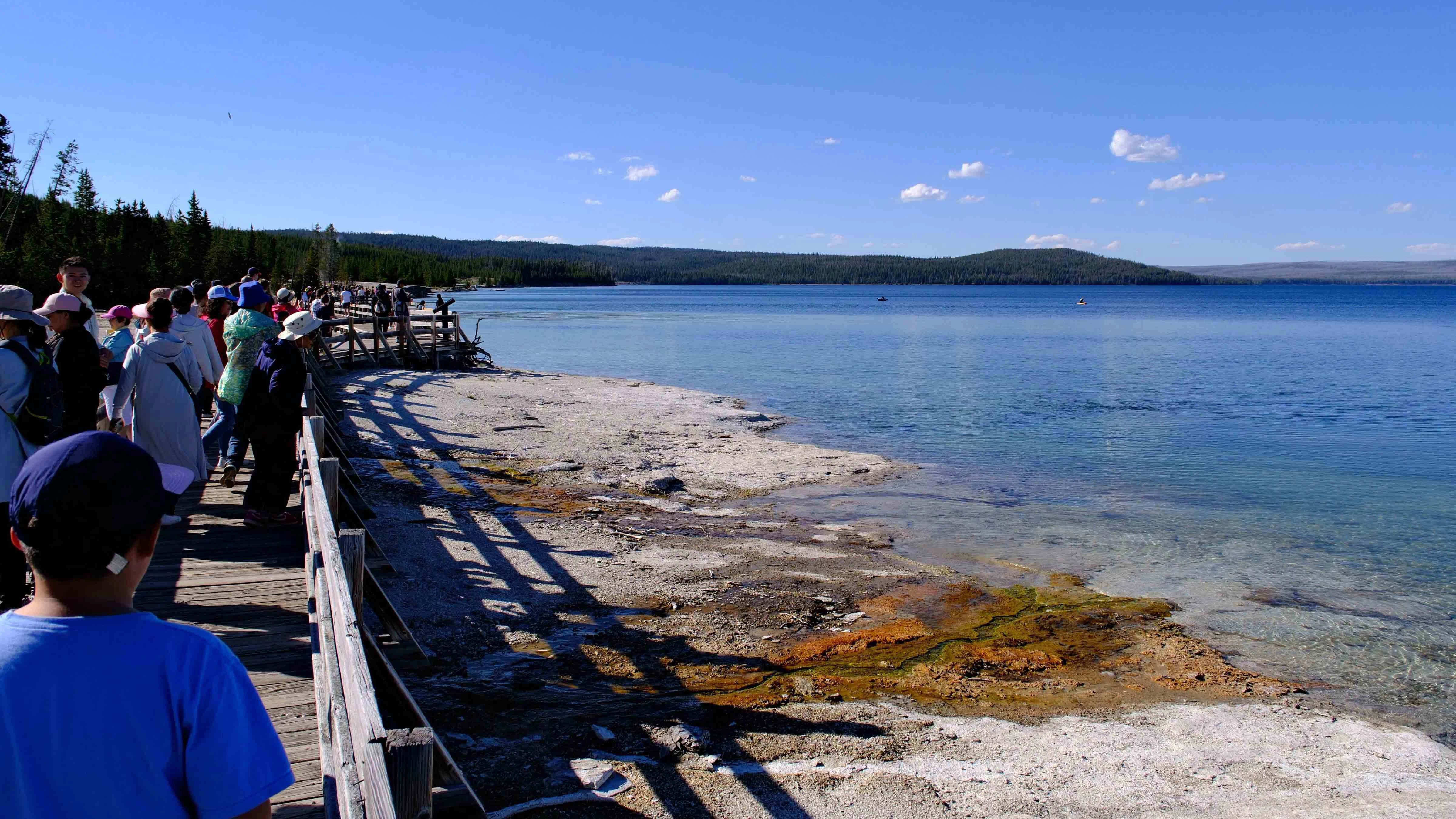
A 41-year-old Denver man was found dead near a capsized kayak on Yellowstone Lake, a body of water that veteran guides say can turn from picture-perfect to perilous in a matter of minutes, Yellowstone National Park officials reported Thursday.
Occupants of another vessel on the lake discovered the body of Brandon Rhea on Monday floating near Rock Point on the lake's northwest shore near Bridge Bay, according to Yellowstone National Park officials.
National Park Service rangers recovered Rhea's body along with a capsized kayak and personal belongings. The incident remains under investigation, and park officials have released few additional details.
For those who spend their summers on Yellowstone Lake, the discovery is a reminder that one of Wyoming's most iconic destinations can also be one of its most unforgiving.
Park officials have released few details about the incident and did not respond to additional questions before publication.
Little Margin For Error
For retired Yellowstone ranger Tara Ross, the reputation of Yellowstone Lake being potentially dangerous is justified.
"What makes it so dangerous is the extreme cold and wild winds," Ross said.
Ross spent several years assigned to Yellowstone Lake boat patrol while stationed in the Grant Village area. She said the lake conditions can overwhelm paddlers long before rescuers have an opportunity to reach them.
"The water is extremely cold," Ross said. “You may only have 10 minutes to survive it."
That reality creates one of the greatest challenges for emergency responders.
"By the time somebody from offshore notices — if the person can't self-rescue … that person is probably not going to make it," she added.
The lake often remains ice-covered well into spring, a reminder that Yellowstone's waters stay cold long after visitors begin arriving for the summer season, said Ross.
Lake Changes Fast
Dylan Schneider has spent the past 15 summers on Yellowstone Lake.
He began working aboard boats on the lake and has spent the last six summers guiding kayakers through its bays and shorelines for Prismatic Tours.
The biggest lesson he tries to teach visitors is not to trust what they see.
"It looks calm, but in 10 minutes it could be totally different," Schneider told Cowboy State Daily about Yellowstone Lake.
Surface water temperatures typically range between 40 and 50 degrees, even during the summer, he said.
"They say you have about 20 minutes before hypothermia sets in if you find yourself in the water," Schneider said, adding that the danger isn't limited to cold water.
Schneider said some of the most challenging conditions develop on warm, sunny days when visitors least expect trouble.
"Especially on those deceivingly nice days, the wind can pick up with very little warning," he said.
Large bays can become hazardous when winds build, and natural features around the lake can create wind tunnels that funnel gusts toward paddlers who may suddenly find themselves much farther from shore than they intended.
Respect The Lake
Yellowstone Lake spans more than 130 square miles and sits at nearly 8,000 feet above sea level.
Ross said that prevailing southwest winds routinely sweep across the lake, while shifting weather patterns can create unexpected waves and rough conditions.
Those conditions are familiar to people who work on the water.
Schneider said visitors often arrive expecting a leisurely paddle across one of the nation's most scenic lakes. Most leave with a newfound respect for how quickly the environment can change.
For those who know Yellowstone Lake best, its beauty and its danger are inseparable.
The circumstances surrounding Rhea's death remain under investigation, but Schneider's warning is one he gives paddlers every season.
"It looks calm," he said. "But in 10 minutes it could be totally different."
Kolby Fedore can be reached at kolby@cowboystatedaily.com.


