If a 970-megawatt pumped-water power station at Seminoe Reservoir opened now, it wouldn’t have enough water to work, critics say, and scientists warn low water levels could be a long-running trend.
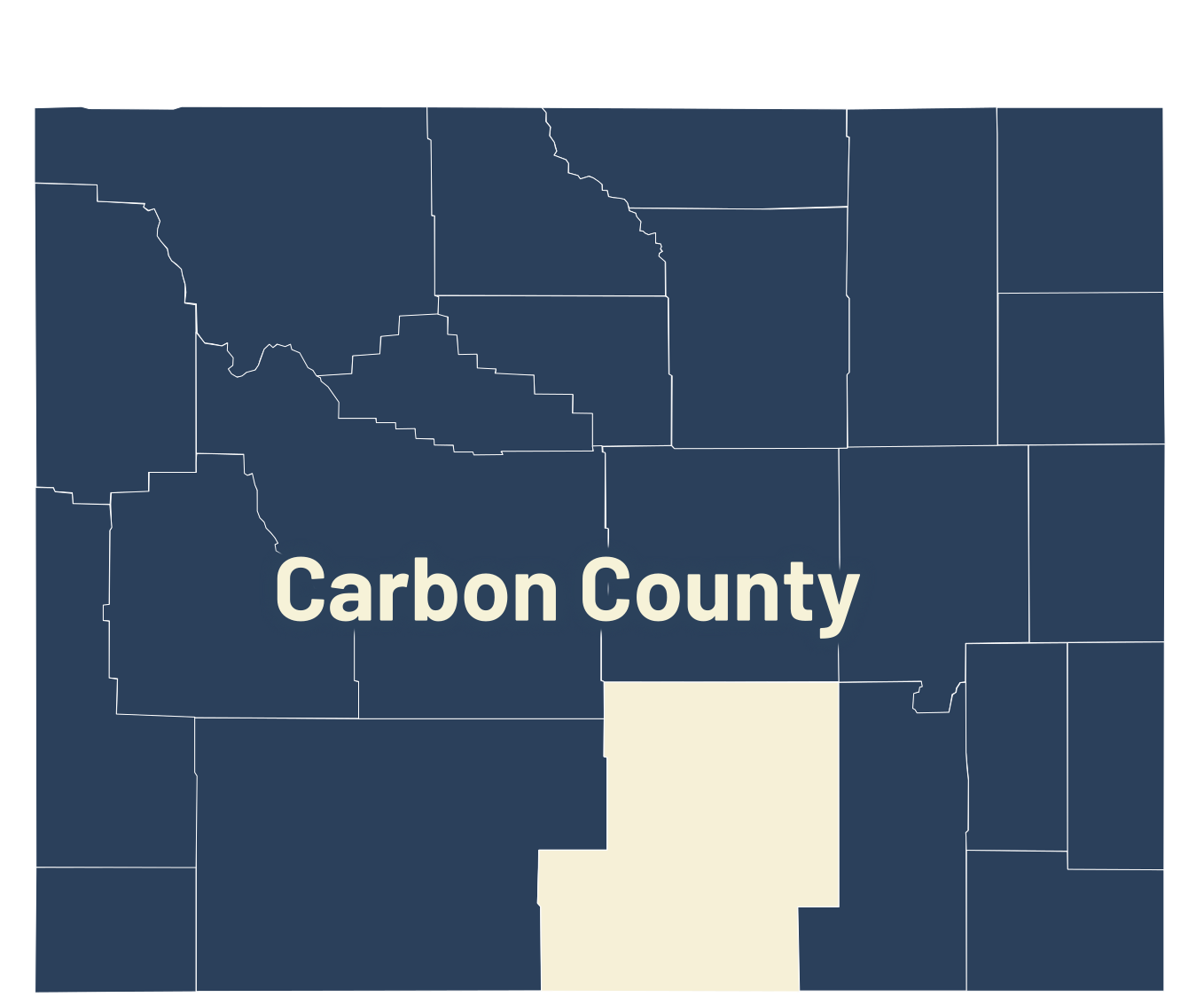
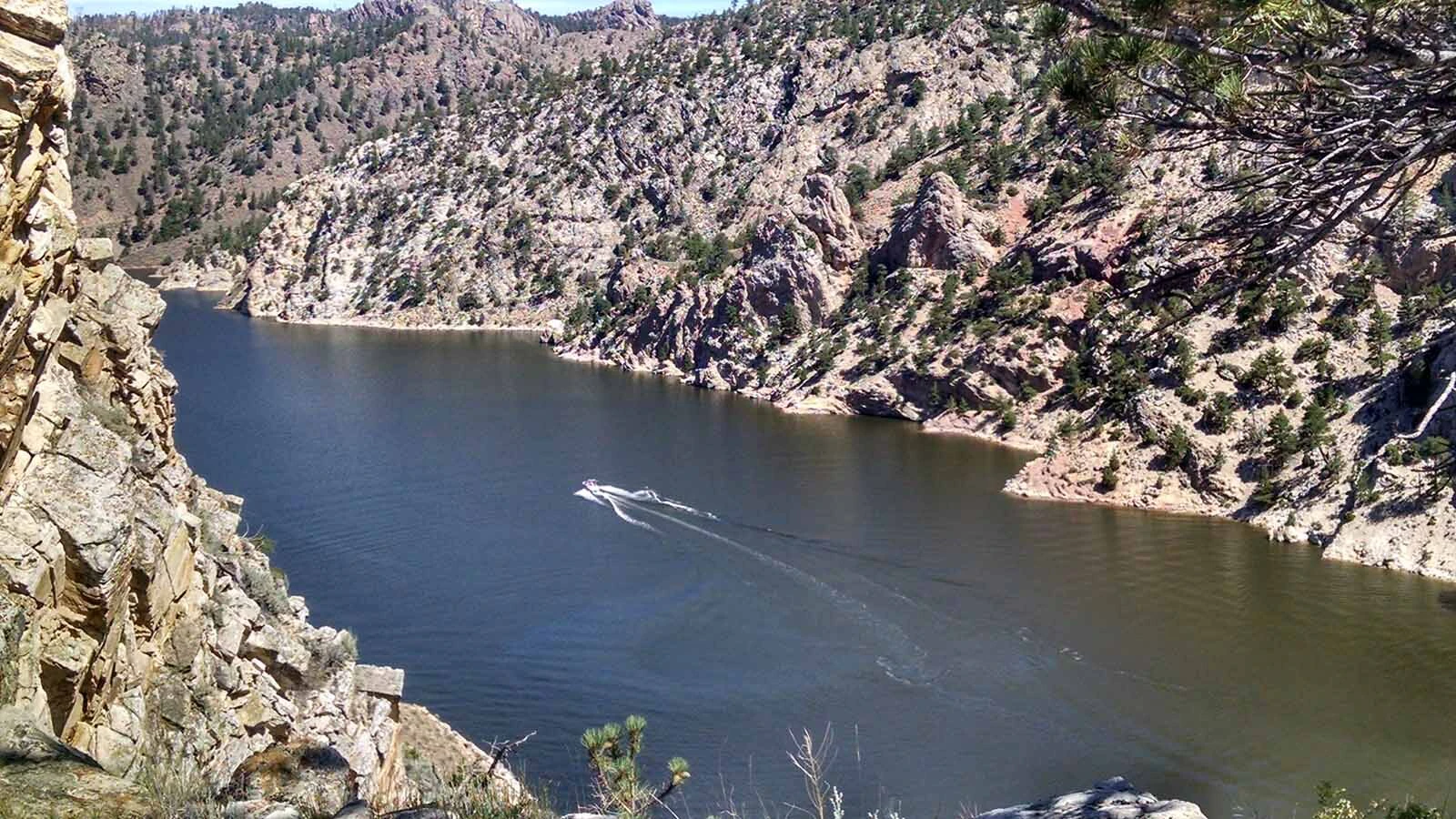
Seminoe Reservoir, in Carbon County, was at roughly 30% capacity this week, according to the Bureau of Reclamation.
The Utah-based rPlus Hydro company wants to build a $3-4 billion pumped-water storage facility there.
Company representatives previously told Wyoming legislators and Natrona County Commissioners that the project could create 500 jobs during its expected five-year construction phase.
Also, the project could help meet Wyoming’s power needs and keep residents' power bills low, they say.
The earliest construction might start in 2029, according to rPlus Hydro.
Long-Term Water Woes?
Even with the project that far out, it’s evident that once it’s in place there might not even be enough water in the reservoir for it to work, Patrick Harrington, Wyoming government relations director for Trout Unlimited, told Cowboy State Daily.
He’s been an outspoken critic.
Harrington and others have expressed concern over how the project might affect the prized Ferris-Seminoe bighorn sheep herd.
And also, that the pumped-water storage facility might cause higher temperatures on the North Platte River, damaging the world-class Miracle Mile trout fishery.
Wyoming State Engineer Brandon Gebhart on Thursday told the Wyoming Legislature’s Select Water Committee that the entire state is at some level of drought. And that much of the West has been in drought for about 25 years.
Bryan Shuman, a professor in the Department of Geology and Geophysics at the University of Wyoming, and Cathy Whitlock, professor of earth sciences at Montana State University, told Cowboy State Daily the trend probably won’t end anytime soon.
The New Normal
This year has been exceptionally bad for water because of high temperatures and a lack of precipitation, Shuman said.
“It’s really an off-the-charts, one-off kind of year,” he said.
And although conclusions can’t be drawn from a single year, the overall, long-running trend is toward drying conditions, he said.
“There is this trend where things are getting warmer, so the snow accumulates later in the year and melts sooner in the spring,” he said.
While there doesn’t seem to be a trend toward less precipitation, the trend toward warmer temperatures might cause water to evaporate faster, he said.
Whitlock said rivers that rely on snowpack, such as the North Platte, will remain vulnerable to low flows.
She said not too much can be made of a single year, but “the longer trend is toward drying.”
Research indicates that warmer temperatures and lower water levels are the new normal, Whitlock said.
Project On Track
The Seminoe pumped-water storage project needs a license from the Federal Energy Regulatory Commission (FERC).
“The project appears to be on track going forward to get a license,” probably later this year, Harrington said.
That means one avenue of objection is likely closed.
However, the public still has a chance to weigh in, he said.
The next step is for the Bureau of Land Management to amend its Area Resource Management Plan (RMP) to allow for the project.
And that will require a public comment period, Harrington said.
“That’s where the public will most likely be engaged in the process,” he said.
Mark Heinz can be reached at mark@cowboystatedaily.com.