
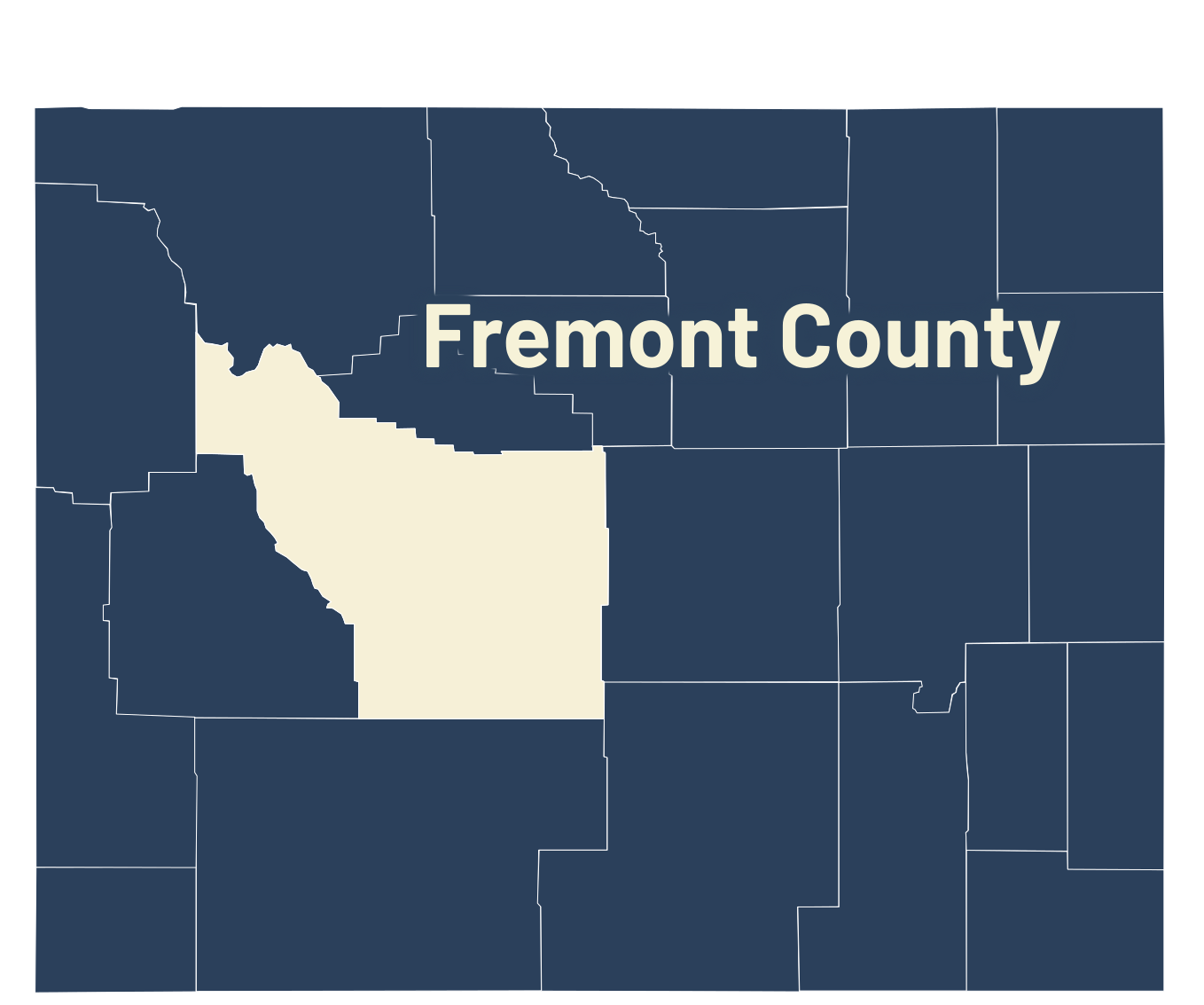
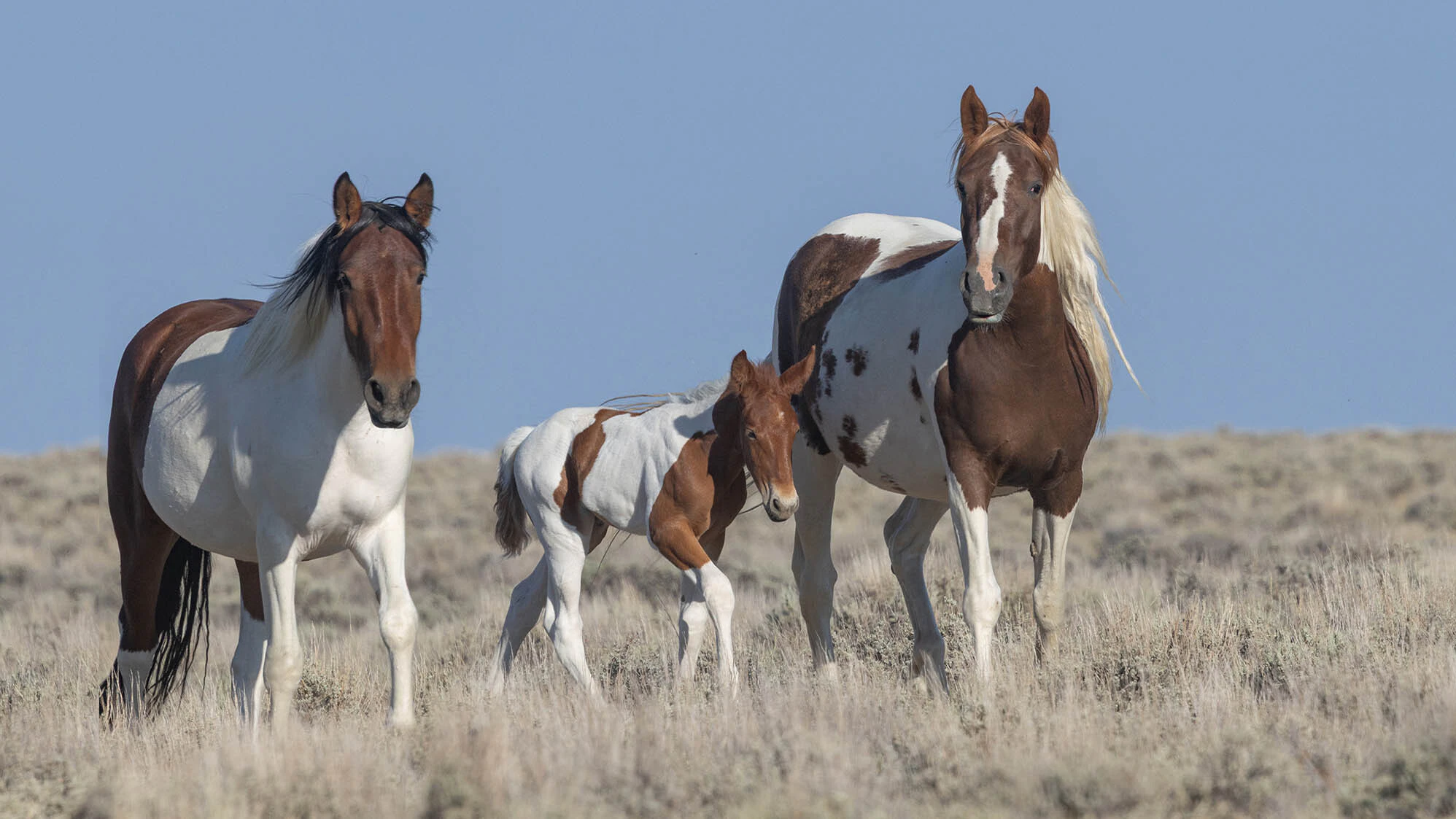
The Bureau of Land Management is poised to round up about 1,800 mustangs from herds in central Wyoming, claiming the horses will starve if their numbers aren’t cut.
“Without active management, herds continue to grow unchecked and can double in size every four to five years. Chronic overpopulation places both horses and rangeland resources at risk,” the BLM said Tuesday in announcing the plans for roundups in the Red Desert Complex.
The roundups are set to begin in the fall.
“Saving wild horses from starvation, protecting America’s public lands,” the BLM describes the effort.
Wild-horse advocate Carol Walker told Cowboy State Daily she thinks the agency is using hyperbole to justify more roundups.
“That’s baloney. I’m out there all the time,” Walker said. “I was out there about three weeks ago, and I didn’t see a single skinny horse.”
Target Numbers
Mustang management goes beyond just the horses, mule deer conservationist Bill Ames told Cowboy State Daily.
He said he didn’t know enough about the Red Desert Complex to say how many horses should be there, but he thinks they're “overpopulated” throughout the state.
And that can lead to competition with mule deer, pronghorn, and other wildlife, Ames said.
“I don’t know if they compete for food so much, but they really compete for water,” said Ames, who represents the Wyoming Mule Deer Alliance.
The roundups are planned in several horse management areas (HMAs) in the Red Desert Complex, including the Antelope Hills, Crooks Mountain, Green Mountain, Lost Creek, and Stewart Creek.
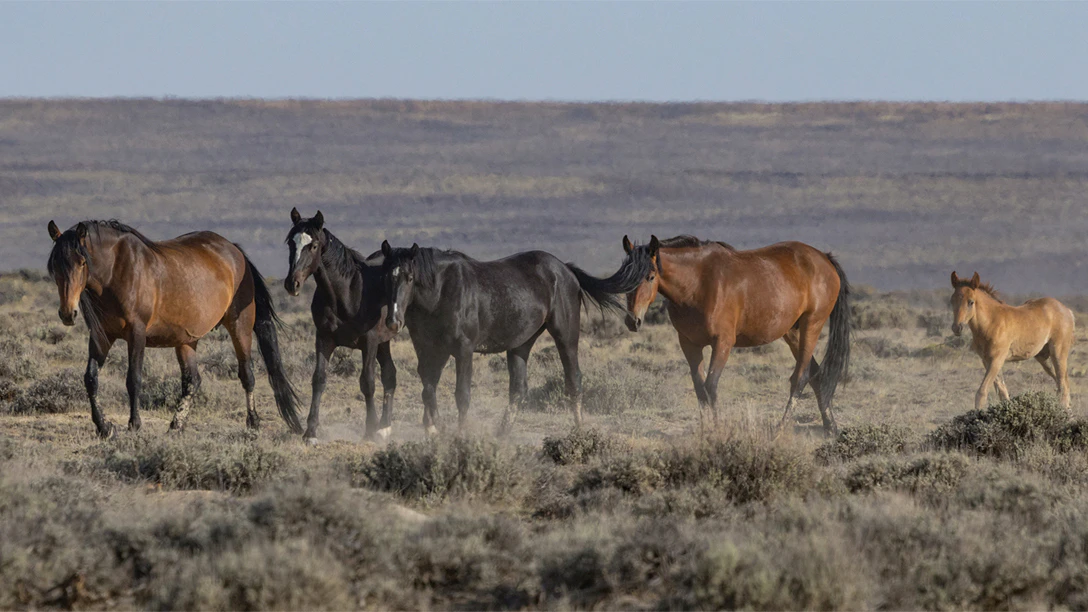
The appropriate management level for the complex is 480 to 720 horses, meaning about 1,800 horses must be removed to “return herd sizes to sustainable levels,” according to the BLM.
The BLM also plans to use fertility control to trim Red Desert herds.
“During gather operations, staff plan to treat around 75 to 150 mares with fertility control and release them back to the range,” the announcement said.
Ongoing Debate
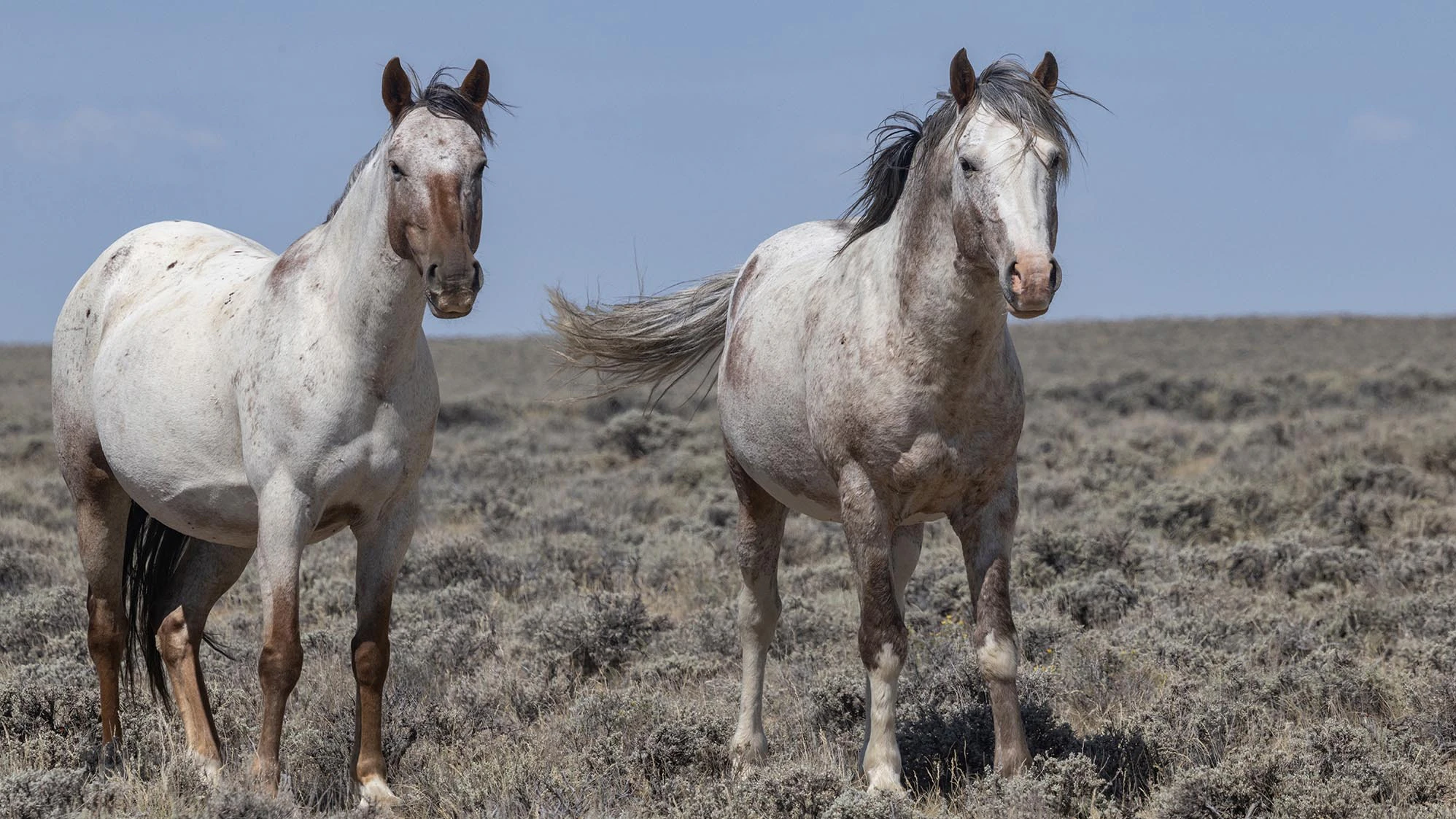
What's sustainable for the mustang population is a matter of debate.
The BLM was given jurisdiction over mustangs under the 1971 Wild Horse and Burro Act.
The agency contends that it’s managing mustang numbers according to the parameters established by the act, based on such factors as available forage for horses, conflicts with private landowners, and competition with wildlife.
Wild-horse advocates argue that the BLM’s target numbers are a fraction of what the range can support and that the horses are scapegoats for overgrazing by sheep and cattle.
They contend mustangs qualify as wildlife and should be respected and conserved as such.
Others argue the horses are a feral, invasive species with no natural predators. They can damage the landscape and drive out native wildlife if their numbers go unchecked.
After horses are rounded up, they’re sent to BLM holding facilities, such as those near Wheatland and Rock Springs.
Many of the horses are put up for adoption, while others live out their lives in BLM facilities.
Mustang advocates recently claimed to have evidence the BLM is also funneling some of the mustangs toward dealers who sell them to horse slaughterhouses in Mexico.
The BLM denies it.
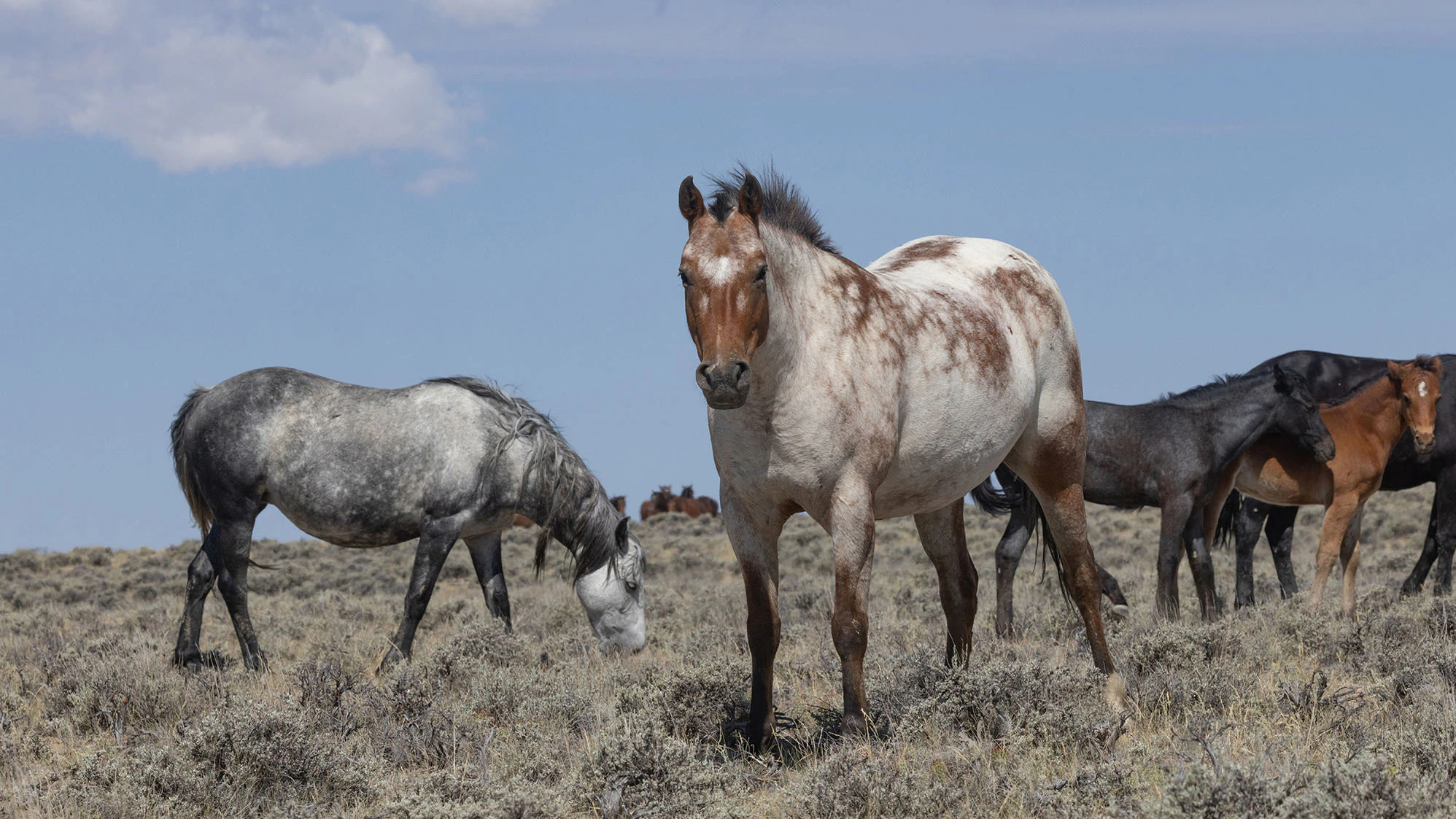
Still Recovering From Winter Kill
Nature already culled the central Wyoming mustang herds, Walker said.
The brutal winter of 2022-2023 killed tens of thousands of pronghorn, deer, and elk in central and south-central Wyoming.
An official tally of how many mustangs died wasn’t kept. Walker said she thinks the Red Desert Complex herds were cut by about half.
So, it makes no sense to start a huge roundup of the herds, which are still recovering, she said.
According to what she’s seen on the ground, the rangelands are healthy and there’s plenty of forage to go around for horses, livestock, and wildlife.
“I see elk out there, I see pronghorn out there, and I see the little wildlife, like bunnies,” she said.
The horses and other animals looked well-fed and healthy, she added.
Ames said he’s concerned about mustangs leaving the HMAs.
The BLM should round up horses that have strayed into prime mule deer and pronghorn habitat in the Pinedale area toward the south end of the Jonah Gas Field, he said.
“They’re actually in the antelope migration corridor,” he said.
He worries that during the winter horses might drive deer and pronghorn off slopes that have been blown clear of snow and therefore vital for animals’ survival.
“They (horses) just aren’t very good at sharing,” he said.
Mark Heinz can be reached at mark@cowboystatedaily.com.


