Two recent controversial decisions by the Wyoming Department of Agriculture to ban two small Wyoming businesses from selling specific products show some cracks in the Wyoming Food Freedom Act that its author says need to be filled.
The law signed in 2015 allows producers to sell almost any type of homemade or farm-raised food directly to consumers without state licensure, permitting, certification or inspection requirements.
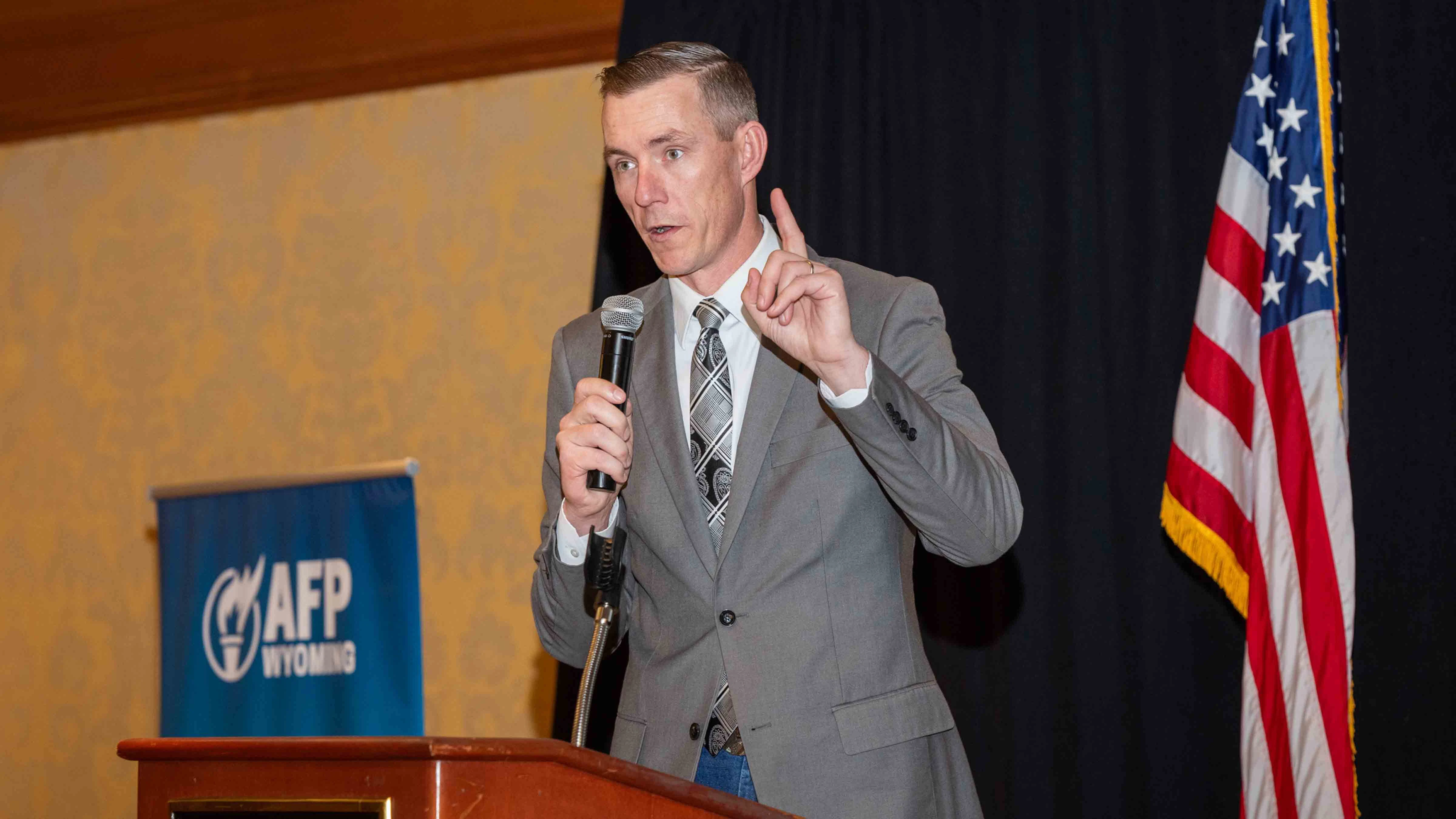
Tyler Lindholm, a former Wyoming legislator who authored the Food Freedom Act, said he intends to revise the law to make it very clear what items are being sold by individual farmers and ranchers and how they’re being sold.
Local producers and farmstands across Wyoming have faced growing pressure from state regulators, causing the Wyoming’s Food Freedom Act to bump up against state and federal regulations.
That Meat
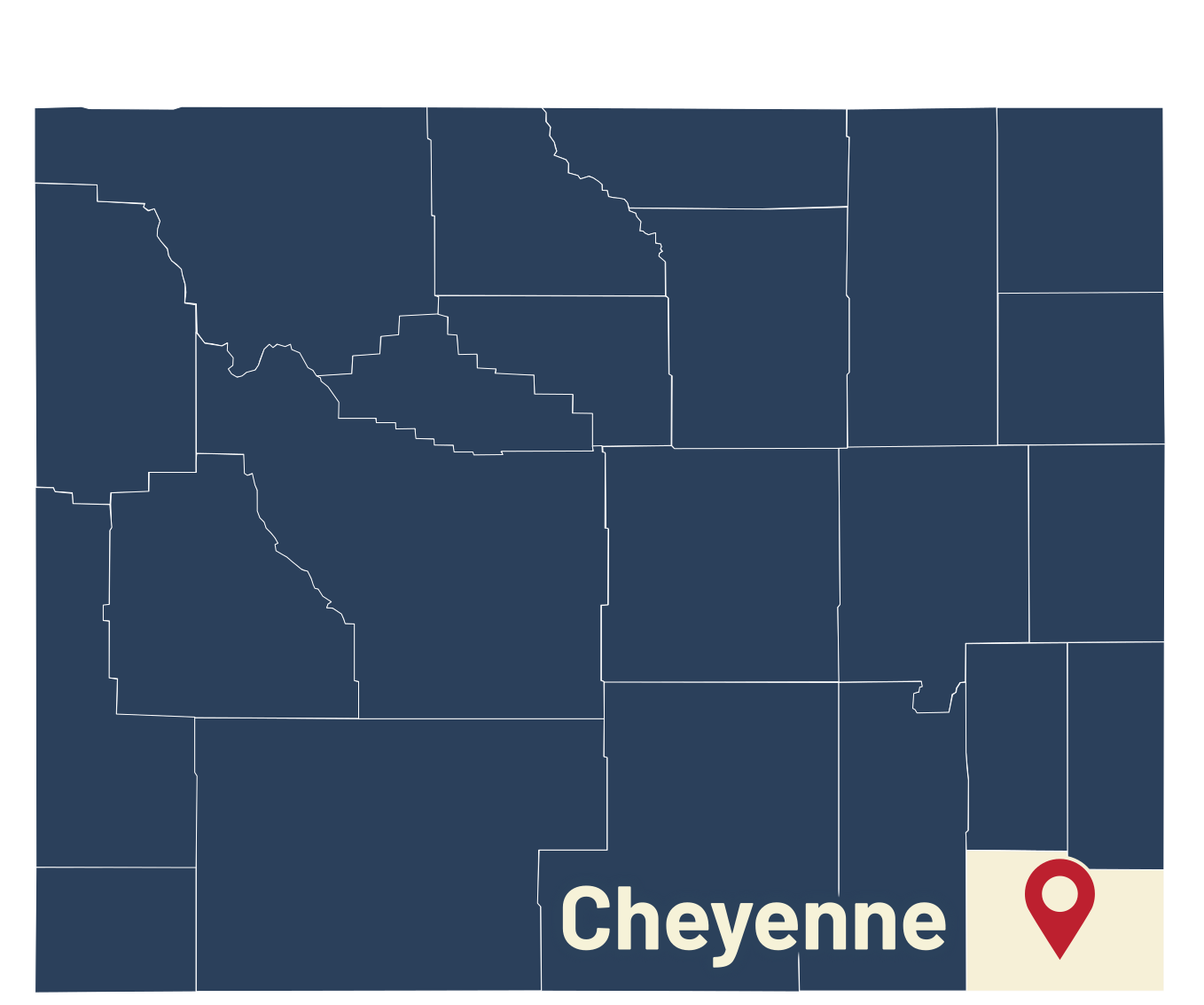
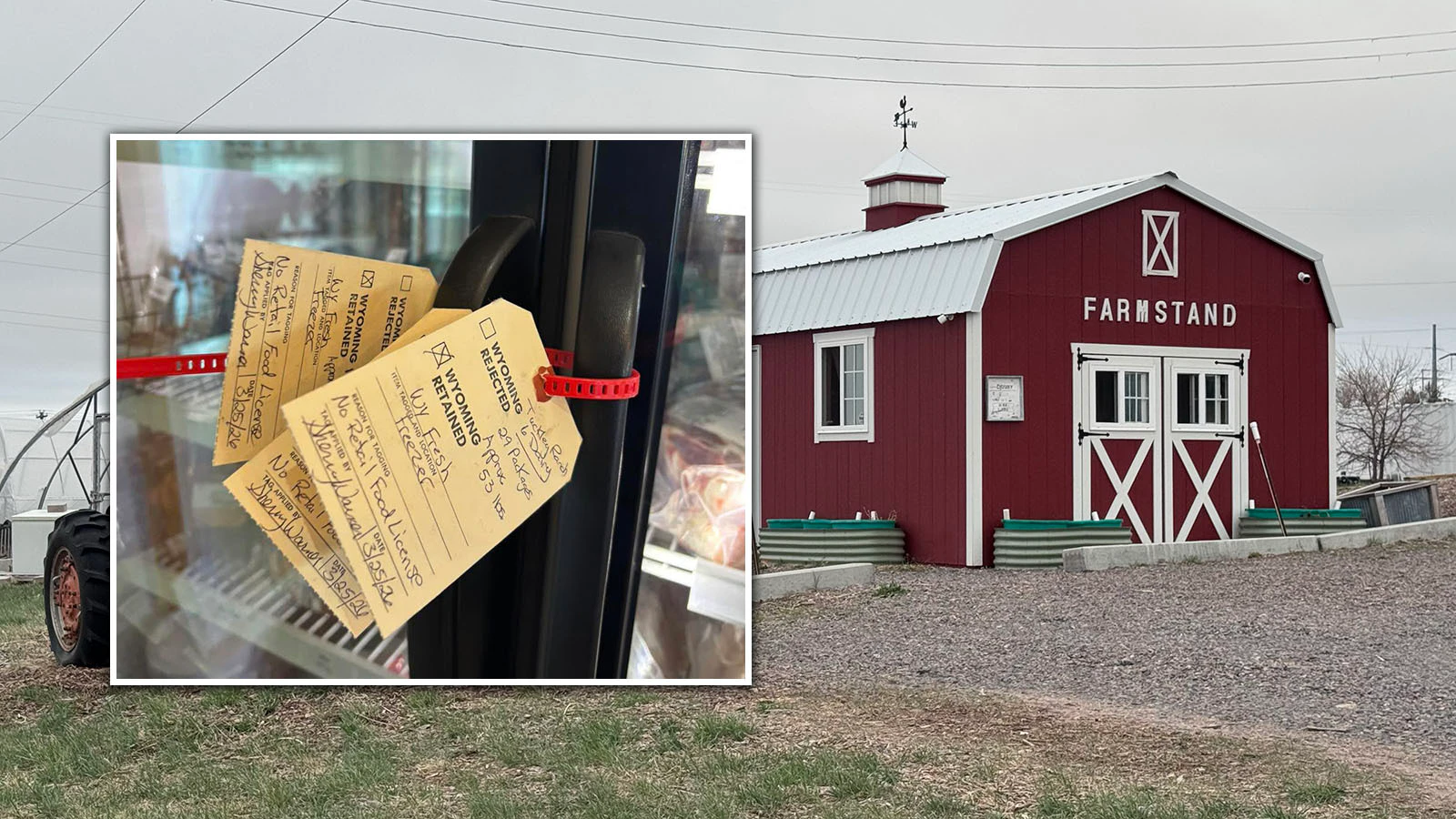
In March, the Wyoming Department of Agriculture banned WY Fresh Farm on the outskirts of Cheyenne from selling some types of meat, saying the farm was selling the meat without a license.
Derek Grant, a WDA spokesman, said the farm could either stop selling meat or apply for a food license.
David Kniseley, who with his wife Tommie owns WY Fresh Farm, told Cowboy State Daily the farm had come to an agreement with the agency in 2022 that they didn’t need a separate license under the Wyoming Food Freedom Act.
The Wy Fresh Farm incident exposes ambiguity in the Food Freedom Act’s language around what constitutes a “designated agent,” Lindholm said.
That’s because the law does not clearly specify that a “designated agent” also applies to those selling meat.
In the Department of Agriculture’s interpretation, "you still can’t have a designated agent for meat products,” Lindholm said.
Because WY Fresh Farm was acting only as a seller and not a producer of some meats, the WDA claimed it was selling meat illegally.
Cold Shoulder
In April, the WDA required Hippie Cow Creamery in Cody to stop selling raw milk lattes, saying the creamery would have to pasteurize the milk and have it inspected to sell lattes at a store.
Rather than making lattes fresh, the creamery now pre-makes lattes and refrigerates them in individual bottles.
People can buy them and pour them over ice themselves, said Hippie Cow Creamery’s Sadie Howard.
Lindholm said this incident shows that language in the Food Freedom Act must be clarified and painstakingly spelled out.
As is, the law addresses the sale of drinkable products that come from animals.
“We need to clarify that you can add those products to other types of drinks,” he said.
Both state actions against local Wyoming food producers are contrary to what the Food Freedom Act is supposed to allow. What they do is show where the law needs to be made better, Lindholm said.
Seeing The Cracks
Lindholm said it’s important that regulators respect both the letter and the spirit of the law he wrote as a Wyoming legislator 11 years ago.
“Let’s fix the law,” he said. “If there is ambiguity there, let’s fix it. There is no such thing as a perfect document.”
He said Wyoming has boasted the best local food laws since 2015, adding that it’s become a model of legislation in other states.
Despite the local food law, he said, there’s always something that crops up, “some new way that some enforcement agency can find their way around our words and our laws.”
“Here we are again,” he said. “They’ve managed to find their way around our laws and intent.”
Kniesley said WY Fresh Farm has worked hard with respect to trying to follow the law consistent with its freedom and navigate the issues between the Legislature and Department of Agriculture.
“The Wyoming Ag Department is afraid that if they allow us to sell meat freely, that the USDA will come in and take over the licensing and inspecting,” he said.
The Wyoming Department of Agriculture did not respond to Cowboy State Daily’s request for comment.
What Came First, The Chicken Or The Grain?
Knisely pointed to a 1942 U.S. Supreme Court decision ruling that the USDA had jurisdiction over a farmer who was growing grain and feeding it to his own chickens.
The farmer, who was penalized under the Agricultural Adjustment Act of 1938 for exceeding his wheat production quota, argued that the excess wheat was for his own farm and never entered interstate commerce.
The court ruled that, while the excess wheat of one farmer might be trivial, the cumulative effect of thousands of farmers doing the same would impact market prices.
Knisley said he believes the case is an opening for federal government overreach.
“Why shouldn’t a small farmstand in east Cheyenne provide an opportunity for small growers to sell vegetables?” he said. “Why should it require so much hassle? Why should you have to ask permission to sell land to your neighbors?”
At Hippie Cow, Howard told Cowboy State Daily the shutdown at her Cody coffee shop has hurt multiple families that are all about buying local and selling local.
“So much red tape hurts local people and businesses,” she said.
She said she has been shocked by the high amount of support Hippie Cow Creamery has received in light of the recent restrictions.
“It hit a nerve in Wyoming,” she told Cowboy State Daily. “It’s a nerve that needs to be hit.”
Rally
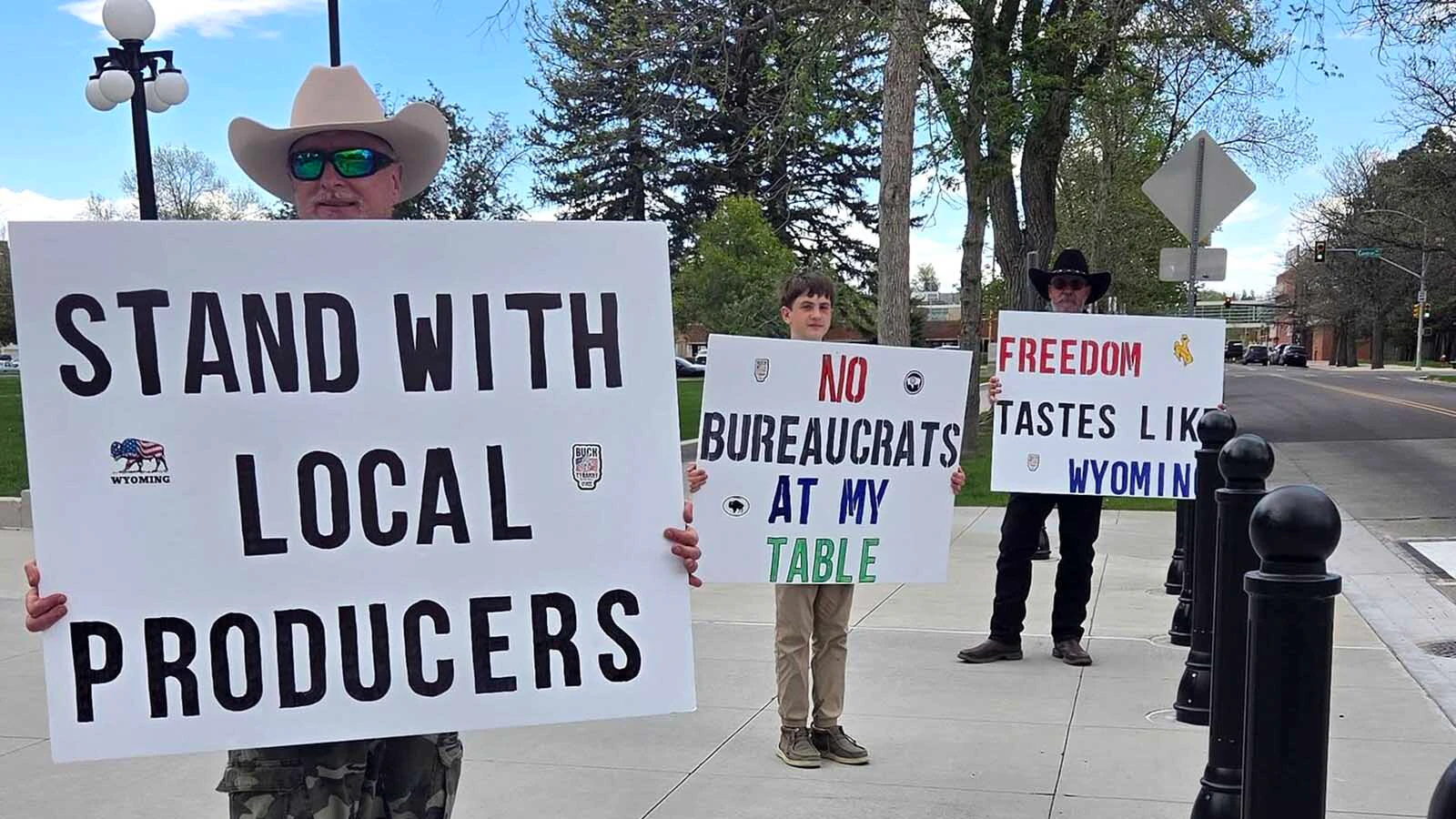
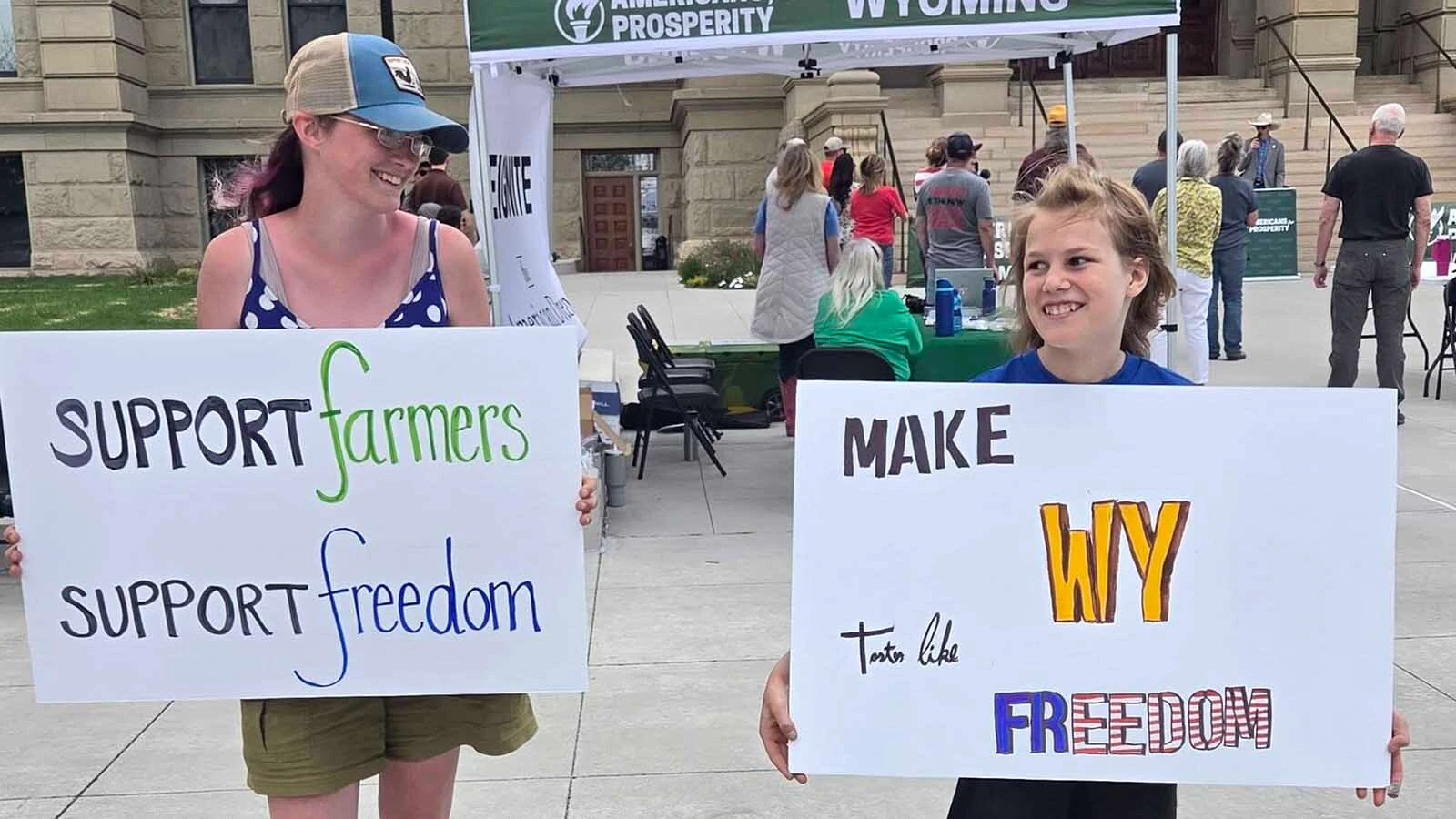
A rally at the state Capitol in Cheyenne on Saturday aimed to draw attention to the issues and push for change.
“We’ve got to be creative and find that razor edge to walk on,” said Lindholm, who now serves as Wyoming’s director of Americans for Prosperity, a grassroots political advocacy group that supports free-market economic policies. “Buying local is as great a thing as you can do.”
Kniseley said he has been trying to stay on track with the Food Freedom Act. He and his wife spoke at Saturday’s rally, as did Howard.
“This is bigger than lattes and coffee,” Howard said. “This is about choice.”
The Wyoming Americans for Prosperity website calls for action to help small producers, who are what the act was written for.
“Across Wyoming, local producers and farmstands have faced growing pressure from state regulators, raising serious concerns about whether unelected bureaucrats are respecting both the letter and the spirit of Wyoming’s Food Freedom Act,” the group says.
Lindholm said he expects to see producers, some elected officials and people running for office on the Capitol steps Saturday.
Most important, he said, is that consumers will be there.
“My hope is we find some grassroots activism that will be carried through the Legislature,” Lindholm said.
“I think you’re going to see a lot of farmers there meeting with a lot of people who want access to local food,” Kniseley said. “It’s an opportunity to say we can do something really great here.”
Howard brought some of Hippie Cow Creamery’s pre-made lattes.
“This is an interesting thing because as I’m looking at Food Freedom, it crosses the political divides in Wyoming,” said Kniseley. “People across the board are saying, ‘Why shouldn’t I be able to make food choices?'”
WY Fresh Farm Still Not Able To Sell Some Meats
Kniselely said he filed an appeal with the state Board of Administrative Appeals about the Wyoming Department of Agriculture not allowing WY Fresh Farm to sell meat produced by the farm’s vendors.
He said he just received notice that there was certified mail waiting for him at the post office.
“We’re deep in the weeds with it,” he said.
Meanwhile, the farm is still not allowed to sell certain meats as an agent for its vendors.
In the interim, he said some of his vendors have made themselves physically present at the farm to be able to sell their meat themselves. That’s like requiring someone selling an item at a consignment shop be physically present to allow it to be bought.
Tom Reed, who owns Sagebrush Beef in Douglas, drives the couple hours to Cheyenne to sit with his beef and sell it, Kniseley said.
“That’s the laughability of it,” he said. “If he’s not here, then we can’t sell his beef. But if he’s here, we can sell it.”
Not Us
There’s been an upswell of public support for Wy Fresh Farms, which also has been fighting a city of Cheyenne effort to annex the land into the city.
That’s led to people starting rumors and speculating that the complaint that put the Department of Agriculture on Wy Fresh and its meat vendors came from a member of the Cheyenne City Council.
Cowboy State Daily contacted the council members, who all have denied being the source of the complaint.
Council member Dr. Kathy Emmons said in an email that “the complaint that was made about Wy Fresh not complying with State Department of Agriculture licensing rules was not made by a City Council person.”
Council member Tom Segrave was equally direct. “Absolutely not,” he said. “I did not report anything.”
Council member Larry Wolfe also denied involvement, saying, “It wasn’t me,” and added that “everyone I talked to on the council said they did not make that call.”
Council member Pete Laybourn likewise said he had no role in filing a complaint.
“I’m not sure what’s going on out there, but that would be an issue for the Department of Agriculture and the Department of Health,” he said. “We have nothing to do with that.”
Council members Mark Rinne, Jeff White, Michelle Aldrich, Mark Moody and Ken Esquibel also denied any involvement in reporting Wy Fresh.
Kate Meadows can be reached at kate@cowboystatedaily.com.