
Tammara Herden kept the door shut on a memory that still brings emotion and hurt to her voice when she talks about it now more than a half-century after it happened.
But she hadn’t talked about it or thought about it in years.
Then on a recent Saturday, the Gresham, Oregon, resident was flipping through TV and stumbled on a channel that was broadcasting true crimes stories all day.
Her mind went back to Sept. 24, 1973, growing up in Casper.
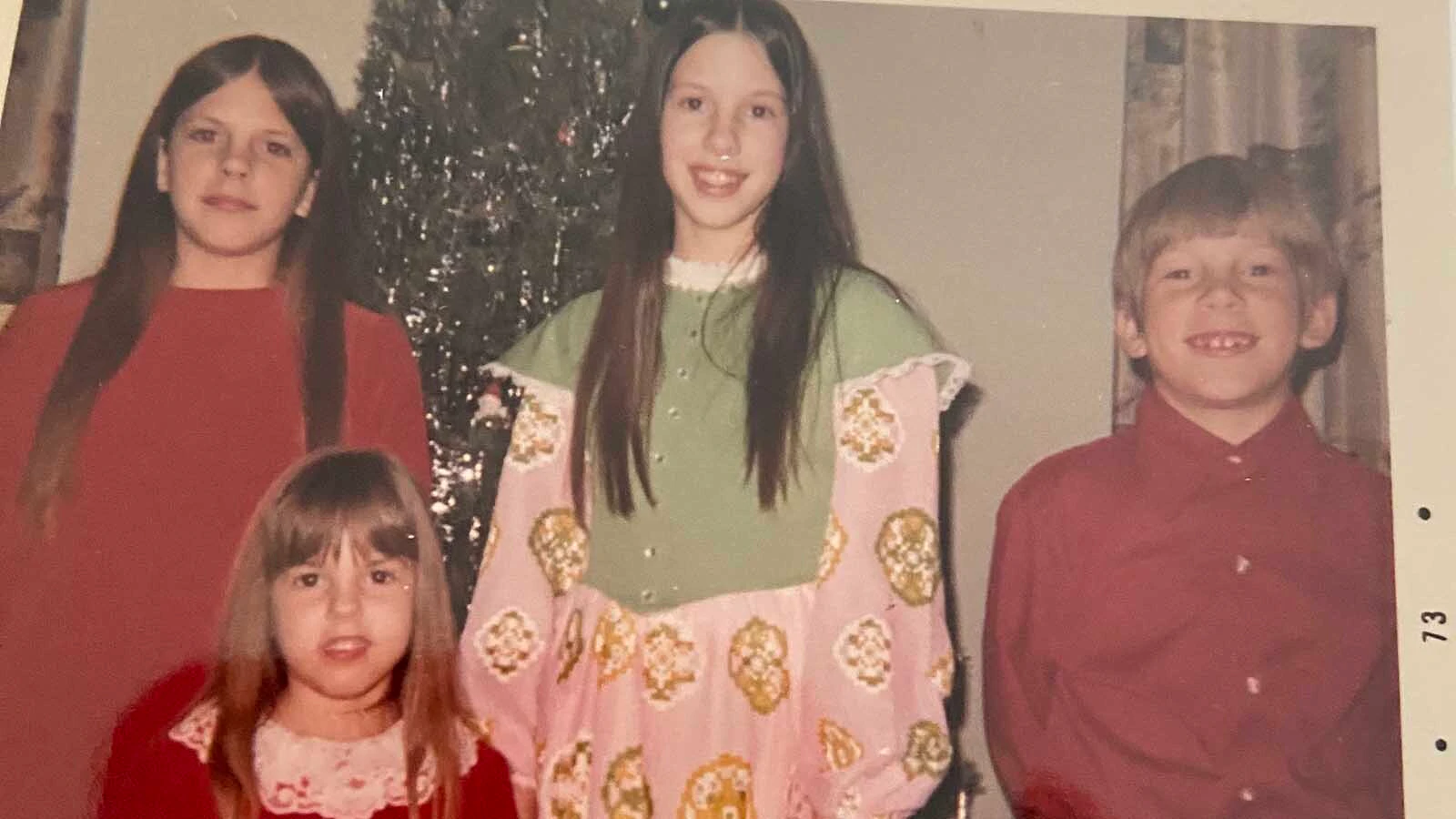
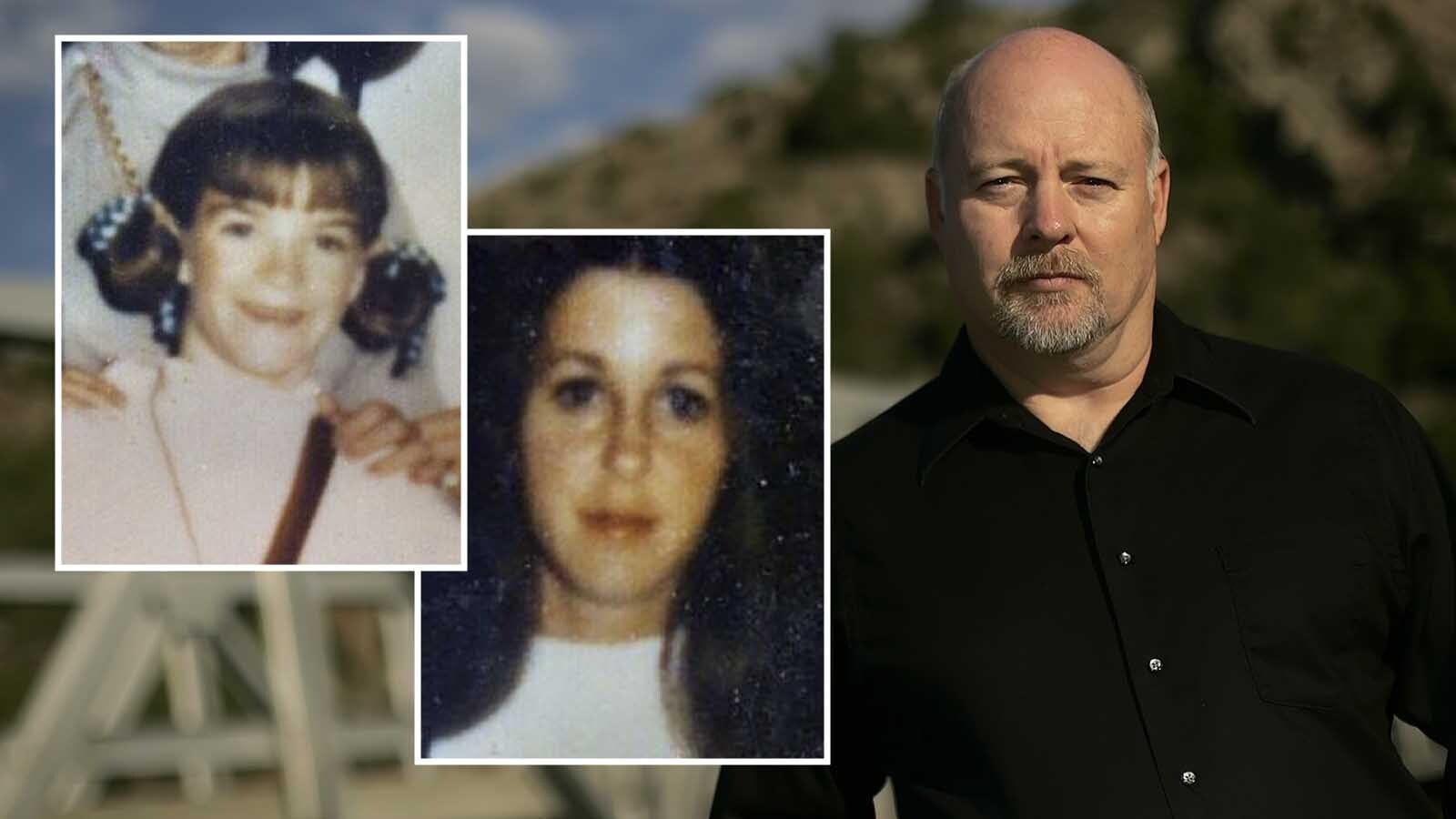
Her name then was Tammy Sellers, and she was best friends with Amy Burridge, 11. Her favorite babysitter had been Amy’s older sister Becky Thomson, 18.
“I wondered if they had made a movie, so I just looked it up,” she said about the sisters who were kidnapped and brutalized nearly 53 years ago.
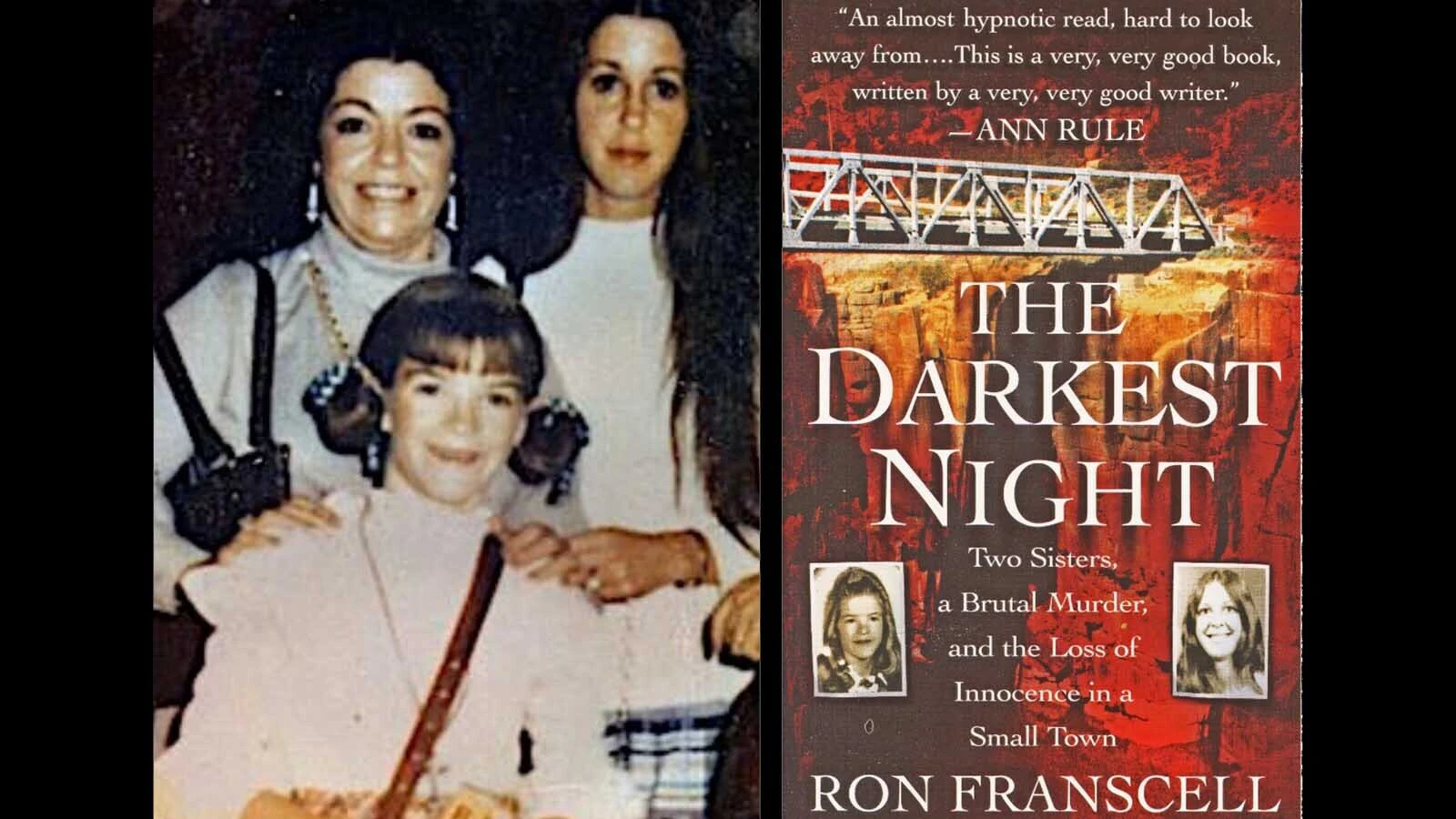
“That’s when I found Ron Franscell’s book, and I reached out to him because he said he was their neighbor,” Herden told Cowboy State Daily. “I didn’t remember him, but at the time he would have been 16 and already driving, and I was 12, so I wouldn’t have remembered him.”
But the memories associated with the horrendous crime that Franscell chronicled in his book “The Darkest Night” did come back, and now have her second-guessing about whether she should have “opened that door.”
Dad Said ‘No’
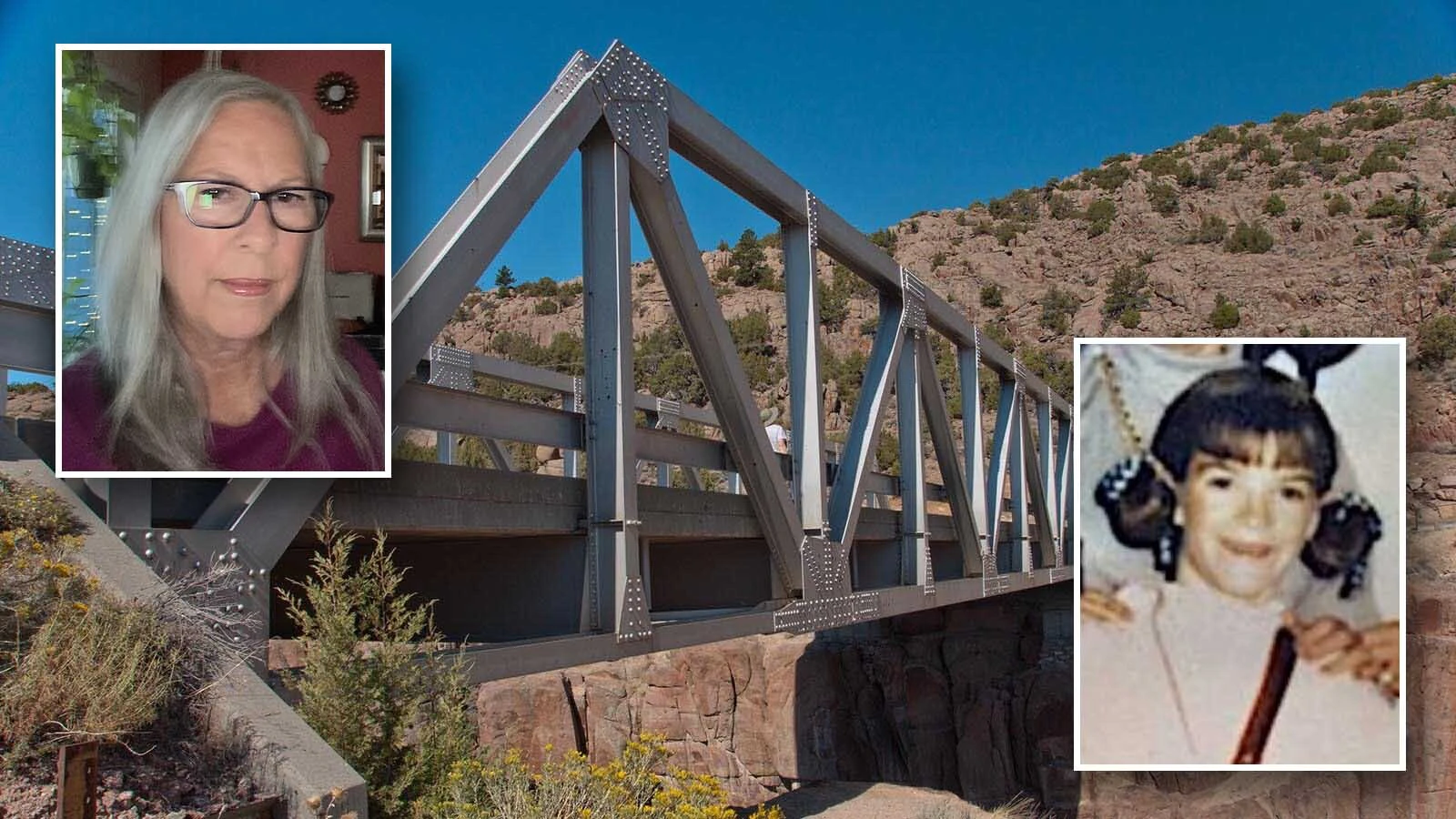
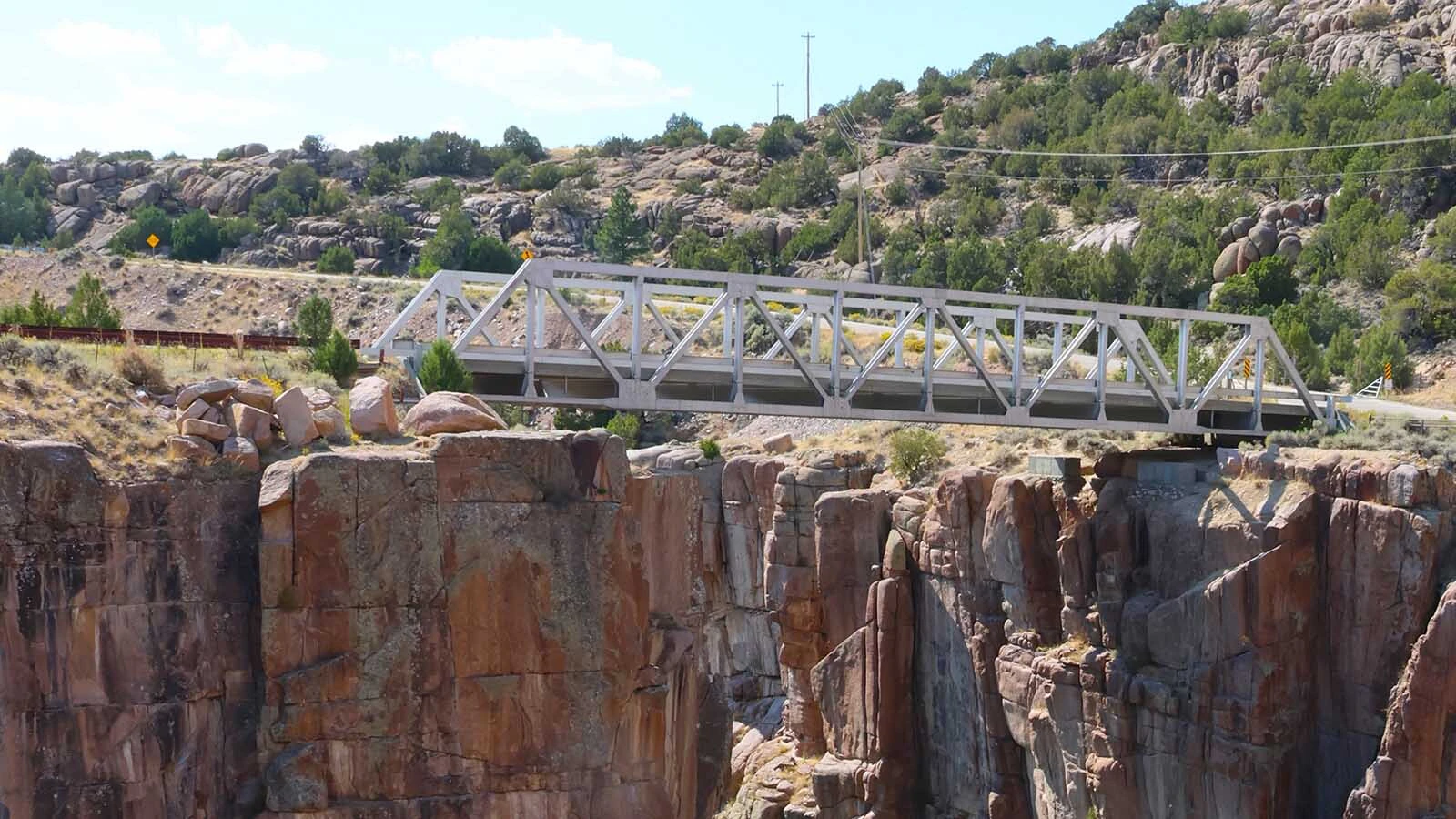
Francell’s book detailed the abduction and killing of her best friend by two Casper men who threw her off the Fremont Canyon Bridge above the North Platte River to her death southwest of Casper.
They then raped and attempted to murder Becky. The men threw her off the bridge as well, but she survived the 112-foot fall.
On July 31,1992, Becky returned to the bridge. Her body was found below it at age 37, apparently having taken her own life.
For Herden, now 65, the most intense emotions that came roaring back with those memories are anger and guilt.
That’s because the girls — her friends and neighbors — stopped and asked is she wanted to ride along to the convenience store with them that fateful evening.
“We were out on the driveway, and they pulled up, and Amy came out and asked if we wanted to go to Thriftway with them,” Herdon said. “I went and asked my dad and he said, ‘No, it’s too late.’”
Hours later, her world was turned upside-down.
"And then I just remember a knock on the door,” she recalled. "We were already in bed for probably an hour and their mom was frantic, wanting to know if we’d gone to the store with them and my dad said, ‘No’ that we didn’t, and we were in bed.”
Her Belief
Herden believes if her father had let her go with them she would have prevented the girls from getting into the car with their two kidnappers because of an incident earlier that summer.
Herden had been in charge of taking her younger sister and cousins to swim at the Washington Park pool and they had been told to walk to her grandmother’s house a few blocks away after they were done.
Instead, Herden remembers being tired and trying to “hitch” a ride to the house.
A man took the girls into his car and drove them to her grandmother’s home while lecturing them on the dangers of getting into vehicles with strange men.
“He walked us up and told my mom what we had done,” she said. “If my sister and I had been with them that night, we would have said, ‘No, we’ll go call our dad' and our dad would have come and picked us up.
"We would never have gotten into that vehicle. So, there was a lot of guilt because I felt that it wouldn’t have happened.”
Herden said she still blames her father to this day.
University of Wyoming psychology Professor Matt Gray who specializes in helping victims of sexual assault, domestic violence and trauma, said that Herden’s struggle and guilt is a common response for those associated with trauma and can “complicate healing.”
“We spent most of our lives believing at some level that the world is an orderly and predictable place, and if we do the ‘right things’ we can prevent bad outcomes — such that trauma is something that happens to other folks,” he said.
“Then, if we have fundamental perceptions of safety and order and predictability violated by a rare but extreme event, our worldview is fairly well shattered,” Gray added.
Herden said her world up to 1973 had been safe and sheltered except for a flood when she was 10 years old that caused a river of water to go down their street and float her dad’s truck away.
Tomboy Duo
Although she was a year older than Amy, Herden said she was a “tomboy,” as was Amy, and they enjoyed hunting salamanders, frogs and toads together and doing outdoor things.
She remembers Amy inviting her over to check out a scorpion they had in their trash can.
“She was just a lot of fun to hang out with,” Herden said.
After Amy’s death and the trauma to Becky, the neighborhood and Herden’s world changed.
Her parents did not mention the crime or attempt to talk with their kids about the loss of Amy.
Herden said she and her sister, who was in Amy’s class at school, also did not talk about it. They did not go to Amy’s funeral.
Her parents were trying to protect her.
“Nobody talked about it, ever — ever, ever, ever,” Herden said. “It was like it never happened and we weren’t supposed to talk about it.”
Herden said she just “blocked out” the event.
She left Casper in 1979 at 18 and her first marriage to a Casper man who joined the Navy produced three daughters.
She said she wanted out of Casper and “he was her way out.”
They divorced after 18 years and she married an aircraft mechanic who 11 years ago took his own life.
While her first husband was in the Navy, she and her daughters often were alone and she said she put a “metaphysical bubble” around them to feel secure.
“Nothing has ever happened in my life,” she said. “I’ve felt safe.”
Herden said she saw Becky at a bar while staying with her parents in Casper in 1985 or 1986, hugged her and asked how she was doing.
“She shook her head, ‘No,” Herden said. “I mean, that was really it. She didn’t want to talk about it and I didn’t want to bring it up.”
'Antisocial'
Herden agrees that the loss of Amy and the events of 1973 affected her.
“I’m antisocial. I really don’t have friends,” she said. “I don’t like being around people.”
Gray said generally social withdrawal and isolation are responses he sees when someone “misperceives that they ‘should have known’ something bad was going to happen,” though typically it would have been impossible for them to know.
Self-blame and blame of others also can be a characteristic related to traumatic events.
He said not talking to others prevents the “processing of trauma” and ability to see inaccurate beliefs.
It also prevents support and consideration of other possibilities.
The best practice to deal with trauma is to recognize that “post-traumatic beliefs and interpretations are common” but often “damaging and inaccurate,” Gray said.
“As a trauma survivor, you don’t have to have all the answers or even know where to begin,” he said. “But it’s important to recognize that trained professionals who regularly treat trauma can probably provide help and guidance for these issues.”
Gray said natural and existing social support also is good, provided the people listening are kind and supportive.
For Herden, counseling is not something she has considered related to the incident.
She said she considers herself “very independent and a loner” who has to handle things on her own.
Herden said she continues to rely on her faith, something that was made more real by the loss of Amy in 1973.
“After that, I made myself safe internally with God,” she said. “I’ve always asked God to protect me when I’ve moved to a new place and I’ve always felt safe.”
Dale Killingbeck can be reached at dale@cowboystatedaily.com.


