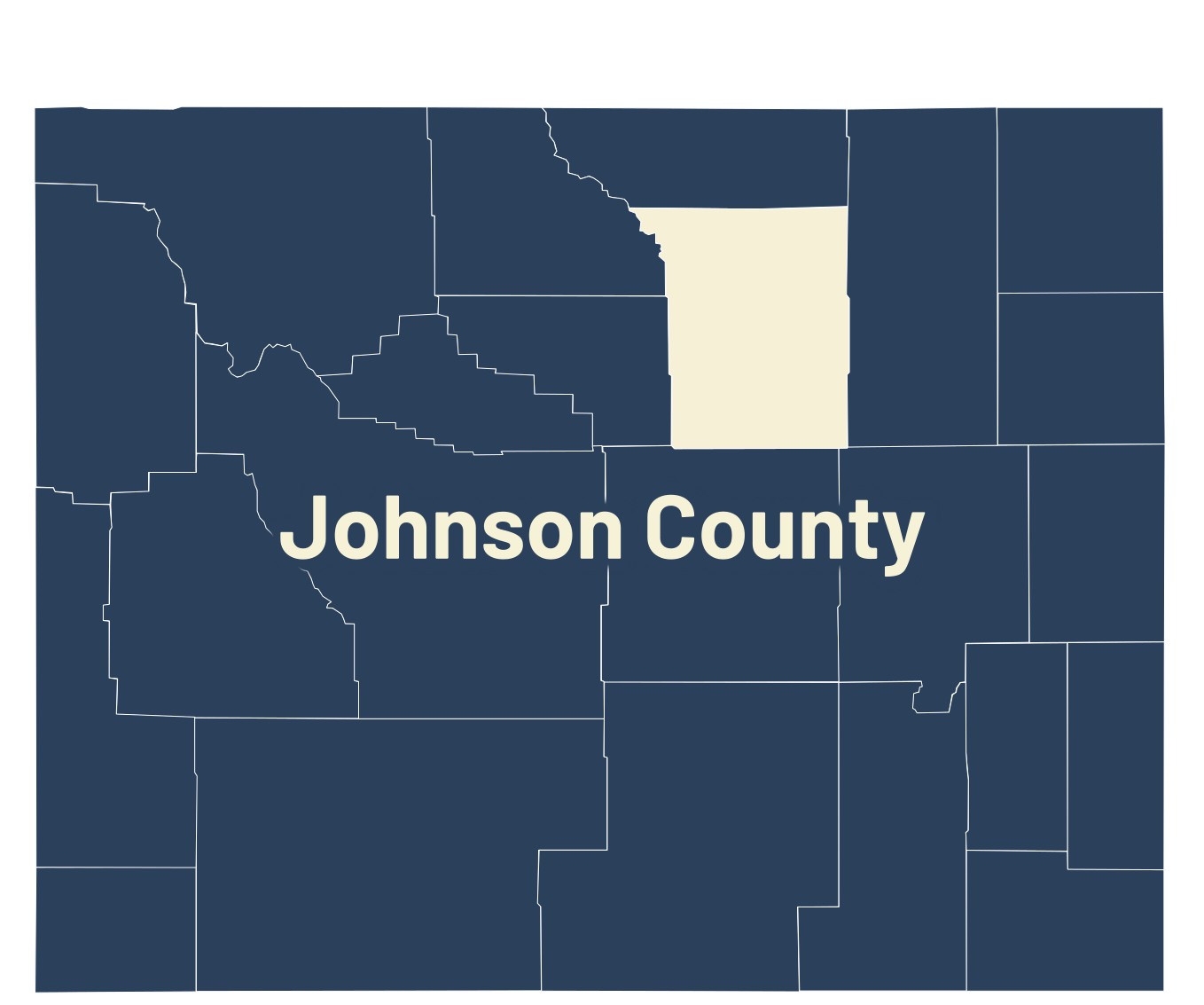
As a 14-year-old in 1892, Mary Taylor Cash sensed that life in Johnson County, Wyoming, was about to change forever — and violently.
“We knew that there was trouble a-brewing, and that sooner or later the lid would blow off,” Cash said, recalling the nights before the Johnson County War erupted in her family’s backyard.
In 1959, Cash reminisced to her granddaughter, Sue Myers, about her childhood and the infamous and bloody northern Wyoming range war that ran from 1889 to 1893.
When Cash was 5 years old, she came to the Wyoming Territory in 1883 with her mother, grandmother and 7-year-old brother to start a new life on her father’s homestead on the Middle Fork of the Powder River.
She ultimately survived a childhood of hard work, wild animals and the lawless years of the Johnson County War.
The small family had arrived by train three years previously to Custer, Montana, where Cash’s Uncle Al Spang met them in a lumber wagon.
Margaret Brock Hanson wrote in her book “Powder River Country” that Cash and her family went first to a rooming house above a saloon in Buffalo, a lively welcome to the Wyoming Territory.
They lived in Buffalo for two years before moving to the homestead with her father. Cash recalled when her cousin had to run from a bear and another time, when they had to survive blizzards alone in their home when their parents were stranded in Buffalo.
“Most of the old timers will remember the winter of 1886-87,” Cash later said, reminiscing about the tough times as a homesteader. “Every morning Dad would get up and drag away the cows that had died. Those cows died like so many flies.”
By 1890, Cash’s father had died and her mother married another rancher in the area who was caught up in the cross hairs of the powerful cattle barons.
Cash’s new stepfather, Oscar “Jack” Flagg, had been labeled a rustler and targeted by the powerful Wyoming Stock Growers Association.
Her mother was also well-known as a vocal supporter of the homesteaders according to Albert W. Richards of Sheridan, who witnessed the action.
In the evenings, Cash said that the men busied themselves around the kitchen table cleaning their guns, molding bullets, and loading cartridges.
They were still caught off guard when the war exploded in their backyard.
Cash was only 14 when her family’s neighbors and friends, Nick Ray and Nate Champion, were murdered by the “invaders” and her own family were witnesses.
She recalled vividly the 1892 Johnson County Invasion, the deadly war waged in Wyoming Territory between the big cattlemen and the numerous homesteaders, like Cash’s family, who were fencing in the once open plains.
Cash recalled that her older brother Alonzo Taylor, 17, and her stepfather had left the family homestead for Kaycee that fateful day, unaware that the trouble wasn’t just brewing, but had finally erupted.
According to Cash, Flagg was to meet some men in Kaycee and continue to Douglas. Alonzo was taking the wagon since he was going after lumber.
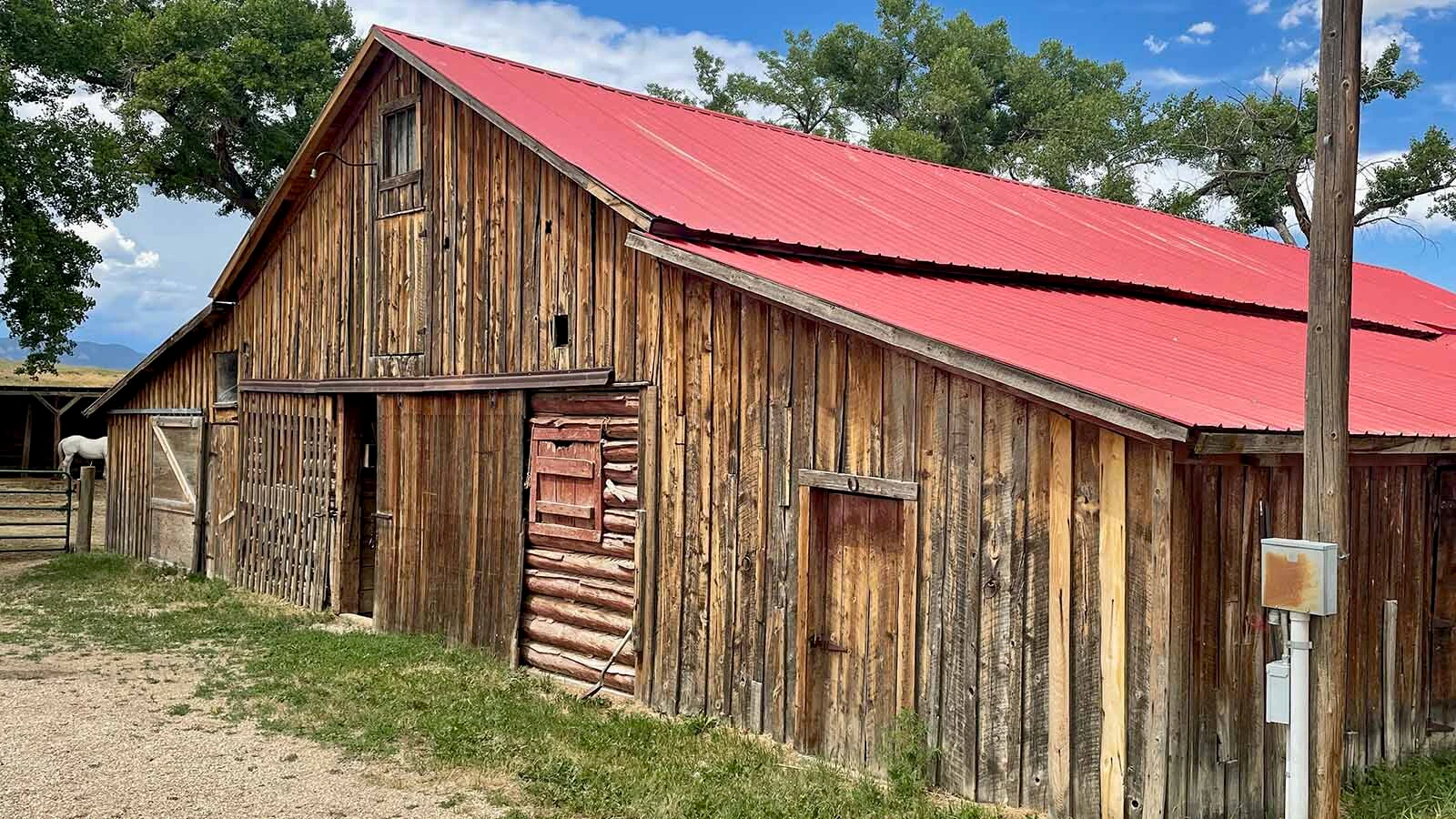
Mary Taylor Cash was just a young 14-year-old teenager when her brother was nearly killed during the Johnson County Invasion of 1892. It was just one of many stories Cash shared of growing up on a homestead in rural Wyoming in the late 1800s. The barn on the TA Ranch still has bullet holes from the violent conflict. 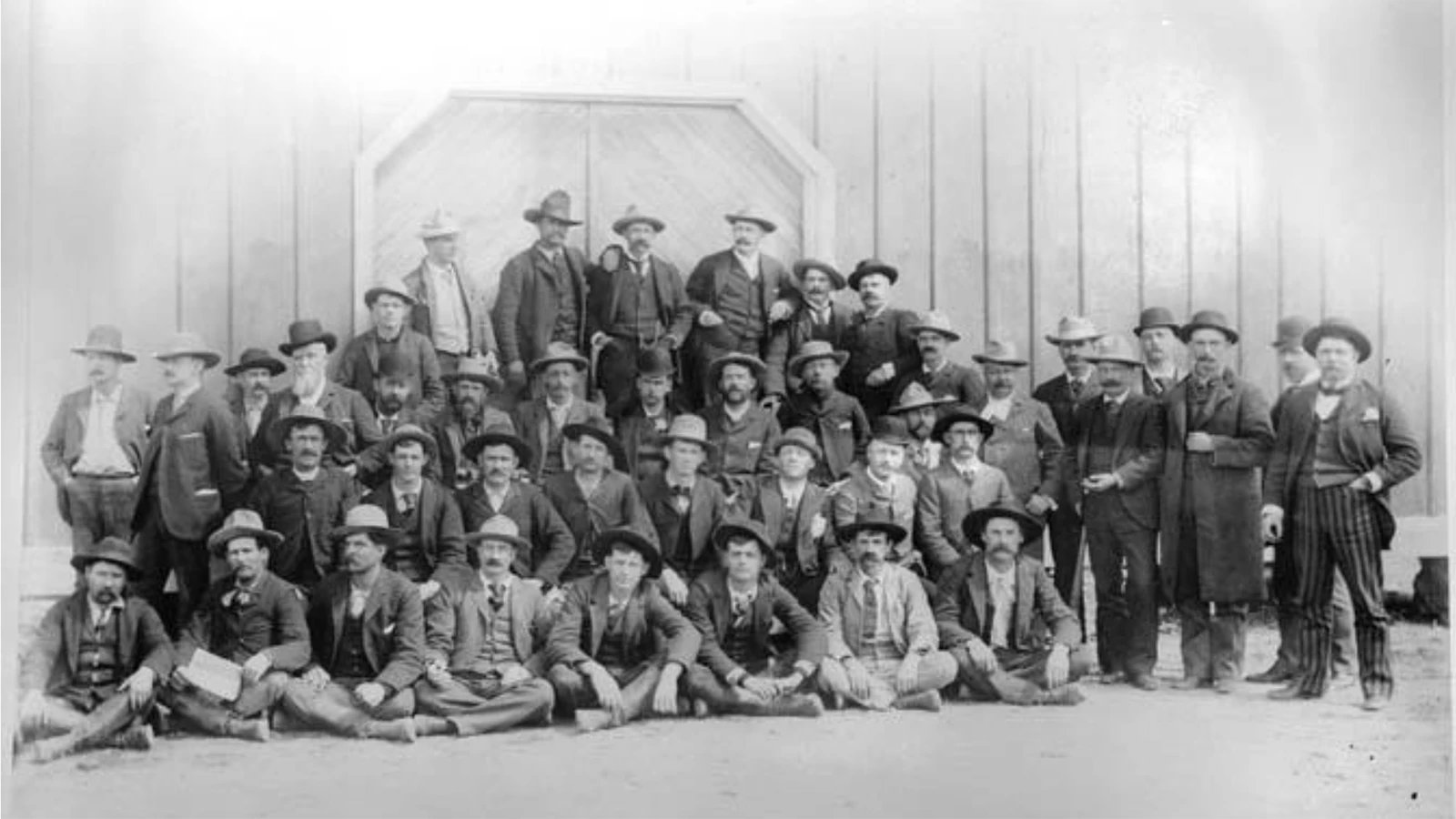
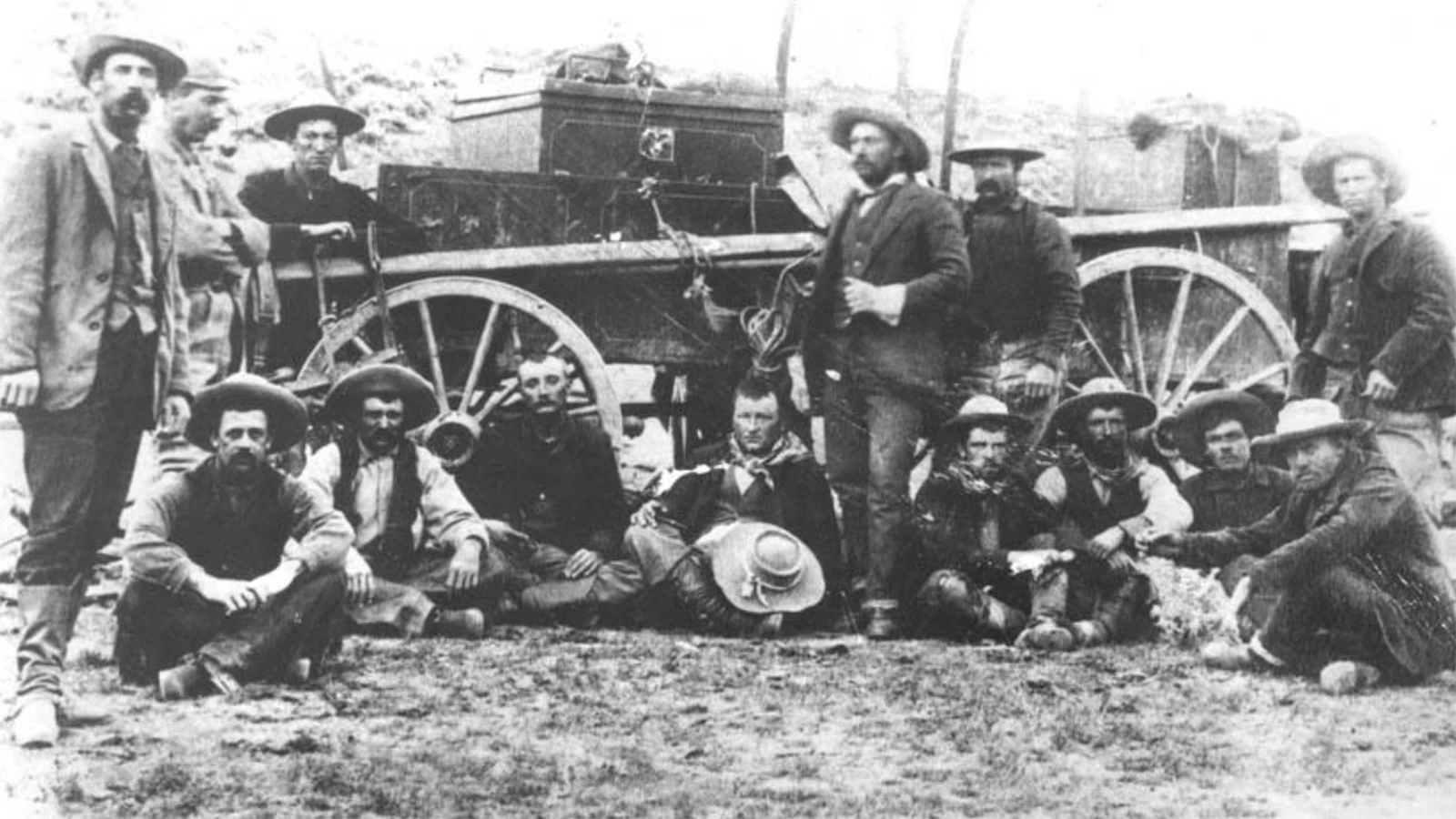
Cattlemen and hired guns formed a posse to go after local homesteaders who they accused of cattle rustling and other crimes. One of their targets was the homestead of Oscar “Jack” Flagg. His wife was known as a vocal supporter of the homesteaders and his stepdaughter, Mary Taylor Cash, recalls the time Flagg and her 17-year-old brother Alonzo were caught up in the fray. The family thought Flagg and Alonzo were killed by the posse and learned they were safe three days later. (Wyoming State Archives) 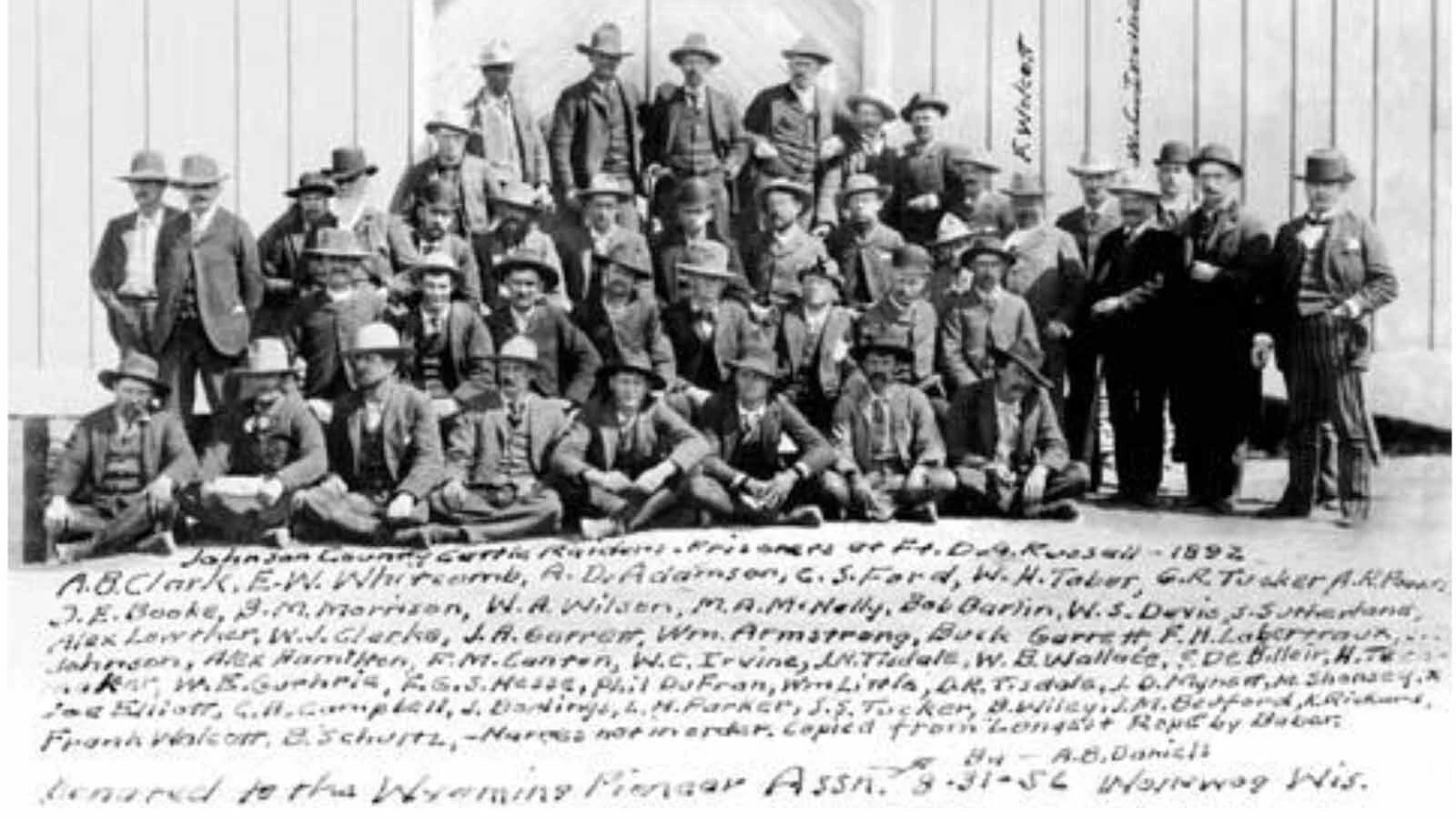
Cattlemen and hired guns formed a posse to go after local homesteaders who they accused of cattle rustling and other crimes. One of their targets was the homestead of Oscar “Jack” Flagg. His wife was known as a vocal supporter of the homesteaders and his stepdaughter, Mary Taylor Cash, recalls the time Flagg and her 17-year-old brother Alonzo were caught up in the fray. The family thought Flagg and Alonzo were killed by the posse and learned they were safe three days later. (Wyoming State Archives) 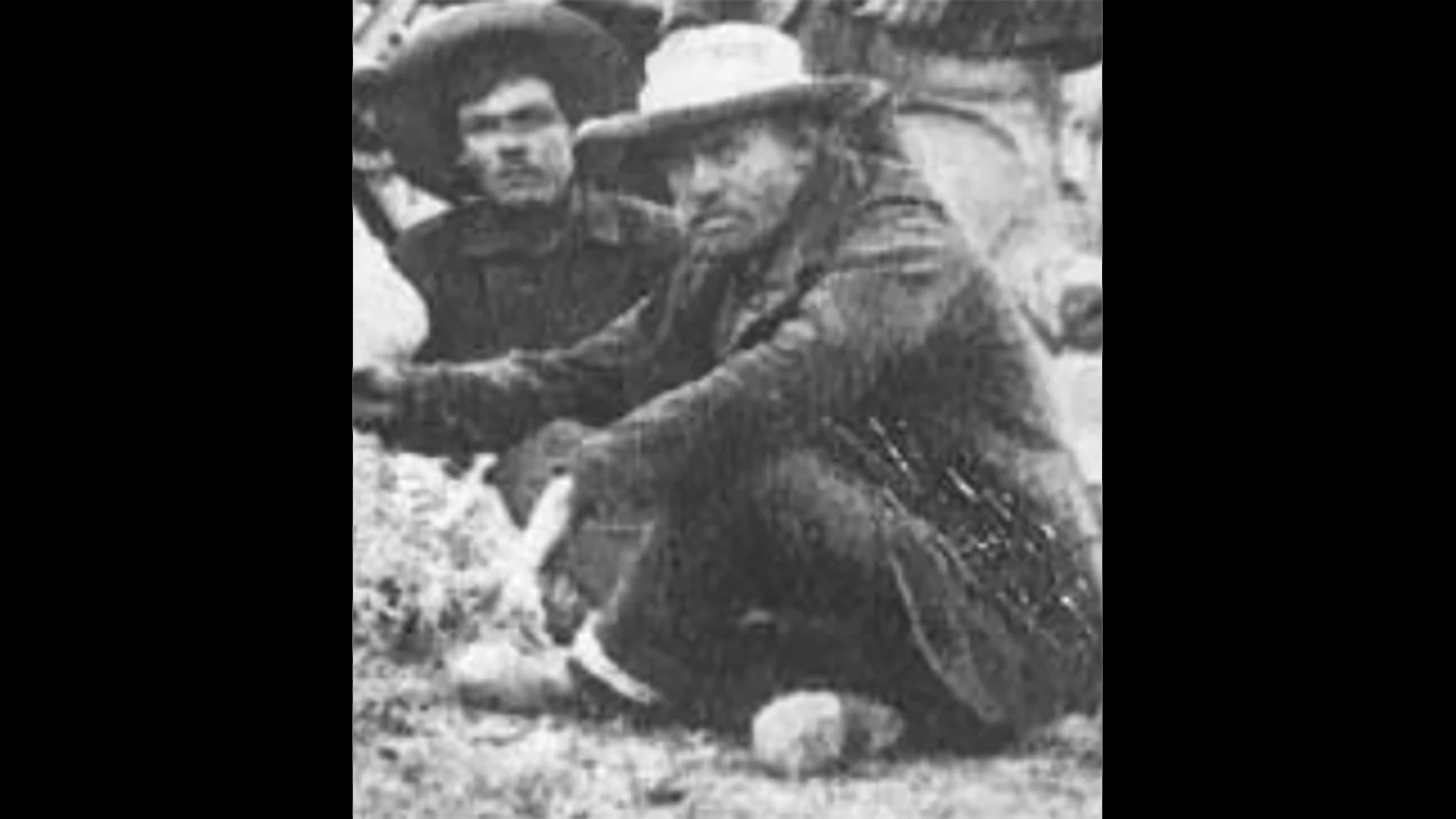
Oscar “Jack” Flagg was the stepfather to 14-year-old Mary Taylor and 17-year-old Alonzo Taylor when Flagg was labeled a rustler and put on the list to be assassinated by the Johnson County Regulators (Invaders) in the spring of 1892. His stepdaughter recalled how he escaped being killed when her brother threw him a rifle. Fortunately, the Invaders did not know Flagg and Alonzo only had three bullets and they were able to escape. (Wyoming State Archives)
Caught In The Cross-Fire
In the April 1961 American Heritage magazine, historian Helena Huntington Smith wrote that Jack Flagg, “a rustler intellectual of sorts,” had left his ranch 18 miles up the Red Fork of Powder River on the snowy morning of April 9, 1892.
Flagg was on his way to the Democratic state convention at Douglas as the delegate from Johnson County.
“Mr. Flagg was riding horseback and Alonzo was driving the running gears with two horses,” Cash said. It was a routine trip and life on the home ranch continued as usual, chores demanding the teenage girl’s attention.
In Flagg’s own account, written for the Buffalo Bulletin in the June 9, 1892 edition, Flagg said he knew that he had been labeled as a rustler for branding mavericks, cattle that the Stockgrowers' had claimed for their own.
Flagg had even previously turned himself in to Sheriff “Red” Angus for the rustling charges and had been released from custody.
On this day, Flagg wrote that he was just driving past the cabin of Nick Ray and Nate Champion, unaware of the gunmen hiding nearby who had already shot and killed Nick Ray.
“A rancher, newspaper editor, and schoolteacher, Flagg was an accomplished demagogue who had twisted the tails of the big outfits by means fair and foul,” Smith wrote. “He was very much on the wanted list.”
Flagg was riding about 50 yards behind the wagon driven by Alonzo. When the two arrived, the invaders had withdrawn into a strategy huddle and pulled in their pickets, according to Smith. T
here was no sound of firing to warn the two as the wagon rattled downhill to the bridge by the KC ranch.
Flagg started over to the house to greet his friends and was ordered to halt by someone who failed to recognize him.
According to Smith, Flagg thought it was a joke and called back “gaily.”
“Don’t shoot me, boys, I’m all right,” Flagg answered cheerfully.
Under the hail of bullets that followed his greeting, Flagg fled to the wagon Alonzo was driving and slashed the tugs holding one of the team.
Cash said that her brother threw the gun to Flagg. When the gunmen saw that Flagg was armed they stopped shooting.
“Mr. Flagg held them off until Alonzo could cut free the one riding horse, but he never had to fire a shot, which was a good thing since he only had three bullets,” Cash said. “He only had the gun with him because he was taking it to Douglas to get more shells.”
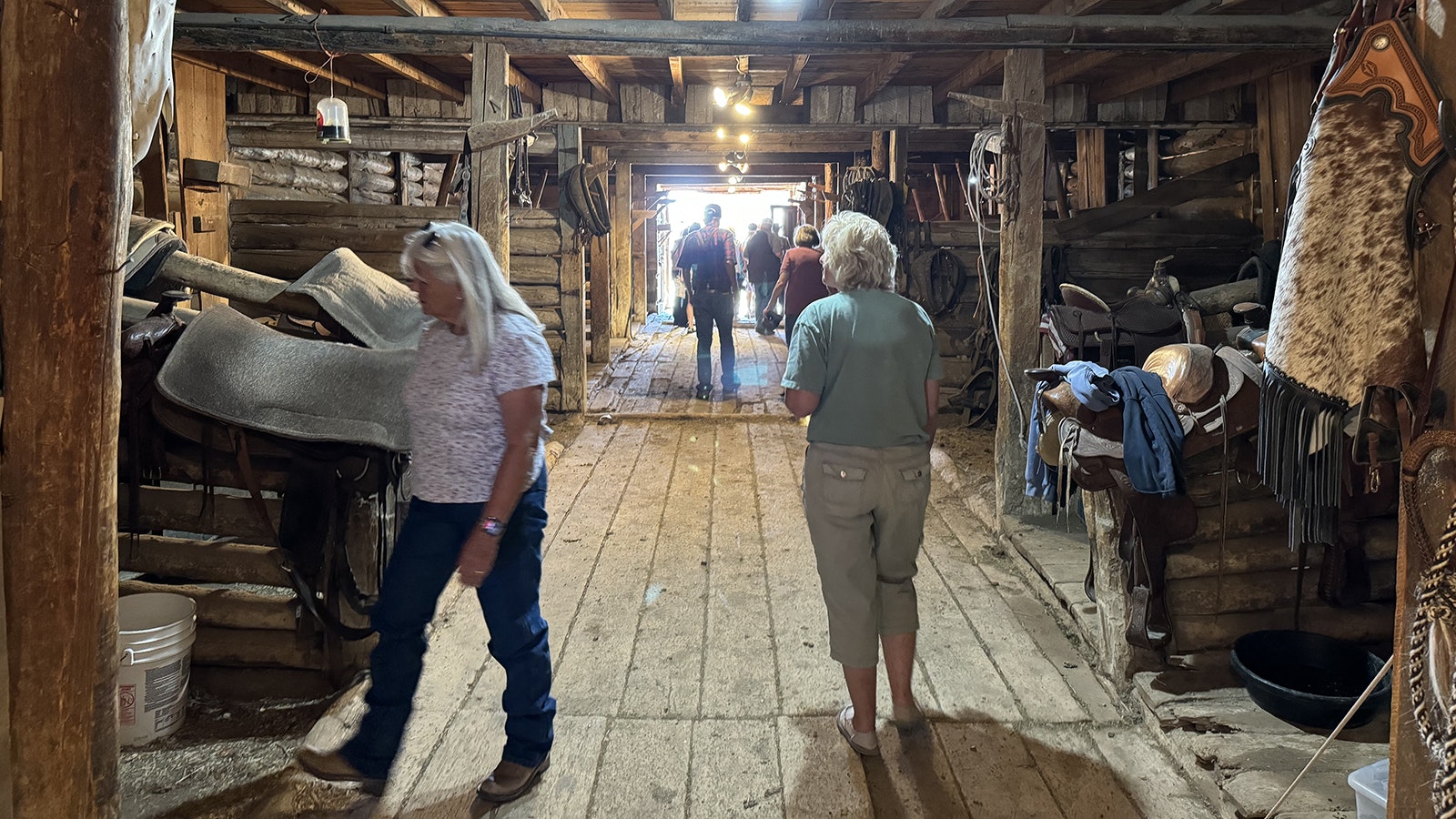
Visitors on the Johnson County War Tour inside the barn at the TA Ranch. The invaders barricaded themselves inside this barn and were besieged by a posse of 200 Johnson County residents for three days until they were incarcerated by the U.S. Army on April 13, 1892. (Andrew Rossi, Cowboy State Daily) 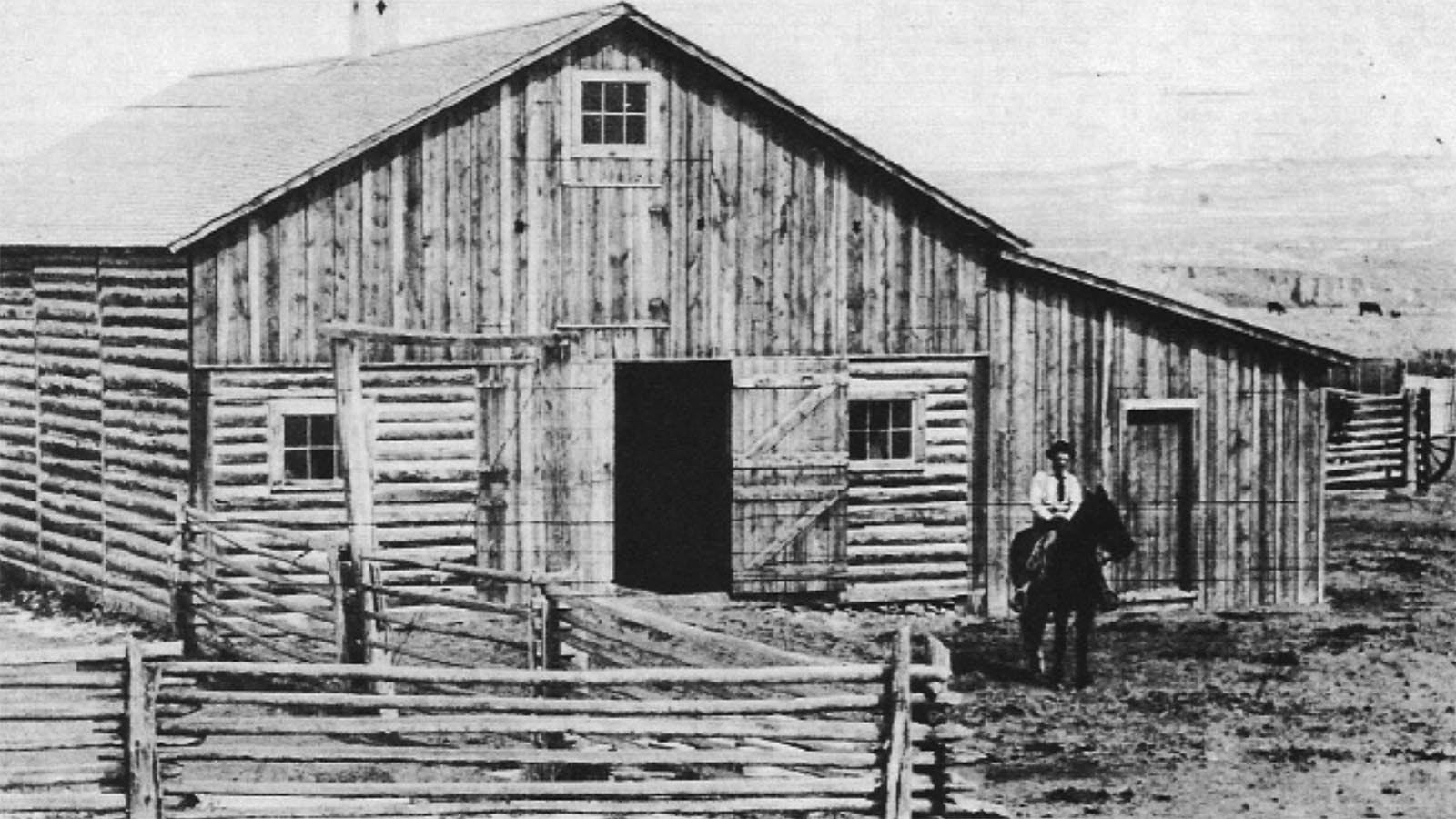
The TA Ranch barn in 1904, 12 years after the Johnson County War. 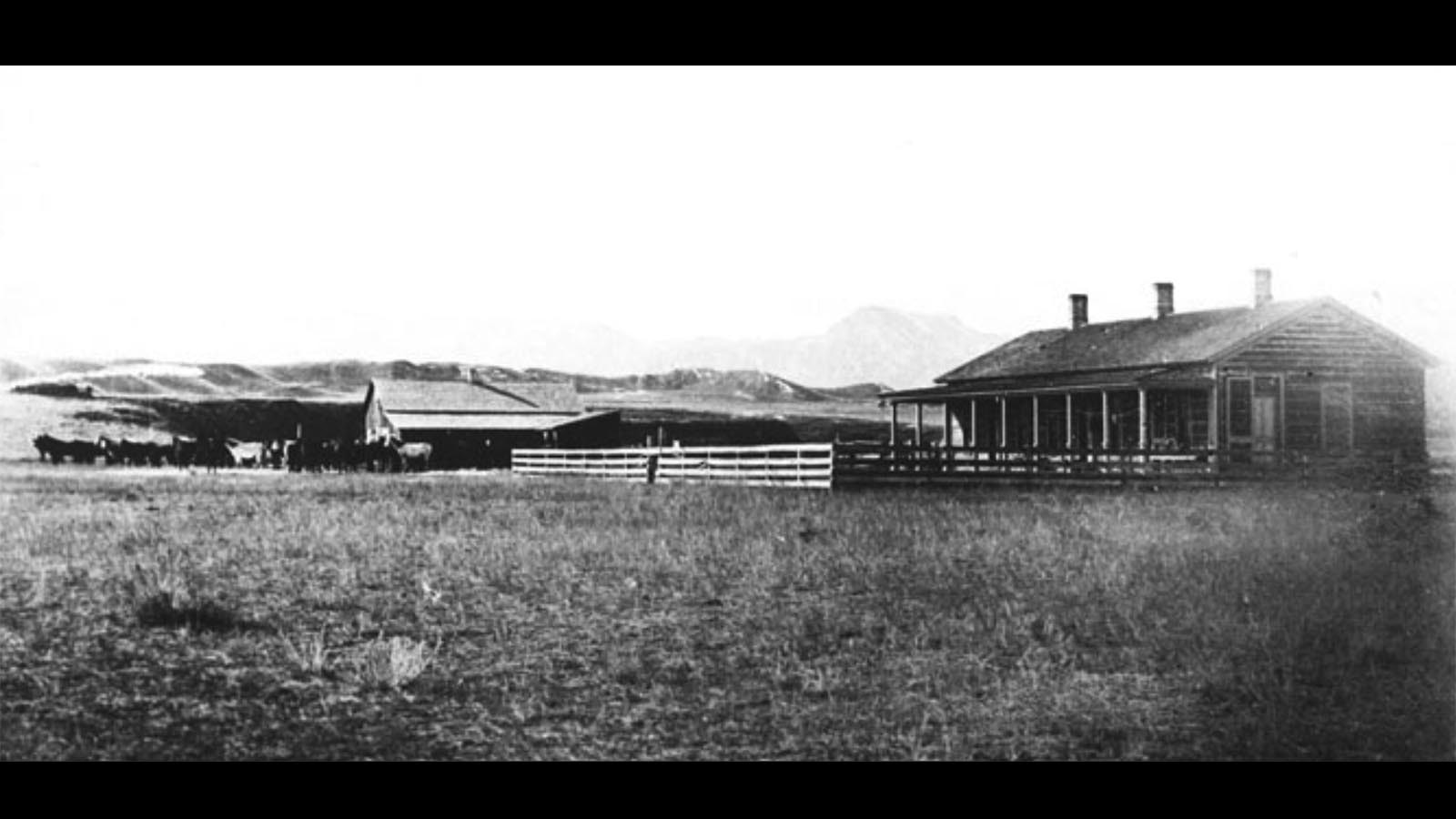
The TA Ranch south of Buffalo. (Courtesy Jim Gatchell Museum via Wyohistory.org)
Family’s Loss
After Flagg and Alonzo had escaped, the gunmen used the family’s wagon to set the cabin on fire.
Smith said that since hours of cannonading had failed to dislodge Champion, they loaded the wagon with old hay and dry chips and pushed it up to the cabin, where they set it afire.
“In order to do this, they shot the remaining horse under the ear,” Cash said. “This same horse was found [alive] later and returned to our family and was used for many years afterward with the scars under his ear where the bullet entered and exited.”
That day, flames and smoke rolled skyward until the gunmen wondered if the man inside had cheated them by shooting himself.
Champion, however, was still writing in his diary where he recorded his point of view of the siege until making his unsuccessful attempt to escape. His diary was taken off his body.
Cash said that her stepfather and brother rode that night to reach the John R. Smith ranch to get help. Terrance Smith also had witnessed the war at the Champion cabin and had already left to notify the citizens of Buffalo.
At the ranch, Flagg and Alonzo met the men that were to go on to the convention.
With reinforcements, the men headed to the TA Ranch in Buffalo where the Invaders were entrenched behind a very efficient set of fortifications at the ranch, where they were virtually impregnable except for a shortage of food supplies, according to Smith.
By the morning of April 11, the Invaders were besieged by what Smith called an "impromptu army of hornet-mad cowboys and ranchmen," led by Sheriff “Red” Angus of Johnson County.
Flagg was among the 300 men on the day of surrender. The Invasion was over.
“However, the family at Red Fork didn’t know if Mr. Flagg and Alonzo were dead or alive for two days and two nights,” Cash said. “We had heard of the fight and supposed that they had been killed.”
On the third day, during the siege on the TA Ranch, a boy finally arrived on horseback to let Cash and her family know that Flagg and Alonzo had both survived the Invasion.
Town Life
After the “Invasion” in the spring of 1892, Flagg moved the family back to Buffalo where he took over the newspaper and wrote his own accounts of the events.
Up until then, Cash said that she got very little schooling on the homestead and instead, the little girls learned to do the hard chores of grown women.
“They could put a board down on chairs to make a worktable low enough for the little ones,” Cash said. “Heavy 'sad irons' were heated on the wood-burning stove and the ironing was done on a padded board laid across the backs of two chairs.”
The women had washed homemade clothes on a wash board and made their soap from lard rendered from the home-raised pork. Even lye for the soap was sometimes homemade from wood ashes.
In town, after the “invasion,” life was easier for Cash and much different from the homestead.
Her mother still spent hours making clothes, but they were “lovely” dresses with bustles that Cash was too young to wear.
“Most of them looked like waddy little humps wiggling around,” Cash said. “I recall one especially, the 'bird cage' as the men called it.
"It was about 12 inches long and 4 inches wide and rounded up and across, giving the bird cage effect.”
In 1896, 18-year-old Mary Taylor married J.J. Cash at her mother’s home and by 1907, had moved to her own homestead.
She never forgot the Invasion of 1892 nor the friends they had lost that fateful day.
She was forever grateful that her brother, Alonzo, and stepfather had escaped with their lives and that even their horse had returned home to them, scarred but alive.
Jackie Dorothy can be reached at jackie@cowboystatedaily.com.