
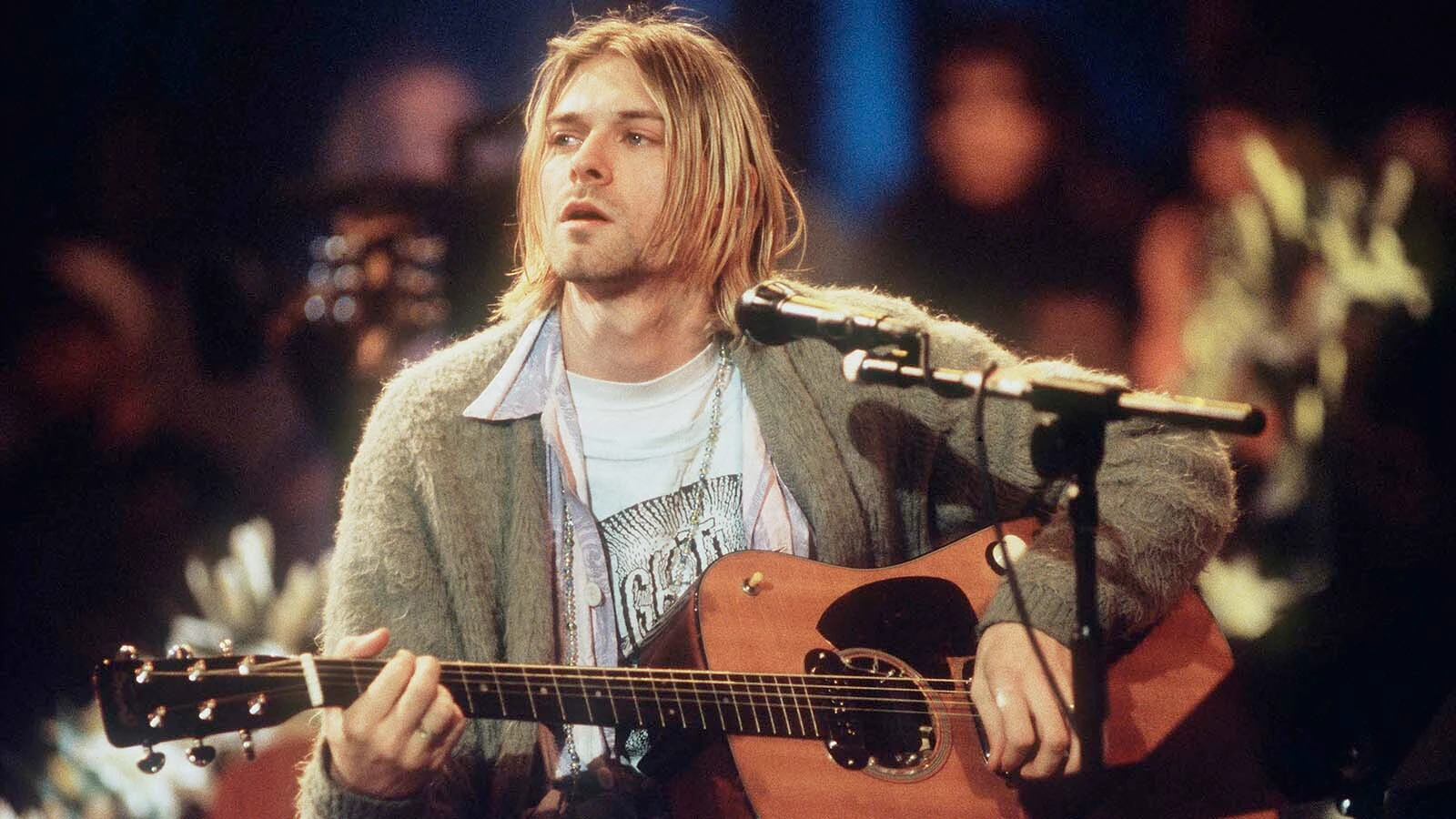
Kurt Cobain’s death in 1994 upended a generation of youth who related to the disillusionment expressed by his raw vocals and edgy guitar while sparking an ongoing debate and controversy about how he actually died.
Now 32 years later, these questions are again being revisited after a Utah-based private investigator turned over new evidence to police, on top of a new report by a team of forensic experts who say Cobain’s death wasn’t a suicide — he was murdered.
The Seattle Police Department has remained firm in its determination that the 27-year-old grunge icon and Nirvana frontman died by a self-inflicted shotgun blast to his head on April 5, three days before his body was found in his Seattle home, leaving behind a suicide note bemoaning a loss of love for his music and the many ways that fame had taken a toll on his personal life.
Almost immediately, however, fans questioned the assertion that Cobain had taken his own life, a theory bolstered by the private investigator hired immediately following Cobain’s death by his widow and fellow alt rocker Courtney Love, who also determined it was a suicide.
Others such as retired Seattle Police Capt. Neil Low have jumped on the bandwagon in support of the findings in the new report, telling News Nation in a recent interview that the original investigators botched the case and will likely refuse to reexamine evidence for fear of looking bad.
Jason Jensen, the Utah investigator who researched the Cobain case for the past two years and says he found new evidence, doesn’t think the Seattle police botched the case and instead said they were dealing with the best evidence and tools they had at the time.
Since then, Jensen said he’s found nine witnesses who claim to have been at Cobain’s house on the night he died and who say Cobain was assaulted.
These potential witnesses were never interviewed by police because they didn’t come forward, Jensen said, though he’s since passed on their names to police.
Jensen also hired two handwriting experts who determined parts of Cobain’s suicide note were forged.
Jensen met with the Seattle Police Department last year and said he has firsthand knowledge that authorities are digging into this new information regardless of what they are saying publicly.
“They know it is their responsibility to review legitimate claims of criminal activity,” he said. “They won't be bullied to publicly reveal their findings until they are done.”
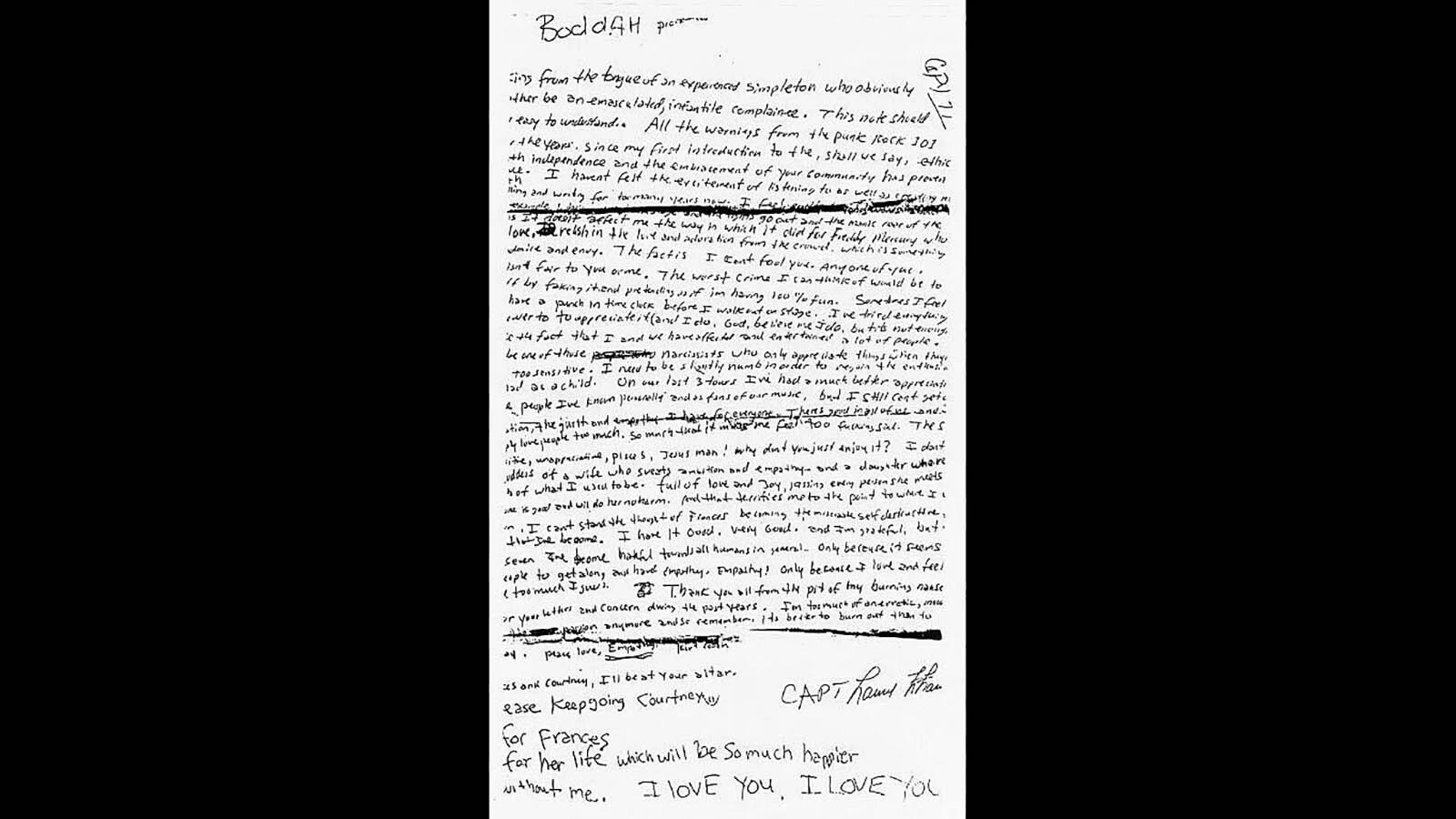
A suicide note was found near Kurt Cobain's body, one of the pieces of evidence used by the Seattle Police Department to determine his death was suicide. New reports by handwriting experts, however, have determined the final four lines were forged to appear like Cobain's writing. (Courtesy Photo) 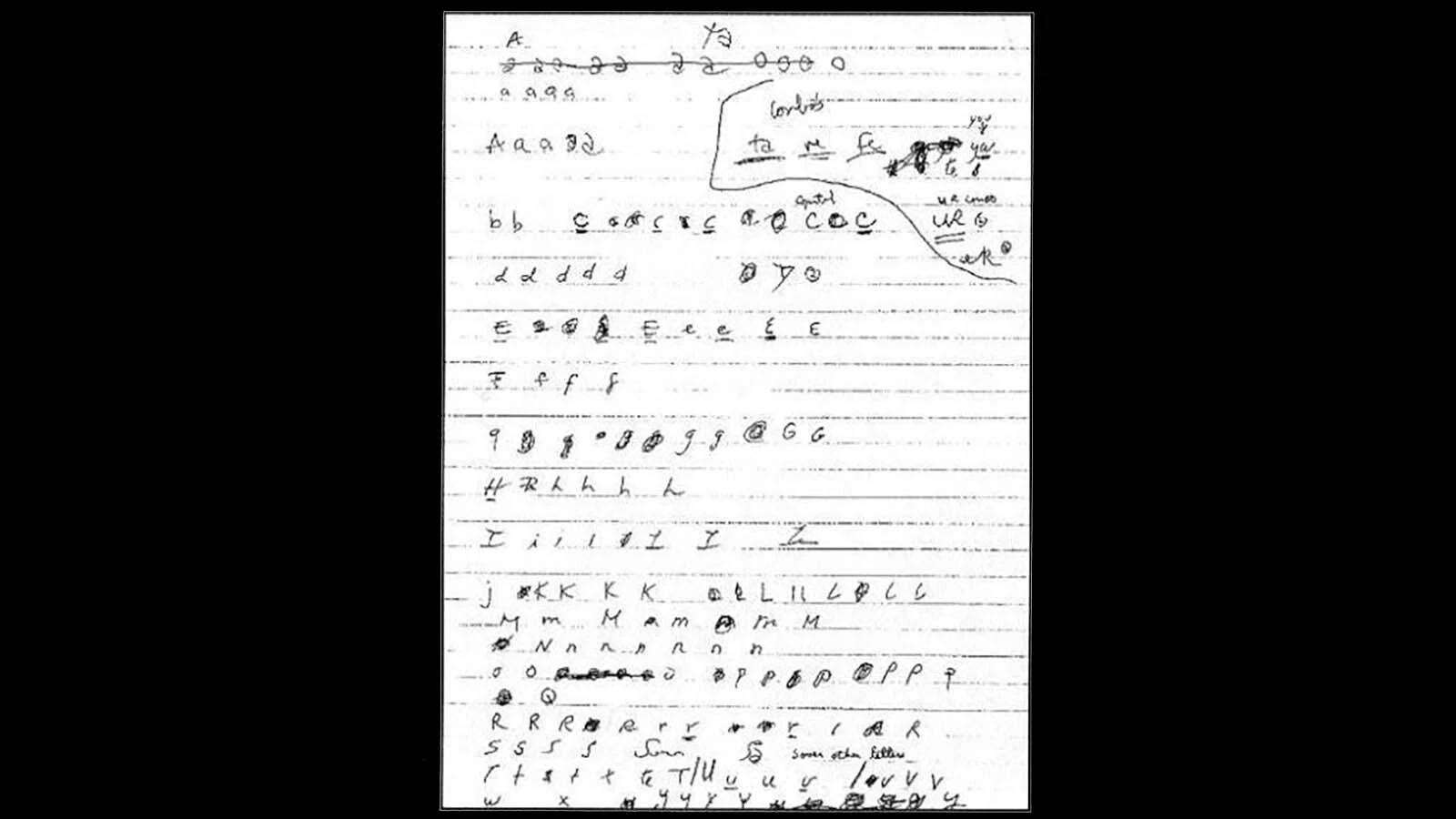
A "practice note" was found among Courtney Love's possessions following the death of her husband but there's no indication that it belonged to her or was used to practice forgery. (Courtesy Photo) 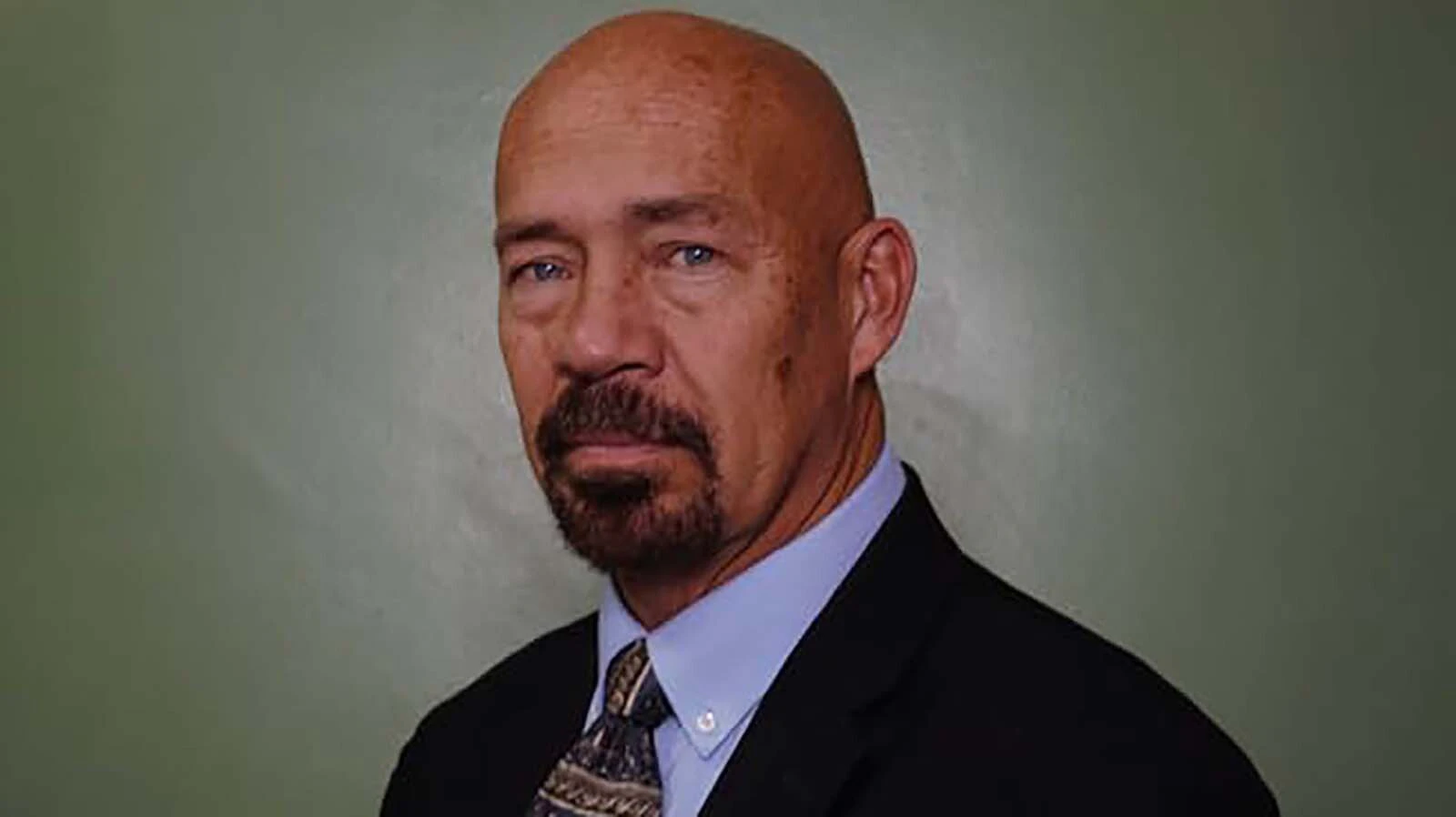
Jason Jensen, the Utah investigator who researched the Kurt Cobain case for the past two years and found new evidence, disagrees that the Seattle Police botched the case and instead said they were dealing with the best evidence and tools they had at the time. (Courtesy Photo)
Police Deny Report
The Seattle Police Department, however, denies Jensen's claim about what the new evidence shows, telling Cowboy State Daily that its position following two separate investigations — with the latest in 2014 — remains unwavering: Cobain died by suicide.
Eric Muñoz, detective and media and public affairs spokesperson for the agency, directed Cowboy State Daily to a Wikipedia page about Cobain’s suicide that outlines the basis of the department's investigation.
Cobain’s body was discovered on April 8, 1994, by an electrician on a service call to his Seattle home who found him lying in the greenhouse above his garage with a Remington Model 11 shotgun across his body and a visible gunshot wound to his head, his left hand wrapped around the barrel.
A suicide note penned in red ink was found impaled by a ballpoint pen in a nearby flowerpot addressed to his imaginary childhood friend, named “Boodah.”
The suicide note provided a rambling explanation of guilt about deceiving his fans about faking a passion for his music and his inability to feel excitement anymore among other personal feelings about his fame and its impact on his personal life.
The note, in addition to reports of Cobain’s drug use and repeated talk of ending his life — as well as the shotgun wound — pointed to suicide, the investigation and medical examiner at the time concluded.
However, it’s the final four lines of the suicide note that Jensen calls into question in which Cobain professes his love for his wife and daughter, Frances.
It’s these last lines that were the subject of the handwriting experts who determined the handwriting does not match Cobain’s.
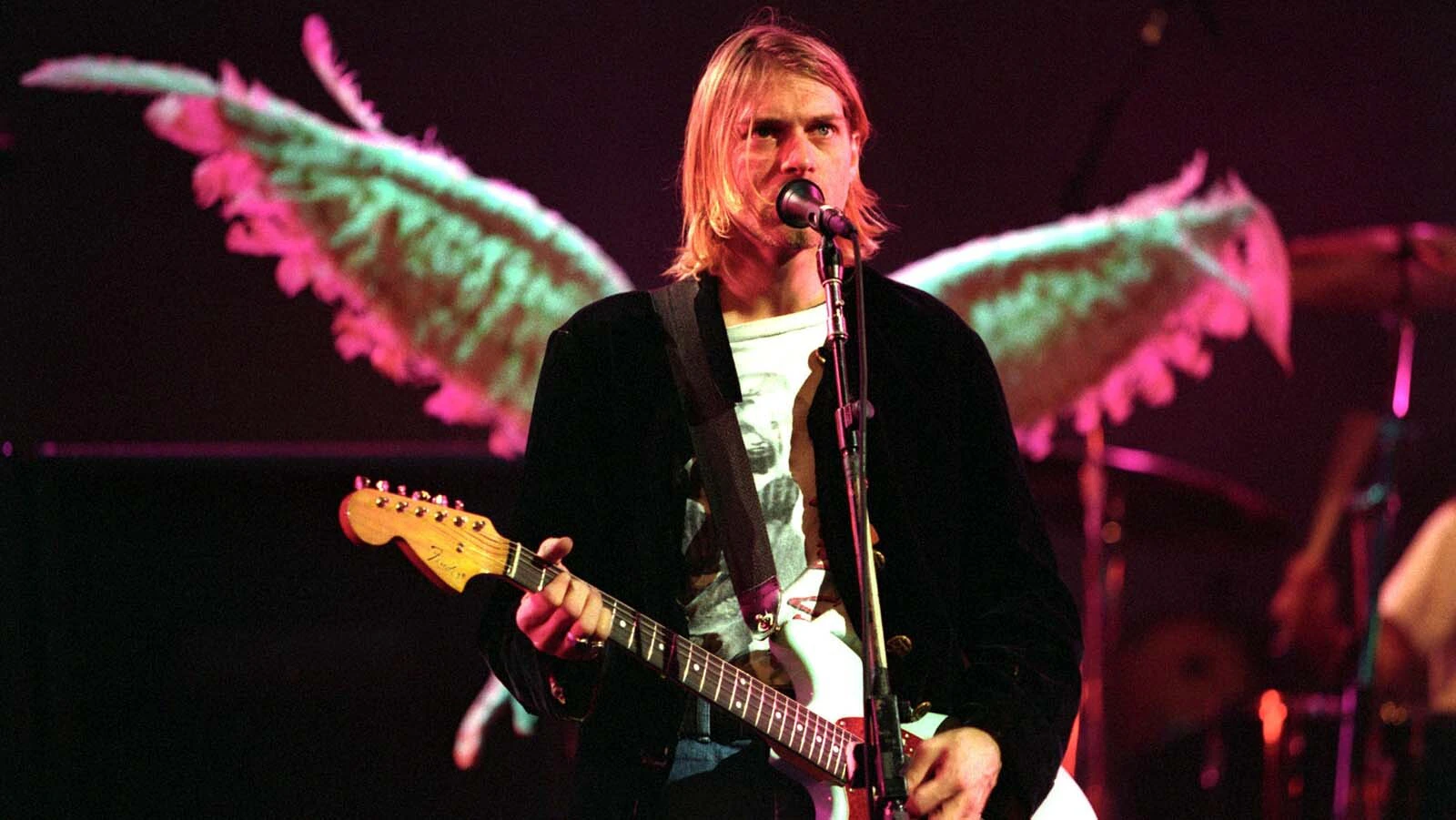
A Utah investigator says he’s uncovered new evidence that Kurt Cobain’s death in 1994 wasn’t suicide, it was murder. It could be a bombshell turn 32 years after his death upended a generation who related to the disillusionment expressed by his raw vocals. (Photo by Jeff Kravitz, FilmMagic via Getty Images) 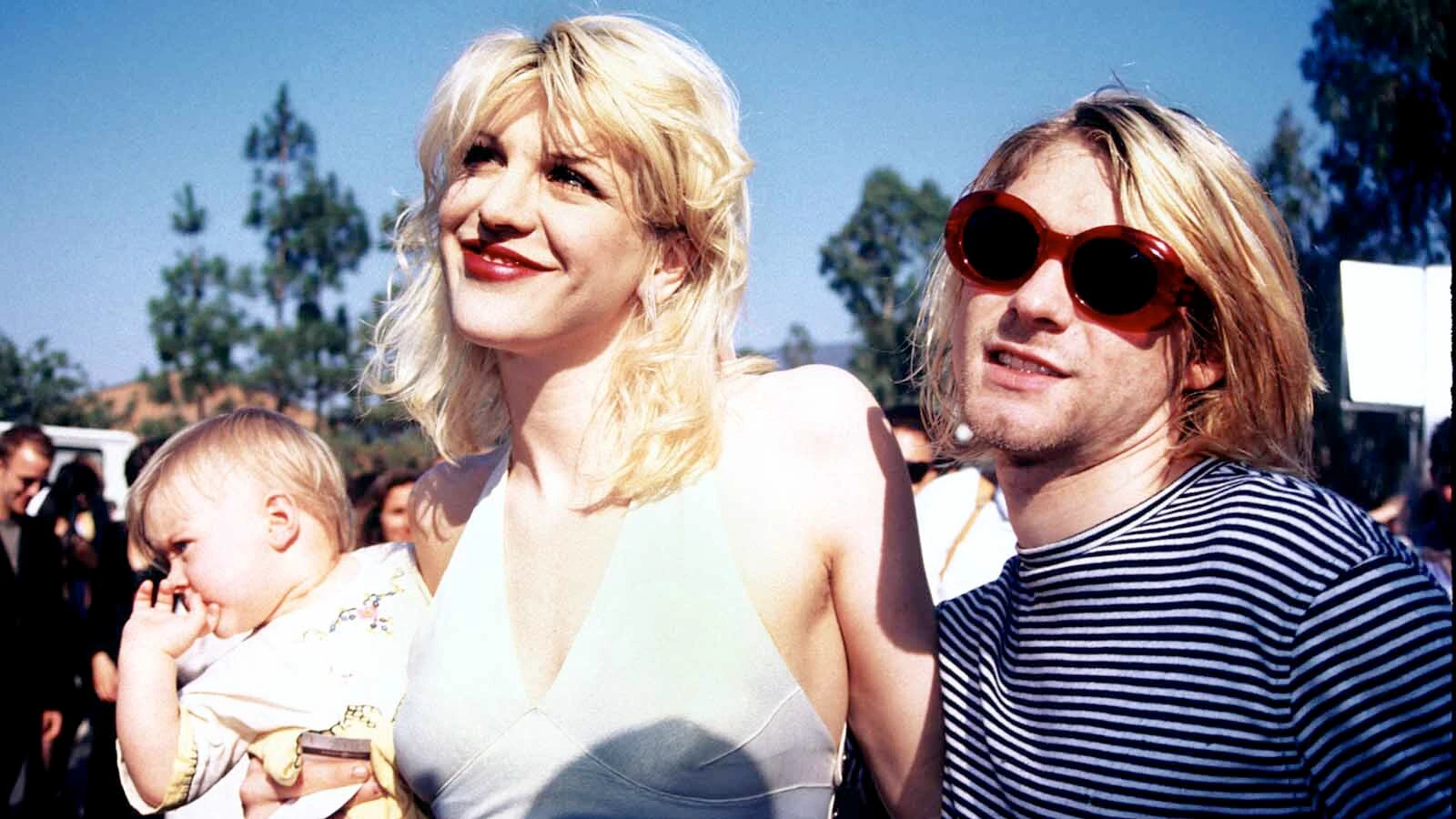
Kurt Cobain, Courtney Love and baby Frances Bean attending the 1993 MTV Music Video Awards in Los Angeles on Sept. 2, 1993. (Photo by Vinnie Zuffante, Getty Images) 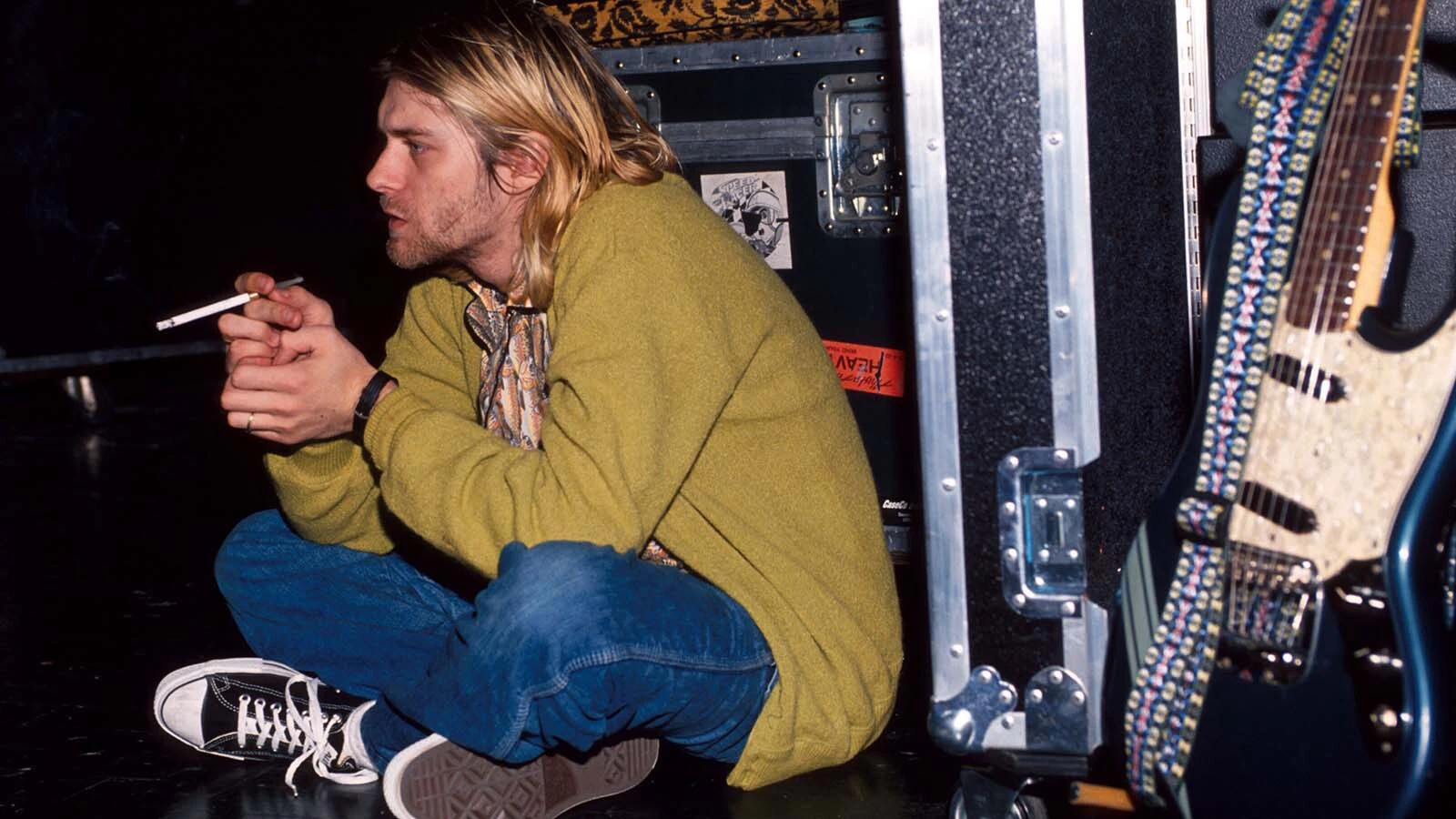
A Utah investigator says he’s uncovered new evidence that Kurt Cobain’s death in 1994 wasn’t suicide, it was murder. It could be a bombshell turn 32 years after his death upended a generation who related to the disillusionment expressed by his raw vocals. (Photo by Kevin Mazur Archive 1, WireImage via Getty Images) 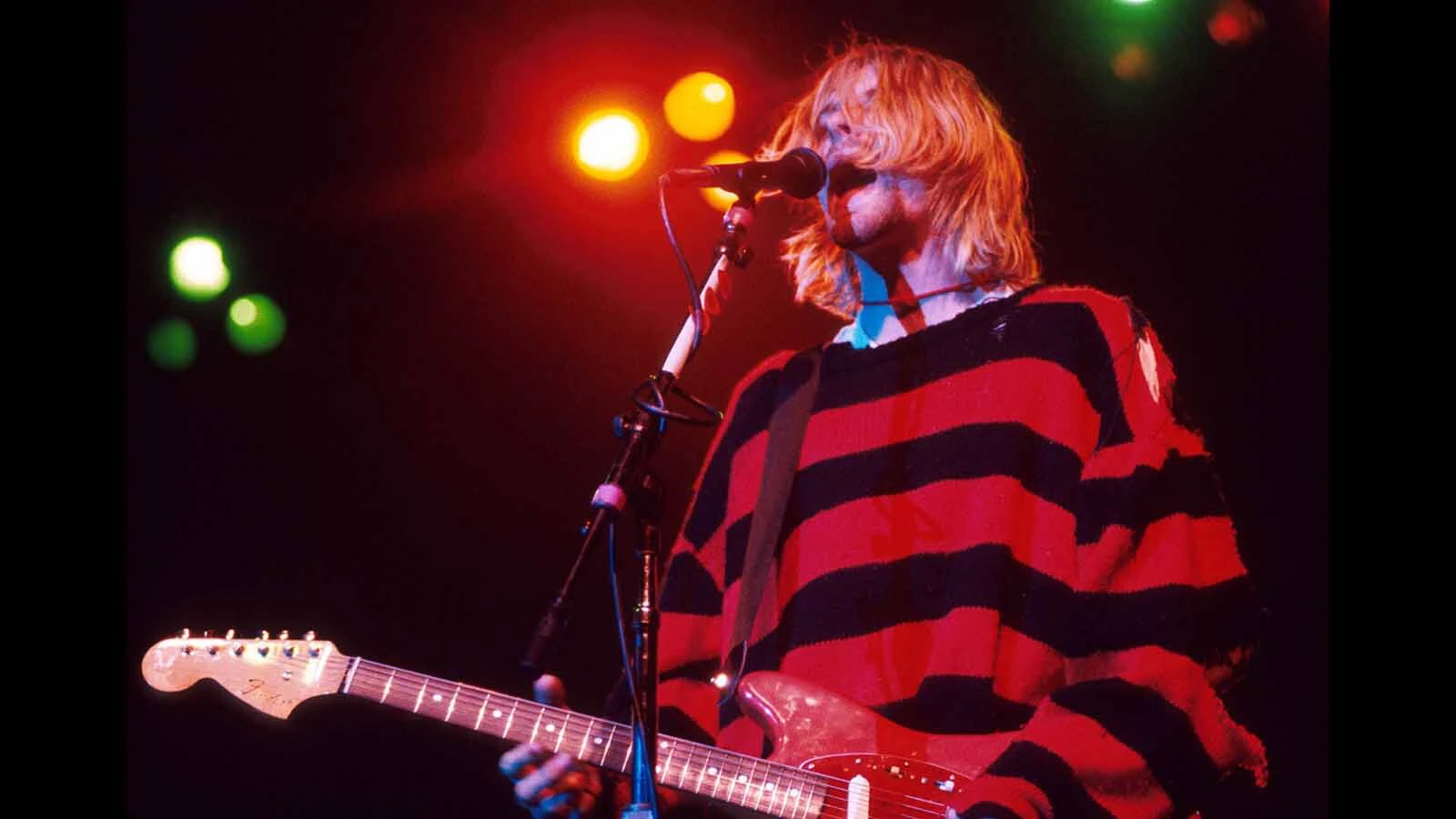
A Utah investigator says he’s uncovered new evidence that Kurt Cobain’s death in 1994 wasn’t suicide, it was murder. It could be a bombshell turn 32 years after his death upended a generation who related to the disillusionment expressed by his raw vocals. (Photo by KMazur, WireImage via Getty Images)
Forgery
Jensen commissioned handwriting experts Dawn McCarty and Mozelle Martin to analyze the last four sentences, with both reaching the conclusion that they weren’t written by Cobain.
Martin compared known writing samples of Cobain and a “practice” note located among Love’s belongings to the suicide note in question, according to the new report.
The practice sheet is a page of letters as if someone was practicing writing, which was discovered by the couple’s entertainment attorney among Love’s possessions following Cobain’s death.
Jensen is quick to point out that it’s not clear how the note got into the backpack and it in no way implies that it belonged to Love or that she was practicing forgery.
Rather, the note was used as a comparison as a document likely relevant to the suicide letter.
Based on several handwriting analysis variables, Martin concluded that the likelihood that the final four lines in the letter were written by Cobain to be a 4.75 out of a 5 that it was “definitely not” his handwriting.
Martin rated the alleged practice note a 1.75 on the same scale.
Her conclusion is that the findings “offered a strong foundation for further investigation by qualified law enforcement professionals.”
Second Expert Agrees
McCarty found similar findings, determining in her 34-page report that it was her professional opinion that the main body of the note was authored by Cobain, but that the concluding four lines showed a “different slant, shape, and lack of fluidity” from the main body of the note.
She also noted linguistic discrepancies between the main body and last four lines that suggest multiple authors, according to the report.
Additionally, McCarty determined that “the positive and emotionally rich language does not align” with the language in “typical suicide notes.”
She, too, suggested that authorities conduct further forensic examination of the note to ensure “a complete and accurate understanding of the events leading” to his death, the report states.
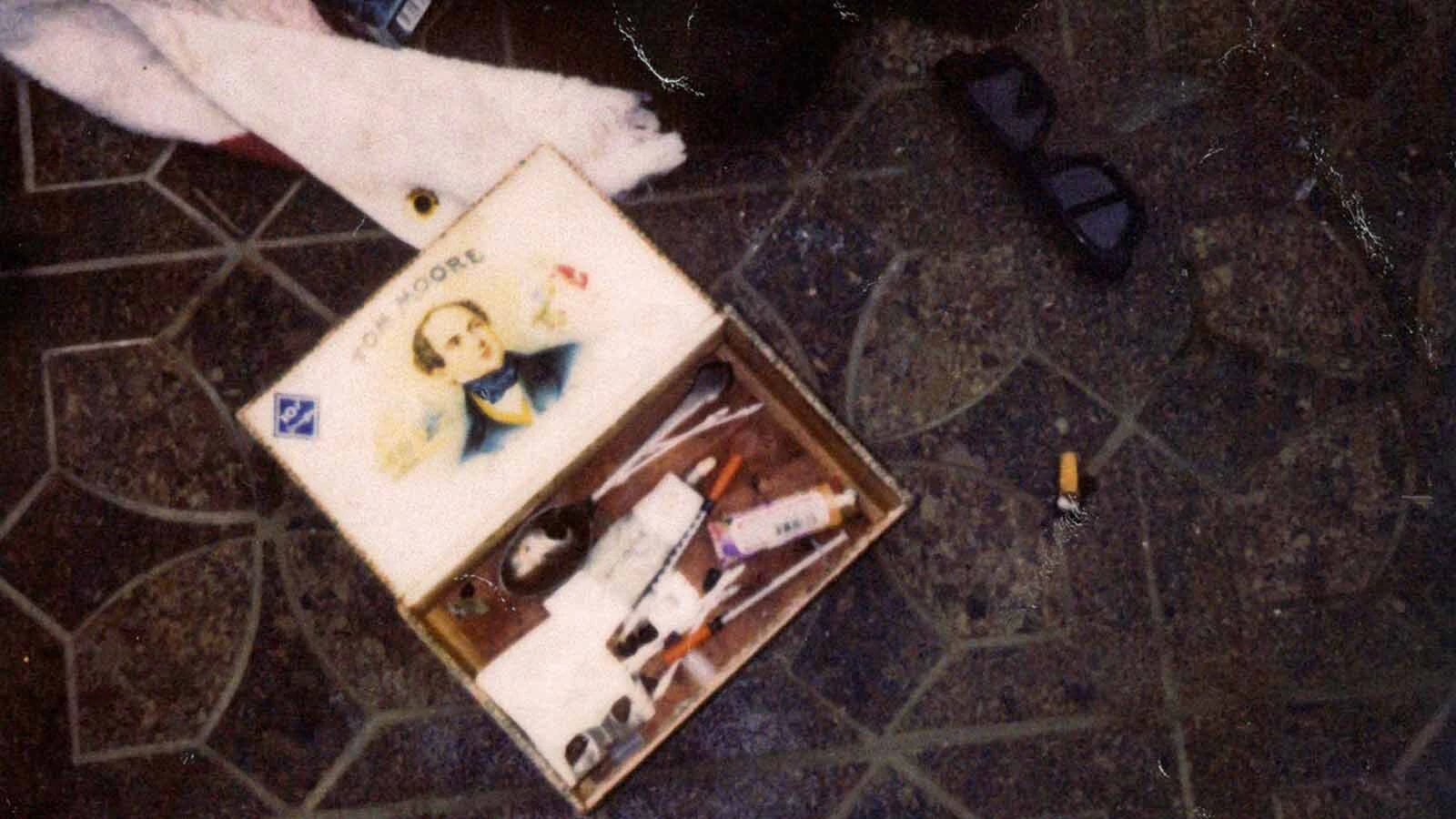
Four rolls of film taken from the scene at Kurt Cobain's house after his body was found in 1994 were devoloped and released in 2014. This is one of the photos on those rolls of film. (Seattle Police Department) 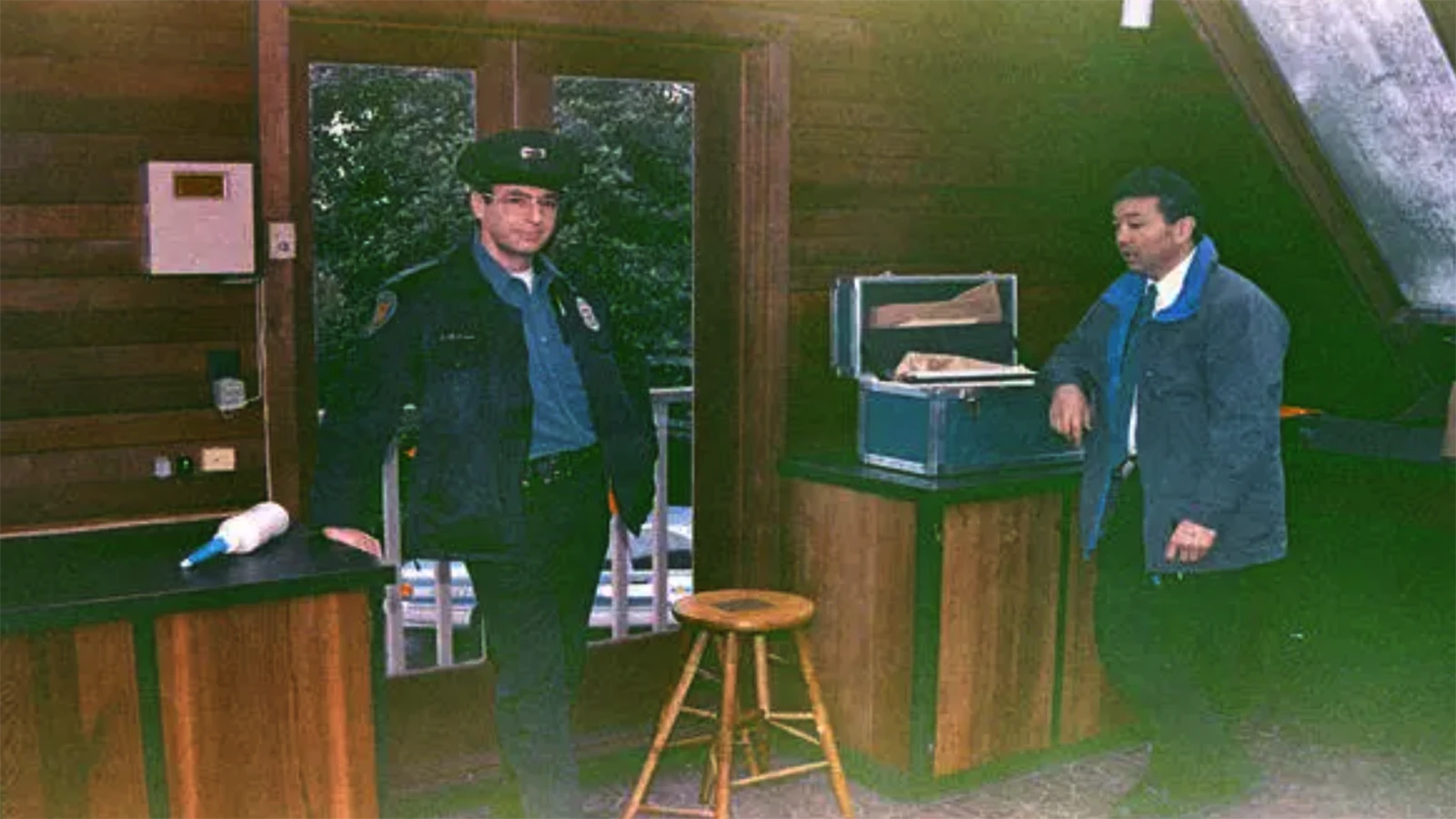
Four rolls of film taken from the scene at Kurt Cobain's house after his body was found in 1994 were devoloped and released in 2014. This is one of the photos on those rolls of film. (Seattle Police Department) 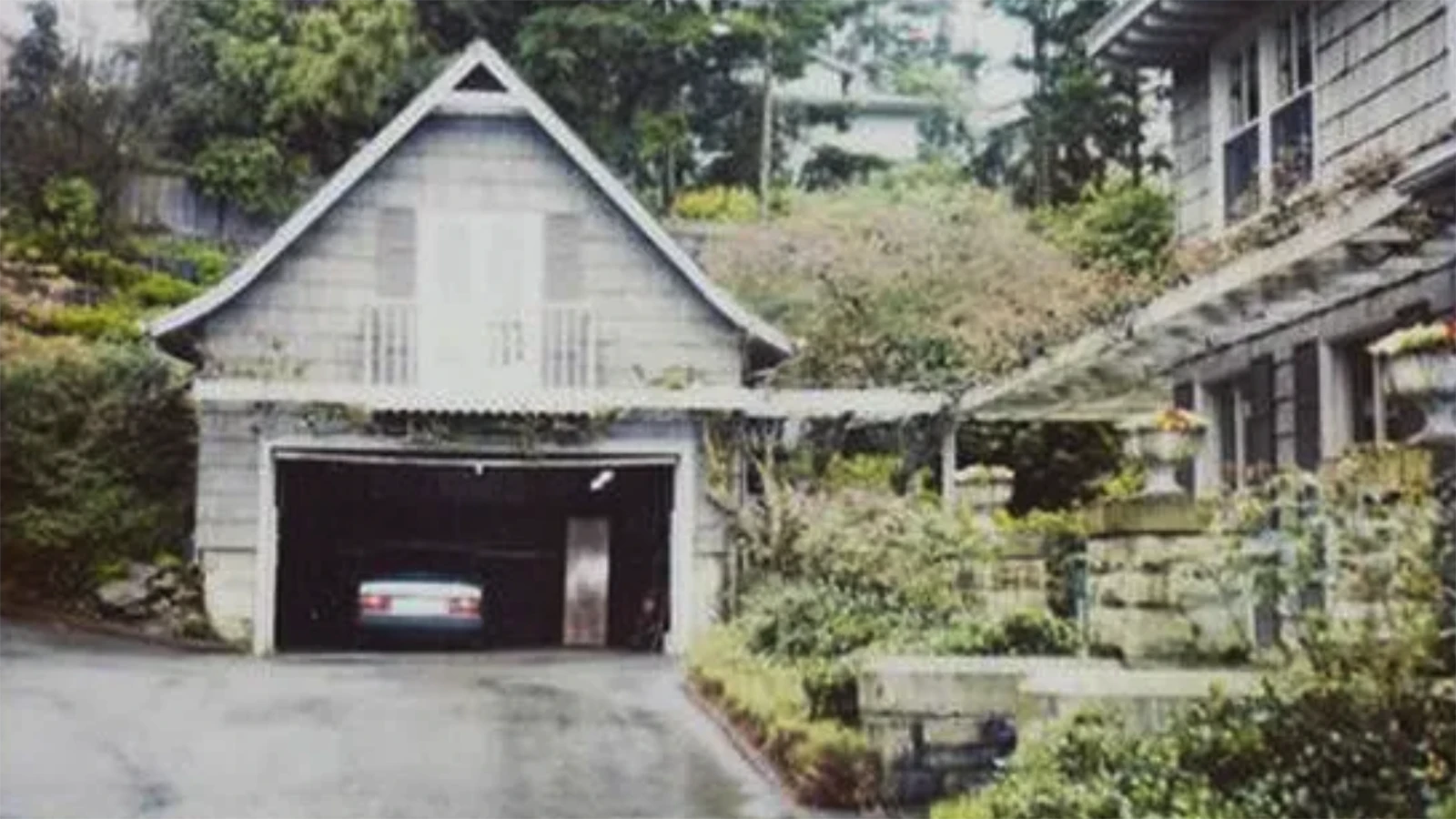
Four rolls of film taken from the scene at Kurt Cobain's house after his body was found in 1994 were devoloped and released in 2014. This is one of the photos on those rolls of film. (Seattle Police Department) 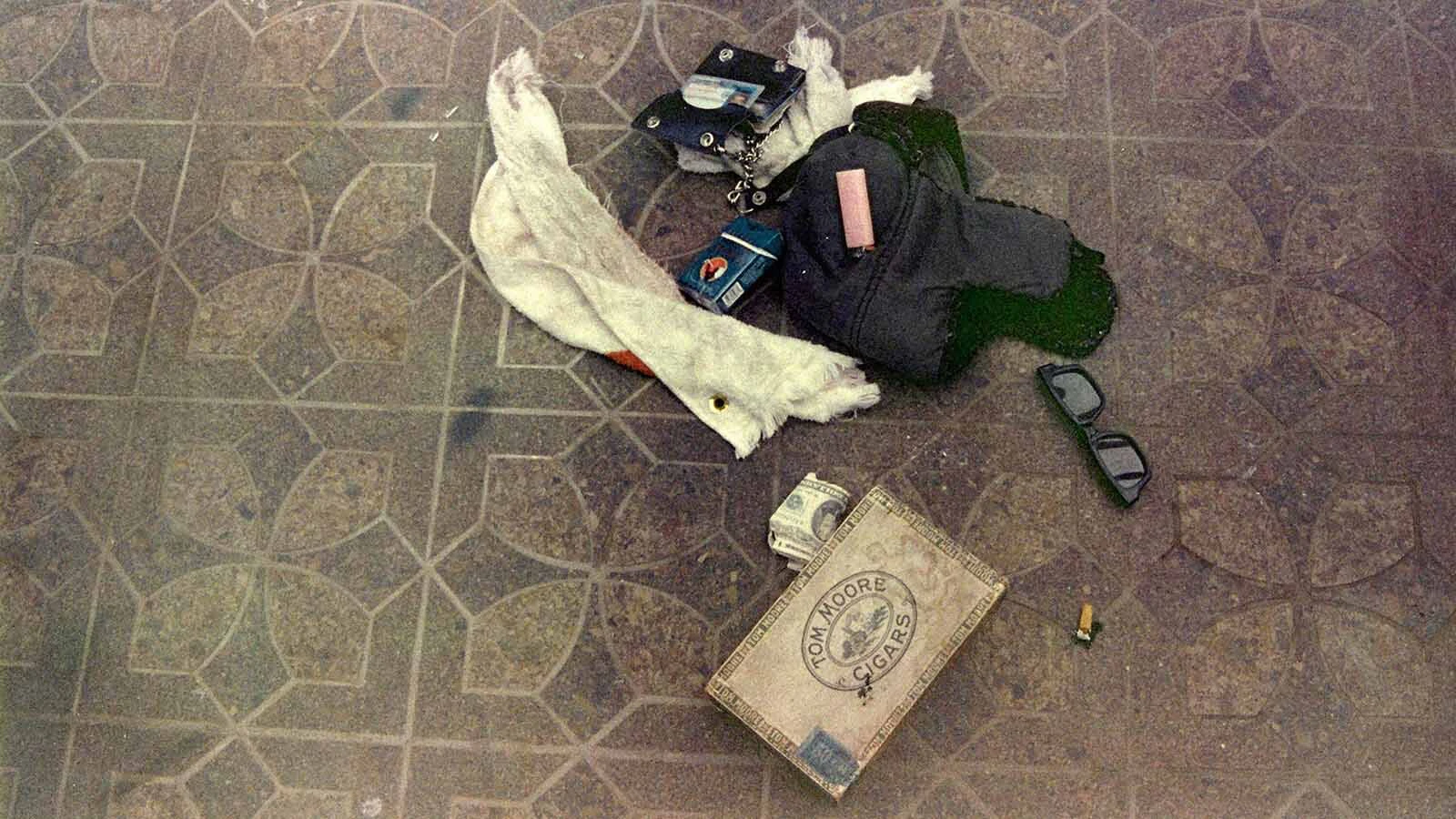
Four rolls of film taken from the scene at Kurt Cobain's house after his body was found in 1994 were devoloped and released in 2014. This is one of the photos on those rolls of film. (Seattle Police Department) 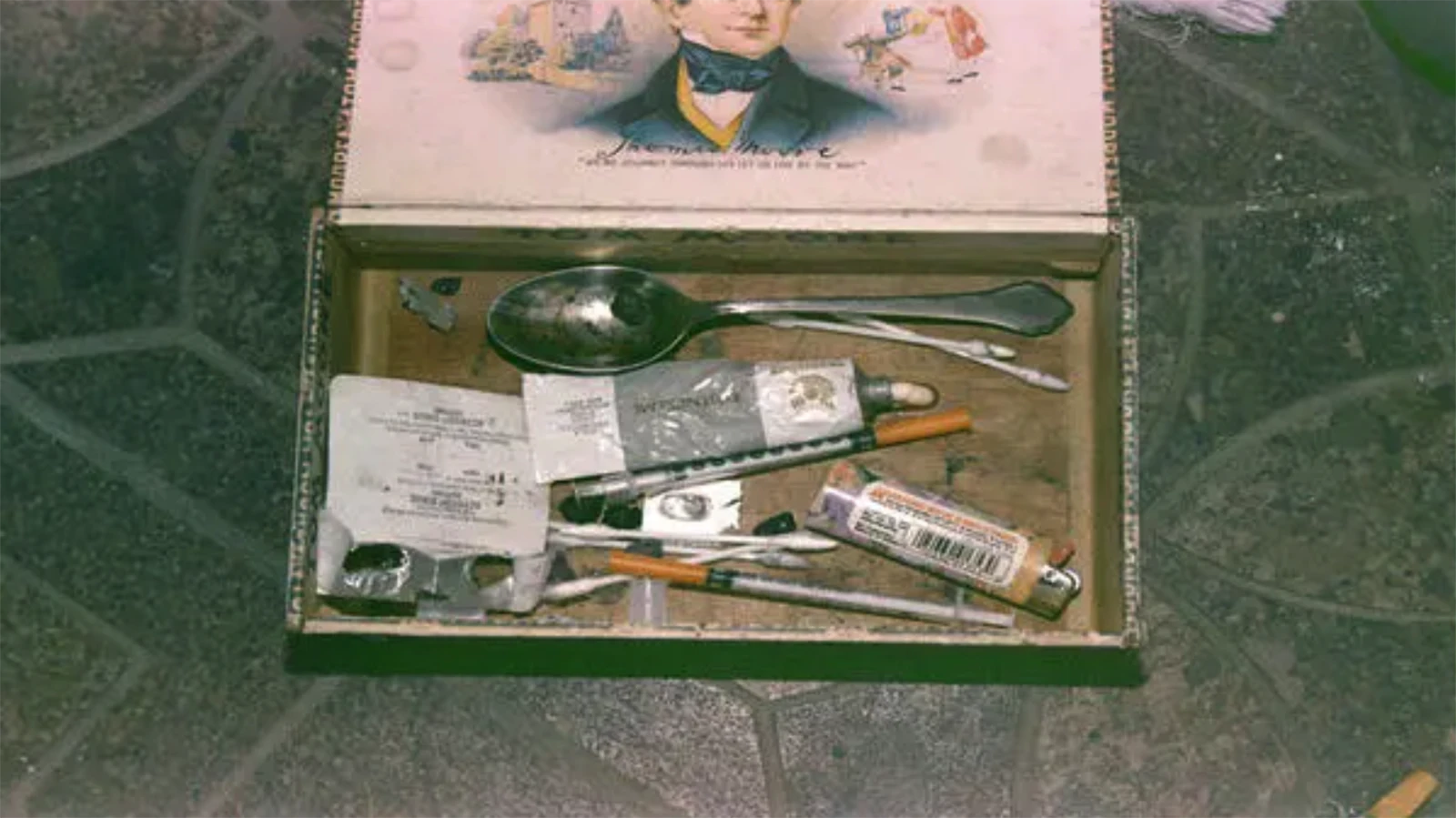
Four rolls of film taken from the scene at Kurt Cobain's house after his body was found in 1994 were devoloped and released in 2014. This is one of the photos on those rolls of film. (Seattle Police Department) 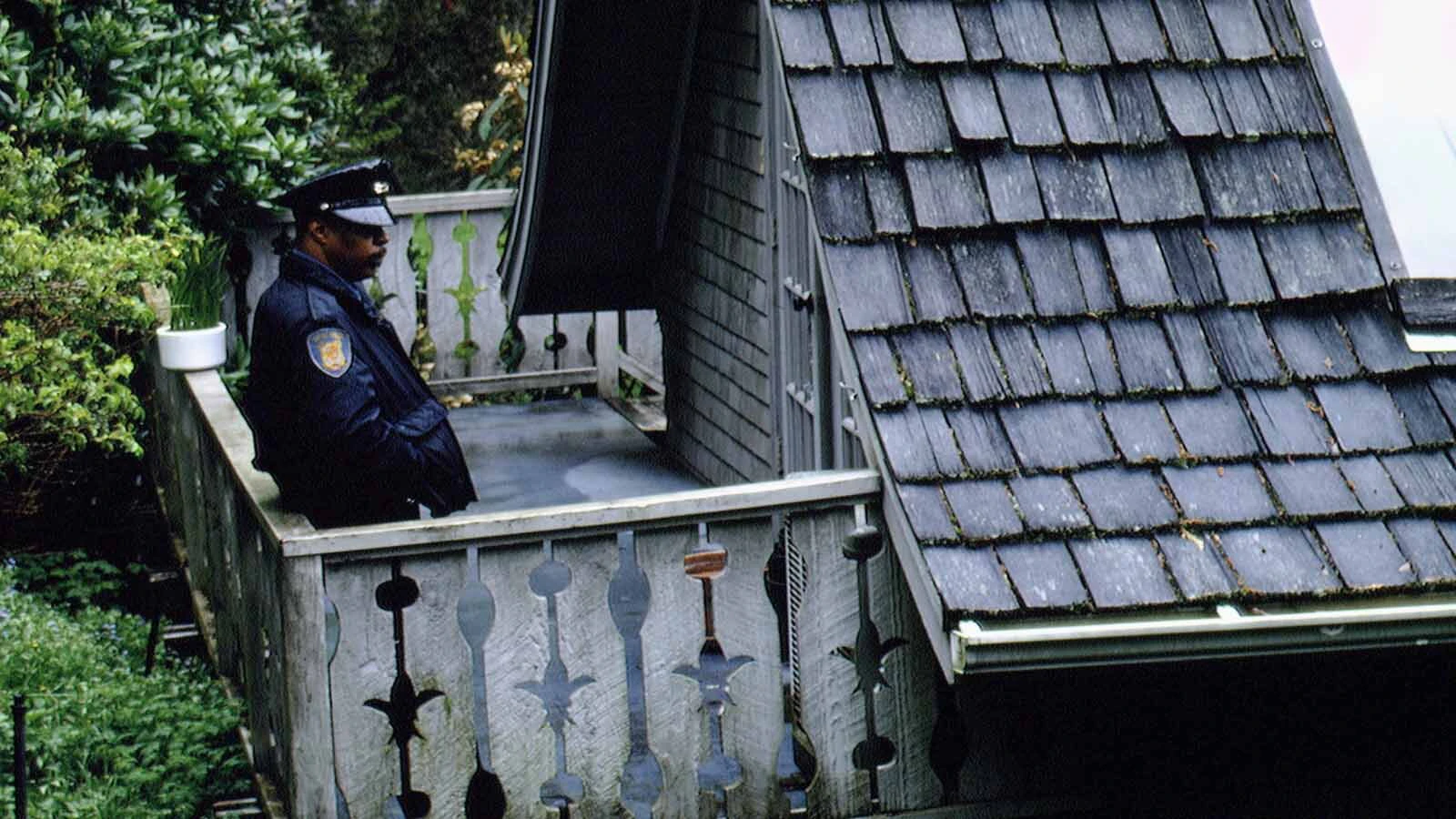
Kurt Cobain was found dead April 5, 1994, in a room above the garage of his house in the Denny-Blaine neighborhood of Seattle, Wash. (Photo by John van Hasselt, Sygma via Getty Images) 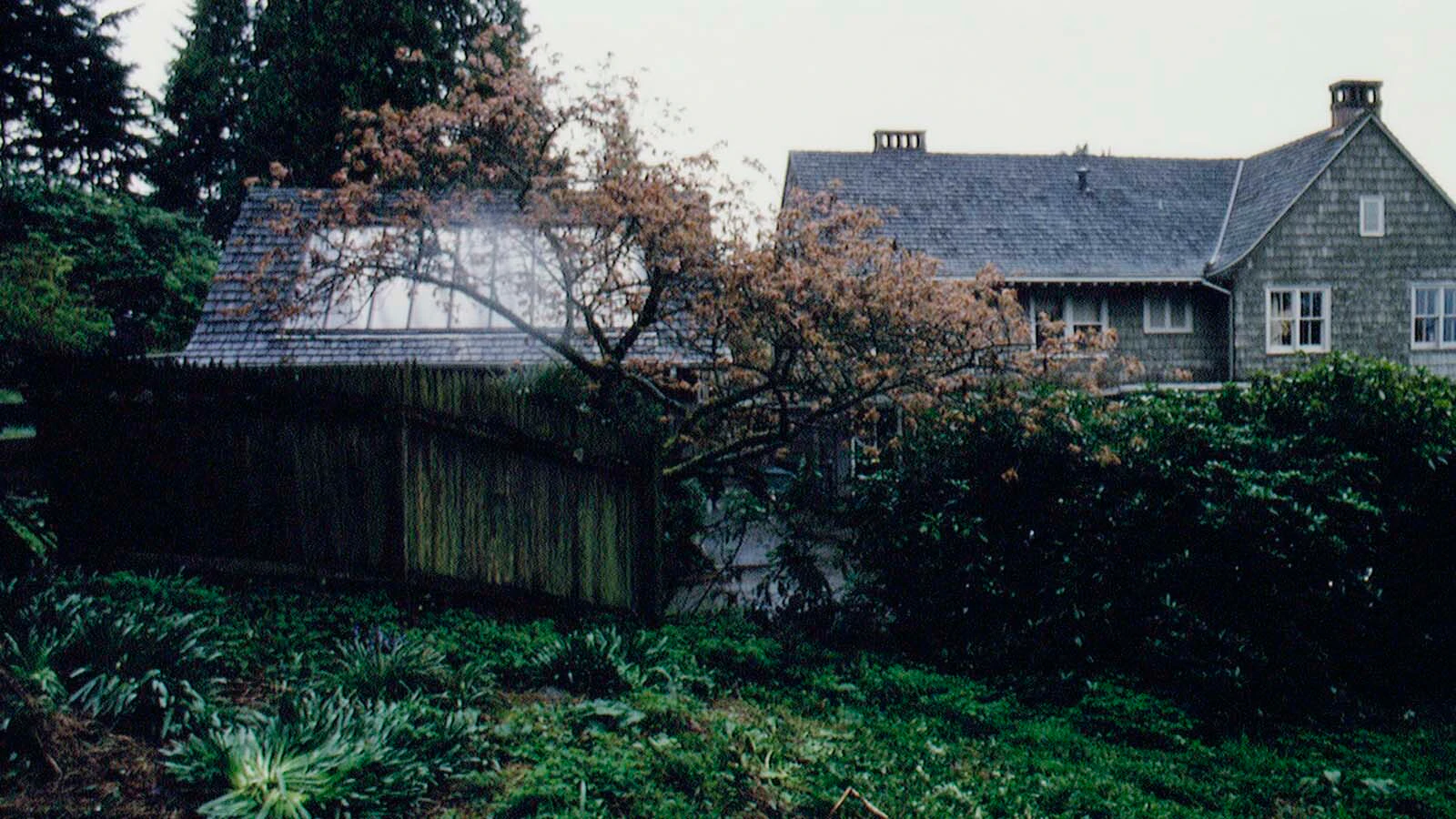
Kurt Cobain was found dead April 5, 1994, in a room above the garage of his house in the Denny-Blaine neighborhood of Seattle, Wash. (Photo by John van Hasselt, Sygma via Getty Images) 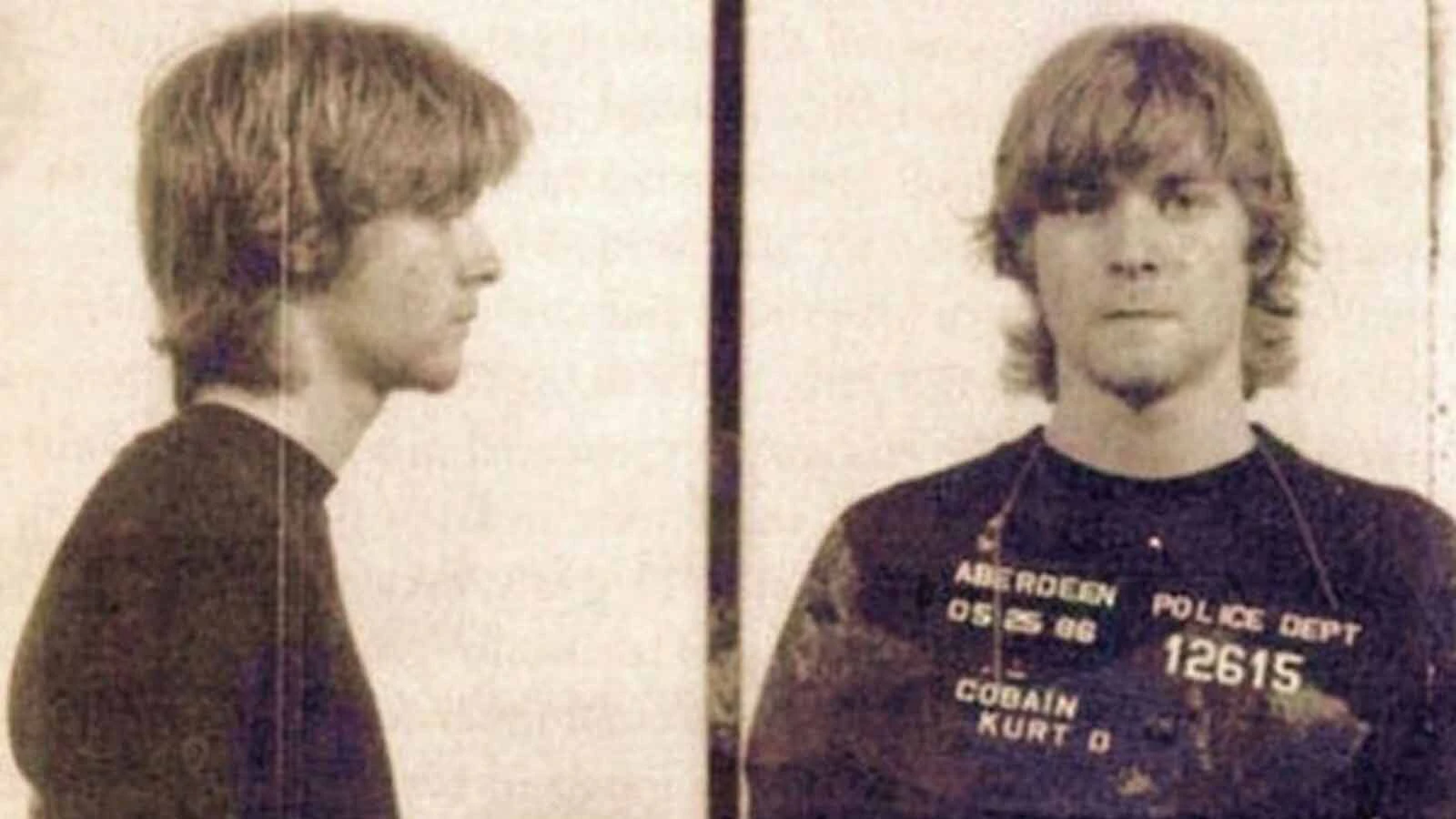
Kurt Cobain in a mug shot after being arrested by Aberdeen, Washington, police in May 1986. (Photo courtesy Bureau of Prisons via Getty Images)
New Forensic Report
Jensen’s findings preceded a recent report from independent forensic researcher Bryan Burnett, who specializes in crime scene reconstruction, gunshot residue and digital imaging, according to his biography.
The paper was also authored by other international forensic scientists, along with an internet sleuth, who call into question some of the key findings by the Seattle police and King County Medical Examiner.
The report, which was published in the Nov. 6, 2025, issue of the International Journal of Forensic Sciences, argues that Cobain’s death was a homicide and that his body was moved and staged to look like a suicide.
The group cited inconsistencies in bloodstain patterns, shotgun performance and heroin toxicology as key points in their analysis that they argue are more in line with homicide.
Among their key findings are the lethal levels of heroin in Cobain’s bloodstream that they argue would have rendered him unconscious to the point he wouldn’t have been able to operate the shotgun.
In support, the report claims Cobain’s organs showed signs of long-term hypoxia typical of an overdose versus death by instant shotgun trauma.
The group also points to the tidy heroin kit that was neatly organized with needles capped in a cigar box located several feet from his body
Furthermore, blood stain patterns suggest the body was moved after the shooting, according to the report, and that the area around Cobain’s body was too clean and that the shotgun was likely placed into his hands after the fact, among other findings.
Ultimately, the researchers assert that Cobain did not die by suicide and was instead allegedly accosted by an assailant who injected him with a lethal dose of heroin before putting the muzzle in his mouth and shooting him, after which his body was moved from the death spot into the greenhouse.
Like Jensen, the group determined that parts of the suicide letter had been forged.
The Seattle Police Department, however, was not moved to change its initial findings, again asserting that the case has long been solved and closed.
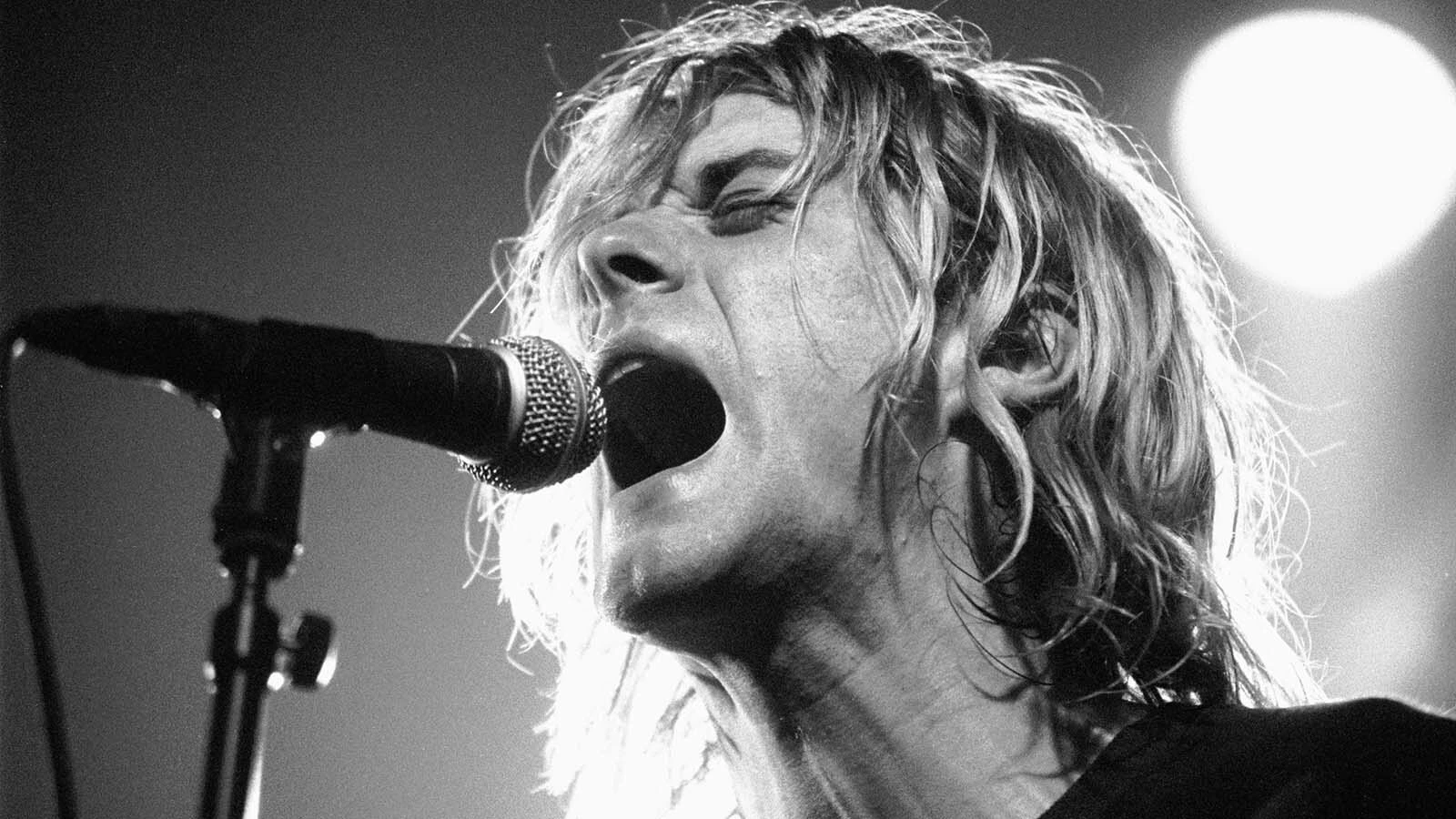
Kurt Cobain from Nirvana performs live on stage at Paradiso in Amsterdam, Netherlands, on Nov. 25, 1991. (Photo by Frans Schellekens, Redferns via Getty Images) 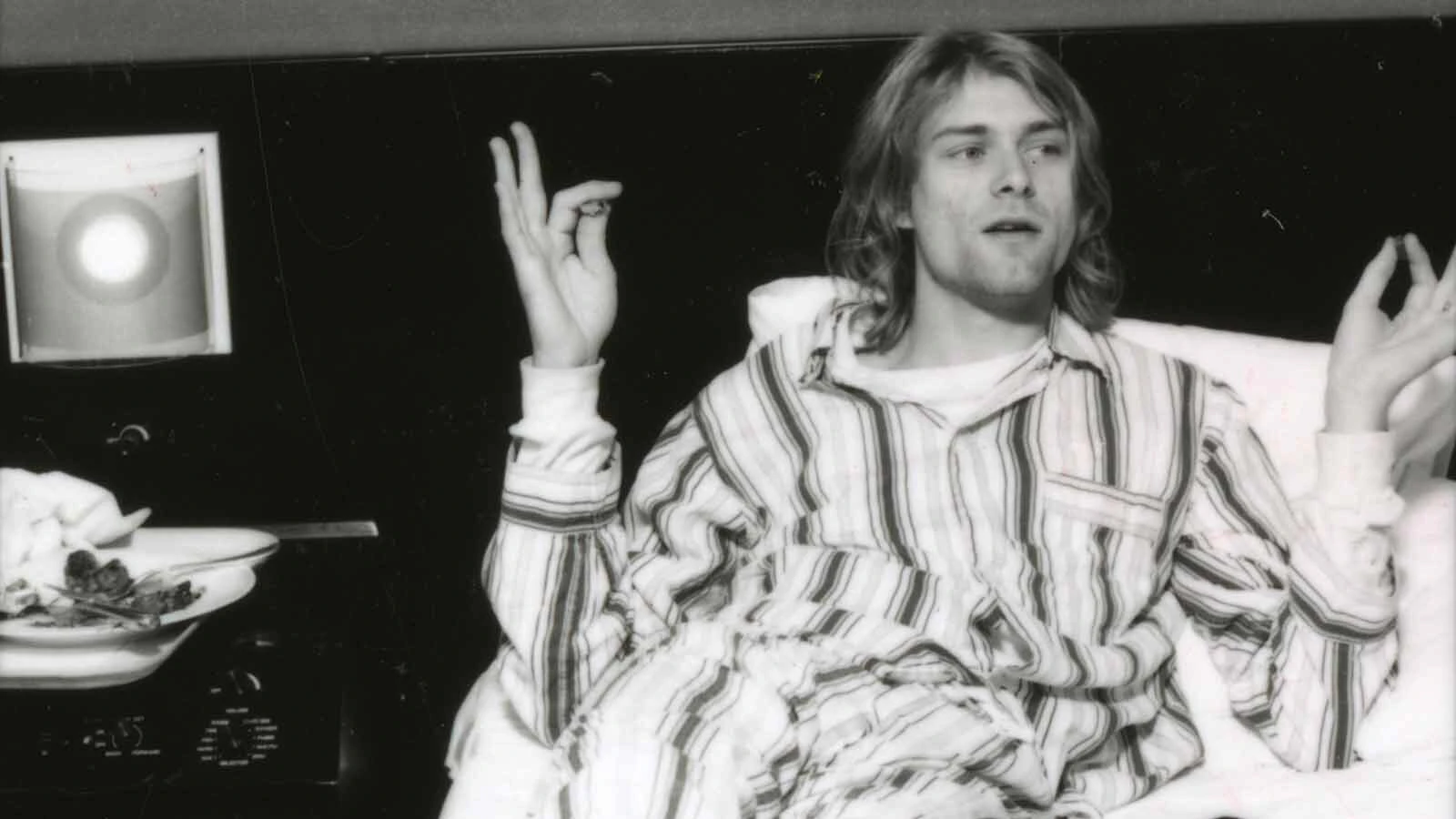
Kurt Cobain of Nirvana, lying in bed wearing pyjamas in Roppongi Prince Hotel in Tokyo, Japan, during an interview on Dec. 19, 1992. (Photo by Gutchie Kojima, Shinko Music via Getty Images) 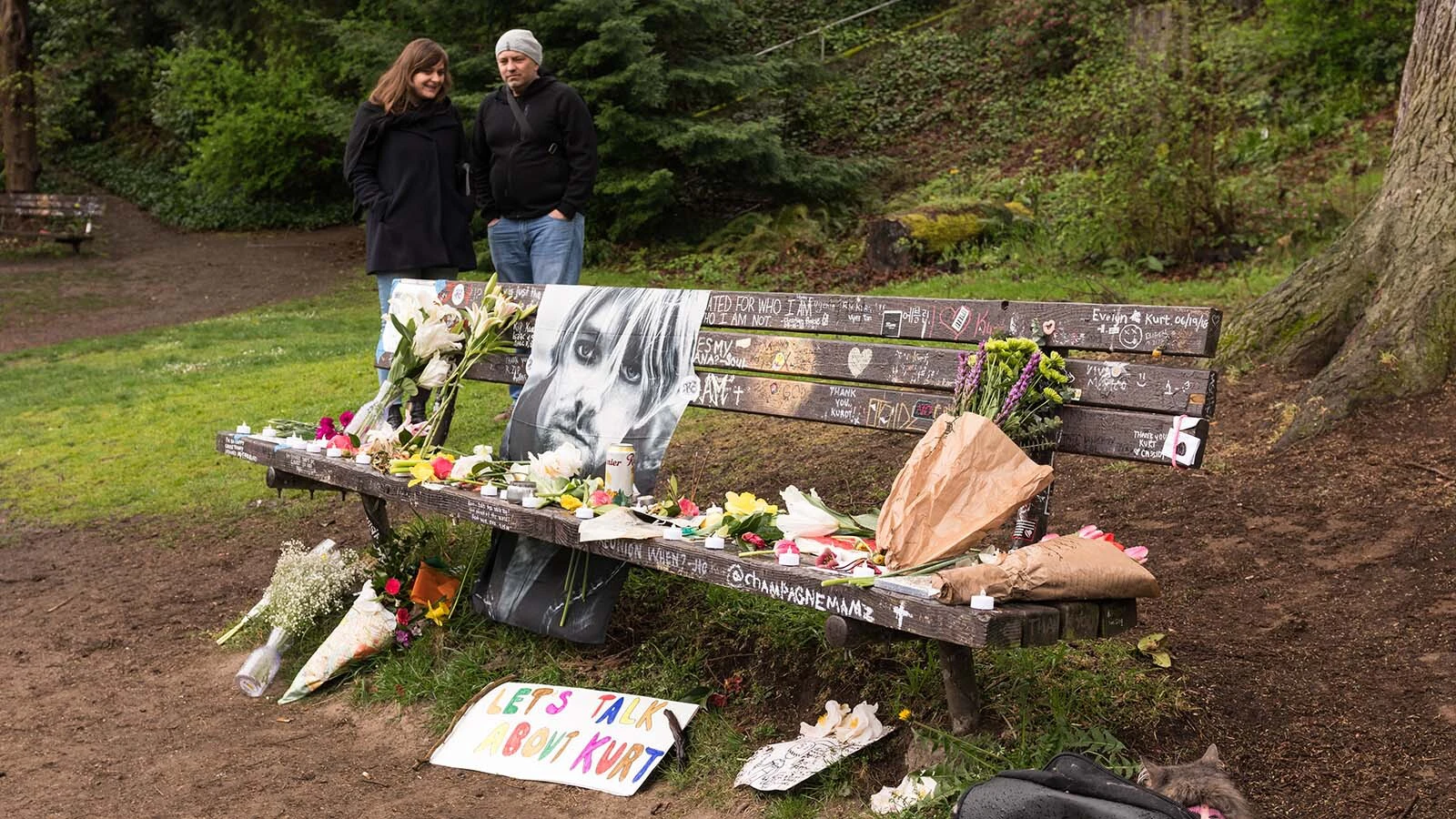
A bench at Viretta Park in Seattle next to Kurt Cobain's house on the 25th anniversary of his death. The bench has become a place visited by tourists from around the world, they leave items Kurt would have liked and scribble personal messages to the music icon. Kurt was known to sit on the bench and play his guitar. (Getty Images)
Paths Diverge
Apart from the suspected forgery, Jensen is not on board with several findings in Burnett and his team’s forensic report — primarily their determination that the police botched the case and that Cobain’s body was moved from another location.
For these reasons, Jensen said that he, Martin and McCarty declined to sign onto the report when asked by Burnett to share their findings.
“The integrity of the case was far more important instead of accusing police of botching the case,” Jensen said. “They didn’t.”
He reiterated that police were operating with the best information they had at the time, including from Cobain’s mother, Wendy, who said the writing in the suicide note was her son’s.
“She was correct about 95% of the note,” he said.
Jensen said he also disagrees with Burnett’s determination from looking at a photo that there was blood on Cobain’s pant leg and that he was moved into the greenhouse.
“If he [Cobain] was moved at all, it was to stage his body within the greenhouse,” he said.
Most importantly to Jensen, however, is the discovery of the nine witnesses who were not interviewed and who he hopes police track down.
In his mind, this potential new information warrants re-opening the investigation.
“If these witnesses would have come forward, they would have had a different outcome,” Jensen said.
He also hopes the coroner will call for an inquest to reexamine the cause and manner of Cobain’s death.
However, he’s not holding his breath that the Seattle Police Department will officially open the case after being told by one police detective that they’re concerned reevaluating one suicide might cause an onslaught of others asking that the suicide deaths of their loved ones be revisited.
Ultimately, Jensen said the decision will likely depend on the Seattle police weighing the pros and cons, he said.
“If they decide to reopen, we have given them the path forward in light of this new evidence,” Jensen said.
Jen Kocher can be reached at jen@cowboystatedaily.com.


