Fermented foods aren’t on the fringe of the culinary scene anymore.
What once may have resembled a mad kitchen science experiment bubbling away after a multi-day ferment is now a mainstream wellness trend, and a fast-growing food category.
It’s become a $63.3 billion industry in the United States with a growing number of strangely named foods appearing on grocery store shelves all over, as well as popping up as a health item in Food Freedom shops across Wyoming.
Kimchi, kombucha, and kefir are becoming mainstream, chasing a growing body of science that has highlighted all sorts of health benefits, ranging from improved digestion and better mental well-being to stronger immune systems and reduced inflammation.
A recent study in the journal Bioresource Technology suggests eating kimchi, a spicy, Asian version of sauerkraut, might help remove microplastics from the body.
According to the study, the microbes appeared to bind to microplastics in the gut, which were then excreted as waste.
The study was performed on mice, so your mileage may vary, but it’s just one more data point adding to an excitement that seems to have no political boundaries. Red, Blue, Libertarian — everyone is going crazy for kimchi, kraut, and kombucha.
Michelle Obama, for example, is a fan and makes her own homemade kimchi, and so is U.S. Secretary of Health and Human Services Robert F. Kennedy Jr., an avowed carnivore, who nonetheless brings his own sauerkraut to restaurants.
That’s according to his wife Cheryl Hines, who told the Katie Miller Podcast she often carries it for him in her handbag — despite the smell turning a few heads on date night.
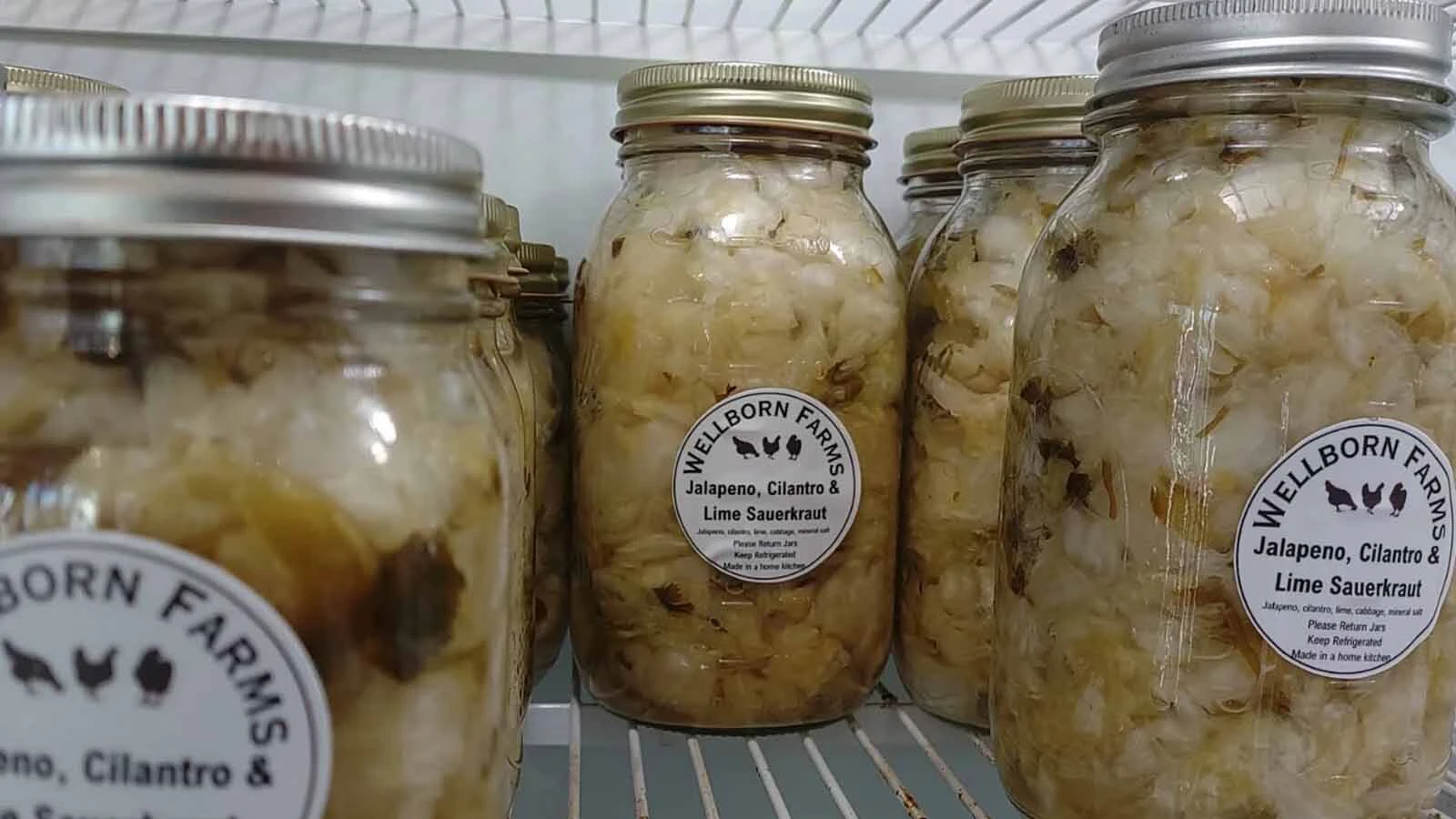
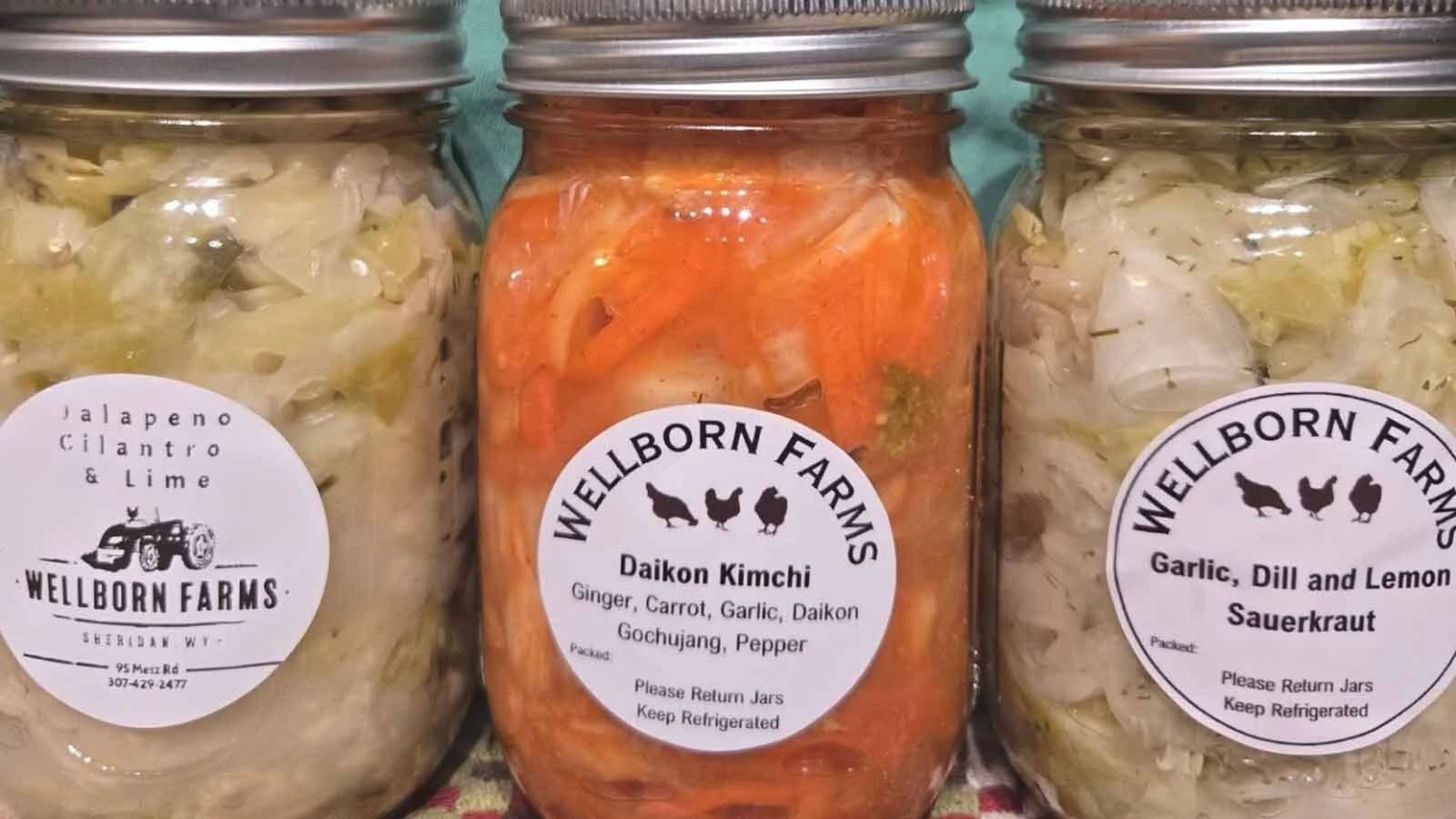
At Wellborn Farms in Sheridan, fermented foods like sauerkraut and kimchi make up about 70% of its business. (Courtesy Wellborn Farms, wellbornfarms.com) 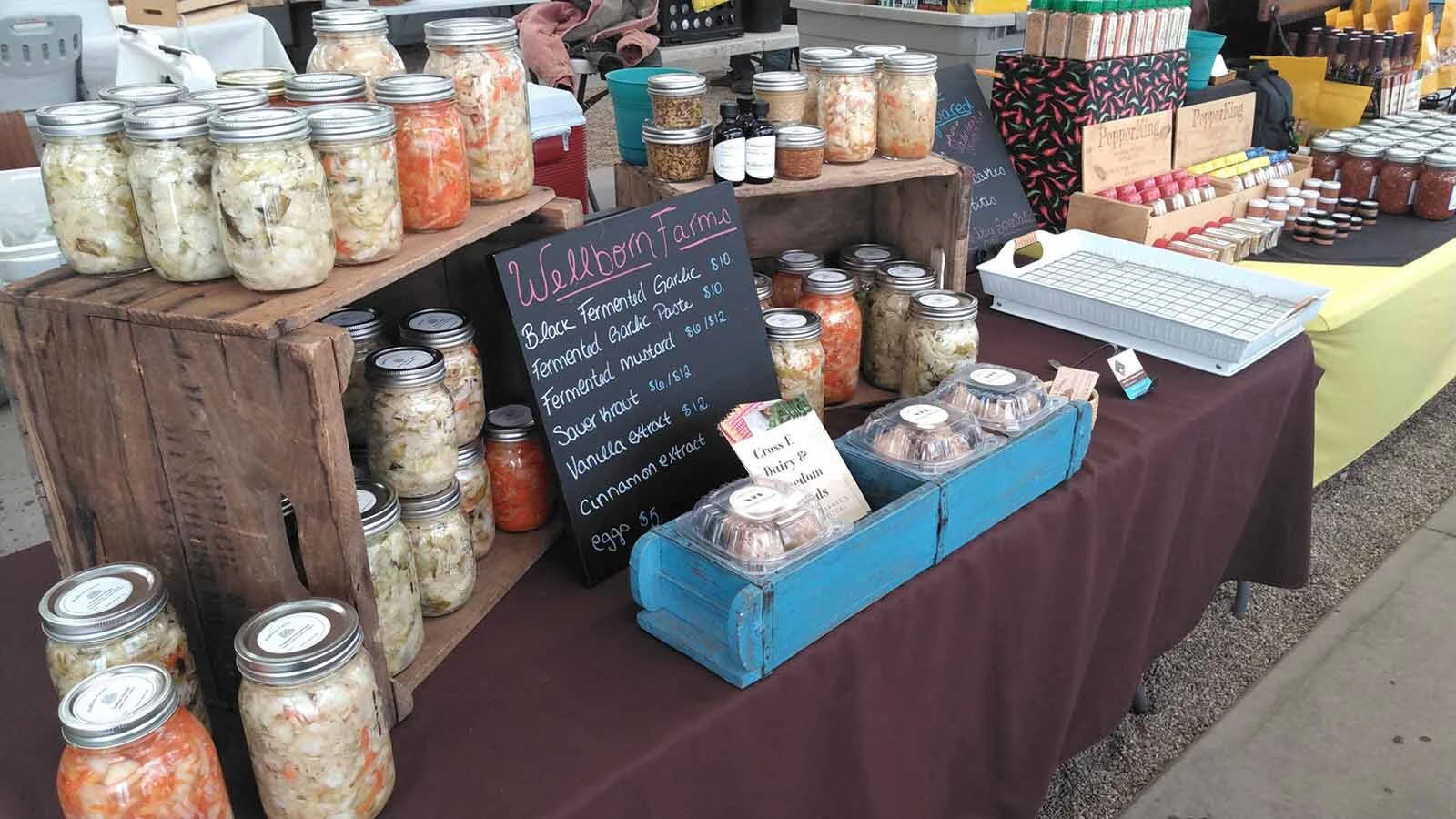
At Wellborn Farms in Sheridan, fermented foods like sauerkraut and kimchi make up about 70% of its business. (Courtesy Wellborn Farms, wellbornfarms.com) 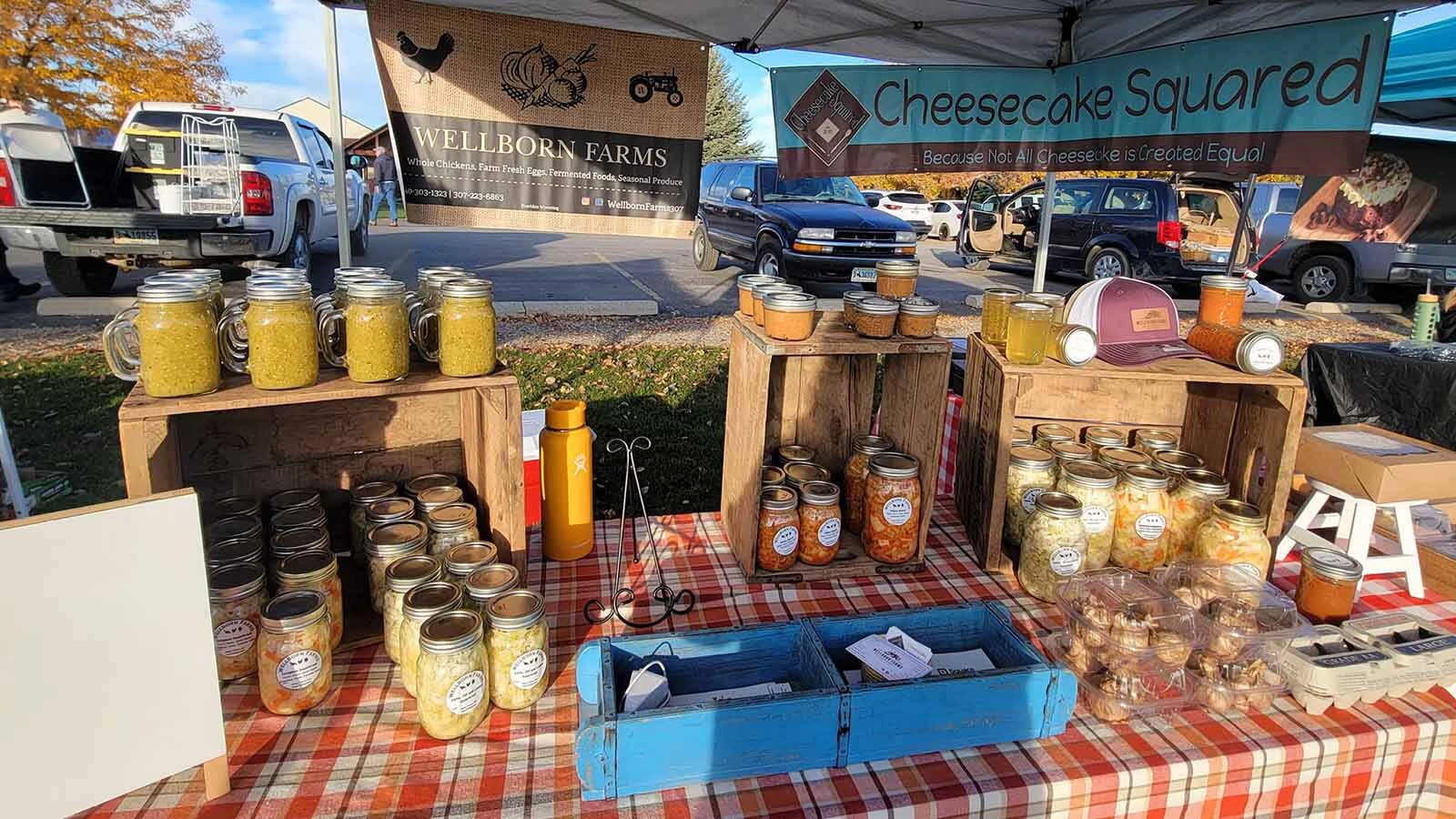
At Wellborn Farms in Sheridan, fermented foods like sauerkraut and kimchi make up about 70% of its business. (Courtesy Wellborn Farms, wellbornfarms.com)
The Science Of Fermentation
While fermentation might seem somewhat new, it actually has millennia of history behind it. It was an early method of preserving, and often improving, the taste of food so that it would remain edible longer.
Fermentation works through the action of certain microorganisms — bacteria, yeast, and sometimes mold — to chemically transform a complex organic compound into something new.
Milk, for example, becomes cheese, fruit juice becomes wine which becomes vinegar, and fish becomes fish sauce. Wheat flour dough rises and becomes bread once baked, the ultimate in transformative science.
Not all fermentation is equal, though. There are four basic categories: alcoholic, lactic, acetic and alkali, and different microbes are associated with each type of fermentation.
While randomized clinical trials have shown some promise, there’s been no comprehensive study of all these categories and their associated microbes.
Nor has there been anything like a comprehensive look at how fermented foods affect particular patient populations.
That means at least some of the marketing messages associated with these foods are unsubstantiated hype.
There also are those who probably should not eat fermented foods no matter how many blogs and social media memes suggest otherwise.
That includes those who have weakened immune systems or who have histamine intolerance or unexplained allergy-like reactions, as well as anyone taking certain antidepressants or anyone who needs to tightly restrict sodium (table salt).
Meanwhile, those with sensitive gut conditions such as irritable bowel syndrome may find that fermented products worsen their symptoms, while others may see benefit. Often such cases require a careful trial — with a clinician’s input.
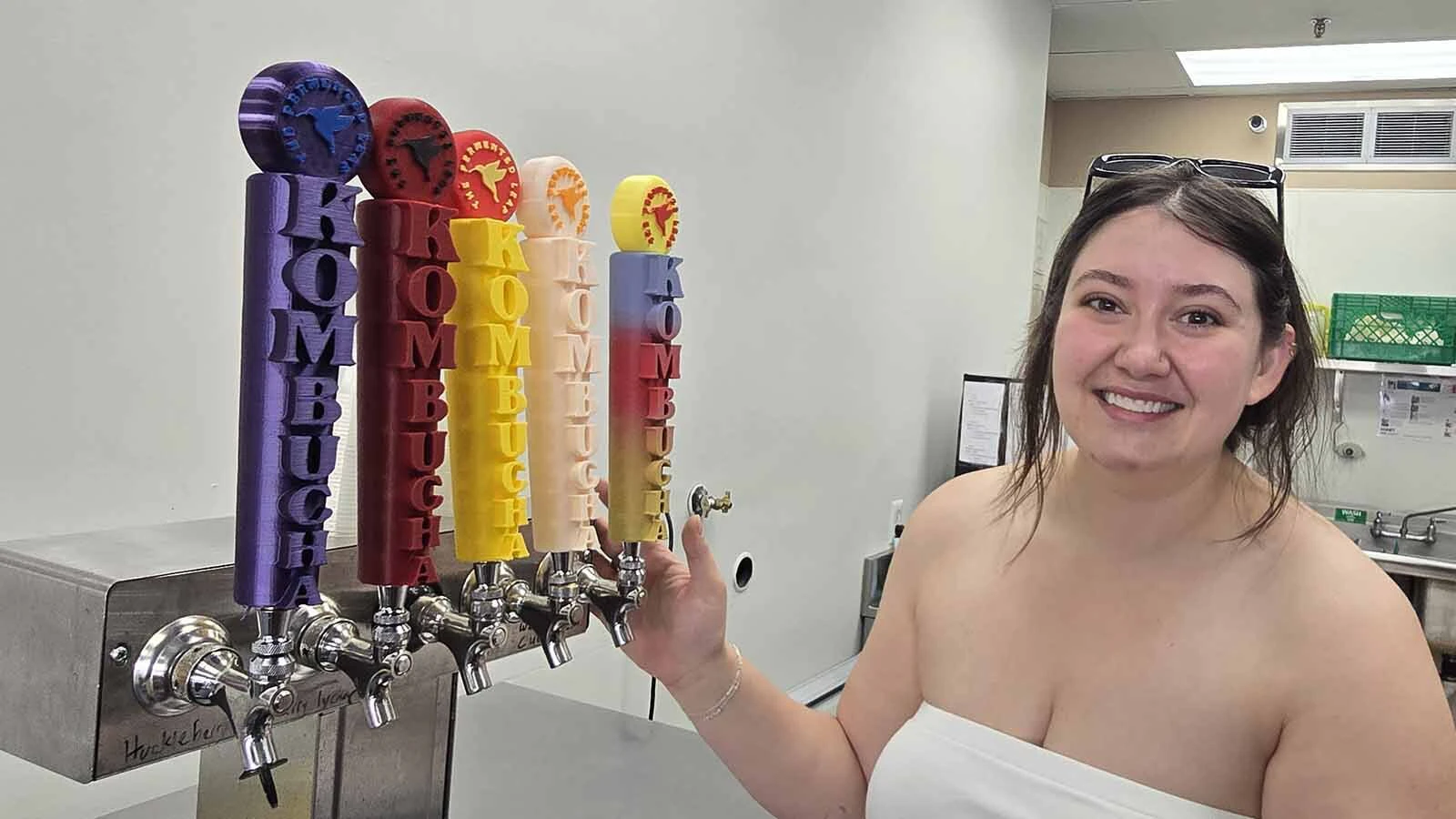
Kombucha is on tap at Wyogrown Microgreens & Things, but Bailey Monk, shown, plans to soon open her own store because her kombucha has become very popular. (Renee Jean, Cowboy State Daily) 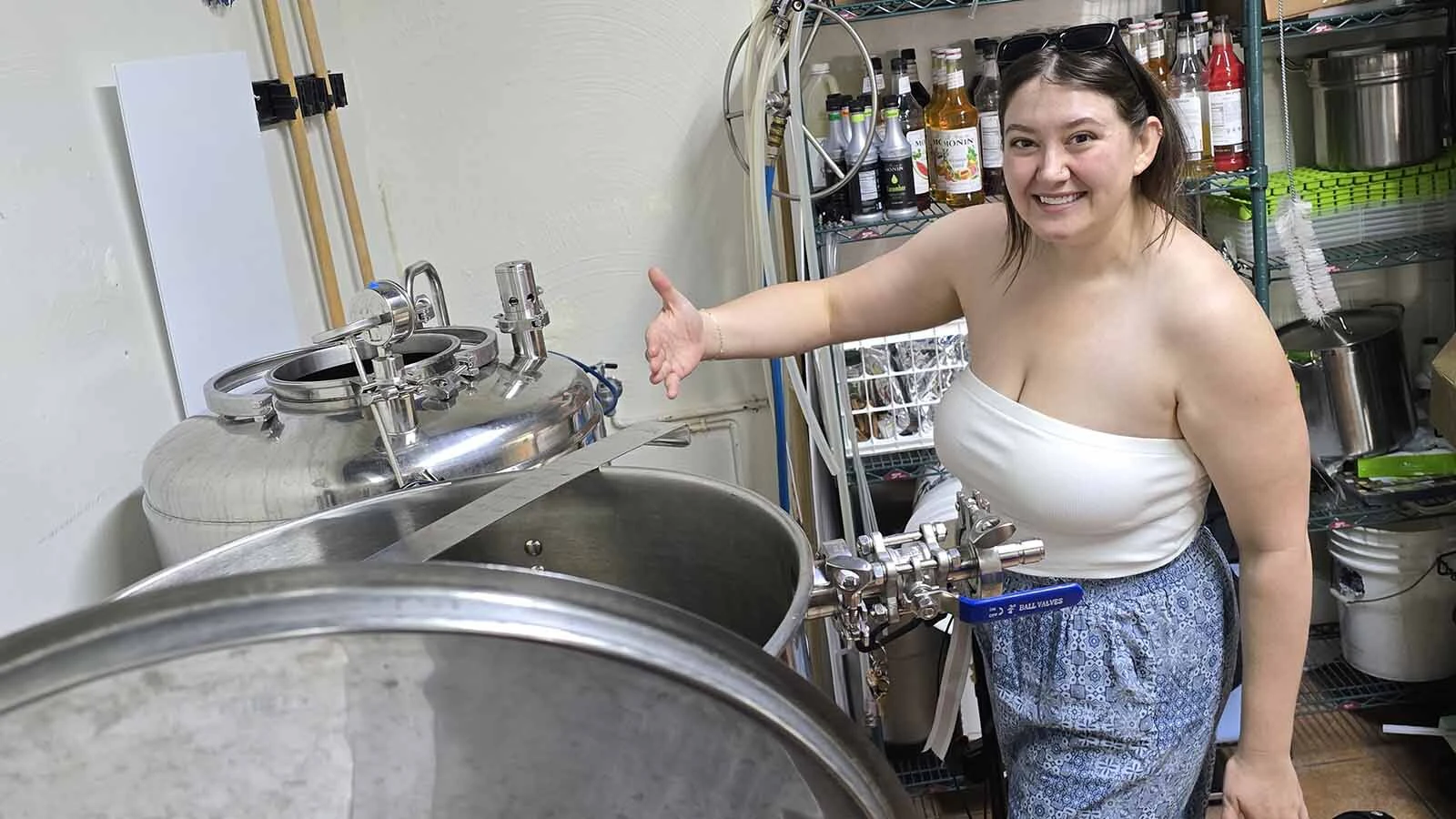
Bailey Monk talks about her fermentation system which is. housed at WyoGrown Micorgreens and Things in Cheyenne. (Renee Jean, Cowboy State Daily) 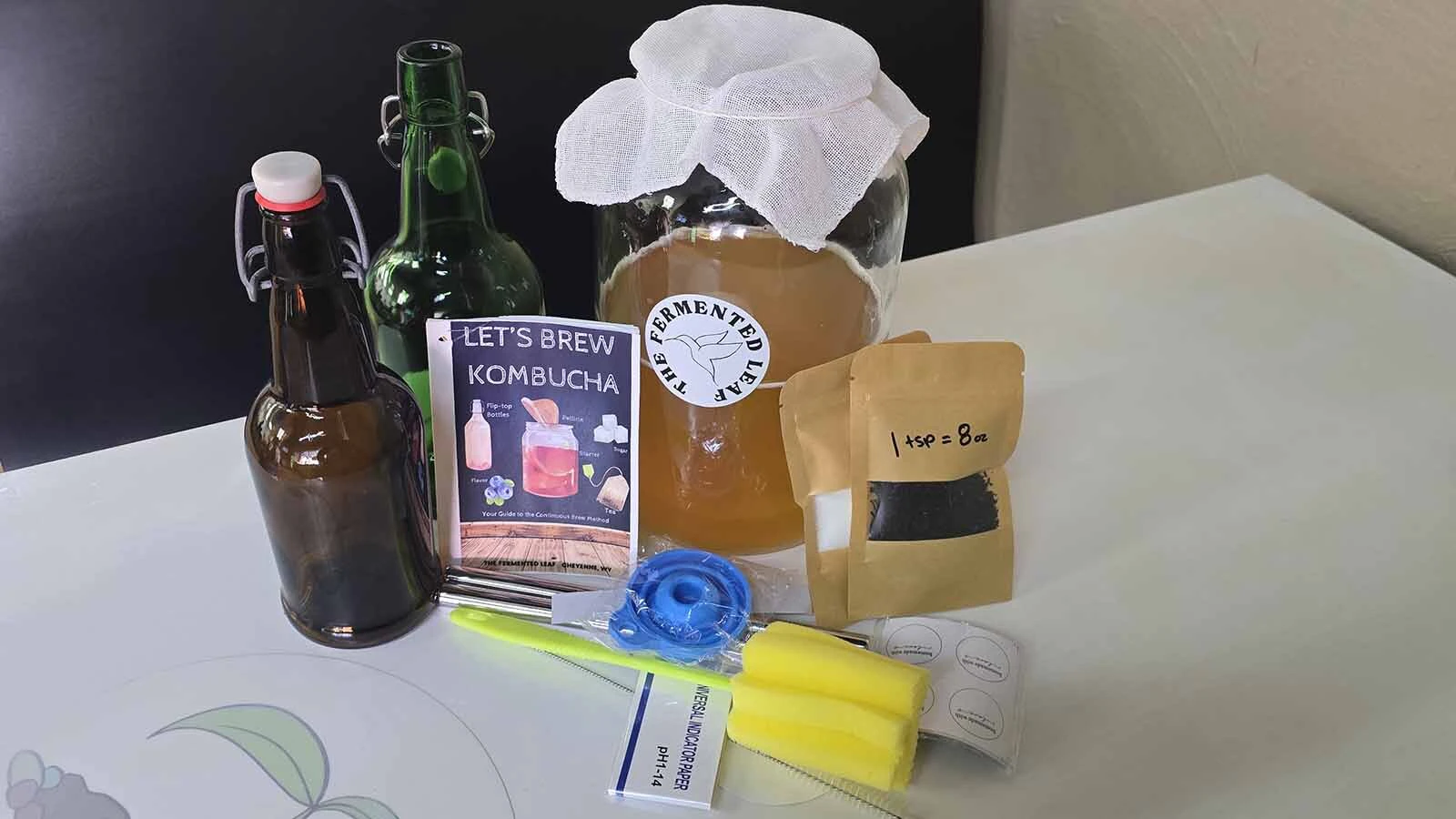
A Kombucha kit, including some starter, for making one's own fermented soda using tea and sugar. (Renee Jean, Cowboy State Daily)
Interesting Fermented Food Options
Rosy health claims and marketing magic have inspired a wave of new fermented snacks and condiments, none of which are boring.
They include things like Gut Nuts, a fermented peanut that’s crunchy and salty and supposedly tastes like sourdough. There are also Kraut Krackers, which are flat squares made of fermented purple cabbage, beets and golden flaxseeds with some pink Himalayan salt thrown in.
Or for something sweet, how about some nice organic miso caramel sauce? It’s a recipe offered by Natural Grocers, which has a store in Cheyenne and Casper and will soon have one in Rock Springs.
Miso is a Japanese seasoning made by fermenting soybeans with salt and something called koji, which is typically steamed, moldy rice, barley, or another grain.
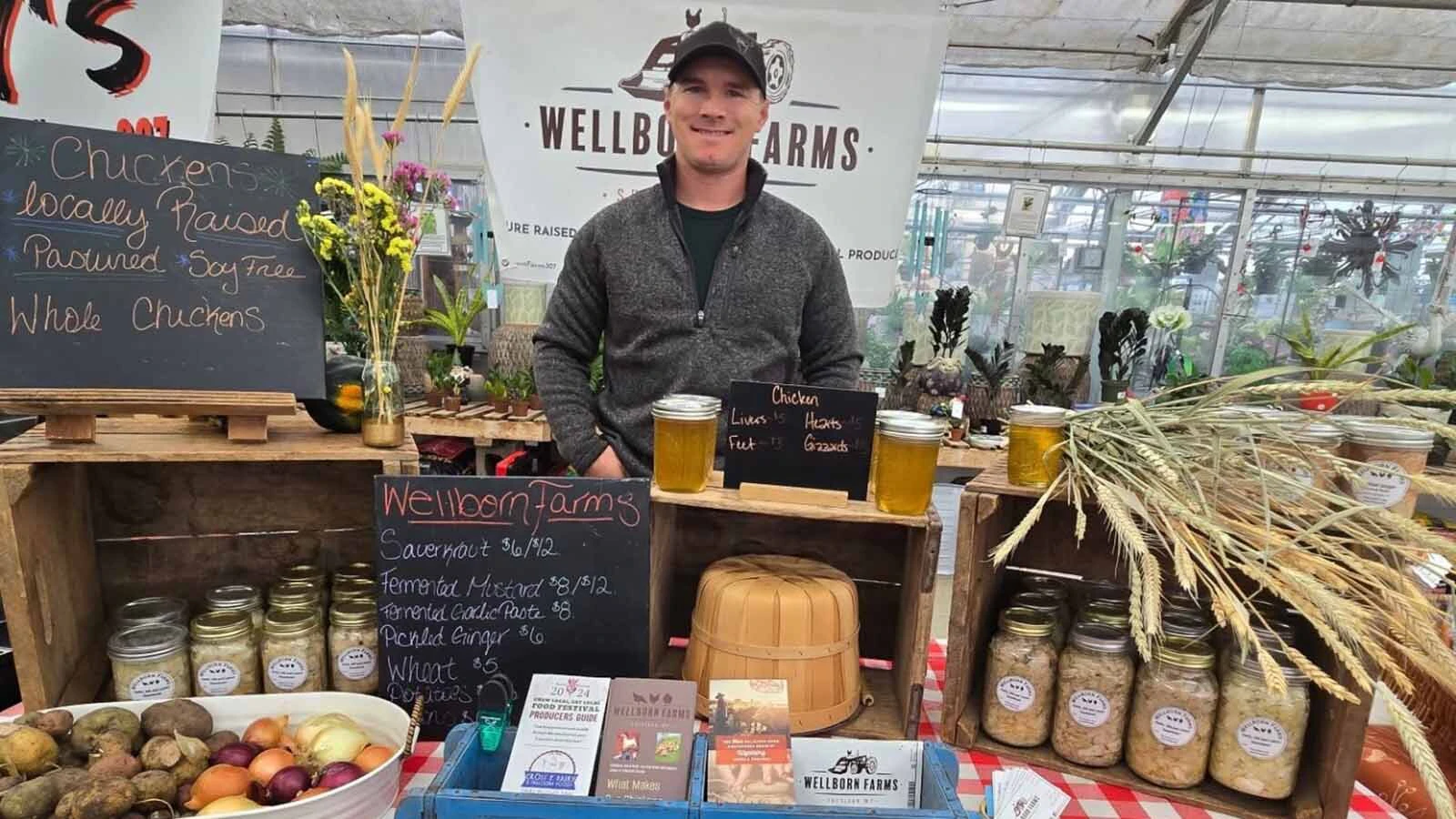
In Sheridan, Wellborn Farms owner Hanne Wellborn said her unique line of fermented foods accounts for about 70% of her business.
Her biggest seller is different-flavored sauerkraut.
“I do about 100 gallons every two weeks of different kinds of sauerkraut, and it’s sold only here in Sheridan County,” she said.
She makes six main flavors, “and I keep three or four of them in stock at local stores at any one time.”
Wellborn said that especially since the COVID-19 pandemic, she’s noticed the trend of fermented foods becoming more mainstream.
“There’s definitely a growing interest and market for it,” she said. “I’ve seen an upward trend.”
Wellborn said she also makes her own kimchi, fermented black garlic and two types of fermented mustard.
Restaurants have also been hopping on the fermentation bandwagon.
You can get fermented pickled potatoes turned into french fries at Al’s Place in San Diego, for example, or mustard-cured eggs from Mission Chinese in New York City.
Fermented mustard, fermented hot sauce, fermented cranberry sauce even — the list is seemingly endless.
Hang onto your tastebuds, though, because the food industry is just getting started.
SNS Insider projects the fermented foods market will rise to more than $109 billion by 2033,— which means a lot more interesting foods are likely on the way.
Try, Try Again
For many converts, the road to fermentation was a little bumpy along the way.
Cheyenne resident Morgan Cramer, for example, was very turned off by her first sip of kombucha, a fermented tea that tastes a bit like a fizzy soda.
“I had heard about kombucha for a little while,” she said. “But if you get kombucha from a store? You would have, like, three sips and be like, ‘Oh my, God, who drinks this stuff? What is this?’
"And you would toss the rest of it out or give it to a family member as like a joke kind of thing.”
That could have been the end of the road for Cramer and fermented foods. But then one day during the winter farmers market in Cheyenne, she decided to try a little bit of what she thought was homemade ginger soda to calm a queasy stomach.
“Within 15, 20 minutes, my stomach felt better,” she said. “It was really good. It had a little bit of heat but nothing crazy. It just tasted really refreshing.”
She had her dad try some of the homemade soda as well, and he loved it.
In fact, her dad, who has longstanding stomach issues, has since been able to reintroduce certain spices he’d been unable to enjoy without a major stomach upset.
It turned out, however, that it wasn’t ginger soda at all. It was locally brewed ginger kombucha from The Fermented Leaf, a startup owned by Bailey Monk.
The business is just one example of how a once-fringe food trend is spawning new niche businesses across America, including here in the Cowboy State.
A Hobby For Health
Monk had a mother who was open to fermentation experiments before it became the billion-dollar buzzword it is today.
She and her mother, Lacy Layne, started their kombucha brewery under Wyoming’s Food Freedom Act laws.
At first, it was a nano brewery on their kitchen counter. Then it moved to their garage, and now it’s sharing business space with WyoGrown Microgreens & Things in Cheyenne.
Their kombucha business began as little more than a hobby for health, one they discovered when a family friend named Cecil Pierce shared some of his homemade sauerkraut with them.
“He’s in his late 70s and he told me that in his 40s he actually thought he was dying,” Layne said. “He actually thought he was dying, he felt so terrible.”
Doctors hadn’t been able to tell him what was wrong, but things started to improve after he started making his own sauerkraut and eating it.
Sauerkraut is made by packing chopped cabbage with a salty brine and letting it sit at room temperature for about two weeks.
The brine helps kill non-beneficial bacteria, although sometimes a harmless white mold called kahm yeast will grow on top. It’s OK, unless the mold is fuzzy and black, in which case the entire batch should be discarded.
“He eats sauerkraut every single day now,” Layne said. “And he told me the whole story about this experience in healing his own gut.”
After that, Layne decided to try it as well, and found it seemed to help some of her own issues.
Ultimately, that’s what led to a regular kombucha habit for both Layne and her daughter, and soon a full-fledged business.
From The Garage To Brick-And-Mortar Store
Monk and Layne have had plenty of feedback from family and friends telling them their kombucha is delicious.
That’s what inspired them to bring their home brew to Cheyenne’s winter farmers market, starting with a relatively small batch of 10 gallons.
Within an hour and a half, they had sold out.
So, they brought more the next time, and the time after that, selling out each time.
Many are repeat customers, and they often talk about the health benefits they are experiencing.
“I work at a day care,” one of them told Monk. “And I’ve been drinking your kombucha since last year and haven’t gotten sick one time.”
Another woman, who is being treated for cancer, reported that her test results have started looking better since she’s started drinking kombucha.
The popularity of Monk’s kombucha has grown so much, she will soon open her own brick-and-mortar store, with double the capacity for serving up kombucha that she has now.
Cramer, meanwhile, who has become one of Monk’s most devoted customers, said she believes kombucha has helped her manage both weight and health better.
“I’ve always had a very negative view of food,” she said. “But this has a positive mind-effect. You’re sitting there going, ‘You know this tastes really good. And it’s good for me.'”
Cramer hasn’t been too interested in trying the variety of other fermented foods. For now, it’s enough to have a simple soda she can say “yes” to in a world that offers so many more "nos.”
Renée Jean can be reached at renee@cowboystatedaily.com.