Dear editor:
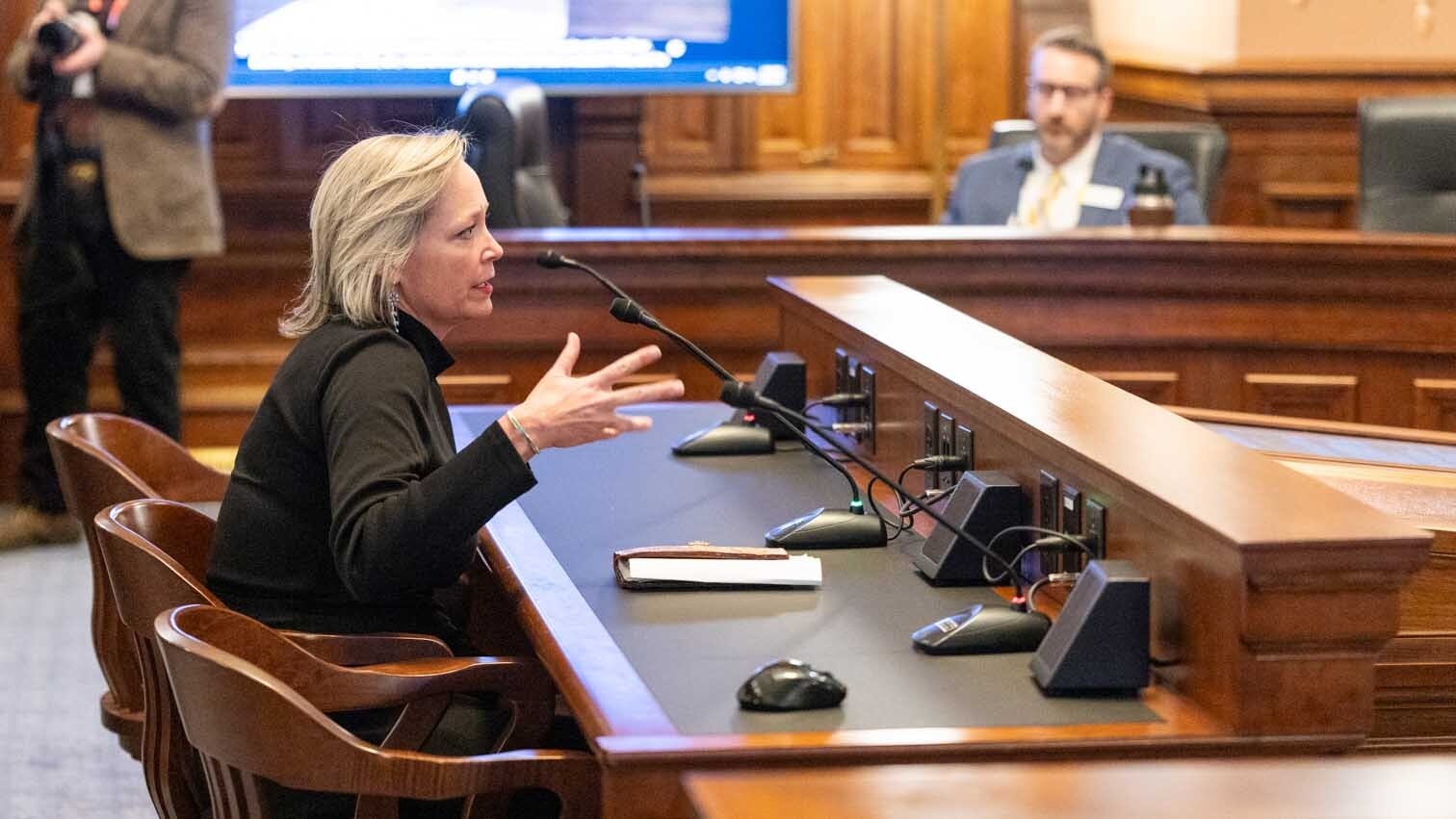
On Wednesday March 4 at 2 p.m. Eastern (12 p.m. Mountain), the House Natural Resources Subcommittee chaired by Harriet Hageman will hold a hearing on the future of the Migratory Bird Treaty Act.
The central question is whether this law should protect migratory birds only from deliberate harm, or also from predictable, unintended deaths caused by large-scale industrial activity.
The Trump administration has restored a legal interpretation limiting the law to intentional acts.
That interpretation may provide short-term regulatory certainty for industry, but in southeastern Wyoming, where industrial wind energy is expanding rapidly, it carries real consequences.
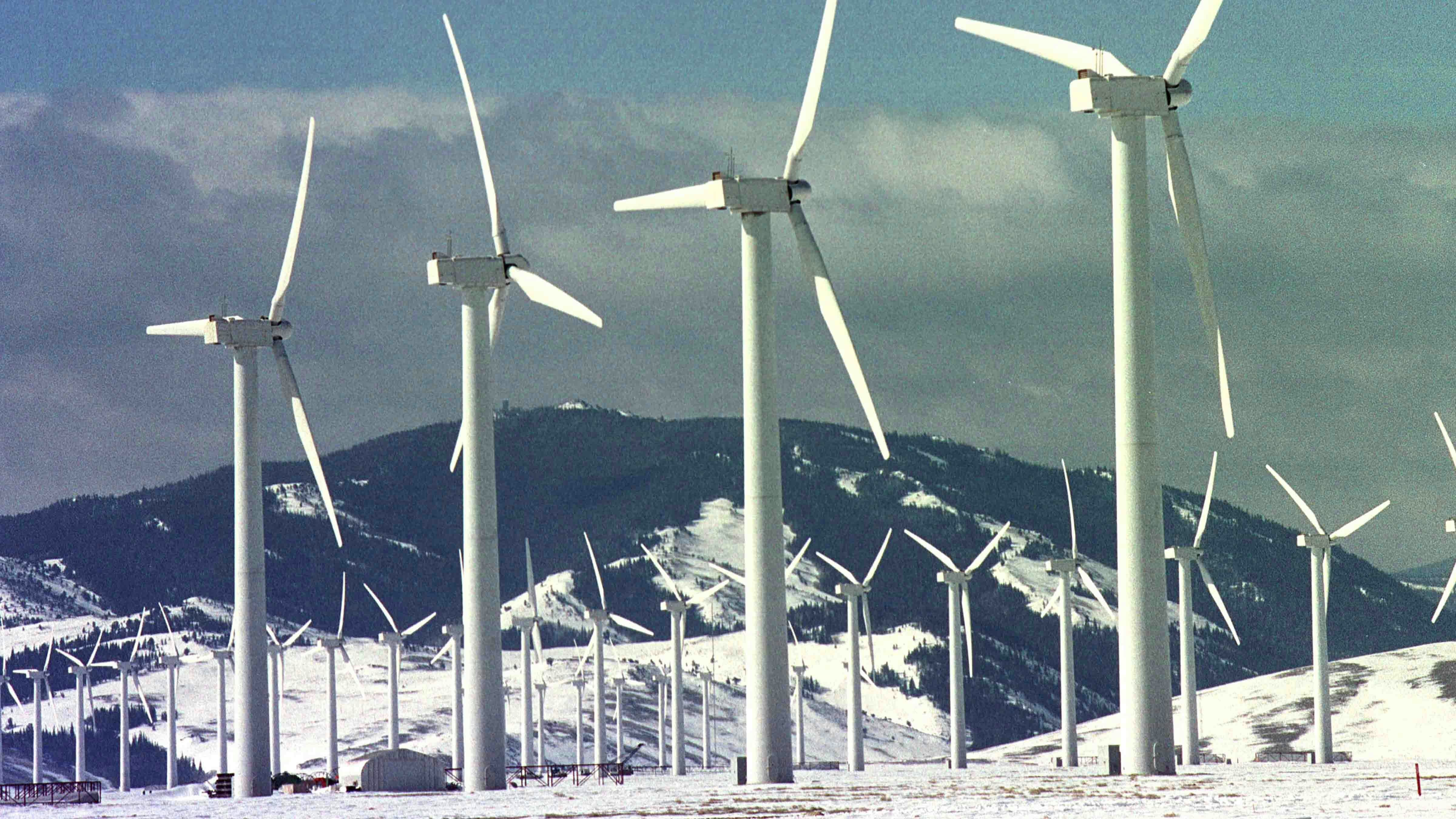
Across Albany, Laramie, Platte, Converse, and Niobrara counties, dozens of wind facilities are being proposed and constructed. What many residents now call the “Wind Wall” is not a collection of isolated projects.
It is a corridor-scale industrial footprint across migratory pathways used by golden eagles, hawks, cranes, waterfowl, and other protected species. Birds do not encounter one permit boundary at a time; they encounter the full landscape.
This concern is especially vivid along the Laramie Range northwest of Cheyenne. My family’s multi-generational ranch sits directly within this corridor.
For more than a century we have watched eagles and hawks ride thermals along these ridges. Stewardship is not an abstract idea for us; it is a lived responsibility.
Wyoming has already seen how federal enforcement can influence behavior without halting development. In 2013, a Wyoming wind operator entered a $2.5 million settlement after the deaths of golden eagles and other birds. That case led to mitigation practices and operational adjustments.
If federal law no longer addresses predictable unintended mortality:
- There will be less incentive for corridor-level siting;
- Seasonal operational adjustments may decline;
- Cumulative regional impacts could go unaddressed.
Clarifying federal law is important — businesses deserve predictable standards. But clarity should not become abdication of responsibility for foreseeable effects on wildlife and working landscapes.
Wyoming understands tradeoffs. We produce energy. We also host some of the West’s most significant migratory corridors. Eliminating all federal accountability risks shifting long-term ecological costs onto local communities and future generations.
Before the March 4 hearing, Wyoming citizens should urge our congressional delegation to support a balanced approach that:
- Clearly defines unintended harm;
- Provides predictable compliance pathways;
- Preserves accountability for preventable impacts; and
- Recognizes cumulative effects across corridors like the Laramie Range.
Contact Wyoming’s delegation today:
- Representative Harriet Hageman — Washington, D.C. Office: (202) 225-2311; Cheyenne Office: (307) 772-2595; Casper Office: (307) 261-6595.
- Senator John Barrasso — Washington, D.C.: (202) 224-6441; multiple Wyoming offices: Casper (307) 261-6413, Cheyenne (307) 772-2451.
- Senator Cynthia Lummis — Washington, D.C.: (202) 224-3424; Wyoming offices in Casper and Cheyenne.
Energy production and wildlife stewardship are not mutually exclusive. But they require accountability — not a blank check.
Wendy Volk, Cheyenne