
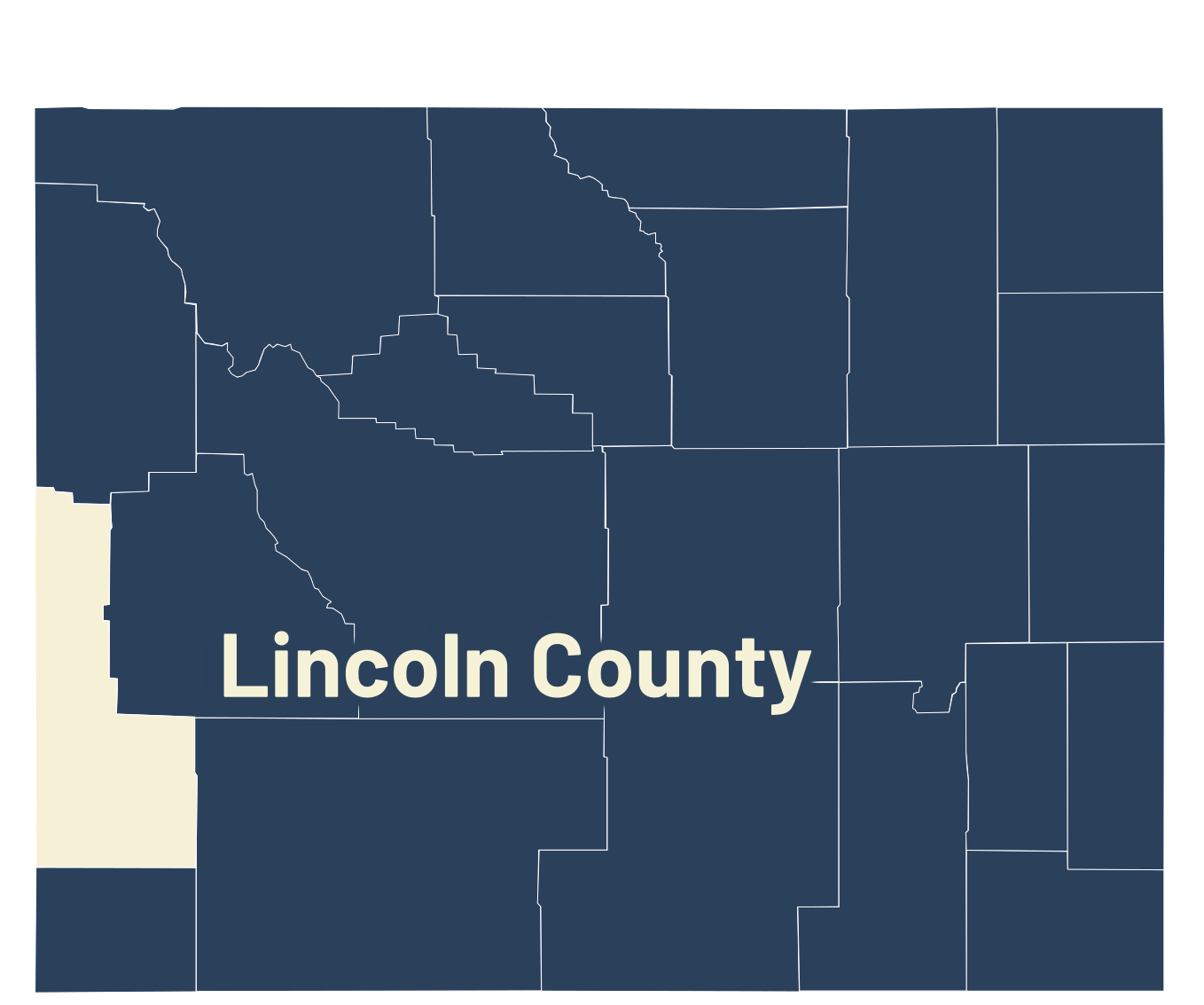

Star Valley resident Lee Leavitt has had an RV pad on his property for 30 years, complete with electricity, water and sewer hookups.
A family member lives in the RV, an arrangement Leavitt says is increasingly important in an area where housing costs have made it difficult for many people to afford homes of their own.
When Lincoln County began considering sweeping changes to its land use regulations, including a proposal that could require people get permits for recreational vehicles on private property, Leavitt was among a number of residents who were vocal over more rules on how to use their private property.
Why should he need permission from the county to let someone live in an RV on land he already owns and pays taxes on?
"The most striking thing to me about this amendment is the invasion of the county thinking that somehow they have ownership of my property and my personal things," Leavitt told Cowboy State Daily.
The proposed changes extended far beyond RVs to include a sweeping range of issues like data centers and wind farms to small businesses and even the definition of a family.
This week, the county pulled the plug on the whole thing amid growing public opposition, but many say the battle over regulating those issues is just beginning.
Lincoln County Planning Director Ken Kuluski said that the county Chief of Staff Stephen Allen withdrew the entire package of proposed zoning amendments at Wednesday's Planning and Zoning Commission meeting.
"This is considered a closed 'dead' project,'" told Cowboy State Daily in an email.
Kuluski said no additional public comments or hearings will take place on the proposal.
The withdrawal brings an abrupt end to consideration of changes that had raised concerns about how much authority county government should have over what residents do with their own property.
RVs And The Housing Crunch
For Leavitt, the proposed RV permitting requirement raises concerns about private property rights and housing affordability.
The amendments would have added recreational vehicles as a separate land use category requiring permits in certain rural, mixed-use and recreational zoning districts.
The proposal raised questions about which RVs would require permits, how long they could remain on private property and whether existing arrangements would be affected.
Leavitt said RVs have become one way families in Star Valley are coping with the area's increasingly expensive housing market.
"These little trailer courts are popping up and parents have kids living in their backyard in an RV because I can't afford to buy a home," she said, describing the challenges facing residents.
Leavitt's own family is among those that rely on those arrangements.
"It's very important for me to be able to help this person with a place to be able to stay," she said.
She also questioned whether requiring permits for RVs on private property would amount to charging residents additional fees for something they already own.
In her view, the county would essentially be double-dipping on property owners who already pay property taxes.
The proposed regulations did not clearly explain how longstanding RV arrangements like his would be treated, or whether existing uses would be exempt from any new permitting requirements.
Much More Than RVs
The RV permitting provision was just one piece of a massive proposed overhaul of Lincoln County's land use regulations.
The amendments were organized into 10 categories, including data centers, commercial solar and wind projects, quarries, kennels, recreational vehicles, entertainment venues, residential property, small businesses and fire protection.
They also included changes to permitting and other regulatory procedures.
Some provisions addressed large-scale commercial development, while others touched on ordinary residential activities.
For example, the amendments contemplated adding data centers as a land use category, raising questions about whether large commercial facilities could be permitted in rural districts.
The proposed definition did not establish specific thresholds for electricity consumption, water use or facility size, leaving questions about how large a data center could be and what protections would apply to neighboring properties.
Commercial wind and solar developments were another area under consideration, including how far facilities should be set back from neighboring properties and who would be responsible for removing equipment and restoring land when projects are abandoned.
Other changes would have affected small businesses, commercial events and agricultural-related activities.
But one of the biggest sticking points for residents involved what they could do on their own property.
Redefining Family
Among the proposed residential changes was a revision to the county's definition of a family.
Under existing Lincoln County regulations, a family can include up to four unrelated people living and cooking together as a single housekeeping unit.
The proposed amendment would have removed that provision and added language defining a family as one or more parents and their children living together.
Although the proposed language did not explicitly prohibit unrelated people from living together, it raised questions about how the county would treat roommates, shared housing arrangements and households that do not fit a traditional family structure.
It was also unclear how existing living arrangements might be affected.
The proposed amendments did not explain what specific problem the revised definition was intended to address.
Residents Urged To Pay Attention
Lincoln County resident Amber Hyde was among those urging a closer look at the proposed changes.
"We are talking about a framework that addresses data centers, commercial solar and wind development, businesses, housing, RV use, private camping, agricultural processing, and dozens of other land uses throughout Lincoln County," Hyde wrote on social media.
Cowboy State Daily was unable to reach Hyde for additional comment.
The breadth of the proposal raised questions about why the county was considering so many changes at once.
Although the county's staff report outlined broad goals of responsible development and reducing impacts on public services, it did not identify the specific development issues behind each proposed amendment.
For example, the report did not explain whether particular projects had prompted the proposed data center regulations, why the small-business threshold was being reduced or why the definition of family needed to change.
Leavitt said she isn’t now sure what had prompted the county to pursue the amendments.
In his email to Cowboy State Daily, Kuluski did not answer Cowboy State Daily’s question about why the amendments were being considered now.
But the controversy illustrates a larger tension facing growing Wyoming communities: how to accommodate new development and changing housing needs without imposing additional restrictions on longtime property owners.
Kate Meadows can be reached at kate@cowboystatedaily.com.


