

Three Wyoming meat processors are getting a collective $908,216 in federal money to expand their operations, giving local ranchers more options for getting their beef and other meat products from pasture to market.
For two of the processors, the money means more than simply increasing production. It will help them work faster, keep costs down and ensure that more parts of each animal will be used for products ranchers can sell.
That includes everything from bacon and jerky to dog treats made from parts of an animal that might otherwise go to waste.
The awards, announced Wednesday by USDA Rural Development, are part of a $57.4 million investment in 147 projects across 40 states.
In Wyoming, the projects are expected to create 15 jobs and preserve another 32, while expanding the capacity of independent processors that serve local livestock producers.
The grants are part of the U.S. Department of Agriculture's Meat and Poultry Processing Expansion Program, an initiative designed to strengthen smaller, independent meat processors and give livestock producers more choices about where to take their animals.
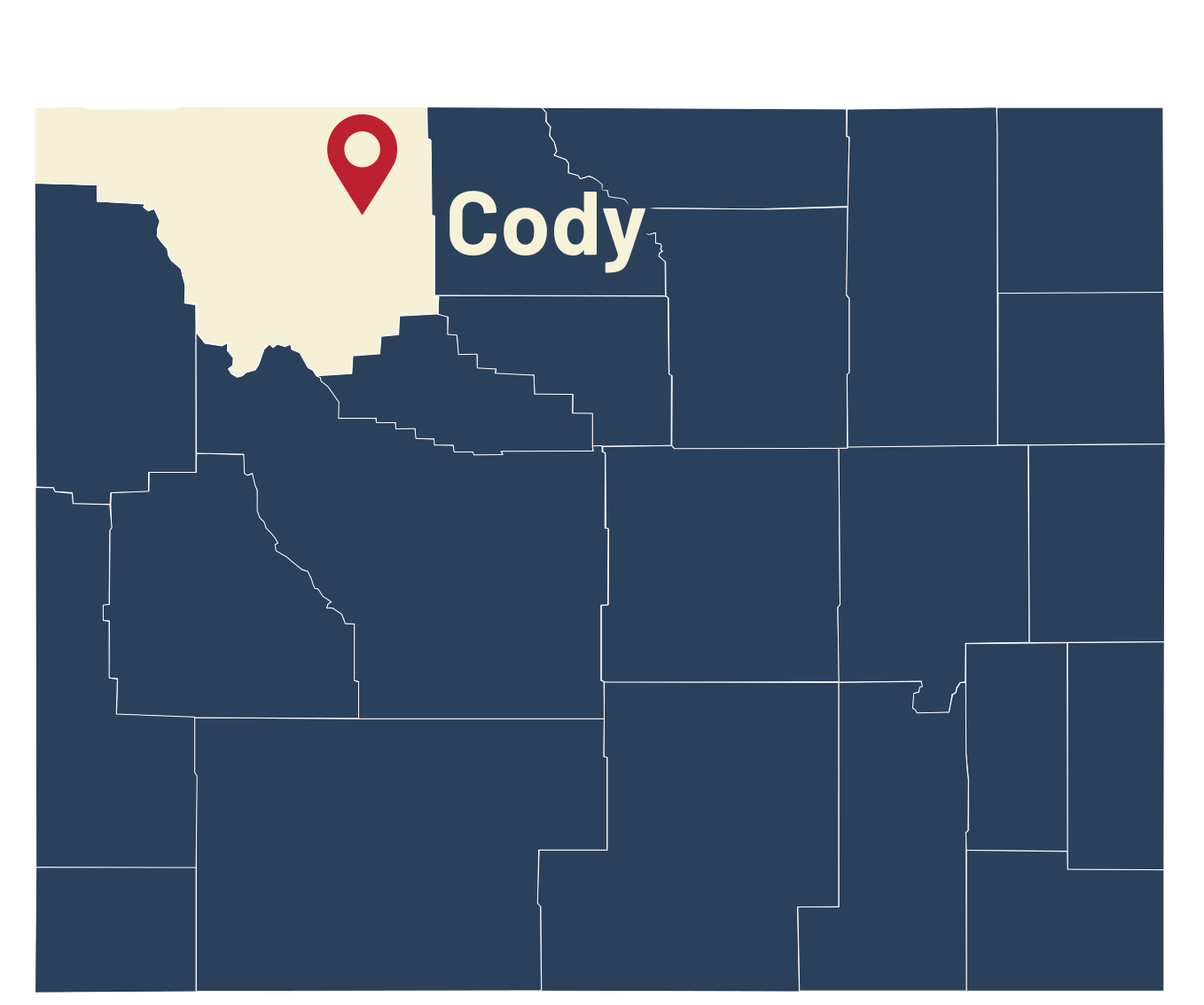
Wyoming Legacy Meats LLC in Cody received the largest award at $552,906. Star Valley Meat Block and Cold Storage in Thayne received $186,198. Home on the Range Meat Processing in Cheyenne received $169,112.
For Wyoming ranchers, having more meat processed closer to home can mean fewer transportation headaches, more opportunities to sell directly to customers and a greater share of the value of the animals they raise.

More Meat, More Markets
At Star Valley Meat Block in Thayne, owner Tylee Williams said the grant will help the business streamline work still largely done by hand.
The goal is to process meat more efficiently without passing unnecessary costs along to ranchers and other customers, she said.
"It helps us to make things go faster and keep prices down," Williams told Cowboy State Daily.
The improvements will also help Star Valley Meat Block expand the ways its customers can market their products.
The business became a USDA-inspected facility six years ago, a milestone that allowed it to operate year-round and opened new opportunities for customers to sell their meat commercially.
Williams said the facility is among the few in the region that also makes cooked and smoked products, including jerky, sausage and bacon.
That's an important distinction for ranchers who want to do more than sell an animal or individual cuts of meat.
With processing done at a USDA-inspected facility, eligible products can be sold at farmers markets, stocked in retail stores and shipped across state lines.
With the grant-funded improvements, Williams said she hopes to make that process faster and more affordable.
Using Every Part Of The Animal
At Cheyenne’s Home on the Range Meat Processing, owner Kirstan Castro has a different set of improvements in mind.
One of her priorities is moving the smokehouse into a separate area, away from the heat and humidity it generates in the processing space.
The grant comes with restrictions on expanding a facility's physical footprint, Castro said, so she plans to renovate unused shop space to accommodate the smoker rather than construct an addition.
Castro, who has operated the business for about two and a half years, said learning that Home on the Range had been selected for the federal funding came as welcome news.
"We were super excited," she said. "It was a wonderful surprise."
Another significant portion of the grant will go toward creating a dedicated production area for dog treats.
While that might seem like an unusual investment for a meat processor, Castro sees it as a practical way to make better use of the animals coming through her facility.
"I'm very excited about that," she said. "I don't like to waste any of the carcass."
Another Product To Offer
For ranchers, that means another product they can offer customers and another opportunity to recover value from each animal.
Most of Castro's customers are ranchers who sell meat directly to individuals.
"We'll be able to provide quicker products and wider variety," she said.
Home on the Range also processes chickens, a service Castro says is unique among Wyoming meat processors.
That diversity is important to smaller livestock producers who raise more than one kind of animal but have limited local options for getting them processed.
Castro said she sees the federal investment as a way to strengthen not only her business but also the ranching operations that depend on it.
"I think it's a wonderful way to help our small businesses and support our ranchers," she said.
Investing In Wyoming Agriculture
Wyoming Legacy Meats LLC in Cody received more than half of the federal funding awarded to the three Wyoming businesses: $552,906.
Wyoming Legacy Meats did not return Cowboy State Daily's call before publication, leaving questions about how the business intends to spend its grant money.
Rep. Rachel Williams, who wrote a letter supporting the company's grant application, celebrated the award in a social media statement.
"Investing in meat processing capacity is investing in Wyoming agriculture, our producers, and our rural economy," Williams wrote. "Strengthening our ability to process and add value to Wyoming products right here at home is a win for our state and my community."
Keeping More Of The Business At Home
The Meat and Poultry Processing Expansion Program is also intended to strengthen the meat supply chain by expanding the number of facilities available to livestock producers.
The fourth phase of the program focuses primarily on the American beef industry, with an emphasis on diversifying processing options and opening new local markets.
For Wyoming's livestock producers, the benefits of having more independent processing capacity extend beyond the processing plants themselves.
The improvements are about making the most of what Wyoming ranchers already produce and keeping more of the value of livestock closer to home.
Kate Meadows can be reached at kate@cowboystatedaily.com.


